


One of Málaga's most considered Japanese restaurants, TA-KUMI holds a Michelin Plate (2025) and sits inside the city's broader push toward serious international dining. The kitchen runs an extensive à la carte alongside the Matsuri set menu, with a sushi bar, two dining rooms across split levels, and a private room for groups seeking separation from the main floor.
Pearl is the En Primeur Club membership app — saves, bookings, and concierge access live there. Same editors, same standards.
- Address
- C. Mundo Nuevo, 4, Distrito Centro, 29012 Málaga, Spain
- Phone
- +34 952 06 00 79
- Website
- restaurantetakumi.com
- Directions
- Get directions
 Saves & bookings on Pearl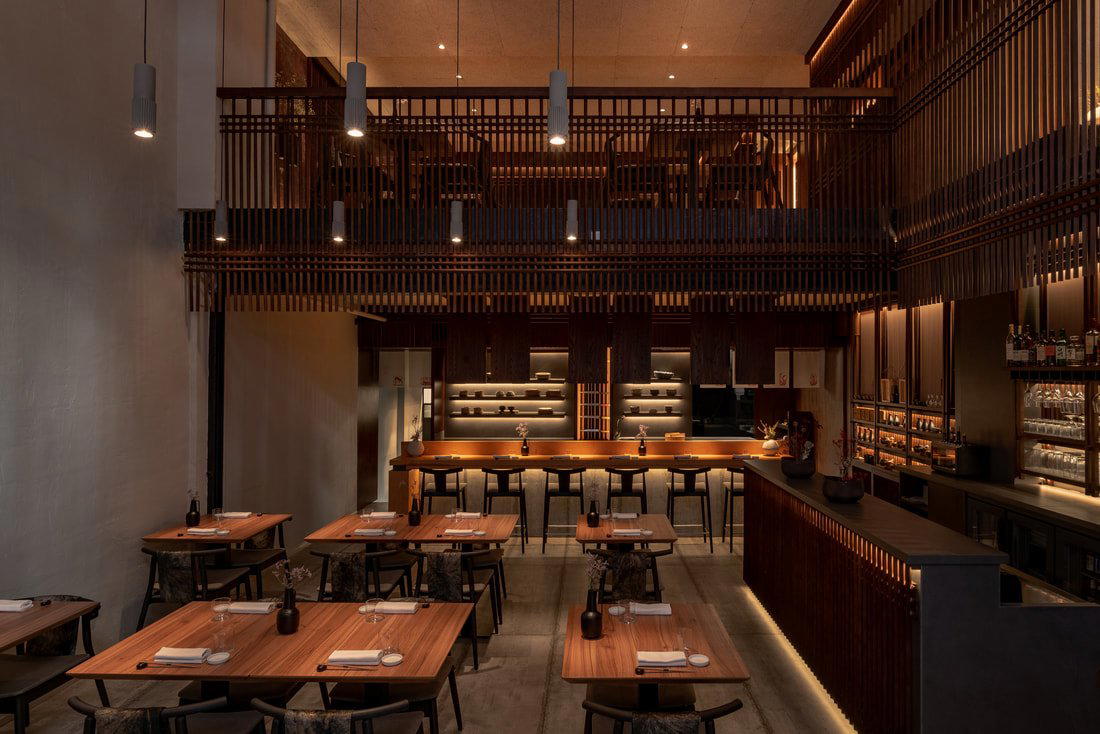
Japanese Discipline in the Andalusian Centre
Málaga's historic centre has spent the last decade accumulating serious dining rooms at a pace that few comparable Spanish cities outside Madrid and Barcelona can match. That expansion has not been limited to Andalusian cooking: the city now supports a tier of international kitchens operating at price points and with technical ambition that would have been unusual here fifteen years ago. TA-KUMI, on Calle Mundo Nuevo in the Distrito Centro, occupies that tier for Japanese cuisine, sitting at the €€€ price level with a typical spend of about $50 per person alongside peers like Beluga and well below the city's upper-end €€€€ rooms such as Kaleja and Blossom. The Michelin Plate it carries in 2025 signals kitchen consistency rather than transformative ambition, which is exactly what this format promises and delivers.
The Room and Its Logic
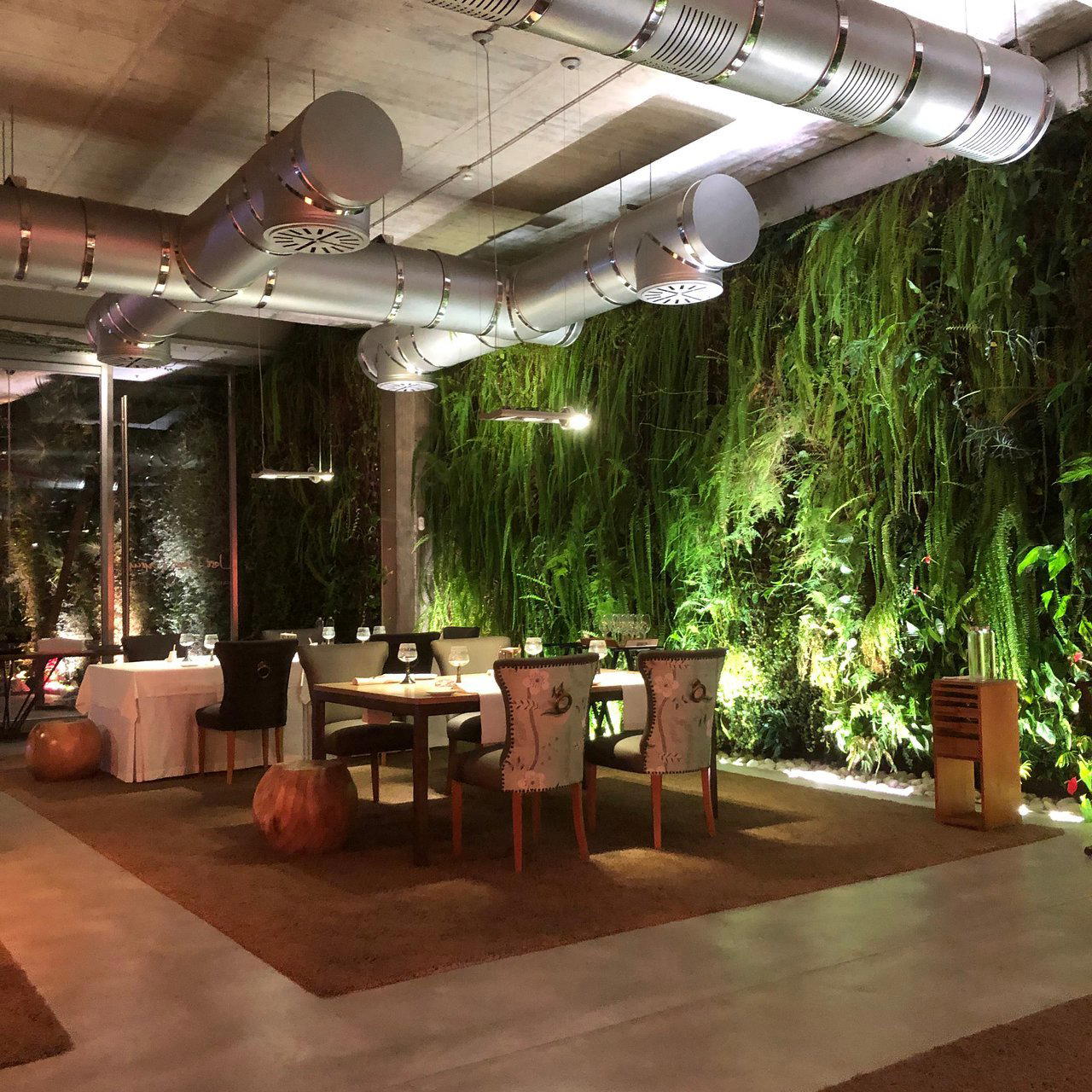
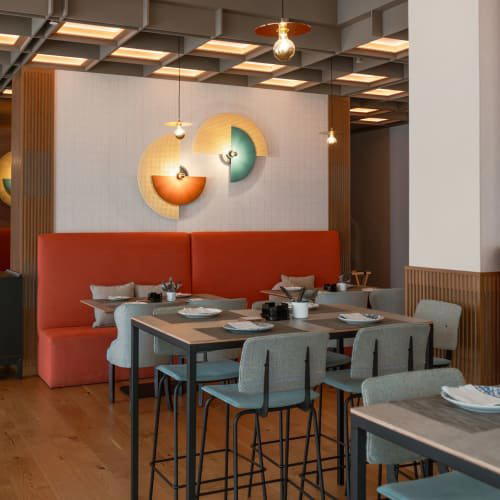
The physical arrangement here is deliberate. A sushi bar anchors the ground-floor experience, placing the preparation of raw fish at the centre of the room rather than behind a pass. Two dining rooms across separate floors allow the restaurant to manage different energy levels simultaneously: the bar and lower floor tend to carry more movement, while the upper floor offers quieter table service. A private room completes the configuration for groups who want separation from the main dining flow, a format that works particularly well for business dinners or occasions where conversation matters as much as the food. The contemporary ambience reads as considered rather than neutral: this is not a room decorated with generic Japanoiserie, but a space that takes its cues from the cleaner registers of modern Japanese restaurant design.
Technique Imported, Ingredients Sourced
The intersection of Japanese method and Andalusian geography is one interesting editorial question to ask about any Japanese kitchen operating on Spain's southern coast. Andalusia produces seafood of considerable quality: the Atlantic coast and the Mediterranean meeting point near Tarifa, the tuna grounds of the Strait of Gibraltar, the shellfish beds further east toward Almería. A Japanese kitchen in this location does not need to import mediocre fish from distant markets when notable local product is available. Andalusian sourcing is not confirmed, but the culinary logic is present in the region regardless: Spanish chefs like Ángel León at Aponiente have spent careers demonstrating what Atlantic Iberian waters can produce when treated with technical precision. A Japanese kitchen in Málaga operates within that same geography, even if the methods arrive from a different tradition entirely.
Partnership between Toshio Tsutsui and Álvaro Arbeloa in the kitchen represents precisely the kind of dual-lineage operation that makes this format coherent rather than merely cosmopolitan. Japanese culinary rigour and Spanish product knowledge are not opposing forces in a room like this; they are complementary capabilities. Comparable cross-cultural Japanese kitchens across Spain, including high-end operations in Madrid and San Sebastián, have demonstrated that the combination produces results that sit outside the usual category logic. DiverXO in Madrid and Arzak in San Sebastián represent different endpoints of what Spanish kitchens absorbing international techniques can achieve at the highest tier; TA-KUMI operates at a more accessible register, but the underlying question of technique meeting local product is the same.
The Menu Structure
À la carte at TA-KUMI is described as extensive, featuring signature recipes developed within the restaurant group alongside dishes shared across the group's broader portfolio. This dual-layer menu structure, combining house-specific signatures with group-wide standards, is a logical approach for a multi-site operation: it allows individual locations to develop distinct identities while maintaining quality benchmarks across the network. The Matsuri set menu provides a structured alternative for guests who prefer a predetermined sequence over individual selection, which suits both first-time visitors unfamiliar with the range and regulars who want a guided experience on a particular evening.
Notably, hot and cold nigiri are available outside the formal menu structure, operating as an informal supplement that allows guests to order selectively even within a set-menu visit. This flexibility is significant: it signals that the kitchen is not rigidly format-driven, and that guests accustomed to the à la carte freedom of traditional Japanese dining can access that register even here. For comparison, Japanese counters in Tokyo operating at a similar technical level often enforce a strict omakase sequence with no deviation; the approach at TA-KUMI is considerably more permissive, which reflects both the European dining context and the restaurant's aim to serve a broad Málaga clientele rather than a narrow specialist audience. Those interested in how Japanese restaurant formats function at their most disciplined end can compare against the omakase model at counters like Myojaku or Azabu Kadowaki in Tokyo.
TA-KUMI in Málaga's Wider Dining Picture
Málaga's restaurant scene in 2025 is layered enough to reward deliberate navigation. The city's Andalusian kitchens at the high end, including Aire, Kaleja, and Arte de Cozina, work from the inside of a regional culinary tradition. The restaurant works from the outside, importing a discipline and an aesthetic and applying them to a southern Spanish context. Both approaches are worth engaging with during any substantive visit to the city; they illuminate different things about where Málaga is as a dining destination. For those building a fuller picture of what the city offers across restaurants, bars, hotels, and experiences, the full Málaga restaurants guide, bars guide, hotels guide, wineries guide, and experiences guide cover the wider scene.
At €€€ pricing within a city where serious cooking across multiple cuisines is increasingly accessible, the restaurant holds a clear position. It is also worth contextualising within Spain's broader trajectory toward ambitious non-Spanish kitchens: restaurants like Quique Dacosta in Dénia, Azurmendi in Larrabetzu, and El Celler de Can Roca in Girona have demonstrated over many years that Spanish dining culture is comfortable absorbing and transforming external influences. The restaurant operates at a different tier, but within the same cultural current.
Planning a Visit
The restaurant is located at Calle Mundo Nuevo 4 in Málaga's Distrito Centro, placing it within walking distance of the city's principal historic and cultural sites. At the €€€ price point, expect per-head spend consistent with a mid-upper evening dining experience in a Spanish city of this scale. The private room makes advance coordination worth considering for groups. The sister operation in Marbella follows a comparable format, which is useful context if you are travelling along the Costa del Sol and want to plan across locations.Alaparte for an alternative direction if your priorities run toward a different register of Málaga dining.
In Context: Similar Options
Comparable venues nearby, for context on price, style, and recognition.
| Venue | Cuisine | Price | Awards | Notes |
|---|---|---|---|---|
| TA-KUMIThis venue — the venue you are viewing | Artisanal Japanese Sushi | $$$ | Michelin Plate | Not listed |
| Restaurante Haruki | Japanese Sushi | $$ | Not listed | Cañada De Los Ingleses |
| Mi Niña Lola | Modern Malagueña Fusion | $$$ | Michelin Plate | Campos Eliseos |
| Cávala | Modern Mediterranean Seafood | $$$$ | Michelin Plate | Ensanche Centro |
| Alaparte | Modern Málaga Bistro | $$ | Michelin Plate | Centro Historico |
| Mura Mura Osteria | Modern Neapolitan Osteria | $$$ | Not listed | Centro Historico |
Recognition history
Dated appearances from independent guides and award organizations, with the underlying list record or original source where available.
Guía Repsol 1 Sol
Guía Repsol
Macarfi 7.8 Food Rating
Macarfi
Michelin Plate
Michelin
Michelin Plate
Michelin
Continue exploring
More in Málaga
Restaurants in Málaga
Browse all →
Bars in Málaga
Browse all →
Hotels in Málaga
Browse all →

At a Glance
- Elegant
- Sophisticated
- Modern
- Intimate
- Date Night
- Special Occasion
- Open Kitchen
- Sake Program
- Street Scene
Current opening hours
- Monday
- Closed
- Tuesday
- 1:30–4 PM, 7:45–11:30 PM
- Wednesday
- 1:30–4 PM, 7:45–11:30 PM
- Thursday
- Closed
- Friday
- Closed
- Saturday
- Closed
- Sunday
- Closed
Hours can change for holidays and private events. Last verified .
Meticulous oriental-contemporary decor with stylish, clean, and tastefully furnished interiors featuring ambient lighting and a sushi bar.