Michelin Plate · Macarfi 7.6 Food Rating
Our verdict
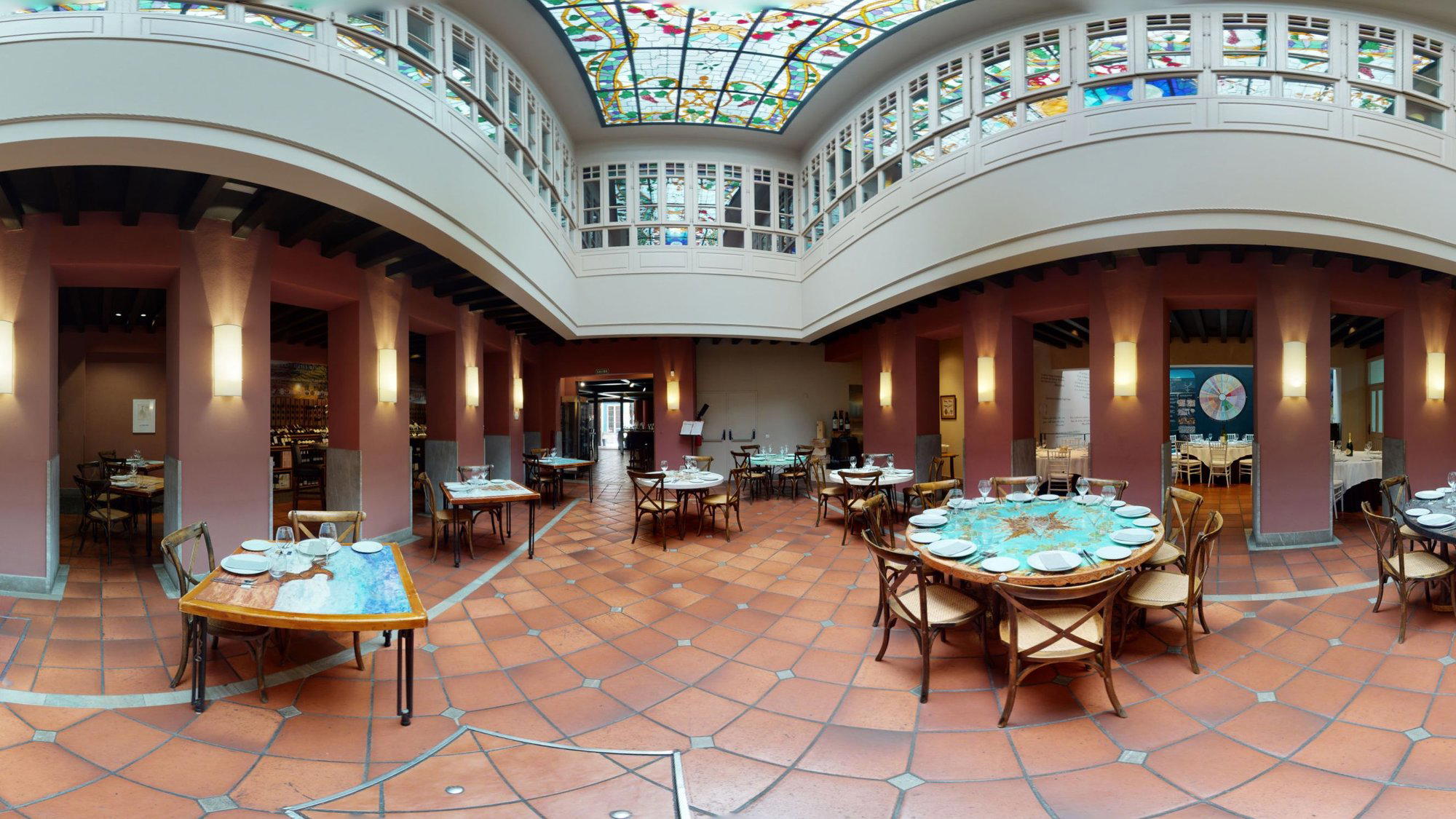
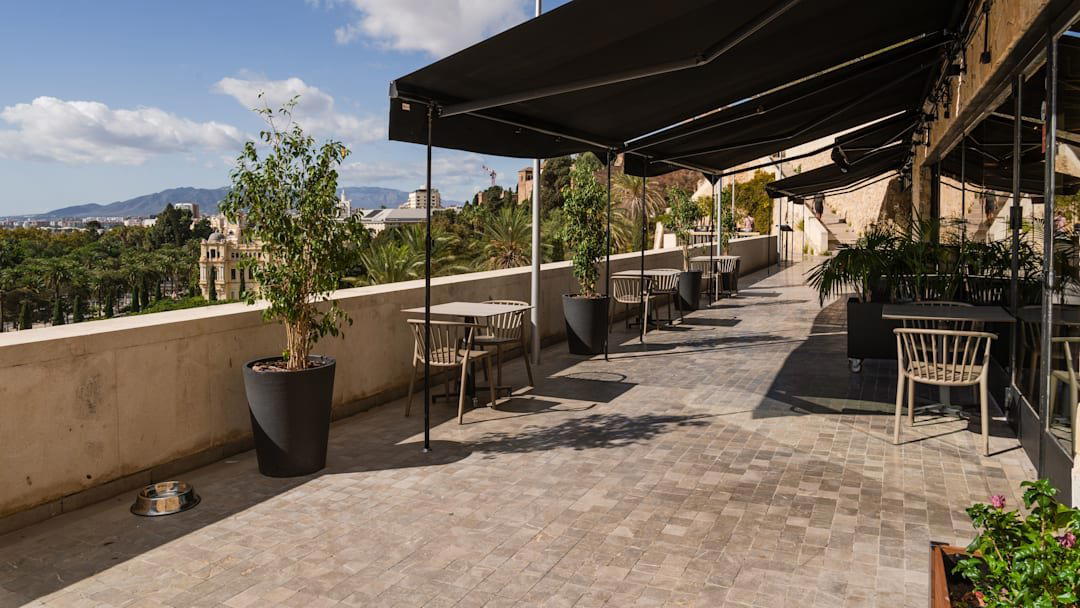
Perched on the slopes of Gibralfaro hill in the historic La Coracha district, Mi Niña Lola frames one of Málaga's most commanding terrace views across the city and out to the Mediterranean. Chef Pablo Rutllant's small-plates menu threads global technique through Andalusian produce, with dishes like black corn empanada with squid and mango with yuzu making the cross-cultural argument Málaga has always had to offer.

Pearl is the En Primeur Club membership app — saves, bookings, and concierge access live there. Same editors, same standards.
- Address
- C. Campos Elíseos, s/n, Distrito Centro, 29016 Málaga, Spain
- Phone
- +34 951 31 27 10
- Hours
- Mon ClosedTue–Sat 12:30 PM–12 AMSun Closed
- Website
- restaurantemnl.com
- Directions
- Get directions
- Booking
- Book on CoverManager
The menu
What to order
- Pargo macerado en salsa miso con leche de tigre
- Puerros payoyos
- Barbabiétola di búfala
Where Málaga's Layers Come Into View
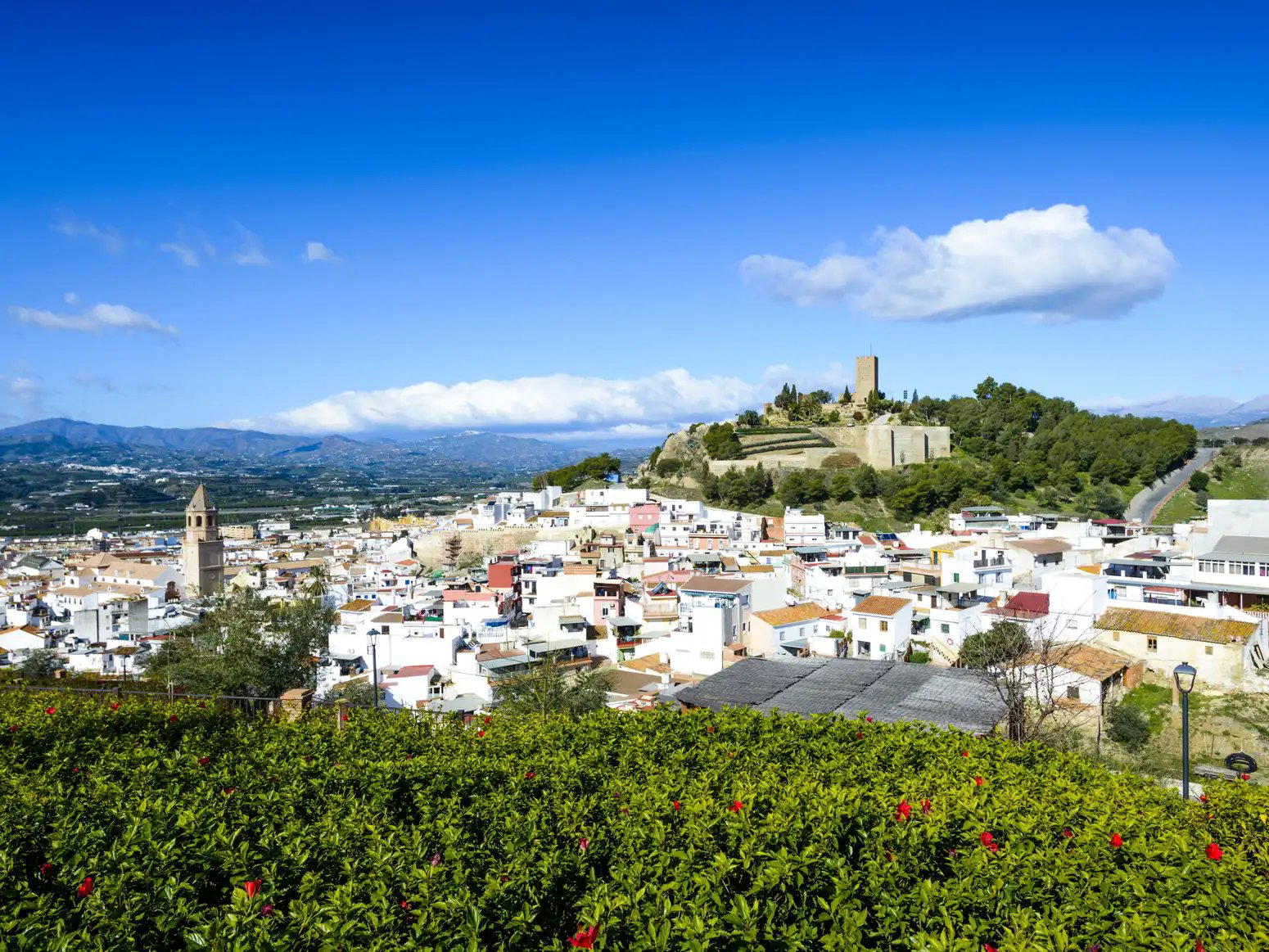
Approach Mi Niña Lola from the old La Coracha district on the flanks of Gibralfaro hill and the city reorganises itself beneath you. The port, the cathedral, the pale geometry of the Centro district, the Mediterranean stretching south: the terrace here functions less as a dining amenity and more as an argument about what Málaga actually is. That geography matters, because it sets up precisely what Chef Pablo Rutllant is doing on the plate.
Málaga has always been a port city shaped by arrivals. Phoenician traders, Arab merchants, the systematic movement of goods and people across the Mediterranean basin for three millennia: the result is a local cuisine that draws on a wider gene pool than most Andalusian cities acknowledge. Rutllant's stated reading of Málaga as a city "teeming with foreign influence" that has adopted gastronomic ideas from everywhere isn't revisionism. It's a fairly accurate description of how this coast has always eaten. Mi Niña Lola sits in that tradition by treating outside influence as a native quality rather than an imported novelty.
The Menu as Cultural Argument
The small-plates format that now runs through so much of Spanish dining takes on a specific function here. Dishes like black corn empanada with squid, leeks with Payoyo cheese, and mango with yuzu aren't exercises in ingredient eclecticism for its own sake. Each maps a specific cultural line: the empanada form arriving from further afield, localised through Andalusian seafood; Payoyo, the cave-aged goat's cheese from the Ronda hills, grounded in Málaga's immediate hinterland; the yuzu pairing signalling the same East-meets-Mediterranean logic that runs through the cooking of several serious Iberian kitchens.
Spain's restaurant conversation at the higher end has long been comfortable with this kind of reach. Kitchens like Arzak in San Sebastián, DiverXO in Madrid, and El Celler de Can Roca in Girona each built international reputations on Spanish product read through a wider culinary frame. Quique Dacosta in Dénia did the same with Mediterranean-facing Levantine produce. The difference in Málaga is that the city's historical openness to outside influence gives that approach a local logic that doesn't require a manifesto to justify it.
The à la carte format runs alongside a tasting menu, which is a structural choice that places the kitchen at a particular crossroads: it can serve the solo diner ordering freely around the small-plates list, or the table that wants a curated progression from the kitchen. For a city whose dining scene has developed rapidly over the past decade, that dual offering gives Mi Niña Lola a broader reach within the premium end of Málaga's restaurant tier.
Where It Sits in Málaga's Dining Scene
Málaga's restaurant scene has moved considerably since the city's profile rose on the back of cultural investment, museum openings, and increased international air connectivity. The Centro district now holds kitchens operating across the full range from traditional Malagueño cooking to technically ambitious contemporary menus. Kaleja represents the Andalusian-contemporary tier. Arte de Cozina anchors the traditional Malagueño end. Blossom and Aire push the city's fusion and contemporary registers in their respective directions. Alaparte adds another point of reference for Málaga's emerging creative dining tier.
Mi Niña Lola occupies a position that few other Málaga kitchens share: a terrace setting with genuine refined-city drama, combined with a menu that uses global technique as a way into local identity rather than as a replacement for it. The Gibralfaro location separates it physically from the Centro cluster, which gives arrivals a sense of occasion that restaurants in the dense urban grid cannot reproduce.
For a wider view of the city's eating and drinking options, the EP Club Málaga restaurants guide maps the full range. The bars guide, hotels guide, wineries guide, and experiences guide cover the rest of the city's premium tier. Spain's wider fine-dining circuit extends from Aponiente in El Puerto de Santa María to Azurmendi in Larrabetzu, with international reference points including Le Bernardin in New York City and Atomix for those building comparative context across global cooking traditions.
Planning a Visit
The address is C. Campos Elíseos, s/n, in the Distrito Centro, on the Gibralfaro slopes above the city centre. The location sits above the main pedestrian zone, which means the approach involves either a short uphill walk from the Centro or arrival by taxi; the elevation is part of what makes the terrace work as a dining proposition. Given the combination of a terrace setting with views and a kitchen operating at this level of ambition, booking ahead is advisable, particularly for dinner in the spring and summer months when Málaga's international visitor numbers peak. Direct booking details are not currently listed; confirming availability in advance through the restaurant directly or through a specialist concierge is the practical approach.
Frequently asked questions
Where exactly is Mi Niña Lola?
Mi Niña Lola is located at C. Campos Elíseos, s/n, Distrito Centro, 29016 Málaga, Spain, Málaga.
Has Mi Niña Lola won any awards?
Mi Niña Lola has received recognition including: This restaurant boasts an outstanding location on the slopes of Gibralfaro hill, once home to the La Coracha district, from where its terrace enjoys one of the best views of both the city and the Mediterranean. The chef at the helm in the k….
What should I eat at Mi Niña Lola?
Chef Pablo Rutllant's à la carte leans into the cross-cultural identity he sees as intrinsic to Málaga: black corn empanada with squid, leeks with Payoyo cheese, and mango with yuzu all appear on the menu. If you want a more structured run through his argument, the tasting menu is the cleaner option.
Can I walk in to Mi Niña Lola?
The restaurant sits on C. Campos Elíseos, s/n, on the Gibralfaro slopes above central Málaga, a location that draws both city residents and visitors specifically for the terrace views. That footfall makes advance reservations advisable, particularly for terrace seating — phone and booking details are best confirmed via the venue directly.
What's Mi Niña Lola best at?
The terrace position on the former La Coracha district of Gibralfaro hill gives the restaurant one of the city's most commanding sightlines over Málaga and the Mediterranean. Rutllant's small-plates format makes the case that Málaga's cooking has absorbed global influence without losing its Andalusian base, and the menu — from squid empanada to yuzu-dressed mango — is built to demonstrate exactly that.
Price and Recognition
Comparable venues nearby, for context on price, style, and recognition.
| Venue | Cuisine | Price | Awards | Notes |
|---|---|---|---|---|
| Mi Niña LolaThis venue — the venue you are viewing | Modern Malagueña Fusion | Not listed | Michelin Plate · Macarfi 7.6 Food Rating | Not listed |
| Candado Golf | Traditional Mediterranean Rice Specialist | Not listed | Michelin Plate · Macarfi 7.3 Food Rating | El Candado, Traditional Mediterranean Rice Specialist |
| Aire | Modern Mediterranean Gastrobar | $30–50 | Michelin Plate | La Caleta, Modern Mediterranean Gastrobar |
| El Campanario Golf & Country House | Estepona, Mediterranean Grill | Not listed | Not listed | Not listed |
| Misuto | Mediterranean-Japanese Fusion Sushi | $50–100 | Macarfi 7.4 Food Rating | Pedregalejo Playa, Mediterranean-Japanese Fusion Sushi |
| El Pimpi | Traditional Andalusian Tapas | $20–30 | Macarfi 6.9 Food Rating · Falstaff Wine Bar - 89 Falstaff Points | Centro Historico, Traditional Andalusian Tapas |
Recognition history
Dated appearances from independent guides and award organizations, with the underlying list record or original source where available.
Michelin Plate
Michelin
Macarfi 7.6 Food Rating
Macarfi