Sushi Time
Sushi Time serves Japanese sushi in Cirebon City with a sake program and conversational pacing, making it a workable choice for lunch or dinner without a formal setup.
Pearl is the En Primeur Club membership app — saves, bookings, and concierge access live there. Same editors, same standards.
- Address
- Jl. Pagongan No.23, Pekalangan, Kec. Pekalipan, Kota Cirebon, Jawa Barat 45118, Indonesia
- Phone
- +6289664780800
- Website
- linktr.ee
- Directions
- Get directions
 Saves & bookings on Pearl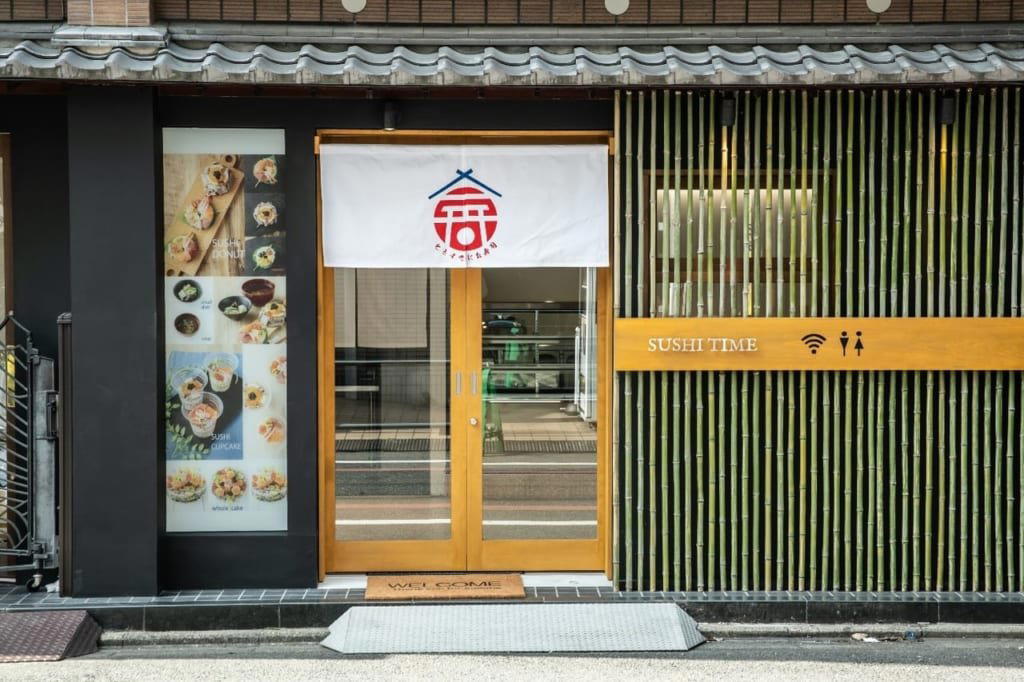
Sushi in the Shrimp Paste City: Where Japanese Ritual Meets West Java
Cirebon occupies an unusual position in Indonesian food culture. Known primarily for its udang rebon (tiny shrimp paste), its Chinese-Sundanese-Javanese culinary overlap, and dishes like empal gentong and nasi jamblang, the city has built its food identity around hybridity over centuries. That same appetite for cross-cultural exchange has made room, in recent decades, for Japanese dining formats to take hold here, much as they have in Bandung, Surabaya, and other secondary Indonesian cities with growing middle-class dining cultures. Sushi Time, located on Jl. Pagongan No. 23 in the Pekalangan district, is a casual Japanese sushi restaurant in Cirebon, West Java.
The Ritual of the Japanese Meal in an Indonesian Context
Across Indonesia, Japanese dining has followed a recognizable arc. First came the large mall-anchored chains, then the mid-range independents, and finally a more differentiated tier of venues trying to replicate something closer to the pacing and etiquette of a meal in Japan itself. The Japanese meal, at its most considered, is built around sequence and restraint: courses arrive in a deliberate order, textures shift between warm and cold, and the diner is expected to engage with each piece individually rather than treating the table as a shared spread. This is a fundamentally different ritual from the Indonesian tradition of makan bersama, where dishes arrive simultaneously and the table acts as a collective resource. How a Japanese restaurant in a city like Cirebon navigates that cultural gap matters to the experience it delivers.
Pekalangan, the subdistrict where Sushi Time operates, sits within Kecamatan Pekalipan, one of Cirebon's older commercial zones. The area has a dense, working-city texture: shophouses, street food vendors, and the layered urban character that defines much of West Java's coastal towns. A Japanese restaurant in this setting is not operating in a sanitized dining district or a hotel corridor. It is embedded in the street-level fabric of the city, which shapes how you arrive, how you read the space, and what context frames the meal before you sit down.
What the Dining Format Signals
In Indonesia's secondary cities, Japanese restaurants generally operate across two distinct formats. The first is the casual, high-volume model: large menus covering sushi rolls, ramen, teriyaki, and bento boxes, pitched at families and groups, with pricing that competes against mid-range Indonesian and Chinese options. The second is the more focused format, where the menu is tighter, the pacing more deliberate, and the expectation is that diners are there specifically for Japanese food rather than for the broadest possible selection. The name Sushi Time and its Pekalangan address suggest a venue operating within the accessible tier of this spectrum, serving the function that Japanese casual dining has claimed in Indonesian cities: a recognizable, approachable alternative to local staples, without the formality or price point of a premium counter experience.
For comparison, the kind of disciplined omakase ritual you find at venues like Atomix in New York City or the seafood precision at Le Bernardin in New York City represents the opposite end of the spectrum: high-formality, high-cost, course-driven meals where every element of the dining ritual is choreographed. Indonesian cities have their own version of that upper tier in capitals like Jakarta, where restaurants such as August in Jakarta and Kita in Kecamatan Menteng operate with the kind of precision-driven format and creative depth that earns regional attention. Cirebon, as a smaller coastal city, hosts a different tier of ambition, and that is not a criticism: the city's food culture is strong precisely because it does not import metropolitan formats wholesale but adapts them to local pace and appetite.
Elsewhere in Indonesia, you can see how Japanese dining sits within a broader regional food conversation. Hwang Fu Dimsum in Tangerang shows how Chinese-format dining has embedded itself in the suburban Jakarta orbit, while Kimukatsu in Manado demonstrates how Japanese brands have extended into eastern Indonesia. In Bali, venues like Locavore NXT in Ubud, Bikini Restaurant Bali in Badung, and Jungle Fish Bali in Gianyar illustrate how international-tourist demand shapes dining ambition in ways that secondary Java cities simply do not mirror.
Cirebon's Wider Dining Scene
Within Cirebon itself, the dining options span a wide range of traditions. Holy Barbeque Cirebon represents the grill-forward, casual end of the city's social dining culture, while KRK offers another reference point in the local restaurant mix. For travelers building a broader picture of where to eat and drink during a stay, the full Cirebon City restaurants guide maps the city's options across cuisine types and price points. Across Java more broadly, Gudeg Yu Djum in Yogyakarta and Kunyit Restaurant in Bandung anchor the regional food conversation at the traditional end, while venues like Chongqing Liuyishou Hotpot in South Jakarta and Hai Di Lao in Central Jakarta show how Chinese-origin formats have become mainstream in the capital. Agreya Coffee in Bogor and Istanbul Kebab in Lombok Utara round out a picture of how diverse and fragmented Indonesia's dining geography has become outside its major metros.
Planning Your Visit
The restaurant is located at Jl. Pagongan No. 23, Pekalangan, in the Kecamatan Pekalipan district of Cirebon, West Java. The restaurant is walk-in friendly.
Cuisine Lens
Comparable venues nearby, for context on price, style, and recognition.
| Venue | Cuisine | Price | Notes |
|---|---|---|---|
| Sushi TimeThis venue — the venue you are viewing | Japanese Sushi | $$ | Not listed |
| KRK | Indonesian Coffee Shop & Casual Dining | $$ | Kesambi |
| Holy Barbeque Cirebon | Barbecue | $ | Cirebon City |
| Hachi Grill Ampera | Japanese Yakiniku & Shabu-Shabu All-You-Can-Eat | $$ | Ragunan |
| Kakkoii All You Can Eat Japanese BBQ & Shabu - Shabu, Bandung | All You Can Eat Japanese BBQ & Shabu-Shabu | $$ | Karangsari |
| KOUN Grill & Shabu-Shabu by sop aja | Japanese Grill & Shabu-Shabu | $$ | Sleman |
Continue exploring
More in Cirebon City
Restaurants in Cirebon City
Browse all →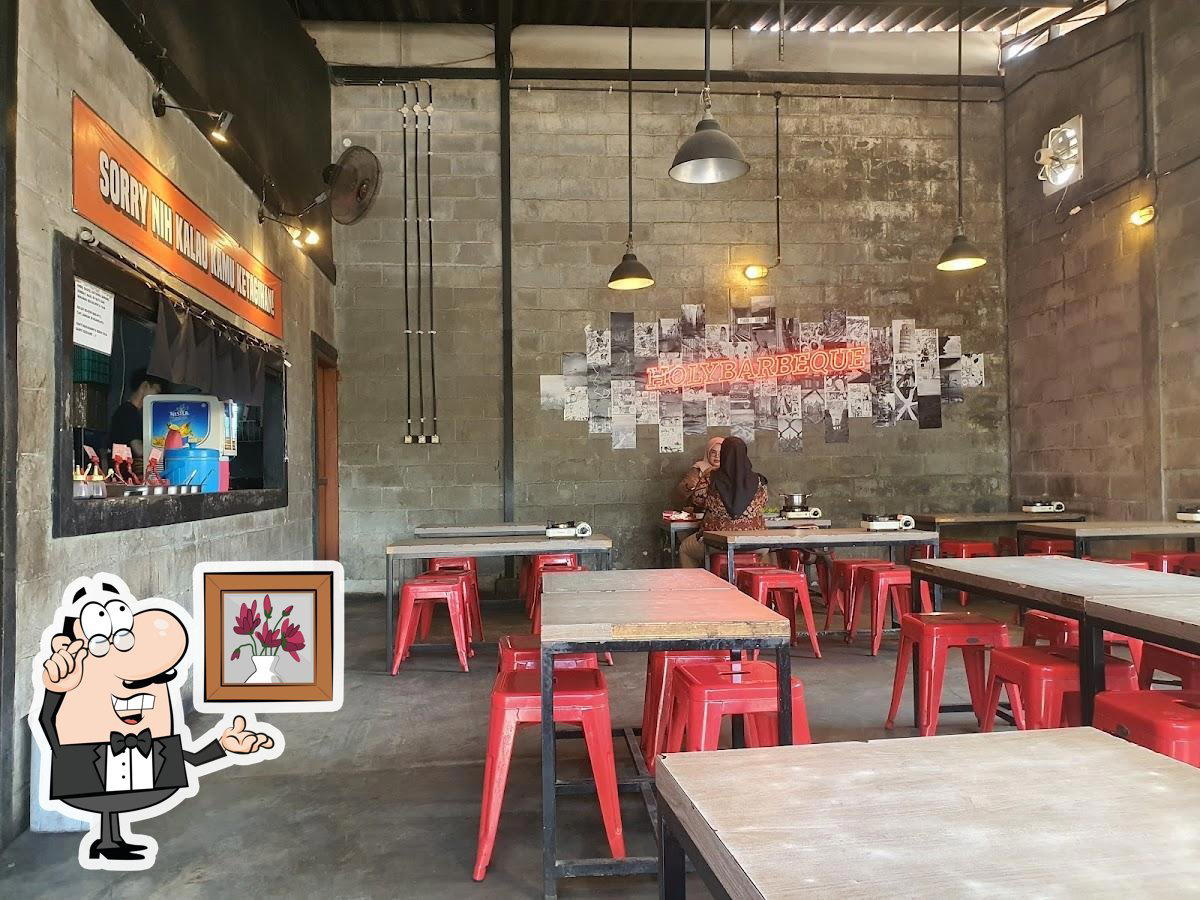
At a Glance
- Casual Hangout
- Family
- Sake Program
Current opening hours
- Monday
- 10 AM–10 PM
- Tuesday
- 10 AM–10 PM
- Wednesday
- 10 AM–10 PM
- Thursday
- 10 AM–10 PM
- Friday
- 10 AM–10 PM
- Saturday
- 10 AM–10 PM
- Sunday
- 10 AM–10 PM
Hours can change for holidays and private events. Last verified .
Casual atmosphere suitable for everyday dining with Japanese decor elements.