KRK is an Indonesian coffee shop and casual dining spot on Jl. Kesambi Baru in Cirebon City, with Kopi Susu Roemah, Kopi Tubruk, and Nasi Ayam Bakar on the menu.
Pearl is the En Primeur Club membership app — saves, bookings, and concierge access live there. Same editors, same standards.
- Address
- Jl. Kesambi Baru Jl. Mawar No.8A, Kesambi, Kec. Kesambi, Kota Cirebon, Jawa Barat 45134, Indonesia
- Phone
- +6281322320160
- Directions
- Get directions
 Saves & bookings on Pearl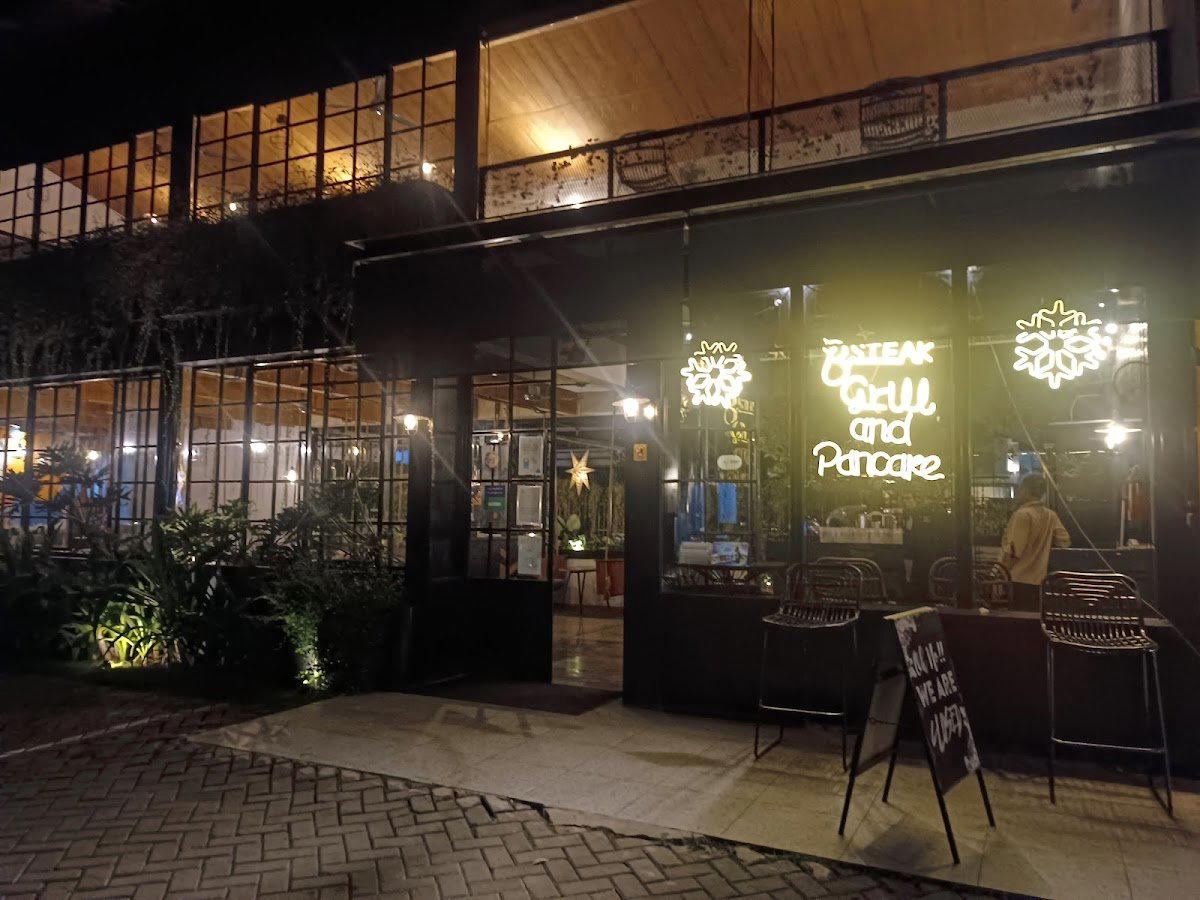
Cirebon's Quiet Dining Circuit
Cirebon sits at an unusual crossroads in West Java's food story. The city is historically significant as a trading port where Javanese, Sundanese, Chinese, and Arab culinary influences converged over centuries, producing a regional kitchen that remains underrepresented in Indonesian fine dining conversations dominated by Bali and Jakarta. KRK, located on Jl. Mawar in the Kesambi district, occupies a residential pocket that places it away from Cirebon's busier commercial corridors, a positioning that shapes how the restaurant feels before you step inside.
The Kesambi neighbourhood carries a relatively settled, residential character compared to the city's port-adjacent older quarters. Arriving at the address, the street-level setting reflects the broader pattern visible in many of Indonesia's secondary cities: neighbourhood dining that draws a local clientele rather than tourist traffic, where reputation travels through personal networks rather than platform algorithms.
What Cirebon's Kitchen Is Built On
Any serious conversation about food sourcing in Cirebon has to begin with the city's geography. Positioned between the Java Sea and the agricultural plains of West Java's interior, Cirebon has historically drawn ingredients from both directions: fresh fish and seafood from the coast, rice, vegetables, and spices from the inland farming regions. This dual supply line underpins the city's most distinctive dishes, including empal gentong (a coconut milk beef curry traditionally cooked in clay pots), nasi jamblang (a rice dish served wrapped in teak leaves, a format that itself reflects the agricultural landscape), and a range of preparations that use tamarind, galangal, and kencur in configurations distinct from both Sundanese and Javanese norms.
The teak leaf wrapping of nasi jamblang is not decorative. Teak forests are historically present in the surrounding region, and the leaves impart a faint, earthy quality to the rice that separates the dish from comparable formats elsewhere in Java. This is the kind of sourcing logic that Indonesia's more critically engaged restaurants, such as Locavore NXT in Ubud, have spent years articulating to international audiences. In Cirebon, that same principle operates at street and neighbourhood level without the editorial framing, which is part of what makes the city's food scene worth attention.
The coastal dimension matters equally. Cirebon's fish market history is substantial, and fermented shrimp paste (terasi) production in the wider West Java region has long influenced the depth of flavour in local sambals and braises. A restaurant drawing on these supply chains, whether consciously or through habit, is working with ingredients that carry genuine regional specificity rather than commodified inputs.
Where KRK Sits in the Local Picture
Cirebon's restaurant circuit is smaller and less documented than those of Bandung, Yogyakarta, or Surabaya. That relative obscurity means comparisons are harder to draw from public data, but it also means that addresses with consistent local followings operate in a lower-noise environment. KRK's Kesambi location places it within the residential fabric of the city rather than in a tourist or commercial cluster, which in Indonesian secondary cities typically indicates a venue oriented toward a local repeat clientele. That dynamic tends to reward consistency over novelty.
For context on what serious regional dining can look like in Indonesia without international validation, it is useful to look at how different cities have developed their own reference points. Gudeg Yu Djum in Yogyakarta operates on decades of local reputation; Kunyit Restaurant in Bandung reflects Bandung's more self-consciously modern approach to Sundanese food. Cirebon, sitting between these poles geographically and stylistically, has its own set of reference points that do not map neatly onto either city's model.
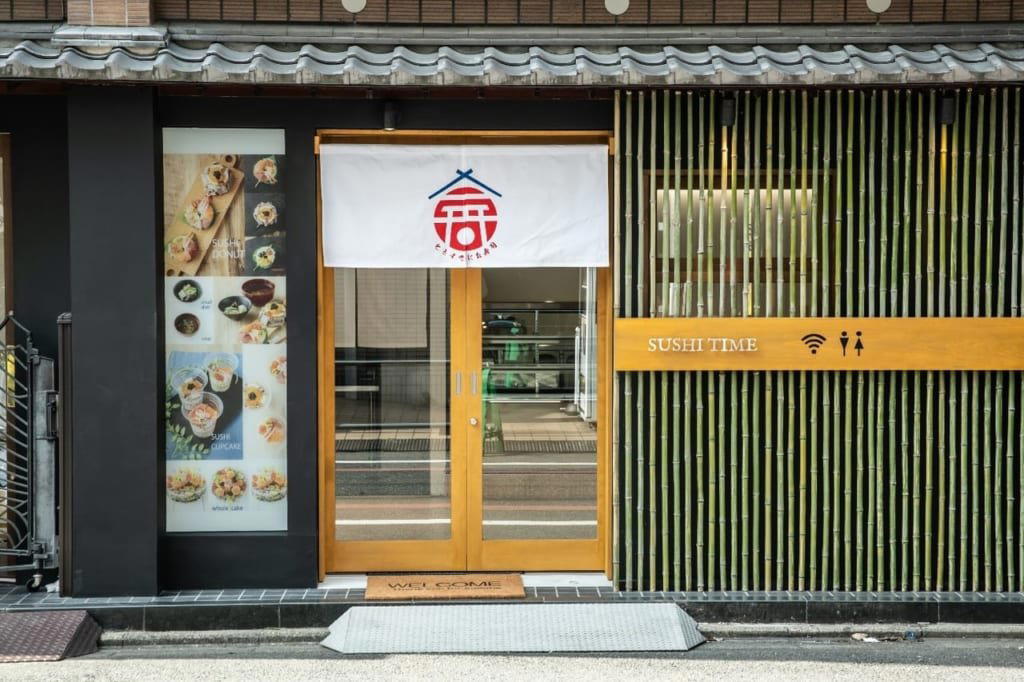
For visitors who want to build a fuller picture of Cirebon's dining range, Holy Barbeque Cirebon and Sushi Time represent different segments of the local market, from grilled formats to Japanese-influenced dining.
The Wider Indonesian Context
Indonesia's dining conversation has shifted considerably in the past decade. Recognition for restaurants in Bali and Jakarta has created sharper external interest in Indonesian ingredients and technique, but that attention has concentrated on a narrow set of addresses. The country's secondary cities, including Cirebon, Manado, and Lombok, carry food traditions that remain largely outside that international frame. Kimukatsu in Manado and Istanbul Kebab in Lombok Utara illustrate the range of formats operating in those underreported cities.
The sourcing argument that underpins Cirebon's appeal applies across this wider geography. West Java's agricultural and coastal supply networks are among the more productive in the archipelago, and the regional cuisines built on those networks, including Cirebonese, Sundanese, and Betawi, deserve more sustained critical attention than they currently receive. Addresses like KRK exist within that larger gap between what is available at the local level and what has been articulated and evaluated for a broader audience. That gap is narrowing in Jakarta, where restaurants such as Kita in Menteng have begun drawing on regional Indonesian ingredients with more deliberate framing, but Cirebon's own circuit remains largely self-referential.
Planning a Visit
KRK is located at Jl. Kesambi Baru, Jl. Mawar No. 8A in the Kesambi district of Cirebon, a residential address that is most practically reached by private car or ride-hailing app from the city centre. Cirebon is approximately three hours by train from Jakarta's Gambir station on the northern Java rail corridor, making it a feasible day trip or short overnight stay for visitors based in the capital. KRK is walk-in friendly and open daily from 8 AM to 11 PM. The price tier is moderate, with an estimated spend of about $5 per person. For visitors building a broader itinerary, Cirebon's batik district and the Kasepuhan kraton complex are within reasonable distance of the Kesambi area and add cultural weight to a food-focused visit.
Fast Comparison
Comparable venues nearby, for context on price, style, and recognition.
| Venue | Cuisine | Price | Notes |
|---|---|---|---|
| KRKThis venue — the venue you are viewing | Indonesian Coffee Shop & Casual Dining | $$ | Not listed |
| Holy Barbeque Cirebon | Barbecue | $ | Cirebon City |
| Sushi Time | Japanese Sushi | $$ | Pagongan |
| Rijs Hanny's Kitchen | Sundanese Home-Style | $$ | Puncak |
| Rumah Makan SURYA Masakan Padang | Authentic Padang (Nasi Padang) | $$ | Bendungan Hilir |
| Gudeg Yu Djum | Traditional Javanese Gudeg | $ | Kraton |
Continue exploring
More in Cirebon City
Restaurants in Cirebon City
Browse all →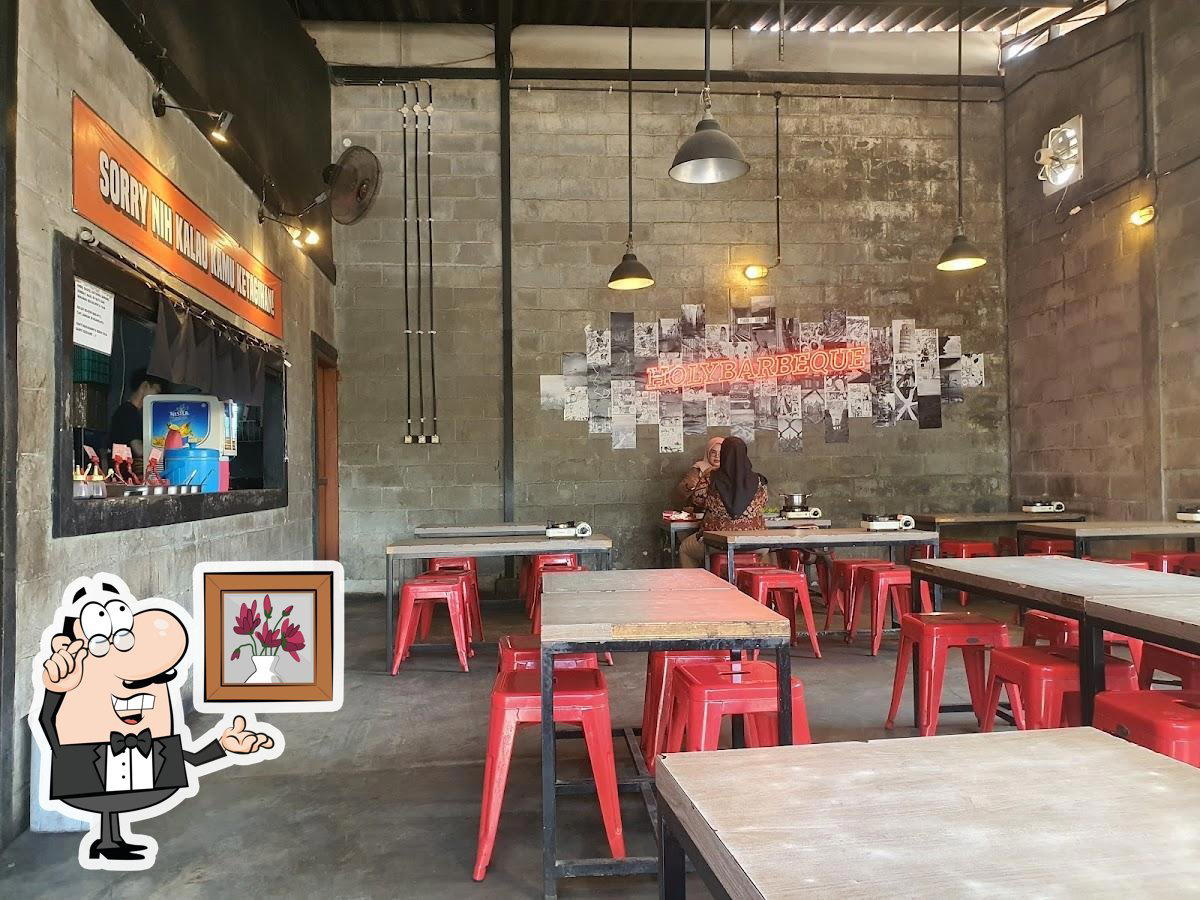
At a Glance
- Cozy
- Modern
- Trendy
- Casual Hangout
- Solo
- Group Dining
- Standalone
Current opening hours
- Monday
- 8 AM–11 PM
- Tuesday
- 8 AM–11 PM
- Wednesday
- 8 AM–11 PM
- Thursday
- 8 AM–11 PM
- Friday
- 8 AM–11 PM
- Saturday
- 8 AM–11 PM
- Sunday
- 8 AM–11 PM
Hours can change for holidays and private events. Last verified .
Nice indoor decoration with modern vibes and a tranquil outdoor seating area; friendly barista service creates a welcoming atmosphere.