Sushi Sasabune

Our verdict
Sushi Sasabune on Wilshire Boulevard has anchored the West Los Angeles omakase conversation for decades, earning a spot on Opinionated About Dining's Top Restaurants in North America list in 2024. It occupies a quieter tier than the city's most expensive counters, making it a practical entry point into serious Los Angeles sushi.

Pearl is the En Primeur Club membership app, where members save venues, book tables and use the concierge.
The menu
What to order
- Blue crab roll
- Toro
- Uni
- Albacore
A Counter with History on the West Side
Los Angeles has been a serious sushi city since the 1970s, when Japanese chefs began settling in the Sawtelle corridor and along Wilshire Boulevard, bringing nigiri traditions that predated the California roll craze by years. Sushi Sasabune belongs to that longer arc. The restaurant has operated on Wilshire Boulevard in West Los Angeles long enough to have witnessed the entire modern evolution of the city's omakase scene, from the first wave of counter dining through the post-Nobu celebrity boom and into today's reservation-driven, allocation-style market. That kind of institutional continuity is rarer in Los Angeles than the city's reputation for reinvention might suggest.
In 2024, Opinionated About Dining ranked Sushi Sasabune among its Top 500 Restaurants in North America, a list that functions as a consensus signal from serious repeat diners rather than a promotional exercise. The same guide had the restaurant in its Recommended tier in 2023. Those back-to-back appearances indicate sustained consistency rather than a single strong year, which matters more in the omakase format than almost any other dining category, where the gap between a focused service and a careless one is immediately legible on the plate.
Where Sasabune Sits in the Los Angeles Sushi Market
Los Angeles now supports several distinct tiers of omakase. At the leading end, counters like Harutaka in Tokyo and Sushi Shikon in Hong Kong set a global benchmark for the format, but the relevant local comparisons are closer to home. West LA's sushi scene includes technically serious houses like Echigo and Hamasaku, both operating within the same Wilshire-adjacent corridor and drawing from a similar customer base of regulars who treat the counter as a weekly or monthly ritual rather than a special occasion. Sushi Inaba and Inaba represent the same neighborhood tradition from a slightly different angle.
Sasabune operates in a middle tier that prioritizes quality and consistency over the ceremonial pricing of Los Angeles's most talked-about omakase counters. This is not entry-level sushi, but it is also not priced against the allocation-model counters that require months of lead time and charge accordingly. For diners who find the city's top-tier omakase format more transaction than experience, Sasabune offers a counterargument: serious fish, a disciplined kitchen, and a format that has not needed reinvention to maintain its standing.
The Sourcing Logic Behind Traditional Omakase
The editorial angle that applies most directly to Sasabune, and to traditional omakase as a format more broadly, is one of inherent sustainability discipline. Omakase sushi is, structurally, a low-waste kitchen model. The chef determines what is served based on what arrived from the market that morning, which means procurement drives the menu rather than the reverse. There is no back-of-house prep for dishes that may not sell, no ingredient commitment made days in advance that forces the kitchen to use substandard product or discard fresh stock.
This sourcing-first logic is precisely what separates technically serious omakase from casual sushi restaurants, and it is why the format has proven durable across market cycles. When a kitchen is organized around the leading available fish rather than a fixed menu, the relationship between supplier, chef, and diner becomes more direct. Waste reduction is a byproduct of that directness, not a stated philosophy. The contrast with broader restaurant-industry waste patterns is significant: full à la carte menus with large ingredient lists generate proportionally more waste than counter formats where the chef exercises full control over what enters the kitchen each day.
The broader Los Angeles dining scene has moved toward this model in various forms. Progressive kitchens like Lazy Bear in San Francisco and tasting-menu formats at Alinea in Chicago or The French Laundry in Napa have adopted chef-directed, fixed-format structures partly because they allow tighter control over purchasing and portioning. Omakase sushi arrived at the same conclusion through a different tradition, one that predates the contemporary sustainability conversation by several decades. Sasabune's longevity reflects that structural soundness.
The Service Week and Practical Planning
Sushi Sasabune runs lunch and dinner service Monday through Friday, with lunch from noon to 2 pm and dinner from 5:30 to 9 pm. On Saturdays, the restaurant operates dinner only, from 5 pm to 9 pm. Sundays are dark. That schedule reflects the rhythms of a kitchen that sources daily and calibrates to professional-week demand, common among serious sushi counters that do not chase weekend foot traffic as a primary revenue model.
The restaurant sits at 11917 Wilshire Boulevard in West Los Angeles, a stretch that puts it within a few minutes of Brentwood and within reasonable distance of Santa Monica. For visitors arriving from elsewhere in the city, Wilshire Boulevard's bus corridor connects to the wider transit network, and street parking along side streets in the area is generally available in evening hours. Booking practices are not detailed in public records, but counters at this tier and with this volume of sustained recognition typically fill several days in advance for prime dinner slots. Weekend dinner, in particular, warrants early planning.
For a fuller view of where Sasabune fits within the city's wider food and hospitality scene, and our full Los Angeles experiences guide. Comparable dining experiences at a similar seriousness level can be found at Le Bernardin in New York City, Emeril's in New Orleans, Single Thread Farm in Healdsburg, and Go's Mart within the Los Angeles market itself.
Frequently asked questions
Would Sushi Sasabune be comfortable with kids?
What's the overall feel of Sushi Sasabune?
at Sushi Sasabune?
Where the Accolades Land
| Venue | Cuisine | Price | Awards | Notes |
|---|---|---|---|---|
| Sushi SasabuneThis venue (the venue you are viewing) | Traditional Japanese Omakase | $100–150 | Not listed | Not listed |
| Kato | Modern Taiwanese Fine Dining | $300–500 | 2 Michelin Stars · World's 50 Best #49 | New Taiwanese, Asian |
| Hayato | Traditional Japanese Kaiseki | $300–500 | 2 Michelin Stars · La Liste Top Restaurants | Japanese |
| Vespertine | Avant-Garde Tasting Menu | $200–300 | 2 Michelin Stars · La Liste Top Restaurants | Progressive, Contemporary |
| Camphor | Modern French with Southeast Asian influences | $150–200 | Michelin Plate · World Best Burgers World's 101 Best Burgers #15 | French-Asian, French |
| Gwen | Contemporary American Steakhouse | $50–100 | Michelin Plate · Wine Spectator Best of Award of Excellence | New American, Steakhouse |
Recognition history
Dated appearances from independent guides and award organizations, with the underlying list record or original source where available.
Opinionated About Dining Top Restaurants in North America Recommended
Opinionated About Dining
Full recognition history (3 entries)
Opinionated About Dining Top Restaurants in North America Ranked #500
Opinionated About Dining
Opinionated About Dining Top Restaurants in North America Recommended
Opinionated About Dining
Continue exploring
More in Los Angeles
Restaurants in Los Angeles
All restaurants in Los Angeles →
Bars in Los Angeles
All bars in Los Angeles →
Hotels in Los Angeles
All hotels in Los Angeles →
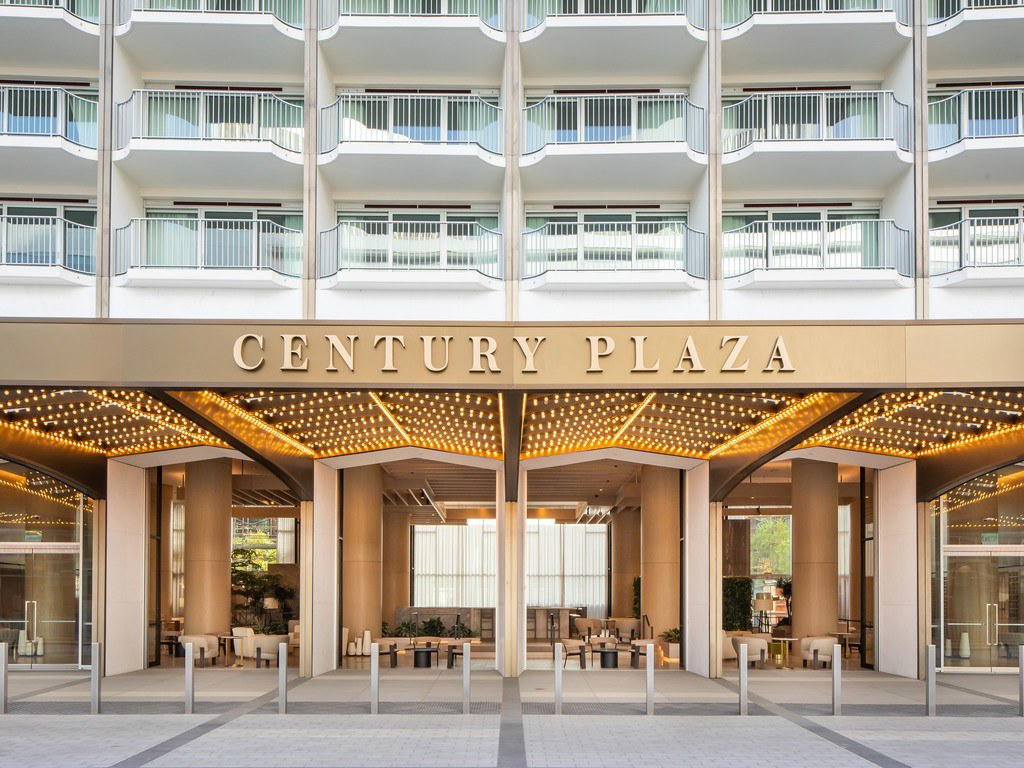
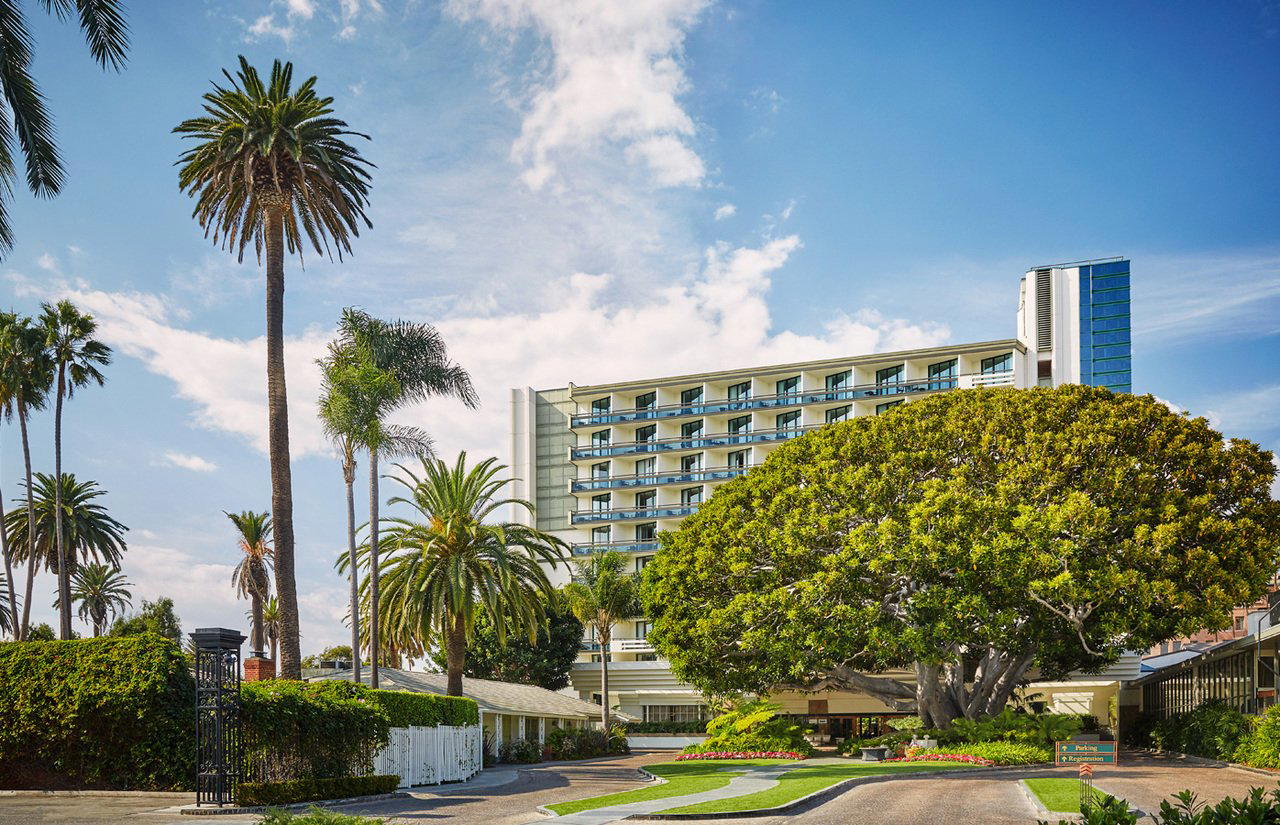
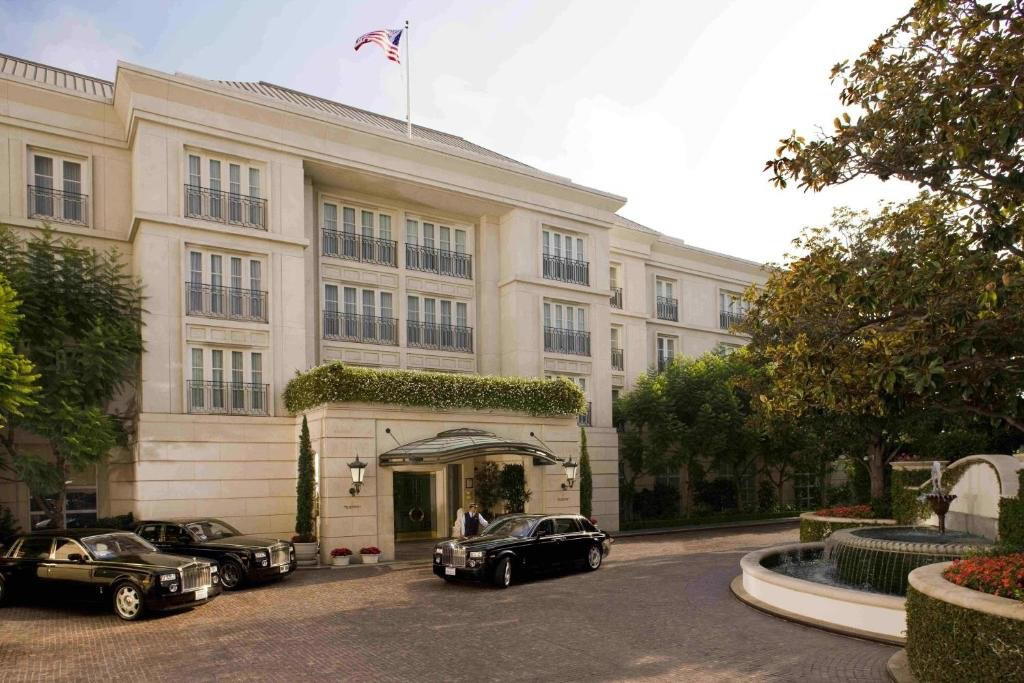
Wineries in Los Angeles
All wineries in Los Angeles →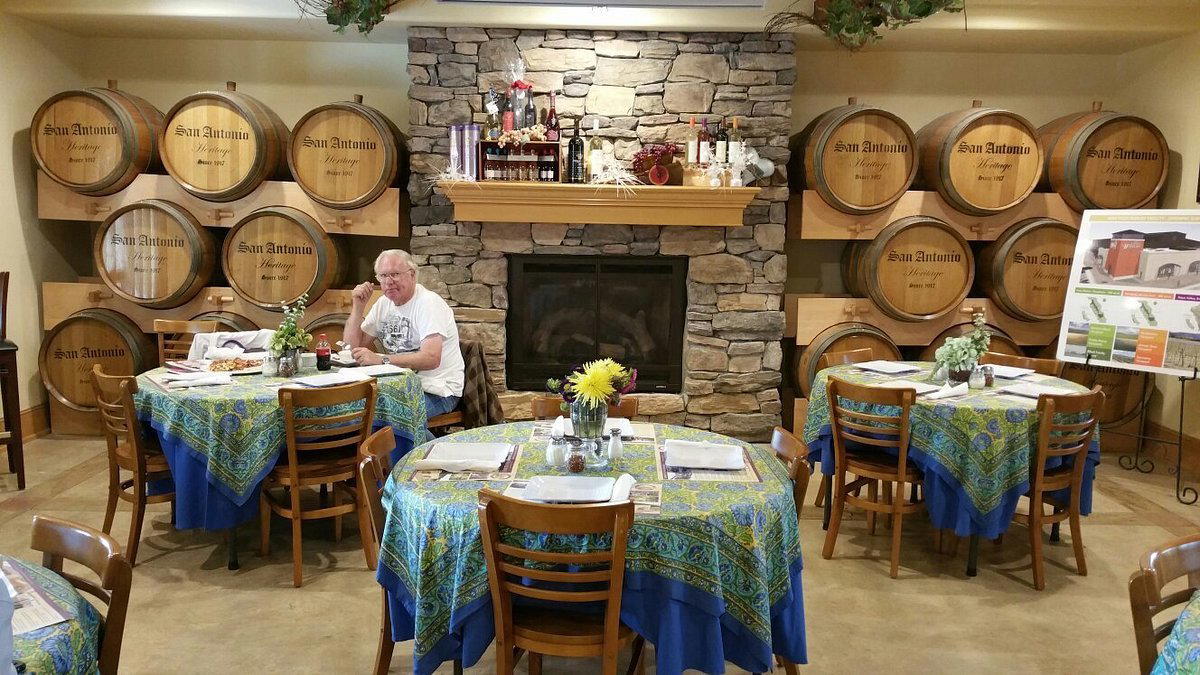
Details
- Intimate
- Cozy
- Classic
- Date Night
- Special Occasion
- Chefs Counter
- Sake Program
- Sustainable Seafood
- Omakase
- Counter Dining
- Sake
- Pescatarian Friendly
Current opening hours
- Monday
- 12–2 PM, 5:30–9 PM
- Tuesday
- 12–2 PM, 5:30–9 PM
- Wednesday
- 12–2 PM, 5:30–9 PM
- Thursday
- 12–2 PM, 5:30–9 PM
- Friday
- 12–2 PM, 5:30–9 PM
- Saturday
- 5:30–9 PM
- Sunday
- Closed
Hours can change for holidays and private events. Hours as of .
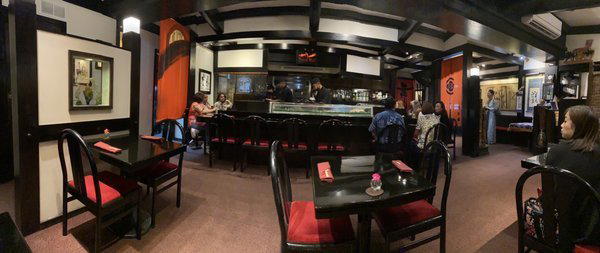
Small, cozy space with a no-frills atmosphere focused on the sushi bar experience.