Super Restaurant
Our verdict
In Des Bale, a city where Burkina Faso's Sahel edge meets the rhythms of local market life, Super Restaurant occupies a position that warrants attention from anyone serious about understanding the region's dining culture. With limited documented credentials and a sparse public profile, it represents the kind of establishment that rewards direct investigation rather than remote research.

Pearl is the En Primeur Club membership app — saves, bookings, and concierge access live there. Same editors, same standards.
- Address
- Des Bale, Burkina Faso
- Directions
- Get directions
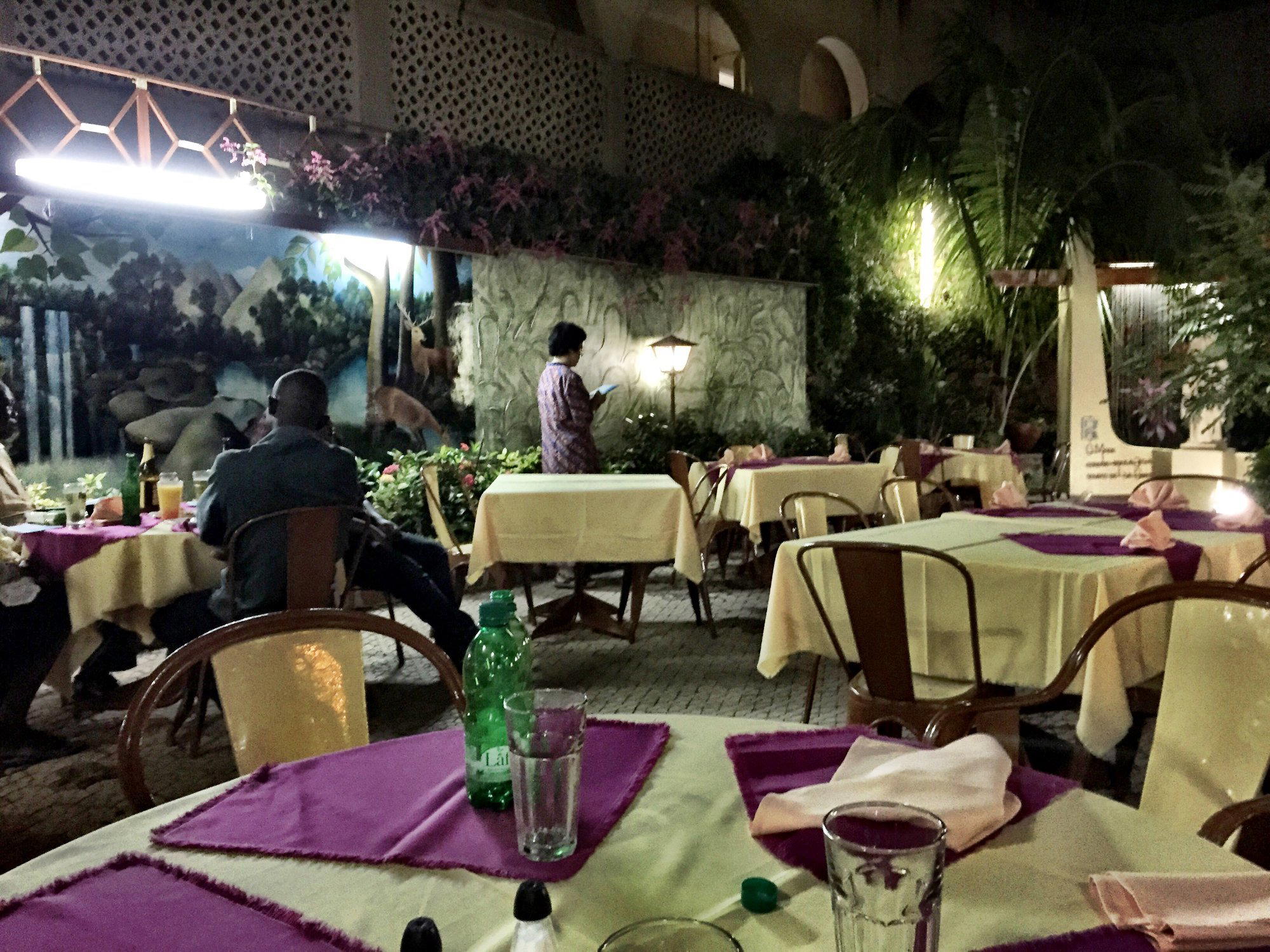
Dining at the Sahel's Edge: What Des Bale's Restaurant Scene Signals
West Africa's smaller cities rarely receive the editorial attention that Ouagadougou or Bobo Dioulasso attract, yet places like Des Bale often preserve food traditions that the capital's more internationally oriented kitchens have moved away from. The cooking that emerges from Burkina Faso's provincial towns tends to be grounded in proximity: to the market, to the land, to the agricultural cycles that still define daily life across the Sahel. It is in this context that Super Restaurant in Des Bale sits, operating within a dining culture where ingredient sourcing is not a marketing decision but a structural reality shaped by supply chains, seasonal availability, and local producer relationships that remain largely informal.
Burkina Faso's food traditions draw from Mossi, Fulani, and Bissa communities, among others, producing a repertoire built around sorghum, millet, maize, and legumes, supplemented by dried and fresh fish, bush meat, and whatever vegetables the rains and irrigation permit in a given season. Restaurants in provincial settings like Des Bale typically work within these constraints rather than around them, which means the menu at any given establishment reflects what the surrounding area actually produces rather than what a centrally managed supply chain delivers. That relationship between geography and plate is one of the more instructive things a traveller can observe in a place like this. For wider context on how this fits into Burkina Faso's broader dining scene, see our full Des Bale restaurants guide.
Ingredient Sourcing in a Sahelian Context
The sourcing logic that defines restaurant cooking in towns across Burkina Faso operates differently from the farm-to-table frameworks that have become standard editorial shorthand in European and North American dining coverage. Here, the proximity is not a choice a chef makes to differentiate a menu; it is the default condition. A restaurant in Des Bale sources locally because the infrastructure for doing otherwise is limited, which produces a kind of enforced seasonality and regional specificity that more affluent dining cultures spend considerable effort trying to recreate.
This does not make the food automatically more interesting, but it does mean that what arrives at the table carries a legibility about place that is increasingly rare in cities where global supply chains have flattened ingredient provenance. Dried locust beans, fresh moringa, locally pressed shea butter used in cooking rather than cosmetics, and dried smoked fish sourced from inland fisheries all appear across the Burkinabè culinary tradition in ways that connect the plate directly to the region's ecology. Whether Super Restaurant draws on these traditions in depth or works within a more simplified register is something that current documentation does not confirm, and intellectual honesty requires acknowledging that gap rather than filling it with assumption.
Comparable establishments in Burkina Faso's smaller cities, such as Maquis Resto La Foret in Tiebele, operate in the maquis format that defines informal dining across francophone West Africa: open-air or semi-open structures, grilled meats and fish, rice and sauce combinations, and cold beer. That format has proved durable because it matches how people in these cities actually want to eat. Super Restaurant's positioning relative to that template remains unclear from available data, but the category itself carries useful context for any visitor calibrating expectations.
The Broader Burkinabè Dining Frame
Burkina Faso does not have a substantial fine dining infrastructure in the way that Dakar or Abidjan do among West African capitals, and outside Ouagadougou the restaurant offer compresses further. Restaurant New Oriental in Ouagadougou and Tandoori and Fast Food in Bobo Dioulasso represent the kind of diversified urban offer that provincial cities rarely replicate.
That context matters when thinking about how to evaluate Super Restaurant. The metrics that apply to a three-Michelin-star counter like Le Bernardin in New York City or a technically ambitious tasting menu programme like Atomix are structurally irrelevant here. What matters in a setting like Des Bale is whether an establishment reflects its environment honestly, sources what its geography makes available, and serves food that a local population recognises as their own. Restaurants that achieve this without pretension often deliver more genuine experiences than formally credentialled venues in wealthier cities that have lost touch with their immediate surroundings.
The global reference points that inform EP Club's coverage, from Arpège in Paris, where vegetable sourcing from a dedicated kitchen garden has become the restaurant's defining credential, to Aponiente in El Puerto de Santa María, where marine ecology shapes the entire menu architecture, illustrate how ingredient sourcing can be refined into a full editorial and philosophical position. Across a range of scales and settings, from Lazy Bear in San Francisco to Alinea in Chicago, the relationship between sourcing decisions and culinary identity has become one of the defining conversations in contemporary restaurant culture. What Des Bale demonstrates, without the apparatus of press offices or tasting menus, is that this relationship predates the conversation by generations in places where it was never optional.
Planning Your Visit
Practical information about Super Restaurant, including confirmed hours, pricing, reservation procedures, and contact details, is not available through public documentation at the time of writing. Travellers planning to visit Des Bale should treat this as they would any provincial West African destination: arrive with flexibility, confirm local details on the ground or through accommodation hosts who will have current knowledge of what is operating and when. The region's hospitality infrastructure is leading approached as a live situation rather than one to be fully pre-planned from abroad. For visitors who want broader orientation before arriving, reviewing the Des Bale city guide and cross-referencing with experiences at documented establishments in other Burkinabè cities provides a more grounded starting point than venue-specific searches that may not resolve to current information.
Frequently asked questions
Is Super Restaurant suitable for children?
Des Bale is a smaller Burkinabè city where neighbourhood restaurants typically operate as communal spaces rather than formal dining rooms, making family attendance the norm rather than the exception. If your visit involves young children, arriving outside peak hours is advisable.
What should I expect atmosphere-wise at Super Restaurant?
Des Bale sits outside the capital circuits of Ouagadougou and Bobo Dioulasso, which shapes the tone of eating out here: less performance, more function, with the kind of room where regulars dominate and strangers are noticed. Super Restaurant operates within that context, meaning the atmosphere is likely conversational and community-oriented rather than formal.
What kind of dining experience does Super Restaurant offer compared to other options in Des Bale?
Des Bale is a city that sits outside the established restaurant corridors of Burkina Faso, where the dining infrastructure is thinner than in Dakar or Abidjan and the options reflect local appetite rather than tourism demand. For a traveller arriving in Des Bale, it represents a point of entry into the local eating culture rather than a destination built around external recognition.
What dish is Super Restaurant famous for?
No confirmed signature dish is documented for Super Restaurant. What can be said is that restaurant cooking in Burkina Faso's smaller towns typically draws on Sahelian staples: sorghum, millet, legumes, and grilled proteins shaped by seasonal availability and local market rhythms. Any specific menu claim beyond that frame would be speculation.
How far ahead should I plan for Super Restaurant?
Restaurants operating at this scale in Burkinabè towns outside the major cities rarely require advance booking, but confirming by phone or in person before a dedicated visit is the sensible approach, particularly if travelling from outside the region.
What has Super Restaurant built its reputation on?
Its position in Des Bale, a city that receives far less editorial coverage than Ouagadougou or Bobo Dioulasso, suggests its standing is rooted in local patronage rather than external validation. That pattern is common across West Africa's smaller cities, where a restaurant's durability is itself the credential.
Is Super Restaurant good for vegetarians?
No menu data is confirmed for Super Restaurant, so a definitive answer is not possible. Across Burkina Faso's smaller towns, plant-forward eating is structurally common: bean dishes, leafy stews, and grain-based preparations appear regularly on local tables because animal protein is often a supplement rather than a default. Whether Super Restaurant formalises this as a vegetarian offering is unconfirmed.
| Venue | Cuisine | Price |
|---|---|---|
| Super RestaurantThis venue — the venue you are viewing | This venue | Not listed |
| Maquis Resto La Foret | Burkinabe Maquis | Not listed |
| Tandoori & Fast Food | Indian Tandoori & Fast Food | Not listed |
| 西安小馆 | Chinese | $1–10 |