Dysart Petersham


Michelin-starred Dysart Petersham sits on the edge of Richmond Park in an Arts and Crafts building, delivering highly seasonal modern cuisine under chef Kenneth Culhane. Ranked #395 in Opinionated About Dining's 2025 European list, the restaurant pairs classical technique with produce-led cooking and quarterly classical music recitals. Service is warm and attentive; the full tasting menu is the format to book.
Pearl is the En Primeur Club membership app — saves, bookings, and concierge access live there. Same editors, same standards.
- Address
- 135 Petersham Rd, Richmond TW10 7AA, United Kingdom
- Phone
- +44 20 8940 8005
- Website
- thedysartpetersham.co.uk
 Saves & bookings on Pearl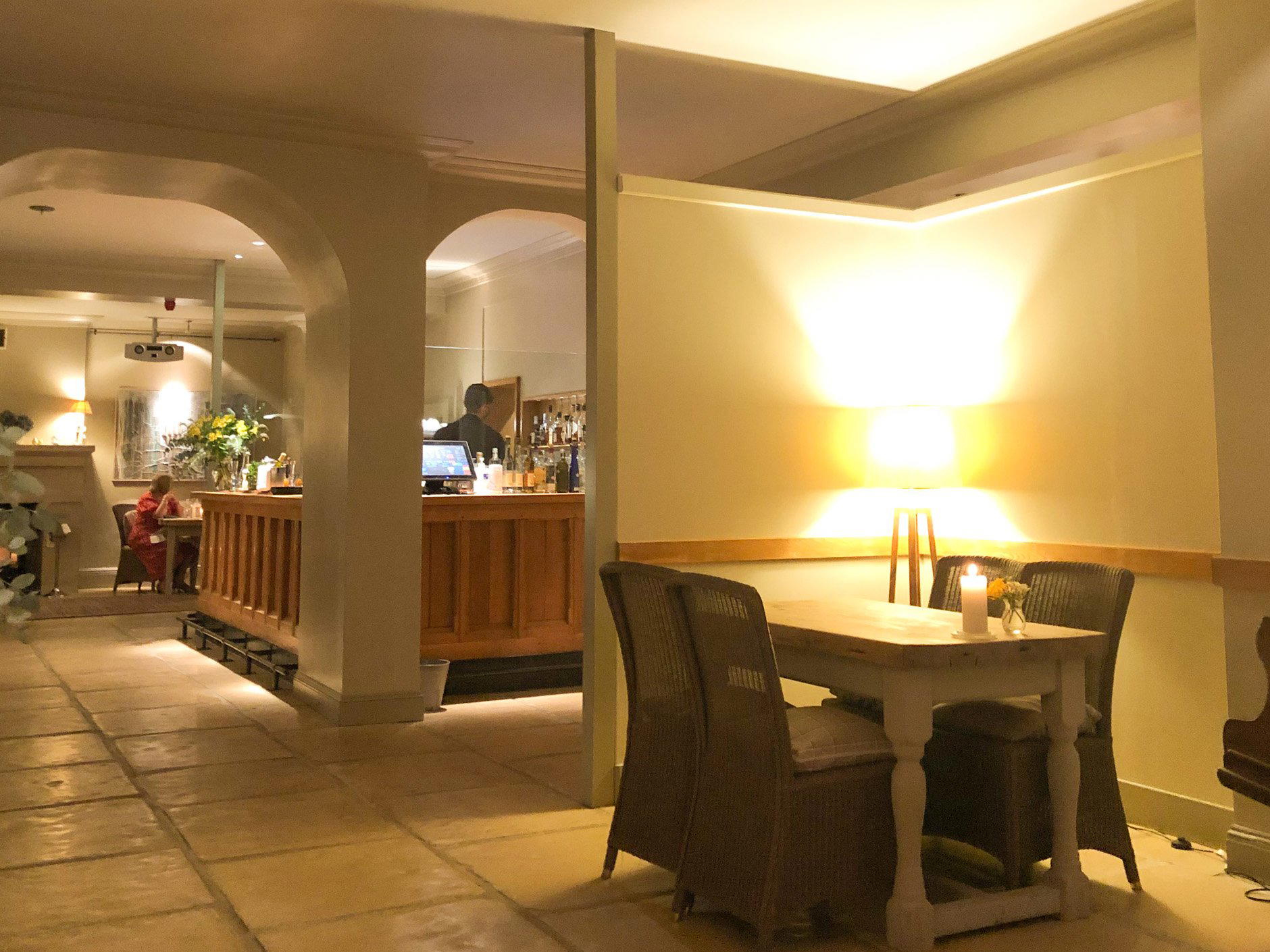
Richmond's Quiet Argument for Destination Dining
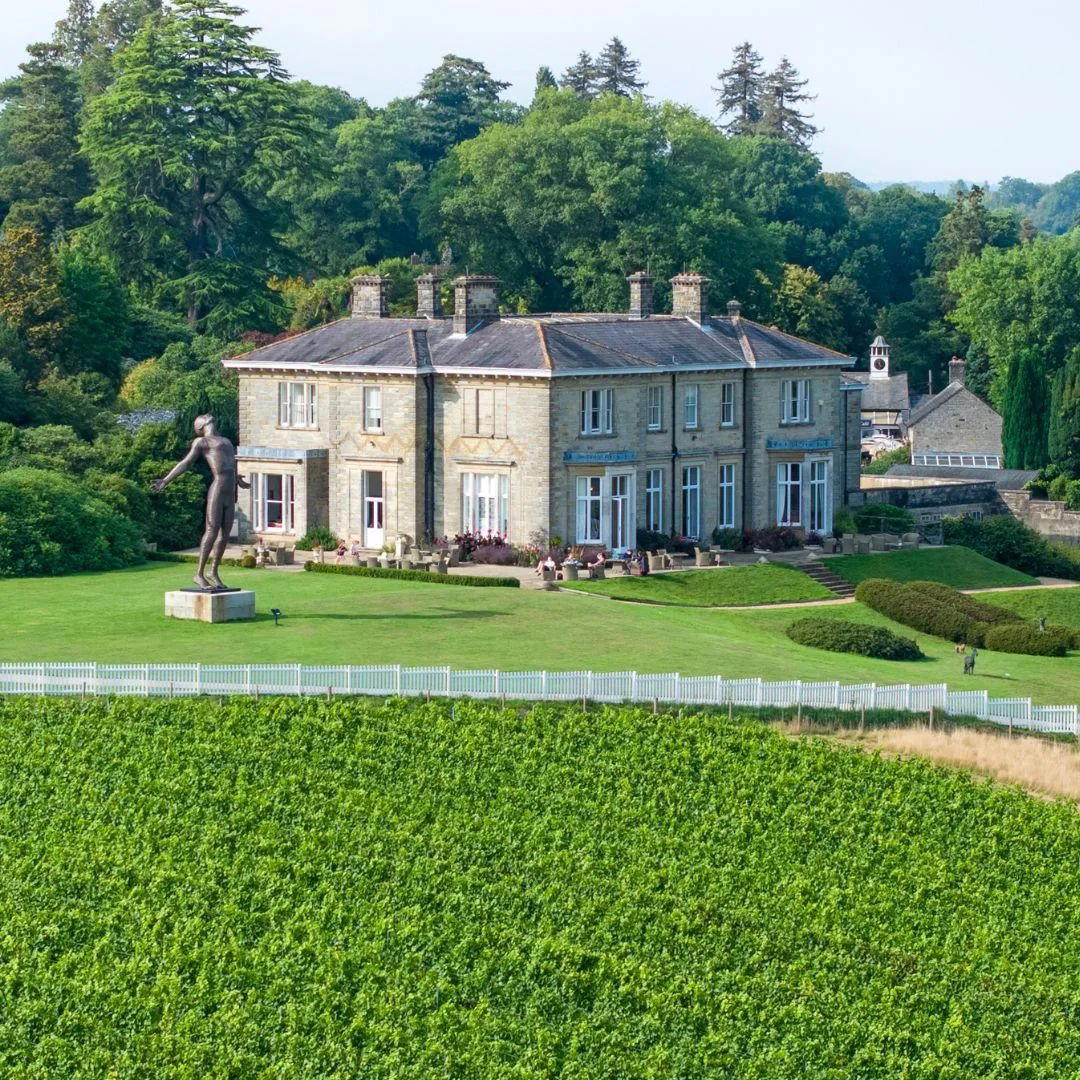
The drive along Petersham Road from Richmond town centre gives little away. The Thames flatlands open briefly to the left, Richmond Park's tree line closes in from the right, and then an Arts and Crafts building appears with the quiet self-assurance of something that has always been here. That architectural setting matters more than it might first seem. The warm brick, the period details, the sense of a building built to last: all of it establishes the register before a dish is placed on the table. Dysart Petersham is a Michelin-starred restaurant in Richmond, London, serving modern British fine dining at about $150 per person. The building tells you so immediately.
This positioning separates Dysart Petersham from the concentration of Michelin-starred restaurants that operate in central London, where venues like City Social, Story, and Row on 5 contend with the pace and theatre of the city. Out here, at the Richmond-Petersham border, the competitive frame is different: closer in spirit to the rurally anchored destination restaurants of the wider British Isles, L'Enclume in Cartmel, Moor Hall in Aughton, or Gidleigh Park in Chagford, than to the high-density restaurant streets of W1. The journey is part of the contract with the diner.
Seasonal Cooking, Classical Foundation
British restaurants working with a seasonal, produce-led ethos now occupy a wide spectrum, from the rigidly foraged to the quietly classical. Dysart Petersham sits toward the classical end of that range. The cooking under chef Kenneth Culhane is grounded in French technique, saucing in particular, but applies it to British and European seasonal produce with a lightness of hand. Awards recognition has been consistent: a Michelin star held since 2024, an Opinionated About Dining leading new restaurant recommendation in 2023, and a rise from #344 to #395 across the 2024 and 2025 OAD European rankings, the latter placing it in the company of serious mid-tier European addresses.
That OAD ranking is a useful calibration tool. The list aggregates scores from frequent diners rather than anonymous inspectors, which tends to reward consistency and cooking that satisfies on repeat visits rather than cooking engineered for a single high-impact assessment. Moving between ranked positions on that list reflects a stable diner base returning reliably, a different signal from a sudden critical spike.
The full tasting menu is the format the kitchen has structured itself around, and the existing award commentary makes a specific editorial note worth repeating: the sauces are a highlight. A honey and verjus preparation with John Dory, and a sake-based glossy sauce alongside Creedy Carver Duck, are the two cited examples. Both point toward a kitchen that treats sauce-making as a primary discipline rather than a finishing gesture. Creedy Carver, a named Devon poultry producer with a strong reputation among London's better-supplied kitchens, signals the sourcing standard operating across the menu.
The Cellar in Context
The editorial angle that leading illuminates Dysart Petersham's position in the London dining scene is not the building, the awards, or even the cooking alone, it is what a wine program does when it operates outside the central London ecosystem. In the core of the city, wine lists at Michelin-starred restaurants compete partly on trophy bottles and allocations: the three-star addresses (Story sits at two stars, while restaurants like CORE by Clare Smyth and The Ledbury anchor the three-star conversation) attract collectors and corporate expense accounts that support deep cellar investment. That dynamic is harder to sustain in a lower-footfall, destination-specific venue.
What tends to emerge in restaurants operating Dysart Petersham's format is a more curated, purposeful list: fewer total references, higher selection intentionality, and a closer alignment between the list's character and the kitchen's produce philosophy. A kitchen focused on seasonal British ingredients and classical French technique typically aligns well with Burgundy, the northern Rhône, and Loire, the regions that reward the same virtues of restraint and precision that define the cooking. A well-run list at this level also tends to carry wines from smaller British producers, which has become a genuine category at restaurants serious about seasonal sourcing.
For diners planning around the wine, the tasting menu format is the natural home for a pairing. The sauce-forward cooking style, with its acids (verjus), umami (sake reduction), and fat (duck), rewards wine pairings that bring either acidity or textural contrast rather than weight. That narrows the selection to a manageable set of white Burgundy, skin-contact whites, and lighter reds, the kind of list a confident sommelier at this price tier would have covered.
A Room with a Different Rhythm
The quarterly classical music recitals at Dysart Petersham are not an incidental detail. They describe a venue that has made a deliberate choice about what kind of evening it wants to produce. Programming live classical music on a recurring calendar basis requires coordination, audience-building, and a willingness to define the room's character beyond the plate. Restaurants that pursue this tend to attract a diner who is there for duration rather than transaction, an evening, not a reservation slot. That temperament shapes the service model and the pacing of the tasting menu in ways that improve the experience for diners who arrive in the same spirit.
The service note in the awards record is direct: warm, passionate, and attentive to detail. At the price point, ££££, consistent with comparable Michelin-starred London addresses, that warmth is a differentiator. The three-star central London rooms (CORE, Restaurant Gordon Ramsay, Sketch's Lecture Room) operate with formality as a default register. Dysart Petersham's reported tone reads closer to what the leading one-star restaurants in smaller British towns have built: technically proficient service that does not sacrifice ease.
Restaurants in this tier that operate outside central London, such as Hand and Flowers in Marlow or hide and fox in Saltwood, have shown that a destination audience outside the M25 or the zone-one corridor is willing to travel for the right combination of cooking quality and room quality. Dysart Petersham is inside Greater London, which lowers the commitment threshold considerably: Richmond is reachable from central London by overground rail in under thirty minutes, and Petersham Road is a short taxi or rideshare from Richmond station.
Hours, Planning, and Format
The operating schedule is narrow. The restaurant is closed Monday and Tuesday. Wednesday runs dinner only (6 to 8:30 PM last booking). Thursday through Saturday offers both lunch (noon to 2 PM) and dinner (6 to 8:30 PM). Sunday is dinner only (6 to 8:30 PM). That Wednesday-to-Sunday window, with the early evening close, shapes when the kitchen is at full stretch, and it positions Saturday lunch as the most accessible format for visitors combining the meal with time in Richmond Park or the surrounding area. The park itself, one of London's largest, is directly adjacent and substantially changes the experience of arriving and departing compared to any central London equivalent.
For comparison within London's modern cuisine tier, venues like Cafe Cecilia and 104 occupy the same general quality conversation but with different formats and settings. Dysart Petersham's combination of Michelin recognition, a classical music programme, an Arts and Crafts building, and a Richmond Park adjacency creates a specific offer that does not have a direct replica in the city. The modern cuisine category also connects internationally: Frantzén in Stockholm and FZN by Björn Frantzén in Dubai represent how the broader modern cuisine format operates at different latitudes and price points.
For visitors building a broader London trip, EP Club's full guides cover the city's restaurants, hotels, bars, wineries, and experiences in full. Dysart Petersham fits the restaurant guide's southwest corridor, which remains underrepresented relative to the quality operating there. The Fat Duck in Bray anchors the further Thames-valley stretch for comparison on the destination-restaurant axis.
Quick reference: Michelin 1 Star; 135 Petersham Rd, Richmond TW10 7AA; Wed dinner, Thu–Sat lunch and dinner, Sun dinner; closed Mon–Tue; price range ££££; Google rating 4.7 (402 reviews).
Budget Reality Check
Comparable venues nearby, for context on price, style, and recognition.
| Venue | Cuisine | Price | Awards | Notes |
|---|---|---|---|---|
| Dysart PetershamThis venue — the venue you are viewing | Petersham, Modern British Fine Dining | $$$$ | Michelin 1 Star | |
| The Goring | Victoria, Classic British Fine Dining | $$$$ | Michelin 1 Star | |
| Amaya | Belgravia, Modern Indian Grill | $$$$ | Michelin 1 Star | |
| Evelyn's Table | $$$$ | Michelin 1 Star | Chinatown, Modern British Seasonal Tasting Menu | |
| SO|LA | Soho, Contemporary Californian | $$$$ | Michelin 1 Star | |
| Lita | Marylebone, Modern Mediterranean Bistro | $$$$ | Michelin 1 Star |
Continue exploring
More in London
Restaurants in London
Browse all →
Bars in London
Browse all →
Hotels in London
Browse all →

At a Glance
- Rustic
- Cozy
- Elegant
- Intimate
- Classic
- Special Occasion
- Date Night
- Celebration
- Historic Building
- Garden
- Extensive Wine List
- Local Sourcing
- Farm To Table
Warm, homely, and calm with rustic charm, generous table spacing, tasteful decor, and a relaxed yet sophisticated atmosphere.