
Michelin Plate
Our verdict
Station by Kotuwa brings Sri Lankan cooking to Singapore's Boon Tat Street with the grounded confidence of a cuisine that rarely gets this kind of focused treatment in the city. The braised beef cheek in blackened coconut gravy and a drinks program built around Ceylon arrack signal a kitchen working from primary sources, not approximation. For Singapore diners accustomed to South Asian food through an Indian lens, this is a different conversation entirely.

Pearl is the En Primeur Club membership app, where members save venues, book tables and use the concierge.

The menu
What to order
- Babath crispy tripe
- Braised beef cheek
- Kaliya chicken liver
Where Colombo Meets the CBD
Boon Tat Street sits at the edge of Singapore's financial district, a narrow corridor where the lunch crowd thins after two and the evening brings a slower, more deliberate pace. It is the kind of street that rewards commitment: you come here because you know where you are going, not because you wandered in. Station by Kotuwa fits that register precisely. Named after the Colombo Fort railway station, the reference is not decorative. Sri Lankan train stations are social fulcrums, loud, densely layered, equal parts transit hub and street-food theatre. Bringing that energy into a Singapore city bistro format is an editorial choice about what Sri Lankan food actually is, as opposed to what diners in Southeast Asia are typically offered.
Sri Lankan cuisine has long been collapsed into a broader South Asian category in this region, served at the margins of Indian restaurant menus or reduced to a handful of dishes inside multi-cuisine buffets. The cooking that arrives from Colombo's own restaurants, the kind shaped by the island's specific geography, its coconut-heavy south, its rice and curry traditions that diverge meaningfully from Tamil Nadu or Kerala, rarely gets standalone treatment outside Sri Lanka itself. Station by Kotuwa operates in that gap, and the menu reads accordingly.
Ingredients That Do the Talking
The editorial angle of this kitchen is sourcing, and the key ingredient is coconut in its many processed and fermented forms. Sri Lanka's relationship with the coconut palm runs deeper than any other South or Southeast Asian cuisine: the tree supplies not just cooking oil and cream but vinegar, arrack, toddy, and desiccated flesh used in entirely different applications depending on preparation. The blackened coconut gravy that accompanies the braised beef cheek is a specific technique, the coconut is charred before it is ground into the sauce base, producing a smoky, nutty depth that is neither a curry nor a braise in the European sense, but something with its own internal logic. The beef itself is cooked low and slow until gelatinous, the kind of texture that signals hours of work rather than a shortcut, and the pairing with steamed rice or roti follows the Sri Lankan instinct to calibrate every element of a plate around sauce absorption.
That attentiveness to primary ingredients extends to the drinks program, which is where Station by Kotuwa separates most clearly from the rest of Singapore's South Asian dining options. Ceylon arrack, distilled from the sap of coconut flowers, is the national spirit of Sri Lanka and one of the least understood liquors in Southeast Asia. It is fermented, then double-distilled, with a funky, slightly medicinal character that recalls aged agricole rum more than it does Indian whisky or any other regional benchmark. The menu at Station by Kotuwa runs arrack through the full drinks program: artisan bottlings served straight for those who want to read the spirit on its own terms, and integrated into dessert in the form of arrack Chantilly alongside chocolate biscuit pudding. That last combination is less a flourish than a direct reference, chocolate biscuit pudding is Sri Lanka's most recognisable dessert, a colonial-era layering of biscuits, cream, and chocolate that appears in Colombo households and restaurants with the same frequency that sticky toffee pudding appears in Britain.
The Bistro Format in Context
Singapore's restaurant spectrum in 2024 runs from tasting-menu monuments, Odette, Zén, Les Amis, Jaan by Kirk Westaway, to the increasingly credible mid-register, where places like Meta have demonstrated that technical ambition and accessible formats are not mutually exclusive. Station by Kotuwa operates in that mid-register, presenting Sri Lankan food as bistro fare without domesticating it into something safer or more familiar. The city bistro format suits the cuisine: dishes are designed around sharing, the rice and curry logic translates naturally to a table that orders broadly, and arrack functions well as a through-line from aperitif to digestif.
Globally, single-origin cuisine restaurants have grown in ambition and critical standing. The conversation around Sri Lankan food internationally sits closer to where Peruvian or Georgian cuisine was a decade ago: recognised by a small community of specialists, largely invisible to the broader dining public. In Singapore, where the food culture is sophisticated enough to sustain serious venues across dozens of culinary traditions, Sri Lankan cooking at this register remains a shorter list. Station by Kotuwa's positioning as a named, focused address for this specific cuisine carries weight in that context.
For comparison, consider how the broader fine dining world has treated other underrepresented cuisines: Le Bernardin in New York built its identity around a single ingredient category treated with absolute discipline; Aponiente in El Puerto de Santa María did the same for marine ingredients from the Bay of Cádiz. The lesson in both cases is that focus, on source, on tradition, on a specific culinary logic, produces more interesting restaurants than breadth. Station by Kotuwa draws on the same principle at a different price point and scale.
Planning Your Visit
Station by Kotuwa is at 21 Boon Tat Street, within walking distance of Tanjong Pagar MRT, which makes it direct to reach from most central Singapore hotels. The CBD location means the restaurant draws a lunch-hour professional crowd alongside evening diners, so timing matters if you want the room at a different pace. For evening visits, booking ahead is advisable, a focused Sri Lankan address with a distinctive arrack program does not go unnoticed in a city that tracks these things carefully. Contact details and current hours are best confirmed directly through the venue before your visit, as operational information for this address is not published centrally. For anyone building a wider Singapore itinerary, our full Singapore restaurants guide, hotels guide, bars guide, wineries guide, and experiences guide cover the broader picture. Elsewhere on our radar: Lazy Bear in San Francisco, Alinea in Chicago, Alléno Paris au Pavillon Ledoyen, Alain Ducasse at Louis XV in Monte Carlo, 8½ Otto e Mezzo Bombana in Hong Kong, and Emeril's in New Orleans all represent the kind of focused, tradition-grounded cooking that belongs in the same conversation about what serious regional cuisine looks like.
Frequently asked questions
What dish is Station by Kotuwa famous for?
What's the signature at Station by Kotuwa?
Should I book Station by Kotuwa in advance?
Is Station by Kotuwa allergy-friendly?
Comparable Spots, Quickly
Comparable venues nearby, for context on price, style, and recognition.
| Venue | Cuisine | Price | Awards | Notes |
|---|---|---|---|---|
| Station by KotuwaThis venue (the venue you are viewing) | Modern Sri Lankan | $50–100 | Michelin Plate | Not listed |
| Birds Of Paradise (Katong) | Artisanal Gelato Boutique | $1–10 | Michelin Guide Plate · Michelin Plate | KATONG |
| Hayop | Modern Filipino | $50–100 | Michelin Guide Plate · Michelin Plate | CHINATOWN |
| Fiz | Modern Malay & Southeast Asian Fine Dining | $150–200 | Michelin Guide Plate · Michelin Plate | CHINATOWN |
| True Blue Cuisine | Authentic Peranakan | $50–100 | Michelin Guide Bib Gourmand · Michelin Bib Gourmand | BRAS BASAH |
| Kitchenman Nasi Lemak | Malaysian Nasi Lemak | $10–20 | Michelin Guide Bib Gourmand · Michelin Plate | KALLANG BAHRU |
Recognition history
Dated appearances from independent guides and award organizations, with the underlying list record or original source where available.
Michelin Plate
Michelin · 2026 Michelin Plate
Continue exploring
More in Singapore
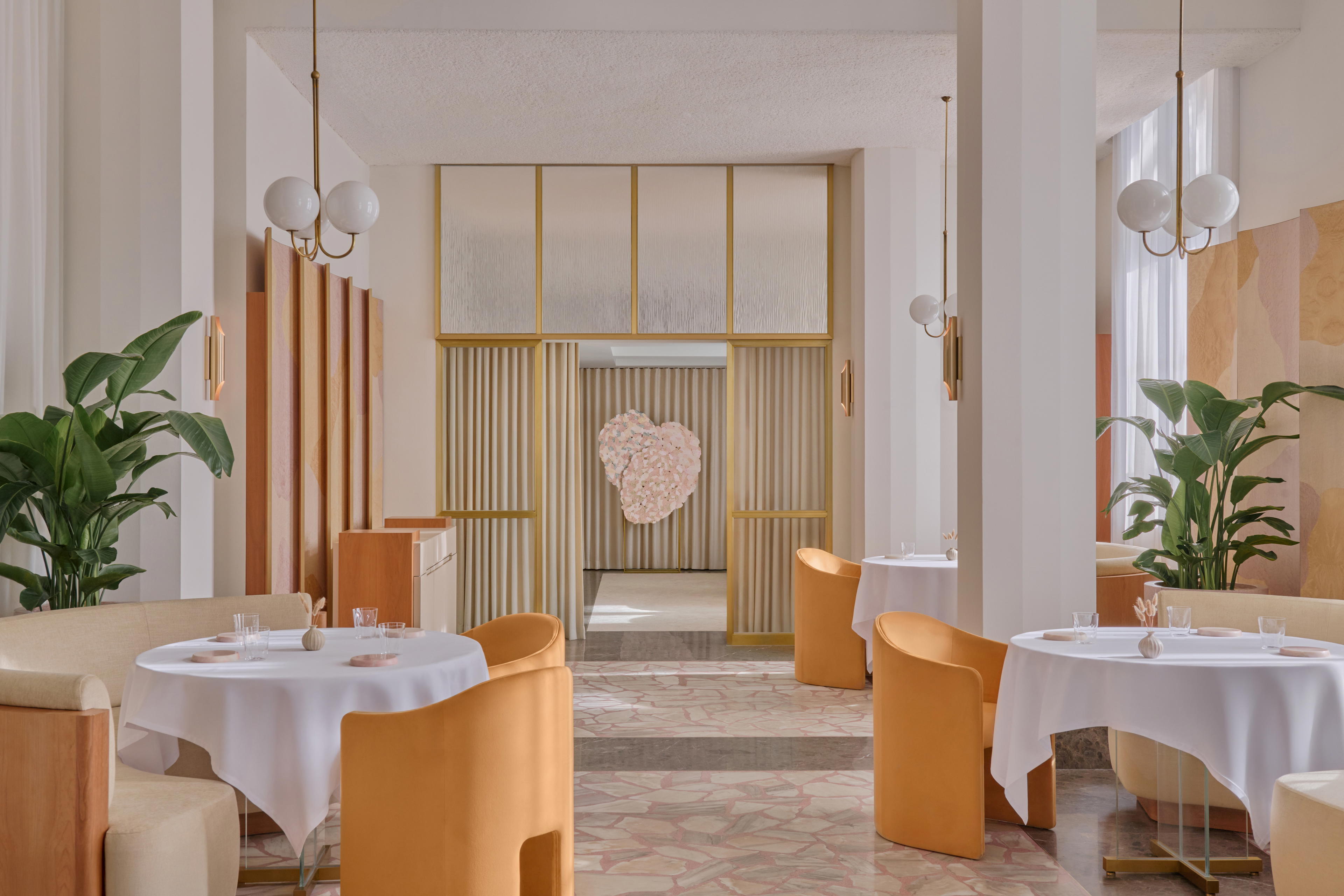
Restaurants in Singapore
All restaurants in Singapore →
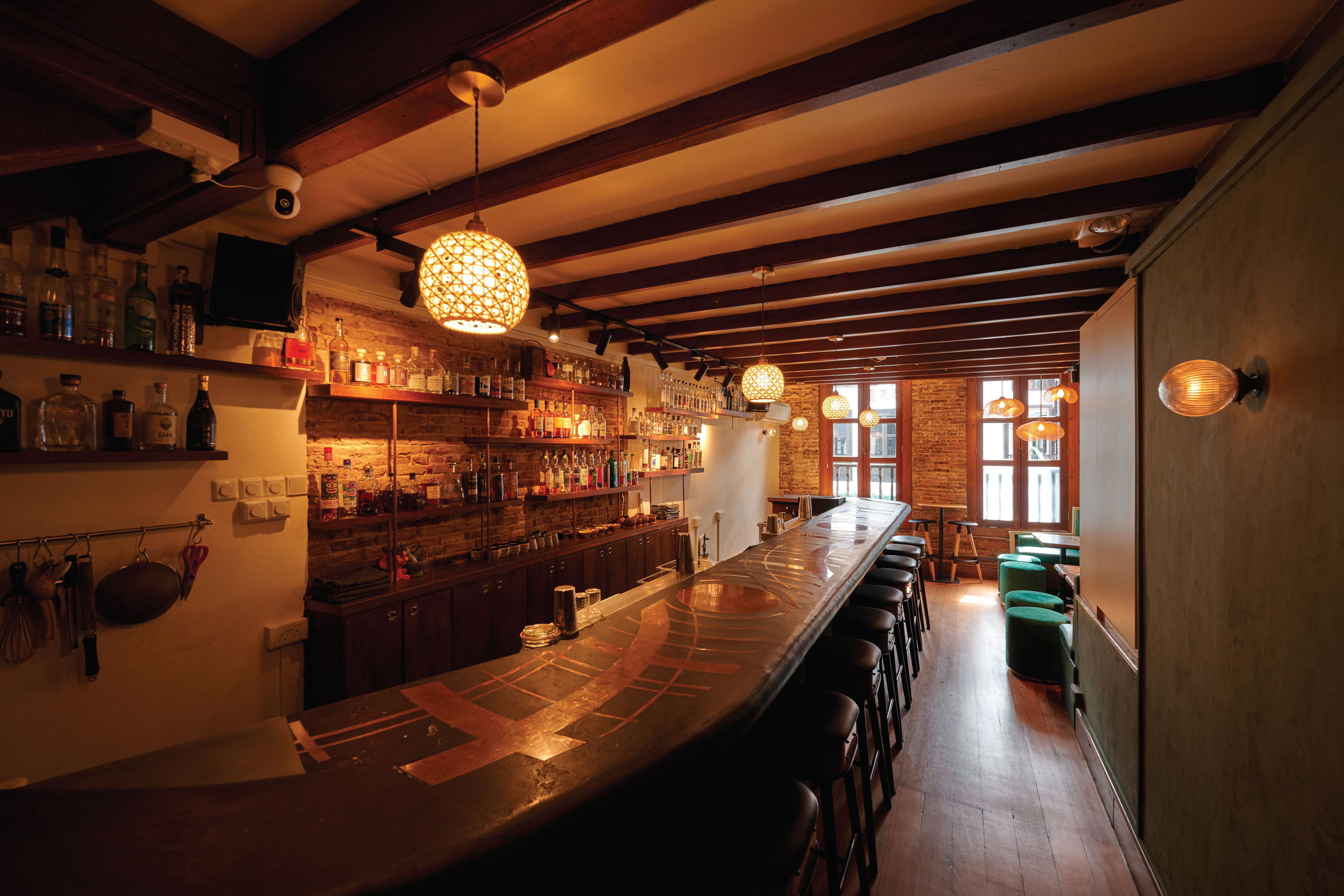
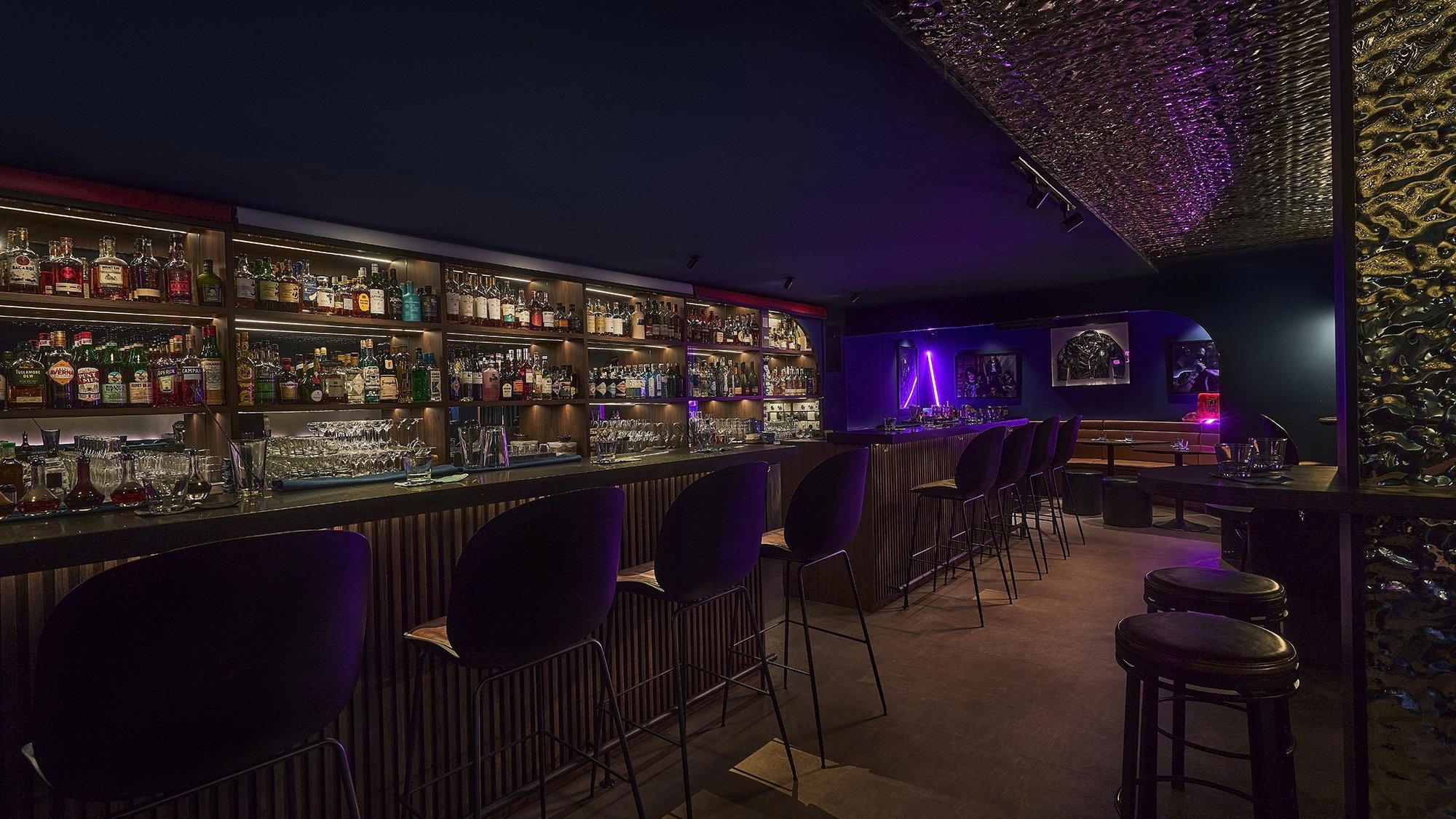
Bars in Singapore
All bars in Singapore →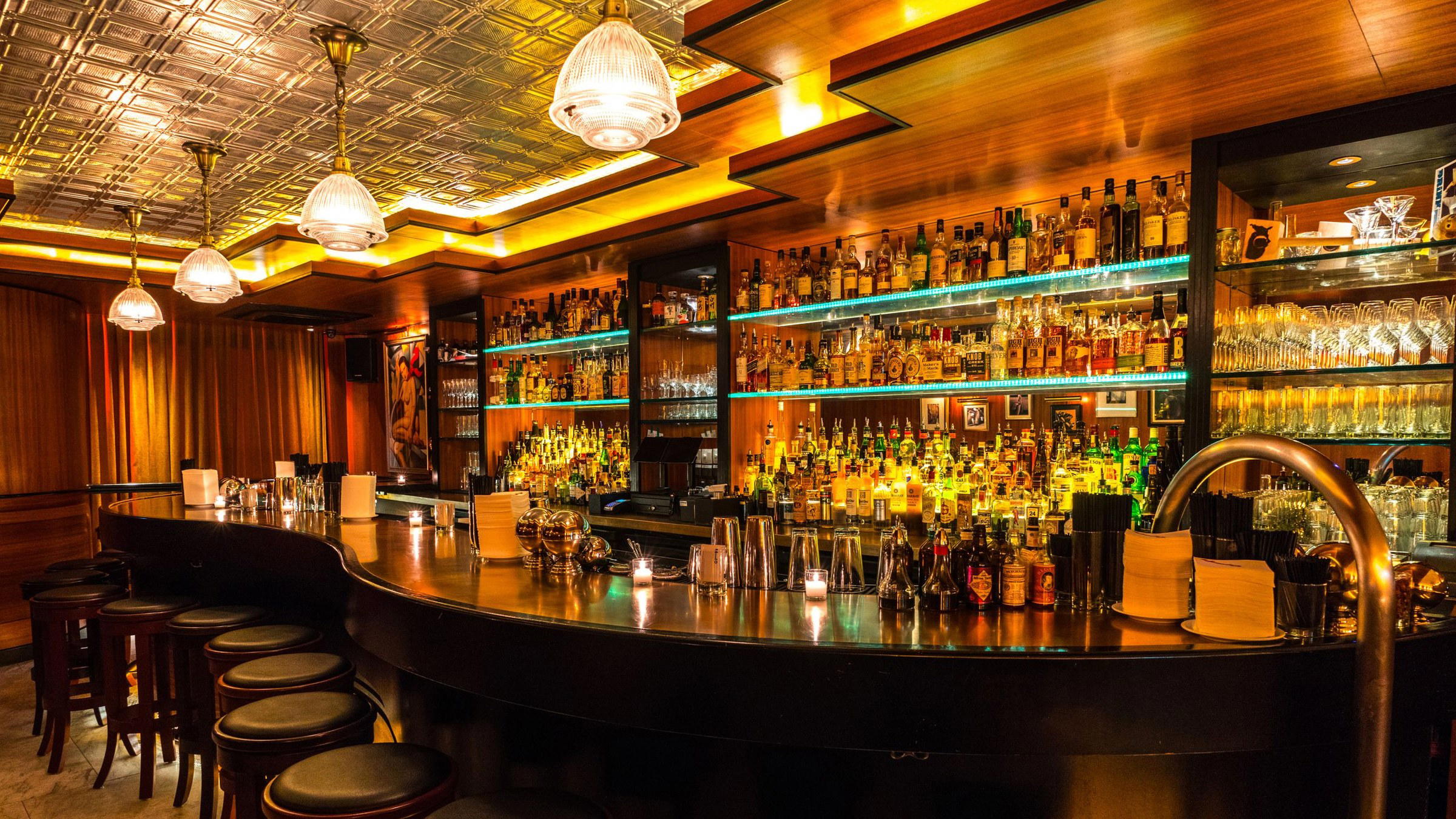

Details
- Lively
- Trendy
- Modern
- Energetic
- Date Night
- Group Dining
- Casual Hangout
- After Work
- Open Kitchen
- Craft Cocktails
- Sake Program
- A La Carte
- Small Plates
- Arrack
- Wine
- Vegetarian Friendly
Current opening hours
- Monday
- Closed
- Tuesday
- 12–3 PM, 6–11 PM
- Wednesday
- 12–3 PM, 6–11 PM
- Thursday
- 12–3 PM, 6–11 PM
- Friday
- 12–3 PM, 6–11 PM
- Saturday
- 6–11 PM
- Sunday
- Closed
Hours can change for holidays and private events. Hours as of .
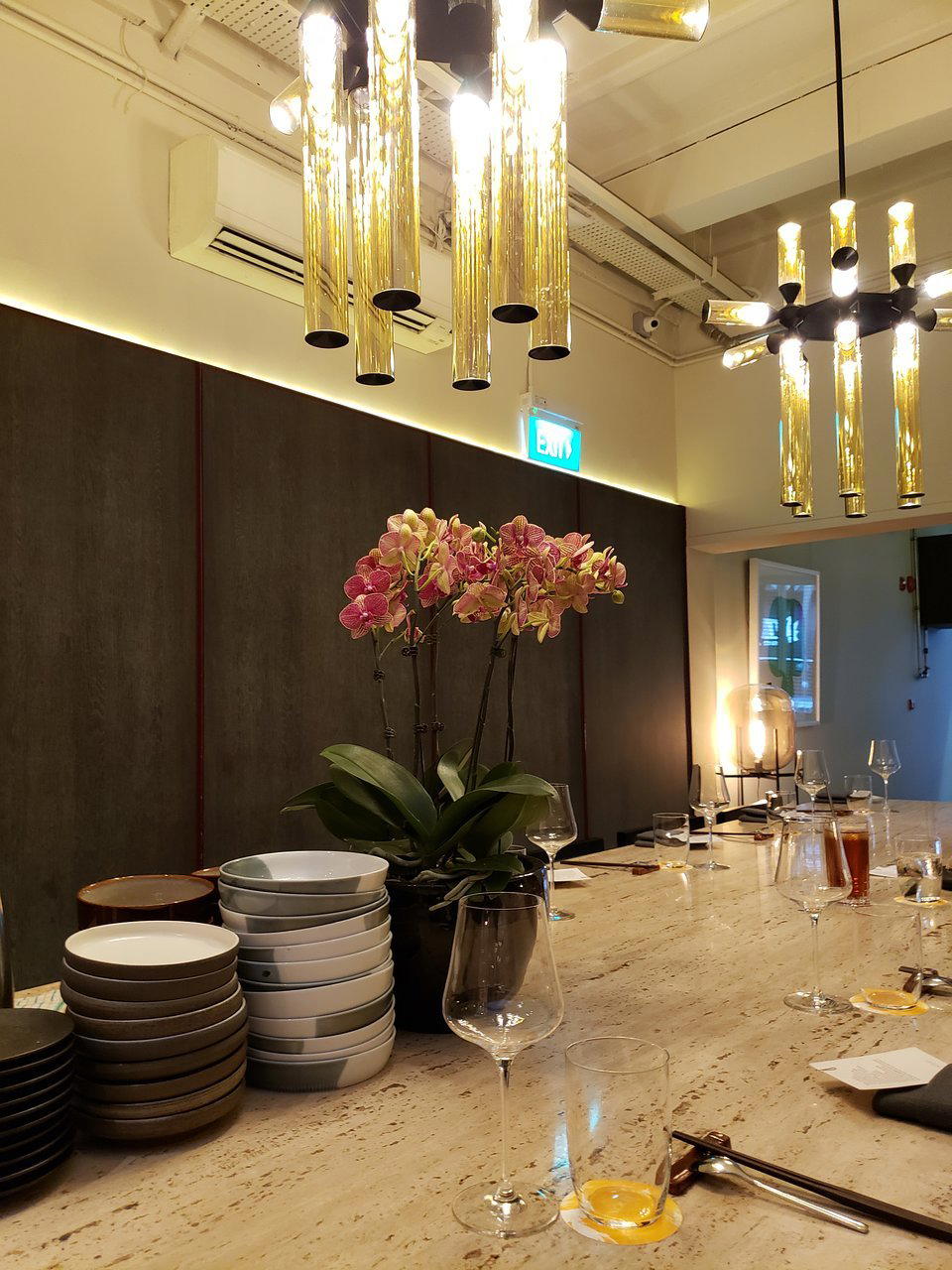
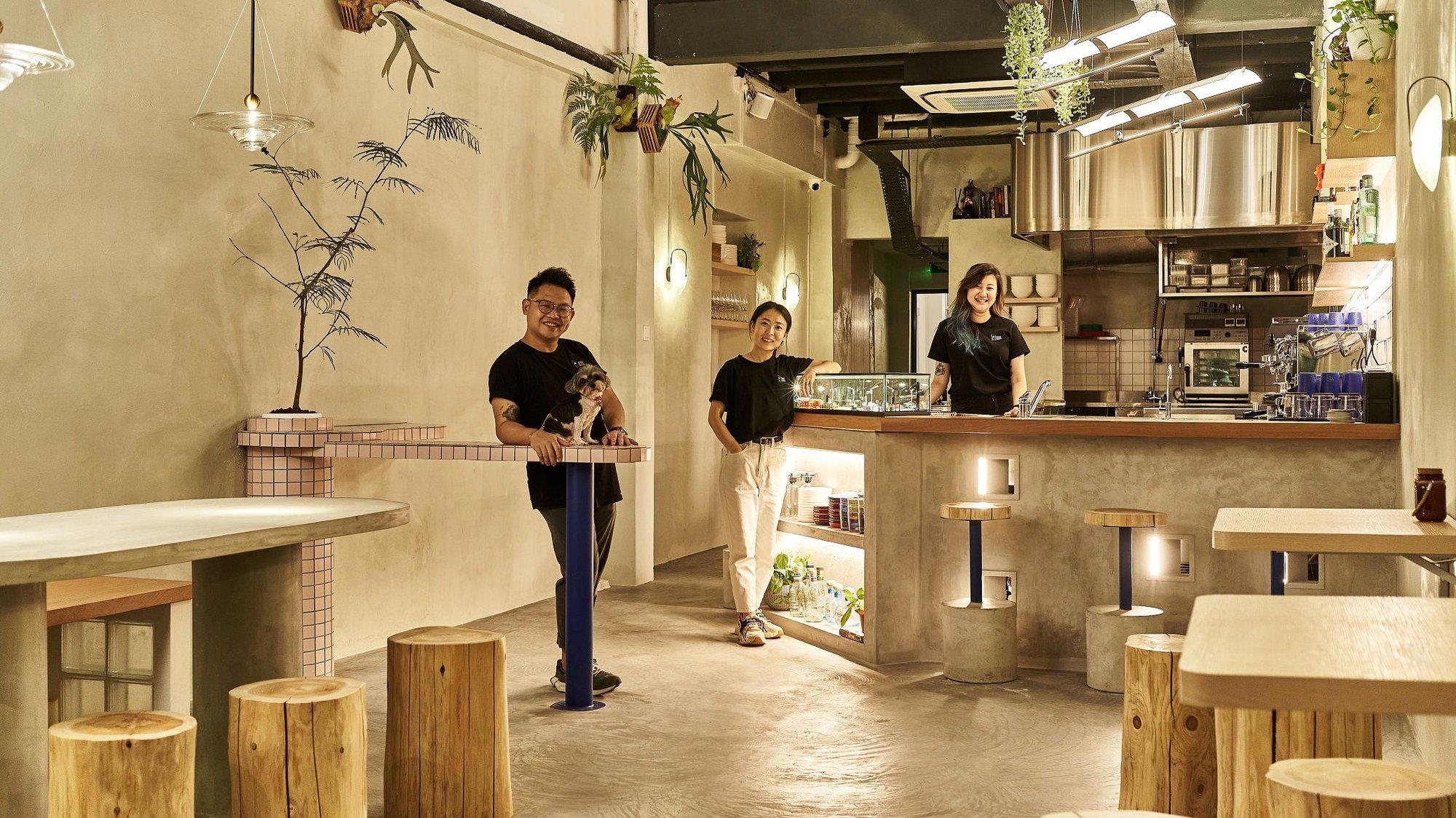
Charming decor with Sri Lankan artworks, vintage pieces, salvaged plane motor pendant lights, open kitchen action, boisterous chatter, and East-West funk, jazz, soul playlist creating cheery, spirited warmth.