
Michelin Guide Plate · Michelin Plate
Our verdict
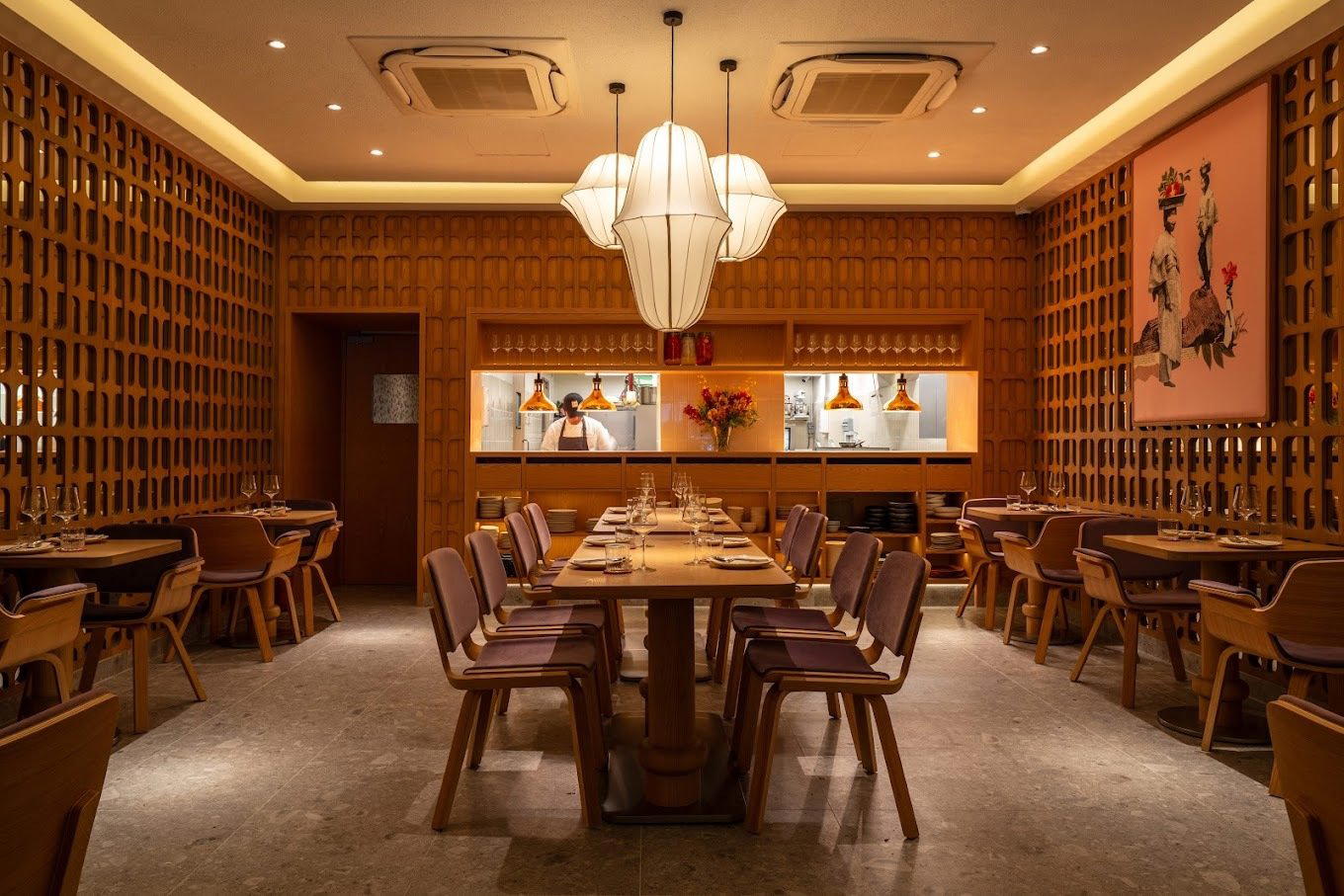
Hayop brings modern Filipino cooking to Amoy Street in a wood-rich dining room with a maritime thread running through its design. The kitchen leads with Wagyu and watermelon sinigang and a 48-hour pre-order lechon de leche that anchors shared-table occasions. Fruit-forward cocktails round out a program that positions Filipino cuisine where it has rarely sat before in Singapore: at the considered, mid-to-upper-casual register.

Pearl is the En Primeur Club membership app, where members save venues, book tables and use the concierge.
The menu
What to order
- Midnight Adobo
- Crispy Palabok
- Manam’s House Crispy Sisig
- Halo-Halo
Wood, Water, and the Filipino Table on Amoy Street
Amoy Street has become one of Singapore's more reliable corridors for serious independent restaurants, where conservation shophouses provide the architecture and a rotating cast of operators provide the ambition. The street sits in the Tanjong Pagar conservation zone, and its two- and three-storey terrace houses carry a particular material character: dark timber beams, narrow frontages, and tiled floors that impose a discipline on any interior scheme placed inside them. Hayop works with rather than against that grain. The space leans into warm wood tones and a maritime reference that connects the room to the Philippines' fishing-nation identity, a design decision that functions as both aesthetic and argument, this is food rooted in archipelago culture, not a generic pan-Asian menu dressed with regional names.
The maritime thread is worth dwelling on. Filipino cuisine is defined in large part by water: the broth-based soups, the vinegar and tamarind acidities that echo preserved coastal produce, the centrality of pork and fish in the everyday table. When a room carries that reference through its material choices, it creates a frame for the food that a neutral dining room would not. In a city where Filipino cooking has historically occupied the canteen and the informal, Hayop's shophouse setting and considered interior position it within a different register entirely, closer in physical intention to what restaurants like Meta have done for Korean-inflected cooking or what Odette represents for French Contemporary, even if the price points and ambitions differ. The argument being made is that Filipino food belongs in rooms that take design seriously.
Sinigang Reframed: The Menu's Central Logic
Philippine cooking has a structural logic that most diners outside the diaspora encounter only partially. Sinigang, the tamarind-soured broth that is arguably the country's most significant soup tradition, usually runs lean and sharp, with proteins that carry the acid rather than compete with it. At Hayop, the kitchen reworks the formula with Wagyu beef short ribs and watermelon, a combination that sounds like novelty but operates on sound culinary reasoning. The fat content of short ribs can absorb and hold the tamarind's tartness in a way that leaner cuts cannot; watermelon introduces a residual sweetness that softens the broth without blunting its character. The dish is served fall-off-the-bone, and the instruction to pair it with steamed rice is not decorative advice. The rice is structural, pulling the broth's acidity into something more complete.
This kind of reframing, applying premium proteins to canonical national dishes, has become one of the more interesting moves in Southeast Asian fine-casual cooking. You see versions of it in the way Singaporean restaurants approach laksa or chilli crab, and in how Manila's own evolving restaurant scene has begun treating adobo and kare-kare as vehicles for technique rather than simply comfort. Hayop's Wagyu sinigang sits in that movement, readable to anyone familiar with the dish's original register, but pitched at a different occasion. The approach is not without risk, it can read as dislocation, but the leading versions argue that technique and quality sourcing are forms of respect, not departure.
The Lechon Problem (and Why You Should Pre-Order)
Lechon de leche, the roasted suckling pig that functions as the centrepiece of Filipino celebration tables, is a dish that resists the à la carte format by nature. It requires preparation time measured in days, a whole animal, and typically a gathering large enough to justify the volume. Hayop addresses the logistics by requiring 48-hour advance notice, which is the correct call. The pre-order structure is worth flagging to anyone booking for a group: this is a shared dish built for the table, not a solo order, and it arrives in a quantity that comfortably serves several. For a city that has embraced the shared-format meal across cuisines, from the communal tables of Lazy Bear-style formats globally to Singapore's own zi char tradition, the lechon anchors Hayop's menu at the social occasion end of the spectrum.
The cocktail list extends the fruit-forward logic of the food menu. Asian-inflected, with fruit bases that nod to the tropical palette of Filipino drinking culture, they are designed to work alongside the acidity and richness of the kitchen's output rather than fight it. In a city where bar programs have grown increasingly sophisticated, as documented across our full Singapore bars guide, Hayop's cocktails occupy the restaurant-bar middle ground rather than the dedicated mixology tier, which suits the room and the occasion.
Filipino Cooking in Singapore's Dining Hierarchy
Singapore's restaurant scene is often mapped through its Michelin-recognized tier: the likes of Les Amis, Zén, and Jaan by Kirk Westaway occupy a stratum defined by tasting menus, formal service, and booking windows measured in months. Below that, a dense and competitive mid-tier has developed, where restaurants like Meta operate with serious culinary intent at more accessible price points. Hayop sits in this mid-tier, but with a cuisine type that has been underrepresented at this level in the city. Filipino food is widely eaten in Singapore, the domestic worker community and its associated social infrastructure have long supported Filipino canteens and malls, but it has not consistently appeared in the kind of thoughtful, design-led format that Amoy Street's dining rooms tend to host.
That gap is part of what gives Hayop its editorial interest. Comparisons might be drawn to what Seroja has done for Malay-inflected cooking, or how regional Southeast Asian cuisines more broadly have gained representation in Singapore's mid-to-upper-casual tier over the past decade. The trajectory mirrors what happened with Filipino food in cities like London and New York, where a generation of chefs began presenting the cuisine in contexts that asked diners to consider it with the same attention given to Japanese or French cooking. For reference points at the ambitious end of the seafood-and-national-tradition spectrum globally, Aponiente in Spain and Le Bernardin in New York represent the upper end of what happens when national maritime traditions are treated as serious culinary subject matter. Hayop operates at a different scale, but it draws from the same argument: that fishing-nation food cultures have formal and aesthetic depth worth exploring on their own terms.
Planning Your Visit
Hayop is at 104 Amoy Street, in the Tanjong Pagar conservation district, within comfortable walking distance of Tanjong Pagar MRT. The street's density of good independent restaurants makes it a natural destination for a longer evening rather than a single-stop meal. For the lechon de leche, a 48-hour pre-order is mandatory and the dish is built for groups, so it rewards planning rather than spontaneity. Arrival without a booking on busier evenings carries the usual Amoy Street risk; securing a reservation in advance is advisable. The cocktail program provides a reason to linger after the main meal, and the room's compact wood-and-maritime scale suits a considered, unhurried pace rather than a quick table turn. For broader context on where Hayop sits in the city's dining geography, our full Singapore restaurants guide maps the scene across neighbourhoods and price tiers. Those extending a trip beyond dining can find property and experience recommendations across our Singapore hotels guide and our Singapore experiences guide.
Frequently asked questions
What kind of recognition has Hayop received?
Hayop has received recognition including: Hayop serves modern Filipino fare in a wood-rich space with a subtle maritime theme, a reference to the country's fishing industry. The signature dish is Wagyu and watermelon sinigang, a tangy broth with fall-off-the-bone braised beef short….
What's Hayop's location?
Hayop is located at 104 Amoy Street, Singapore.
What's the best thing to order at Hayop?
The Wagyu and watermelon sinigang is the kitchen's clearest statement: braised beef short ribs in a tamarind-soured broth, served with steamed rice to catch the liquid. Order rice alongside, it's not optional if you're eating this properly.
Is Hayop reservation-only?
On Amoy Street, where independent restaurants at this level fill quickly on weekday evenings and faster on weekends, contacting ahead before visiting is the practical approach.
What's the signature at Hayop?
The Wagyu and watermelon sinigang, braised beef short ribs in a tangy broth, is the dish most consistently associated with the kitchen. The watermelon addition shifts the broth's acidity in a direction traditional sinigang doesn't go, which is the point.
Can Hayop handle vegetarian requests?
The menu as described centers on Wagyu beef short ribs and the pre-order lechon de leche, both central to the kitchen's identity. The venue data doesn't confirm vegetarian alternatives, so it's worth raising directly when you contact the restaurant.
Awards and Standing
Comparable venues nearby, for context on price, style, and recognition.
| Venue | Cuisine | Price | Awards | Notes |
|---|---|---|---|---|
| HayopThis venue (the venue you are viewing) | Modern Filipino | $50–100 | Michelin Guide Plate · Michelin Plate | Not listed |
| Belimbing | New-Gen Singaporean | $50–100 | Michelin Guide Plate · Michelin Plate | KAMPONG GLAM |
| Station by Kotuwa | Modern Sri Lankan | $50–100 | Michelin Plate | CHINATOWN |
| Cure | Modern Irish Fine Dining | $100–150 | Not listed | CHINATOWN |
| Nasi Lemak Ayam Taliwang | Nasi Lemak with Indonesian Ayam Taliwang | $1–10 | Michelin Guide Plate · Michelin Plate | CECIL |
| R&B Express | Singaporean Hawker BBQ | $1–10 | Michelin Guide Plate · Michelin Plate | NEWTON CIRCUS |
Recognition history
Dated appearances from independent guides and award organizations, with the underlying list record or original source where available.
Michelin Plate
Michelin · 2026 Michelin Plate
Michelin Guide Plate
Michelin Guide
Continue exploring
More in Singapore
Restaurants in Singapore
All restaurants in Singapore →
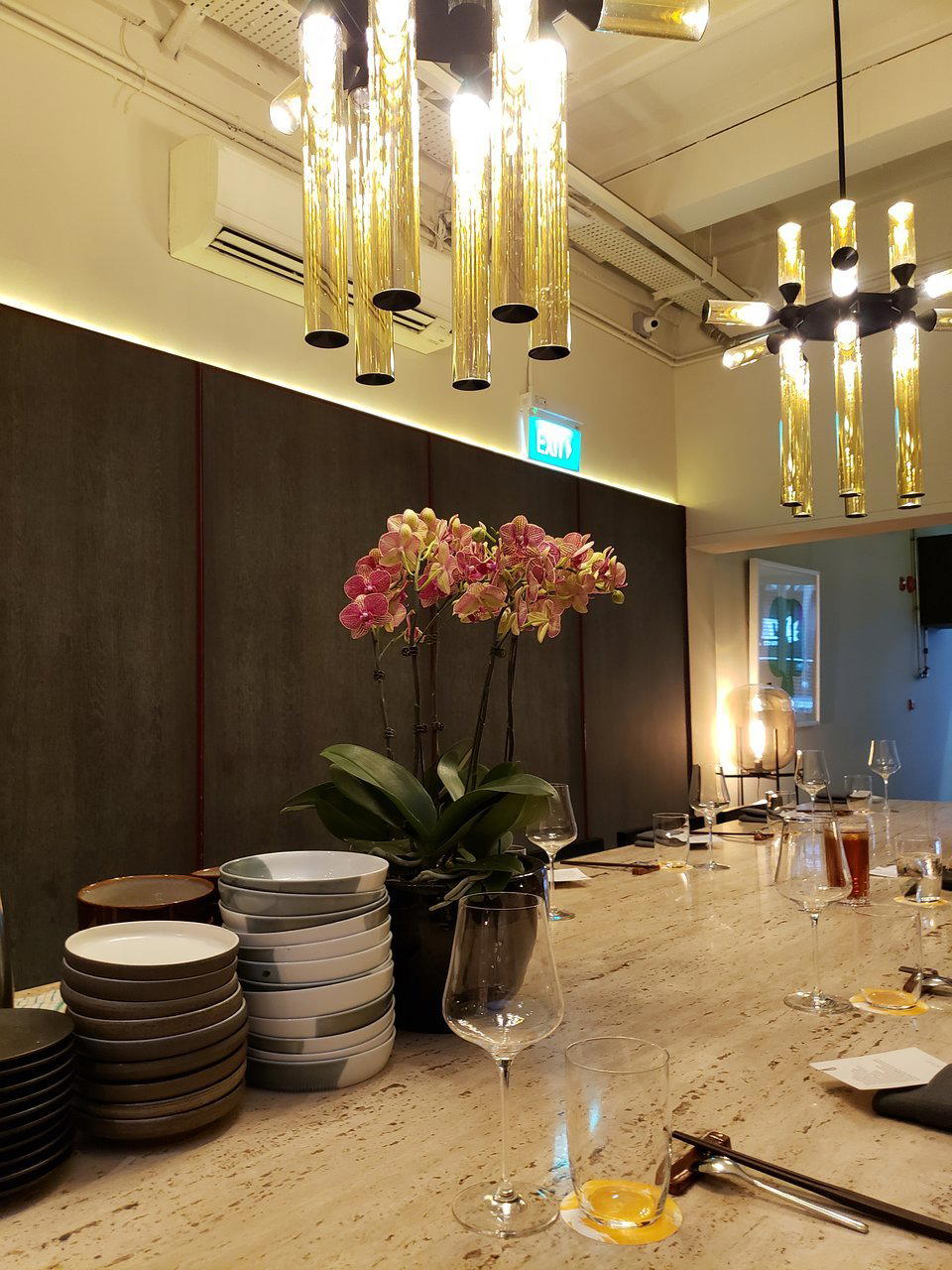
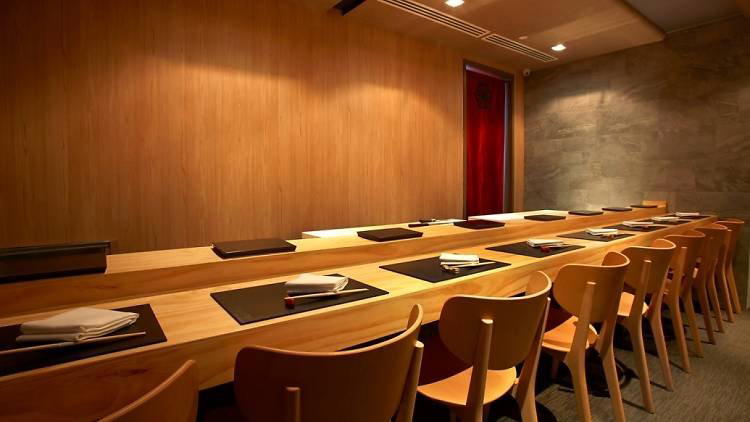
Bars in Singapore
All bars in Singapore →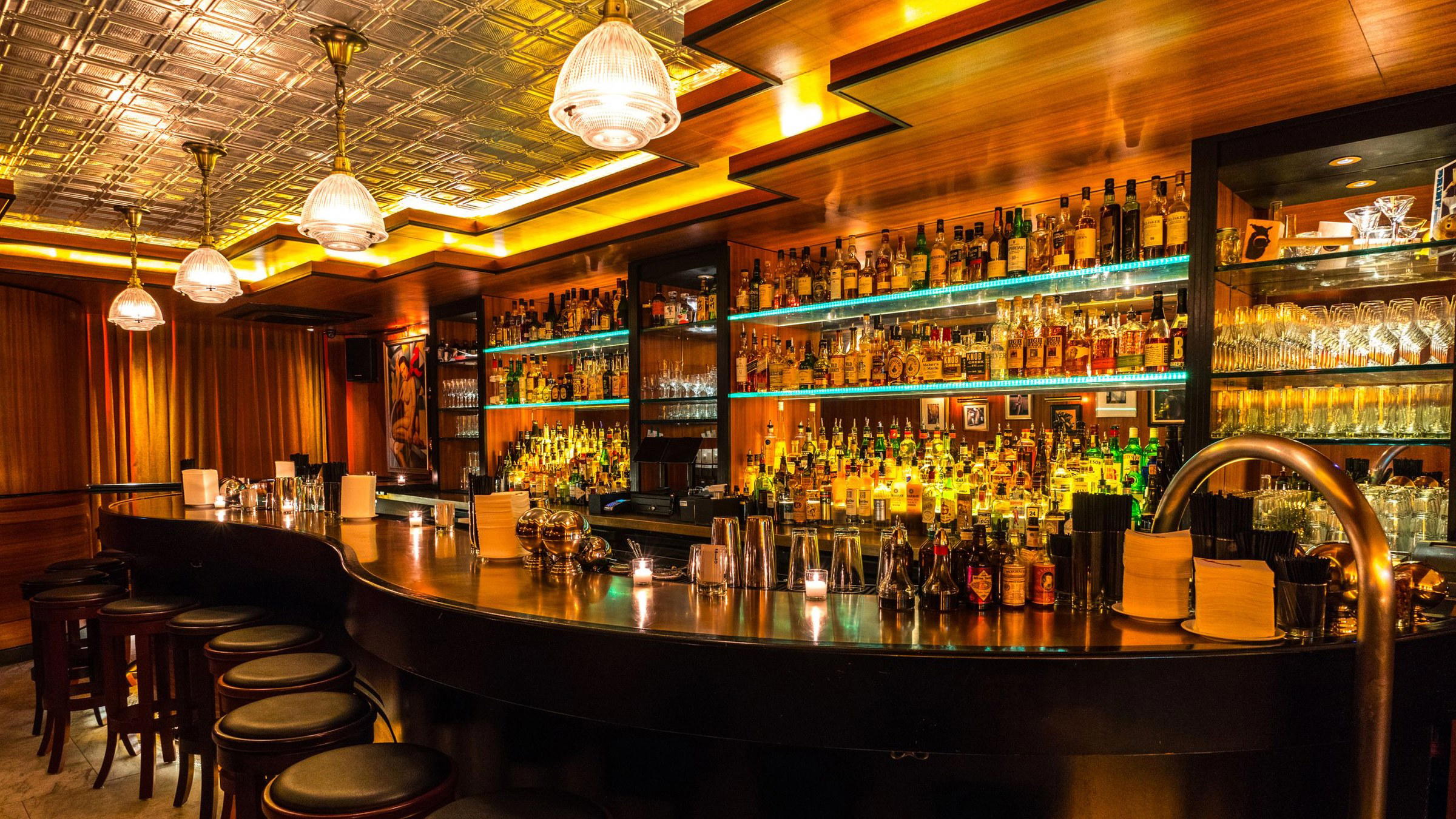


Details
- Modern
- Trendy
- Cozy
- Elegant
- Group Dining
- Special Occasion
- Celebration
- Open Kitchen
- Craft Cocktails
- A La Carte
- Small Plates
- Vegetarian Friendly
Current opening hours
- Monday
- Closed
- Tuesday
- 11:30 AM–2:30 PM, 5–10 PM
- Wednesday
- 11:30 AM–2:30 PM, 5–10 PM
- Thursday
- 11:30 AM–2:30 PM, 5–10 PM
- Friday
- 11:30 AM–2:30 PM, 5–10 PM
- Saturday
- 11:30 AM–2:30 PM, 5–10 PM
- Sunday
- Closed
Hours can change for holidays and private events. Hours as of .
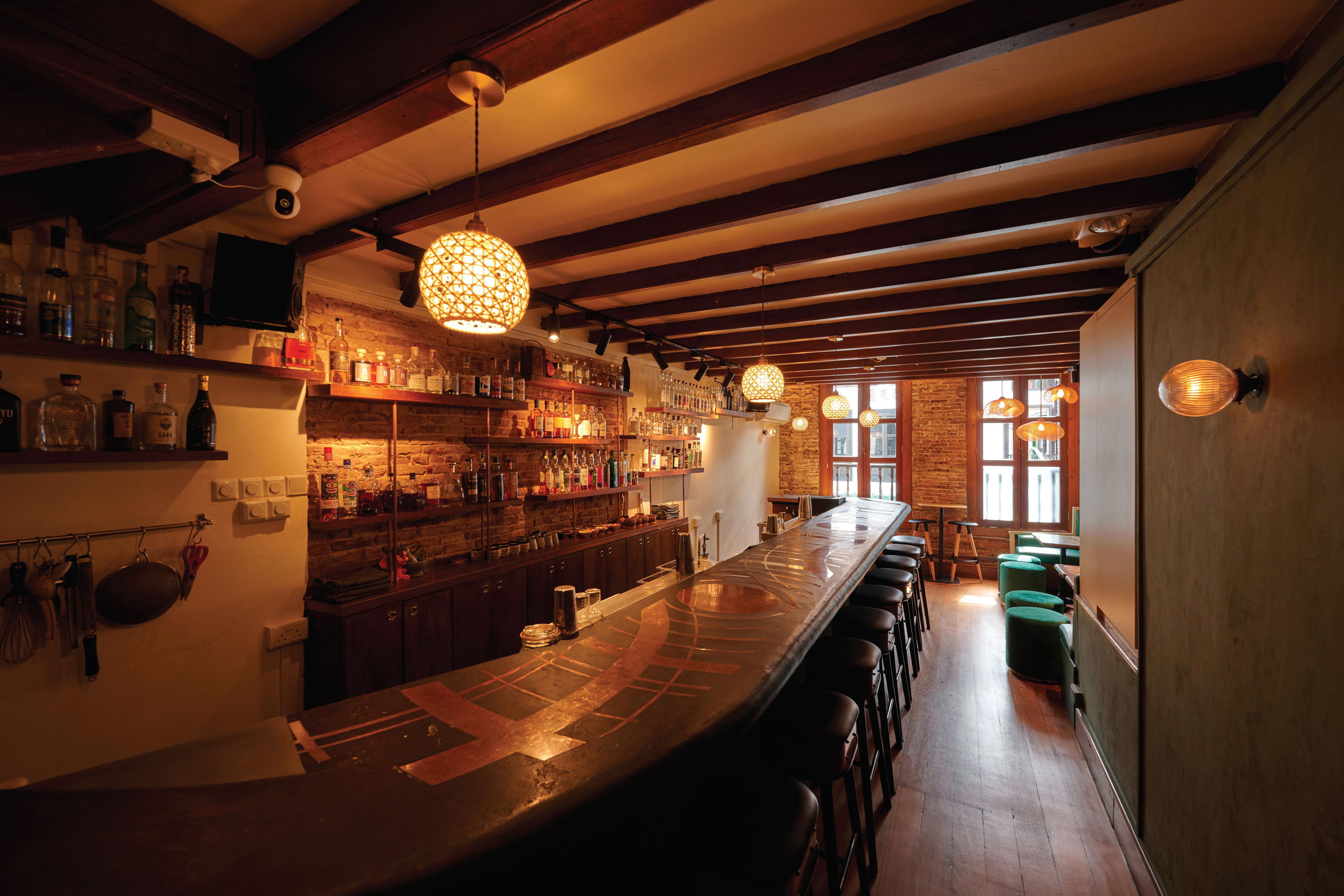
Warm glow with modern nods to Philippine culture including custom elements, curated wallpaper of archival images, and hanging fabric lamps resembling woven fishing nets.