St. John Bread & Wine



Almost two decades after opening opposite Old Spitalfields Market, St. John Bread & Wine holds a Michelin Bib Gourmand and a daily-changing menu that reads as a direct line to Britain's historic foodways. The nose-to-tail philosophy of the original St. John translates here into a more casual, well-priced format: bone marrow alongside Eccles cake, an all-French wine list, and baked-to-order madeleines as a closing argument.
Pearl is the En Primeur Club membership app — saves, bookings, and concierge access live there. Same editors, same standards.
- Address
- 94-96 Commercial St, London E1 6LZ, United Kingdom
- Phone
- +44 20 7251 0848
- Website
- stjohnrestaurant.com
- Directions
- Get directions
 Saves & bookings on Pearl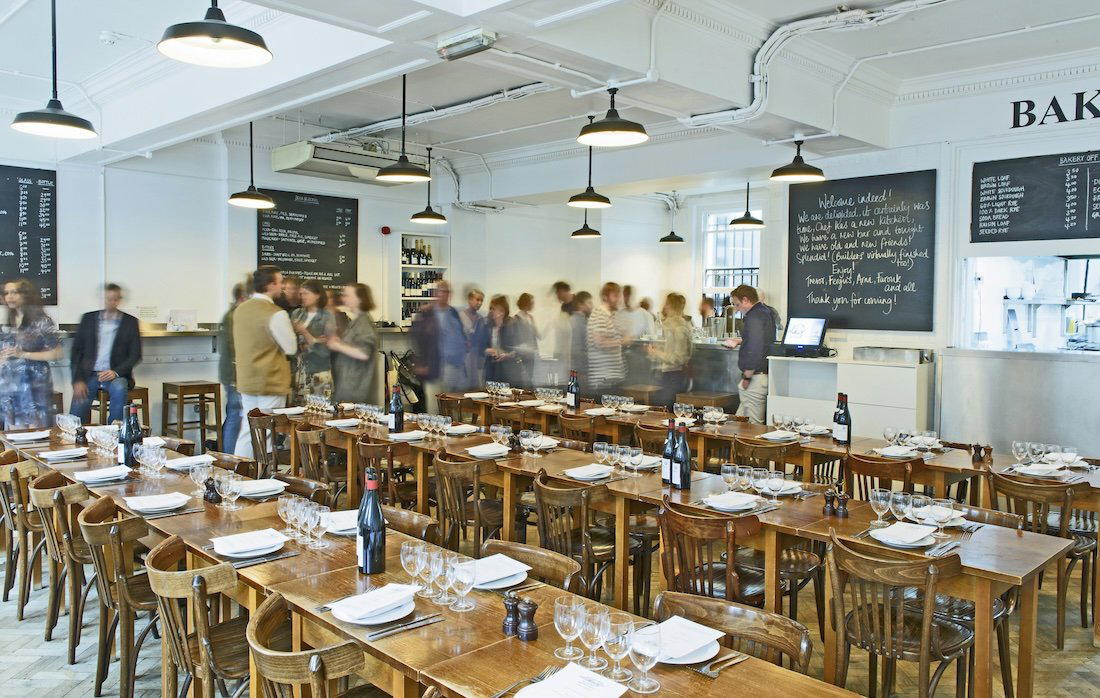
A Spin-Off That Became a Reference Point
When St. John Bread & Wine opened on Commercial Street in Spitalfields, the broader London dining scene was still in the process of deciding whether stripped-back British cooking could hold its own against the French-influenced rooms that had long defined the city's upper tier. It could, and the evidence has compounded over nearly two decades.
The address matters to understanding the room. Housed in a former bank directly opposite Old Spitalfields Market, the space arrived with the functional bones of a commercial building and made little effort to disguise them. Whitewashed walls, closely packed wooden tables, blackboards listing the day's menu: the aesthetic communicates the same thing as the food — nothing here is decorative for its own sake. What creates atmosphere is the density of occupied tables and the noise of people eating well, which is a different kind of warmth than candlelight engineering.
St. John Bread & Wine sits at the accessible end of the St. John group's price positioning, making it the natural entry point for the nose-to-tail philosophy that Fergus Henderson established at the original Smithfield address. The comparison set at this end of London's British dining scene, Smith's of Smithfield is a near neighbour, tends to anchor around provenance-led menus and a certain no-frills hospitality register. St. John Bread & Wine has, over time, become a reference point for that register rather than simply a participant in it. For the broader picture of where this fits within London's dining options, [our full London restaurants guide]() maps the city's current range.
The Menu as a Document of British Foodways
Menus change daily, which means there is no fixed list of dishes to report with confidence, but the structure and philosophy are consistent. The cooking addresses Britain's historic foodways without archival stiffness: dishes like smoked haddock with saffron and mash, boiled ham with carrots and parsley sauce, or Eccles cake with Lancashire cheese read as natural, direct statements rather than revivals. The nose-to-tail gospel, inherited from the Smithfield original, means offal and secondary cuts appear alongside the kind of seasonal salads and vegetable dishes that would fit any contemporary British menu.
Chef Farokh Talati leads the kitchen, and the format under his direction remains committed to the discipline of short ingredient lists and precise sourcing. A dish described simply as 'mushy courgettes' or 'bobby beans with roast shallots and mustard' trusts the quality of its components rather than the complexity of its technique. That approach places St. John Bread & Wine in a different register from the technically elaborate British kitchens further west, CORE by Clare Smyth and Dinner by Heston Blumenthal operate at ££££ price points with very different ambitions, but it is not a lesser ambition, just a different one.
For readers interested in how the same British culinary tradition plays at different price tiers and formats across the country, the comparison is instructive. The Fat Duck in Bray, L'Enclume in Cartmel, Moor Hall in Aughton, Gidleigh Park in Chagford, and Hand and Flowers in Marlow each represent the high-investment end of British dining outside London. St. John Bread & Wine operates at the opposite end of that cost spectrum without operating at the opposite end of the quality argument.
The Wine List: A Focused All-French Position
London's wine list culture across the British dining segment spans a wide range of approaches, from the cellar-deep heritage lists at Wilton's and The Goring to the natural-wine-forward selections at East London independents. St. John Bread & Wine holds a distinct position within that range: an all-French list, anchored by St. John's own-label wines produced in southern France and Burgundy.
The own-label range includes a Crémant de Limoux, a Mâcon-Villages, and a claret, a practical, well-chosen trio that covers sparkling, white, and red without needing to reach outside France for variety. The Crémant de Limoux, produced in Languedoc using the traditional method, represents the kind of considered alternative to Champagne that the British market has historically underused; its inclusion here signals a list built around value and coherence rather than trophy bottles.
This all-French stance is a deliberate editorial choice within British dining, where the default move is increasingly to broaden globally. The St. John group's position, committing to French producers, including their own labels, at a well-priced restaurant in East London, reflects a confidence in the French canon as the right pairing language for food that draws so heavily on Britain's own culinary history. Bread, as the name insists, is equally a focus: loaves are available to take away alongside bottles, which points to a retail logic that reinforces the restaurant's character as a neighbourhood institution rather than a destination-only address.
For readers whose interest extends to London's drinking culture more broadly, [our full London bars guide]() and [our full London wineries guide]() cover the wider scene.
Where It Fits in the East London British Dining Picture
Spitalfields and the surrounding streets represent a different dining register from Chelsea or Mayfair. The comparison venues in that western corridor, Cadogan Arms in Chelsea, Holborn Dining Room at its midpoint, operate with different room formats and different price assumptions. [Le Manoir aux Quat' Saisons]() in Great Milton sits at the far end of the investment scale entirely.
St. John Bread & Wine's position in East London means it draws a mixed crowd: market visitors, local residents, food professionals who know the St. John name, and visitors specifically tracking down Michelin Bib Gourmand addresses in the East End. The room fills predictably at lunch and dinner across the week; the format of shared dishes and a daily-changing menu favours groups who are prepared to make decisions at the table rather than arrive with a fixed order in mind. For the London hotel options nearest this part of the city, [our full London hotels guide]() covers the range. Our full London experiences guide maps cultural programming in the area.
St. John Bread & Wine also invites comparison with how British cooking travels abroad. Gordon Ramsay Hell's Kitchen in Las Vegas and Hearth at Heckfield Place in Hook represent two different ways the British kitchen has extended beyond its home territory. The Commercial Street address is the original model: a room where the discipline is applied in its home context, without translation.
Planning Your Visit
St. John Bread & Wine opens for lunch and dinner across all seven days, with service running noon to 3pm and 6pm to 9:30pm. The address is 94-96 Commercial Street, London E1 6LZ, opposite Old Spitalfields Market and within walking distance of Liverpool Street station. The daily-changing menu means the safest strategy is to arrive without firm expectations about specific dishes and to follow the blackboard rather than a pre-researched order. The madeleine situation, baked to order, requires the foresight to request them early in the meal rather than as an afterthought.
Quick reference: 94-96 Commercial St, E1 6LZ. Open daily, 12–3pm and 6–9:30pm. Michelin Bib Gourmand 2025. All-French wine list including own-label St. John bottles. Bread and wine available to take away.
Reputation First
A quick peer check to anchor this venue’s price and recognition.
| Venue | Cuisine | Price | Awards |
|---|---|---|---|
| St. John Bread & WineThis venue — the venue you are viewing | British | Not listed | Bib Gourmand |
| The Ledbury | Modern European, Modern Cuisine | ££££ | Michelin 3 Star |
| Sketch, The Lecture Room and Library | Modern French | ££££ | Michelin 3 Star |
| CORE by Clare Smyth | Modern British | ££££ | Michelin 3 Star |
| Restaurant Gordon Ramsay | Contemporary European, French | ££££ | Michelin 3 Star |
| Dinner by Heston Blumenthal | Modern British, Traditional British | ££££ | Michelin 2 Star |
Recognition history
Dated appearances from independent guides and award organizations, with the underlying list record or original source where available.
Michelin Bib Gourmand
Michelin
Opinionated About Dining Casual in Europe Recommended
Opinionated About Dining
Michelin Bib Gourmand
Michelin
The Good Food Guide GFG Very Good
The Good Food Guide
Continue exploring
More in London
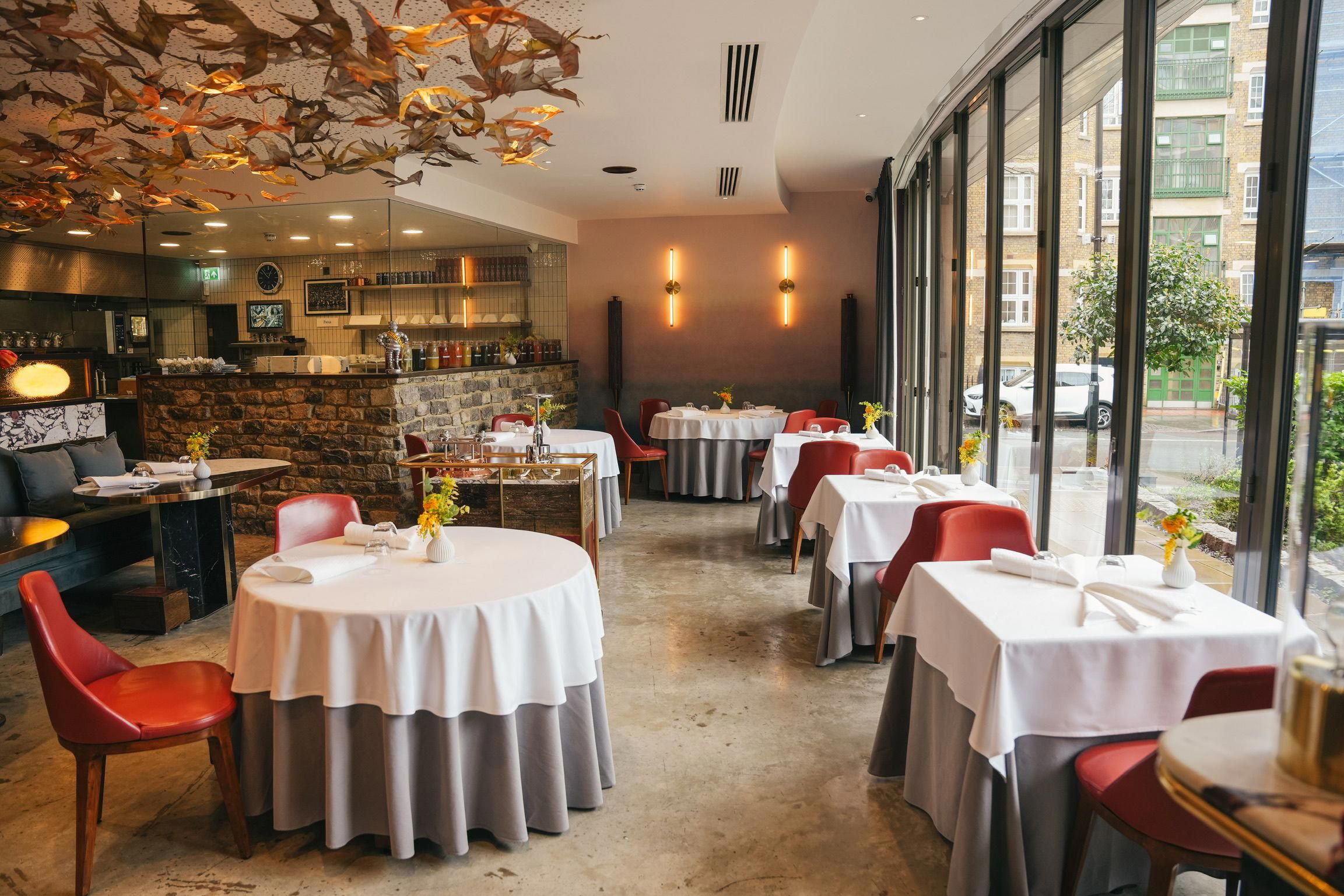
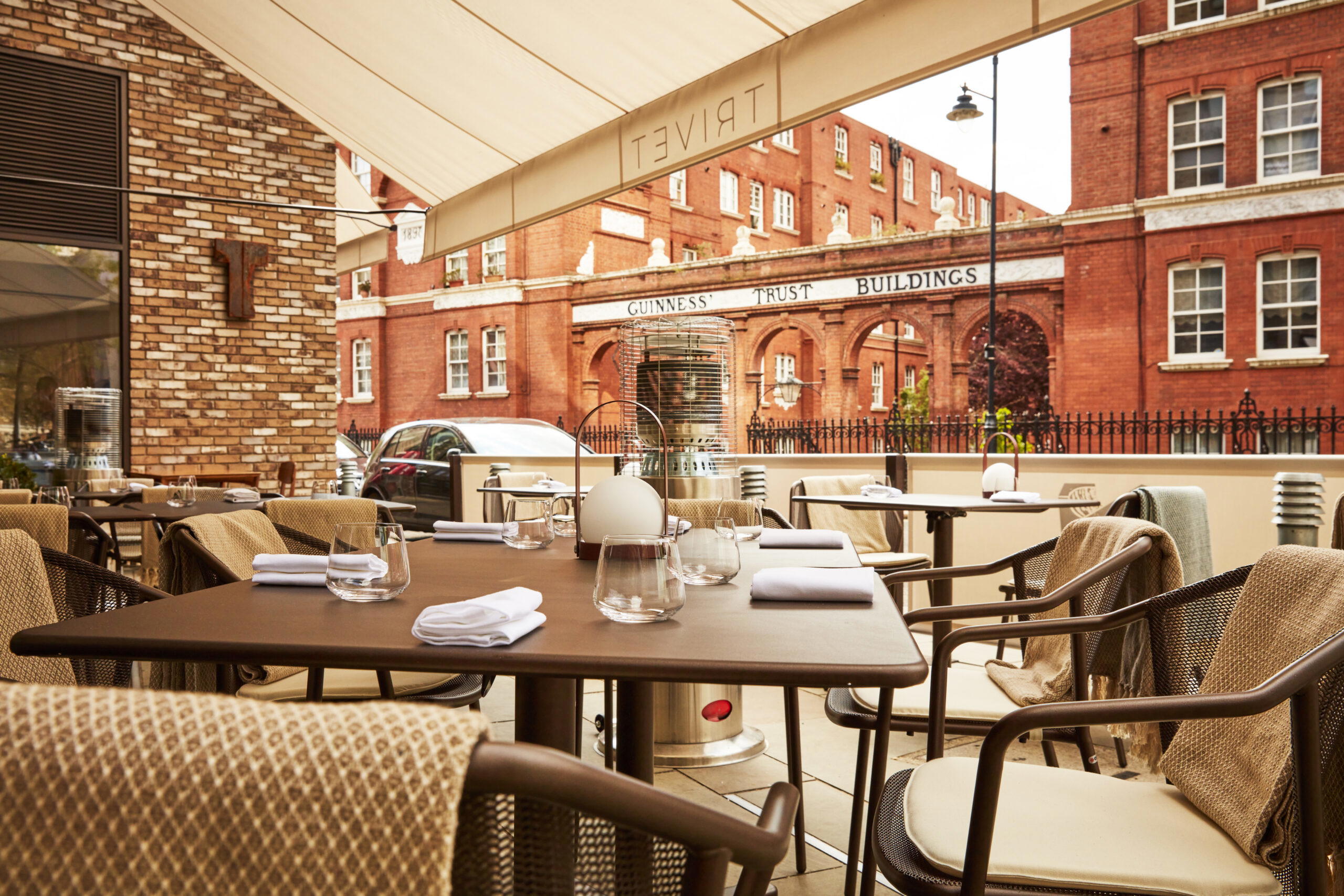
Restaurants in London
Browse all →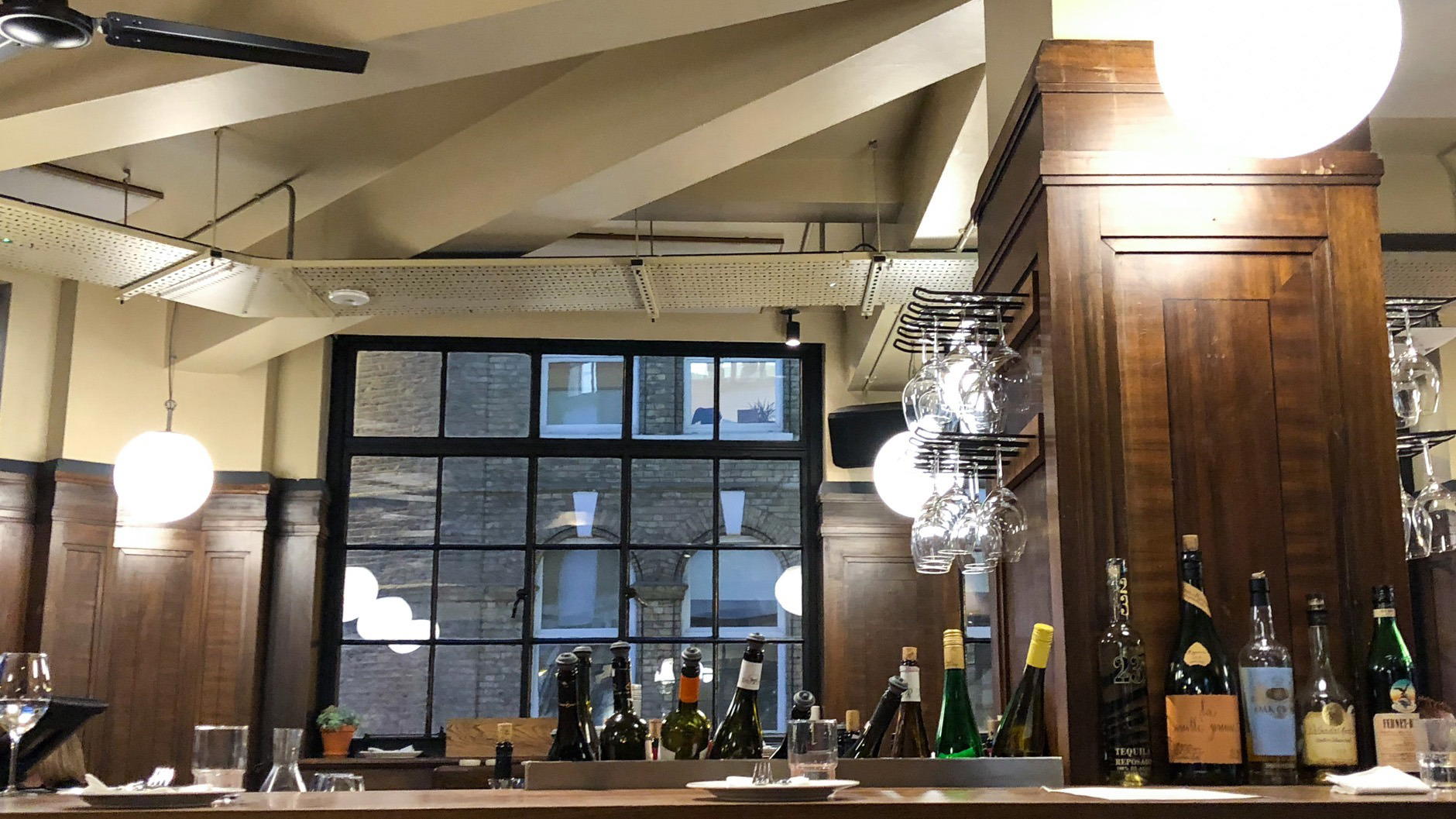
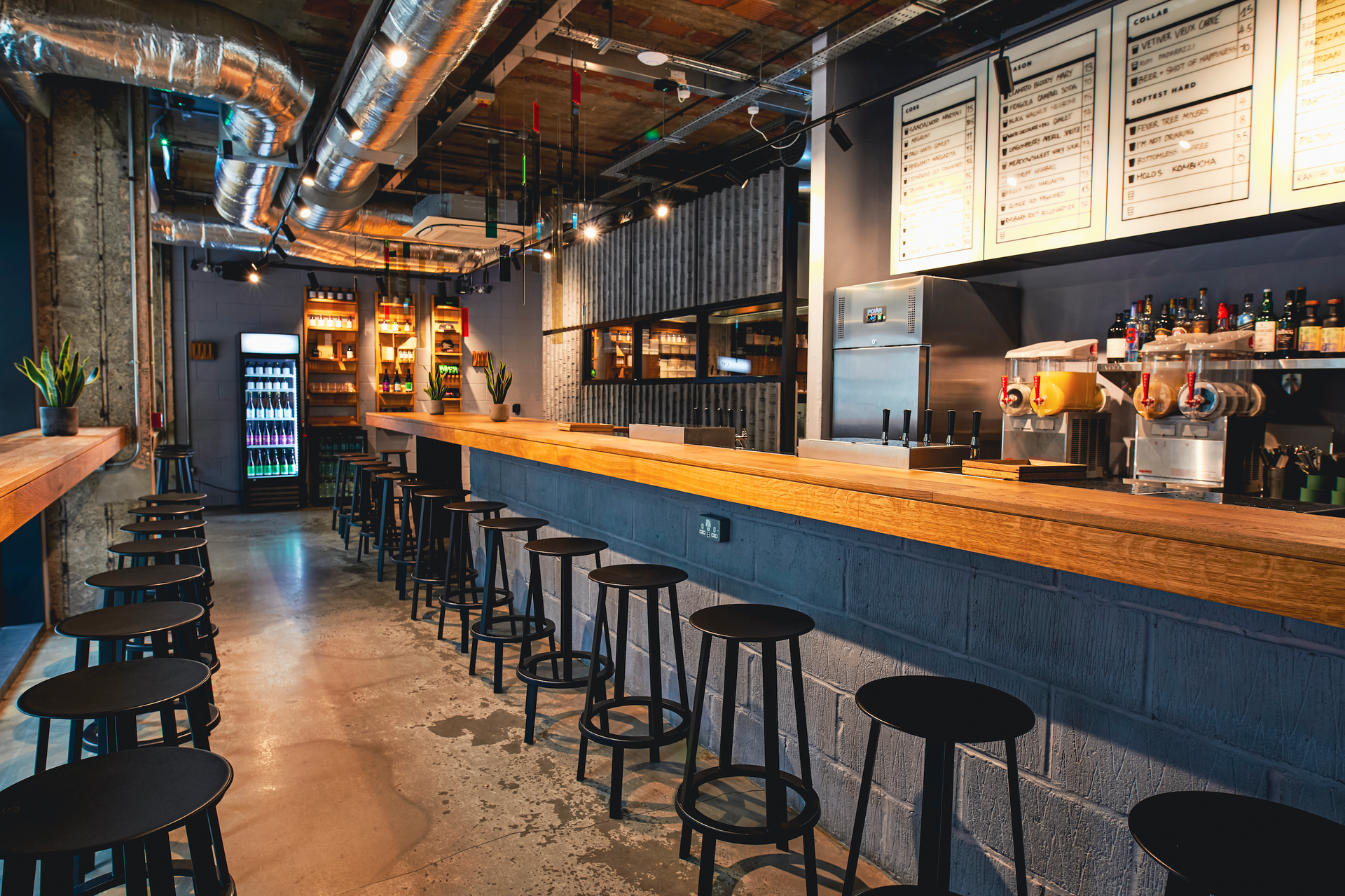
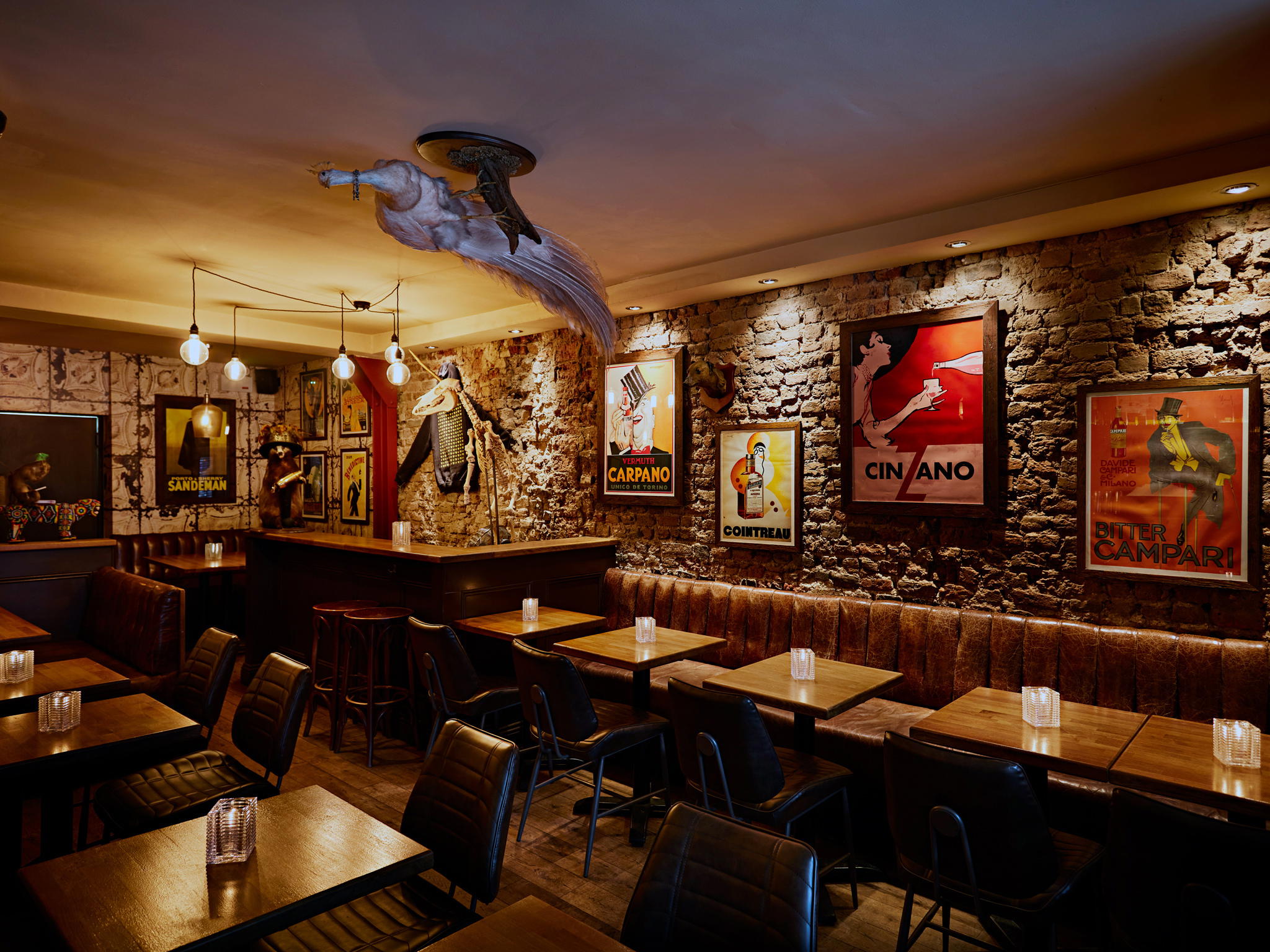
Bars in London
Browse all →

Hotels in London
Browse all →




At a Glance
- Rustic
- Cozy
- Classic
- Date Night
- Casual Hangout
- Special Occasion
- Open Kitchen
- Extensive Wine List
Current opening hours
- Monday
- 12–3 PM, 6–9:30 PM
- Tuesday
- 12–3 PM, 6–9:30 PM
- Wednesday
- 12–3 PM, 6–9:30 PM
- Thursday
- 12–3 PM, 6–9:30 PM
- Friday
- 12–3 PM, 6–9:30 PM
- Saturday
- 12–3 PM, 6–9:30 PM
- Sunday
- 12–3 PM, 6–9:30 PM
Hours can change for holidays and private events. Last verified .
Stripped-back decor with whitewashed walls, close-packed wooden tables, and a warm, clattering atmosphere from diners.
Know Before You Go
- Getting there
- 94-96 Commercial St, London E1 6LZ, United Kingdom