That constraint is not an affectation. In the current wave of British fine dining, sourcing restrictions have become a form of editorial discipline, forcing the kitchen to build flavour through technique rather than relying on Mediterranean produce that has carried European fine dining for generations. The approach places St. Barts in a peer group that includes CORE by Clare Smyth and, at greater geographic remove, Moor Hall in Aughton, where the argument for British ingredients at this level has been made with equal conviction. Executive chef Johnnie Crowe, who established the kitchen here under a sustainability-focused framework developed with the team behind Nest, operates within that tradition rather than against it.
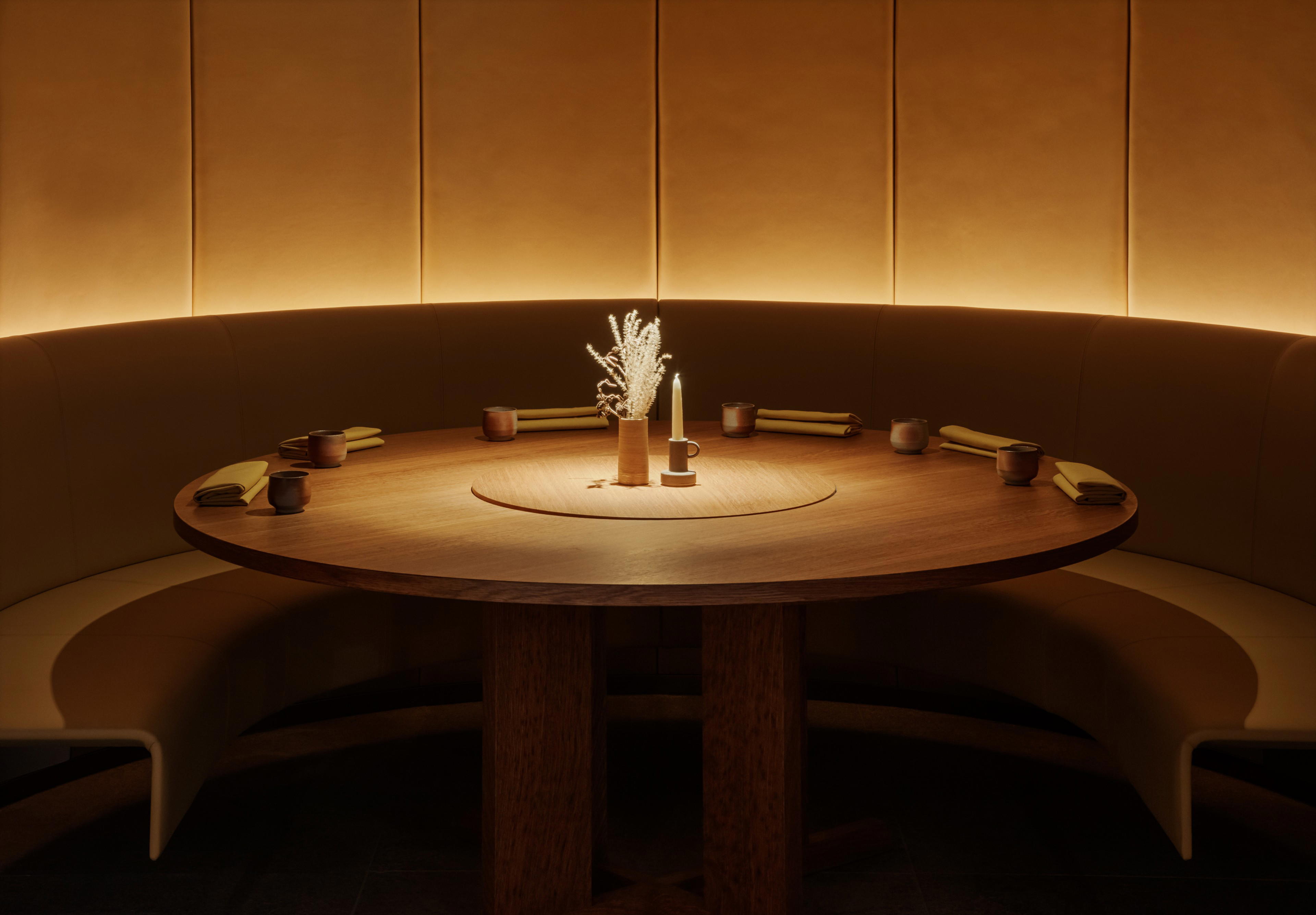
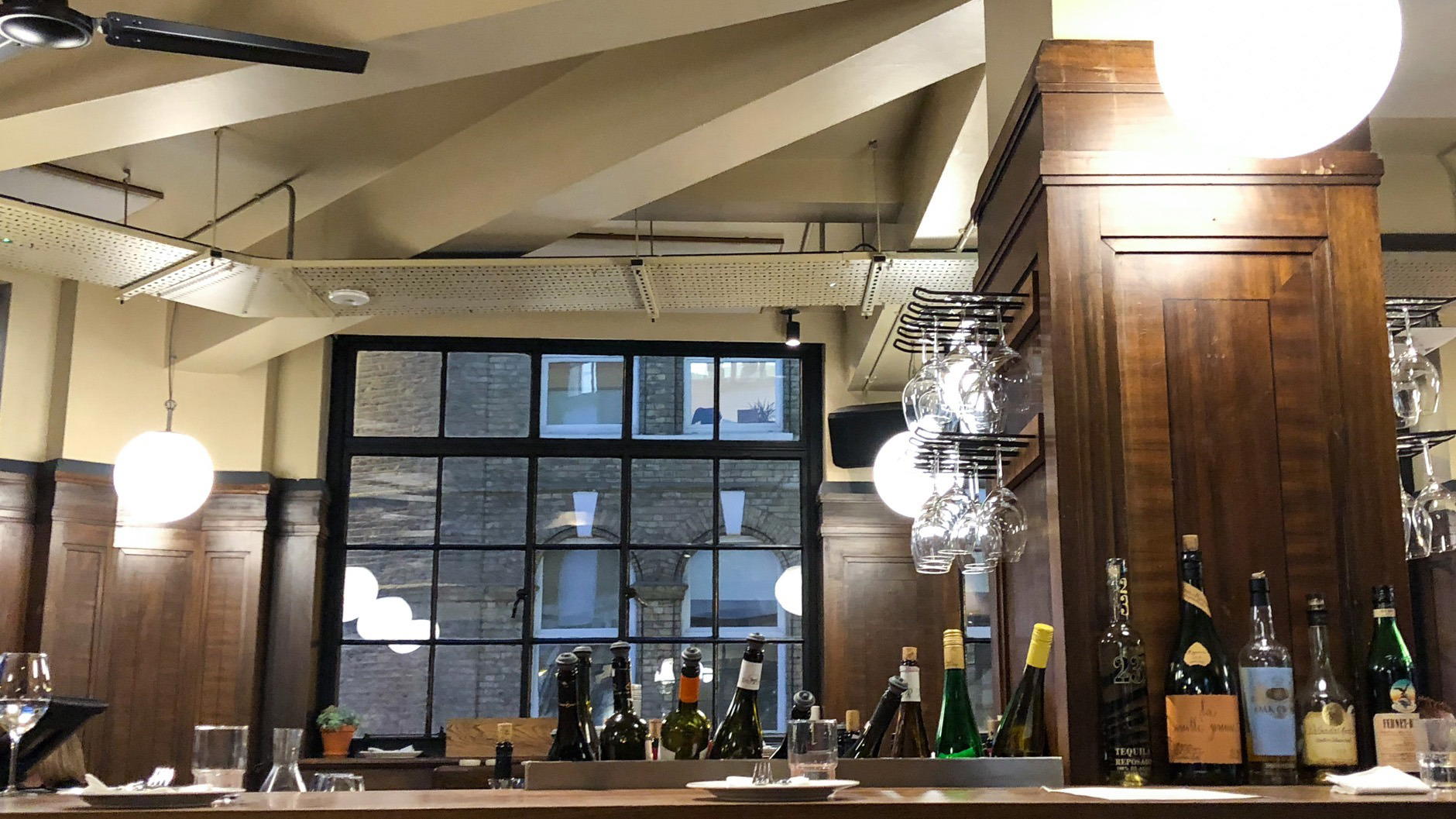
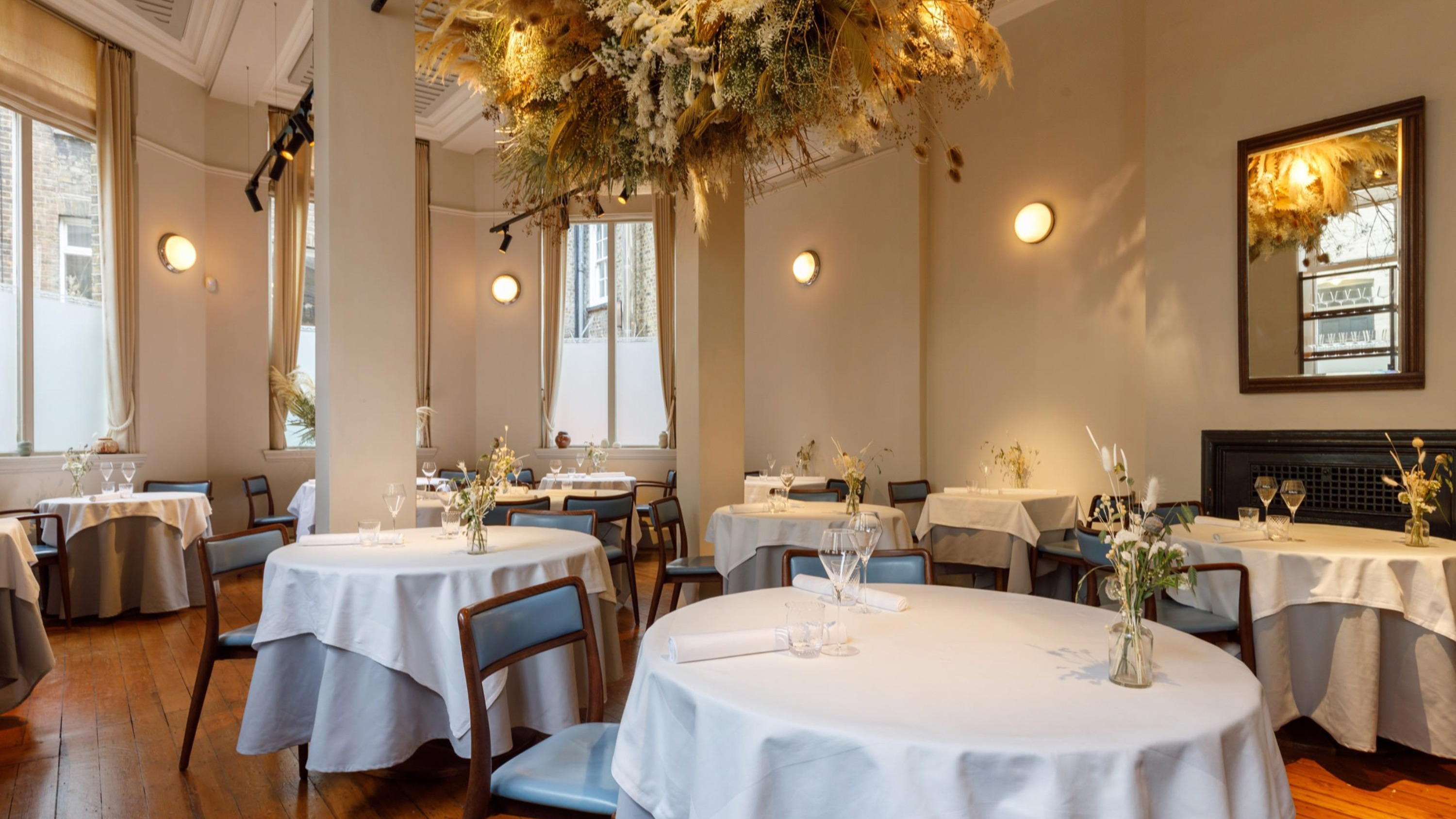
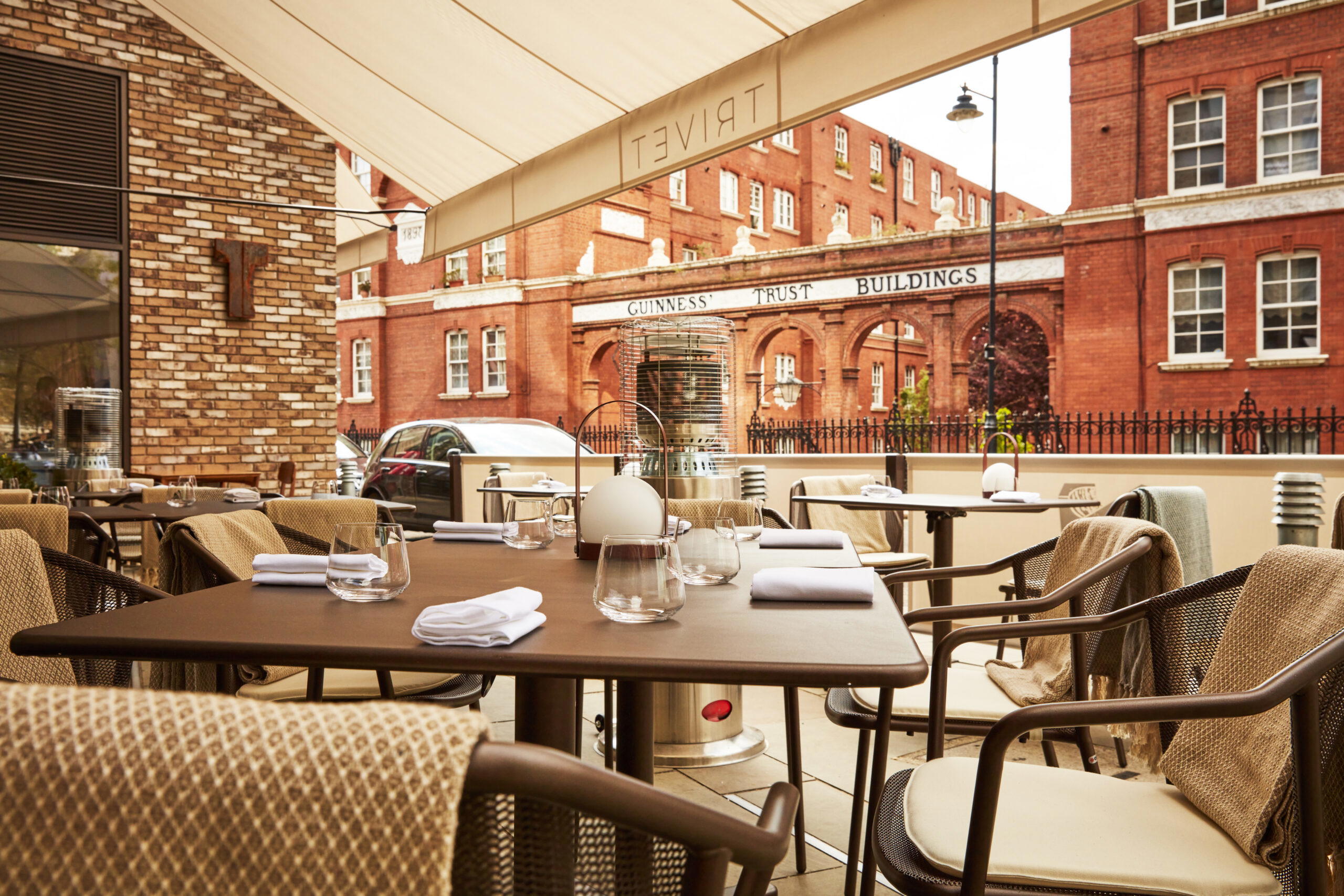
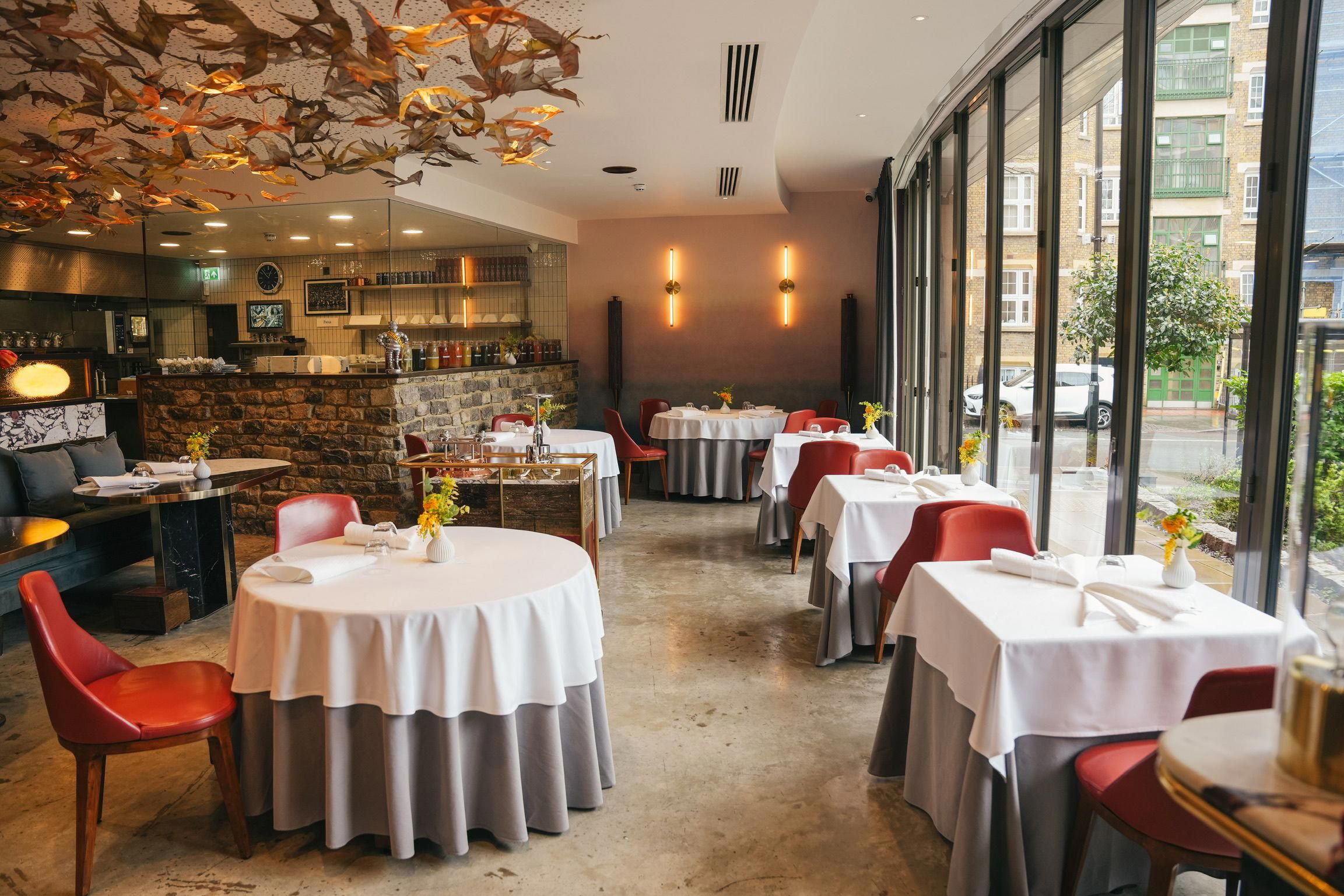
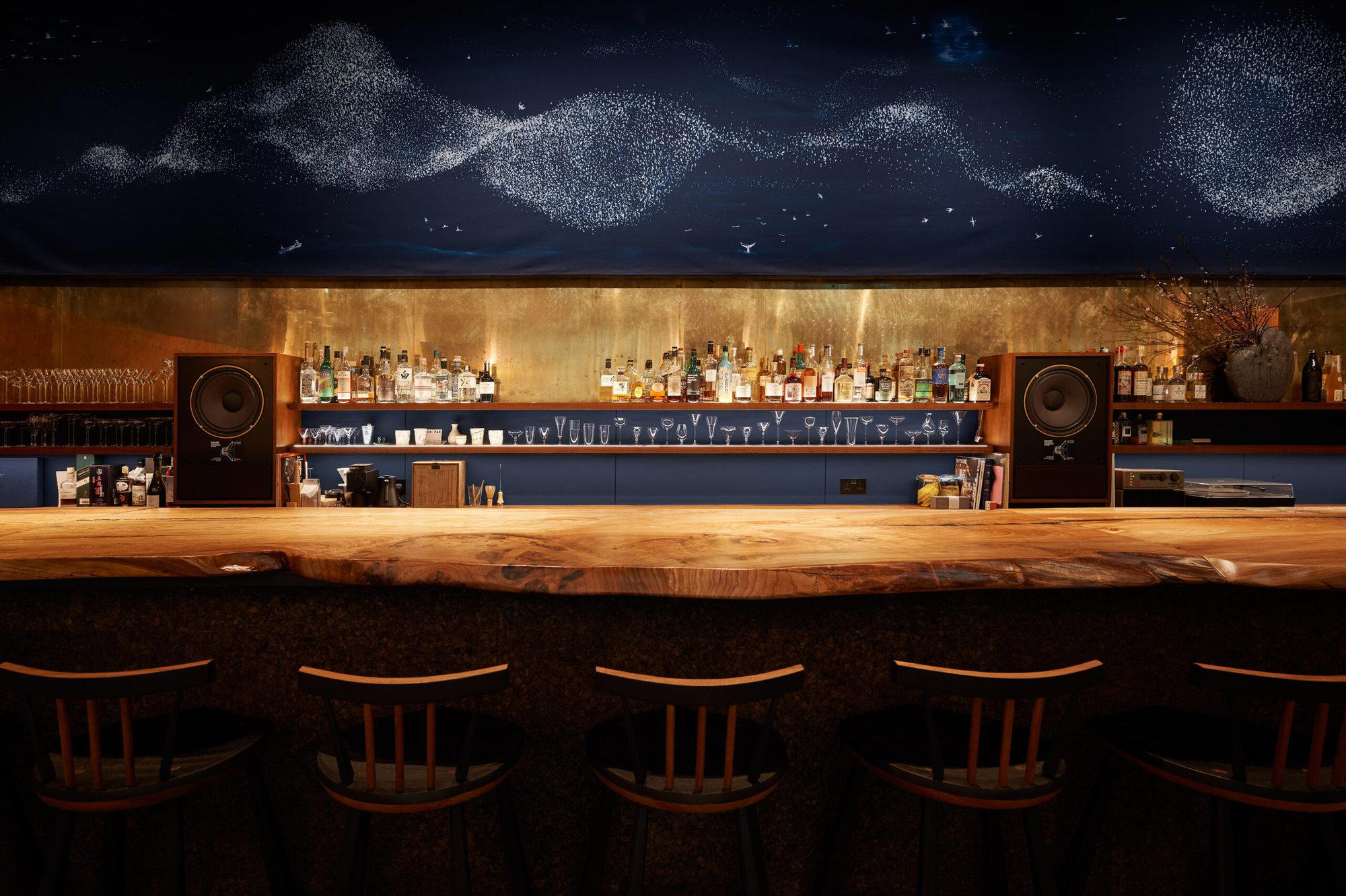
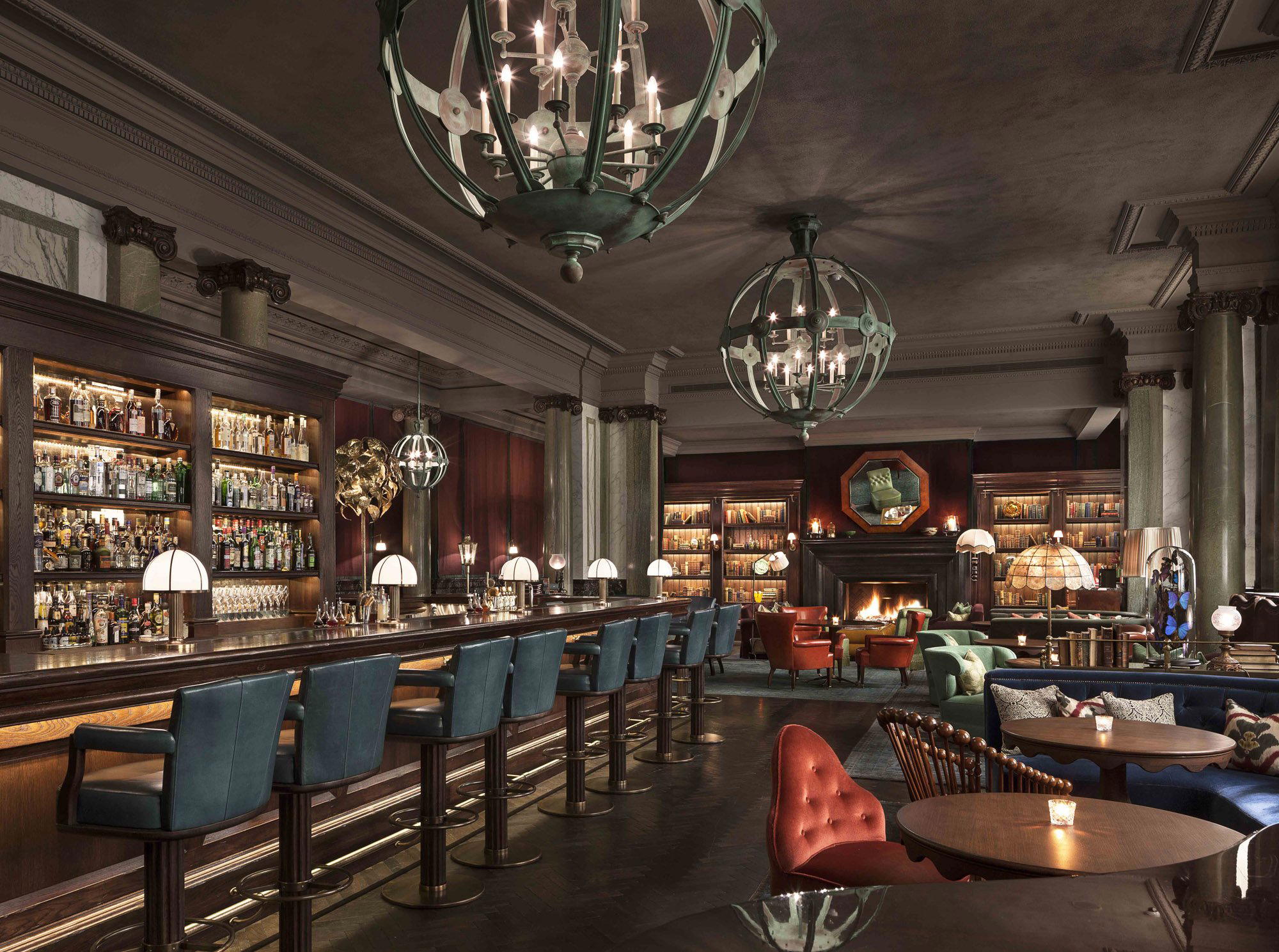
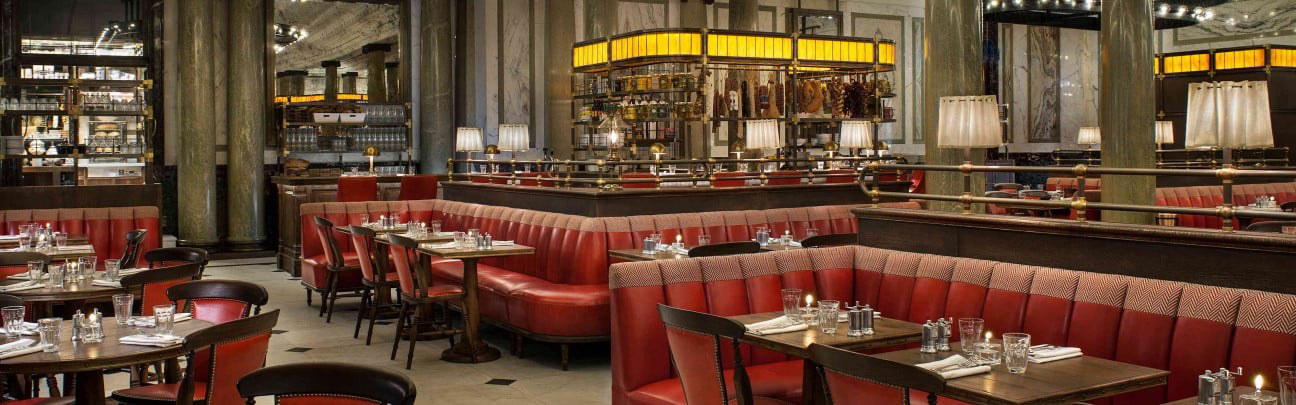
The Scandinavian inflection in the room's design is relevant to how the meal feels. Warm upholstered seating, handmade crockery, and a colour palette that leans toward ochre and stone create an environment that reads as composed rather than stiff. Diners at this price point across London are accustomed to choosing between the high-gloss formality of somewhere like Restaurant Gordon Ramsay and the dressed-down confidence of newer openings. St. Barts lands closer to the latter, where service is described by visitors as attentive and direct rather than ceremonial.
The Menu as a Document of British Seasons
Because specific dishes change with season and sourcing, the clearest picture of the kitchen's logic comes from documented meals rather than a fixed menu. What has been recorded points to a consistent preoccupation with seafood, game, and the creative replacement of imported ingredients. Langoustine has appeared alongside green serrano chilli in one course; cuttlefish, shredded to resemble noodles, has arrived in squid-ink broth with caviar. Potted white crab, seasoned with Sussex ginger, has sat on brown-crab custard. In autumn, game becomes the anchor: grouse from Yorkshire has been roasted over juniper twigs and served with preserved plum and pickled loganberry, preceded by a course of offal in roasted barley porridge.
The replacement of chocolate, an imported product the kitchen excludes on principle, has produced what may be the most discussed course in the menu's recent run: black koji, the fermented rice culture used to initiate sake production, coaxed into a toffee-and-coffee flavour with pure milk ice cream alongside. The substitution demonstrates what a sourcing restriction can produce when the kitchen uses it as a creative parameter rather than a marketing statement. Grain-crusted veal sweetbread in a burnt-butter stock reduction, gentled with autumn squash purée, operates in the same register: conventional luxury ingredients reframed through British larder logic.
Those looking for comparable ambition in the Modern British idiom at this price tier across London will find a different set of influences at HIDE in Mayfair, and a more seasonal-produce-led approach at Wild Honey St James. Corrigan's Mayfair operates in a British-sourcing tradition with a longer track record but a different format and tone. None of these is a direct substitute. St. Barts is producing something with a specific ecological argument embedded in its menu structure, and that argument distinguishes it from contemporaries even when the price bracket is shared.
Wine, Pacing, and What the Evening Costs
Wine pairing at dinner is priced at £100. Based on documented meals, the pairing covers multiple courses, with some pairings expected to accompany two dishes rather than one. The approach is confident rather than exhaustive; not every match has been judged ideal by critics, though the sommelier service from maître d' Luke Wasserman has been noted as knowledgeable and conversational. Star Wine List has recognised the programme, placing it in its ranked selections multiple times in 2023, including the leading position. For wine-focused diners, this is a meaningful data point: a recognition from a specialist publication signals the list has depth beyond the house pairing.
For those building a broader fine dining visit to Britain, the restaurant sits in a category comparable in ambition and constraint philosophy to Gidleigh Park in Chagford and Le Manoir aux Quat' Saisons in Great Milton, though both of those operate as hotel restaurants with overnight stays available. Hand and Flowers in Marlow and alchemilla in Nottingham represent the Modern European, Modern British genre at different points outside London. For the City specifically, no direct local competitor at this format and price point has established comparable recognition.
Recognition and What It Signals
St. Barts received its Michelin star within a short time of opening, a relatively quick progression for a restaurant operating in a neighbourhood without the built-in fine dining foot traffic of Mayfair or Marylebone. Its placement in the Opinionated About Dining European rankings, at 420th in 2024 and 482nd in 2025, provides a secondary benchmark: OAD rankings draw on votes from dedicated diners and critics and are considered a different signal from Michelin, one that reflects accumulated visitor opinion rather than a single inspection cycle. Both signals together confirm a consistent level of execution rather than a single strong year.
For visitors planning within a broader London programme, the city's full restaurant landscape is covered in our full London restaurants guide, with companion guides covering hotels, bars, experiences, and wineries. Regional comparison points for the Modern British tasting menu format are available through The Star Inn The City in York.
Know Before You Go
- Address: 63 Bartholomew Close, London EC1A 7BF
- Cuisine: Modern European, Modern British
- Price range: ££££
- Chef: Johnnie Crowe (Executive Chef)
- Format: Multi-course tasting menu (10 courses at dinner including canapés); payment collected upfront
- Wine pairing: £100 at dinner
- Awards: Michelin 1 Star (2024); Opinionated About Dining Leading Restaurants in Europe #420 (2024), #482 (2025); Star Wine List recognised programme
- Booking: Advance booking required; business lunch cited as strong value
- Getting there: Barbican (Circle, Hammersmith & City, Metropolitan lines) and Farringdon (Elizabeth, Circle, Hammersmith & City, Metropolitan lines) are the closest stations