Southall

Southall sits on Carters Creek Pike in Franklin, Tennessee, holding a 3-Star Accreditation from the World of Fine Wine & Lifestyle Awards. The property operates within a farm-anchored tradition that connects the table directly to the land surrounding it, placing it alongside a small tier of American venues where sourcing is the editorial subject, not just a marketing footnote. See our full Franklin restaurants guide for context on where it sits in the broader local dining picture.
Pearl is the En Primeur Club membership app — saves, bookings, and concierge access live there. Same editors, same standards.
- Address
- 1986 Carters Creek Pike, Franklin, TN 37064, USA
- Website
- southalltn.com
- Directions
- Get directions
 Saves & bookings on Pearl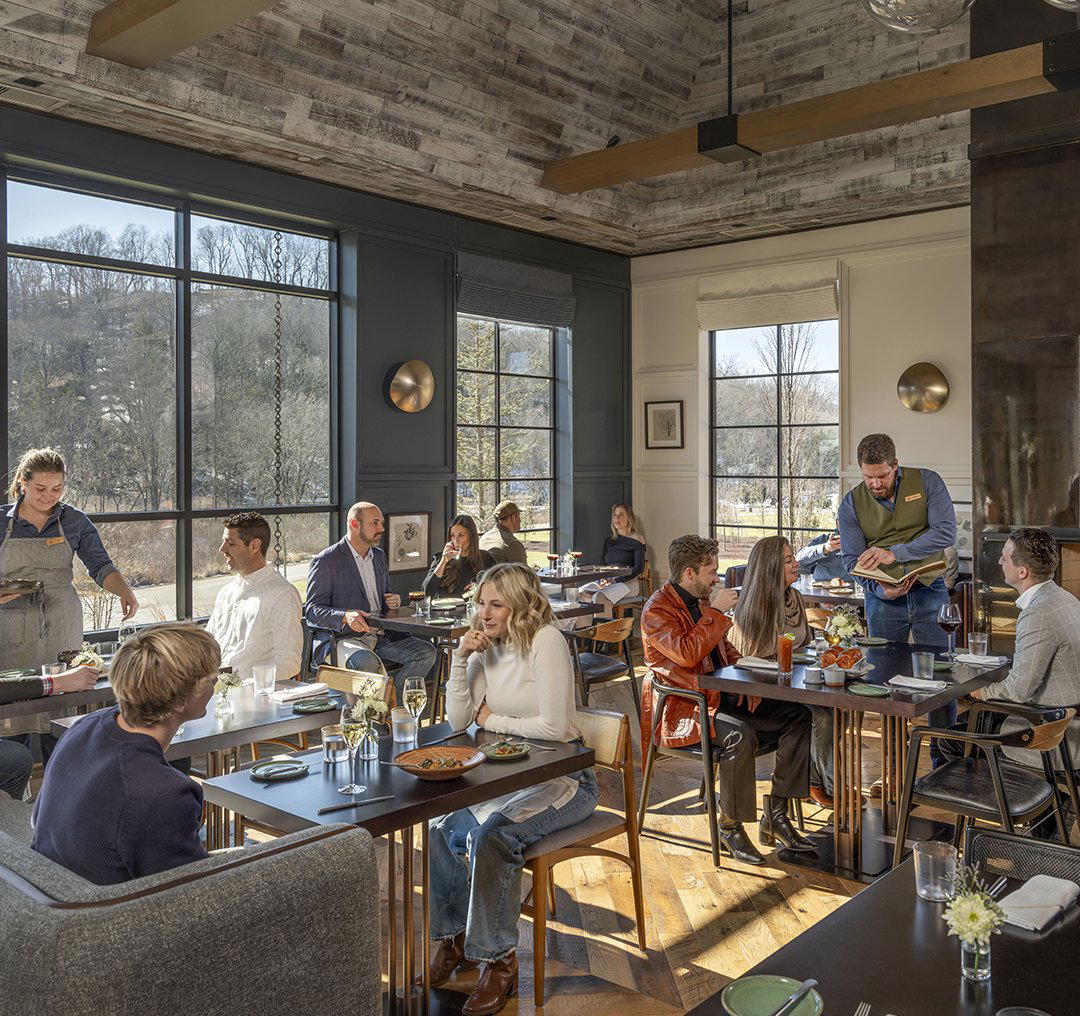
Where the Land Sets the Menu
Carters Creek Pike runs southwest out of Franklin into a stretch of middle Tennessee that most visitors pass through rather than stop in. The rolling pasture on either side belongs to a working agricultural tradition that predates the town's recent wave of Nashville-adjacent development, and it is along this road, at the 1986 mark, that Southall occupies its particular position. Approaching the property, the visual grammar is farmland first: fencing, open sky, the kind of acreage that signals that what happens at the table here is downstream of what happens in the fields. That physical context is not incidental. It is the editorial premise of the entire operation.
American dining has spent the better part of two decades sorting itself into two broad categories: restaurants that talk about sourcing and restaurants that are built around it structurally. The distinction matters more than it sounds. A menu that mentions a local farm in its footnotes is a different proposition from a property where the farm is on-site, where the growing calendar shapes what appears on the plate, and where the gap between soil and service is measured in steps rather than supply-chain links. Southall belongs to the second category. That structural commitment to provenance places it in a comparable set that includes Blue Hill at Stone Barns in Tarrytown and Single Thread Farm in Healdsburg, both of which have made farm-to-table something more than a phrase on a chalkboard.
The Accreditation That Places It
Southall holds a 3-Star Accreditation from the World of Fine Wine and Lifestyle Awards, a signal worth contextualising. The WBWL framework evaluates properties across multiple axes, and a 3-Star rating places a venue within a tier that the scheme reserves for properties demonstrating consistent quality at a level that competes with national and international peers. For a Tennessee property operating outside the major metro dining circuits, that credential carries particular weight. It is the kind of recognition that positions Southall not as a strong regional option but as a destination with a competitive comparable set that extends well beyond Nashville. Compare that to the accreditation context of venues like Addison in San Diego or Providence in Los Angeles, and the bracket becomes clear.
Within Franklin specifically, the 3-Star designation sets Southall apart from the broader dining offer in town. January ($$$$ · American) represents the other anchor of Franklin's upper dining tier, and the two properties serve different appetites: January operates as a more conventional fine dining address, while Southall's identity is rooted in its agricultural infrastructure. For anyone building a Franklin itinerary around serious eating, understanding that difference in orientation is the first decision to make.
Sourcing as Architecture
The farm-integrated model that properties like Southall operate has become a meaningful counterpoint to the dominant mode of American fine dining, which sources carefully but remains structurally urban. At venues such as Le Bernardin in New York City or Alinea in Chicago, the kitchen's relationship to primary ingredients is mediated by distribution networks of considerable sophistication. The food is traceable, often impeccably so, but the kitchen does not grow it. At farm-integrated properties, the sourcing relationship is constitutive rather than supplementary. What the farm produces in a given week shapes what the kitchen offers, and a season with unusual weather or unexpected abundance shows up on the plate in ways that a supply-chain-sourced kitchen can largely insulate against.
That model demands more of the kitchen team, which must work fluidly across a shifting raw material base, and more of the diner, who arrives without the expectation of a fixed signature dish being available on demand. The reward is a specificity of place that menus built on imported or aggregated supply chains cannot replicate. A tomato grown on the property and served the same day carries a different flavour profile and a different narrative than one shipped from a regional distributor, however carefully selected. The ingredients become evidence of a particular geography and a particular season rather than optimised inputs in a standardised output.
This is the tradition that Southall sits within, and it connects the property to a lineage of American farm dining that has been more common in the Northeast and Northern California than in the South. The Tennessee context adds a regional inflection: middle Tennessee's agricultural character, its grass-fed livestock heritage, and its growing season give the farm a material identity that differs from what a Hudson Valley or Sonoma farm would produce. That regional specificity is where Southall's sourcing story diverges from its peers and becomes its own.
The Broader Franklin Context
Franklin has developed a hospitality offer that punches above what its population size would predict, driven partly by Nashville spillover and partly by a cohort of properties that have chosen the area for its land and scale rather than its urban density. Southall sits within that pattern, occupying a position that the Southall Farm and Inn context extends: the property functions as an integrated hospitality destination rather than a standalone restaurant, with the inn providing a reason to base multiple days around the farm rather than visiting for a single meal and leaving.
That lodging dimension matters for how a visit should be planned. Properties in this category, from Lazy Bear in San Francisco to farm-integrated inns in the broader American landscape, tend to reward extended stays. The rhythm of a working farm, the meal pacing, the relationship between morning landscape and evening table: these accumulate across days in a way that a single-night visit compresses too aggressively. Franklin's broader offer, across bars, wineries, and cultural experiences, supports that extended engagement. Our guides to Franklin hotels, Franklin bars, Franklin wineries, and Franklin experiences map the supporting infrastructure.
Planning a Visit
Southall sits at 1986 Carters Creek Pike, Franklin, TN 37064, southwest of the town centre on a road that requires a car to reach with any practicality. There is no public transport connection to this part of Williamson County, and the property's rural position means that rideshare availability can be inconsistent, particularly for late-evening returns. Visitors coming from Nashville, roughly 20 miles north, should account for that logistics reality in their planning.
Given the 3-Star accreditation and the farm-integrated format, advance planning is warranted. Properties in this tier and format typically operate with limited capacity and often require booking weeks rather than days ahead, particularly for weekend dates. The combination of limited tables and destination-level recognition creates the kind of demand pattern where a speculative walk-in is a poor strategy.
How It Stacks Up
Comparable venues nearby, for context on price, style, and recognition.
| Venue | Cuisine | Price | Notes |
|---|---|---|---|
| SouthallThis venue — the venue you are viewing | Farm-to-Table Fine Dining | $$$$ | Not listed |
| Coal Town Public House | Modern American Grill | $$ | Westhaven |
| Southall Farm & Inn | Farm-to-Table Fine Dining | $$$$ | Franklin |
| Cork & Cow | Fine Dining Steakhouse | $$$ | Historic Downtown Franklin |
| Red Pony | Sophisticated Southern | $$$ | Downtown Franklin |
| Zolos Italian Restaurant | Contemporary Italian Trattoria | $$ | Historic Downtown Franklin |
Recognition history
Dated appearances from independent guides and award organizations, with the underlying list record or original source where available.
World's Best Wine Lists Awards WBWL 3-Star
World's Best Wine Lists Awards
Continue exploring
More in Franklin
Restaurants in Franklin
Browse all →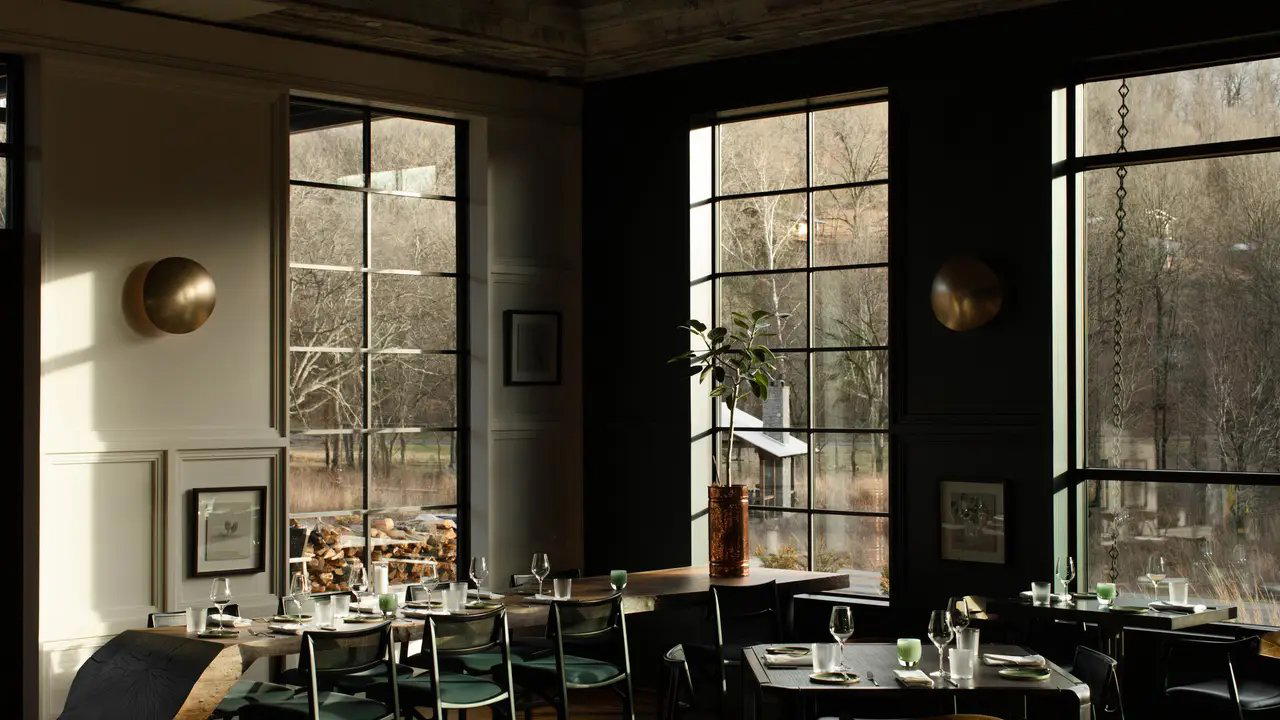
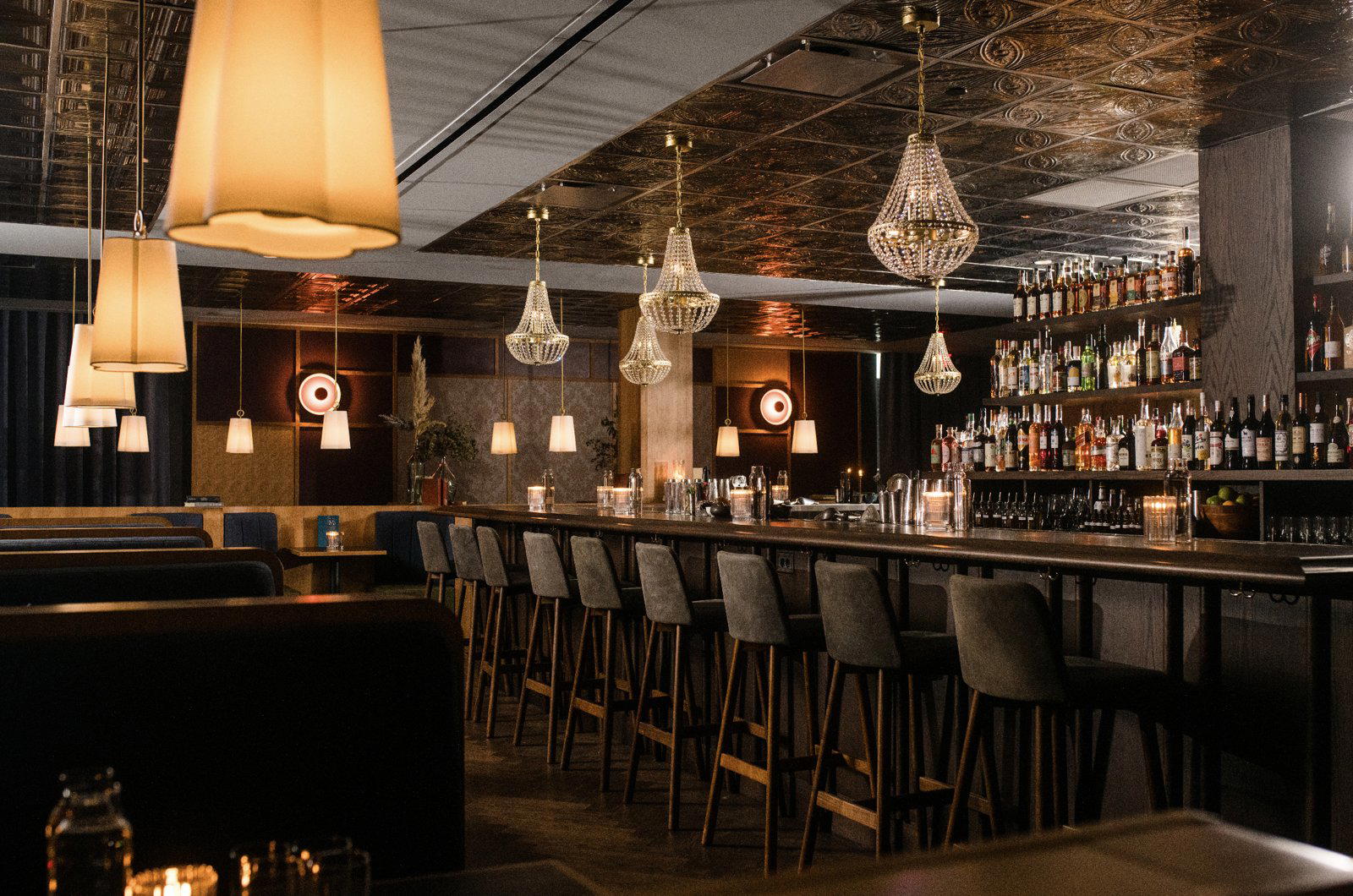
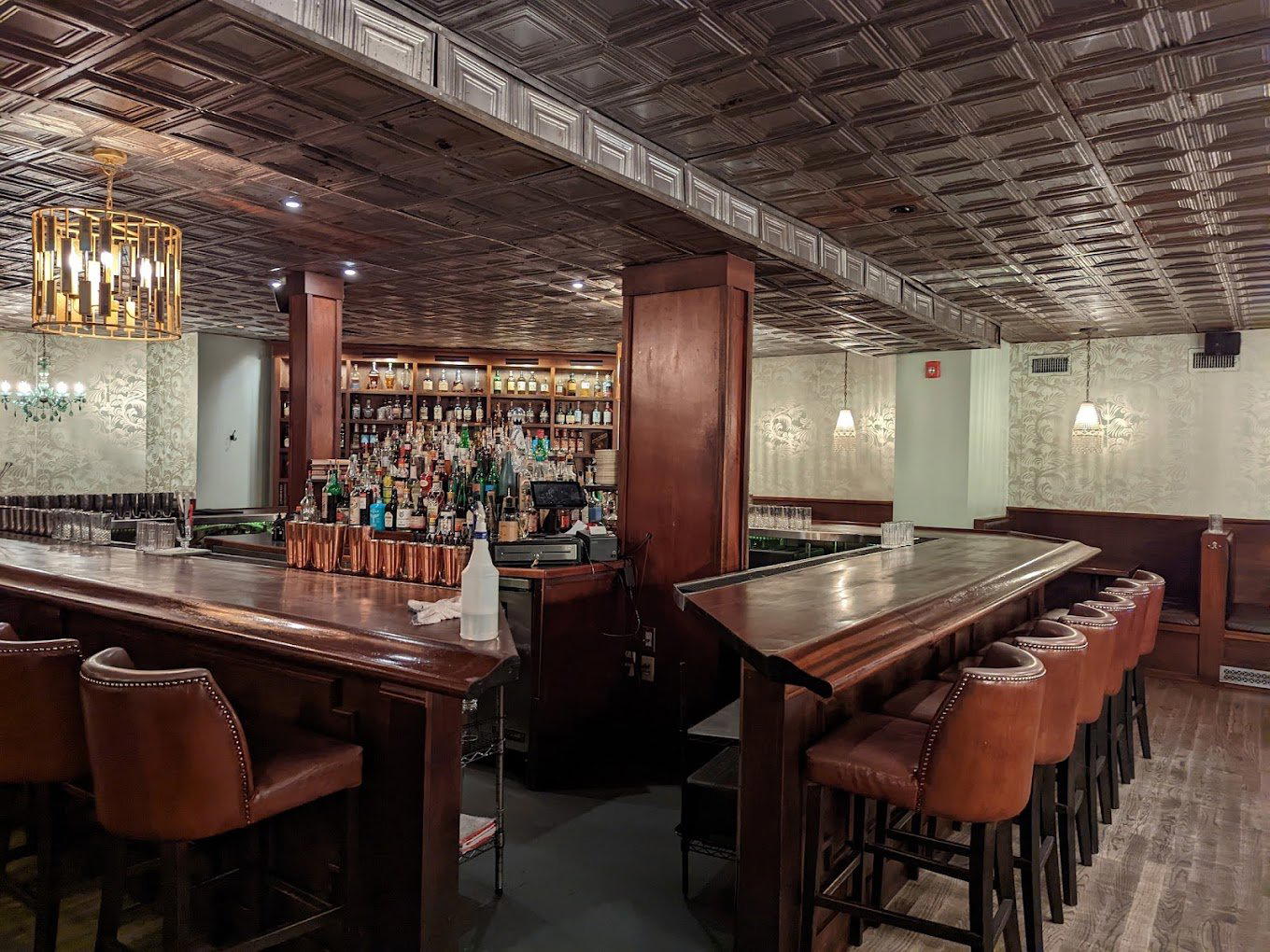
Bars in Franklin
Browse all →
Hotels in Franklin
Browse all →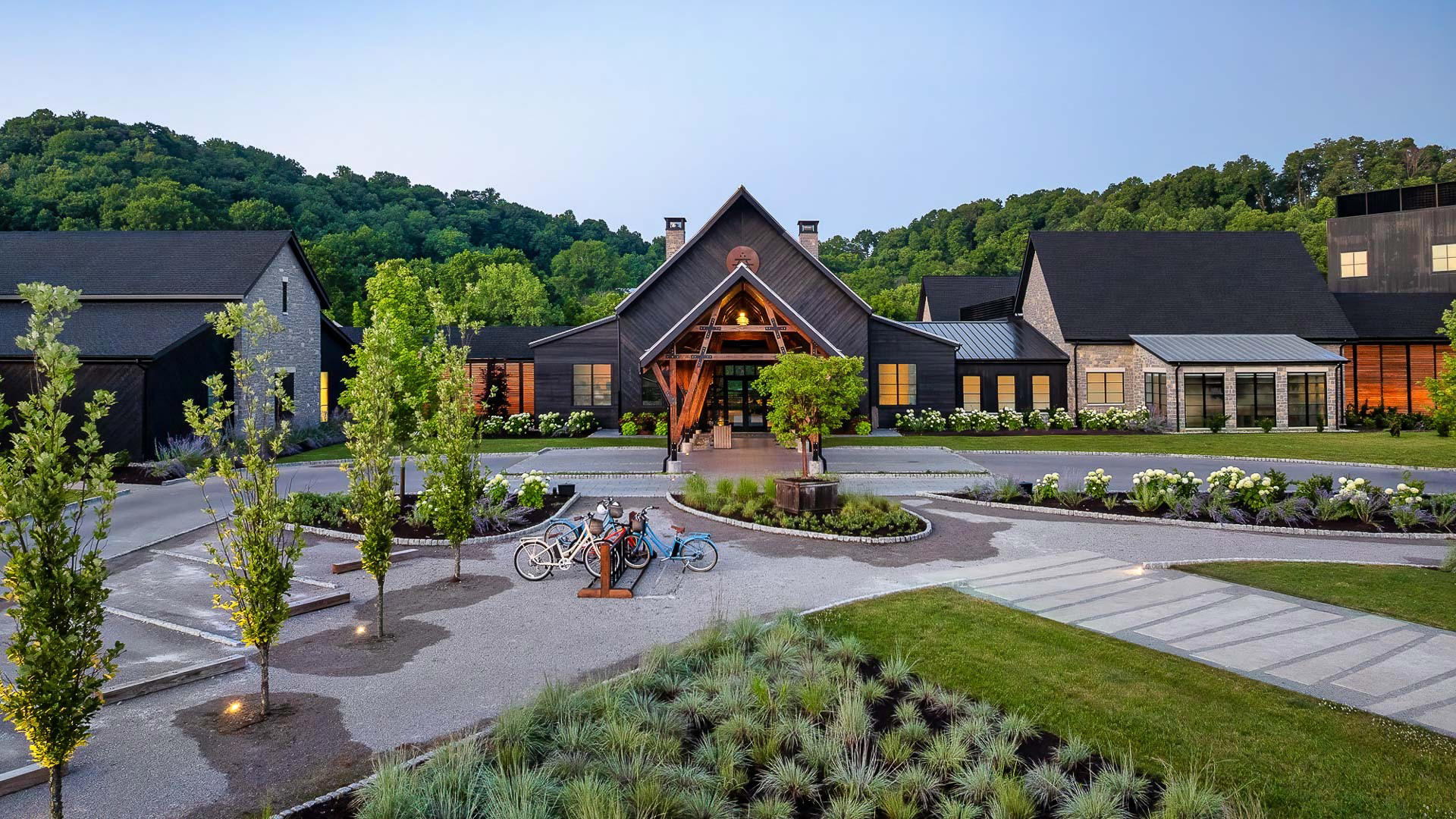
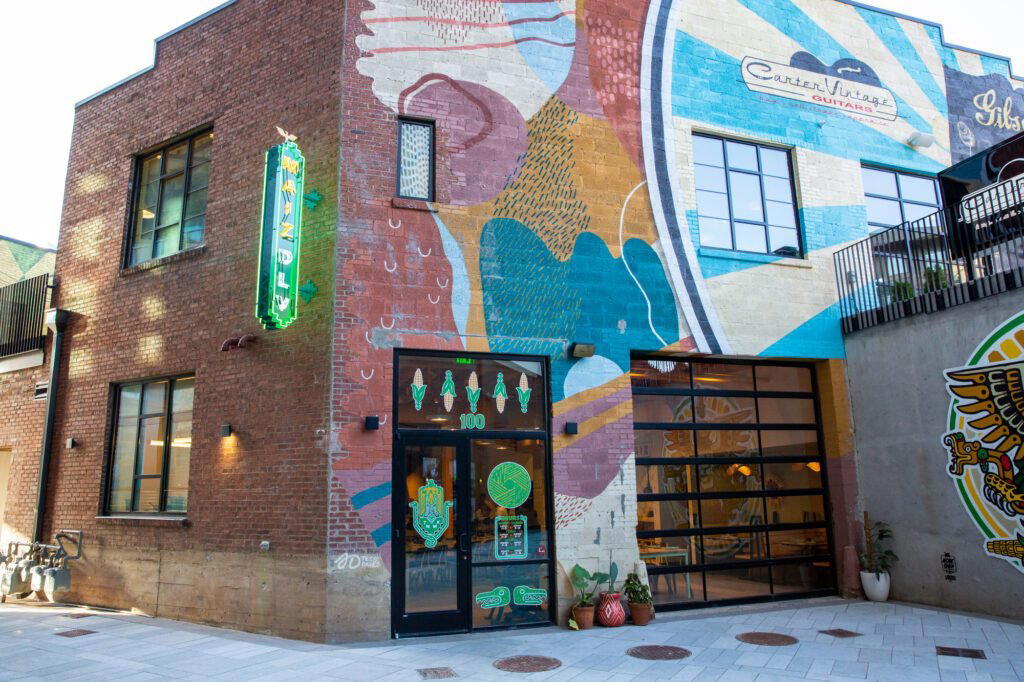
Wineries in Franklin
Browse all →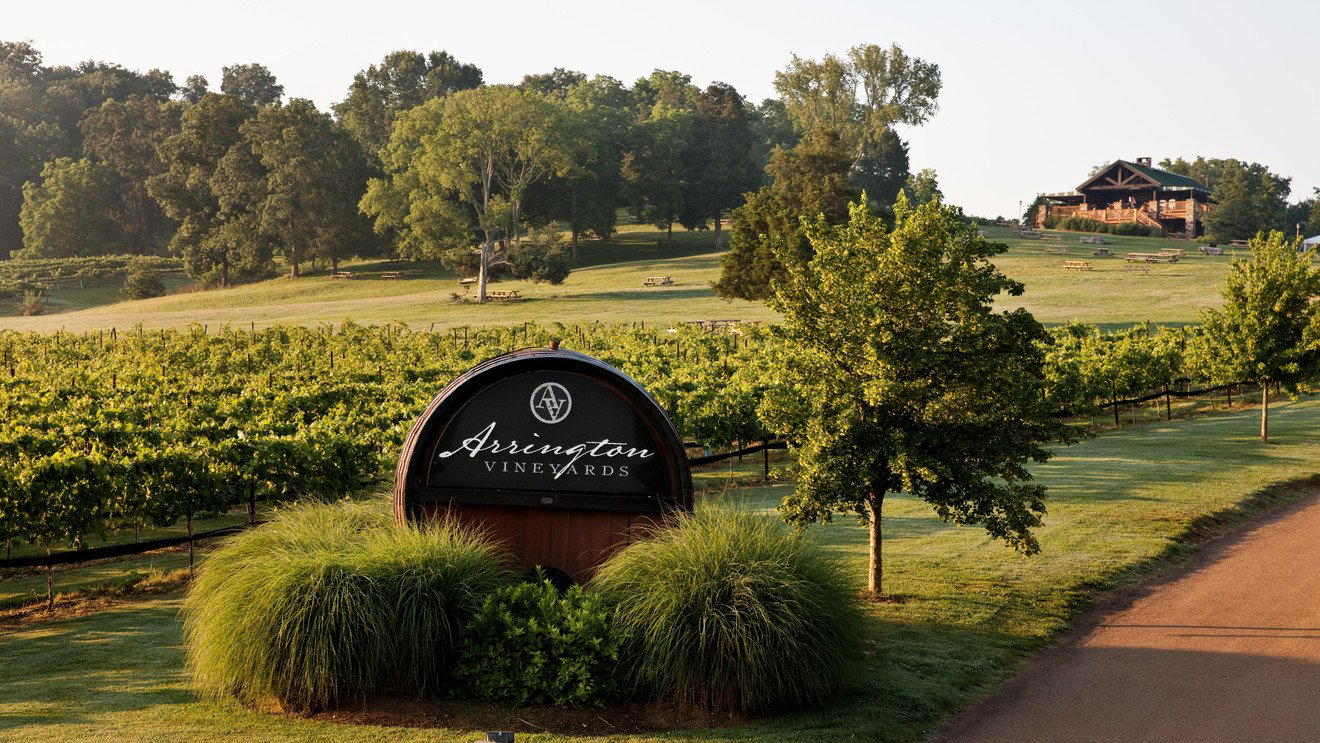
At a Glance
- Elegant
- Rustic
- Scenic
- Sophisticated
- Date Night
- Special Occasion
- Open Kitchen
- Garden
- Farm To Table
- Local Sourcing
- Garden
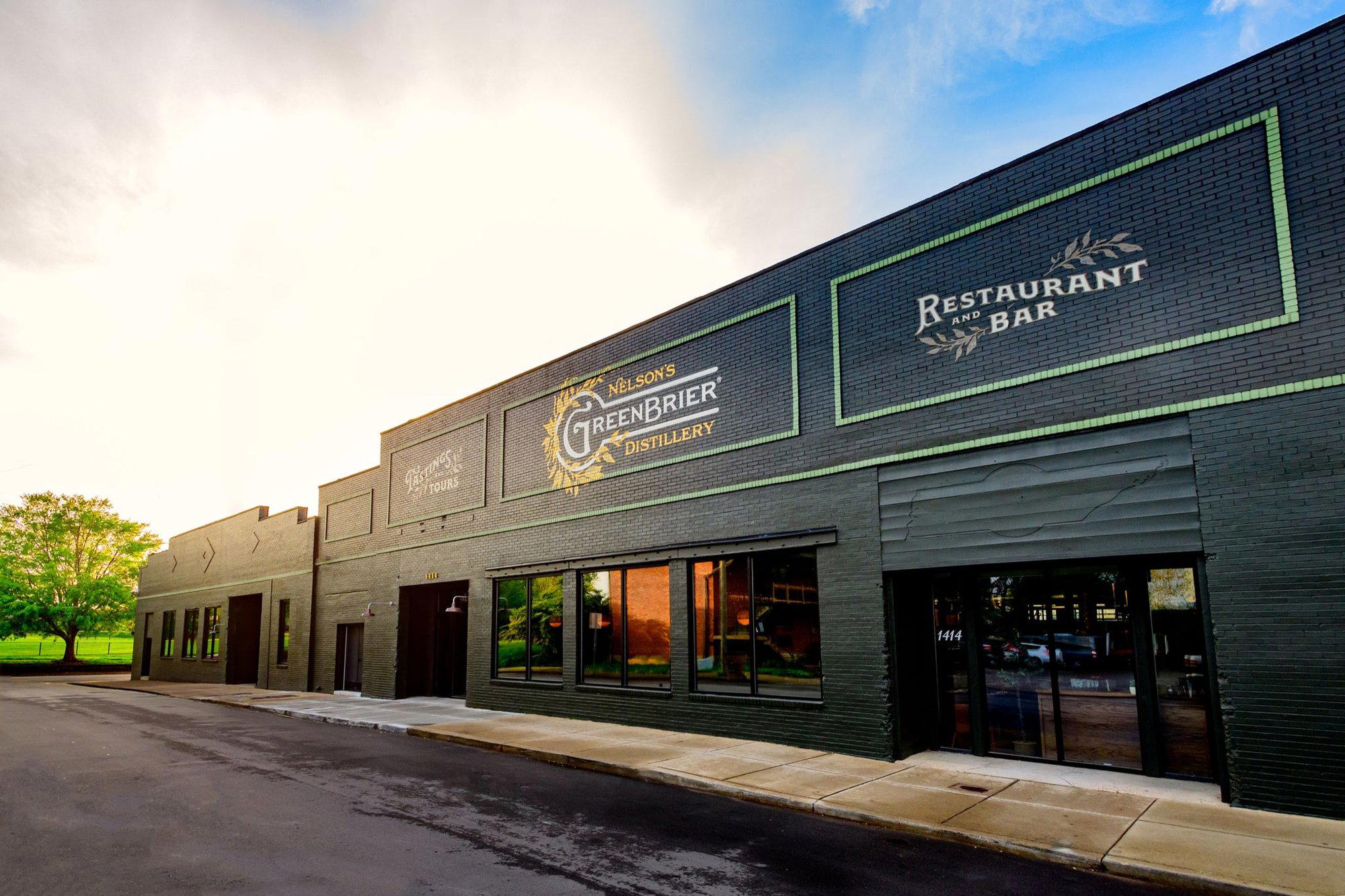
Refined rustic with panoramic views of hills and greens, modern artistic touches, and a serene natural setting.