Sotavento


Michelin Plate · Macarfi 7.1 Food Rating
Our verdict
A Michelin Plate-recognised seafood address on the Cantabrian coast, Sotavento delivers traditional rice dishes, wild market fish, and starters built around local shellfish in a small dining room run with evident care. The lobster rice and grilled octopus tentacles anchor a menu shaped by the daily fish market, and limited seating means advance booking is the sensible approach.

Pearl is the En Primeur Club membership app, where members save venues, book tables and use the concierge.
The menu
What to order
- Arroz con bogavante
- Arroz con almejas
- Zamburiñas
- Pulpo a la brasa
Where the Cantabrian Sea Meets the Table
San Vicente de la Barquera occupies a particular position among Spain's northern coastal towns: a fishing port still working in earnest, framed by the Picos de Europa to the south and the open Atlantic to the north. The town's relationship with the sea is functional before it is picturesque, and that practicality defines what ends up on the plate. Sotavento is a restaurant in San Vicente de la Barquera, Cantabria, serving Traditional Cantabrian Seafood at a €€ price tier. Sotavento, on Avenida Miramar, sits within this tradition. The room is small, the format is unhurried, and the menu follows the logic of what the fish market produced that morning rather than a fixed creative programme. That discipline, common to the leading traditional coastal dining in northern Spain, is precisely what keeps a table here relevant against a regional restaurant culture that increasingly tilts toward technique and spectacle.
Spain's northern dining scene stretches from the Basque Country westward through Cantabria, encompassing everything from three-Michelin-star creative laboratories like Arzak in San Sebastián, Mugaritz in Errenteria, and Martin Berasategui in Lasarte-Oria to the kind of family-run seafood rooms that predate the Michelin era by generations. Sotavento belongs firmly in the second category, and its Michelin recognition places it on the guide's radar as a restaurant where the cooking is sound and the product is honest. For context, the Michelin Plate is awarded to restaurants delivering a good meal, distinct from the star tiers occupied by operations like El Celler de Can Roca in Girona, Disfrutar in Barcelona, or DiverXO in Madrid. That distinction matters: Sotavento is not chasing those comparisons, and it would be a mistake to arrive expecting tasting-menu architecture. What the Plate signals here is consistency and respect for raw material in a setting that prizes neither flourish nor elaboration.
The Shape of a Meal Here
The dining ritual at Sotavento follows a rhythm common to good traditional seafood rooms across northern Spain: starters arrive first and carry real weight, designed to communicate the range of what the coast produces rather than serve as a preamble to something more serious. Scallops, sea urchins, and grilled octopus tentacles represent the starter register at Sotavento, and in each case the logic is the same: the product is local, the preparation keeps intervention to a minimum, and the quality of the sourcing does the editorial work. Sea urchin in particular functions as a reliable indicator of how seriously a kitchen takes its shellfish supply; the briny, clean version from Cantabrian waters requires no complication to justify its place on the menu.
Wild fish from the local market follows, typically presented in large cuts rather than the portioned fillets common to more cosmopolitan kitchens. That formatting choice is itself an editorial statement about how this kind of cooking regards the fish: as an object of integrity rather than a vehicle for composition. The specific species on offer will shift with the season and the catch, which means the menu at any given visit reflects the actual state of the coast rather than a standardised list. This variability is a feature, not an inconvenience, and experienced diners at this type of address understand that the question to ask on arrival is not what's available but what came in this morning.
The two rice dishes occupy a distinct position in the menu's architecture. The lobster rice is available as a matter of course; the clam rice requires prior request when booking. Rice cooked with shellfish stock is one of the more demanding preparations in the traditional Spanish repertoire, where the ratio of liquid to grain, the timing of the addition of protein, and the resting period before serving all determine whether the dish succeeds. The fact that these are listed as signature preparations at Sotavento, rather than rotational specials, suggests they are the kitchen's clearest statement of technical intent.
Among San Vicente's seafood addresses, the town also offers Augusto and Las Redes as points of comparison in the seafood category. For a broader sweep of what traditional coastal cooking looks like along the Cantabrian and Atlantic arc, Auga in Gijón and Aponiente in El Puerto de Santa María offer instructive contrasts, though the latter has moved far from the traditional format. In Brittany, Auberge Grand'Maison in Mûr-de-Bretagne provides a French parallel in the traditional-cuisine-with-product-focus category. The comparison across these addresses underlines how much the traditional format depends on the quality of local supply chains and the discipline to leave well-sourced product largely undisturbed. Sotavento, within its specific geography and price point, operates on those same principles. For further reading on where Cantabria's creative end of the dial reaches, Azurmendi in Larrabetzu and Quique Dacosta in Dénia offer a sense of how differently ambition can be expressed with Iberian seafood as the base material.
The Service Register
The room is run by a couple, and the service style reflects that format: attentive without being formal, personal without being intrusive. This matters in a dining context where the pace of the meal is part of the product. A small room with an engaged front-of-house couple typically produces a different rhythm than a larger restaurant with a tiered service team; courses arrive when they are ready, explanations are offered naturally, and there is no performance of professionalism in place of actual hospitality. That register suits the food and suits the setting.
Planning Your Visit
Sotavento sits at the €€ price tier, placing it firmly in the accessible range for what is, by coastal Cantabrian standards, a serious seafood address. Given the combination of limited seating, an engaged local following, and consecutive Michelin Plate recognition, booking ahead is the practical course of action. If you intend to order the clam rice, that request needs to be made at the point of reservation rather than on arrival.
Frequently asked questions
What's the address for Sotavento?
Sotavento is located at Av. Miramar, 16, 39540 San Vicente de la Barquera, Cantabria, Spain, San Vicente de la Barquera.
Should I book Sotavento in advance?
Yes. The room has limited seating, and consecutive Michelin Plate recognition for 2024 and 2025 has made walk-in availability unreliable. Contact the restaurant ahead of your visit, and if you want the clam rice, request it at the time of booking.
What's the signature at Sotavento?
The rice dishes define the kitchen most clearly. Lobster rice is the standard option; clam rice is available only on prior request, which signals how seriously the kitchen treats it. Both draw on ingredients sourced from the fish market at San Vicente de la Barquera.
Cuisine and Recognition
| Venue | Cuisine | Price | Awards | Notes |
|---|---|---|---|---|
| SotaventoThis venue (the venue you are viewing) | Traditional Cantabrian Seafood | Not listed | Michelin Plate · Macarfi 7.1 Food Rating | Not listed |
| Aponiente | Avant-Garde Marine Seafood | $200–300 | 3 Michelin Stars · World's 50 Best #84 | Progressive - Seafood, Creative |
| Arzak | Contemporary Basque Fine Dining | $300–500 | 3 Michelin Stars · World's 50 Best #31 | Modern Basque, Creative |
| DiverXO | Avant-Garde Spanish Tasting Menu | $300–500 | 3 Michelin Stars · World's 50 Best #4 | Progressive - Asian, Creative |
| El Celler de Can Roca | Creative Catalan Fine Dining | $300–500 | 3 Michelin Stars · World's 50 Best #2 | Progressive Spanish, Creative |
| Quique Dacosta | Avant-Garde Spanish Fine Dining | $300–500 | 3 Michelin Stars · World's 50 Best #65 | Creative |
Recognition history
Dated appearances from independent guides and award organizations, with the underlying list record or original source where available.
Michelin Plate
Michelin
Macarfi 7.1 Food Rating
Macarfi
Full recognition history (4 entries)
Michelin Plate
Michelin
Michelin Plate
Michelin
Continue exploring
More in San Vicente de la Barquera
Restaurants in San Vicente de la Barquera
All restaurants in San Vicente de la Barquera →
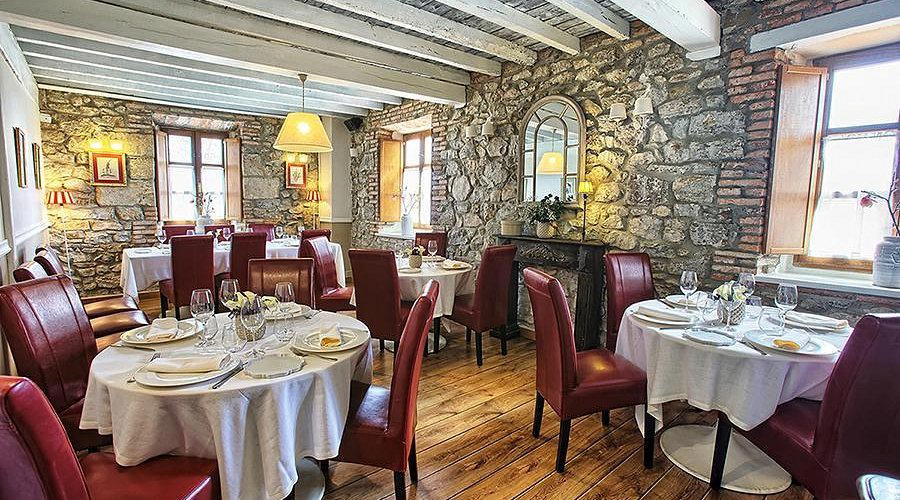
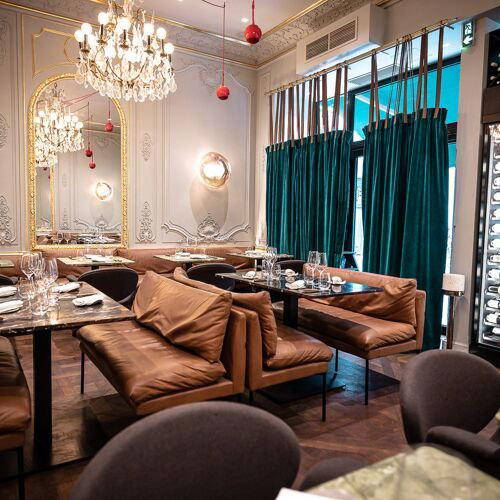
Bars in San Vicente de la Barquera
Browse all →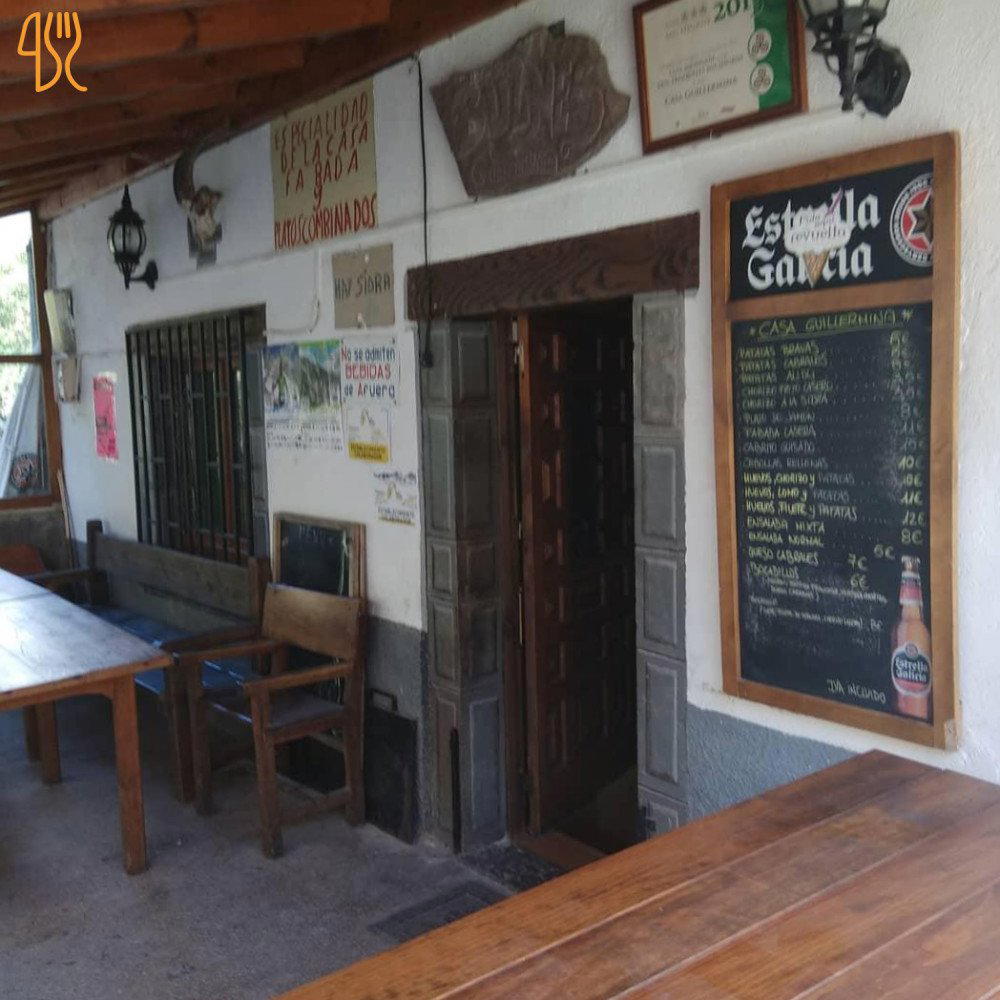
Hotels in San Vicente de la Barquera
Browse all →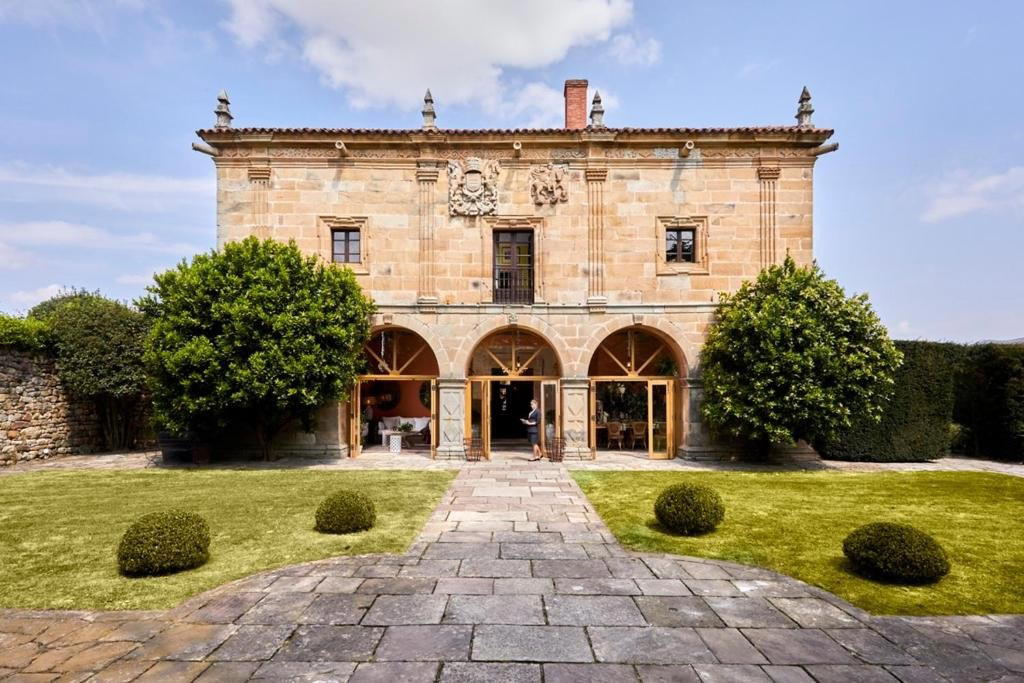
Details
- Intimate
- Cozy
- Rustic
- Classic
- Date Night
- Family
- Special Occasion
- Standalone
- Local Sourcing
- A La Carte
- Gluten Free Options
Current opening hours
- Monday
- 10:30 AM–3:30 PM
- Tuesday
- 10:30 AM–3:30 PM
- Wednesday
- Closed
- Thursday
- 10:30 AM–3:30 PM
- Friday
- 10:30 AM–3:30 PM
- Saturday
- 10:30 AM–3:30 PM
- Sunday
- 10:30 AM–3:30 PM
Hours can change for holidays and private events. Hours as of .
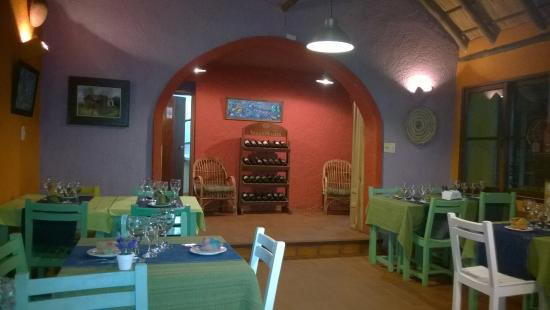
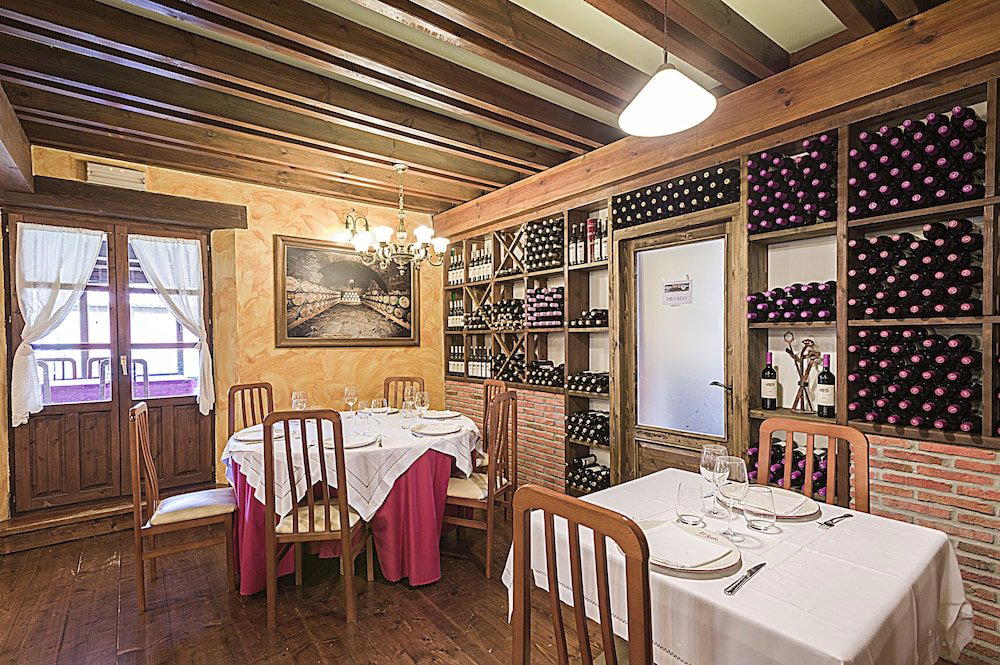
Light, spacious, and welcoming with a cozy, intimate family atmosphere.