Soo Ja Seolleong Tang
Our verdict
Soo Ja Seolleong Tang on Stevenson Boulevard is Fremont's address for seolleongtang, the long-simmered Korean ox-bone broth that has anchored Seoul's working neighborhoods for centuries. The format here is narrow and purposeful: a single broth, served pale and milky, with the seasoning left to the diner. Walk-ins are the norm in a dining room that operates without ceremony.

Pearl is the En Primeur Club membership app — saves, bookings, and concierge access live there. Same editors, same standards.
- Address
- 6052 Stevenson Blvd, Fremont, CA 94538
- Directions
- Get directions
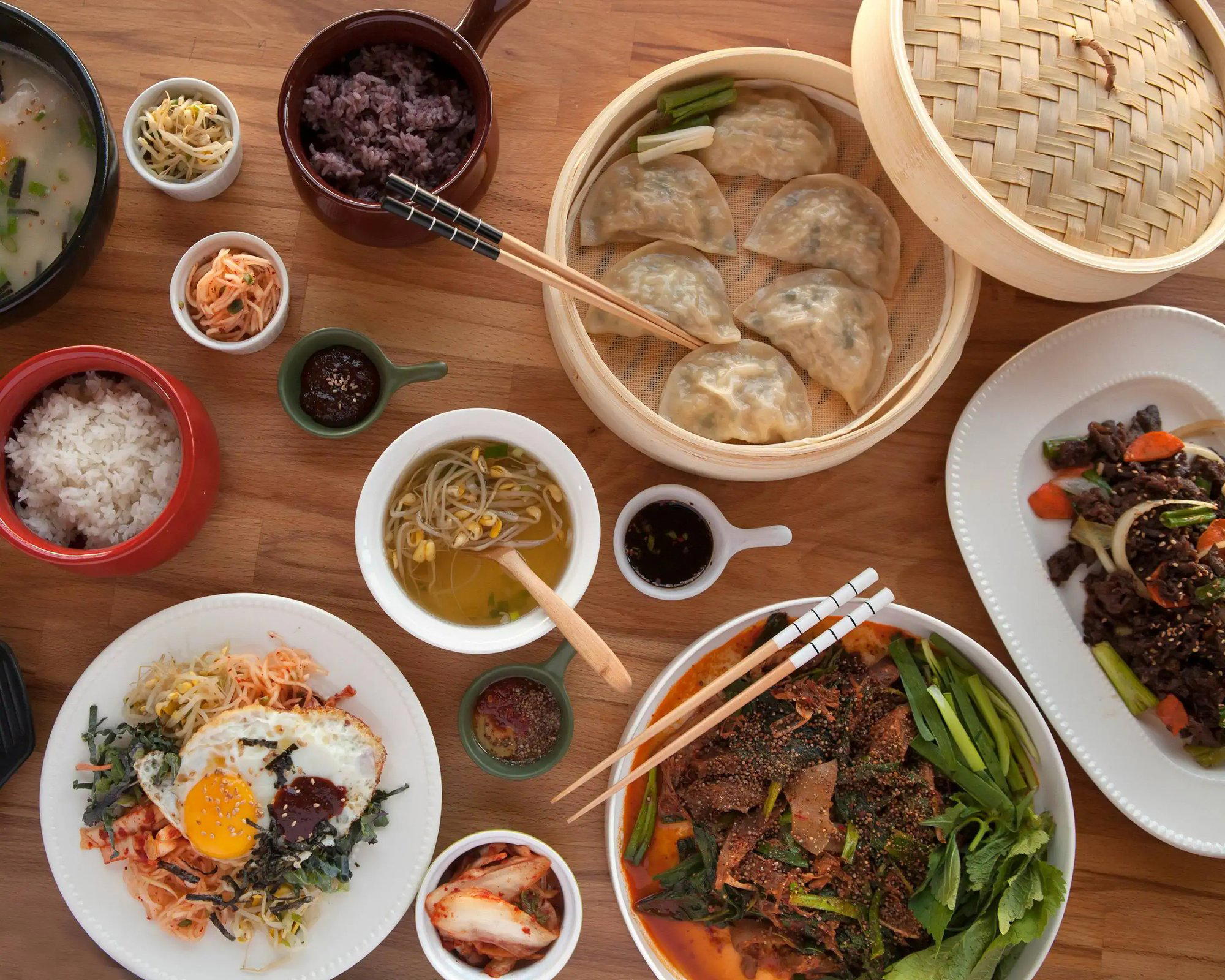
The menu
What to order
- SOOJA Seolleongtang
- Ttukbaegi Bulgogi
One Broth, One Room, One Tradition
There is a particular kind of Korean restaurant that does not announce itself. The signage is plain, the dining room is lit for function rather than atmosphere, and the menu is short enough to read in under thirty seconds. Soo Ja Seolleong Tang on Stevenson Boulevard in Fremont belongs to that category. The draw is seolleongtang: a cloudy, collagen-thick ox-bone broth that takes many hours of continuous boiling to reach its characteristic milky opacity. The soup arrives unseasoned, with salt, green onions, and kimchi on the side, because this is a dish where the diner finishes the work. That convention is not a quirk — it is the entire point. In Seoul, seolleongtang has historically been a meal for early risers and workers, a category of food defined by nourishment over novelty.
Fremont's Koreatown corridor along Stevenson Boulevard and the surrounding blocks has accumulated enough Korean-owned restaurants, grocers, and specialty shops to function as a self-contained community hub. Among its dining options, this is one of the few spots with a single-dish focus, which places it in a different tier from the broader Korean restaurant scene in the Bay Area. The format here is closer to what you find in specialist broth houses in Los Angeles's Koreatown or in the original seolleongtang restaurants that cluster near Seoul Station, where the proposition is: one preparation, done with consistency, served at volume.
The Logic of a Single-Dish Kitchen
Korean dining in the United States has expanded considerably over the past decade — Korean barbecue chains, premium banchan omakase formats, and fusion-leaning concepts have each found their audiences. But the single-dish specialist remains a distinct format with its own operational logic. The kitchen's attention is undivided. The broth is made in large batches and kept at temperature throughout service. There is no menu engineering, no cross-utilization puzzle to solve. That concentration of effort is precisely what makes places like this function as neighborhood staples rather than destination restaurants in the conventional sense.
In Fremont's dining scene, which includes everything from the theatrical service model at Haidilao Hot Pot to the South Asian cooking at Keeku Da Dhaba and the multi-course approach at Anantara, Soo Ja Seolleong Tang occupies a different register entirely. The comparison is less useful against fine dining venues and more instructive when placed beside specialist broth houses across the Bay Area. The dining room operates without the choreography you find at tasting-menu restaurants like Lazy Bear in San Francisco or the precision-service format of Atomix in New York City. Those rooms split responsibility between kitchen, sommelier, and floor, a whole team in visible coordination. Here, the coordination is internal and invisible: the broth was made hours before you arrived.
Team and Service in a Minimal-Format Kitchen
The editorial angle that applies to tasting-menu rooms, the interplay between a chef, a floor team, and a beverage program, translates differently in a single-dish Korean specialist. There is no sommelier role in the conventional sense. The beverage list is functional: Korean barley tea, soft drinks, and possibly soju. The front-of-house is small and direct. The team dynamic here is between whoever tends the stock and whoever runs the room, and the measure of that dynamic is consistency, not spectacle. On a good visit, the broth is hot, the seasoning stations are stocked, and service moves quickly enough that tables turn without pressure. That is the whole contract, and it is not a lesser one, it is simply a different one.
This format requires its own kind of discipline. The broth cannot be rushed. Seolleongtang made with insufficient cooking time does not develop its characteristic opacity or its round, deep flavor. The kitchen's output is entirely a function of preparation that happens well before the first diner sits down. In that sense, the "team dynamic" at a place like this is less about tableside communication and more about the back-of-house rigor that produces a consistent product across a full day of service.
Where Soo Ja Seolleong Tang Sits in the Bay Area Context
The Bay Area's Korean dining scene is anchored most visibly in the South Bay and in San Francisco's inner corridors, with Fremont representing a community-driven node rather than a destination hub. Visitors looking for the kind of ambient theater found at Asian Pearl or the comfort-driven American-Italian format at Dino's Family Restaurant are orienting toward a different kind of evening. Soo Ja Seolleong Tang is oriented toward a different kind of meal entirely: restorative, economical, and built around a dish with centuries of documented history in Korean food culture.
The comparison points that matter most here are not the awarded restaurants on the West Coast, not The French Laundry in Napa, not Providence in Los Angeles, not Single Thread Farm in Healdsburg. The relevant comparison is to other specialist Korean broth houses in the Bay Area and Los Angeles, where the standard is set by regulars who eat the same dish weekly and notice immediately when something is off. That is a more demanding audience than occasional visitors, and it shapes a different kind of quality standard.
For anyone building a broader picture of American dining, from the precision kitchens of Alinea in Chicago or Le Bernardin in New York City to the farm-rooted formats of Blue Hill at Stone Barns in Tarrytown or the Southern tradition of Emeril's in New Orleans, the single-dish specialist sits at an important end of the spectrum. It is food defined entirely by technique, repetition, and a refusal to diversify. See our full Fremont restaurants guide for the wider picture.
Planning Your Visit
Soo Ja Seolleong Tang is located at 6052 Stevenson Boulevard, Fremont, CA 94538, in the commercial stretch that forms the backbone of Fremont's Korean community. No booking information is publicly listed, and the format strongly suggests walk-ins are the operating norm, a reflection of the turnover-based model common to broth specialists, where tables move quickly and reservations would add unnecessary friction. Arriving at off-peak hours (mid-morning or mid-afternoon, if the kitchen runs extended hours) is the most direct way to guarantee a seat. No dress code applies. The experience is spare: get in, season your broth, eat, leave. That directness is the point.
Frequently asked questions
Where is Soo Ja Seolleong Tang in Fremont?
Soo Ja Seolleong Tang is located at 6052 Stevenson Blvd, Fremont, CA 94538, Fremont.
How does Soo Ja Seolleong Tang fit into Fremont's Korean dining scene?
Fremont holds one of the more concentrated Korean communities in the Bay Area outside of the Koreatown corridors in San Jose and San Francisco, and Stevenson Boulevard functions as its commercial spine. A restaurant focused entirely on seolleongtang occupies a specific niche within that scene — this is a traditional broth specialist rather than a barbecue hall or modern Korean fusion spot, which makes it a reference point for the dish in the South Bay.
What dish is Soo Ja Seolleong Tang famous for?
The restaurant takes its name directly from its central dish: seolleongtang, an ox-bone broth simmered until it turns opaque and milky white. The bowl arrives simply composed, with seasoning left to the diner — salt and scallions on the side. This restraint is the point; the broth itself is the thing, built over hours rather than assembled from concentrates.
Do they take walk-ins at Soo Ja Seolleong Tang?
No reservations system is publicly listed for Soo Ja Seolleong Tang at 6052 Stevenson Blvd, which is consistent with the walk-in model that most single-dish Korean broth houses in the Bay Area follow. Seating is typically first-come, and turnover tends to be steady given the format — a single dish, no long tasting progression.
Price Lens
Comparable venues nearby, for context on price, style, and recognition.
| Venue | Cuisine | Price | Notes |
|---|---|---|---|
| Soo Ja Seolleong TangThis venue — the venue you are viewing | Traditional Korean Seolleongtang | $20–30 | Not listed |
| Sakoon | Authentic Indian Regional | $20–30 | Fremont, Authentic Indian Regional |
| Red Hot Chilli Pepper Fremont | Indo-Chinese Fusion | $20–30 | Fremont, Indo-Chinese Fusion |
| Spin a Yarn | Classic American Steakhouse | $50–100 | Warm Springs, Classic American Steakhouse |
| Ristorante IL Porcino | Authentic Italian Trattoria | $30–50 | Fremont, Authentic Italian Trattoria |
Continue exploring
More in Fremont
Restaurants in Fremont
Browse all →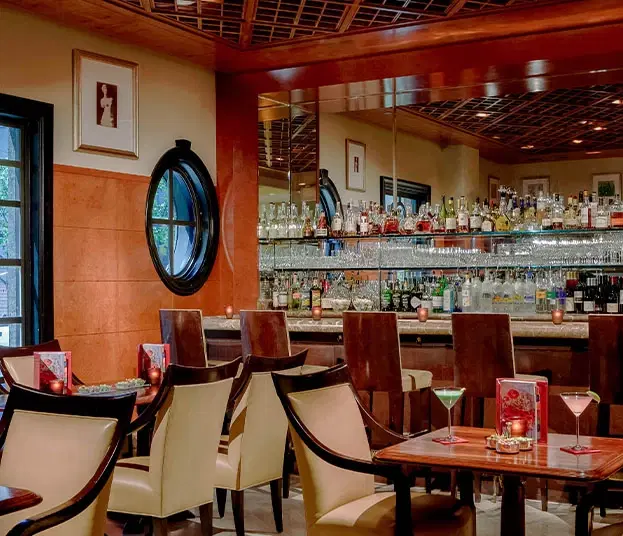
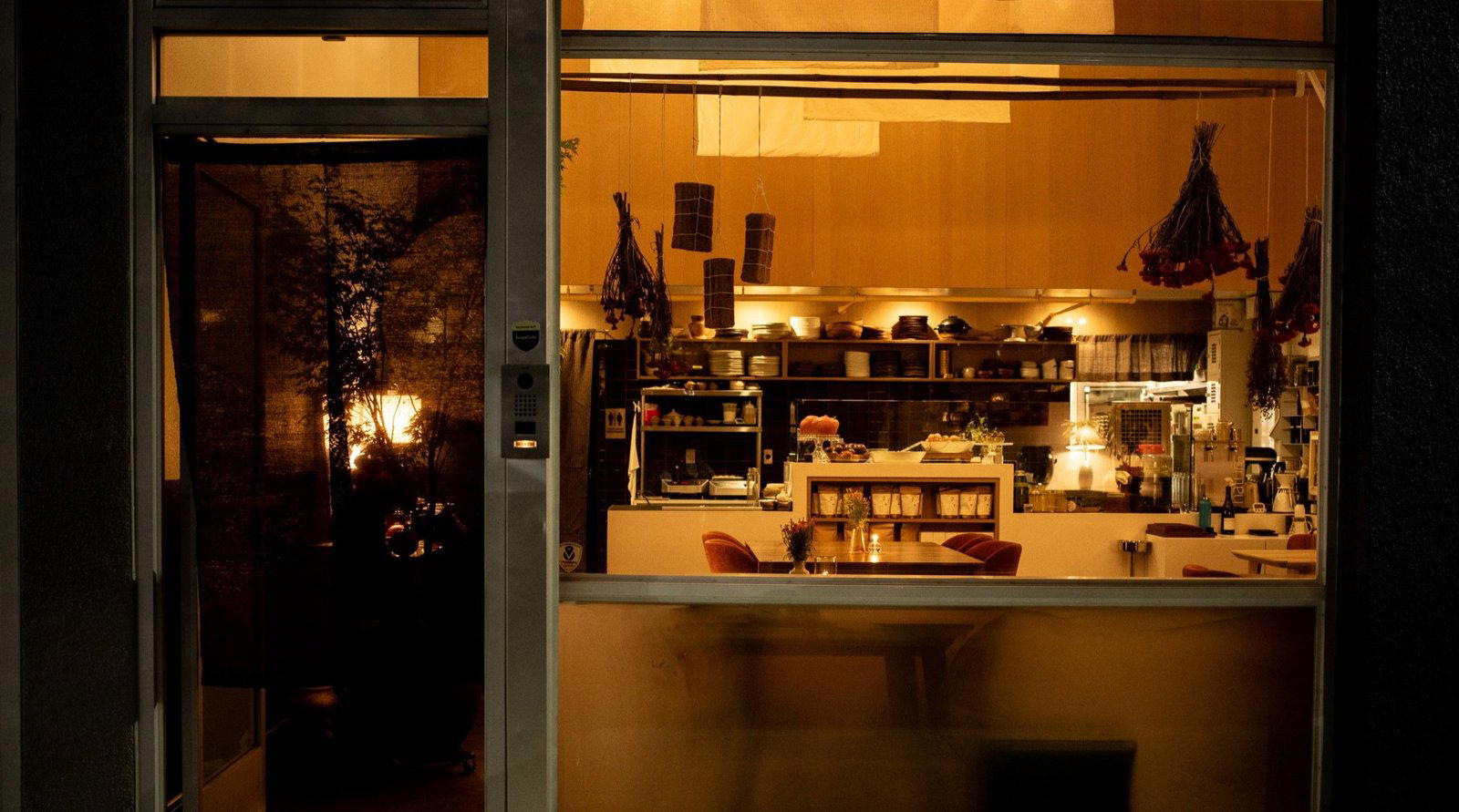
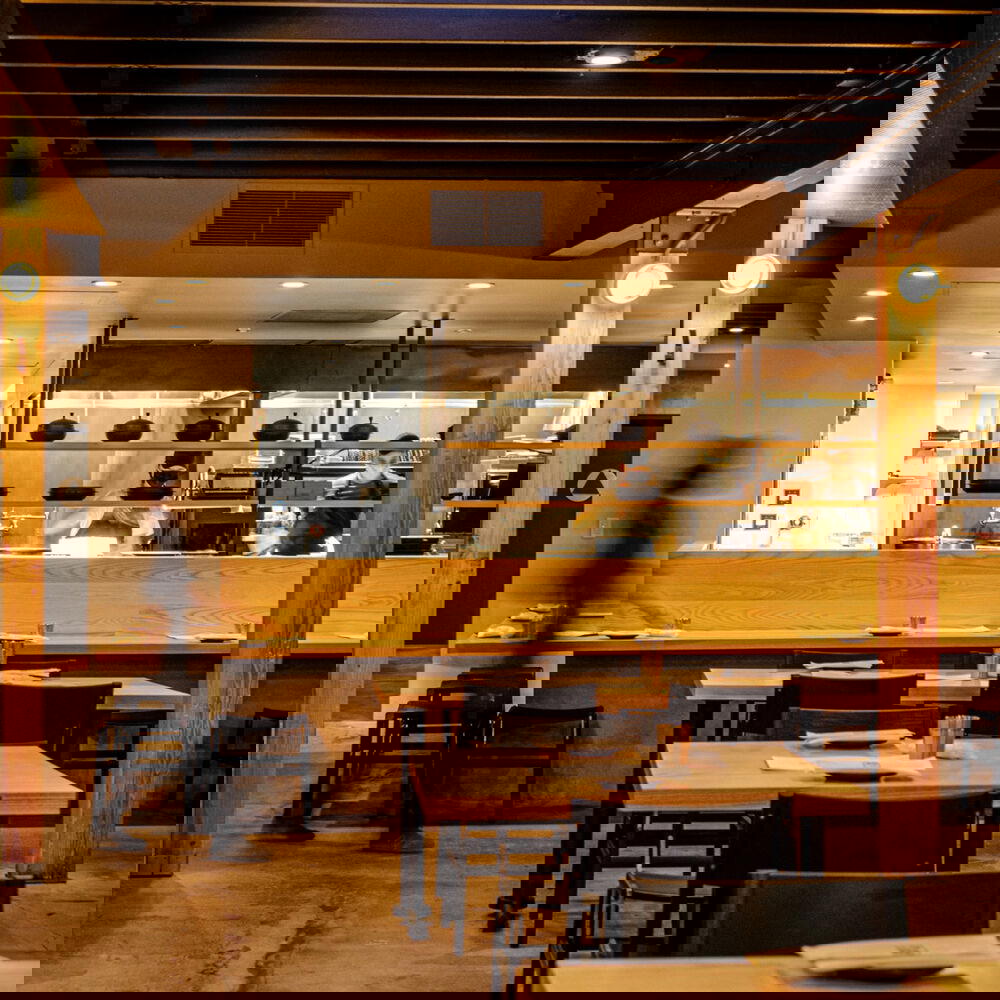
Bars in Fremont
Browse all →
Hotels in Fremont
Browse all →




Details
- Casual
- Cozy
- Casual Hangout
- Family
- Group Dining
- Standalone
- A La Carte
- Family Style
Casual neighborhood dining with warm, welcoming atmosphere focused on comfort food and authentic Korean flavors.