Silverlake Ramen
Our verdict
On Sunset Boulevard in Silverlake, this ramen shop sits at the intersection of LA's neighbourhood dining culture and a national appetite for serious Japanese noodle work. The menu's structure tells a clear story about how ramen has evolved from ethnic staple to a format that rewards repeat visits and careful ordering. A practical stop for anyone tracing the breadth of Los Angeles dining beyond the white-tablecloth circuit.

Pearl is the En Primeur Club membership app, where members save venues, book tables and use the concierge.
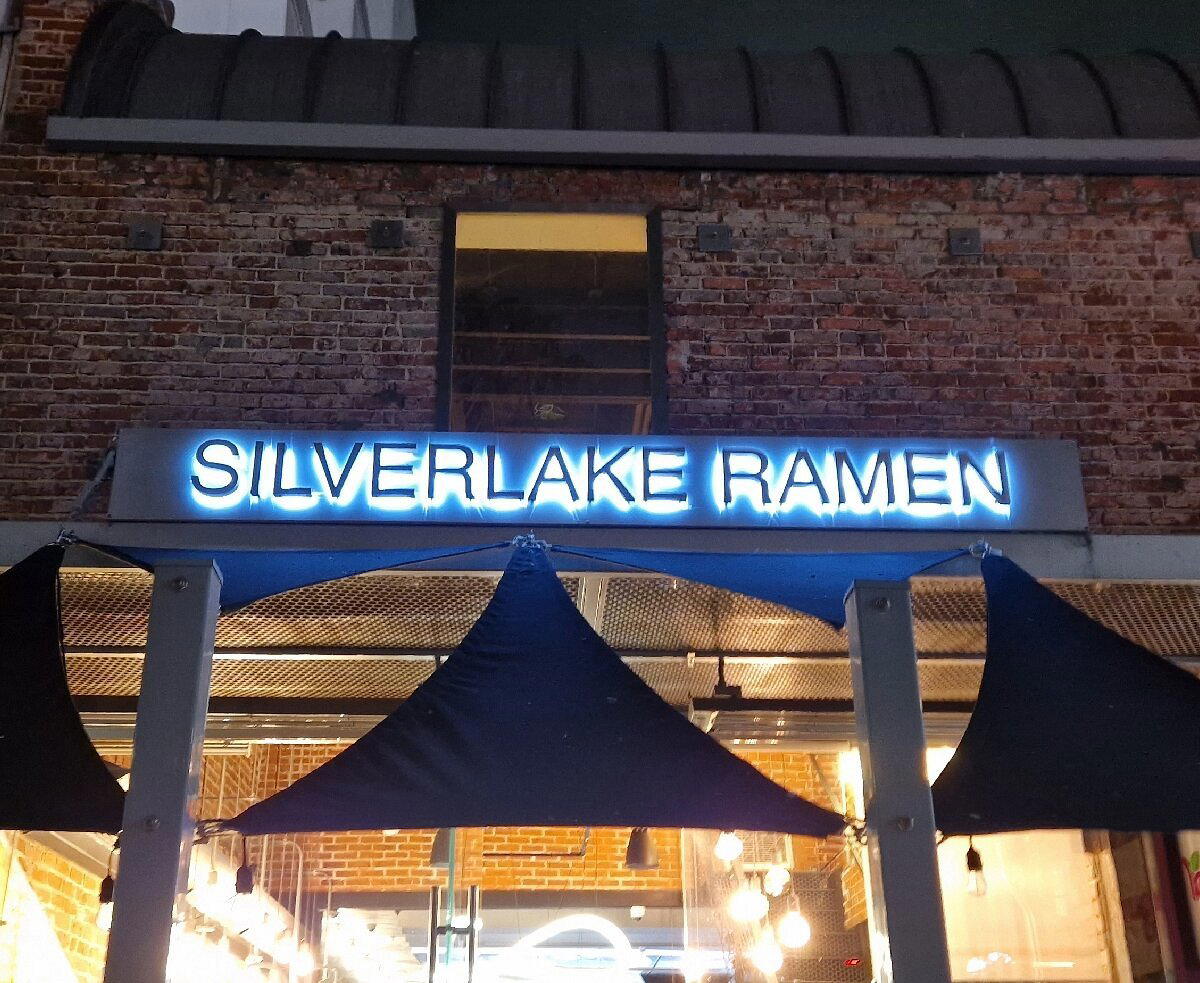
The menu
What to order
- Tonkotsu Ramen
- Shoyu Ramen
- Fried Gyoza
Sunset Boulevard and the Ramen Format
Sunset Boulevard through Silverlake carries a particular kind of culinary weight in Los Angeles. It is not the destination-dining corridor that Mid-City or Downtown have become, but it functions as a reliable read on how the city actually eats day to day. Ramen shops have settled into this stretch with some confidence over the past decade, and Silverlake Ramen at 2927 Sunset Blvd sits squarely in that neighbourhood rhythm: counter seating, broth-forward menus, and a format built around speed without sacrificing the structural logic that makes ramen worth eating seriously.
In Los Angeles broadly, ramen exists across a wide price and seriousness spectrum. At the leading end, Japanese import concepts with multi-day broths and strict ticketing systems have pushed the format toward the kind of attention usually reserved for omakase counters. At the other end, fast-casual ramen has flattened the category into something closer to a noodle bowl. Silverlake Ramen occupies the middle register of this spectrum: approachable in price and setting, but with a menu structure that asks the diner to make considered choices rather than defaulting to a single house bowl.
How the Menu Is Built
The architecture of a ramen menu reveals more about a shop's ambitions than its decor does. A menu organized around broth variation, tonkotsu against shoyu against shio, signals that the kitchen is thinking about the category as a system, not a single dish. Silverlake Ramen's menu follows this logic, giving diners navigable entry points based on flavour depth preference rather than funneling everyone toward a signature. That structure reflects a broader shift in how American ramen shops have learned to communicate with a more informed customer base over the past ten years.
Ramen as it has developed in the United States owes a significant debt to the Hakata and Tokyo shop traditions that prioritized broth clarity, noodle calibration, and topping restraint. The American adaptation has occasionally over-indexed on richness and portion size, but the more considered shops have moved toward balance: broths with perceptible backbone that don't overwhelm the noodle texture, toppings chosen for structural contribution rather than visual excess. A menu organized to let the customer orient by broth type sits in this more thoughtful tradition.
Side dishes and add-ons in ramen contexts are worth reading carefully. Gyoza, rice bowls, and karaage are often treated as afterthoughts, but in shops that take the menu seriously they function as pacing tools, items that allow a table to extend a meal that would otherwise be over in twenty minutes. At Silverlake Ramen, the presence of supporting items alongside the core broth selection suggests a kitchen thinking about the full visit rather than the single bowl.
Silverlake in the Los Angeles Dining Picture
Los Angeles dining conversation tends to concentrate on the city's tasting-menu tier, where venues like Providence, Kato, Somni, and Hayato draw national attention and carry Michelin recognition. Osteria Mozza anchors the upscale Italian end. But the city's actual dining breadth runs considerably wider, and its neighbourhood ramen shops are part of that breadth in a way that matters to a visitor trying to understand how Los Angeles actually functions as a food city.
Silverlake as a neighbourhood has historically attracted the kind of resident who shops at independent grocers and eats at small, owner-operated restaurants rather than groups. That demographic profile shapes what survives on Sunset through this stretch: places with a clear point of view and a format that earns repeat business. A ramen shop fits that environment more naturally than, say, a large-format steakhouse or a hotel restaurant would.
For visitors building a Los Angeles itinerary around restaurant variety, ramen at this price tier provides useful counterweight to the city's tasting-menu and fine-casual circuits. If your trip already includes a booking at one of the more formal venues covered in our full Los Angeles restaurants guide, a neighbourhood ramen lunch or early dinner offers genuine tonal contrast without requiring advance planning of the same intensity.
Ramen in the National Context
The American ramen category has matured considerably since the mid-2010s surge of interest. Shops in New York, San Francisco, Chicago, and Los Angeles have moved from novelty positioning to a more settled identity, competing on broth quality, noodle sourcing, and menu depth rather than on Instagram-friendly presentation alone. In this more established phase, LA has maintained a particularly dense concentration of quality ramen, partly because of the city's Japanese-American community infrastructure and partly because of proximity to Japanese culinary influence from across the Pacific.
Comparing the category to broader American fine dining is instructive. Venues like Le Bernardin in New York City, The French Laundry in Napa, or Lazy Bear in San Francisco operate at the formal end of the American dining spectrum with price points to match. Ramen sits at the opposite end of that formality axis, which is part of its structural appeal: the format delivers genuine craft at a price accessible across a wide demographic range. Shops like Smyth in Chicago, Addison in San Diego, and Single Thread Farm in Healdsburg represent one way American dining expresses ambition; neighbourhood ramen represents another, not lesser, way.
Other American fine dining references that demonstrate how the country's restaurant culture has broadened include Blue Hill at Stone Barns in Tarrytown, The Inn at Little Washington, Emeril's in New Orleans, Frasca Food and Wine in Boulder, Atomix in New York City, and Atelier Moessmer Norbert Niederkofler in Brunico. The diversity of that list is itself a point: American dining no longer has a single axis of prestige, and ramen shops that take their format seriously participate in that wider conversation.
Know Before You Go
- Address: 2927 Sunset Blvd, Los Angeles, CA 90026
- Neighbourhood: Silverlake, on the main Sunset Boulevard corridor
- Format: Casual neighbourhood ramen shop; expect counter and table seating
- Pricing: Consistent with mid-range LA ramen; confirm current menu pricing at the venue
- Timing: Lunch and early dinner hours typical for this format; verify current hours before visiting
- Dietary needs: Speak with staff directly regarding allergen information; ramen broths frequently contain pork, chicken, or shellfish derivatives
Frequently asked questions
Is a meal at Silverlake Ramen worth the investment?
Ramen at the neighbourhood mid-range tier in Los Angeles represents strong value relative to the craft involved. A properly constructed broth requires hours of kitchen work that the final price rarely fully reflects. By the standards of the city's dining economy, where tasting menus at venues like Kato or Hayato run into three figures per head, a ramen bowl that delivers serious broth work at a fraction of that cost is a reasonable allocation of a dining budget, particularly for visitors who want range across their LA eating rather than concentration at the formal end.
How does Silverlake Ramen fit into the broader Silverlake dining scene?
Silverlake's Sunset corridor has developed a reputation for independent, operator-driven restaurants that reflect the neighbourhood's demographic rather than a hospitality group's portfolio strategy. Ramen slots naturally into that pattern: the format rewards craft over scale, suits a neighbourhood restaurant footprint, and builds a regular customer base through consistency rather than novelty. For a visitor, Silverlake Ramen functions as a genuine neighbourhood entry point, a way of reading how the city eats outside its formal dining circuit, with Los Angeles's Japanese culinary influence visible in the broth-centred menu structure.
City Peers
Comparable venues nearby, for context on price, style, and recognition.
| Venue | Cuisine | Price | Notes |
|---|---|---|---|
| Silverlake RamenThis venue (the venue you are viewing) | Traditional Japanese Ramen | $20–30 | Not listed |
| Chiso Cafe | Japanese home-style café | $20–30 | Echo Park |
| Konbi Ni | Japanese Konbini-Style Sandwiches & Breakfast | Not listed | Echo Park |
| 어원 Awon | Korean-Style Japanese Sushi & Sashimi | Not listed | Koreatown |
| Soregashi | Authentic Japanese Sushi | $20–30 | Hollywood |
| En Sushi | Contemporary Japanese Sushi | $30–50 | Sawtelle |
Continue exploring
More in Los Angeles
Restaurants in Los Angeles
All restaurants in Los Angeles →
Bars in Los Angeles
All bars in Los Angeles →

Hotels in Los Angeles
All hotels in Los Angeles →
Wineries in Los Angeles
All wineries in Los Angeles →

Details
- Cozy
- Trendy
- Casual Hangout
- Late Night
- Open Kitchen
- Sake Program
- A La Carte
- Vegetarian Friendly
Current opening hours
- Monday
- 11:30 AM–10 PM
- Tuesday
- 11:30 AM–10 PM
- Wednesday
- 11:30 AM–10 PM
- Thursday
- 11:30 AM–10 PM
- Friday
- 11:30 AM–11 PM
- Saturday
- 11:30 AM–11 PM
- Sunday
- 11:30 AM–10 PM
Hours can change for holidays and private events. Hours as of .
Cozy spot with welcoming atmosphere from friendly service and quality ingredients.