Shwen Shwen




Michelin Bib Gourmand · SquareMeal UK Top 100 Restaurants #80 · Conde Nast Hot List Restaurants
Our verdict
At a Bank Street address in the centre of Sevenoaks, Shwen Shwen brings West African cooking to a corner of Kent where that tradition is conspicuously absent. Maria Bradford draws on Sierra Leonean roots for dishes like beef short rib in groundnut and coconut sauce, served in a room hung with black-and-white photographs of West Africa. The à la carte sharing format offers the clearest value.

Pearl is the En Primeur Club membership app — saves, bookings, and concierge access live there. Same editors, same standards.
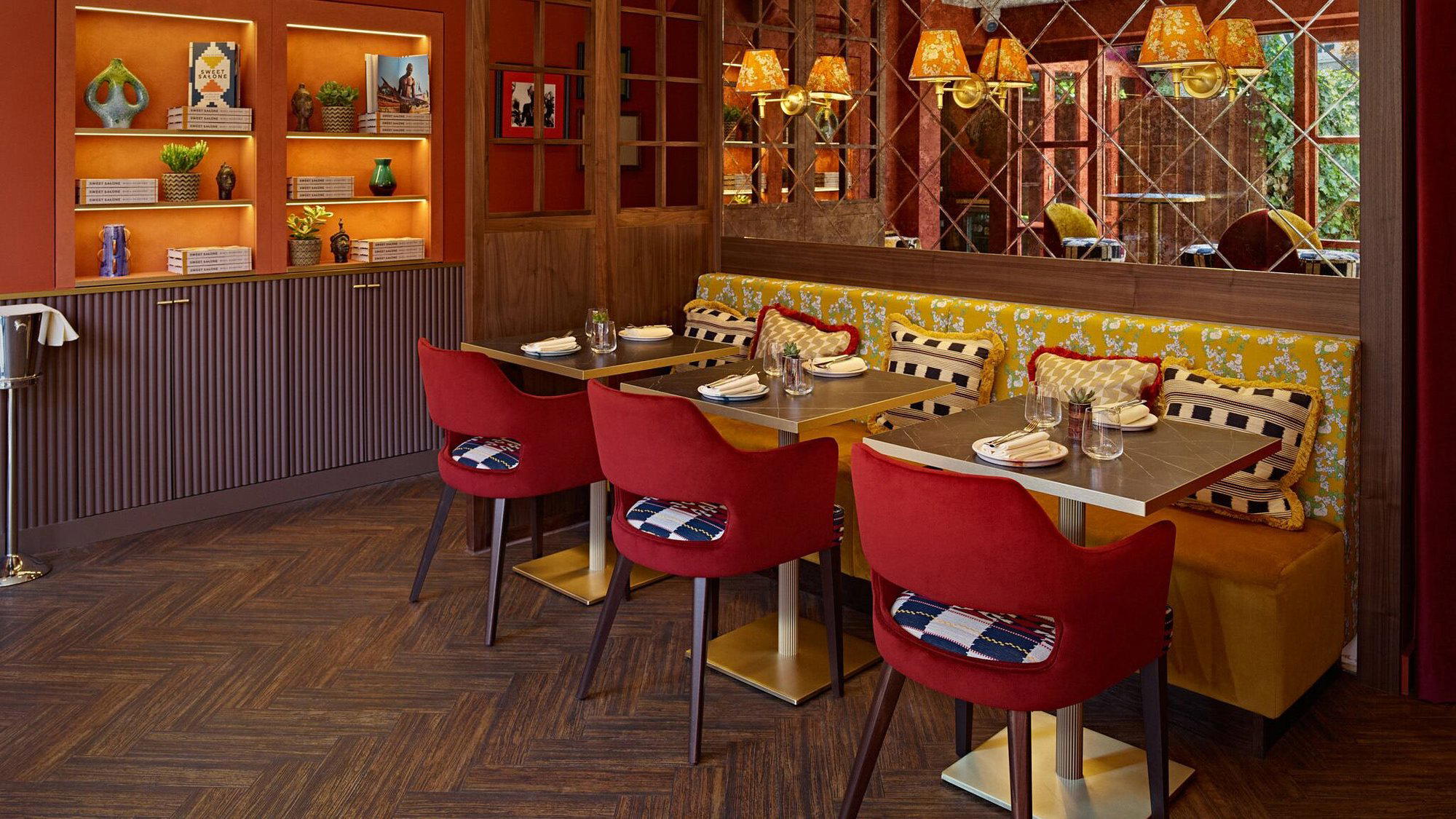
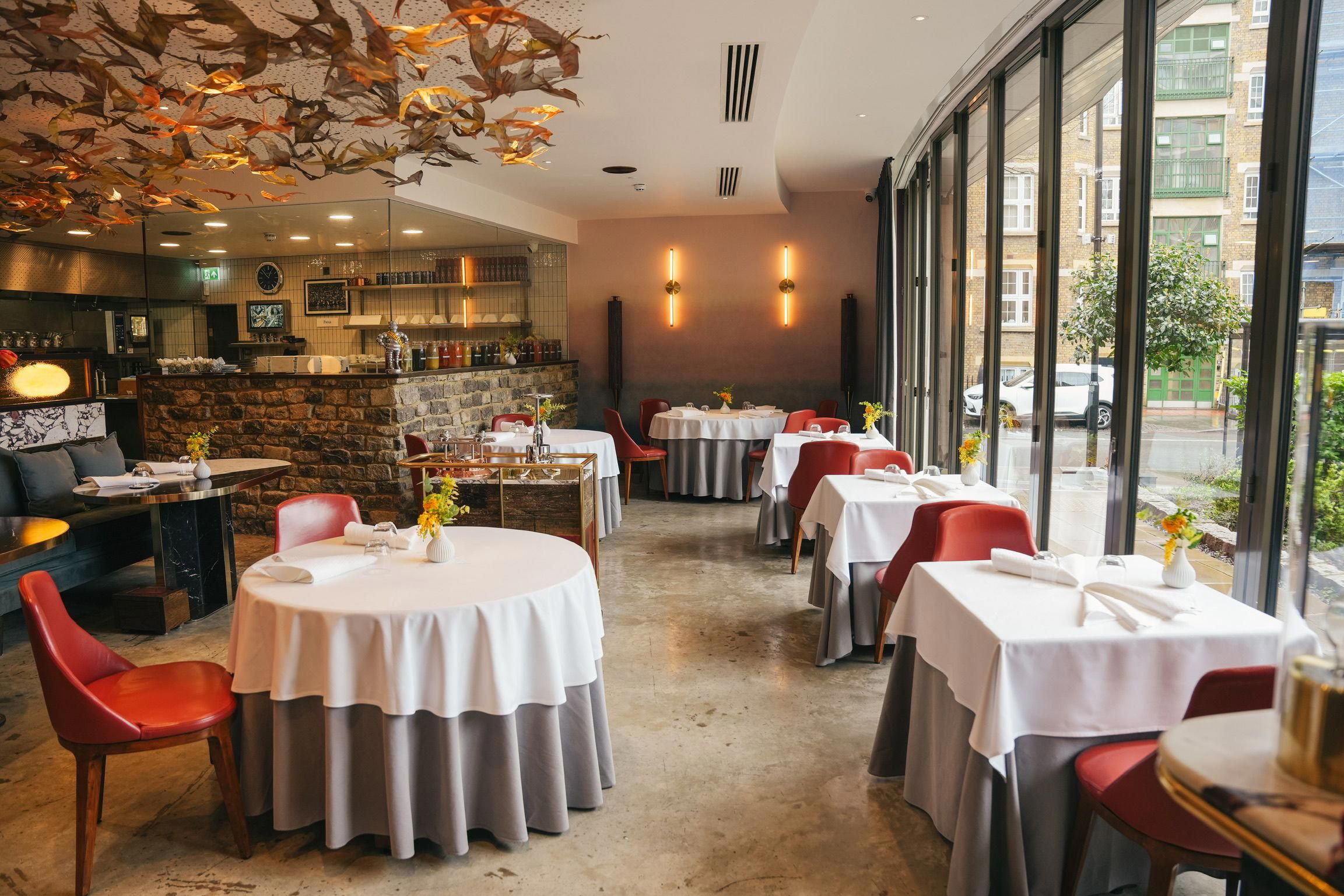
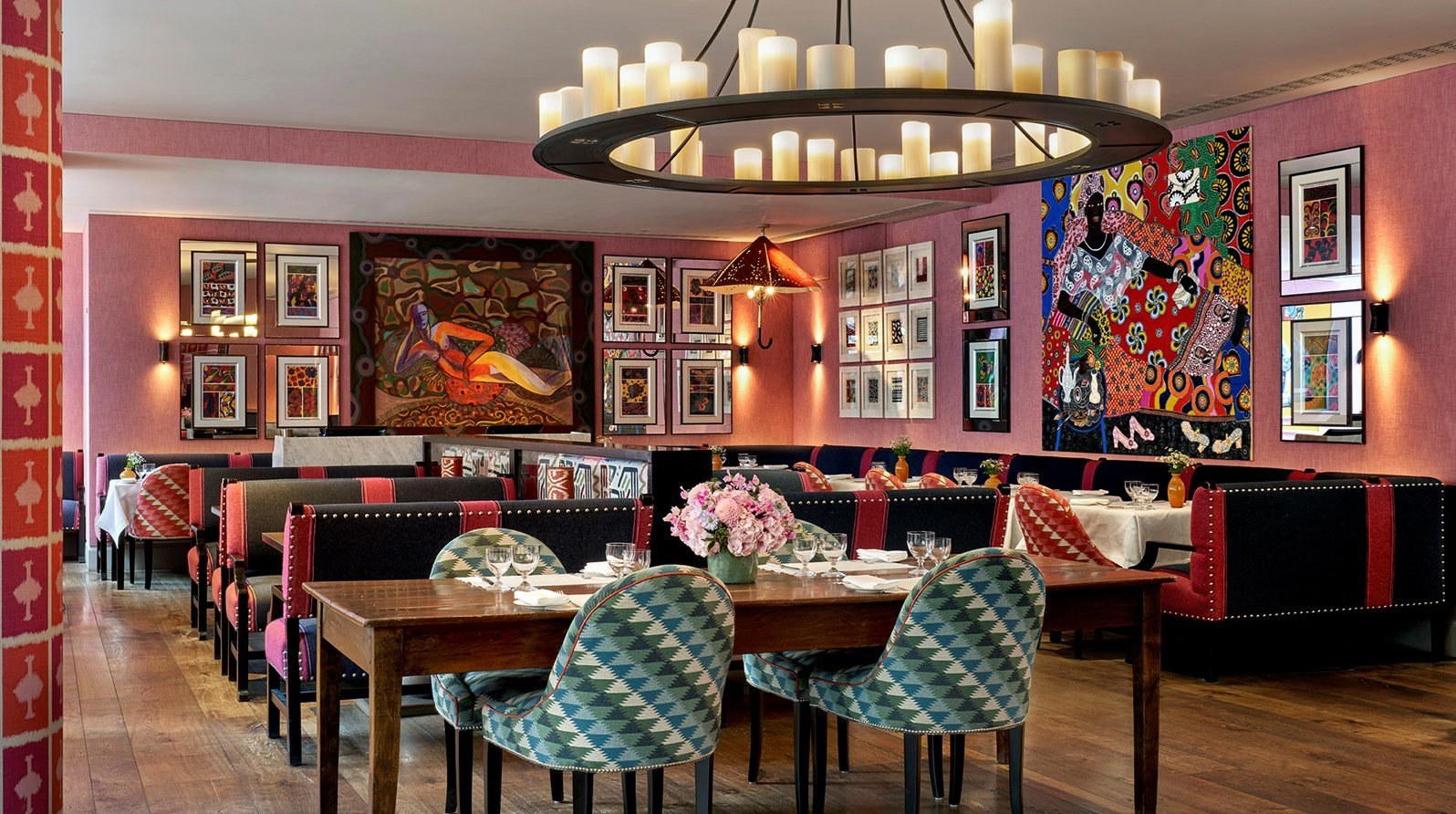
There is a particular kind of restaurant that announces itself through atmosphere before a single dish arrives. Step into Shwen Shwen on Bank Street and the room does its work immediately: warm hues on the walls, black-and-white photographs depicting West African scenes, and a general sense that the space was designed by someone who wanted diners to feel something specific rather than merely comfortable. The visual language is deliberate. West Africa is the subject here, and everything in the room signals that before the menu is opened.
West African Cooking Outside Its Usual Geography
Most West African restaurants operating in the United Kingdom are concentrated in London, particularly in areas with established diaspora communities. The decision to plant this kind of cooking in a Kent market town is itself an editorial statement about where serious independent restaurants can exist. Sevenoaks, a commuter town with strong purchasing power and relatively few restaurants operating at a serious culinary level, turns out to be a more receptive environment than the geography might suggest. For a broader sense of where Shwen Shwen fits within the local scene, our full Sevenoaks restaurants guide maps the wider picture.
The cuisine Maria Bradford is working with has deep roots in ingredient-led cooking traditions. West African food, and Sierra Leonean food in particular, is built around a small number of foundational ingredients used with precision: groundnut, palm, coconut, dried fish, fermented locust beans, scotch bonnet. These are not secondary flavourings. They are structural. The groundnut and coconut sauce that appears with the beef short rib is not a garnish or an accent; it carries the dish. Understanding that ingredient logic is key to understanding why the cooking here registers as generous rather than restrained.
What the Kitchen Is Actually Doing
Bradford is self-taught, which in this context means the cooking has not been filtered through a classical European framework. That absence matters. Self-taught cooks working within a specific regional tradition tend to stay closer to the source material because they learned through eating and making rather than through a curriculum that standardises technique across cuisines. The result at Shwen Shwen is food that pulls from Bradford's Sierra Leonean background and extends outward from there, rather than food that approximates West African flavours through a European lens.
The beef short rib is the dish most frequently cited in recognition of the restaurant, and the descriptor that recurs in critical coverage is "meltingly tender" within the groundnut and coconut sauce. Short rib as a cut rewards long, low cooking, and groundnut-based sauces (variants of which appear across West, Central, and Southern African cooking under different names) are well-suited to that technique because the fat in groundnut emulsifies and deepens over time. The pairing is not accidental; it reflects genuine knowledge of how these ingredients behave together.
Bradford draws inspiration beyond Sierra Leone as well, meaning the menu reads as a personal synthesis of West African cooking traditions rather than a strict regional document. That scope is an asset in a restaurant serving a mixed audience, many of whom will be arriving without prior reference points for this cuisine.
Format and Value
The restaurant offers both a tasting menu and an à la carte. The critical consensus is clear on this: the tasting menu suits hungry diners who want the full arc of the cooking, but the sharper value proposition sits in the sharing plates from the à la carte. This is a meaningful distinction. Tasting menus at restaurants of this quality in the UK tend to price at a level that can feel misaligned with portion scale; sharing plates allow the table to compose its own structure and often reveal the kitchen's range more honestly. For context on what serious destination restaurants charge at the top end of the UK market, formats at places like The Fat Duck in Bray, The Ledbury in London, or L'Enclume in Cartmel operate at a different price tier entirely. Shwen Shwen is not competing in that bracket, which is part of why the value calculus reads differently here.
For those weighing other serious regional restaurants in the UK, comparable independent operations worth cross-referencing include hide and fox in Saltwood (close enough to make for a Kent-focused trip), Opheem in Birmingham (another example of a non-European culinary tradition operating at serious level outside London), and Midsummer House in Cambridge. Further afield, the approach Bradford takes to ingredient fidelity has a structural parallel with how Atomix in New York City treats Korean ingredients: the source material is not adapted for outside audiences, it is presented on its own terms. The contrast with more interpolated approaches, like Le Bernardin in New York City or Moor Hall in Aughton, illustrates why restaurants working within a specific culinary tradition tend to read differently from those synthesising across traditions.
The Room and the Occasion
The interior design is doing genuine editorial work. Black-and-white photographs of West African scenes are not decorative filler; they create a framework that asks the diner to think about where the food comes from before it arrives. Warm colours hold the room without tipping into theme-restaurant territory. The overall effect is described consistently as joyous, which is a harder register to achieve than it sounds. Restaurants that try to communicate cultural pride through decor often miscalculate; Shwen Shwen appears to have found the right calibration.
This is a restaurant that functions well for groups who want to share, for solo or couple visits where the tasting menu is the right call, and for anyone arriving in Sevenoaks wanting to eat something they are unlikely to find replicated nearby. For those planning a fuller visit to the area, our Sevenoaks hotels guide, bars guide, wineries guide, and experiences guide cover the surrounding options. Shwen Shwen is at 1-2 Bank Street, Sevenoaks TN13 1UN. Booking in advance is advisable given the restaurant's recognition and the limited alternatives in its category within the area.
Frequently asked questions
Is Shwen Shwen good for families?
The à la carte sharing-plates format is well-suited to groups and families eating together, allowing the table to cover more ground across Bradford's menu. The cooking is direct and generous in flavour, which tends to work across different palates and age groups. The room at 1-2 Bank Street is described as warm and colourful rather than formal, so the atmosphere is relaxed rather than pressured.
What's the overall feel of Shwen Shwen?
The room is specific and considered: black-and-white photographs depicting West African scenes line the walls against warm colour throughout, giving the space a clear sense of place rather than generic restaurant décor. Critical coverage consistently uses words like 'joyous' and 'unfussy' to describe both the room and the food. It reads as a neighbourhood restaurant with a point of view.
What kind of recognition has Shwen Shwen received?
Shwen Shwen has received recognition including: Colourful, unfussy and joyous, there is so much to love about this great little restaurant decorated with warm hues and black-and-white photographs depicting scenes from West Africa, setting the stage perfectly for Maria Bradford’s generous….
What should I order at Shwen Shwen?
The beef short rib in groundnut and coconut sauce is the dish most consistently cited in coverage of Bradford's cooking — described as meltingly tender and the clearest expression of her Sierra Leonean and broader West African influences. If you want range, the à la carte with shared plates offers the better value proposition; the tasting menu suits those who want the full arc of the kitchen's output.
Where exactly is Shwen Shwen?
Shwen Shwen is located at 1-2, Bank St, Sevenoaks TN13 1UN, United Kingdom, Sevenoaks.
At-a-Glance Comparison
Comparable venues nearby, for context on price, style, and recognition.
| Venue | Cuisine | Price | Awards | Notes |
|---|---|---|---|---|
| Shwen ShwenThis venue — the venue you are viewing | Sierra Leonean Afro-Fusion Fine Dining | $50–100 | Michelin Bib Gourmand · SquareMeal UK Top 100 Restaurants #80 | Not listed |
| Number Eight | Modern European Bistro | $30–50 | The Good Food Guide GFG Good | Sevenoaks town centre |
| Shwen Shwen | Sierra Leonean Afro-Fusion Fine Dining | $50–100 | Michelin Bib Gourmand · SquareMeal UK Top 100 Restaurants #80 | Sevenoaks town centre |
| Birchwood | Modern British Sustainable | $30–50 | Michelin Plate | Flimwell |
| Locatelli at the National Gallery | Modern Italian | $50–100 | Michelin Plate | Charing Cross |
| Guinea Grill | Classic British Steakhouse | $50–100 | Star Wine List | Mayfair |
Recognition history
Dated appearances from independent guides and award organizations, with the underlying list record or original source where available.
Michelin Bib Gourmand
Michelin
Conde Nast Hot List Restaurants
Conde Nast
National Restaurant Awards Top 100 #91 · No. 91
National Restaurant Awards · 2026 National Restaurant Awards Top 100
SquareMeal UK Top 100 Restaurants #80
SquareMeal
The Good Food Guide Good Food Guide Best Local Restaurant #40
The Good Food Guide
Full recognition history (6 entries)
Michelin Plate
Michelin
Continue exploring
More in Sevenoaks
Restaurants in Sevenoaks
All restaurants in Sevenoaks →
Bars in Sevenoaks
Browse all →


Shwen Shwen
The wine
- Wine program
- Curated wine list
- Extensive wine list
- Craft cocktails
Details
- Elegant
- Cozy
- Intimate
- Sophisticated
- Date Night
- Special Occasion
- Celebration
- Open Kitchen
- Extensive Wine List
- Craft Cocktails
- Small Plates
- Tasting Menu
- A La Carte
- Vegetarian Friendly
- Vegan Options
Current opening hours
- Monday
- Closed
- Tuesday
- Closed
- Wednesday
- 5–10:30 PM
- Thursday
- 12–3 PM, 5–10:30 PM
- Friday
- 12–3 PM, 5–10:30 PM
- Saturday
- 12–3 PM, 5–10:30 PM
- Sunday
- 12–4 PM
Hours can change for holidays and private events. Last verified .
Warm, earthy palette with terracotta, mustard tones, and West African patterns creating a cozy, lively, and elegant atmosphere.