Saybrook Fish House
Saybrook Fish House on Silas Deane Highway brings seafood-focused dining to Rocky Hill, Connecticut, positioning itself within the broader Connecticut River Valley tradition of sourcing from regional waters. The restaurant occupies a reliable middle ground in the area's dining scene, serving a community that sits between Hartford's urban restaurant density and the shoreline's seasonal seafood operations.
Pearl is the En Primeur Club membership app — saves, bookings, and concierge access live there. Same editors, same standards.
- Address
- 2165 Silas Deane Hwy, Rocky Hill, CT 06067
- Phone
- +18607219188
- Website
- saybrookfishhouse.com
- Directions
- Get directions
 Saves & bookings on Pearl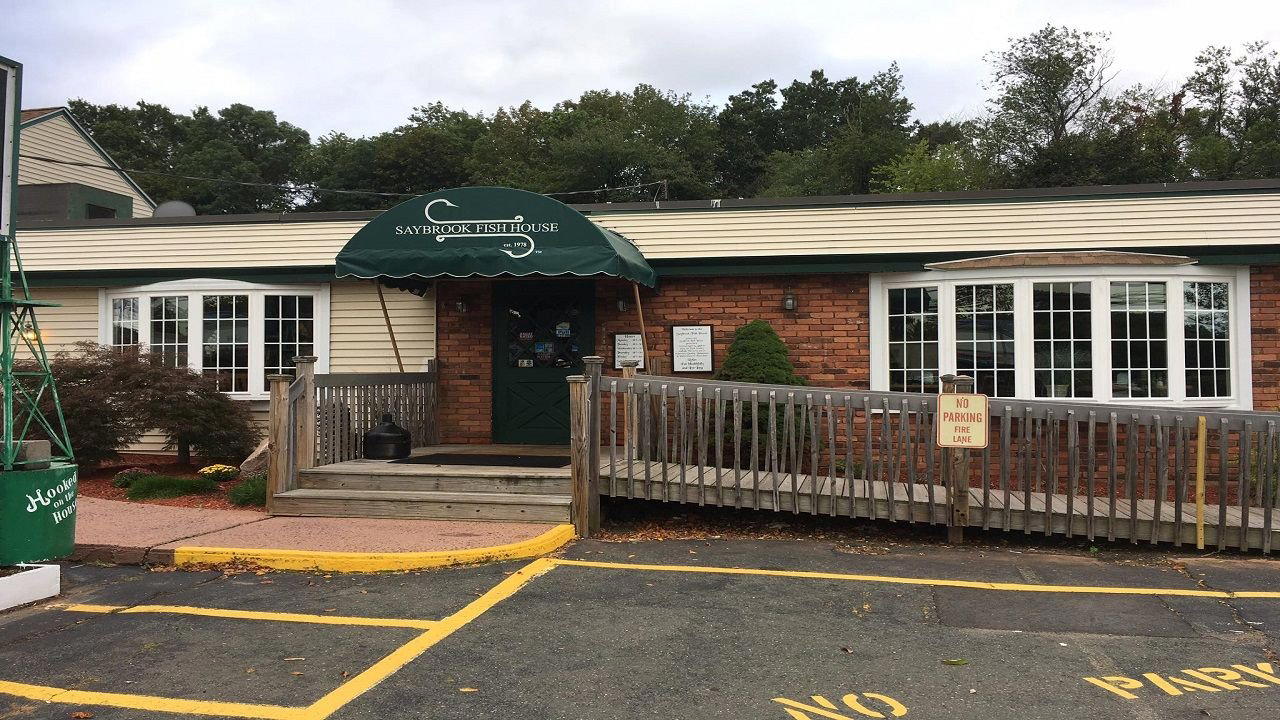
Seafood on the Silas Deane Corridor
Connecticut's inland dining corridor along Silas Deane Highway has long operated as a practical counterpoint to the state's shoreline seafood towns. Rocky Hill sits roughly midway between Hartford and Middletown, in a stretch where strip-mall facades house restaurants that often punch above their surroundings. Saybrook Fish House, at 2165 Silas Deane Highway, follows this pattern: the name references Old Saybrook, a Long Island Sound town that has defined Connecticut's seafood identity for generations, and the connection is intentional. In a state where the distance between the water and the plate matters to regulars, a landlocked address paired with a coastal reference raises a reasonable question about sourcing — and sourcing is precisely where New England seafood restaurants earn or lose their credibility.
The broader New England seafood tradition draws from a dense network of day-boat operations, regional fish markets, and Long Island Sound harvests that include shellfish from Connecticut's own aquaculture industry. The state's oyster beds, concentrated around the Thimble Islands and the Mystic area, feed restaurants across the interior as readily as they feed shoreline raw bars. Clam chowder made with quahogs pulled from local waters, whole fish from the Connecticut shoreline's small-boat fleet, and lobster sourced through Boston or Gloucester all reach inland restaurants within short supply chains.
What the Inland Seafood Format Demands
Across the American Northeast, the inland seafood house occupies a specific niche. It serves communities that have consistent seafood appetite but lack the shoreline context that makes a clam shack or raw bar a reflexive choice. The format works when the kitchen maintains sourcing discipline and when the menu reflects genuine familiarity with the product rather than a generic "seafood restaurant" template. The comparison set for Rocky Hill's dining scene includes Hartford's more densely programmed restaurant district and the shoreline towns where the proximity to the water is itself part of the experience. Saybrook Fish House operates without the latter advantage, which means the food and the sourcing story carry more weight.
This dynamic plays out across the American seafood category at every price tier. At the upper end, restaurants like Le Bernardin in New York City have built decades of credibility through sourcing precision and kitchen technique applied to premium seafood. At the sourcing-and-seasonality end of the market, operations like Single Thread Farm in Healdsburg demonstrate how ingredient provenance can become the organizing principle of an entire dining format. Saybrook Fish House operates in a different tier and a different context, but the underlying logic is shared: a seafood restaurant's integrity is inseparable from where the fish comes from and how recently it arrived.
Rocky Hill and the Connecticut River Valley Dining Scene
Rocky Hill is not a dining destination in the way that New Haven or Westport are, it functions as a service town for the Hartford metro, with a restaurant mix oriented toward convenience and consistency rather than destination dining. The Silas Deane Highway corridor reflects this: it runs through Wethersfield and Rocky Hill with a density of mid-range restaurants that serve commuters and local residents rather than out-of-town diners seeking a specific experience. Within that context, a seafood-focused restaurant carries a distinct identity, since the corridor's dominant formats trend toward Italian-American and American casual rather than fish-forward menus.
For readers accustomed to tracking the sourcing discipline at restaurants like Blue Hill at Stone Barns in Tarrytown or the ingredient specificity at Providence in Los Angeles, the questions to ask of any regional seafood house are consistent: Is the fish named by origin? Does the menu change with the season and the catch? Are the shellfish from identifiable local beds? These questions apply equally at a Hartford-area seafood house as they do at a coastal destination restaurant, the answers simply carry different stakes depending on the competitive context. Connecticut's seafood supply infrastructure is strong enough that the raw material is available; the kitchen's relationship to it determines the result.
See our full Rocky Hill restaurants guide for a broader map of the area's dining options, including where Saybrook Fish House fits within the local range of mid-range independents.
Placing Saybrook Fish House in the Wider Seafood Conversation
The American seafood restaurant category has fragmented considerably over the past decade. The upper tier, represented by operations like ITAMAE in Miami with its Nikkei-inflected fish approach, or Addison in San Diego with its tasting-menu precision, now competes on sourcing transparency and kitchen technique as much as on price. The middle tier, where inland New England seafood houses like Saybrook Fish House operate, competes on reliability, value relative to shoreline alternatives, and the ability to make local sourcing feel accessible rather than aspirational. Restaurants in this bracket that maintain a genuine connection to regional supply chains, Long Island Sound clams, New England groundfish, local oysters, hold a meaningful advantage over those that default to commodity seafood dressed with regional branding.
The comparison point is not The French Laundry in Napa or Alinea in Chicago, whose sourcing programs operate at a different scale and with different intentions. It is closer to the sourcing ethos of Bacchanalia in Atlanta or Frasca Food and Wine in Boulder: restaurants that have built regional credibility by taking the provenance of their ingredients seriously within a format that remains accessible and community-facing. That is the model a Rocky Hill seafood house can aspire to, and it is the standard against which the experience is worth measuring.
Planning Your Visit
Saybrook Fish House is located at 2165 Silas Deane Highway in Rocky Hill, Connecticut, accessible by car from Hartford in under fifteen minutes and from Middletown in roughly the same time. The Silas Deane corridor is car-dependent, with limited public transit options, so driving is the practical default for most visitors. Price range and hours were not available at the time of publication, so confirming both in advance is worth the effort for anyone traveling specifically for this restaurant.
In Context: Similar Options
| Venue | Cuisine | Price | Awards |
|---|---|---|---|
| Saybrook Fish HouseThis venue — the venue you are viewing | This venue | Not listed | Not listed |
| Le Bernardin | French, Seafood | $$$$ | Michelin 3 Star |
| Atomix | Modern Korean, Korean | $$$$ | Michelin 2 Star |
| Lazy Bear | Progressive American, Contemporary | $$$$ | Michelin 2 Star |
| Alinea | Progressive American, Creative | $$$$ | Michelin 3 Star |
| Atelier Crenn | Modern French, Contemporary | $$$$ | Michelin 3 Star |
Continue exploring
More in Rocky Hill
Restaurants in Rocky Hill
Browse all →
Bars in Rocky Hill
Browse all →
At a Glance
- Casual
- Family
- Date Night
- Celebration
- Open Kitchen
- Craft Cocktails
- Local Sourcing
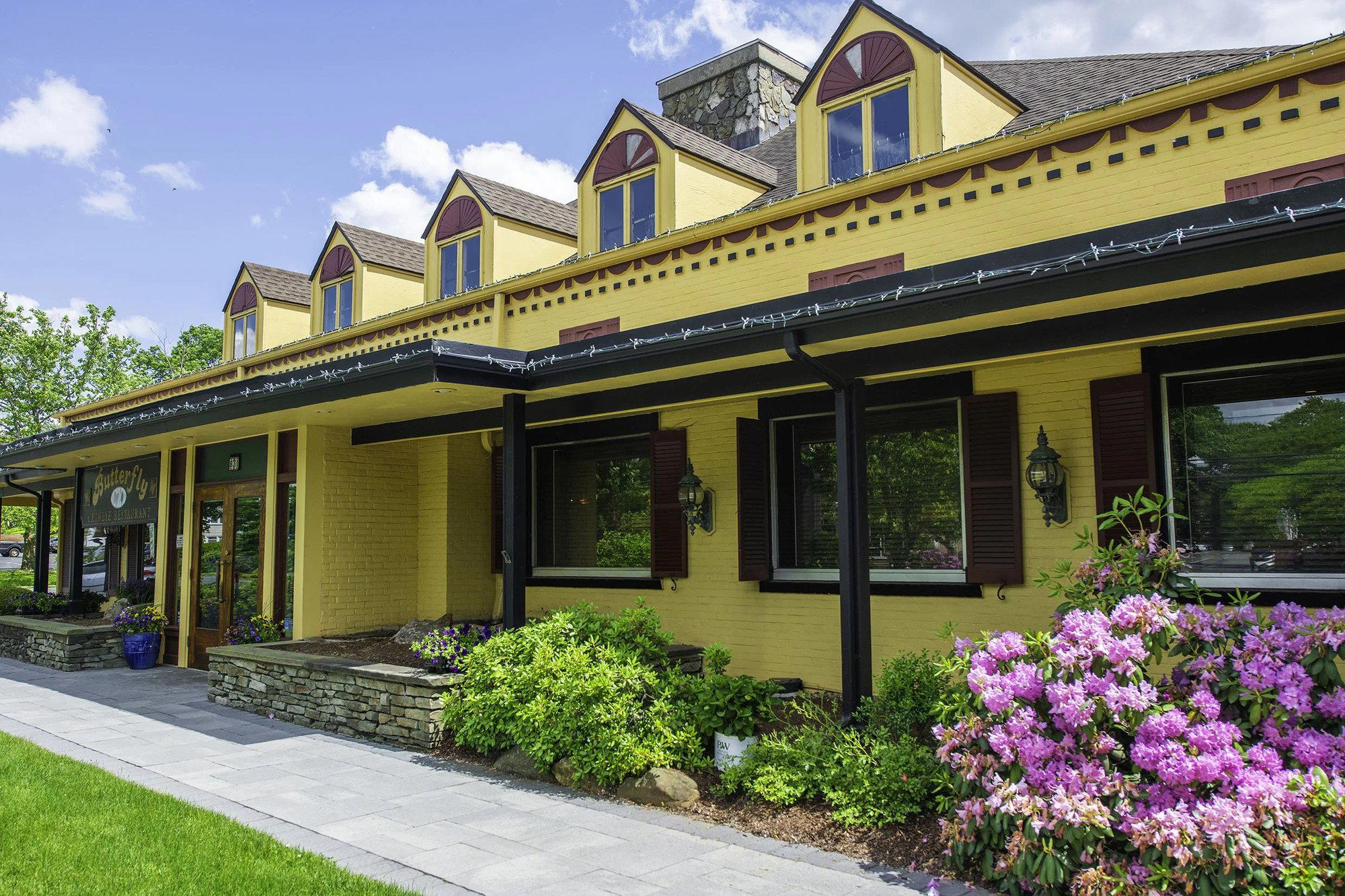
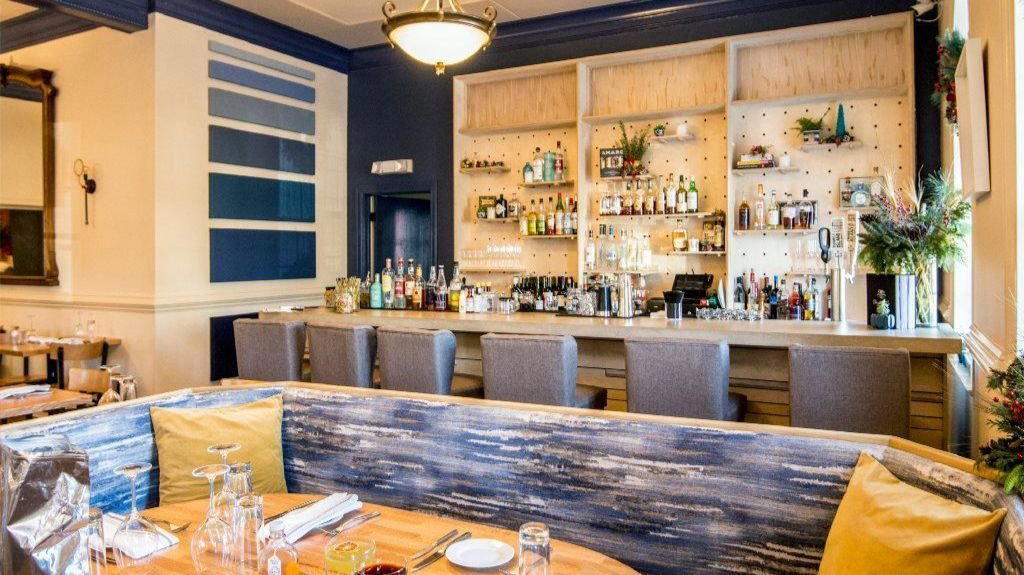
Casual family-friendly atmosphere with warm bread service, fresh salad sharing, and happy welcoming staff.
Know Before You Go
- Getting there
- 2165 Silas Deane Hwy, Rocky Hill, CT 06067