
Sato no Yado sits in Kichijoji’s compact, everyday-dining tier: a 14-seat cafeteria and seafood address selected for Tabelog 100 - Diner - 2026. The draw is not ceremony but format discipline, with fish-led set-meal culture, sake and shochu in the frame, and a small room that makes the meal feel closer to a neighbourhood counter than a central Tokyo destination restaurant.
Pearl is the En Primeur Club membership app — saves, bookings, and concierge access live there. Same editors, same standards.
- Address
- 東京都武蔵野市吉祥寺南町1-28-5 107MAC吉祥寺コート 1F
- Phone
- +81422422335
- Website
- tabelog.com
 Saves & bookings on Pearl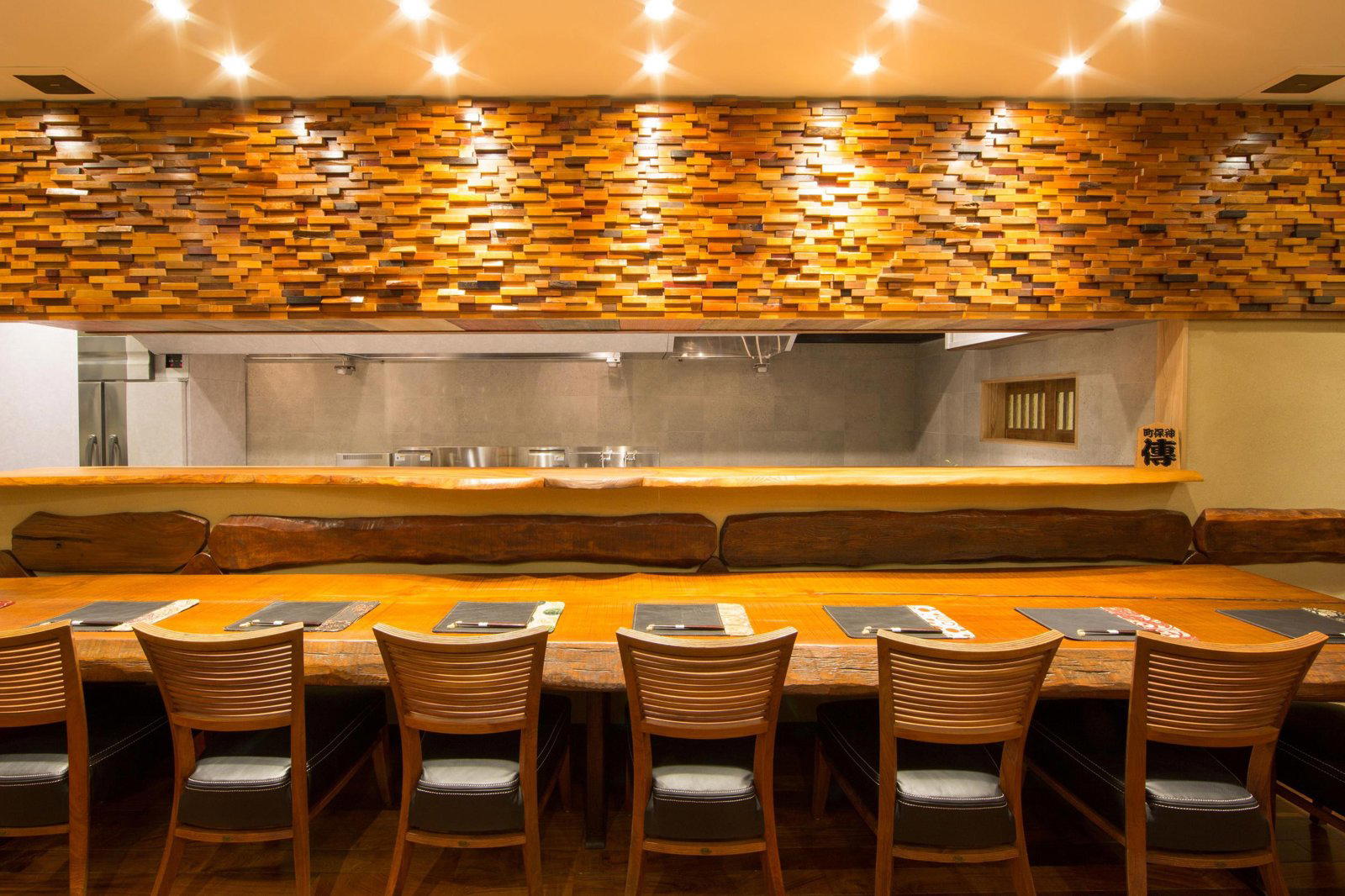
The first cue is scale. Tokyo dining often signals status through scarcity, but in Kichijoji the sharper signal can be compression: a small room, counter seating, shared-table geometry, and a menu for people who know what they came to eat. Sato no Yado belongs to that tradition. Its 14 seats, around a large 10-seat table and two 2-person tables, place it closer to the city’s shokudo and seafood-cafeteria lineage than to scripted tasting-menu dining.
That distinction matters. A fish-focused set meal in a neighbourhood room can carry as much cultural information as a luxury Ginza counter, under different rules: repetition, portion logic, rice-and-side balance, and choreography in a room that cannot absorb indecision. Selection for Tabelog 100 - Diner - 2026 gives this modest format a measurable signal in a category where recognition often trails flashier genres. Its 3.69 score places it in the serious local-interest bracket, not the tourist-spectacle one.
A Kichijoji room built around proximity, not performance
Kichijoji works as a pressure valve for central Tokyo: metropolitan, yet residential enough to protect slower habits. Its restaurant culture reflects that split. Cafes, curry counters, izakaya, bakeries, and set-meal rooms sit in a dense everyday circuit, with prices and formats that reward repeat use. In that context, Sato no Yado’s 14-seat cafeteria shortens the distance between kitchen, table, and diner.
The room shapes the meal before the food arrives. Counter seating and a large communal table quicken orders, normalize solo dining, and lean toward practical comfort rather than theatrical service. This is where Tokyo shokudo culture earns authority: regularity, not occasion dressing. Alongside Kichijoji peers such as Ryumon Coffeestand, woodberry's Honten, pizzeria GG Kichijouji, L'EPICURIEN, and Amane, the neighbourhood range runs from coffee and sweets to pizza and compact casual dining. Sato no Yado occupies the fish-and-rice lane within that ecosystem.
The renovation and reopening in March 2023 matter because rooms of this type can lose character when updated. Here, the point is not cosmetic novelty but preservation of a small-scale dining format in a city where successful addresses are often pushed toward expansion, reservation systems, or higher-margin menus. A renovated interior with the same tight seating count suggests continuity rather than spectacle.
Fish-led set meals and the authority of the shokudo format
Tokyo’s premium food conversation is often dominated by omakase, kappo, French-Japanese tasting menus, and cocktail laboratories. The shokudo asks another question: can an everyday format become a destination through precision without abandoning its purpose?
The restaurant’s cafeteria and seafood category puts it in that test. The listing notes a focus on fish, with sake, shochu, and sake selection in the drinking frame. Lunch centers on set meals, with à la carte options also part of the format. Experienced Tokyo diners will read the structure: a main, rice, and accompaniments, with flexibility for a slower evening when drinks enter.
The price band reinforces it: lunch at JPY 1,000 - JPY 1,999, dinner at JPY 2,000 - JPY 2,999. This is not Tokyo luxury pricing; recognition comes from execution inside restraint. Room and menu align: small capacity, seafood focus, set-meal logic, and no private rooms all push toward directness. The appeal is not privacy or pampering, but concentrated neighbourhood dining singled out within a national platform’s diner category.
For readers mapping Tokyo by genre, it is a useful counterweight to specialized itineraries. A day might move from this seafood-leaning casual room to Akihabara for . 鮪と炭火焼き うお炭 秋葉原店, Shinjuku for 12/10 Shinjuku ten, or Kagurazaka for 124. KAGURAZAKA (Yakitori). These rooms do not compete directly; they show why Tokyo rewards diners who understand format before status.
Where it fits in a Tokyo dining itinerary
The restaurant is strongest as a neighbourhood-specific stop, not a trophy meal. Kichijoji gives it the right setting: walkable, slightly removed from hotel-heavy circuits, and dense with casual addresses suited to before or after Inokashira Park, shopping streets, or a west-side afternoon. Its listed position near Kichijoji Station matters because a no-reservations, 14-seat room rewards flexible timing and willingness to wait.
Payment is part of the planning culture. Credit cards, electronic money, and QR code payments are not accepted, so assume cash. Parking is unavailable, matching the area’s train-first rhythm. Smoking is separated by time and area, with daytime non-smoking noted, so smoke-sensitive diners should choose timing carefully. These details decide whether a small Tokyo meal feels effortless or poorly planned.
For a wider Tokyo edit, use Our full Tokyo restaurants guide alongside Our full Tokyo hotels guide, Our full Tokyo bars guide, Our full Tokyo wineries guide, and Our full Tokyo experiences guide. The broader Japan map also helps calibrate genre: 3 Chome no Curry Ya San for curry in Tokyo, 2D Cafe for concept-cafe contrast, -Grilled beef Sukiyaki- KAMAKURA TANUKIAN 鎌倉 たぬき庵 in Kamakura.cafe in Osaka.know in Kumamoto, (Shoku) Vietnam in Kawasaki, [Curry Senmon Ten] Maruyama Kyoju. in Sapporo, and [ki:] in Kyoto. For Japanese food culture abroad, compare the sake-bar and rice-snack lanes at Jōdo Saké Bar in Los Angeles and Onigiri Time in Pasadena.
The editorial case is simple: the restaurant shows how Tokyo’s everyday seafood dining can hold critical weight without adopting luxury codes. The room is small, the format direct, and the recognition sits in the diner category rather than the fine-dining lane. That is why it belongs on a serious Tokyo list.
Budget Reality Check
Comparable venues in the metro at similar price points.
| Venue | Cuisine | Price | Notes |
|---|---|---|---|
| Sato no Yado | Kichijoji, Japanese Seafood Cafeteria | $$ | Not listed |
| らぁめん家 69'N' ROLL ONE 赤坂本店 | Akasaka, Chicken Clear Soy Ramen | $$ | Not listed |
| Japanese Soba Noodles Tsuta (Japanese Soba Noodles 蔦) | Not listed | $$ | Yoyogi-Uehara, Michelin-Starred Shoyu Soba Ramen |
| Tonkatsu Maruichi (とんかつ丸一) | Fukagawa, Tonkatsu Specialist | $$ | Not listed |
| chai break | Not listed | $$ | Kichijoji, Tea Café / Chai Specialty Café |
| LA VIEILLE FRANCE Honten | Setagaya, Traditional French patisserie | $$ | Not listed |
Recognition history
Dated appearances from independent guides and award organizations, with the underlying list record or original source where available.
Tabelog 100 #51 · No. 51
Tabelog · Tabelog 100 - Diner - 2026
At a Glance
- Cozy
- Classic
- Solo
- Casual Hangout
- Group Dining
- Standalone
- Sake Program
- Sustainable Seafood
A small, tucked-away house restaurant with a freshly renovated interior that feels intimate and relaxed rather than formal.