San Tung

Our verdict
San Tung on Irving Street has held a place in the Opinionated About Dining Cheap Eats rankings for three consecutive years, reaching #162 in 2024 and #168 in 2025.

Pearl is the En Primeur Club membership app, where members save venues, book tables and use the concierge.
The menu
What to order
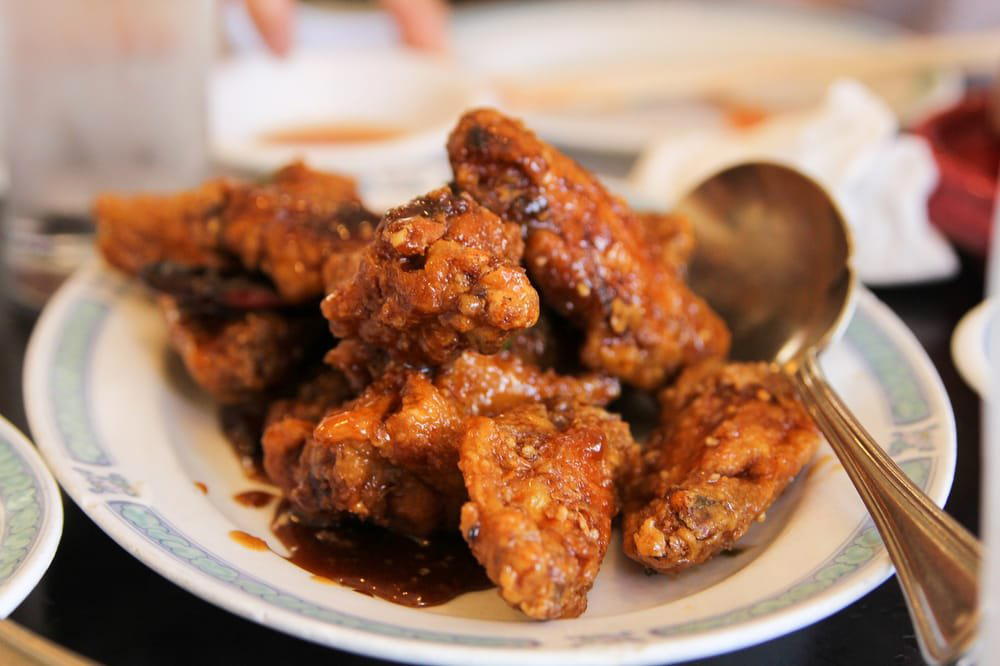
- Dry fried chicken wings
- Black bean sauce cold noodles
- Sweet and sour pork
Irving Street, Inner Sunset: Where Neighbourhood Loyalty Gets Tested Daily
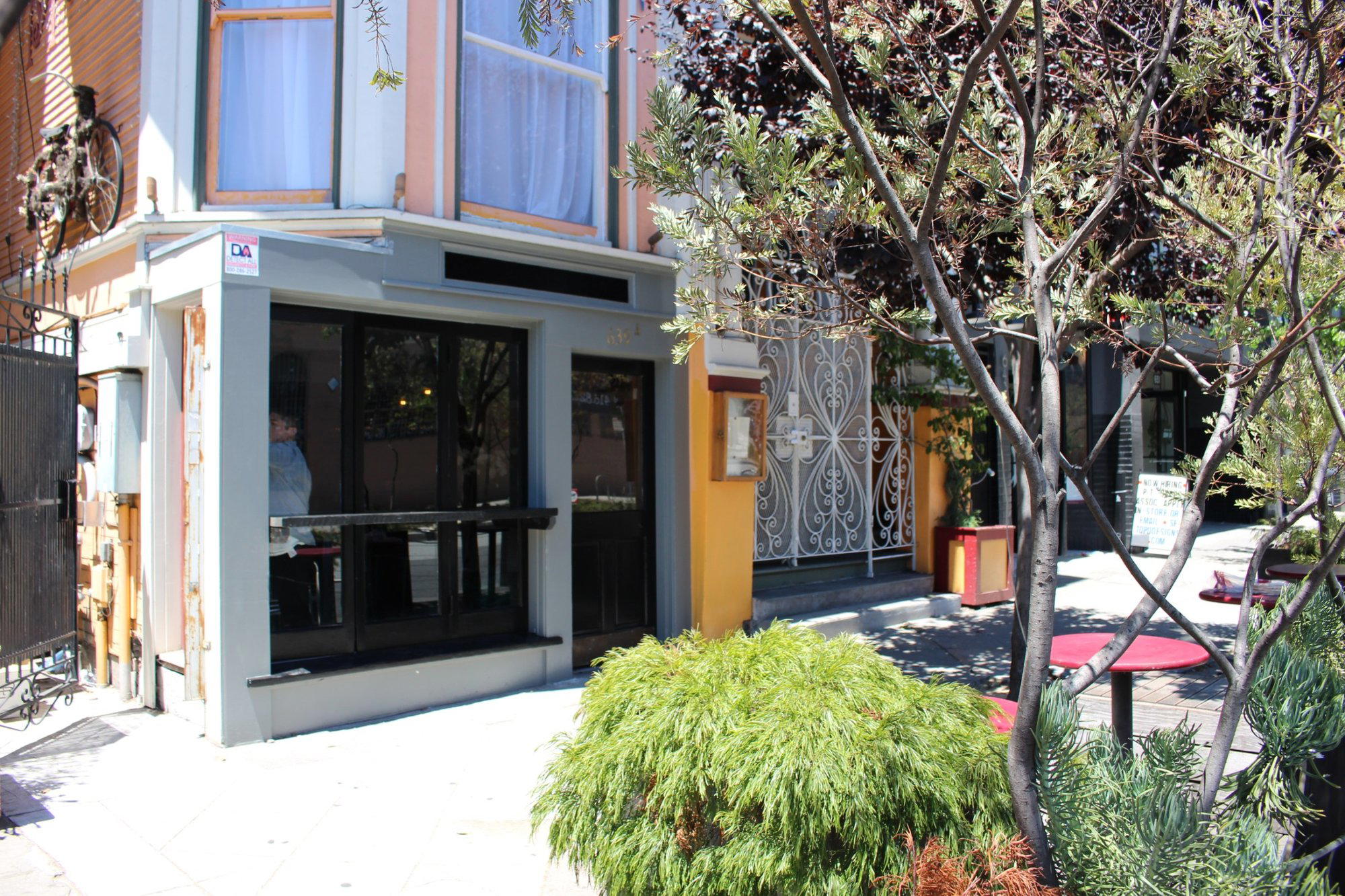
The Inner Sunset has a particular relationship with its restaurants. Unlike the tourist-facing blocks of Chinatown or the destination-dining corridor around Hayes Valley, this stretch of Irving Street runs on repeat custom: families from the surrounding avenues, UCSF staff on split shifts, students from the nearby university corridor. A restaurant that draws lines here does so on merit, not foot traffic from passing visitors. San Tung sits on that block and has done so long enough to become part of the neighbourhood's furniture.
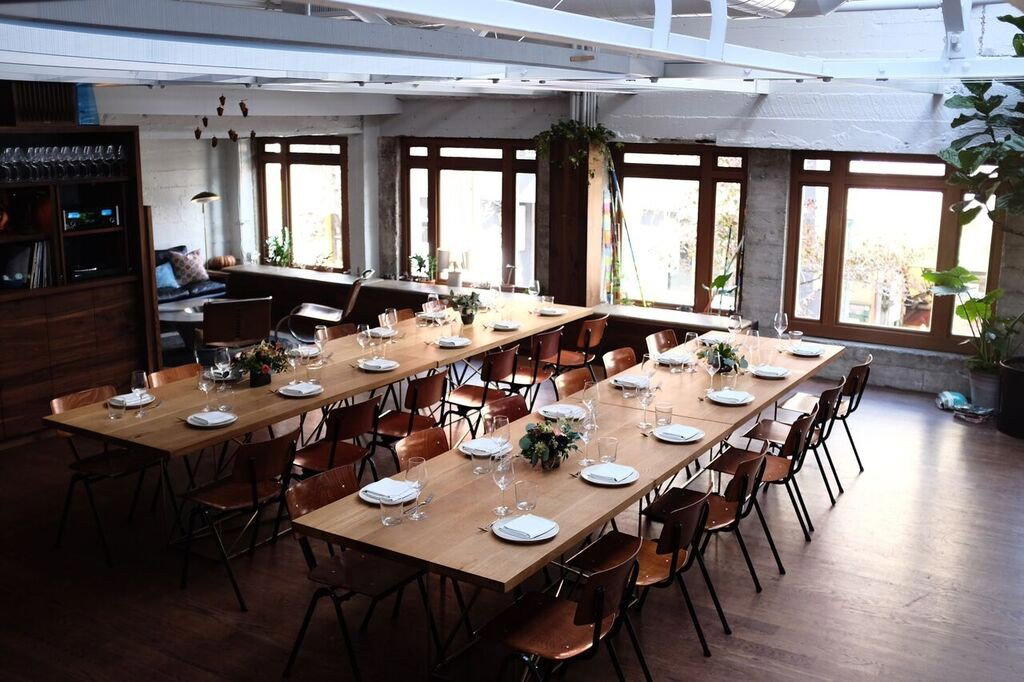
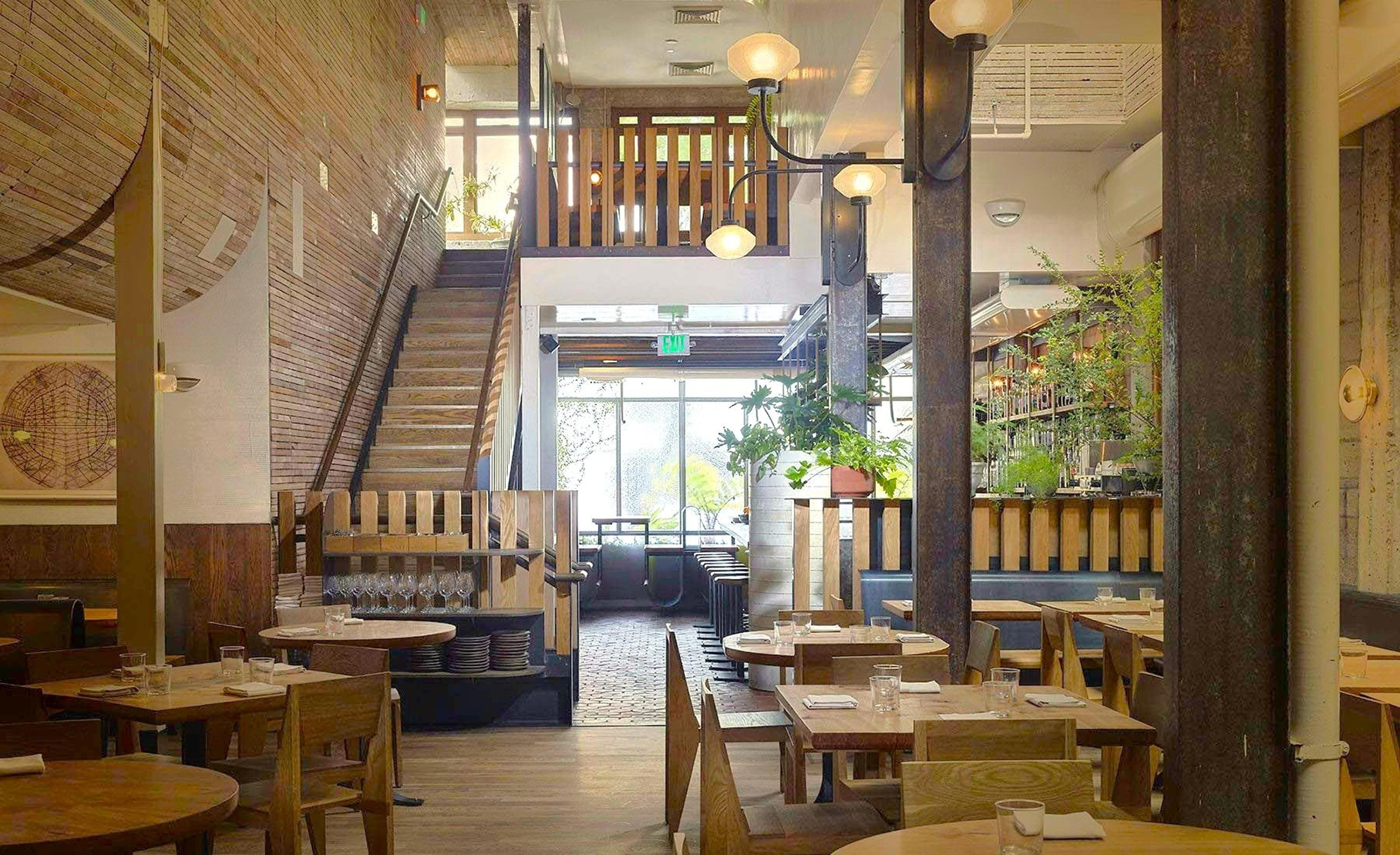
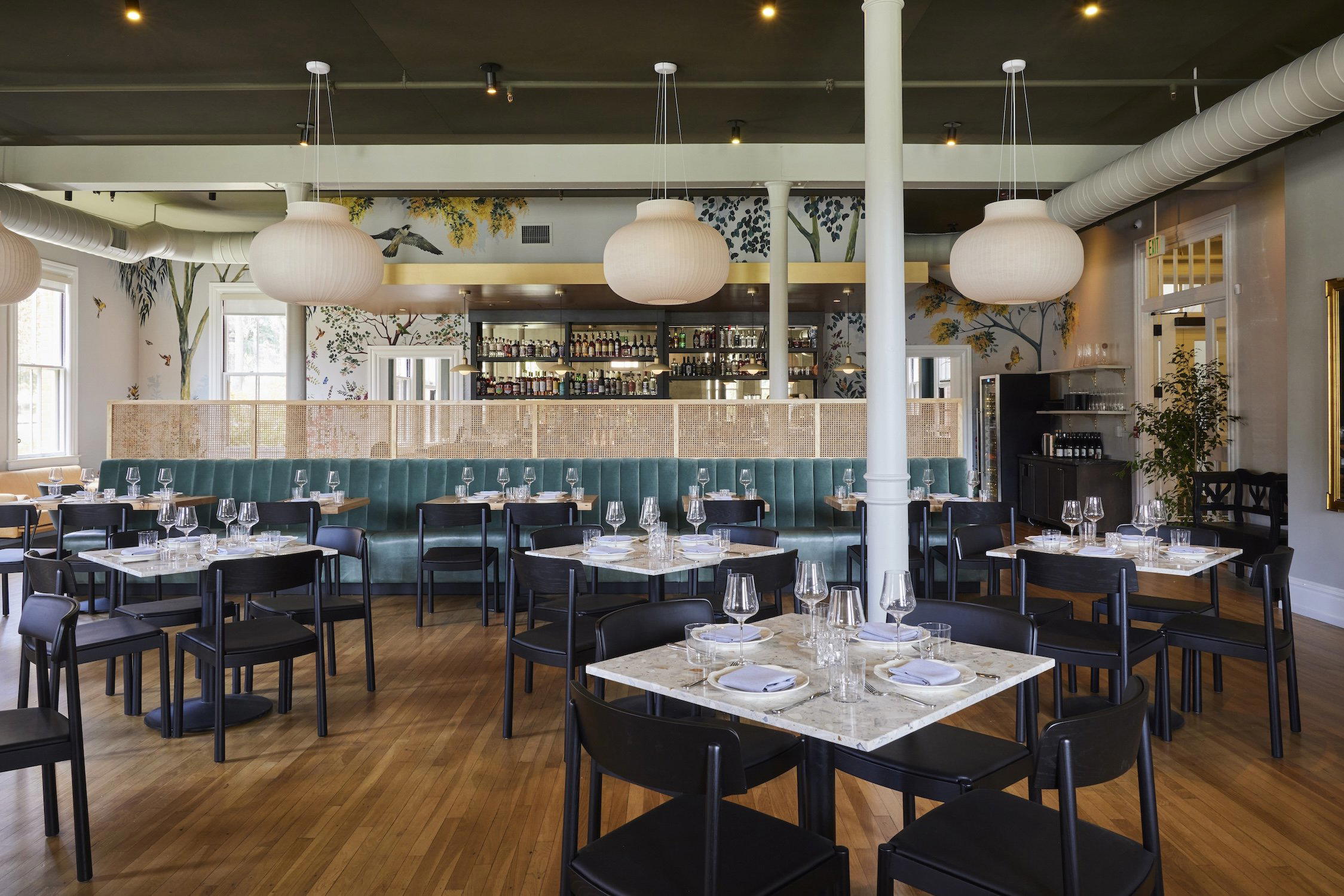
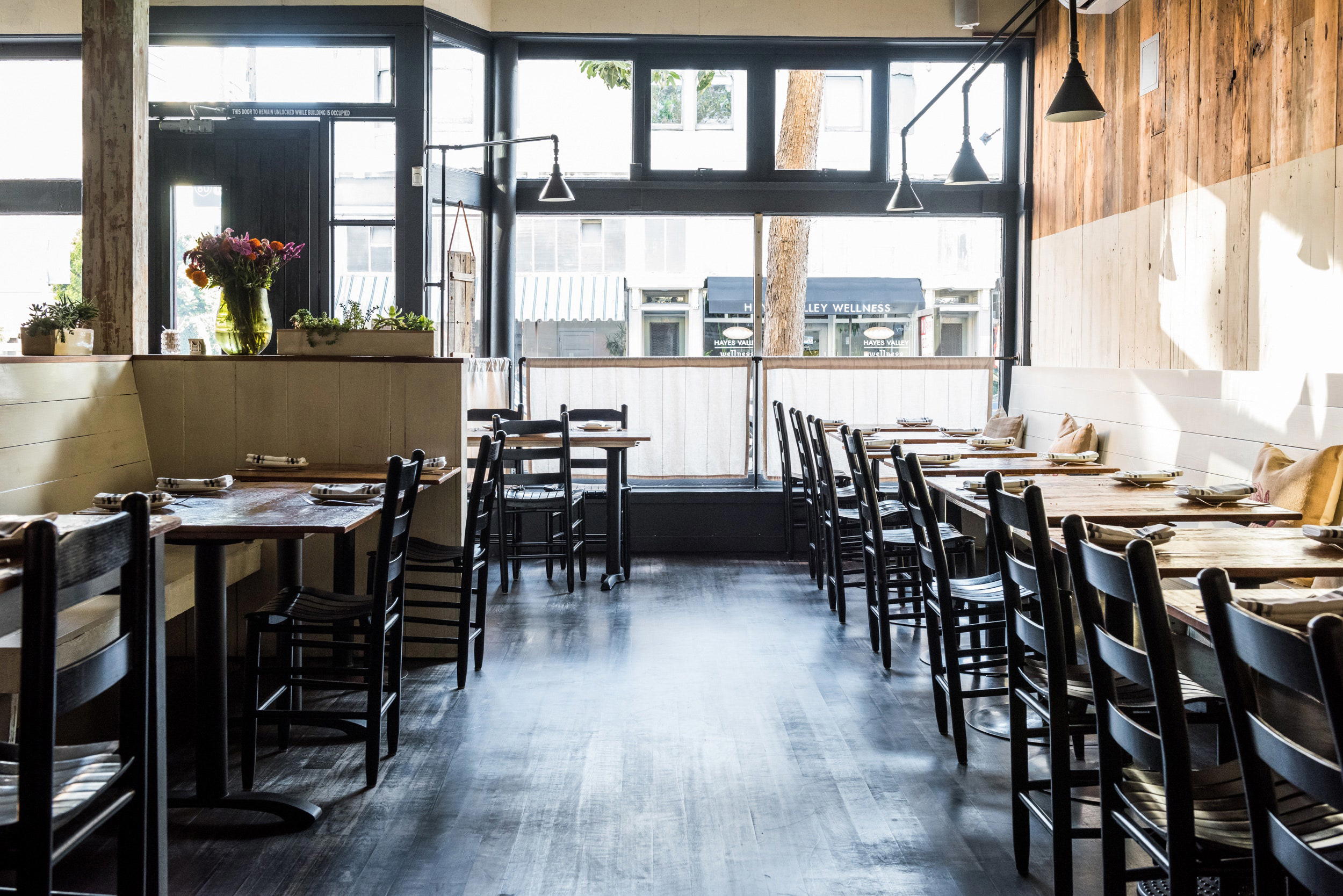
The room itself signals no ambition beyond function. You come because of what arrives at the table, not because of the space framing it. It is accumulated over time, review by review, visit by visit.
Where San Tung Sits in San Francisco's Chinese Dining Tier
San Francisco's Chinese food infrastructure divides into roughly three tiers. At the leading sits the fine-dining Cantonese and contemporary Chinese register: Mister Jiu's in the Chinatown core, where banquet-hall tradition is reinterpreted for modern tasting-menu formats. In the middle sits the regional-specialist tier: China Live as a multi-format Sichuan and pan-Chinese operation, Chuan Yu for Sichuan specifically. And at the third tier sits the neighbourhood category, Chinese kitchens priced for daily eating, casual in format, and judged by consistency rather than ambition.
San Tung operates firmly in that third tier, and the Opinionated About Dining Cheap Eats in North America ranking confirms the positioning. OAD's Cheap Eats list is a specialist survey weighted toward food quality independent of setting or service, and appearing on it three consecutive years (Recommended in 2023, #162 in 2024, #168 in 2025) places San Tung in a cohort of informal kitchens that warrant serious attention. It also places it in a different competitive set from peers like Dumpling Home or Four Kings, where formats and price points diverge despite the overlapping cuisine category.
For reference, the gap to San Francisco's tasting-menu tier is significant. The French Laundry in Napa and Single Thread Farm in Healdsburg operate in a register so removed from casual Chinese on Irving Street as to make comparison meaningless.
Tea and the Rhythm of a Chinese Informal Kitchen
In the informal Chinese dining tradition that San Tung represents, tea is not an add-on. It structures the meal. Where tasting-menu formats at places like Le Bernardin in New York City or Alinea in Chicago integrate beverage pairing as a deliberate, priced programme, the neighbourhood Chinese kitchen operates on a different logic: tea arrives with the table, functions as a palate frame for food across the meal, and is treated as background infrastructure rather than foreground programming.
The tradition has practical depth. Chinese tea service in informal restaurants typically runs on jasmine or chrysanthemum in Cantonese-leaning operations, or unscented oolongs in contexts where the kitchen handles heavier flavours: fermented black beans, chilli oil, roasted garlic. The choice of tea, often unstated on any menu, reflects what the kitchen knows about how its own food will land on the palate. High-acid jasmine cuts through fat; chrysanthemum cools; an unscented green or light oolong resets between dishes without competing. In operations where the tea is brewed correctly and replenished without prompting, it performs a pairing function that sommeliers at considerably more expensive restaurants charge significant fees to replicate.
This is worth noting as context for how San Tung fits into the longer tradition of Chinese food culture in the Bay Area. The Inner Sunset's Chinese kitchens are not operating with a tea programme in the fine-dining sense. But the background tea service, maintained through a meal at a place like San Tung, is part of what makes the experience function as designed. Take it away and the food lands differently. This is not specific to San Tung; it is structural to the category. But it is worth naming for readers who move between registers and might otherwise only notice its absence elsewhere.
The contrast with how tea is handled at the fine-dining end of the Chinese spectrum is instructive. At VELROSIER in Kyoto or Restaurant Tim Raue in Berlin, tea becomes a deliberate design element: sourced, narrated, paired by course. The informal Chinese kitchen assumes the reader already understands the grammar. San Tung does not explain its tea service because the diner it is designed for does not need it explained.
Timing and Patterns Worth Knowing
San Tung operates on a split schedule that reflects the rhythms of its neighbourhood rather than peak-hours optimisation. Tuesday and Wednesday are closed. On operating days, the kitchen runs 11am to 3pm for lunch and 4:30pm to 8:30pm for dinner, with no late service. This is a pattern common to owner-operated Chinese restaurants in San Francisco where kitchen staff follow a structured working day rather than a hospitality-industry extended shift. It concentrates the diner pool and is worth factoring into any visit plan.
The closing days mean that a Thursday or Sunday lunch slot captures the full service energy at a point when nearby alternatives may be the draw for crowds that don't check hours before arriving.
Planning Your Visit: A Quick Comparison
| Venue | Cuisine Register | Format | OAD Recognition | Booking |
|---|---|---|---|---|
| San Tung | Informal Chinese, Inner Sunset | Casual, split service | Cheap Eats #168 (2025) | Walk-in |
| Dumpling Home | Shanghainese, informal | Casual | OAD-listed | Walk-in / limited reservations |
| Four Kings | Regional Chinese | Casual | OAD-listed | Walk-in |
| Mister Jiu's | Contemporary Cantonese | Tasting menu / à la carte | Michelin-starred | Reservations required |
| Chuan Yu | Sichuan | Casual to mid | OAD-listed | Walk-in |
For more across the city's full range of dining, drinking, and staying options, see our full San Francisco restaurants guide, our full San Francisco hotels guide, our full San Francisco bars guide, our full San Francisco wineries guide, and our full San Francisco experiences guide. For wider regional context, Providence in Los Angeles, Emeril's in New Orleans, and Alinea in Chicago sit at the other end of the American dining register.
Frequently asked questions
Who is the chef connected to San Tung?
The chef associated with San Tung is Various.
What are San Tung's hours?
Hours at San Tung: Hours: Monday 11 am–3 pm, 4:30–8:30 pm Tuesday Closed Wednesday Closed Thursday 11 am–3 pm, 4:30–8:30 pm Friday 11 am–3 pm, 4:30–8:30 pm Saturday 11 am–3 pm, 4:30–8:30 pm Sunday 11 am–3 pm, 4:30–8:30 pm.
What do people recommend at San Tung?
OAD's Cheap Eats in North America has ranked San Tung three consecutive years, #168 in 2025, #162 in 2024, and Recommended in 2023, a pattern that points to consistent kitchen output across the menu rather than a single signature dish. That kind of sustained recognition in a programme focused on value-driven dining signals that the repeat visitors coming back through the split-shift schedule are not chasing one item. The Inner Sunset regulars who fill the room on Thursday through Sunday are the most reliable guide: order broadly and trust the kitchen's Chinese repertoire.
What type of food is San Tung known for?
Where is San Tung located?
San Tung is located at 1031 Irving St, San Francisco, CA 94122, San Francisco.
Is San Tung award-winning?
San Tung has received recognition including: Opinionated About Dining Cheap Eats in North America Ranked #168 (2025); Opinionated About Dining Cheap Eats in North America Ranked #162 (2024); Opinionated About Dining Cheap Eats in North America in Recommended (2023).
Awards and Standing
| Venue | Cuisine | Price | Awards | Notes |
|---|---|---|---|---|
| San TungThis venue (the venue you are viewing) | Classic Chinese Noodle House | $20–30 | Not listed | Not listed |
| Lazy Bear | Modern American Tasting Menu | Not listed | 2 Michelin Stars · World's 50 Best #25 | Progressive American, Contemporary |
| Benu | Modern Asian Fusion Fine Dining | $150–200 | 3 Michelin Stars · World's 50 Best #33 | French - Chinese, Asian |
| Atelier Crenn | Contemporary French Fine Dining | $300–500 | 3 Michelin Stars · World's 50 Best #44 | Modern French, Contemporary |
| Quince | Modern French Fine Dining | $300–500 | 3 Michelin Stars · World's 50 Best #48 | Italian, Contemporary |
| Saison | Modern French-Italian | Not listed | Michelin Plate | Progressive American, Californian |
Recognition history
Dated appearances from independent guides and award organizations, with the underlying list record or original source where available.
Opinionated About Dining Cheap Eats in North America Highly Recommended
Opinionated About Dining
Full recognition history (4 entries)
Opinionated About Dining Cheap Eats in North America Ranked #168
Opinionated About Dining
Opinionated About Dining Cheap Eats in North America Ranked #162
Opinionated About Dining
Opinionated About Dining Cheap Eats in North America in Recommended
Opinionated About Dining