
Operating from the same address in Oneglia since 1906, Salvo Cacciatori holds consecutive Michelin Plate recognition (2024 and 2025) for Ligurian seafood cooking that balances tradition with measured reinterpretation. The wine list spans Ligurian labels and broader Italian and European producers. A terrace overlooking the pedestrianised street makes it one of the more considered dining options on the western Riviera.
Pearl is the En Primeur Club membership app — saves, bookings, and concierge access live there. Same editors, same standards.
- Address
- Via G.P. Vieusseux, 12, 18100 Imperia IM, Italy
- Phone
- +39 0183 293763
- Website
- ristorantesalvocacciatori.it
- Directions
- Get directions
 Saves & bookings on Pearl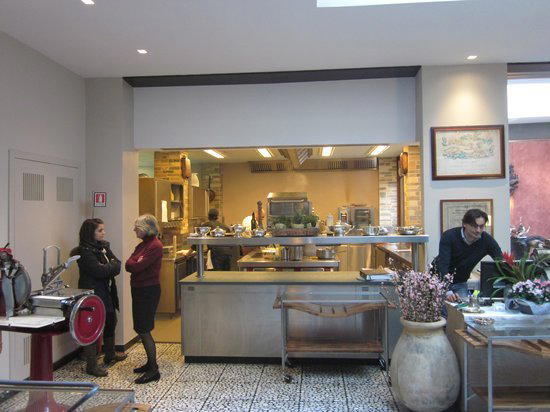
Where the Ligurian Coast Comes to the Table
The pedestrianised stretch of Via G.P. Vieusseux in Oneglia moves at the unhurried pace common to Ligurian port towns that have never needed to perform for tourists. Arrive at Salvo Cacciatori from the street side and the terrace reads as an extension of the neighbourhood rather than a stage set, with chairs and tables spilling onto stone pavement and the ambient noise of a working Italian town in the background. Inside, the room has been updated into a contemporary register, clean lines, measured elegance, without erasing the institutional weight of a place that has been feeding this corner of Imperia since 1906.
Why Provenance Defines the Cooking Here
Liguria's geography makes ingredient sourcing an unusually direct affair. The coastal strip between the Maritime Alps and the Ligurian Sea is narrow enough that the same morning's catch from the local fleet and the same day's harvest from terraced hillside gardens can arrive in a kitchen within hours of leaving the water or the soil. At Salvo Cacciatori, the menu is built on this structural advantage: traditional fish and seafood recipes form the foundation, and the kitchen's reinterpretation operates on top of that base rather than against it.
This is a meaningful distinction in contemporary Italian restaurant culture. At the €€€€ tier occupied by houses like Osteria Francescana in Modena, Enrico Bartolini in Milan, or Le Calandre in Rubano, the creative distance from regional tradition can be considerable, that is part of what commands those prices and that level of recognition. Salvo Cacciatori operates at €€€ and positions itself differently: as a restaurant where the regional tradition is the point, and personal interpretation is the inflection rather than the engine. The restaurant's recognition reflects consistency and discipline within that approach.
On the Ligurian coast specifically, the sourcing conversation centres on a handful of definitive ingredients. Locally caught fish, sea bream, anchovies, red mullet, depending on the season, arrive with the specificity of place. Ligurian olive oil, pressed from Taggiasca olives grown on terraced groves directly behind the coastline, carries a flavour profile lighter and more delicate than Tuscan or Apulian equivalents. Herbs from the hillsides above Imperia, particularly basil and marjoram, appear in the kind of quantity and freshness that flat-land kitchens cannot easily replicate. These are not incidental details; they are the structural logic of why Ligurian seafood cooking tastes the way it does, and why a kitchen with access to these sources has a genuine foundation to work from.
A Wine List Anchored in the Region, Extended Outward
Liguria produces a small volume of wine relative to its prominence as a dining destination, which means a serious wine list here requires deliberate curation. The region's signature whites, Vermentino and Pigato from the Riviera di Ponente, Bianchetta Genovese further east, have the salinity and aromatic lift that suit seafood cooking directly. The restaurant's list leads with Ligurian labels and extends to broader Italian and European producers, which is a rational architecture for a room where regulars may return frequently and want range beyond what the region's limited output can sustain. The underlying logic of anchoring a list in regional identity before expanding outward is sound across serious Italian houses.
The Terrace Question and When to Book
Oneglia's pedestrianised centre is most animated in the warmer months, when the terrace at the restaurant becomes the preferable option over the interior. If you want a terrace table, book ahead. This is practical advice rather than marketing language.6 across 240 reviews indicates a consistent following. That means weekend tables and summer terrace seats fill on local demand before external visitors arrive.
For planning purposes, the restaurant sits at Via G.P. Vieusseux 12 in Oneglia, Imperia. Oneglia and Porto Maurizio, the two historic towns that were merged into Imperia in 1923, have distinct characters; Oneglia leans commercial and residential, with a working port, while Porto Maurizio has the more pronounced historic centre. The restaurant is the kind of address that suits Oneglia's register: serious without being theatrical, rooted in local life rather than positioned for visitors.
Where This Sits in the Broader Italian Seafood Conversation
Italy's most decorated seafood-focused restaurants operate at different price tiers and with different ambitions. Uliassi in Senigallia and Quattro Passi in Marina del Cantone work at star level with the creative reach and price point that implies. Dal Pescatore in Runate occupies a different category altogether as a long-standing multi-starred inland house. At the mountain end of Italian creative cooking, some kitchens show how far Italian regional cooking can move when ambition operates without constraint. Piazza Duomo in Alba and Casa Perbellini 12 Apostoli in Verona show how strong regional identity and high technique coexist at the summit of the market.
The restaurant does not compete with any of those addresses on creative ambition or price. It competes on consistency, regional specificity, and the depth that comes from more than a century of operating in the same location with the same culinary focus. The Michelin Plate, held consecutively, is a signal of reliable quality rather than transformative cooking, and in a region where the ingredients justify careful, traditional treatment, that is an entirely defensible position.
How It Stacks Up
Comparable venues nearby, for context on price, style, and recognition.
| Venue | Cuisine | Price | Awards | Notes |
|---|---|---|---|---|
| Salvo CacciatoriThis venue — the venue you are viewing | Modern Ligurian Seafood | $$$$ | Michelin Plate | Not listed |
| Villa Tiboldi | Piedmontese Italian | $$$$ | Michelin Plate | Canale |
| Lamberti | Traditional Italian Seafood | $$$$ | Michelin Plate | Old Town Alassio |
| Osteria Mood | Modern Ligurian Seafood | $$$ | Michelin Plate | San Bartolomeo al Mare |
| Santamonica | Modern Ligurian Seafood | $$$$ | Michelin Plate | Albaro |
| Borgia Milano | Modern Italian Fine Dining | $$$$ | Michelin Plate | Porta Magenta |
Recognition history
Dated appearances from independent guides and award organizations, with the underlying list record or original source where available.
Michelin Plate
Michelin
Michelin Plate
Michelin
Michelin Plate
Michelin
Continue exploring
More in Oneglia
Restaurants in Oneglia
Browse all →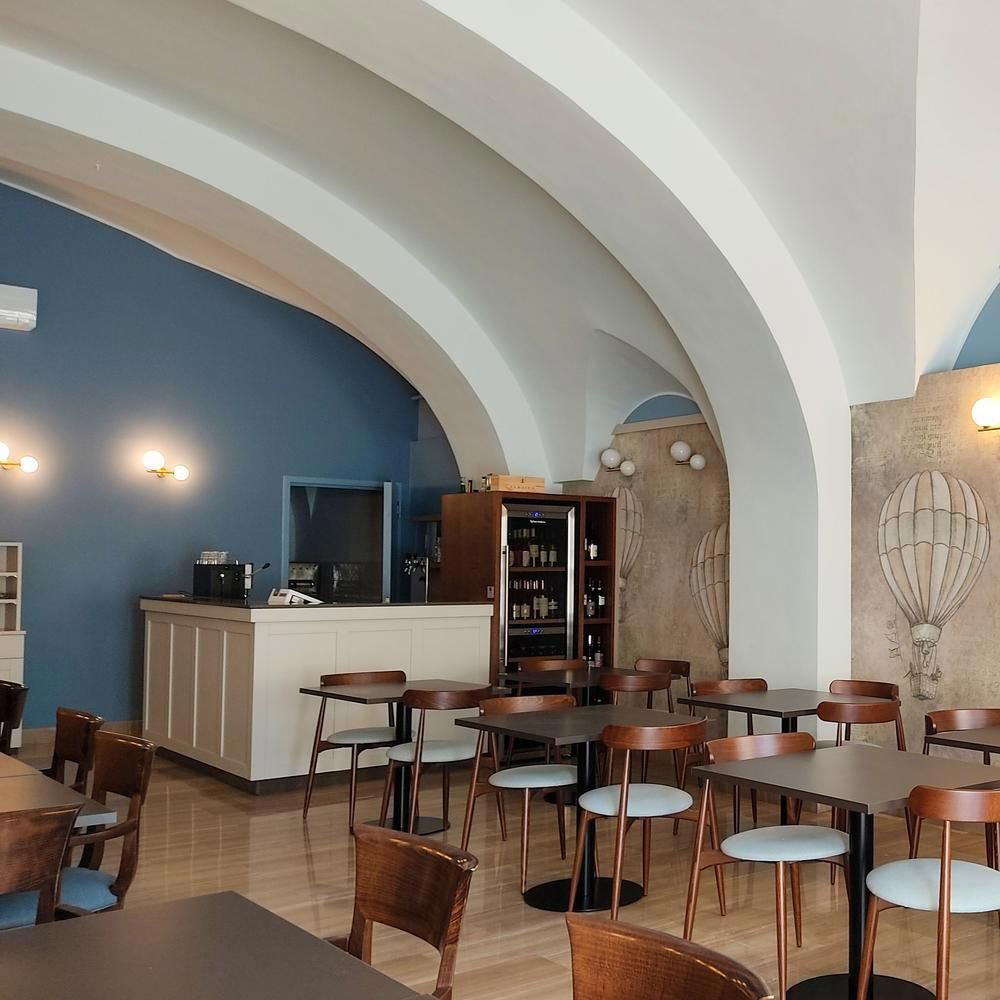
Bars in Oneglia
Browse all →
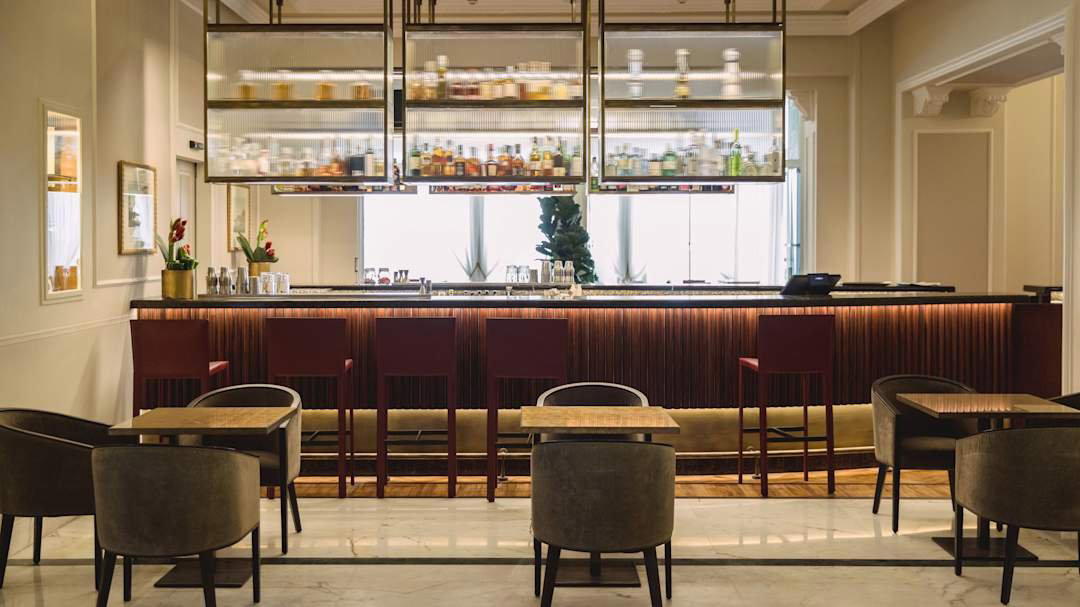
Hotels in Oneglia
Browse all →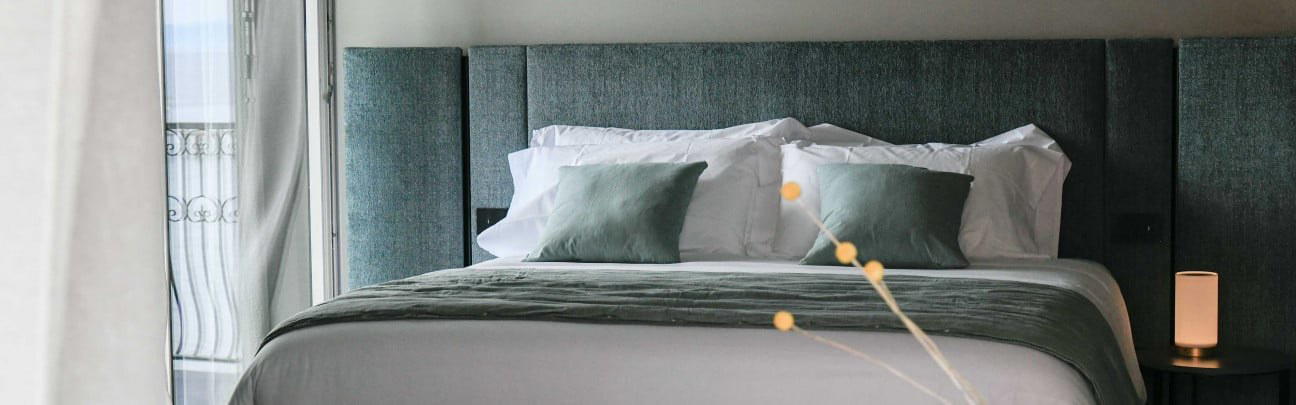

At a Glance
- Elegant
- Sophisticated
- Cozy
- Classic
- Date Night
- Special Occasion
- Business Dinner
- Terrace
- Historic Building
- Extensive Wine List
- Local Sourcing
- Street Scene
Current opening hours
- Monday
- Closed
- Tuesday
- 12:30–2 PM, 7:30–10 PM
- Wednesday
- 12:30–2 PM, 7:30–10 PM
- Thursday
- 12:30–2 PM, 7:30–10 PM
- Friday
- 12:30–2 PM, 7:30–10 PM
- Saturday
- 12:30–2 PM, 7:30–10 PM
- Sunday
- 12:30–2 PM
Hours can change for holidays and private events. Last verified .
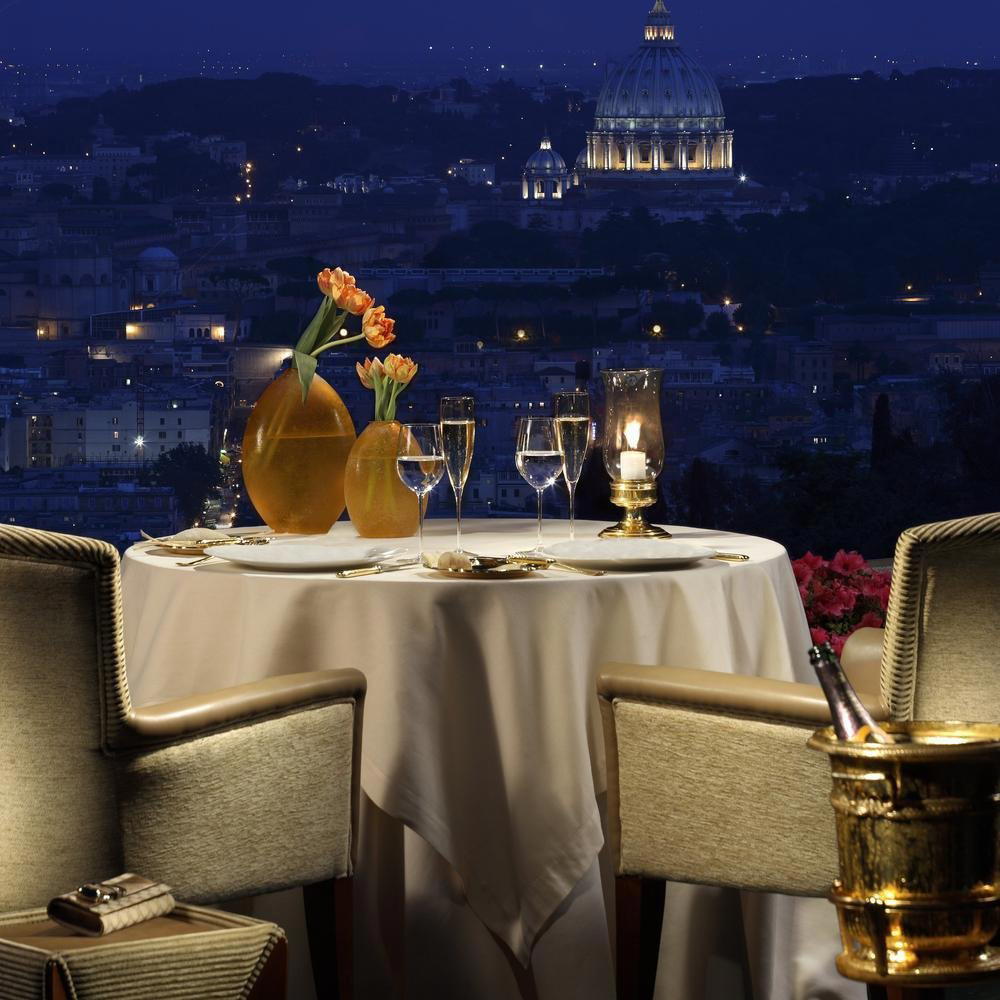
Soft lighting glints against brushed textures, linens fall with precise weight, and the quiet murmur of conversation sets a civilized rhythm.