Salt Yard

Salt Yard on Goodge Street has anchored London's Spanish-Italian small-plates scene since the mid-2000s, earning consecutive Opinionated About Dining Casual Europe recognition from 2023 through 2025,500 reviews. The format is counter-friendly and convivial, built around cured meats, charcoal-fired vegetables, and a wine list weighted toward the Iberian peninsula.
Pearl is the En Primeur Club membership app — saves, bookings, and concierge access live there. Same editors, same standards.
- Address
- 54 Goodge St, London W1T 4NA, United Kingdom
- Phone
- +44 20 7637 0657
- Website
- saltyard.co.uk
- Directions
- Get directions
 Saves & bookings on Pearl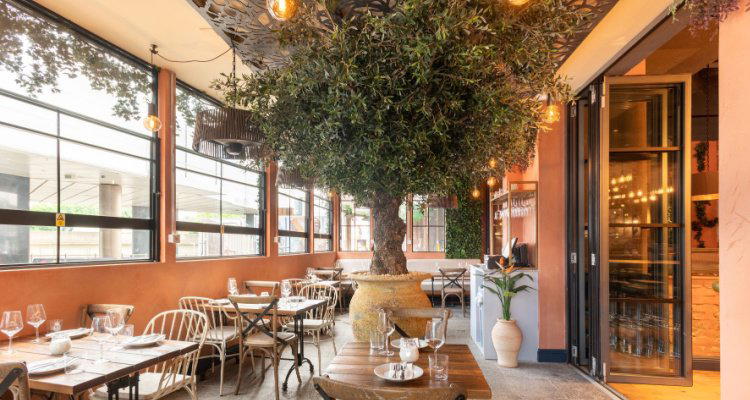
Where London's Small-Plates Culture Found Its Spanish Spine
Salt Yard is a London restaurant in Fitzrovia serving Spanish and Italian tapas. When Salt Yard opened on Goodge Street in the mid-2000s, the casual end of London dining was still catching up to what Barcelona and San Sebastián had normalised for decades: that one satisfying way to eat is often the least formal one. The format it championed, Spanish and Italian small plates with serious cured meats and a thoughtful wine list, has since produced an entire family of related addresses. Dehesa and Ember Yard belong to the same group and carry the same structural logic. That Salt Yard has remained the reference point across all of them says something about how precisely it calibrated the format from the start.
The address matters. Goodge Street sits at the quiet edge of Fitzrovia, far enough from the Soho circuit to attract a neighbourhood crowd rather than a tourist one, close enough to the West End that it remains accessible from most of central London. The room is not especially large, and the bar counter fills before the dining tables do on most evenings, which tells you something about how regulars prefer to use the place.
The Jamón Counter as Editorial Statement
In Spanish dining culture, the quality and provenance of cured ham functions as a credibility signal before any cooked dish arrives. The distinction between jamón serrano, produced from white pigs with broad geographic coverage across Spain, and jamón ibérico, made from acorn-fed black Iberian pigs and cured for a minimum of 24 months under designation rules, is not a marketing hierarchy, it reflects meaningfully different fat composition, depth of flavour, and price. At the summit of that hierarchy sits jamón ibérico de bellota, from pigs that have roamed dehesa oak groves in Extremadura, Huelva, or Salamanca during the final fattening phase. Establishments that take cured meats seriously enough to distinguish between these categories, and serve them at the right temperature and in the right cut thickness, are making a statement about how they understand Spanish food.
The restaurant's positioning within that tradition connects it to a specific tier of London tapas that treats ham as a category requiring knowledge rather than simply an item on a sharing board. The comparison set here is not the mainstream Spanish chain, where cured meats arrive pre-sliced and chilled, but rather a smaller group of London addresses, including El Pirata and the Clerkenwell institution Moro, that approach the Iberian pantry with genuine specificity. Further afield, the benchmark is set by pintxos bars in the Basque Country: addresses like Antonio Bar and Bar Bergara in San Sebastián, where cured products are treated as finished dishes rather than accompaniments.
Italian Inflection and the Small-Plates Framework
The Italian element in the restaurant's format is not superficial. While the structural bones are Spanish, the kitchen draws from Italian regional cooking in ways that shift the texture of the menu: charcuterie from Emilia-Romagna alongside Spanish cured cuts, courgette flowers that arrive battered and filled in the Roman tradition, a cheese selection that moves between Spanish manchego and aged Italian examples. This cross-peninsula approach is less a compromise than a recognition that both culinary traditions share a common logic: high-quality raw materials, minimal intervention, and a willingness to let cured, pickled, and preserved foods carry as much weight as anything cooked to order.
The format also reflects a practical reality about how London eats in the middle of the week. A table of two or three can graze across six or eight plates, spending as much or as little as the occasion demands, and leave without the structural commitment that a set menu or formal tasting format requires. That flexibility is part of why the small-plates model has proven durable in a city where dining occasions vary enormously in purpose and budget.
Recognition and Where It Sits in the Pecking Order
Opinionated About Dining, which surveys a network of experienced diners and critics rather than relying on a single inspector model, has tracked the restaurant across three consecutive cycles: a Recommended entry in 2023, a ranking of #595 in Casual Europe in 2024, and a position of #833 in the same category in 2025.681 reviewers adds a volume dimension to that specialist recognition.
For context, the top end of London's restaurant market sits at a considerable remove. Three-Michelin-star addresses like CORE by Clare Smyth operate at a different price point and with a different set of expectations. The restaurant does not compete in that tier and does not try to. Its comparable set is the mid-market casual category where cooking quality, product sourcing, and atmosphere must do the work that formal service and elaborate production cannot. Within that category, sustained OAD recognition over three years places it in a smaller group of addresses that consistently clear the quality bar.
The Fat Duck in Bray, L'Enclume in Cartmel, Moor Hall in Aughton, Gidleigh Park in Chagford, Hand and Flowers in Marlow, or Le Manoir aux Quat' Saisons in Great Milton sharpens what the restaurant represents: a different register entirely, casual, neighbourhood-facing, and built on product rather than production.
Planning Your Visit
The restaurant operates seven days a week from noon to 11 pm, which makes it one of the more accessible addresses in the area for late lunches or early dinners before a West End event. The kitchen under Ali Myumyun has maintained the group's standard across a format that rewards those who order broadly rather than conservatively.
Comparable Spots
Comparable venues nearby, for context on price, style, and recognition.
| Venue | Cuisine | Price | Notes |
|---|---|---|---|
| Salt YardThis venue — the venue you are viewing | Spanish & Italian Tapas | $$ | Not listed |
| José | Classic Spanish Tapas | $$ | Borough |
| El Pirata | Authentic Spanish Tapas | $$ | Mayfair |
| Morito Exmouth Market | Spanish/Moorish Tapas & Mezze | $$ | Clerkenwell |
| Prince Arthur | Modern Spanish Gastropub | $$$ | Belgravia |
| Kanada-Ya | Authentic Tonkotsu Ramen | $$ | St Giles |
Recognition history
Dated appearances from independent guides and award organizations, with the underlying list record or original source where available.
Opinionated About Dining Casual in Europe Recommended
Opinionated About Dining
Opinionated About Dining Casual in Europe Ranked #833
Opinionated About Dining
Opinionated About Dining Casual in Europe Ranked #595
Opinionated About Dining
Opinionated About Dining Casual in Europe Recommended
Opinionated About Dining
Continue exploring
More in London
Restaurants in London
Browse all →
Bars in London
Browse all →
Hotels in London
Browse all →


At a Glance
- Cozy
- Elegant
- Intimate
- Date Night
- Group Dining
- After Work
- Open Kitchen
- Extensive Wine List
- Local Sourcing
Current opening hours
- Monday
- 12–11 PM
- Tuesday
- 12–11 PM
- Wednesday
- 11:30 AM–11 PM
- Thursday
- 11:30 AM–11 PM
- Friday
- 11:30 AM–11 PM
- Saturday
- 12–11 PM
- Sunday
- 12–10 PM
Hours can change for holidays and private events. Last verified .
Crisp and classic interiors with bare wood, brown banquettes, and brass lampshades create a bar-like, cozy atmosphere.