Sale e Pepe

Sale e Pepe sits on South Collier Boulevard in the heart of Marco Island, Florida, bringing Italian coastal cooking to a stretch of the Gulf Coast where the local seafood supply and the Mediterranean tradition happen to align naturally. The kitchen draws on the ingredient logic of southern Italy, where proximity to water dictates the menu. For Marco Island's dining scene, it occupies a meaningful position in the mid-to-upper tier of the island's restaurant options.
Pearl is the En Primeur Club membership app — saves, bookings, and concierge access live there. Same editors, same standards.
- Address
- 480 S Collier Blvd, Marco Island, FL 34145
- Phone
- +12393931600
- Website
- sale-e-pepe.com
 Saves & bookings on Pearl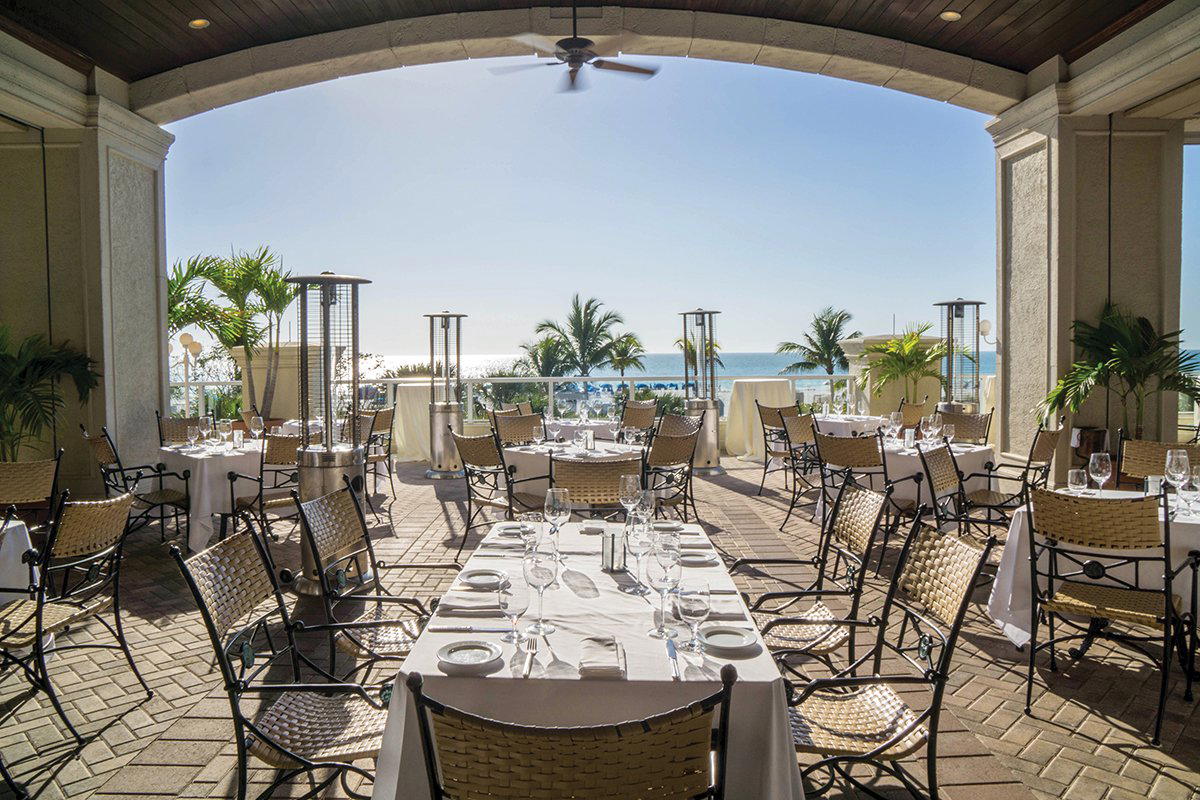
Where Gulf Waters Meet Italian Coastal Instinct
Marco Island is a barrier island at Florida's southwestern tip, separated from the mainland by a tidal estuary system that produces some of the Gulf Coast's most consistent shellfish and finfish. The island's restaurant scene reflects its geography: waterfront and near-waterfront rooms where the catch arrives with short supply chains and the kitchen's decisions are shaped by what came in that morning. Sale e Pepe, at 480 S Collier Blvd, sits inside that framework, applying Italian coastal cooking logic to a location where the raw material case for doing so is hard to argue against.
Italian seaside cooking, particularly from the Campanian and Sicilian traditions, has always treated fish and shellfish as the structural center of a meal rather than a supplement to meat-based courses. That tradition travels well to Gulf Coast Florida, where the warm, shallow waters yield grouper, snook, stone crab, and Gulf shrimp in quantities and qualities that reward the kind of simple, ingredient-forward preparation those Italian regional traditions demand. The further you move from that principle, the more you expose yourself to the risk of obscuring what the Gulf does well. Sale e Pepe's position on the island places it within easy reach of those supply lines, which matters more than any particular technique when the sourcing is this direct. For context on how seriously ingredient provenance can shape an entire restaurant's identity, venues like Blue Hill at Stone Barns in Tarrytown and Single Thread Farm in Healdsburg have made sourcing central to their identity. The Florida Gulf Coast version of that argument is less formalized but no less real.
The Sourcing Logic Behind Italian Seafood on the Gulf
The ingredient geography of Marco Island is worth understanding before you sit down anywhere on the island. The Ten Thousand Islands region to the south is one of the most complex estuarine systems in North America, generating nutrient-rich tidal flows that support a food chain ending in the kind of shellfish and fin fish that Italian coastal cooking was designed around. Stone crab claws, in particular, are a Florida Gulf specialty with no meaningful equivalent in Italy, but they slot naturally into the antipasto and crudo formats that define southern Italian seafood restaurants. Gulf pink shrimp, caught in nearby waters, carry a sweetness that is functionally closer to Mediterranean gambero rosso than to the industrial frozen product served at most American Italian restaurants.
This is the underlying case for Italian coastal cooking on Marco Island: the Mediterranean tradition is built around restraint and respect for marine ingredients, and the Gulf provides marine ingredients worth respecting. Where that argument breaks down is in rooms that treat the Italian framing as marketing rather than methodology, reaching for heavy cream sauces or overworked preparations that would obscure the same fish whether it came from the Tyrrhenian Sea or the Gulf of Mexico. The better Italian seafood restaurants along Florida's Gulf Coast resist that tendency, keeping preparation close to the source logic. Italian coastal cooking's core techniques, crudo, acqua pazza, light aglio e olio, citrus-forward dressings, preserve what's in the water rather than replacing it with what's in the pantry.
For comparison, the sourcing-first approach that defines restaurants like Providence in Los Angeles and Le Bernardin in New York City demonstrates how seriously American seafood dining takes provenance as a culinary argument, not just a marketing point. Marco Island operates at a different scale and price register than either of those rooms, but the underlying principle, that the sourcing decision is the cooking decision, applies regardless of geography or ambition level.
The Atmosphere Along South Collier
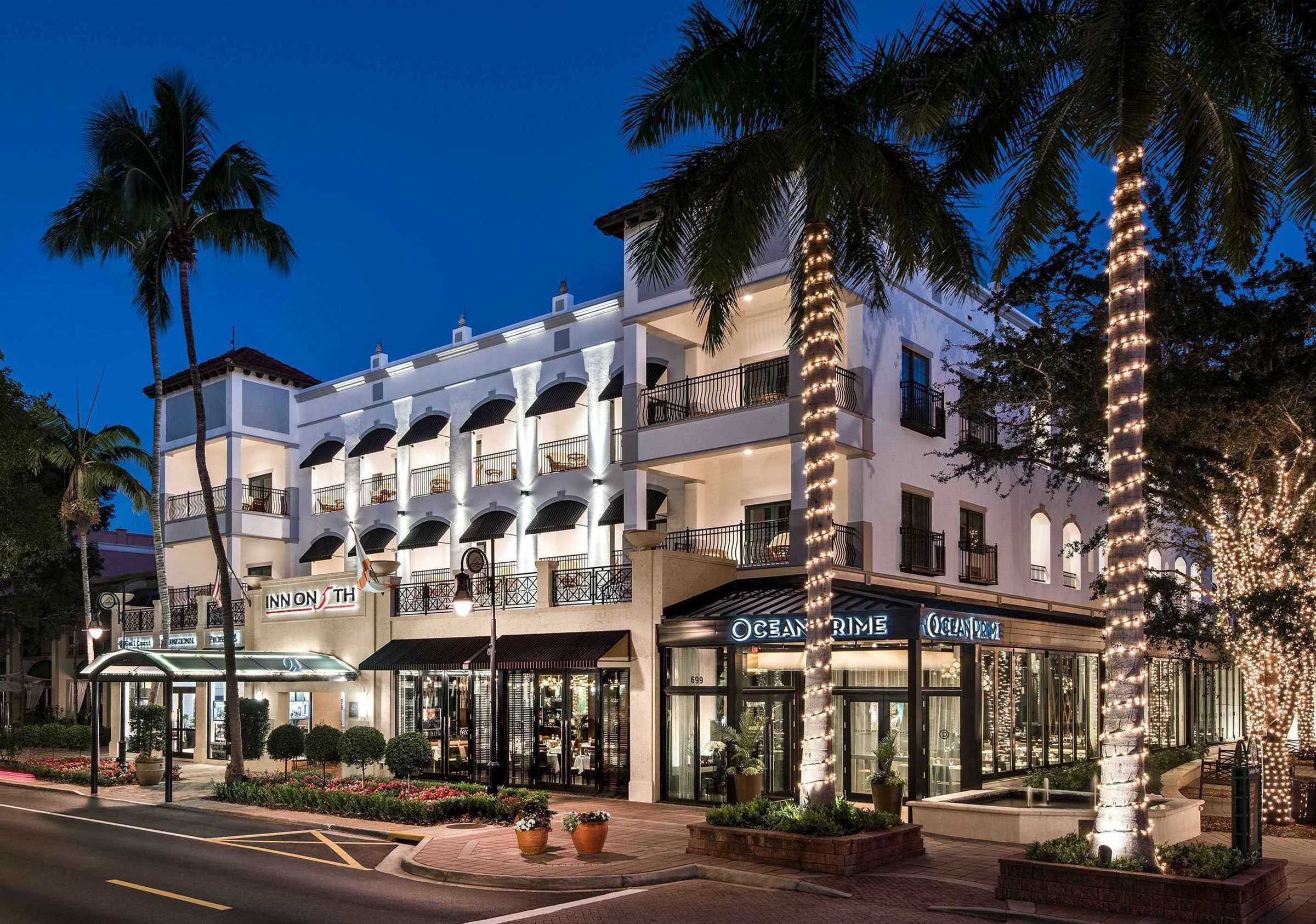
South Collier Boulevard is Marco Island's main commercial spine, running parallel to the beach with a mix of hotel restaurants, independent operators, and chain outposts serving a visitor demographic that skews toward families and couples on longer Gulf Coast stays. The street's restaurant density gives diners real comparison points within walking distance, which tends to sharpen the better operators. Rooms that rely on tourist capture without delivering on the plate find that Marco Island's repeat-visitor culture, many guests return annually, is less forgiving than a purely transient market.
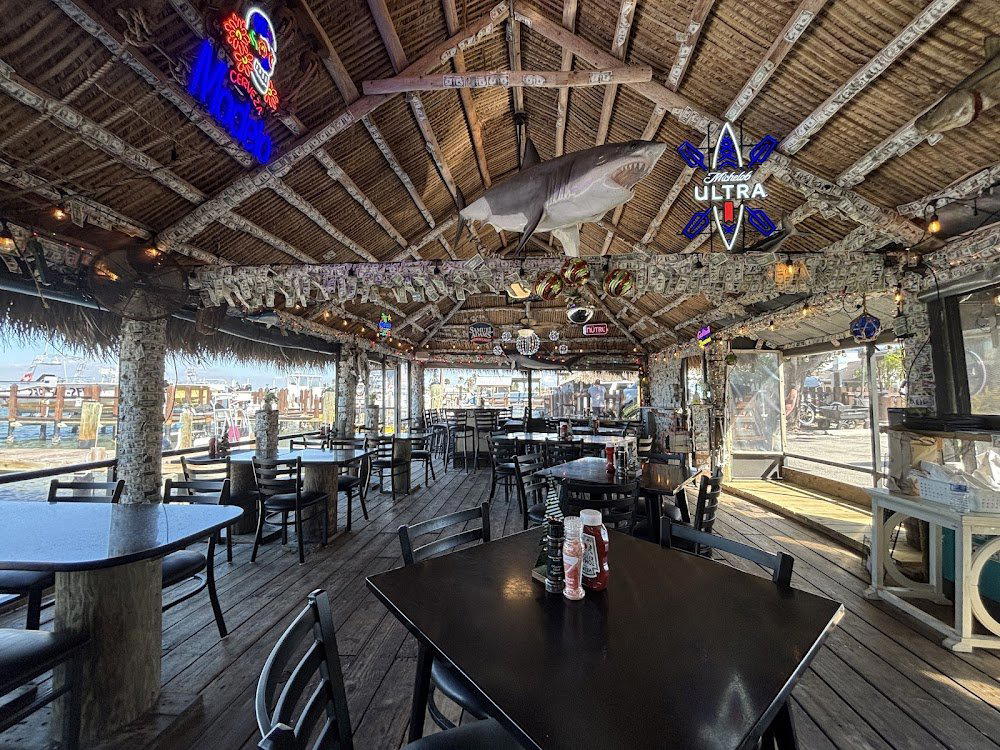
An Italian restaurant on this stretch operates in a space that the broader dining public understands intuitively: familiar cuisine category, coastal setting, the expectation of seafood done well. That familiarity creates both an opportunity and a risk. The opportunity is that the format requires no explanation; the risk is that Italian-American coastal restaurants are easy to execute at a mediocre level. The ones that earn sustained local loyalty in markets like this tend to do so through consistency of sourcing and kitchen discipline rather than through novelty or spectacle. The dining room atmosphere at venues in this segment of the Marco Island market typically runs toward relaxed rather than formal, with the Gulf Coast's general unwillingness to take itself too seriously showing up in the room tone even when the cooking is serious.
Marco Island in the Florida Fine Dining Spectrum
Florida's restaurant geography has consolidated significant critical attention around Miami, where venues like ITAMAE have built nationally recognized programs around Peruvian-Japanese seafood sourcing, and around Naples, which sits twenty miles north of Marco Island and carries a denser concentration of higher-end operators. Marco Island functions as a satellite of that Naples-area food culture, with a more resort-dependent dining economy and a smaller pool of year-round operators. The island's seasonal pattern, peak from November through April, slower through the summer, shapes which restaurants invest seriously in kitchen programs versus which ones optimize for volume during the busy months.
Italian restaurants occupy a particular niche in this ecosystem because the cuisine category travels well across the price spectrum, from casual pizza-and-pasta rooms to white-tablecloth seafood treatments, and because the tourist market is broadly comfortable with Italian as a category choice. The more interesting operators in this space use the cuisine's structural flexibility to run a room that serves both the casual end of the visitor market and the more serious local diner without compromising either. That is a harder balance to maintain than it looks, and the restaurants that hold it tend to develop the kind of repeat business that makes them durable fixtures in a seasonal market.
For readers comparing Gulf Coast Italian against the broader American Italian fine dining spectrum, reference points like Frasca Food and Wine in Boulder show how rigorously regional Italian methodology can be applied in an American context when the kitchen takes the sourcing and technique framework seriously. Closer to Florida, Emeril's in New Orleans illustrates how Gulf Coast ingredient access can anchor a restaurant's identity across decades of operation.
Planning Your Visit
Sale e Pepe is located at 480 S Collier Blvd, Marco Island, FL 34145, on the island's central commercial corridor within reach of the main beach hotels. Marco Island is most active between November and April, when the seasonal dining market is at its fullest and reservations at the better operators become worth securing in advance rather than walking in on the assumption of availability. Summer visits offer a slower pace and potentially more flexibility at the door, though some operators reduce hours or close briefly during the late summer off-season. Driving is the practical access mode for most visitors, as Marco Island's geography makes it car-dependent; parking along South Collier is generally available in adjacent lots. Sale e Pepe is open daily from 5 to 9 PM. Reservations are recommended.
Comparable Venues
Comparable venues nearby, for context on price, style, and recognition.
| Venue | Cuisine | Price | Awards | Notes |
|---|---|---|---|---|
| Sale e PepeThis venue — the venue you are viewing | Authentic Regional Italian with Southern Italian Focus | $$$$ | , | |
| Angelina's Ristorante | Fine Italian | $$$$ | , | Bonita Springs |
| Bellini | Coconut Grove | Modern Italian Fine Dining | $$$$ | , | Coconut Grove |
| Gabriella's Modern Italian | Modern Italian | $$$$ | , | Downtown Delray Beach |
| Lido Restaurant at The Surf Club | Modern Italian Fine Dining | $$$$ | Surfside | |
| Pari Pari | Japanese Handroll Bar with French Fusion | $$$$ | , | Wynwood |
Continue exploring
More in Marco Island
Restaurants in Marco Island
Browse all →



At a Glance
- Romantic
- Elegant
- Sophisticated
- Scenic
- Date Night
- Special Occasion
- Business Dinner
- Celebration
- Waterfront
- Terrace
- Private Dining
- Panoramic View
- Hotel Restaurant
- Extensive Wine List
- Sommelier Led
- Corkage Allowed
- Byob
- Local Sourcing
- Waterfront
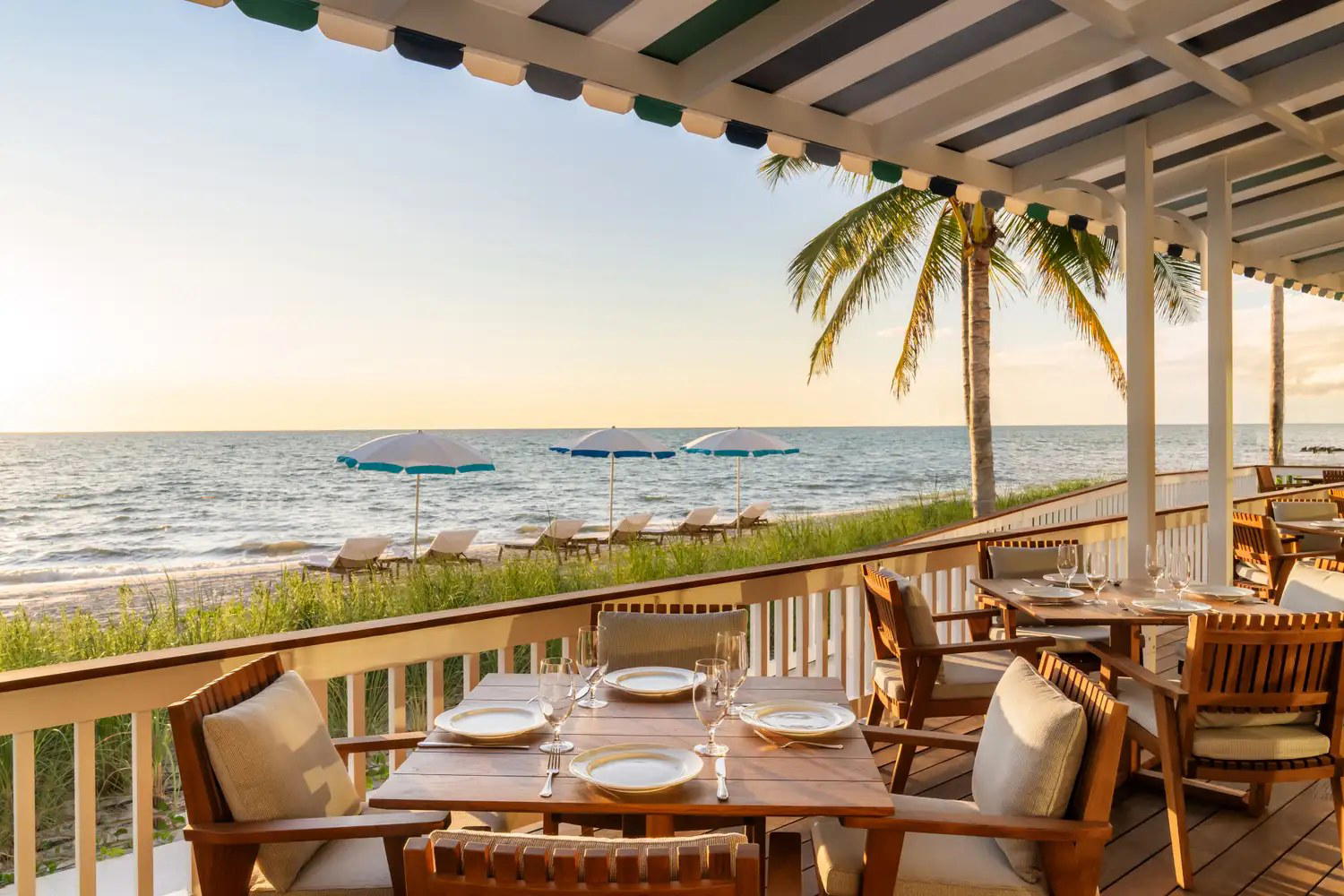
Intimate and sophisticated with aged stone, marble floors, arabesque walls, and hand-painted frescoes; romantic sunset dining available on the terrace.