Sal & Judy's
Sal & Judy's sits along US-190 in Lacombe, Louisiana, where the cooking draws from the coastal marshes and agricultural corridors of the north shore. The restaurant has become a reference point for Creole and Italian-inflected cooking in St. Tammany Parish, rooted in the kind of ingredient-driven approach that defines the region's most serious tables. It belongs to a dining tradition that treats sourcing as the whole argument.
Pearl is the En Primeur Club membership app — saves, bookings, and concierge access live there. Same editors, same standards.
- Address
- 27491 US-190, Lacombe, LA 70445
- Phone
- +19858829443
- Website
- salandjudys.com
- Directions
- Get directions
 Saves & bookings on Pearl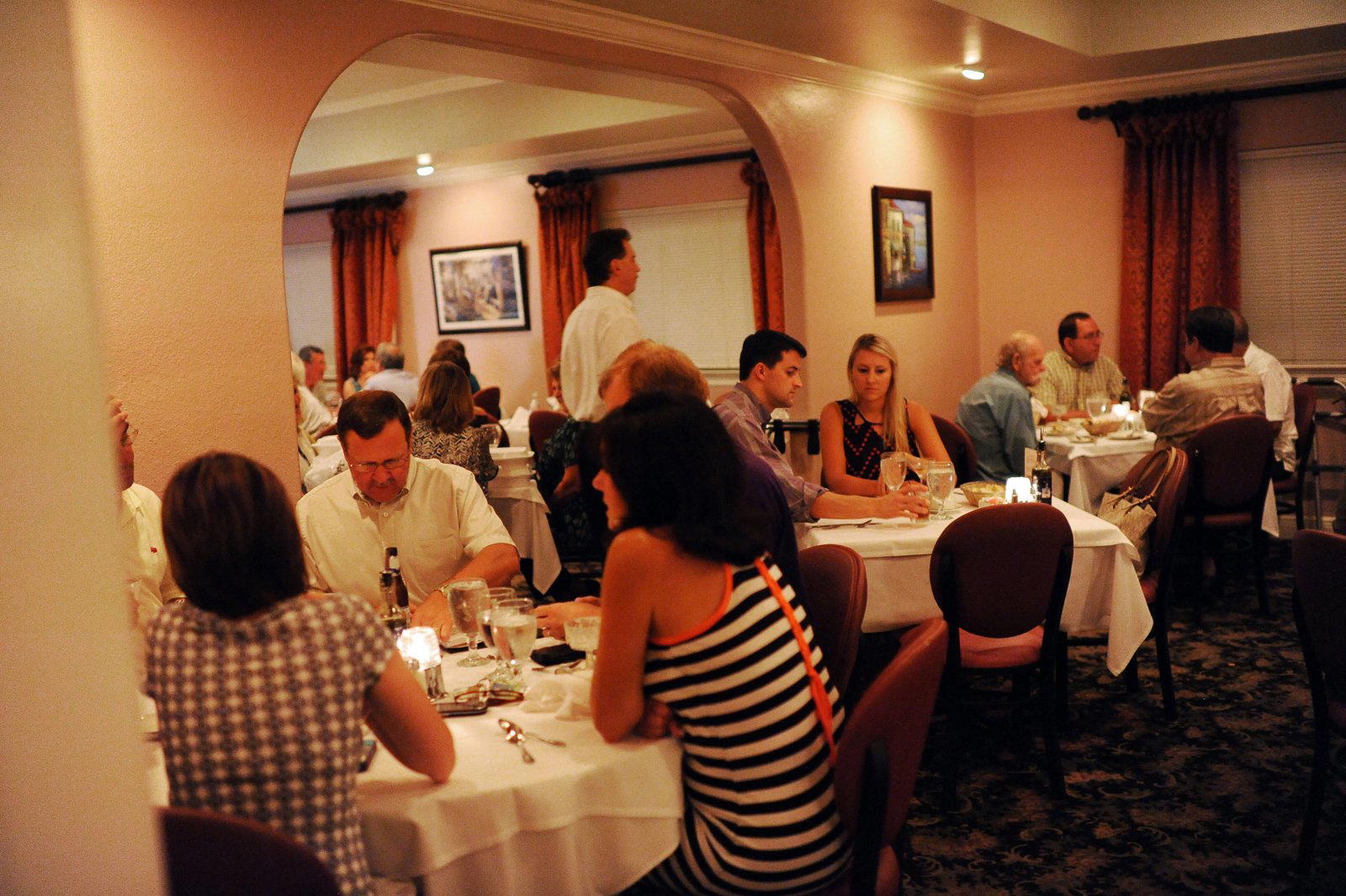
North Shore Cooking, Grounded in What the Land and Water Provide
The parishes north of Lake Pontchartrain have long occupied an underappreciated position in Louisiana's culinary geography. While New Orleans absorbs most of the attention, the north shore, stretching through Lacombe, Mandeville, and Covington, has quietly maintained a dining culture rooted in what the surrounding wetlands, farms, and fishing grounds produce. Sal & Judy's, positioned along US-190 in Lacombe, belongs to that tradition. The approach here is less about trend-following and more about fidelity to a particular place and its outputs, the kind of cooking that situates itself firmly within a regional sourcing logic rather than importing ingredients from elsewhere to perform a cuisine.
That orientation matters in Louisiana more than in most American states. The state's ingredient base is legitimately distinctive: Gulf shrimp and speckled trout from coastal waters, crab from the brackish marshes, local oysters whose salinity shifts with the season, and a network of small farms that supply produce and proteins to restaurants across the region. The leading north shore tables, and Sal & Judy's is among the more discussed in St. Tammany Parish, draw from these systems rather than bypassing them. That sourcing discipline is what separates the region's more serious cooking from generic American dining that happens to use Cajun seasoning.
What the Setting Says Before the Food Arrives
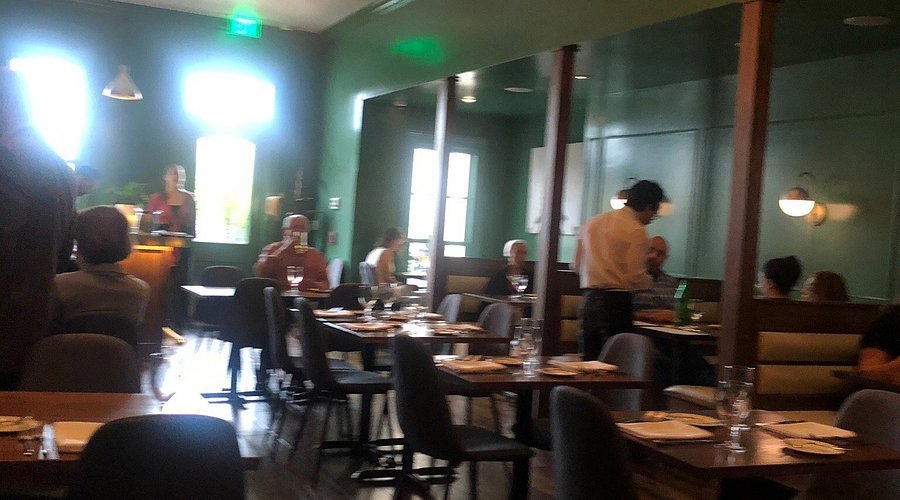
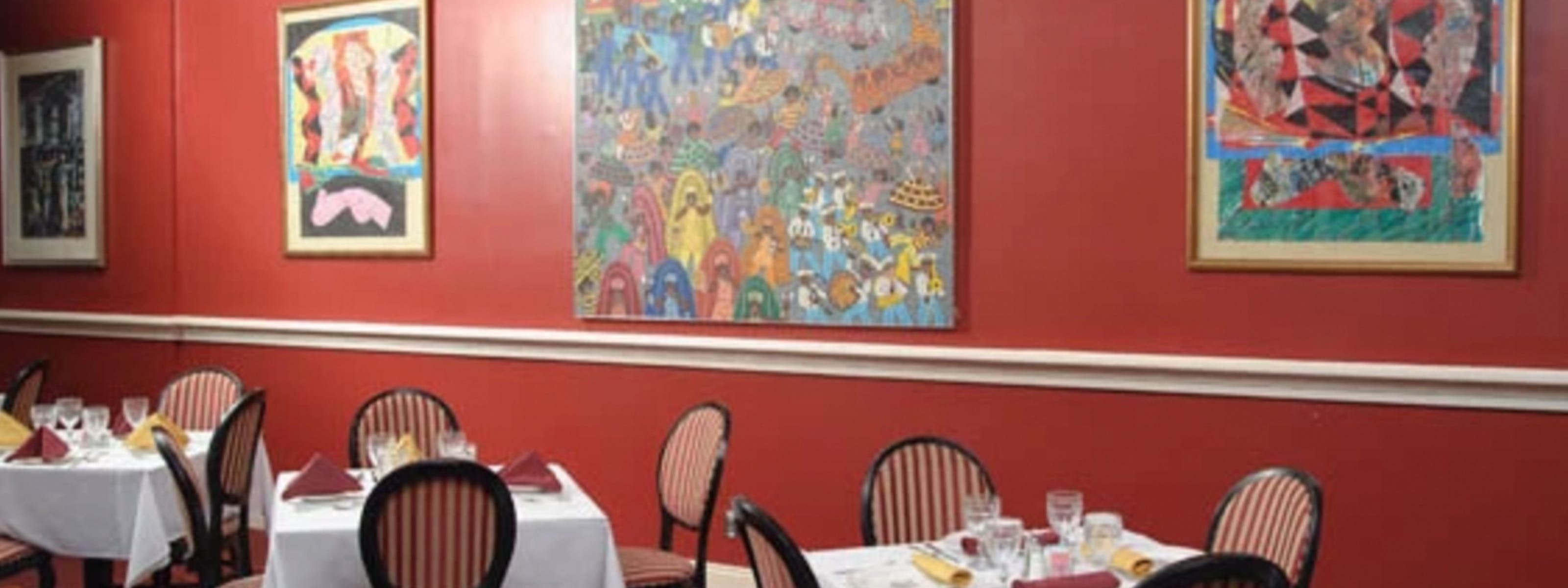
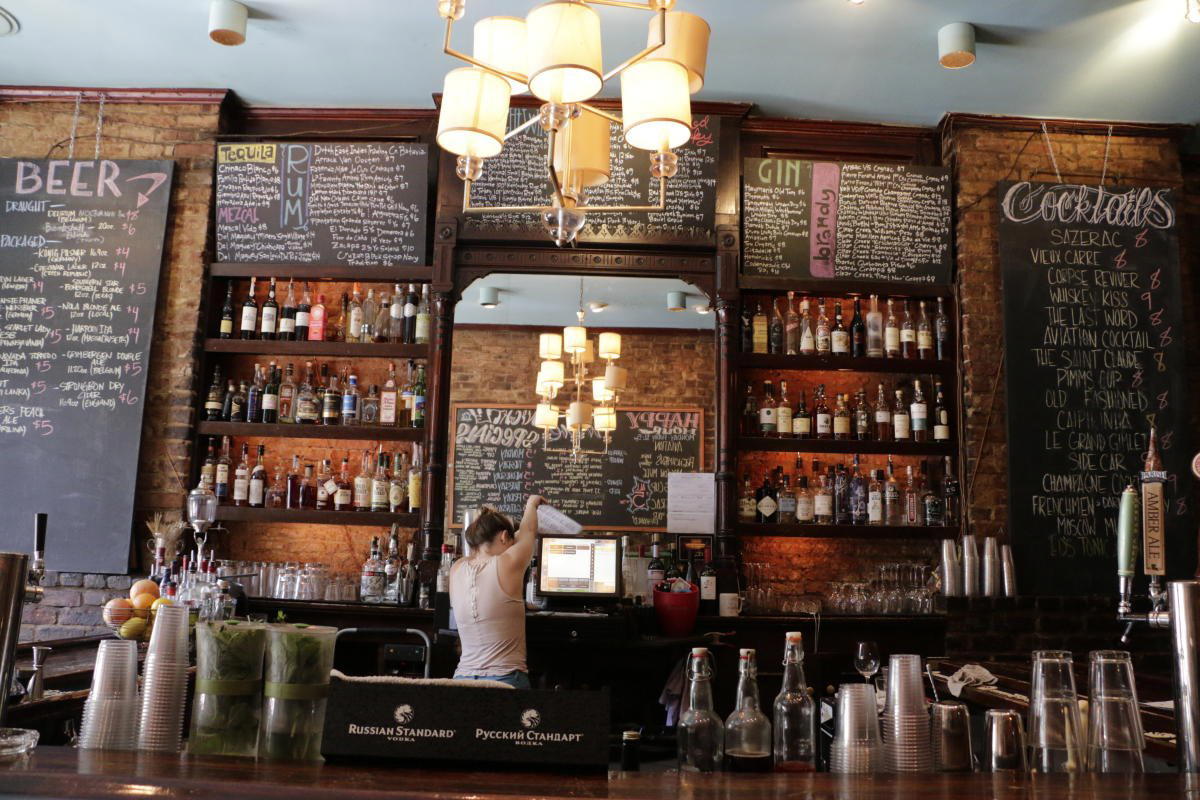
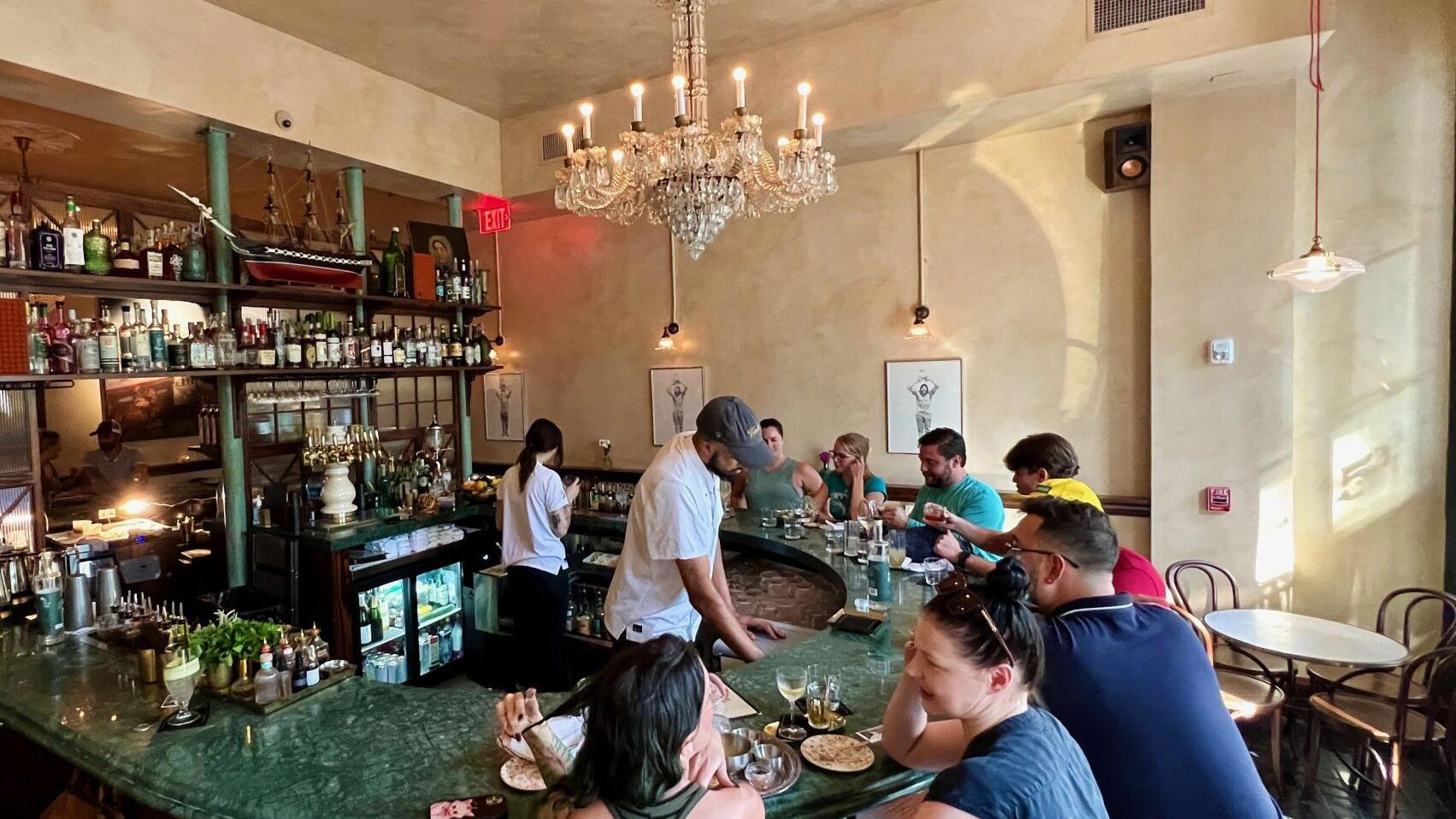
Lacombe is not a destination town in the conventional sense. The stretch of US-190 that runs through it is a two-lane corridor flanked by pines and live oaks, with the kind of low-key commercial frontage that characterizes small-town Louisiana. Sal & Judy's occupies that landscape without apology. The exterior gives little away, which is consistent with how most of the region's serious cooking operates: the room is the thing, not the architecture around it. Inside, the atmosphere runs toward the casual and well-worn in the leading sense, the kind of room that has absorbed years of serious meals and doesn't need to announce itself. This positions it well away from the high-production dining environments of New Orleans, closer in spirit to the family-run Italian-Creole hybrid that has fed Louisiana's coastal communities for generations.
That hybrid identity is worth pausing on. Louisiana's Italian-American community, concentrated heavily in New Orleans and its surrounding parishes, contributed one of the state's most durable culinary threads. The combination of Creole technique with Italian structural instincts, the pasta, the red gravies, the emphasis on slow-cooked protein, produces a category that has no real equivalent elsewhere in the American South. Sal & Judy's operates within that tradition, and it is a tradition with genuine historical depth rather than a novelty positioning.
Ingredient Sourcing as the Central Argument
In American fine dining's current conversation, farm-to-table language has become so ubiquitous that it risks losing meaning. Restaurants from Single Thread Farm in Healdsburg to Blue Hill at Stone Barns in Tarrytown have made sourcing their primary editorial identity, and rightly so at that level of ambition and scale. But the same principle operates differently in a regional context like St. Tammany Parish, where the supply chain is not curated for prestige but is simply the local reality. Gulf seafood arrives because it is what the water produces. Seasonal vegetables come from the immediate agricultural belt. The sourcing is not a marketing position; it is a default.
That distinction matters when placing Sal & Judy's in its proper context. This is not a restaurant performing proximity to ingredients. The north shore's cooking tradition has always been shaped by what is available locally, because for much of the twentieth century, that was the practical constraint as much as the philosophy. The result is cooking that reads as grounded rather than aspirational, which in the current climate is its own form of credibility.
Across the American south and elsewhere, the restaurants that age leading tend to be the ones whose identity doesn't depend on a trend cycle. Bacchanalia in Atlanta has made that argument in its own market. Frasca Food & Wine in Boulder made it in Colorado. In each case, the longevity comes from a coherent sourcing and culinary philosophy applied consistently over time, not from chasing what is current. Sal & Judy's occupies a comparable position in its smaller, more localised market.
Where It Sits in the Regional Dining Picture
New Orleans remains Louisiana's dominant dining city, and restaurants like Emeril's in New Orleans have shaped how the region's cooking is understood nationally. The north shore operates in a different register: fewer visiting diners, a more stable local clientele, and less pressure to perform for an audience expecting the theatrical version of Louisiana cuisine. Sal & Judy's fits that profile. It is a restaurant that has developed a reputation among people who know the area, rather than one that trades on a national profile.
For context on where Lacombe's dining sits within Louisiana's wider scene, our full Lacombe restaurants guide maps the local options by category and price tier. Compared to the tasting-menu formalism of properties like The French Laundry in Napa or Alinea in Chicago, the north shore tradition that Sal & Judy's represents is deliberately unpretentious, favouring depth of flavour over technical display. That is a considered position, not a limitation. Similarly, Lilette (New American) offers another point of reference for understanding the breadth of the local scene.
Planning Your Visit
Sal & Judy's is located at 27491 US-190 in Lacombe, accessible by car from both New Orleans (roughly 45 minutes across the causeway) and from the Covington and Mandeville corridor to the west. Given its local reputation and relatively modest size, weekend evenings in particular tend to fill early. Arriving without a reservation on a Friday or Saturday carries real risk. Its standing within the St. Tammany dining community is the relevant benchmark for managing expectations: this is a neighborhood institution, not a splashy destination requiring months of advance planning.
The address on US-190 is confirmed.
- Trout Meunière
- Lasagna
- Cannelloni
- Spaghetti
- Soft Shell Crab
- Shrimp Scampi
- Bacci
How It Stacks Up
Comparable venues nearby, for context on price, style, and recognition.
| Venue | Cuisine | Price | Notes |
|---|---|---|---|
| Sal & Judy'sThis venue — the venue you are viewing | Creole-Italian | $$ | Not listed |
| Lilette | French Bistro | $$$ | Touro |
| Rocky & Carlo's | Sicilian-Italian & New Orleans Comfort Food | $$ | Chalmette |
| Adolfo's Restaurant | Creole-Italian | $$ | Marigny |
| Domenica | Modern Italian Pizza and Pasta | $$ | Central Business District |
| Caffe Caffe | Italian Cafe Sandwiches & Breakfast | $$ | Metairie |

At a Glance
- Rustic
- Classic
- Cozy
- Family
- Group Dining
- Casual Hangout
- Special Occasion
- Standalone
- Extensive Wine List
- Local Sourcing
Current opening hours
- Monday
- Closed
- Tuesday
- Closed
- Wednesday
- 5–9:30 PM
- Thursday
- 5–9:30 PM
- Friday
- 5–9:30 PM
- Saturday
- 5–9:30 PM
- Sunday
- 12–6 PM
Hours can change for holidays and private events. Last verified .
Country-style friendly service in an intimate, unpretentious setting that draws loyal customers from across South Louisiana despite its remote location.