On Rue Saint-Melaine in central Rennes, Sakura Ya occupies a corner of the city's dining scene where Japanese culinary tradition and Breton context meet. The address sits within walking distance of Place Saint-Anne and the city's food-conscious Thabor quarter, placing it among a generation of restaurants that have pushed Rennes beyond its reputation as a purely regional French table. Booking ahead is advisable, particularly at weekends.
Pearl is the En Primeur Club membership app — saves, bookings, and concierge access live there. Same editors, same standards.
- Address
- 15 Rue Saint-Melaine, 35000 Rennes, France
- Phone
- +33221078260
- Website
- lessakura.fr
- Directions
- Get directions
 Saves & bookings on Pearl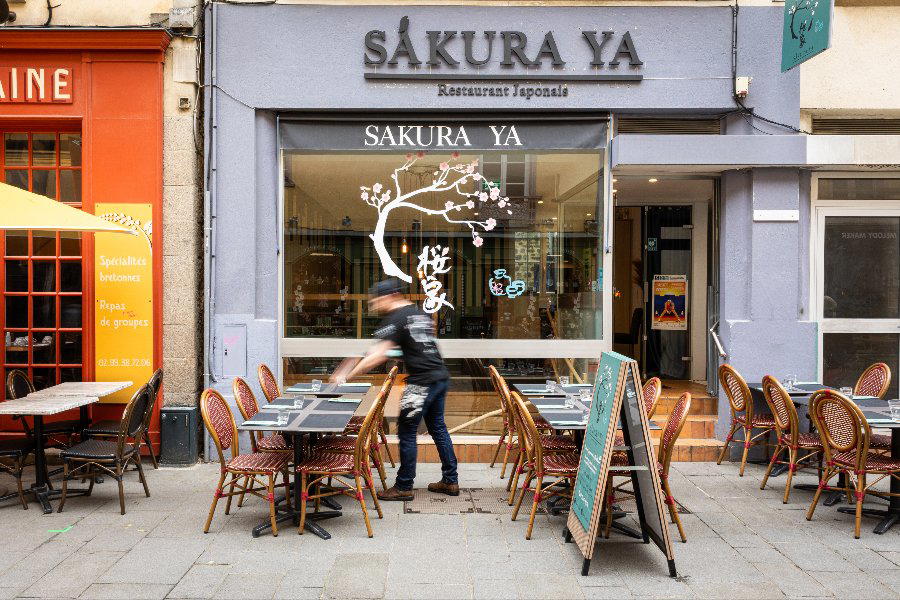
Where Japanese Dining Takes Root in Rennes
Rue Saint-Melaine runs through one of Rennes's quieter residential quartiers, a street more associated with morning bakeries and neighbourhood wine shops than with destination dining. That context matters. Japanese restaurants in French provincial cities have moved steadily away from the sushi-conveyor model toward something more considered: smaller rooms, tighter menus, and a closer relationship between Japanese technique and local ingredient supply. Sakura Ya, at number 15, sits inside that broader shift. The address itself signals something about the venue's positioning: not a central, tourist-facing location, but a street where a restaurant earns its clientele through word of mouth and consistency rather than foot traffic.
Rennes as a Dining City: Beyond the Breton Table
For most of the last century, Rennes's culinary identity was inseparable from Brittany's larder: buckwheat galettes, oysters from the Cancale beds, cider from local orchards. That foundation remains, and venues like Breizh Café Rennes continue to make the case for Breton cuisine as a serious proposition. But the city's restaurant scene has diversified considerably. A younger generation of chefs and restaurateurs has introduced creative and international formats that work alongside, rather than in competition with, the regional tradition. Ima operates at the higher end of that creative tier, while Bombance and Alphonse each occupy distinct positions across the modern and creative ranges. Benèze adds further texture to the mid-tier offer. It is within this widening field that Japanese dining in Rennes has found a more stable footing. See our full Rennes restaurants guide for a complete picture of where the city currently sits.
The Evolution of Japanese Dining in French Provincial Cities
The arc of Japanese restaurants in cities like Rennes follows a pattern visible across provincial France over the past twenty years. A first wave, arriving in the late 1990s and 2000s, operated largely on familiarity: maki rolls, teriyaki, and bentō formats designed to introduce, not challenge. A second wave, accelerating through the 2010s, brought more disciplined kitchens, menus anchored in a single Japanese regional tradition rather than a pan-Japanese spread, and a willingness to source locally for fish, vegetables, and dairy while keeping the structural logic of Japanese cookery intact. This is the context in which venues operating under names like Sakura Ya must now be understood. The name itself, referencing the cherry blossom, is common across French Japanese restaurants and carries no automatic signal about format or ambition. What distinguishes one address from another in this category is the specificity of the menu and the discipline of the kitchen's relationship to its source materials.
Across France, the Japanese restaurant tier that has attracted critical attention sits at the intersection of rigorous Japanese technique and French regional produce. That conversation is most developed in Paris, where the density of well-trained Japanese chefs is highest, but it extends into regional cities with enough dining population to sustain serious work. Rennes, with its student population, its food-aware professional class, and its proximity to notable Breton seafood, has the conditions to support a kitchen working at that intersection.
Placing Sakura Ya in Its comparable set
What can be said is that the address on Rue Saint-Melaine places the venue in a neighbourhood where rent economics allow for a more considered operation than a high-visibility central location would require. Japanese restaurants in this kind of urban pocket, across French cities of comparable size to Rennes, tend to run smaller rooms with tighter covers, which in turn affects the quality of service and the consistency of execution that a kitchen can maintain across a service. That model has proven more durable than the larger, more casual formats that dominated the first wave of Japanese dining in provincial France.
For reference points at the far end of the French fine dining range, venues like Alléno Paris au Pavillon Ledoyen, Mirazur in Menton, and Troisgros in Ouches set the benchmark for what French dining at its most technically ambitious looks like. Regional stalwarts like Auberge de l'Ill in Illhaeusern, Bras in Laguiole, and Flocons de Sel in Megève illustrate how seriously French regional dining takes its local ingredient identity. What is interesting about the leading Japanese restaurants working in France's provincial cities is that they absorb some of that regional seriousness, using the local larder as a Japanese kitchen would use it rather than as a French one would. That is a different creative proposition from what you encounter at Paul Bocuse's Auberge du Pont de Collonges, Assiette Champenoise in Reims, or Au Crocodile in Strasbourg, and it is one that rewards attention in cities like Rennes. Internationally, the Japanese-French dialogue in dining finds its most sophisticated expression at addresses like Atomix in New York and, for French technique applied to seafood, Le Bernardin; the provincial French equivalent operates on a more compressed scale, but the underlying ambition is comparable. Similarly, AM par Alexandre Mazzia in Marseille demonstrates how a regional French city can sustain genuinely ambitious cooking when the kitchen has a clear point of view.
Planning Your Visit
The restaurant's address at 15 Rue Saint-Melaine places it a walkable distance from the Place Saint-Anne and the Thabor neighbourhood, reachable from Rennes city centre without requiring transport. The street is quiet by Rennes standards, which means arriving on foot from the direction of the old town takes you through the city's more architecturally coherent historic fabric rather than its commercial centre. Booking in advance is the sensible approach for any weekend visit, and midweek tables are typically more accessible.
Reputation First
Comparable venues nearby, for context on price, style, and recognition.
| Venue | Cuisine | Price | Notes |
|---|---|---|---|
| SAKURA YAThis venue — the venue you are viewing | Authentic Japanese Street Food | $$ | Not listed |
| Le 2 rue des Dames | Modern French Market Bistro | $$ | Cathédrale |
| La Mirlitantouille | French Bistro | $$ | Cathédrale |
| Alphonse | Traditional French Bistro | $$ | Saint-Hélier |
| Chez P'tit Louis | Modern French Bistro | $$ | City centre |
| Coquille | French Bistro | $$ | Cathédrale |
Continue exploring
More in Rennes
Restaurants in Rennes
Browse all →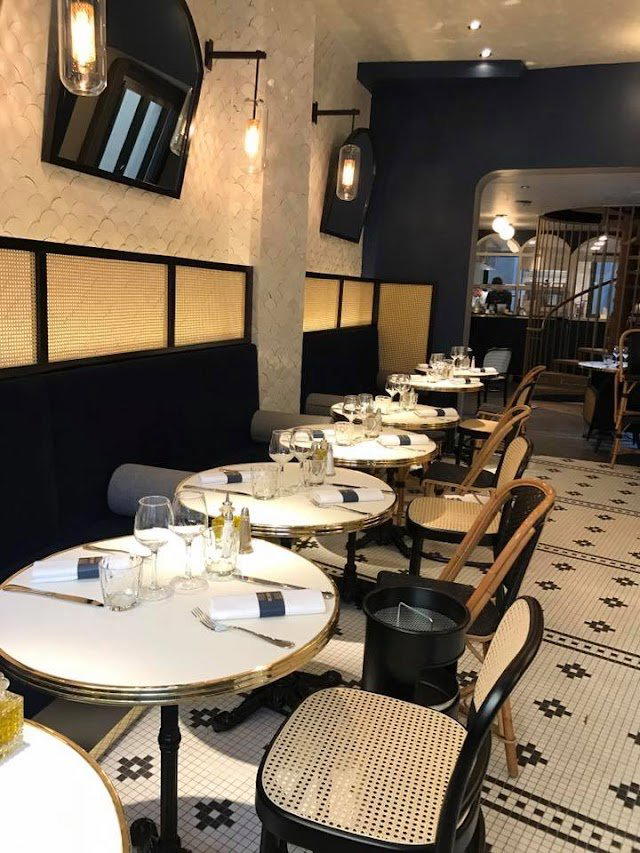
At a Glance
- Cozy
- Intimate
- Casual Hangout
- After Work
- Standalone
- Sake Program
Current opening hours
- Monday
- Closed
- Tuesday
- 12–2 PM, 7–9:30 PM
- Wednesday
- 12–2 PM, 7–9:30 PM
- Thursday
- 12–2 PM, 7–9:30 PM
- Friday
- 12–2 PM, 7–9:30 PM
- Saturday
- 12–2:30 PM, 7–9:30 PM
- Sunday
- Closed
Hours can change for holidays and private events. Last verified .
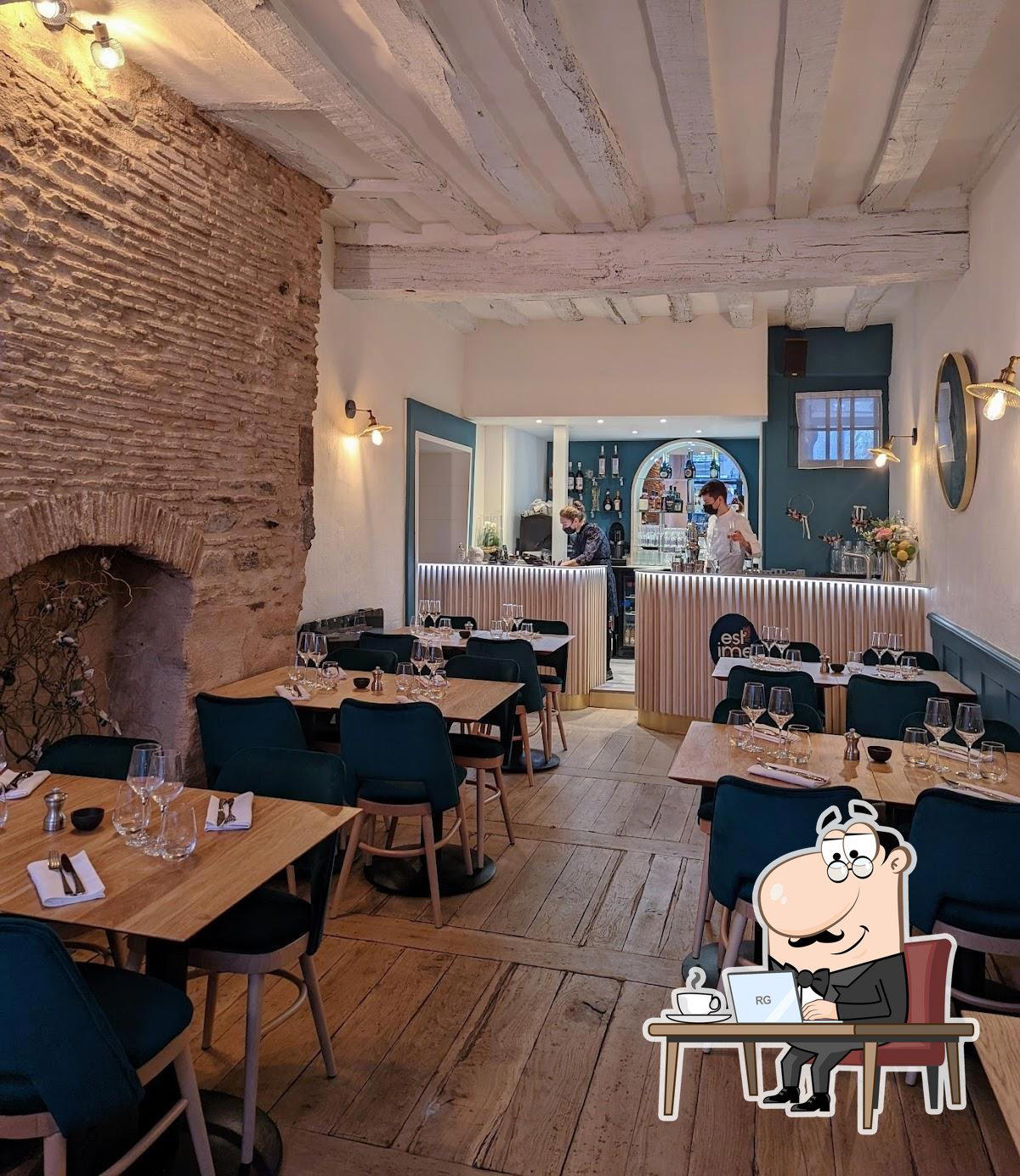
Convivial and welcoming atmosphere in a small historic center spot with focus on food quality.