Saki Asian Restaurant
Our verdict
Saki Asian Restaurant sits on N Oak Trafficway in Gladstone, just north of Kansas City proper, serving Asian cuisine in a suburban corridor where this style of cooking is underrepresented. The lunch and dinner divide here is worth understanding before you go: daytime draws a quieter, value-focused crowd, while evenings shift the mood and the menu's ambitions. For Kansas City diners looking beyond the city's well-documented barbecue circuit, Saki offers a different register entirely.

Pearl is the En Primeur Club membership app — saves, bookings, and concierge access live there. Same editors, same standards.
- Address
- 6253 N Oak Trafficway, Gladstone, MO 64118
- Phone
- (816) 381-6666
- Hours
- Mon ClosedTue–Sun 11 AM–9 PM
- Website
- sakinorthland.com
- Directions
- Get directions
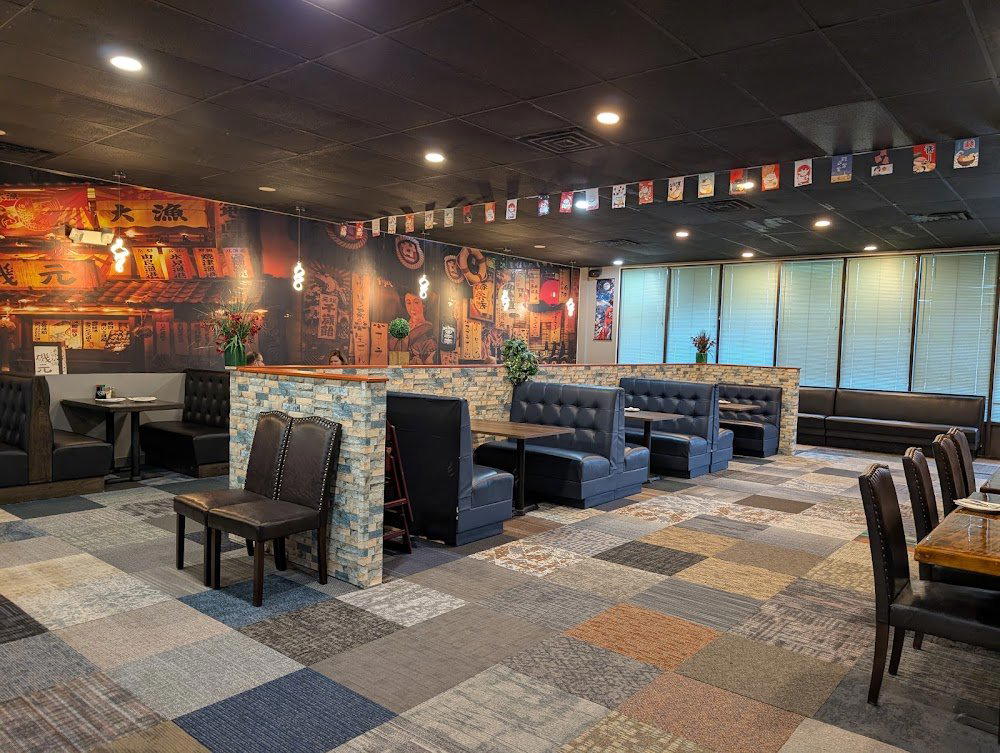
The menu
What to order
- Crab Rangoon
- Beef Drunken Noodles
- Pink Lady Roll
North of the City, Outside the Usual Circuit
Kansas City's dining conversation tends to collapse around two poles: the downtown fine-dining cluster and the barbecue institutions that have defined the city's national identity for decades. Places like Arthur Bryant's Barbeque carry that tradition with well-earned authority. But the suburban corridors north of the city limits tell a quieter story, one shaped by neighborhood regulars rather than food-media attention. Saki Asian Restaurant, located at 6253 N Oak Trafficway in Gladstone, Missouri, operates in that register. It serves the residents of a zip code — 64118 — that sits well outside the usual critical radius, and that geographic remove shapes everything about how the restaurant functions.
Gladstone is not a dining destination in the way that the Crossroads Arts District or the 39th Street corridor are. The restaurant scene along N Oak Trafficway is utilitarian by design: strip-mall anchored, parking-forward, and built around repeat local use rather than destination traffic. For the Kansas City diner who spends most of their time tracking the work coming out of kitchens like Antler Room or the French-inflected cooking at Aixois, Saki represents a different axis of the city's food life entirely. It is the kind of place that functions as a weekly fixture for people who live within a few miles of it, rather than a pilgrimage point for diners crossing town.
The Lunch and Dinner Divide
Across Asian restaurants operating in American suburban markets, there is a consistent pattern in how lunch and dinner service are structured. Lunch tends toward faster formats, tighter menus, and value-anchored pricing, often with combination plates and soup-included sets that reflect the midday crowd's preference for efficiency. Dinner opens the kitchen's range, allows for tableside pacing, and typically draws a more varied order pattern where appetizers, shared dishes, and fuller beverage programs come into play.
At a restaurant like Saki, this divide matters for how you plan the visit. A weekday lunch in a suburban corridor like N Oak Trafficway draws office workers, contractors, and retired regulars who treat the restaurant as a reliable quick stop. The evening crowd in these settings tends to be families and couples for whom the restaurant fills a neighborhood role that the downtown dining options, however appealing, don't serve on a Tuesday night. The mood shifts accordingly: more time at the table, a fuller ordering pattern, and a different set of expectations from both kitchen and guest.
For visitors coming specifically to understand what Saki does, dinner is the more complete read. Lunch remains the better value proposition, as it almost always does in this category and price tier, but the dinner service is where the kitchen's full range of the menu comes into view. This is consistent with how Asian restaurants across the Kansas City metro operate, from the more technique-forward kitchens downtown to the neighborhood-facing spots in the suburbs.
Asian Cuisine in the Kansas City Suburban Market
The broader category context here is worth establishing. Asian cuisine in American secondary and tertiary markets has undergone a significant structural shift over the past fifteen years. What was once a relatively undifferentiated category has fractified into regional specificity: Thai, Vietnamese, Korean, Japanese, and Chinese dining traditions now occupy distinct market positions even in cities without the coastal density that drove that specialization. Kansas City reflects this pattern. The metro area now supports Korean BBQ formats, ramen-focused operations, sushi counters at various price points, and pan-Asian formats that have evolved considerably from the Chinese-American menus of an earlier era.
Where a restaurant like Saki sits within that spectrum is worth understanding before you arrive. Pan-Asian formats in suburban American markets occupy a specific niche: they serve breadth rather than depth, covering enough of the familiar Asian-American register to satisfy a table with varied preferences. This is a different value proposition than the focused regional specificity you find at a place like Atomix in New York City, which built its reputation on the precision of a single culinary tradition. The suburban pan-Asian model trades that depth for accessibility and range, and it serves its community accordingly.
The restaurants that matter to the people living in Gladstone are the ones that are consistently open, consistently competent, and consistently priced for repeat use. That is a different competitive context than the one that governs the critical attention around restaurants like Affäre or Beer Kitchen in the city proper.
Where This Fits in a Broader Kansas City Visit
For travelers building a Kansas City itinerary around the city's most documented dining, Saki is not the primary stop. The city's highest-profile kitchens are clustered closer to downtown and the Crossroads, and our full Kansas City restaurants guide maps the breadth of what the metro offers across price tiers and cuisine types. For comparison, the ambition level at the top of the American dining hierarchy, from Le Bernardin in New York City to The French Laundry in Napa or Alinea in Chicago, operates in an entirely different register: those are destination-first restaurants where the menu format, tasting structure, and advance booking requirements shape the entire visit around the meal itself. Saki occupies the other end of that spectrum, where the relationship between restaurant and diner is built on proximity and regularity rather than occasion.
That said, for someone staying north of the river, working in the Gladstone area, or simply looking for a reliable Asian option without crossing into the denser parts of the city, the restaurant fills a real gap. The N Oak Trafficway address is accessible by car, and the suburban format means parking is not a consideration. No booking infrastructure or dress code applies in this category and context; these are walk-in neighborhood operations by design.
Planning the Visit
Visiting Saki requires no advance planning in the way that a reservation-driven downtown kitchen does. The restaurant operates as a neighborhood walk-in, which is consistent with how this tier of suburban Asian dining functions across the metro. Confirming current hours before making the trip north is advisable, as suburban restaurants in this price tier adjust seasonal hours more frequently than their downtown counterparts. Arriving at lunch gives you the leading value entry point into the menu; arriving at dinner gives you the fuller picture of what the kitchen produces when the service pace allows for it.
Frequently asked questions
What's Saki Asian Restaurant's location?
Saki Asian Restaurant is located at 6253 N Oak Trafficway, Gladstone, MO 64118, Kansas City.
Is Saki Asian Restaurant a good option for diners staying in north Kansas City rather than downtown?
For anyone based in Gladstone or the northern KC suburbs, Saki at 6253 N Oak Trafficway offers sit-down Asian dining without the commute into the downtown cluster. Kansas City's most-covered kitchens concentrate south and east of here, so Saki fills a practical gap in the north side's dining options. It is not a destination restaurant in the awards sense, but it serves a part of the metro that has fewer dedicated Asian dining rooms.
What do regulars order at Saki Asian Restaurant?
Across Asian restaurants operating in American suburban markets at this address tier, menus typically run from noodle and rice dishes to shared appetizers structured for table service. Your server is the most reliable source for what moves fastest on any given day.
What's the best way to book Saki Asian Restaurant?
Saki operates as a neighborhood walk-in restaurant on N Oak Trafficway in Gladstone, which means advance reservations are not the standard approach here. This contrasts with downtown Kansas City kitchens where weeks-out reservations are common, making Saki a lower-friction option for same-day dining on the city's north side.
Cuisine Context
Comparable venues nearby, for context on price, style, and recognition.
| Venue | Cuisine | Price | Awards | Notes |
|---|---|---|---|---|
| Saki Asian RestaurantThis venue — the venue you are viewing | Asian Fusion - Sushi, Chinese & Thai | $20–30 | Not listed | Not listed |
| Milwaukee Delicatessen Company | Historic American Deli | $20–30 | Not listed | Downtown |
| Extra Virgin | Mediterranean Tapas | $30–50 | Diners, Drive-Ins and Dives Featured Restaurant | Crossroads |
| Vine Street Brewing Co. | Dining | $20–30 | Not listed | Wendell Phillips |
| CHEWOLOGY | Taiwanese Street Food | $20–30 | James Beard Award Semi Finalist | Westport |
| Port Fonda | Modern Mexican Cantina | Not listed | Not listed | Westport |
Continue exploring
More in Kansas City
Restaurants in Kansas City
Browse all →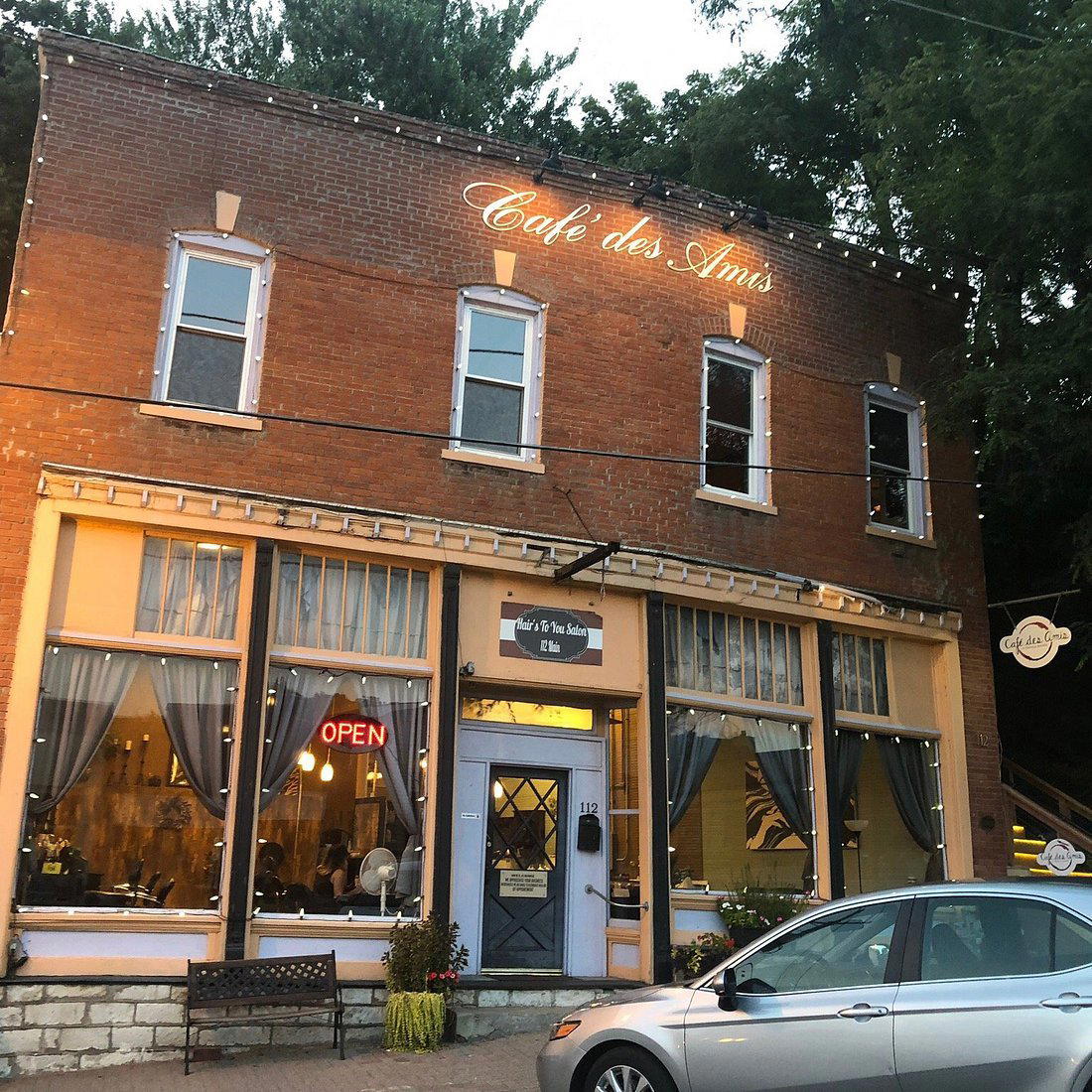
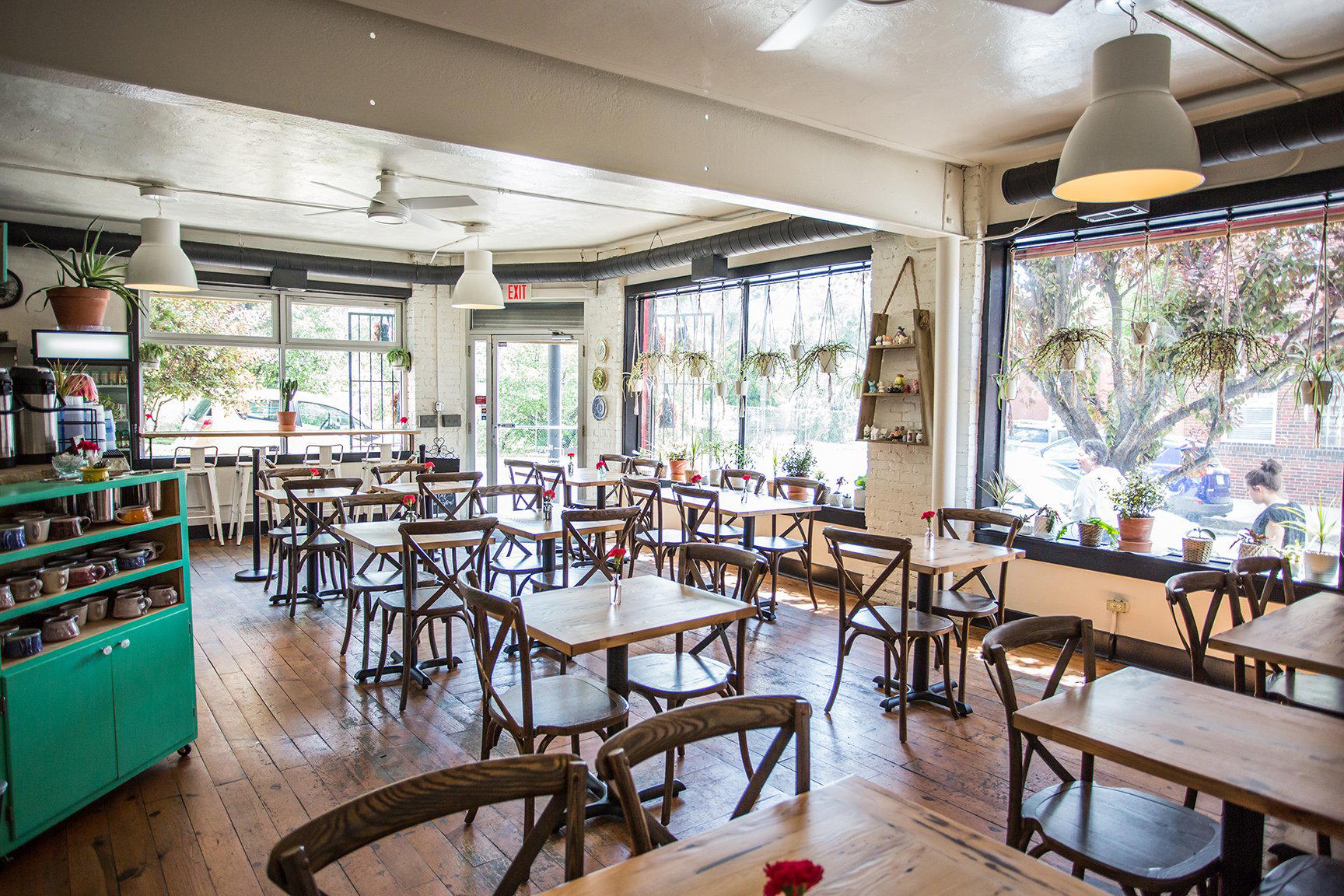
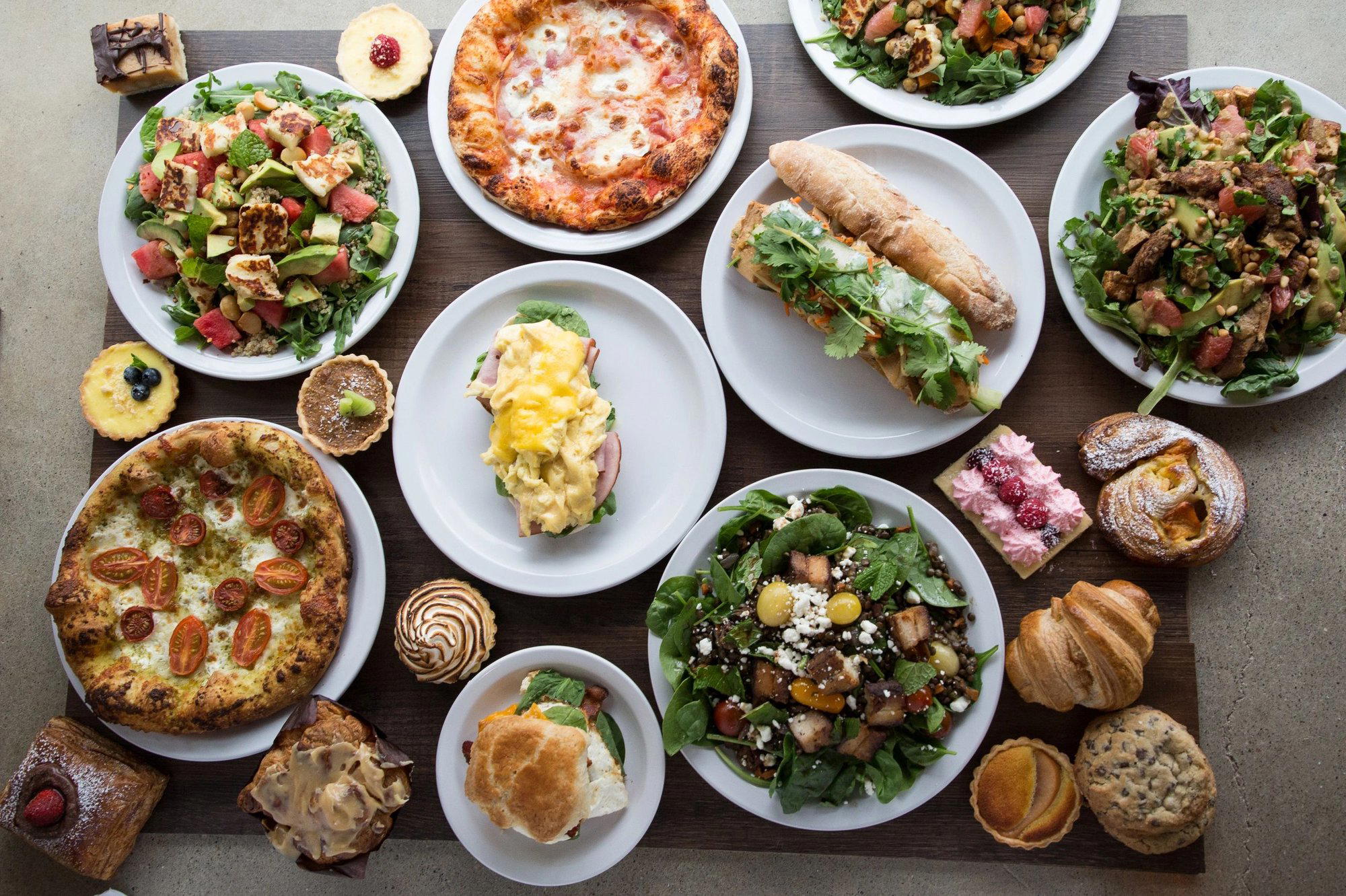
Bars in Kansas City
Browse all →


Details
- Casual Hangout
- Family
- Group Dining
- Sake Program
- A La Carte
- Vegetarian Friendly
Current opening hours
- Monday
- Closed
- Tuesday
- 11 AM–9 PM
- Wednesday
- 11 AM–9 PM
- Thursday
- 11 AM–9 PM
- Friday
- 11 AM–9 PM
- Saturday
- 11 AM–9 PM
- Sunday
- 11 AM–9 PM
Hours can change for holidays and private events. Last verified .
Casual and welcoming atmosphere focused on flavorful, diverse Asian cuisine.