Sabi Sabi
A World of Fine Wine Middle East & Africa Regional Winner at its Melrose Estate address in Johannesburg, Sabi Sabi brings the sensory register of the South African bush into an urban dining setting. The wine program foregrounds boutique South African producers that rarely appear on city lists, positioning it within a small tier of Johannesburg tables where provenance and discovery carry as much weight as the food itself.
 Discover on Pearl
Pearl is the En Primeur Club membership app — saves, bookings, and concierge access live there. Same editors, same standards.
- Address
- 4 Jameson Ave, Melrose Estate, Johannesburg, 2196, South Africa
- Website
- sabisabi.com
Where the Bush Meets the City Block
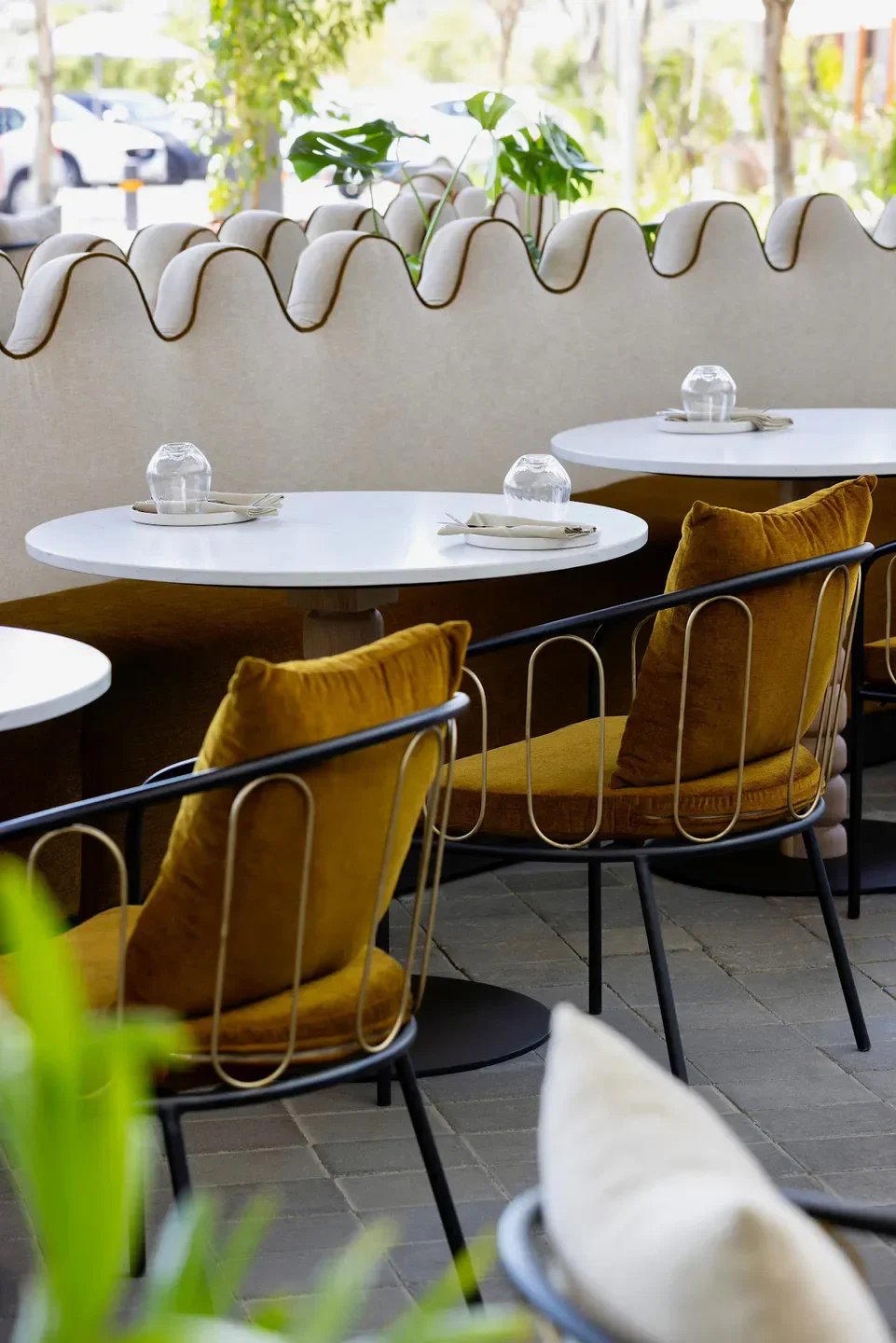
There is a particular quality of light in the South African highveld that resists easy translation into an interior. The air is dry and sharp, the distances feel enormous even when the horizon is obscured by suburb. Sabi Sabi, on Jameson Avenue in Melrose Estate, attempts that translation and largely succeeds: the name itself signals a lineage reaching back more than four decades to one of the Lowveld's oldest private game reserves, and the sensory language of the original wilderness property follows the brand into its Johannesburg address. Arriving here, the framing is unmistakably South African, not the Cape's wine-country softness, which you find at tables like Dusk in Stellenbosch or Delaire Graff Lodges & Spa in Helshoogte Pass, but the drier, harder-edged register of the east.
A Wine Program Built on Discovery
South Africa's wine culture has bifurcated sharply over the past decade. On one side sit the well-documented flagships: the Stellenbosch estates with international distribution, the Franschhoek addresses that attract the same travellers who visit Le Quartier Français or seek out the coastal minimalism of Wolfgat in Paternoster. On the other side sit smaller producers, boutique houses with limited allocation, negligible export presence, and the kind of following that spreads by word of mouth rather than marketing spend.
Sabi Sabi's wine program positions itself firmly in the second category. The list foregrounds undiscovered and boutique South African producers, placing it in a Johannesburg context where serious wine programming at the restaurant level remains less common than in the Cape winelands. For the city's wine-attentive diner, that is a meaningful distinction. A Regional Winner recognition from the World of Fine Wine awards in the Middle East & Africa category substantiates the program's credibility beyond local reputation. For comparison, the international field in that award cycle includes some of the most technically scrutinised wine lists on the continent, which makes a regional result a genuine credential rather than a participation marker.
Johannesburg's restaurant wine culture tends toward the familiar: well-priced Cape reds, a sprinkling of European imports, lists that track commercial popularity rather than take editorial positions. A program that deliberately spotlights producers with little retail visibility operates as an act of curation. The experience of working through such a list resembles, in structure if not in scale, the discovery-led tastings at Ellerman House in Bantry Bay, where provenance and narrative carry weight alongside the glass itself.
Johannesburg's Dining Context in 2024
The city's upper-tier restaurant scene has compressed and sharpened in recent years. A small number of addresses now anchor the serious end of the market: Aurum and Embarc represent the tasting-menu and modern-technique tier; Ethos Restaurant holds a distinct position at the ingredient-led end of that spectrum. Gigi and KŌL Izakhaya address different registers of the market, one social and produce-focused, the other drawing on Japanese izakaya structure. Sabi Sabi's competitive position is somewhat apart from these: its primary claim is on the wine program and the experiential associations of the reserve brand, rather than on a chef-driven or technique-led kitchen identity.
That positioning has parallels elsewhere in the international tier. Wine-program-led restaurants operate on the logic that the beverage list, not the kitchen, carries the editorial weight of the evening. Le Bernardin in New York City and Emeril's in New Orleans represent chef-driven anchors in their respective cities; Sabi Sabi's comparable set is different, closer to the hospitality-and-discovery end of the spectrum than the technique-showcase end. For dining within the broader South African context, the comparison to Fyn in Cape Town is instructive: where Fyn uses South African ingredients through a refined technical lens, Sabi Sabi's emphasis falls on the wine list as a vehicle for national identity.
The Sensory Register of the Melrose Estate Address
Melrose Estate sits between Rosebank's commercial density and the quieter residential stretches of Melrose proper. The area carries a specific Johannesburg character: money is old enough here to have settled into understatement, and the built environment reflects that restraint. A restaurant operating under a game-reserve brand in this context is making a deliberate choice about tone. The bush-hospitality associations, space, quiet, proximity to something larger than urban life, translate into a hospitality register that differs from the high-energy social formats found in parts of Sandton or the Maboneng precinct.
For a city where dining atmosphere often defaults to either formal club-like privacy or high-decibel social formats, the implied register at Sabi Sabi occupies a middle ground that not many Johannesburg addresses hold. The sensory promise is one of considered slowness, a pace calibrated to the reserve's original rhythm rather than the city's. That is a specific value proposition, and it selects for a particular kind of guest: one with time, curiosity about South African wine, and preference for an experience with geographical and ecological resonance behind it.
Planning Your Visit
Sabi Sabi is located at 4 Jameson Avenue, Melrose Estate, Johannesburg. Given the World of Fine Wine Regional Winner recognition, bookings at peak dining periods are advisable in advance, particularly for tables that allow proper engagement with the wine list. The address is accessible by car from central Sandton in under fifteen minutes under normal traffic conditions; Melrose Estate lacks reliable rideshare pickup density late at night, so arranging return transport before arrival is practical. For a broader orientation to the city's dining options, our full Johannesburg restaurants guide covers the range of the current market. Those planning an overnight stay will find relevant context in our full Johannesburg hotels guide, and the city's bar and drinks scene is mapped in our full Johannesburg bars guide. For those whose interest is specifically in South African wine, our full Johannesburg wineries guide and our full Johannesburg experiences guide offer further reference points.
City Peers
Comparable venues nearby, for context on price, style, and recognition.
| Venue | Cuisine | Price | Notes |
|---|---|---|---|
| Sabi SabiThis venue — the venue you are viewing | Contemporary African Fine Dining | $$$$ | |
| Saxon Hotel, Villas and Spa | Modern South African Fine Dining | $$$$ | Sandhurst |
| Tang | Pan-Asian Izakaya | $$$$ | Sandown |
| Sabi Sabi Private Game Reserve | Luxury Safari Fine Dining with African Influences | $$$$ | Melrose Estate |
| Aurum | Modern European Contemporary | $$$$ | Sandown |
| Gigi | Contemporary South African with Global Influences | $$$ | Waterval City |
Continue exploring
More in Johannesburg
Restaurants in Johannesburg
Browse all →
Bars in Johannesburg
Browse all →
Hotels in Johannesburg
Browse all →
At a Glance
- Elegant
- Sophisticated
- Rustic
- Scenic
- Special Occasion
- Celebration
- Private Event
- Private Dining
- Open Kitchen
- Waterfront
- Historic Building
- Extensive Wine List
- Farm To Table
- Local Sourcing
- Waterfront
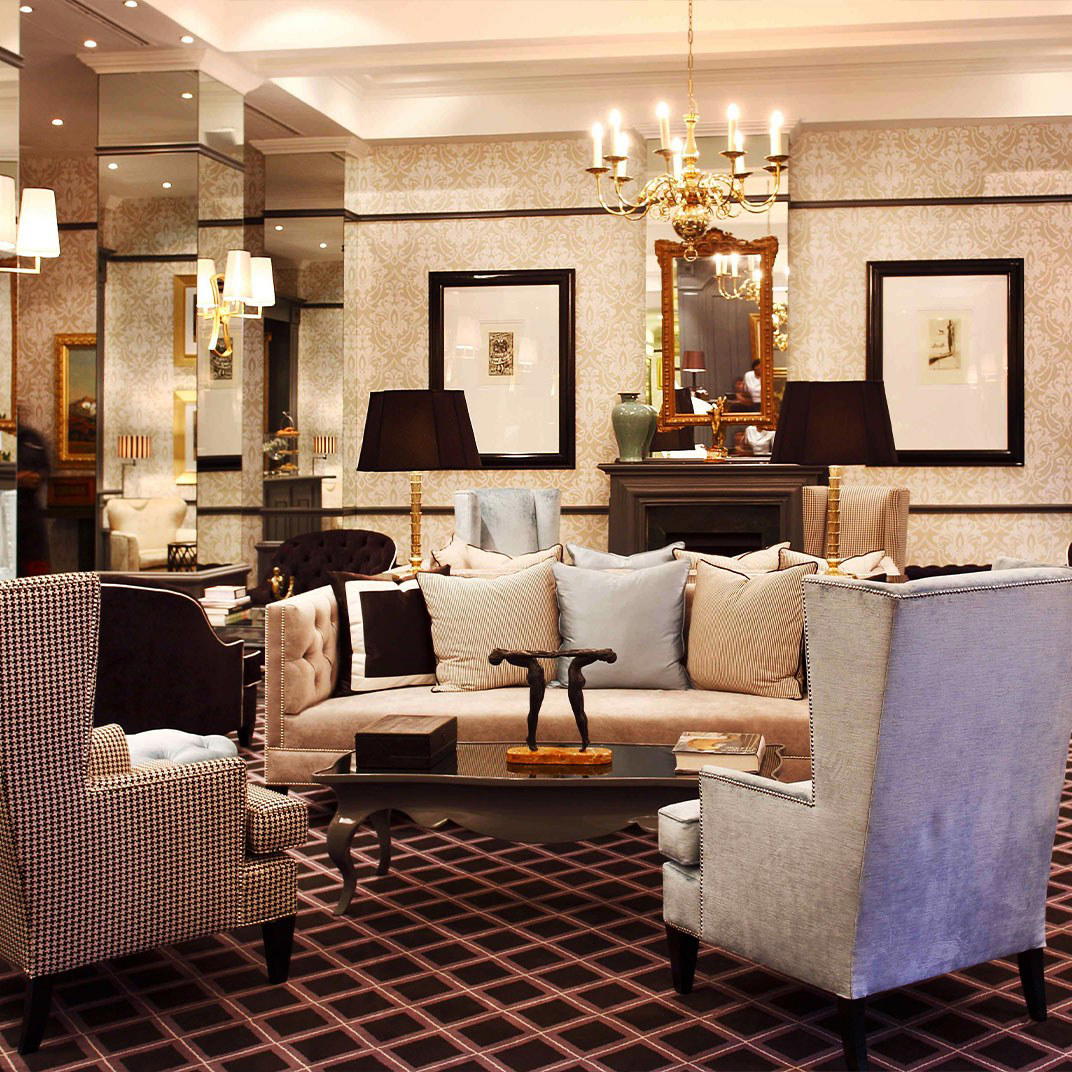
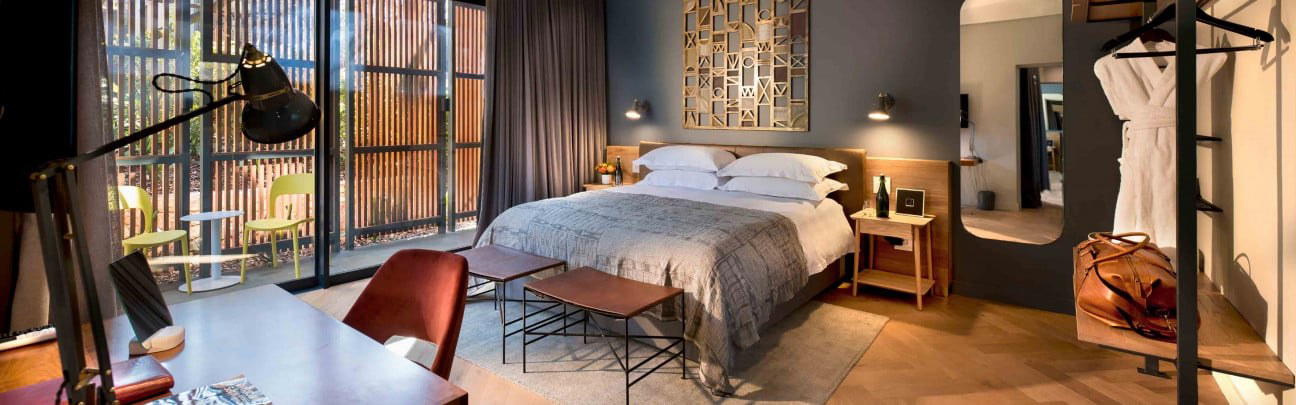
Timeless elegance with earthy tones, starlit boma dinners, and cozy fireside bars blending rustic bush charm with sophisticated luxury.