[S] Corner
Our verdict
Where Courchevel's Dining Geography Places This Address Rue de Bellecôte runs through the commercial and culinary spine of Courchevel 1850, the highest and most concentrated of the resort's four villages. By the time a serious skier or a well-organised non-skier finds this stretch, they have already passed the signposted entrances to a cluster of the French Alps' most decorated dining rooms. Le 1947 à Cheval Blanc and Baumanière 1850 occupy the resort's uppermost Michelin tier, while Le Chabichou by Stéphane Buron and Sylvestre Wahid - Les Grandes Alpes represent the resort's established modern-cuisine lineage. [S] Corner, at its address on the route de Bellecôte, does not compete in that Michelin bracket. It occupies a different position in the resort's dining map, one that Courchevel needs as much as it needs its trophy tables. That position matters because Courchevel 1850 has a structural quirk: the concentration of high-end spending per visitor is among the highest of any ski resort in Europe, yet the diversity of dining formats has historically lagged behind the diversity of price points at the leading. The gap between a €€€€ tasting-menu counter and a lift-adjacent crêperie is wide, and addresses that sit somewhere in that gap serve a real function for regulars who do not want every dinner to be a production. The Logic of Alpine Sourcing The broader story of mountain dining in the French Alps over the past two decades is partly a sourcing story. Chefs working at altitude have progressively narrowed the distance between their kitchens and the farms, dairies, and producers of the Savoie and Haute-Savoie valleys below. This shift is visible at the decorated end of the spectrum: Flocons de Sel in Megève built much of its identity around high-altitude and regional sourcing, and that approach has filtered down through the tiers of alpine dining. Reblochon, Beaufort, Abondance, and Tomme de Savoie are not just cheese-board options in this region; they are markers of a kitchen's commitment to the food geography of the mountains. The same logic applies to charcuterie from the Savoie valleys, to lake fish from Lac Léman and Lac d'Annecy, and to the small-scale vegetable growers who operate at lower altitudes and supply resorts through the winter season. When an alpine restaurant takes sourcing seriously, the evidence tends to show up in the cheese selection before anywhere else: the difference between a Beaufort aged in a local cave and a generic alpine cheese is substantial and legible on the plate. France's ingredient-led dining tradition, as articulated by houses like Arpège in Paris or, at the regional level, Bras in Laguiole, has always treated the provenance of ingredients as the editorial argument of the menu. That philosophy has reached mountain dining in a more dispersed way, but it has reached it. The Resort Context and What It Demands of a Mid-Tier Address Courchevel's dining scene divides roughly into three tiers. At the leading, a handful of Michelin-starred rooms operate on the logic of destination dining: advance booking, formal service, tasting formats, and price points that treat a dinner as its own travel event. Le Sarkara represents the creative-dessert variation of this tier. Below that, a middle tier of addresses like Le Bistrot du Praz operates at €€€ and functions as a more accessible but still quality-conscious option. Then there is the broader category of slope-adjacent and village-centre spots that serve the daily rhythm of a ski holiday rather than its ceremonial evenings. [S] Corner, on Rue de Bellecôte, sits within reach of visitors moving through the resort's central zone. The Bellecôte area is one of the more pedestrian-accessible parts of 1850, connecting the piste network to the village's commercial core. For dining purposes, this means the address captures both deliberate visitors and the walk-in traffic of a busy ski day. That dual audience shapes what a restaurant here needs to do: it needs to function at speed when the mountain empties at midday, and it needs to hold up in the evening when guests are making more considered choices about where to spend their time after the lifts close. French Alpine Dining in Its Wider Frame Placing a single Courchevel address in the context of French dining more broadly is a useful exercise. The country's restaurant culture has historically been anchored in provincial towns and rural auberges rather than in purpose-built resort settings. The great institutional houses, from Paul Bocuse - L'Auberge du Pont de Collonges near Lyon to Auberge de l'Ill in Illhaeusern or Georges Blanc in Vonnas, built their identities in places where the relationship between kitchen and local terroir was organic rather than constructed. Troisgros - Le Bois sans Feuilles in Ouches carries that tradition into the contemporary era. Ski resorts present a different structural challenge. The season is compressed, the clientele is transient and international, and the supply chain for quality ingredients at altitude requires more deliberate effort than it does in a valley town with direct access to farm and market. The resorts that have developed serious dining cultures, Courchevel and Megève above all in the French Alps, have done so partly by attracting chefs willing to treat the seasonal constraint as a discipline rather than a limitation. The comparison set extends internationally: Mirazur in Menton works within the logic of a specific geography and season; Auberge du Vieux Puits in Fontjoncouse and La Table du Castellet each demonstrate how regional commitment shapes a menu's identity in ways that urban cooking rarely achieves. Even transatlantic reference points like Le Bernardin in New York City or Lazy Bear in San Francisco reflect a sourcing discipline that has become a baseline expectation at serious tables. Planning a Visit The address on Rue de Bellecôte places [S] Corner within the walkable central zone of Courchevel 1850, accessible without vehicle transfer from most of the village's accommodation. For visitors using the full Courchevel restaurant circuit, this address fills the mid-week, lower-formality slot that the resort's top-end rooms do not serve by design. Frequently Asked Questions Would [S] Corner be comfortable with kids? Courchevel's price tier means that even mid-range addresses here carry costs more typical of city fine dining. For families, that calculus is worth running before arrival: a table for four at a sit-down restaurant on Rue de Bellecôte will land differently in the budget than a slope-side cafeteria option. What's the vibe at [S] Corner? If the kitchen is operating at the level expected from a Rue de Bellecôte address, the atmosphere will reflect Courchevel's particular register: relaxed enough for après-ski clothes, but calibrated for guests who have spent meaningfully on their trip and expect the room to match. Without current award or critic data, the safest framing is to treat it as consistent with the resort's mid-tier, where quality of ingredient and service professionalism matter more than formality of format. What do regulars order at [S] Corner? Regulars at alpine addresses in this part of the Savoie tend to gravitate toward dishes built around regional dairy and charcuterie, where the kitchen's sourcing relationships show most clearly. Is [S] Corner a good choice for a post-skiing dinner on a non-celebration night? Addresses in the central Courchevel 1850 zone, particularly those on or near Rue de Bellecôte, are positioned logistically for exactly that use case: accessible on foot from the village's main accommodation cluster, without the advance-booking formality that the resort's starred rooms require. For a dinner that does not need to be an occasion in itself, the Bellecôte corridor offers the most pragmatic options in 1850, and [S] Corner sits within that accessible tier.

Pearl is the En Primeur Club membership app — saves, bookings, and concierge access live there. Same editors, same standards.
![[S] Corner restaurant in Courchevel, France](https://cdn.enprimeurclub.com/storage/v1/object/public/images/restaurants/e149e993-752d-453d-a178-a71e39a94161/hero1.jpg?width=3840&quality=75)
The menu
What to order
- Churros with hazelnut praline
- Pomme d'amour
- Millefeuille
Where Courchevel's Dining Geography Places This Address
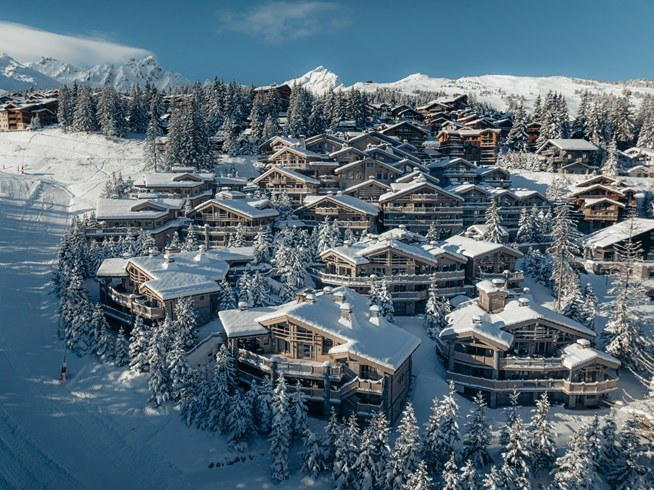
Rue de Bellecôte runs through the commercial and culinary spine of Courchevel 1850, the highest and most concentrated of the resort's four villages. By the time a serious skier or a well-organised non-skier finds this stretch, they have already passed the signposted entrances to a cluster of the French Alps' most decorated dining rooms. Le 1947 à Cheval Blanc and Baumanière 1850 occupy the resort's uppermost Michelin tier, while Le Chabichou by Stéphane Buron and Sylvestre Wahid - Les Grandes Alpes represent the resort's established modern-cuisine lineage. [S] Corner, at its address on the route de Bellecôte, does not compete in that Michelin bracket. It occupies a different position in the resort's dining map, one that Courchevel needs as much as it needs its trophy tables.
That position matters because Courchevel 1850 has a structural quirk: the concentration of high-end spending per visitor is among the highest of any ski resort in Europe, yet the diversity of dining formats has historically lagged behind the diversity of price points at the leading. The gap between a €€€€ tasting-menu counter and a lift-adjacent crêperie is wide, and addresses that sit somewhere in that gap serve a real function for regulars who do not want every dinner to be a production.
The Logic of Alpine Sourcing
The broader story of mountain dining in the French Alps over the past two decades is partly a sourcing story. Chefs working at altitude have progressively narrowed the distance between their kitchens and the farms, dairies, and producers of the Savoie and Haute-Savoie valleys below. This shift is visible at the decorated end of the spectrum: Flocons de Sel in Megève built much of its identity around high-altitude and regional sourcing, and that approach has filtered down through the tiers of alpine dining. Reblochon, Beaufort, Abondance, and Tomme de Savoie are not just cheese-board options in this region; they are markers of a kitchen's commitment to the food geography of the mountains.
The same logic applies to charcuterie from the Savoie valleys, to lake fish from Lac Léman and Lac d'Annecy, and to the small-scale vegetable growers who operate at lower altitudes and supply resorts through the winter season. When an alpine restaurant takes sourcing seriously, the evidence tends to show up in the cheese selection before anywhere else: the difference between a Beaufort aged in a local cave and a generic alpine cheese is substantial and legible on the plate. France's ingredient-led dining tradition, as articulated by houses like Arpège in Paris or, at the regional level, Bras in Laguiole, has always treated the provenance of ingredients as the editorial argument of the menu. That philosophy has reached mountain dining in a more dispersed way, but it has reached it.
The Resort Context and What It Demands of a Mid-Tier Address
Courchevel's dining scene divides roughly into three tiers. At the leading, a handful of Michelin-starred rooms operate on the logic of destination dining: advance booking, formal service, tasting formats, and price points that treat a dinner as its own travel event. Le Sarkara represents the creative-dessert variation of this tier. Below that, a middle tier of addresses like Le Bistrot du Praz operates at €€€ and functions as a more accessible but still quality-conscious option. Then there is the broader category of slope-adjacent and village-centre spots that serve the daily rhythm of a ski holiday rather than its ceremonial evenings.
[S] Corner, on Rue de Bellecôte, sits within reach of visitors moving through the resort's central zone. The Bellecôte area is one of the more pedestrian-accessible parts of 1850, connecting the piste network to the village's commercial core. For dining purposes, this means the address captures both deliberate visitors and the walk-in traffic of a busy ski day. That dual audience shapes what a restaurant here needs to do: it needs to function at speed when the mountain empties at midday, and it needs to hold up in the evening when guests are making more considered choices about where to spend their time after the lifts close.
French Alpine Dining in Its Wider Frame
Placing a single Courchevel address in the context of French dining more broadly is a useful exercise. The country's restaurant culture has historically been anchored in provincial towns and rural auberges rather than in purpose-built resort settings. The great institutional houses, from Paul Bocuse - L'Auberge du Pont de Collonges near Lyon to Auberge de l'Ill in Illhaeusern or Georges Blanc in Vonnas, built their identities in places where the relationship between kitchen and local terroir was organic rather than constructed. Troisgros - Le Bois sans Feuilles in Ouches carries that tradition into the contemporary era.
Ski resorts present a different structural challenge. The season is compressed, the clientele is transient and international, and the supply chain for quality ingredients at altitude requires more deliberate effort than it does in a valley town with direct access to farm and market. The resorts that have developed serious dining cultures, Courchevel and Megève above all in the French Alps, have done so partly by attracting chefs willing to treat the seasonal constraint as a discipline rather than a limitation. The comparison set extends internationally: Mirazur in Menton works within the logic of a specific geography and season; Auberge du Vieux Puits in Fontjoncouse and La Table du Castellet each demonstrate how regional commitment shapes a menu's identity in ways that urban cooking rarely achieves. Even transatlantic reference points like Le Bernardin in New York City or Lazy Bear in San Francisco reflect a sourcing discipline that has become a baseline expectation at serious tables.
Planning a Visit
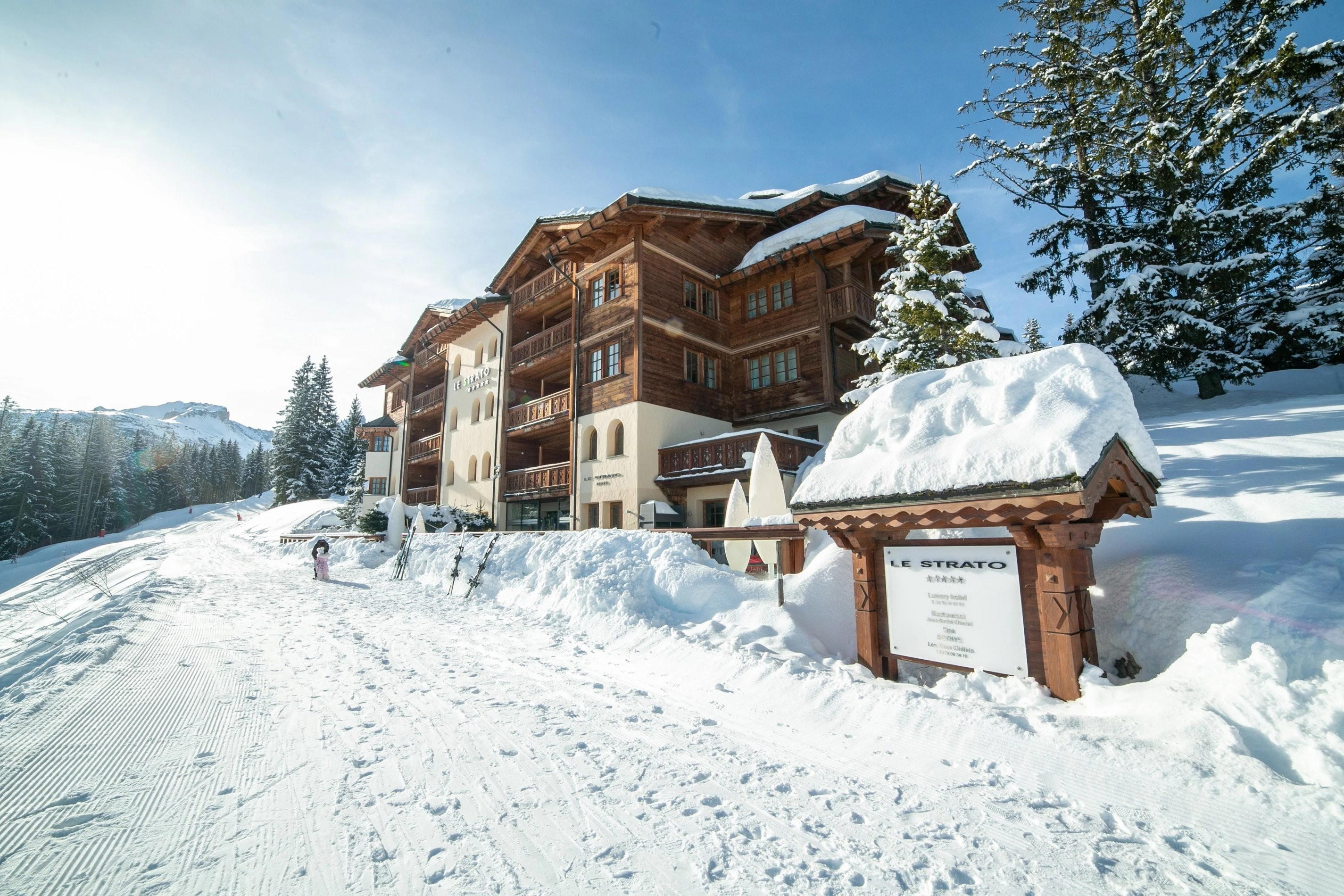
The address on Rue de Bellecôte places [S] Corner within the walkable central zone of Courchevel 1850, accessible without vehicle transfer from most of the village's accommodation. For visitors using the full Courchevel restaurant circuit, this address fills the mid-week, lower-formality slot that the resort's top-end rooms do not serve by design.
Frequently asked questions
Would [S] Corner be comfortable with kids?
Courchevel's price tier means that even mid-range addresses here carry costs more typical of city fine dining. For families, that calculus is worth running before arrival: a table for four at a sit-down restaurant on Rue de Bellecôte will land differently in the budget than a slope-side cafeteria option.
What's the vibe at [S] Corner?
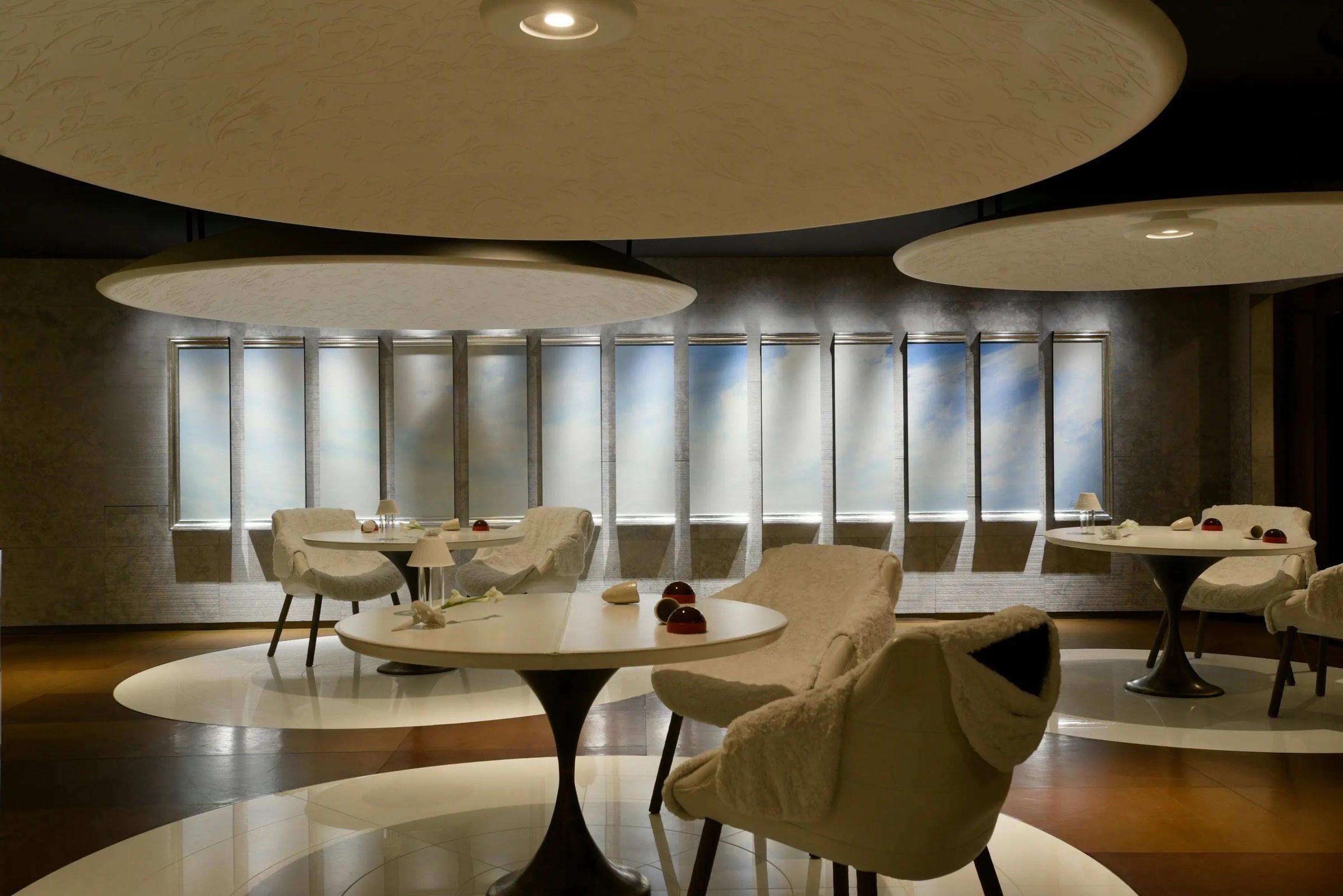
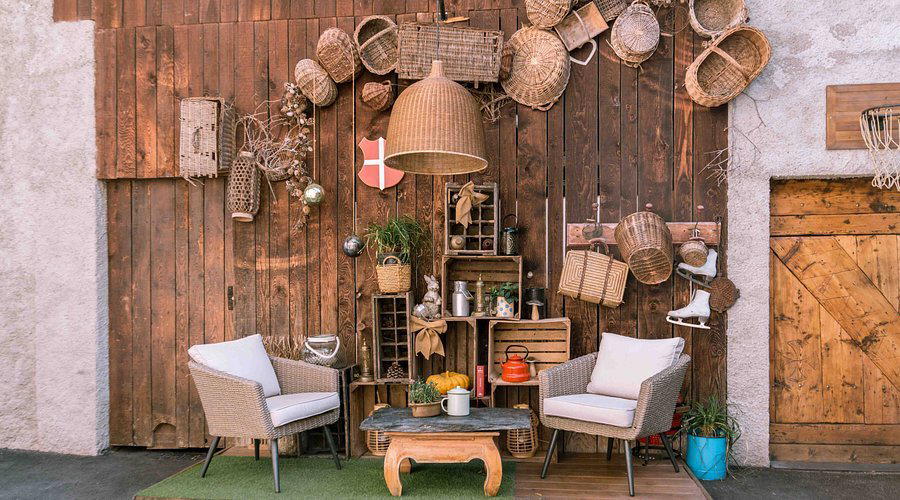
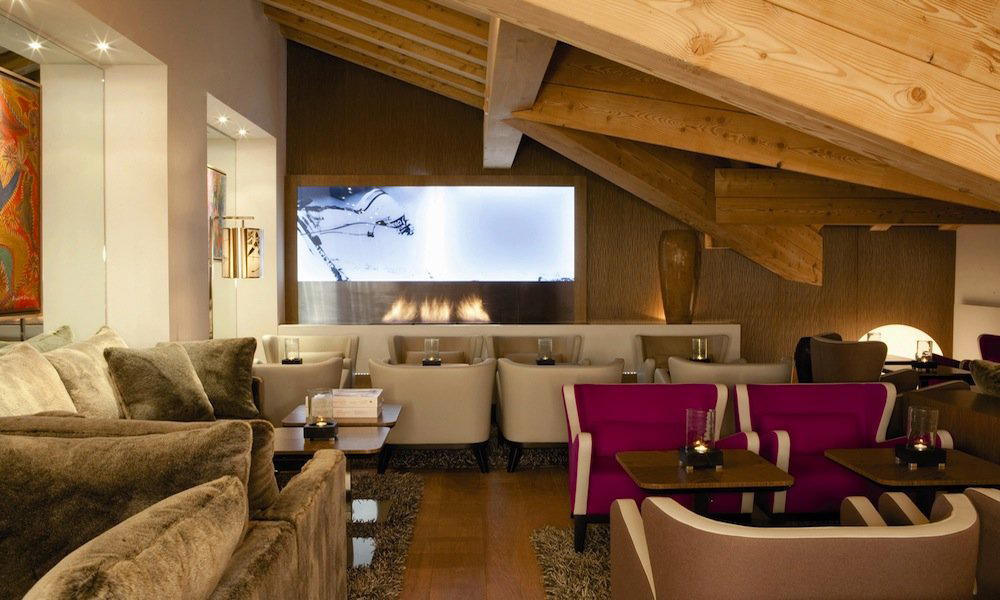
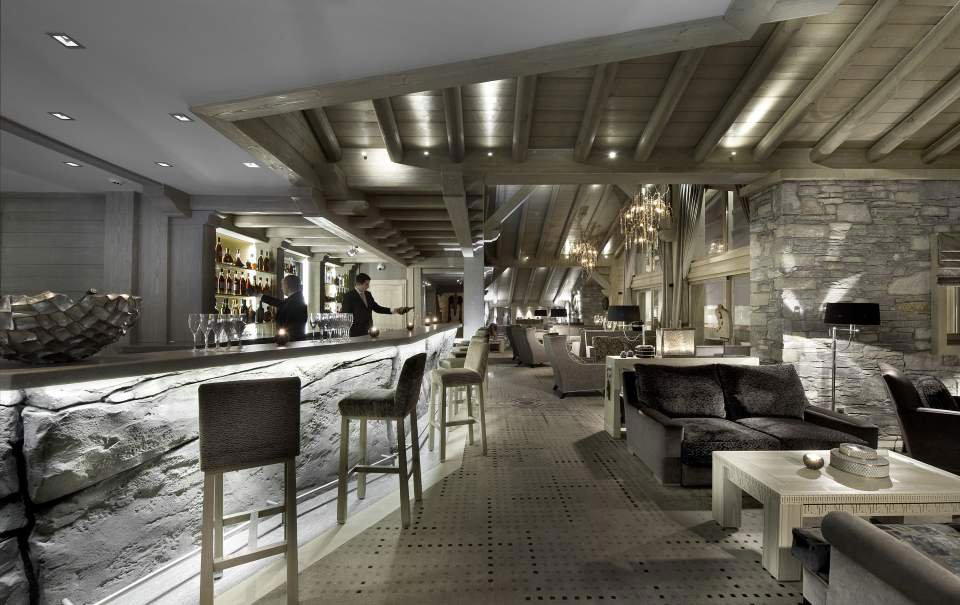
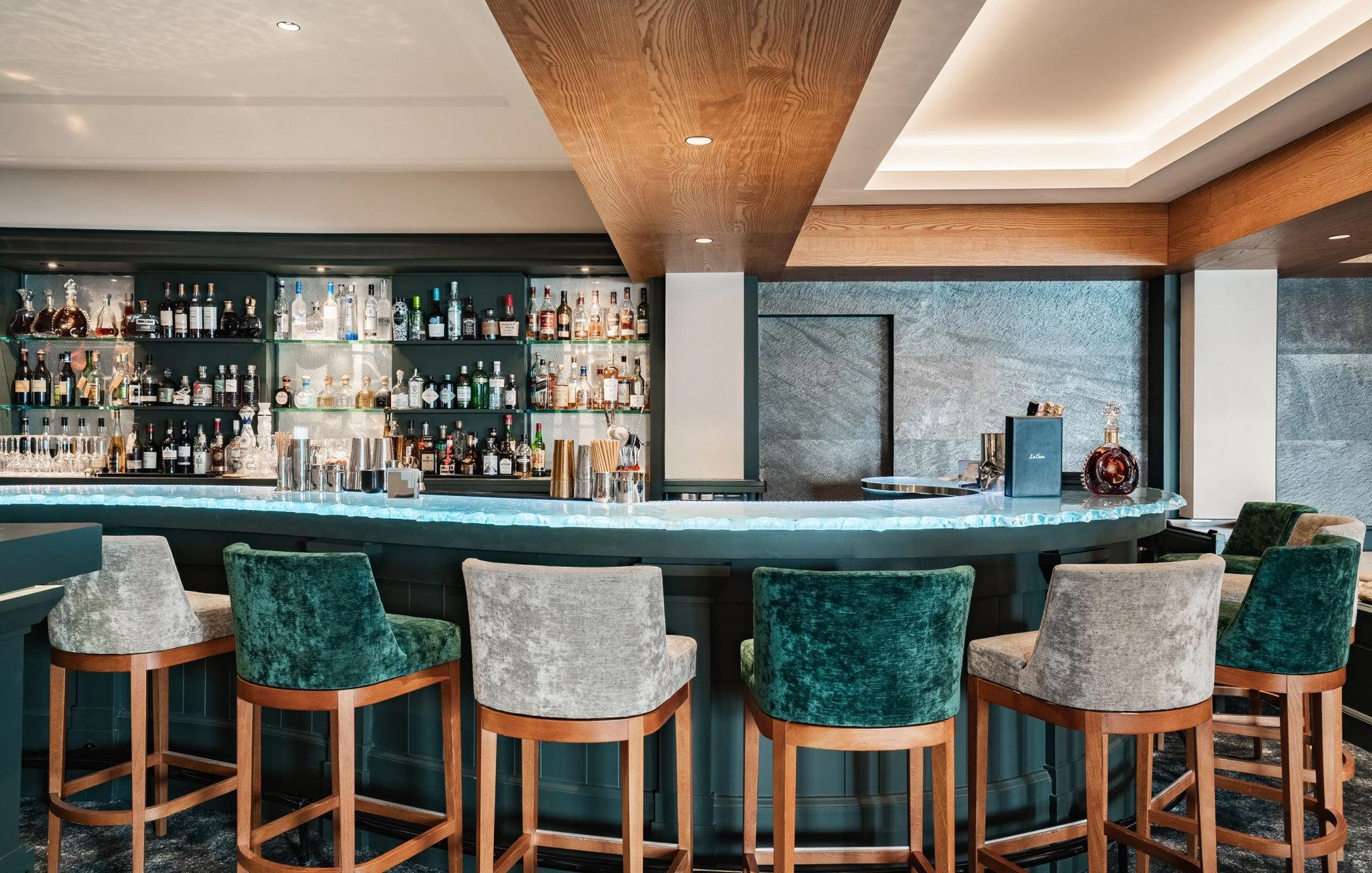
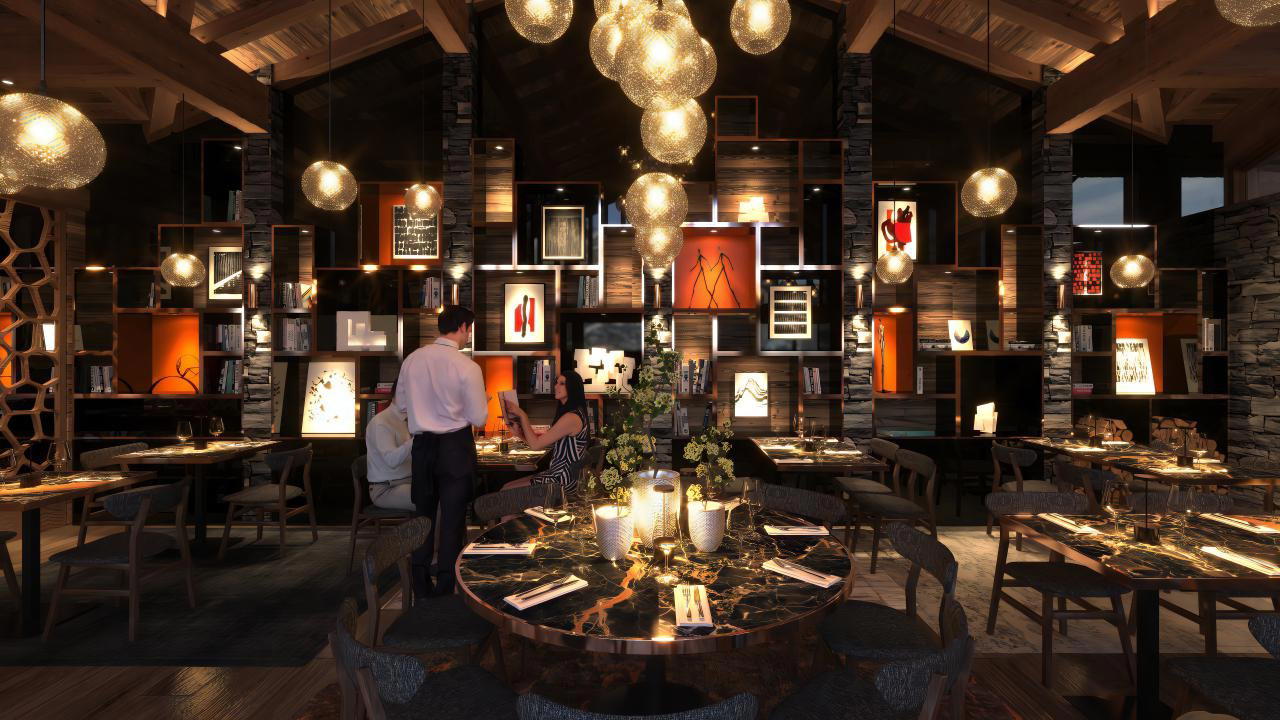
If the kitchen is operating at the level expected from a Rue de Bellecôte address, the atmosphere will reflect Courchevel's particular register: relaxed enough for après-ski clothes, but calibrated for guests who have spent meaningfully on their trip and expect the room to match. Without current award or critic data, the safest framing is to treat it as consistent with the resort's mid-tier, where quality of ingredient and service professionalism matter more than formality of format.
What do regulars order at [S] Corner?
Regulars at alpine addresses in this part of the Savoie tend to gravitate toward dishes built around regional dairy and charcuterie, where the kitchen's sourcing relationships show most clearly.
Is [S] Corner a good choice for a post-skiing dinner on a non-celebration night?
Addresses in the central Courchevel 1850 zone, particularly those on or near Rue de Bellecôte, are positioned logistically for exactly that use case: accessible on foot from the village's main accommodation cluster, without the advance-booking formality that the resort's starred rooms require. For a dinner that does not need to be an occasion in itself, the Bellecôte corridor offers the most pragmatic options in 1850, and [S] Corner sits within that accessible tier.
Continue exploring
More in Courchevel
Restaurants in Courchevel
All restaurants in Courchevel →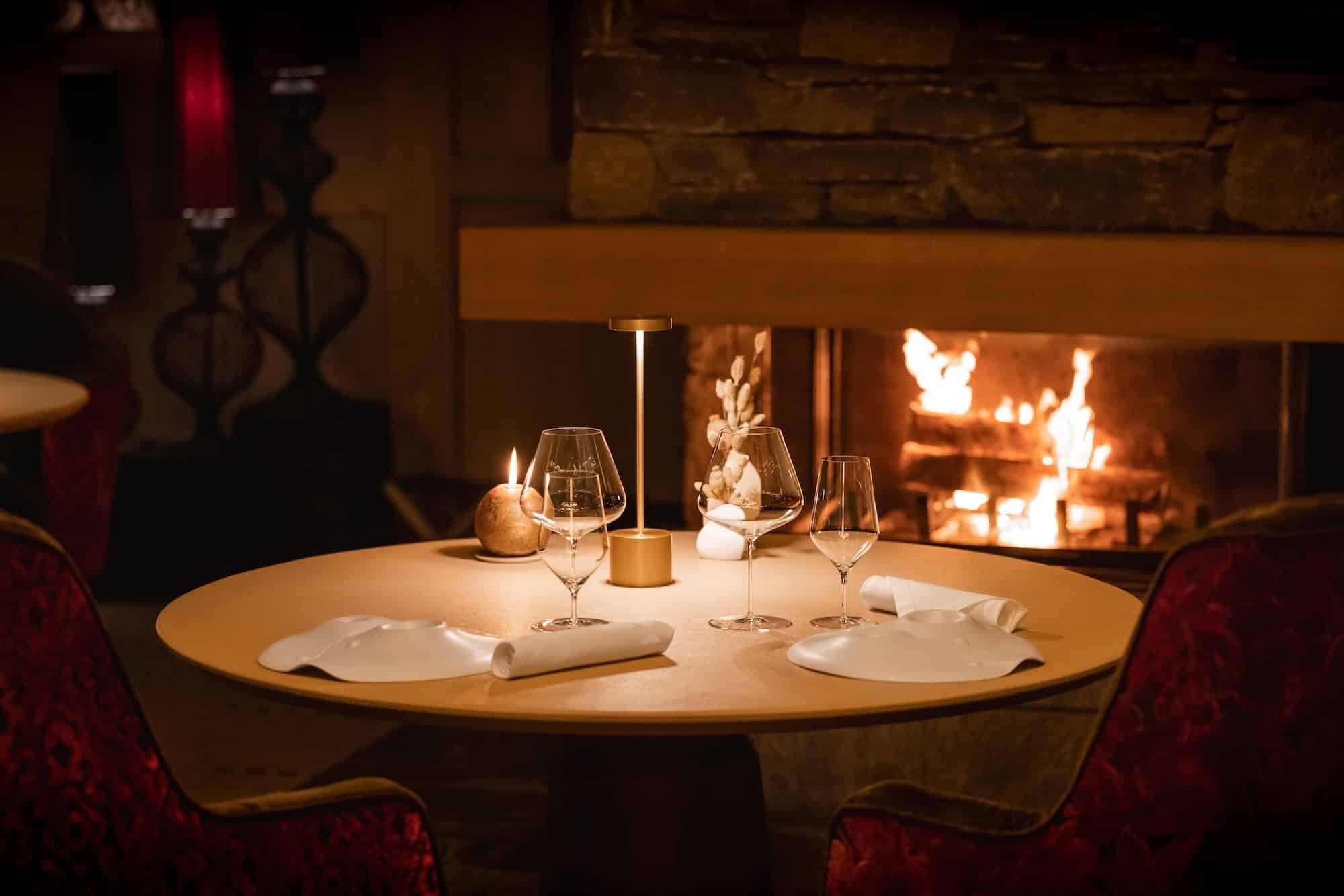
Details
- Trendy
- Lively
- Cozy
- Special Occasion
- Group Dining
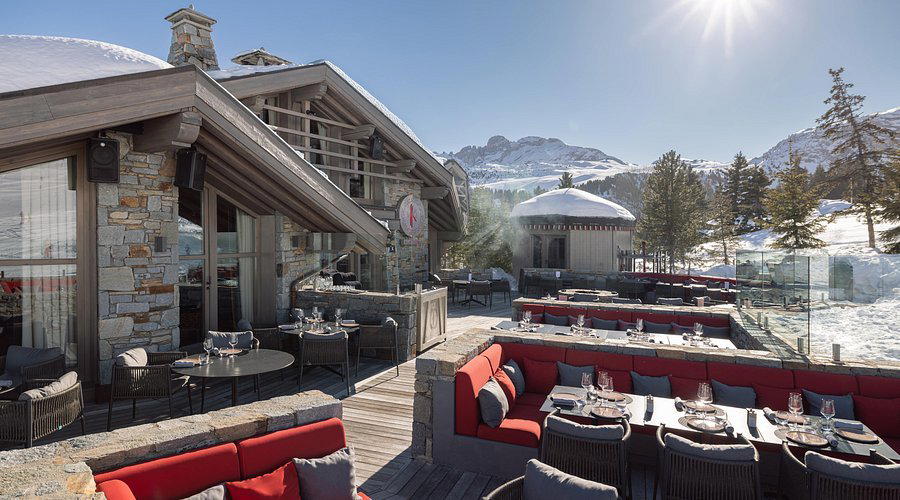
- Terrace
- Hotel Restaurant
- Mountain
- A La Carte
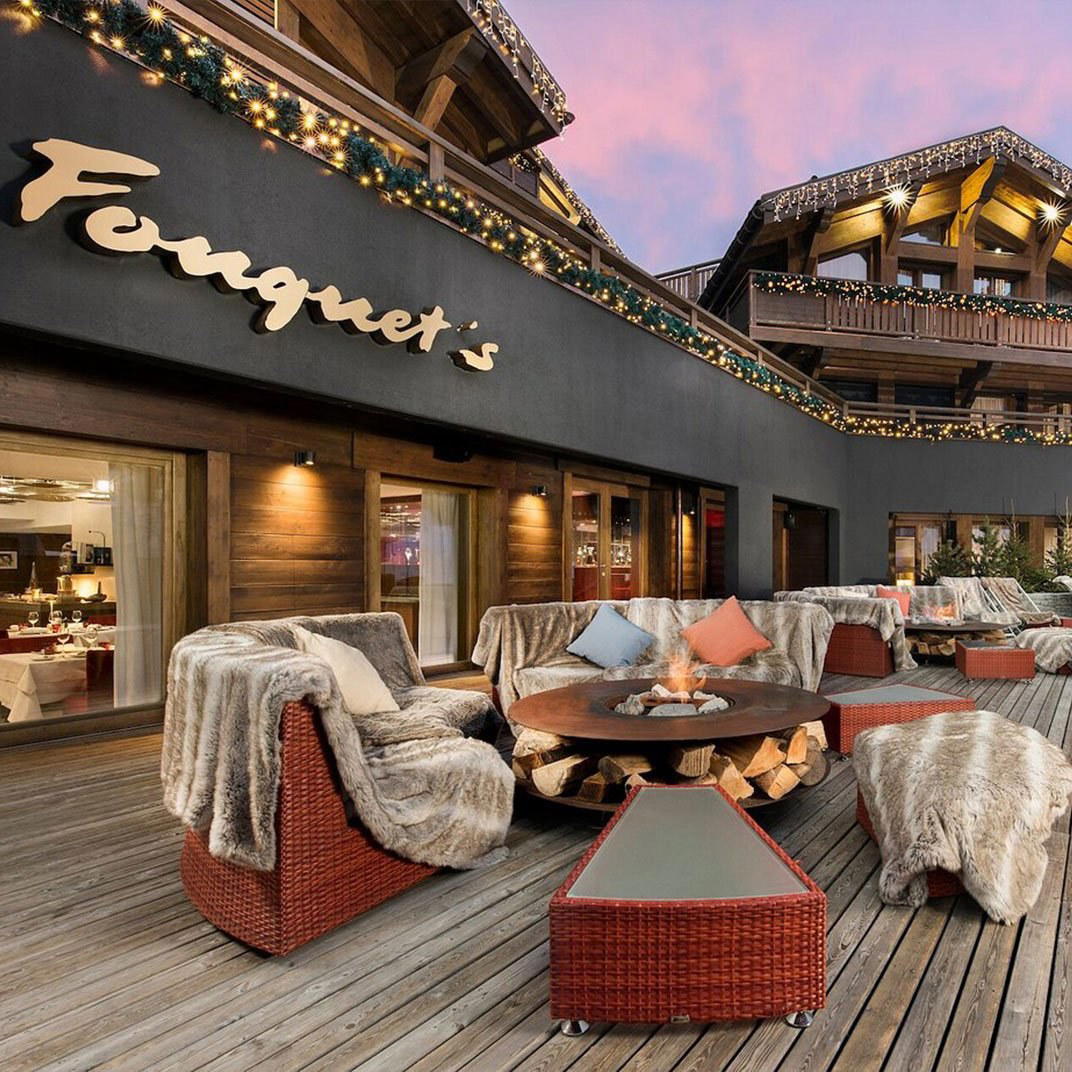
Convivial and comforting atmosphere with nostalgic dessert highlights.