Rüya

Michelin Plate
Our verdict
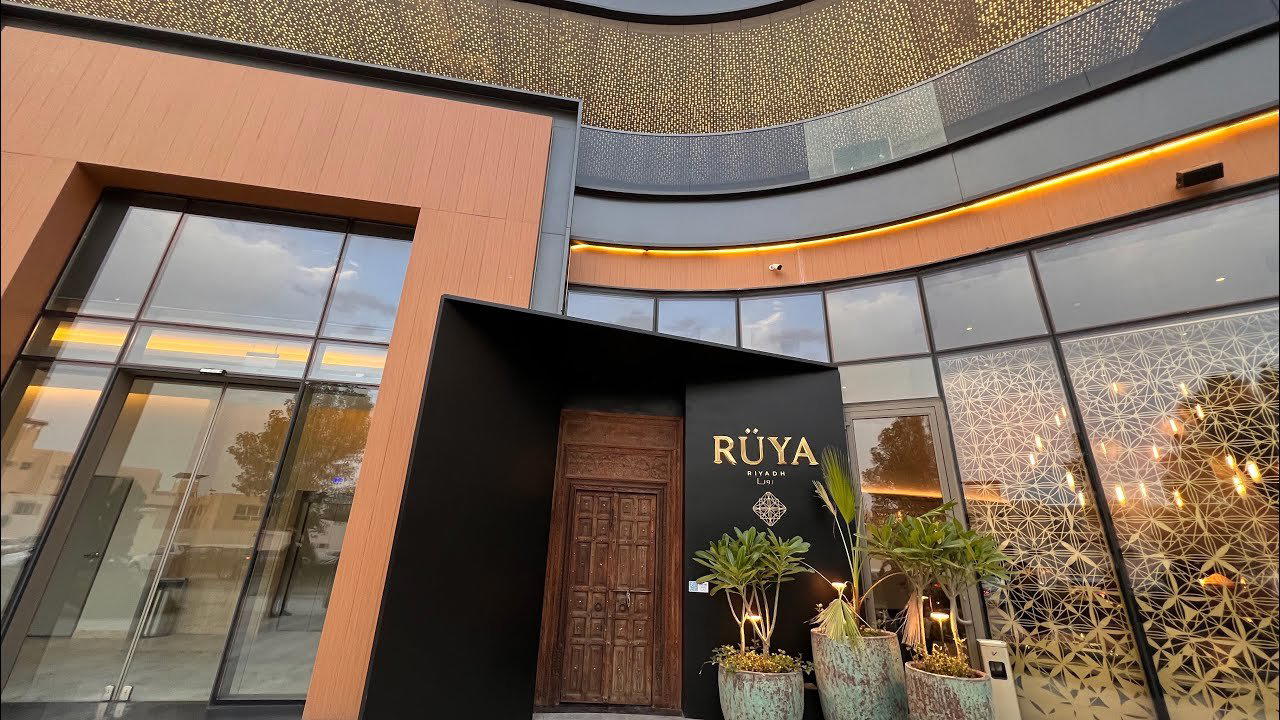
A modern Anatolian brasserie on Prince Muhammad Bin Abdulaziz Road, Rüya brings contemporary Turkish cooking to Riyadh's Al Sulimaniyah district. The open kitchen and matt brass interior frame a menu built around Anatolian mezze, slow-cooked lamb, and regional kebabs, with creative mocktails rounding out the experience in Saudi Arabia's non-alcoholic dining context.

Pearl is the En Primeur Club membership app, where members save venues, book tables and use the concierge.
Anatolian Cooking in the Gulf Context
Turkish cuisine occupies a specific position in Riyadh's restaurant scene: it sits close enough culturally to Saudi culinary tradition to feel familiar, yet distinct enough in technique and flavour profile to read as genuinely foreign. The Anatolian region in particular, with its emphasis on slow-cooked lamb, wood-fired breads, and layered spice use, travels well to the Gulf because it shares some of the same core ingredients while arriving from a different culinary logic. Rüya works within this frame, presenting contemporary Turkish cooking with a brasserie format that makes the cuisine accessible without flattening it.
The Al Sulimaniyah address on Prince Muhammad Bin Abdulaziz Road places the restaurant in one of Riyadh's more cosmopolitan dining corridors, where international and regional concepts sit alongside each other in reasonable density. That neighbourhood context matters: diners here are often choosing between a range of international cuisines in a single evening out, which means a Turkish brasserie is competing on the basis of execution and atmosphere rather than novelty alone. For a broader survey of what that corridor offers, the our full Riyadh restaurants guide maps the full competitive picture.
The Room Itself
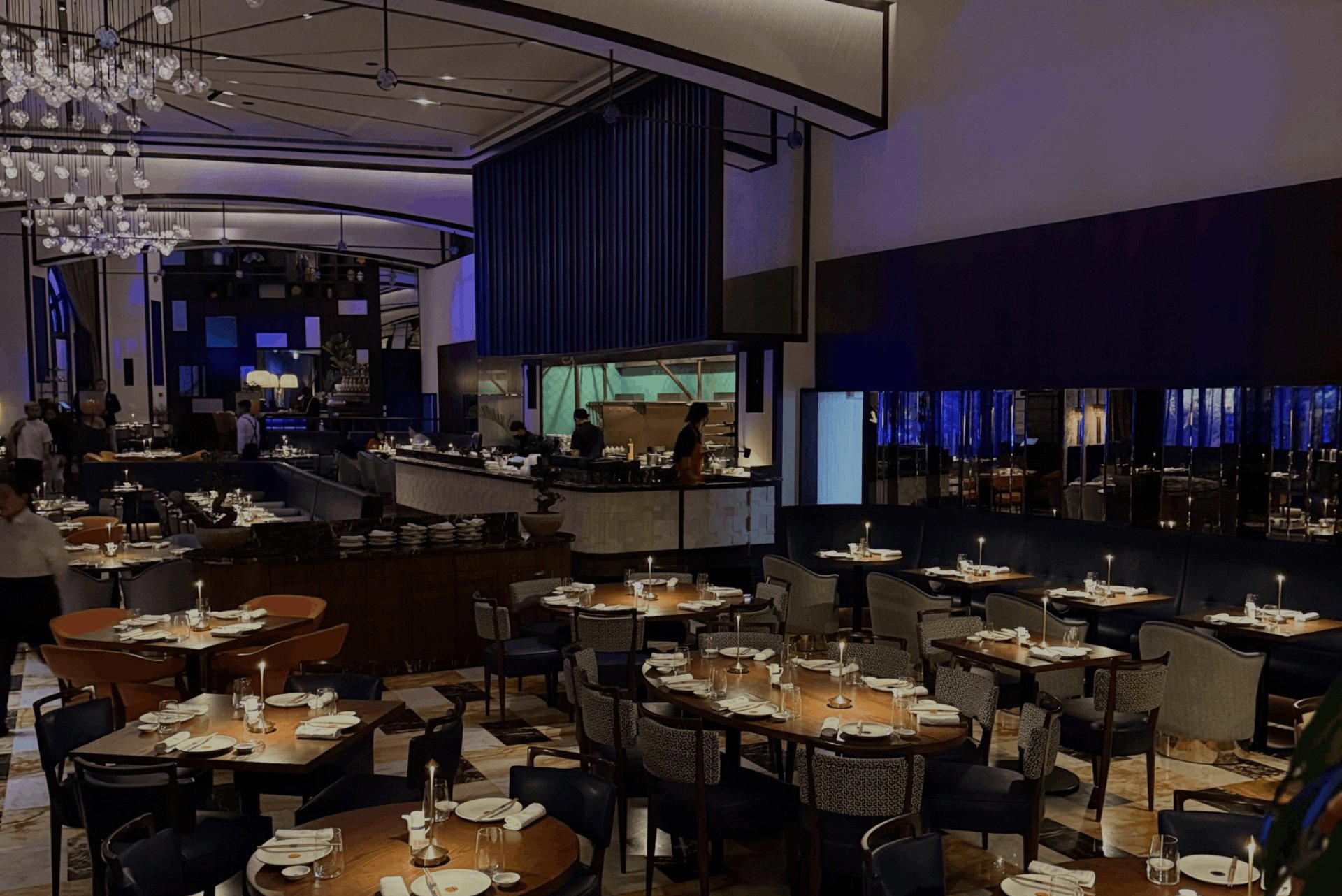
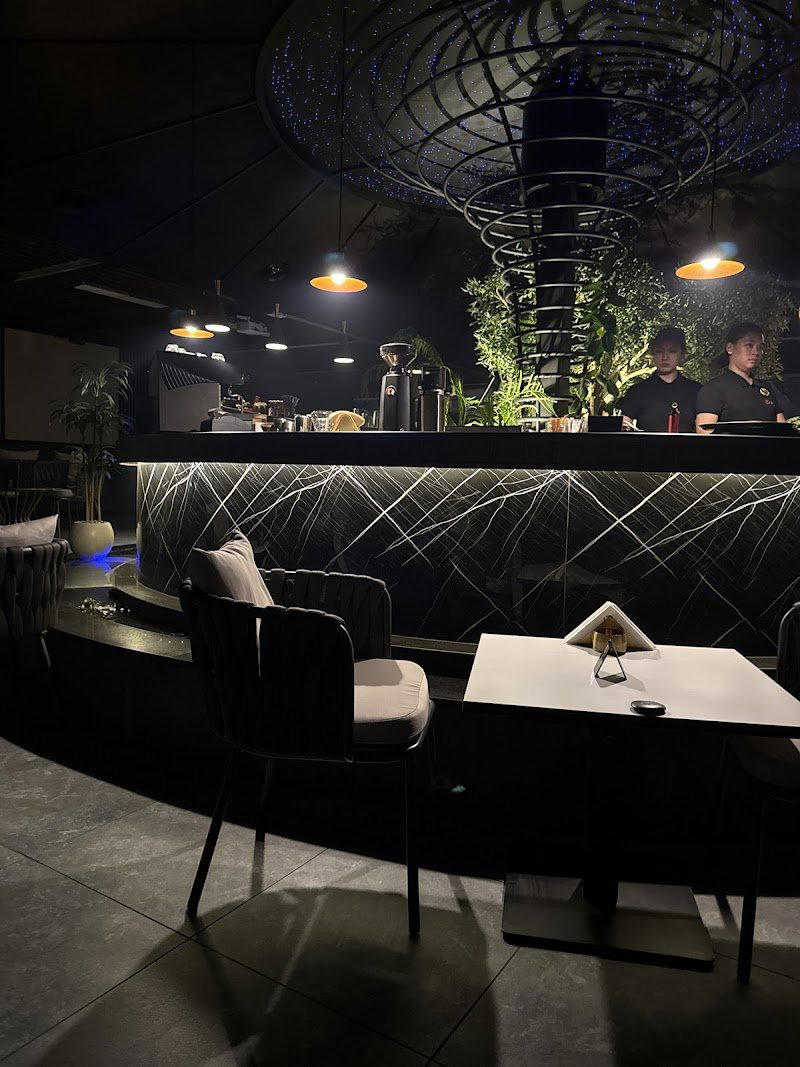
The interior signals its intentions before the menu arrives. Matt brass shelving stacked with Turkish and Middle Eastern ceramics, bowls, and storage jars creates a visual language that references the bazaar and the Anatolian kitchen rather than a generic pan-Eastern aesthetic. A large contemporary chandelier overhead and a mirrored bar bring the space into the brasserie register without tipping it into Western pastiche. The open kitchen is the architectural commitment that ties it together: in a cuisine where the grill, the clay pot, and the bread oven are central to the cooking, visibility into that process reinforces the food's credibility.
This kind of interior approach, where regional craft objects double as decorative programme, has become more considered across Riyadh's better dining rooms in recent years. It reads differently from a purely international hotel-lobby formula, and in a city that has seen rapid growth in ambitious restaurant concepts, the specificity of the material choices at Rüya does meaningful work. For comparison, the regional craft reference at Aseeb operates on broadly similar territory from a Saudi rather than Turkish perspective.
The Menu's Structural Logic
Anatolian cooking is a regional subset of Turkish cuisine, and the distinction matters. Where Ottoman cuisine moved toward intricate palace cooking, Anatolian food stayed closer to agricultural and pastoral roots: sheep fat, fermented dairy, dried pulses, and the slow-cooked proteins of a landscape shaped by transhumance. The flavour profile runs toward smoke, char, and gentle heat rather than the sweetness and aromatic complexity associated with the Ottoman centre.
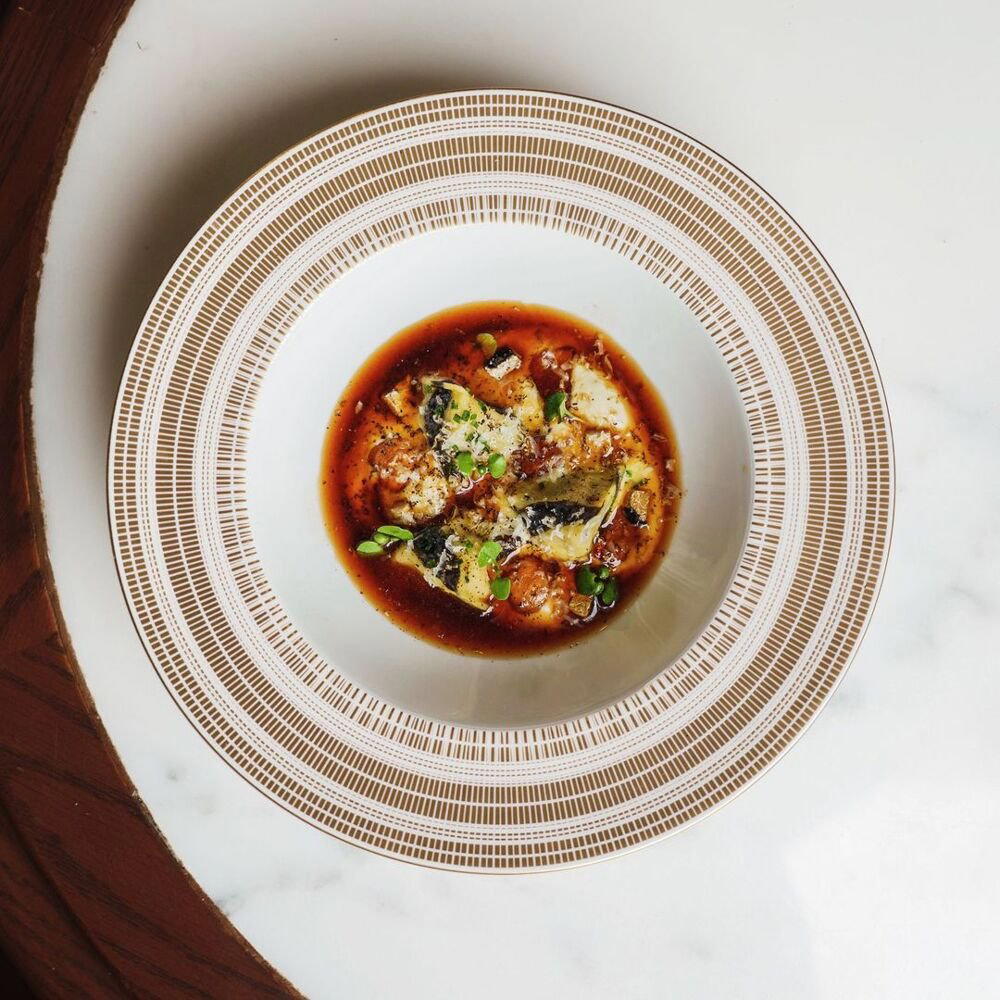
Rüya's menu follows this logic through its structure. The meal opens with hot and cold mezze in the dip-and-bread format, with pide served alongside. This is the correct entry point into Anatolian eating: the mezze spread is not a perfunctory appetiser course but a functional part of the meal, designed to be shared and paced. From there, the main courses concentrate on lamb preparations, kebabs, and slow-cooked beef ribs, all of which align with the Anatolian canon rather than the more tourist-facing shish-and-kofta shorthand that represents Turkish food in much of the world.
Dessert holds its position seriously here. Baklava and a traditional Anatolian rice pudding anchor the closing course, both of which are regionally specific enough to distinguish the kitchen's intent. In Riyadh's non-alcoholic dining environment, the creative mocktail programme takes on the weight that a wine list might carry elsewhere, providing a beverage structure that complements the food's flavour range without replicating what diners at a comparable Turkish address in Istanbul or London might expect. This constraint is common across Riyadh's dining scene and is worth understanding before arrival; our full Riyadh bars guide covers the city's wider non-alcoholic and soft beverage scene in more detail.
Placing Rüya in the Riyadh Restaurant Conversation
Riyadh's dining scene has grown sharply since 2019, with international and regional concepts opening at a pace that has forced individual restaurants to define their positioning more precisely. The upmarket brasserie format that Rüya occupies is a useful one in this context: it sits above the casual fast-casual Turkish options available across the city while stopping short of the fixed-menu formality of the highest-tier tasting rooms. That middle register, which prioritises relaxed service, a broad menu, and a well-considered interior over a single chef's tasting narrative, has found a consistent audience in Riyadh.
Comparable international brasserie formats in other cities, from the French-lineage approach of Benoit in Riyadh to the more European-inflected rooms at Marble, operate on similar structural principles: a broad menu, a considered interior, and a format that accommodates both business dining and relaxed social eating. Rüya's regional specificity gives it a cleaner editorial identity than a more generic international brasserie, because Anatolian cuisine has a defined set of references that the kitchen can be measured against.
For diners moving between Saudi cities, Turkish and Levantine influences recur across the kingdom's better restaurant kitchens: Kuuru in Jeddah and Harrat in AlUla each represent regional cooking from different angles, and a survey of all three gives a useful picture of how Middle Eastern culinary traditions are being reinterpreted across the country at the moment. Internationally, brasserie-format restaurants that carry genuine culinary conviction rather than format alone, such as Le Bernardin in New York City or the commitment to craft visible at Alinea in Chicago, operate in entirely different price and format tiers but share the underlying logic of using a room's design and menu structure to communicate a culinary point of view before the food arrives.
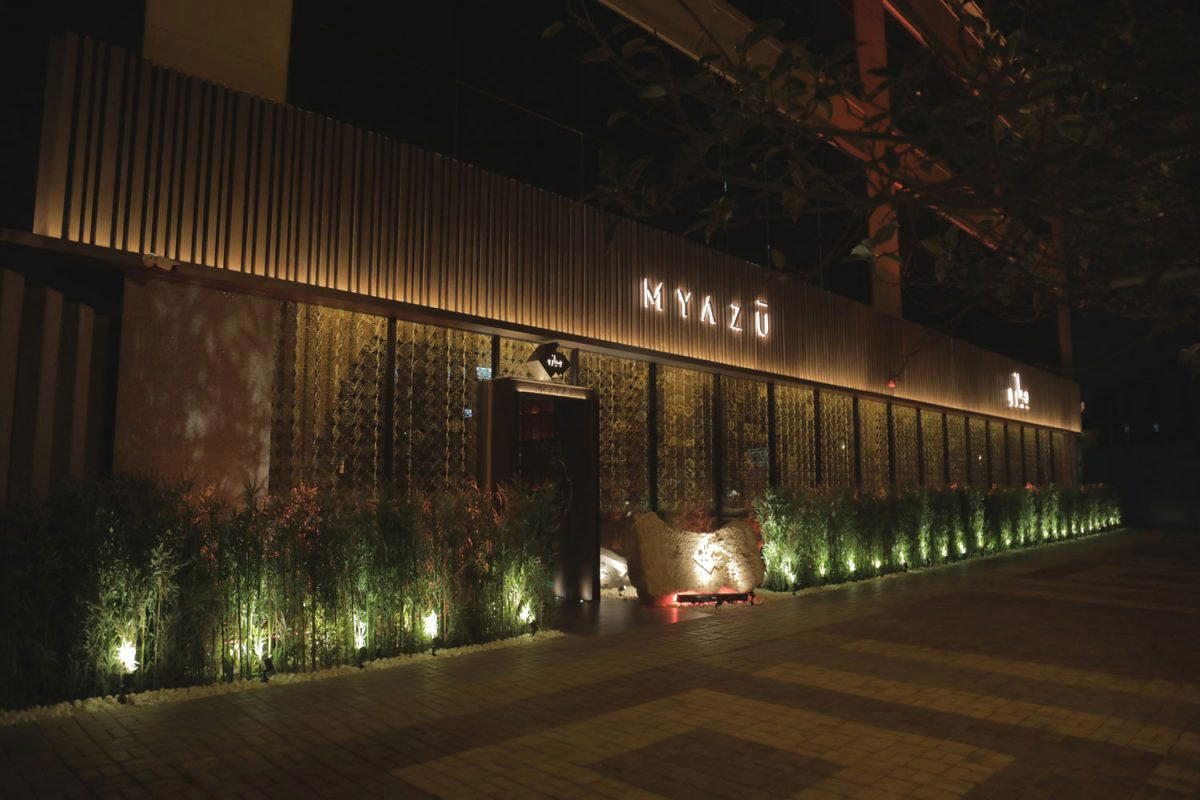
Other contemporary dining experiences in Riyadh worth considering alongside Rüya include Myazu for a Japanese perspective on the upmarket brasserie format. For those planning a wider Riyadh stay, our full Riyadh hotels guide, our full Riyadh wineries guide, and our full Riyadh experiences guide provide the broader planning context.
Planning Your Visit
Rüya is located at 5140 Prince Muhammad Bin Abdulaziz Road in the Al Sulimaniyah district. The restaurant accepts reservations and given its position in the upmarket segment, booking in advance is advisable, particularly for Thursday and Friday evenings when Riyadh's dining rooms tend to fill. The dress code, while not formally specified, aligns with the smart-casual register expected across the district's better restaurants. For those with dietary requirements or allergy concerns, direct contact with the restaurant prior to arrival is the appropriate step, as the mezze and shared-plate format involves a range of ingredients across multiple dishes.
Frequently asked questions
How do I find Rüya?
Rüya is located at 5140 Prince Muhammad Bin Abdulaziz Road, Al Aziz, Al Sulimaniyah, Riyadh.
Is Rüya award-winning?
Rüya has received recognition including: This modern upmarket brasserie has a lovely feel to it. It’s equipped with an open kitchen and is elegantly designed with matt brass shelving full of Turkish and Middle Eastern bowls and jars, a large contemporary chandelier and a mirrored ….
What do people recommend at Rüya?
The mezze selection is a natural starting point, hot and cold dips served with Pide bread form the foundation of the Anatolian menu. From there, lamb dishes and slow-cooked beef ribs draw consistent attention, with the traditional Anatolian rice pudding or baklava as a close finish. The creative mocktail list is worth working through alongside the meal.
How far ahead should I plan for Rüya?
Rüya sits in Al Sulimaniyah, one of Riyadh's more active dining districts, and its reputation as a polished Anatolian brasserie with an open kitchen draws a steady crowd. Booking at least several days ahead is advisable, particularly for weekend evenings. Reservations are accepted at the Prince Muhammad Bin Abdulaziz Road address.
What's the signature at Rüya?
The kitchen's focus on the Anatolian region sets it apart from broader Turkish restaurant formats in Riyadh. That means slow-cooked preparations, regional mezze traditions, and dishes rooted in central Anatolia rather than Ottoman palace cooking. The mirrored bar and brass-shelved interior reinforce the brasserie format rather than a conventional kebab-house approach.
How does Rüya handle allergies?
The menu structure, with mezze, grilled meats, and bread as distinct courses, does offer some flexibility in building around common dietary requirements.
Price and Recognition
Comparable venues nearby, for context on price, style, and recognition.
| Venue | Cuisine | Price | Awards | Notes |
|---|---|---|---|---|
| RüyaThis venue (the venue you are viewing) | Modern Turkish Anatolian | Not listed | Michelin Plate | Not listed |
| Hōchō | Japanese-Silk Road Fusion with Halal Kobe Beef | Not listed | Michelin Plate | Al Hada, Japanese-Silk Road Fusion with Halal Kobe Beef |
| Café Boulud | Modern French Bistro | $100–150 | Michelin Plate | Al Olaya, Modern French Bistro |
| Julien by Daniel Boulud | Modern French Contemporary Chef's Table | $300–500 | Michelin Plate | Al Olaya, Modern French Contemporary Chef's Table |
| Benoit | Classic French Bistro | $100–150 | Michelin Plate | Al Aqeeq, Classic French Bistro |
| Hong | Authentic Chinese | Not listed | Michelin Plate | Al Sulaimaniyah, Authentic Chinese |
Recognition history
Dated appearances from independent guides and award organizations, with the underlying list record or original source where available.
Michelin Plate
Michelin · 2026 Michelin Plate