
Rusiko holds a Michelin Plate (2025) for traditional cuisine at the €€ price point, placing it among Warsaw's more accessible yet recognised dining addresses. Chef David Holman leads the kitchen.
Pearl is the En Primeur Club membership app — saves, bookings, and concierge access live there. Same editors, same standards.
- Address
- Wierzbowa 11, 00-094 Warszawa, Poland
- Phone
- +48 22 629 06 28
- Website
- rusiko.pl
- Directions
- Get directions
 Saves & bookings on Pearl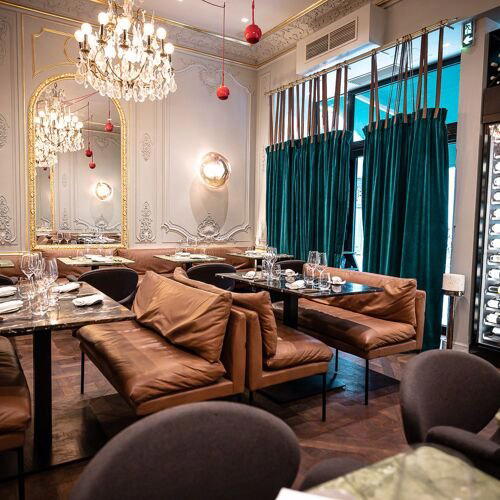
Where Warsaw's Traditional Dining Scene Has Arrived
Central Warsaw has spent the better part of a decade sorting itself into tiers. The city's most ambitious kitchens moved toward tasting-menu formats and modern Polish reinterpretation, while a parallel current, quieter, less photographed, kept working through the question of what traditional cooking looks like when it's done with real precision.
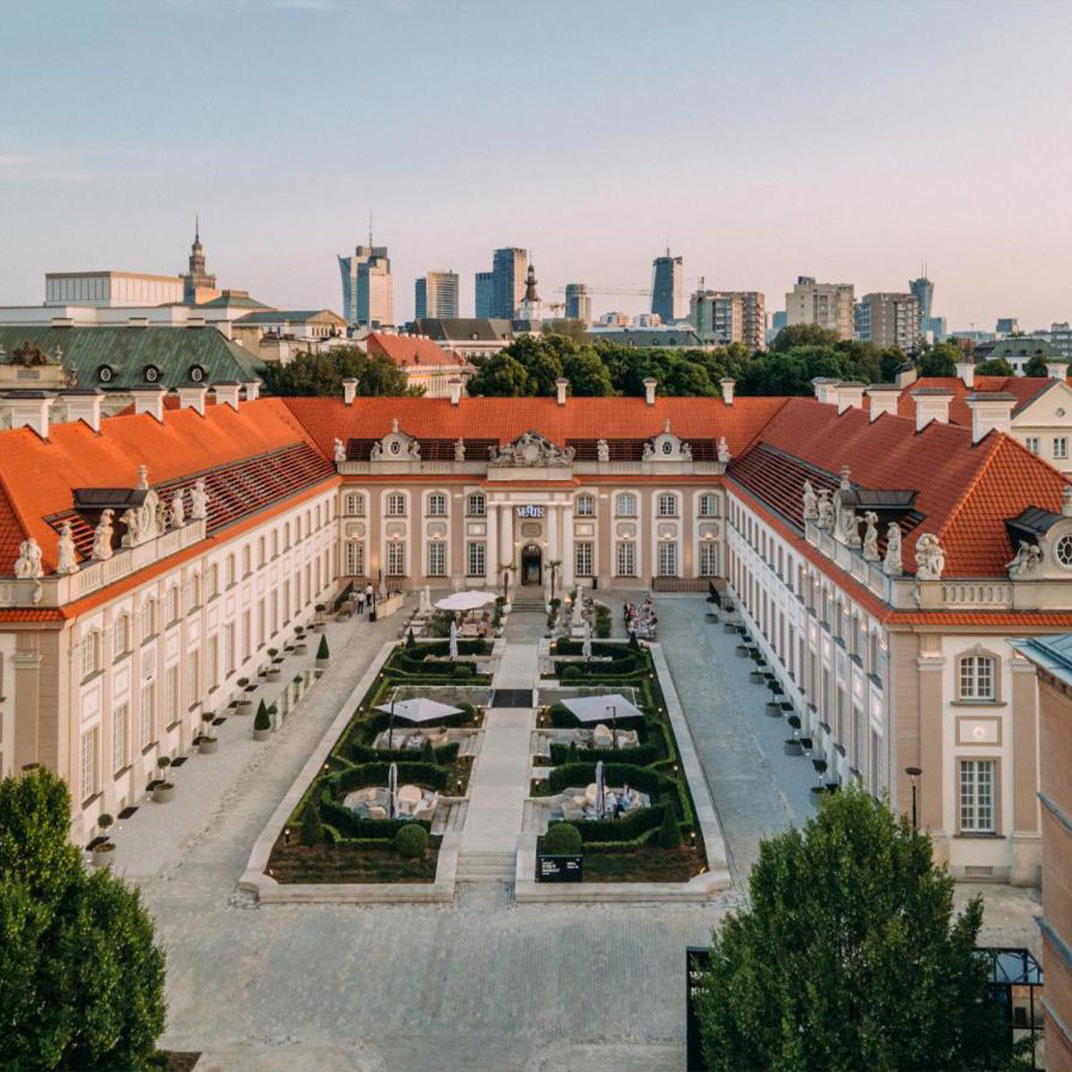
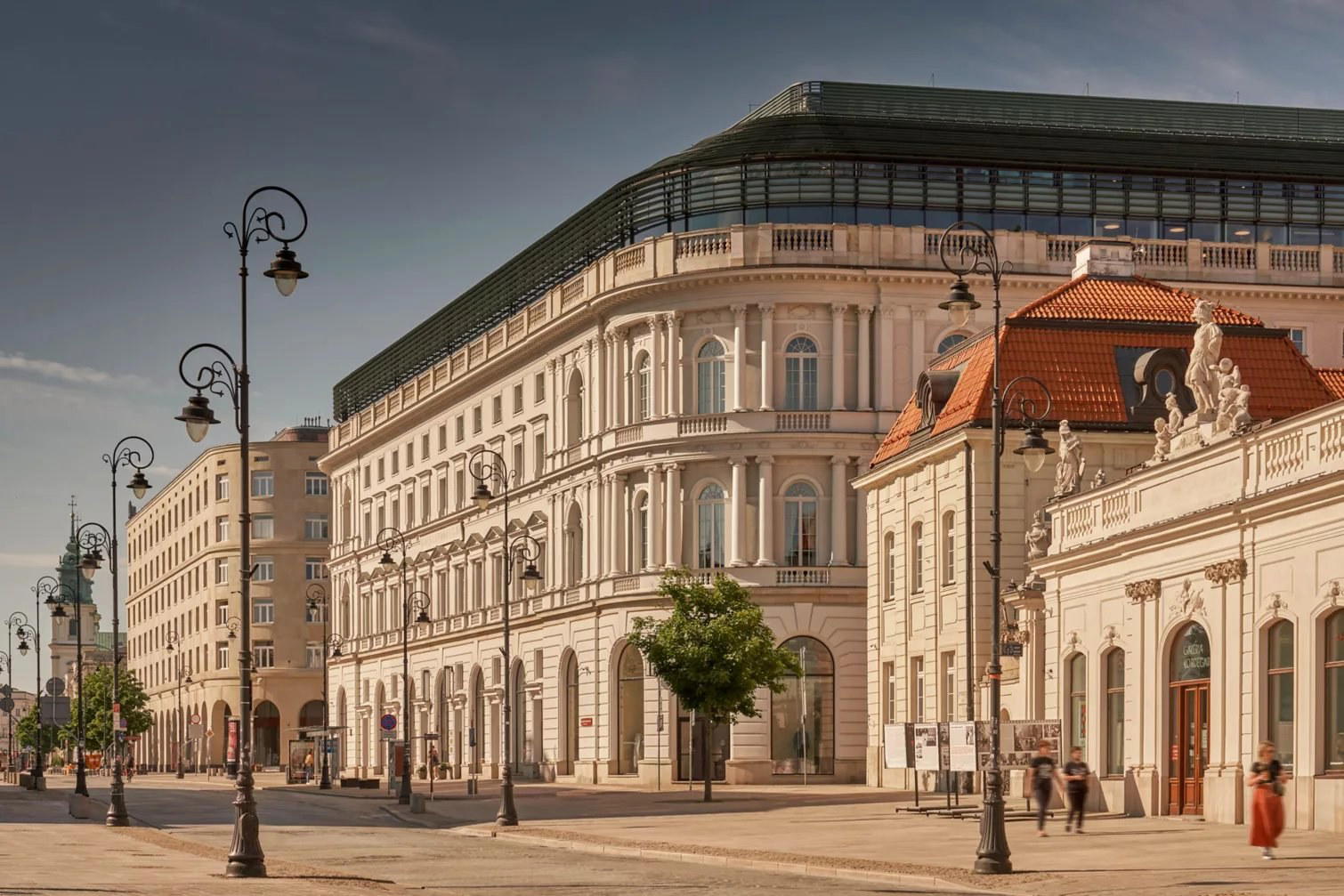
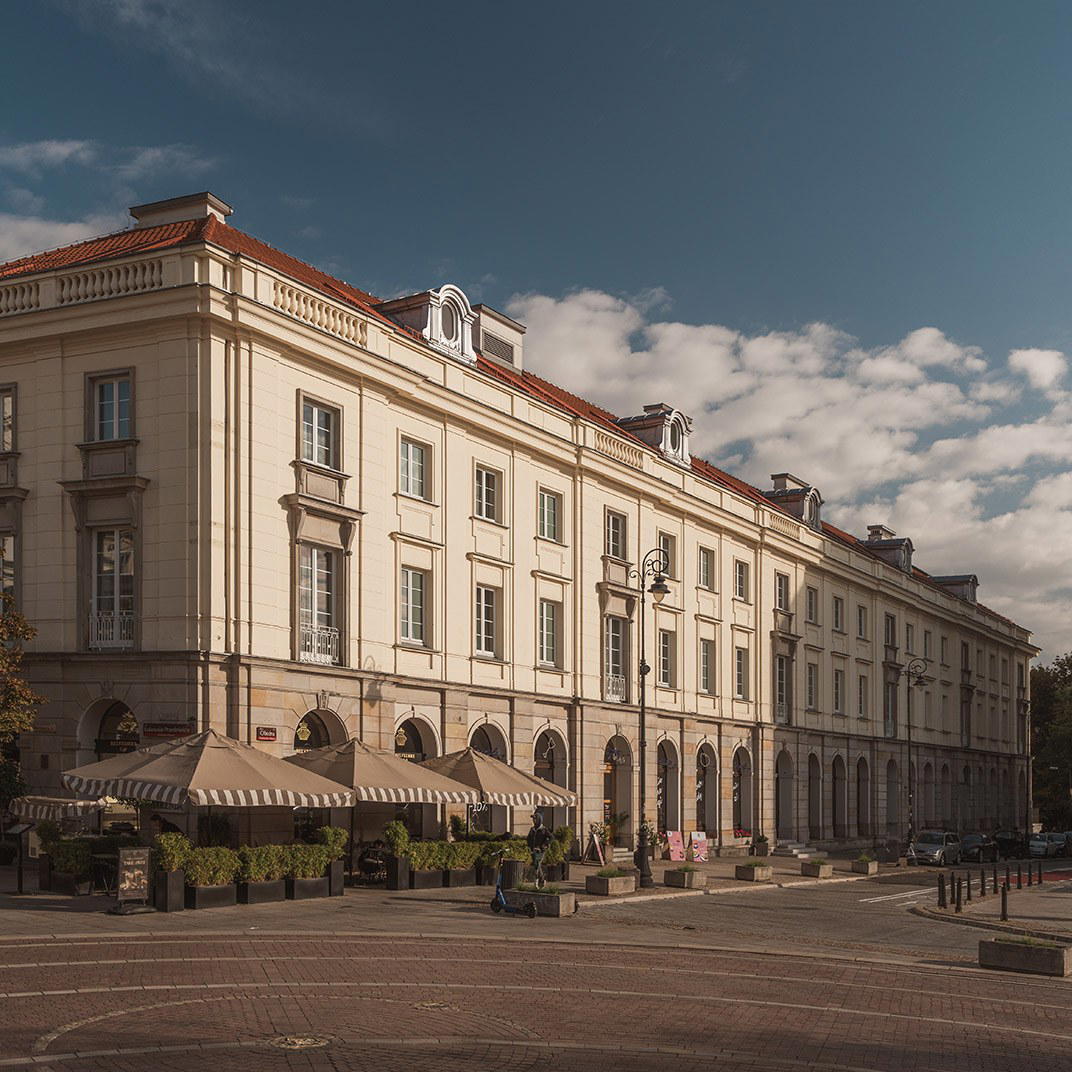
The street itself positions Rusiko in a part of the city centre that has absorbed several waves of redevelopment without losing its pedestrian character. Approaching from the direction of Plac Piłsudskiego, the scale is human rather than monumental, and the entrance carries none of the theatrical staging that newer Warsaw openings often deploy. What you get instead is a room that reads as settled.
Traditional Cuisine at the €€ Level: A Shrinking Middle Ground
Warsaw's mid-price dining tier has thinned considerably. Venues that opened at the €€ level in the early 2010s have largely migrated upward in price, shifted format, or closed. The ones that remain in this bracket and hold Michelin recognition are a small group. Rusiko belongs to it alongside addresses like Źródło and Wyraj, both of which operate in the traditional and near-traditional register at comparable price points.
What the €€ designation means in practice is that Rusiko prices against peer tables in the accessible mid-market rather than against the city's modern tasting-menu circuit. Venues like hub.praga (Modern Cuisine) and NUTA (Creative) operate one bracket up, with formats and prices that reflect their more experimental positioning. Rusiko's competitive set is different: it's measured against tables that want to feed people well at a price that doesn't require occasion justification.
That positioning has become harder to hold with integrity as ingredient costs have risen across the board. A Michelin Plate at the €€ tier is, in this context, an argument about value in the precise sense: the kitchen delivers at a level the price does not automatically guarantee.
The Evolution of the Kitchen Under David Holman
The editorial angle on Rusiko's current standing requires understanding what changed rather than simply what is. Chef David Holman's name in a Warsaw traditional-cuisine context is itself a signal worth examining. Non-Polish leadership in a kitchen committed to traditional Polish or Central European cooking was, a decade ago, an unusual combination in this city. It has become less unusual as Warsaw's dining scene internationalised, but the framing still matters: the kitchen's commitment to the traditional register is a craft position, not a heritage one.
What the Michelin Plate (2025) represents is not a sudden arrival but a formal recognition of sustained quality. Restaurants that accumulate nearly 4,800 reviews at a 4.7 average are not having good months, they are operating with structural consistency. The award, in that reading, is a lagging indicator of a direction the kitchen established well before 2025.
The evolution that matters here is the narrowing of the gap between mid-price traditional cooking and the kind of technical attention Warsaw's higher-end kitchens apply. Rusiko operates in that narrowed space, where the question is no longer whether traditional cuisine can carry ambition, but how much ambition it can carry at this price without compromising the directness that makes traditional cooking worth eating in the first place.
Rusiko in Warsaw's Broader Traditional Dining Context
Across Poland, the Michelin-recognised traditional cuisine tier includes tables with considerably more infrastructure. Bottiglieria 1881 Restaurant in Kraków operates at a higher price point with a cellar program that reflects decades of accumulation. Giewont in Kościelisko works a regional mountain register that Warsaw has no equivalent of. What Warsaw-specific traditional dining offers instead is urban density and access, a version of the tradition that feeds the city rather than performing it for tourists.
Rusiko sits within that urban-practical tradition. Its central address, accessible price range, and review volume all point to a restaurant that functions as part of the city's fabric rather than as a destination requiring planning from abroad. That distinction is relevant for the reader making a Warsaw itinerary: the Muzealna end of the Warsaw dining spectrum skews toward occasion dining; Rusiko functions well as a dinner that doesn't need to be an occasion.
For broader European comparisons in the traditional cuisine category, it's useful to note that the Michelin Plate designation connects Rusiko to a European cohort of recognised traditional tables, including Auberge Grand'Maison in Mûr-de-Bretagne and Auga in Gijón, where the common thread is technical seriousness applied to a cuisine that could easily be done with less care. The plate is the guide's way of marking those tables where the cooking punches above the format's implied ceiling.
Planning a Visit
Rusiko is at Wierzbowa 11, 00-094 Warsaw, a central location that puts it within walking distance of the main cultural and commercial districts. The €€ price range means a full dinner for two with drinks lands well within what Warsaw's mid-market commands; for context, alewino in the same price bracket gives a sense of what this tier looks like on the modern Polish side. Booking is essential, and the current hours are Mon: Closed; Tue to Sat: 1 PM to 12 AM; Sun: 12 PM to 11 PM.
For context on other Polish cities with Michelin-recognised dining, Arco by Paco Pérez in Gdańsk, Muga in Poznań, 1911 Restaurant in Sopot, and Acquario in Wrocław represent the country's spread of recognised tables.
Booking and Cost Snapshot
Comparable venues nearby, for context on price, style, and recognition.
| Venue | Cuisine | Price | Awards | Notes |
|---|---|---|---|---|
| RusikoThis venue — the venue you are viewing | Mariensztat, Traditional Georgian | $$ | Michelin Plate | Not listed |
| Dyletanci | Ujazdow, Modern Polish Bistro | $$$ | Michelin Plate | Not listed |
| Źródło | Praga Polnoc, Modern Polish | $$$ | Michelin Plate | Not listed |
| Czerwony Wieprz | Not listed | $$ | Not listed | Mirow, Traditional Polish Communist-Era Cuisine |
| Muzealna | Ujazdow, Modern Polish Bistro | $$$ | Michelin Plate | Not listed |
| Oberża pod Czerwonym Wieprzem | Not listed | $$ | Not listed | Mirów, Traditional Polish & Eastern Bloc Communist-Era Cuisine |
Recognition history
Dated appearances from independent guides and award organizations, with the underlying list record or original source where available.
Michelin Plate
Michelin
Michelin Plate
Michelin
At a Glance
- Cozy
- Rustic
- Elegant
- Intimate
- Classic
- Date Night
- Group Dining
- Special Occasion
- Casual Hangout
- Live Music
- Standalone
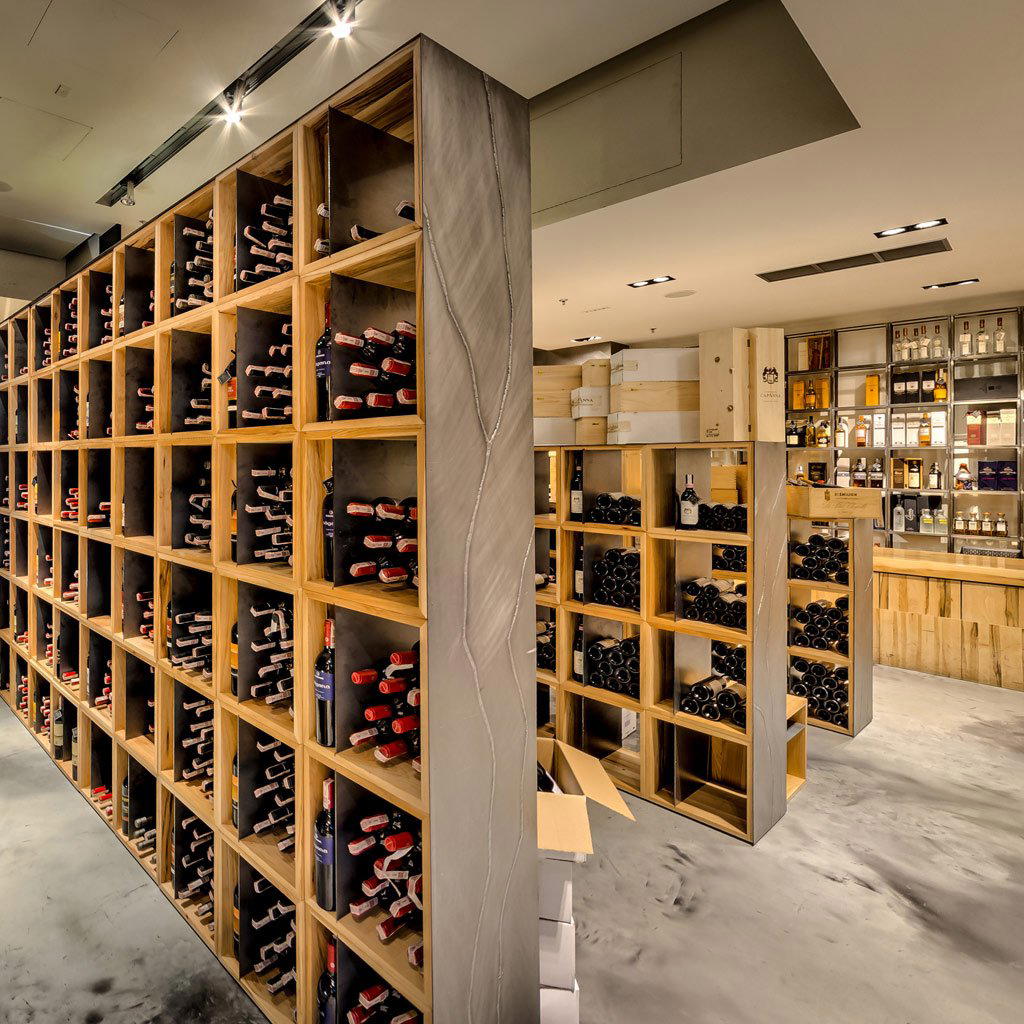
- Extensive Wine List
- Sommelier Led
- Local Sourcing
- Street Scene
Current opening hours
- Monday
- Closed
- Tuesday
- 1 PM–12 AM
- Wednesday
- 1 PM–12 AM
- Thursday
- 1 PM–12 AM
- Friday
- 1 PM–12 AM
- Saturday
- 1 PM–12 AM
- Sunday
- 12–11 PM
Hours can change for holidays and private events. Last verified .
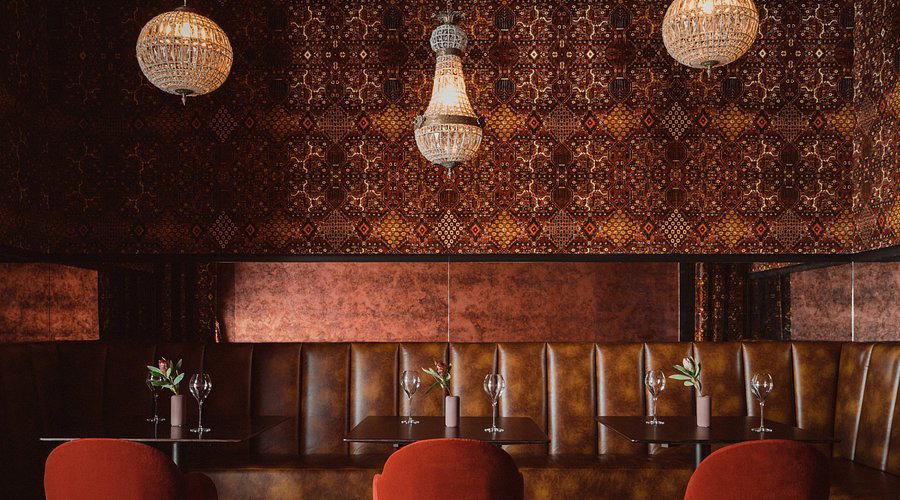
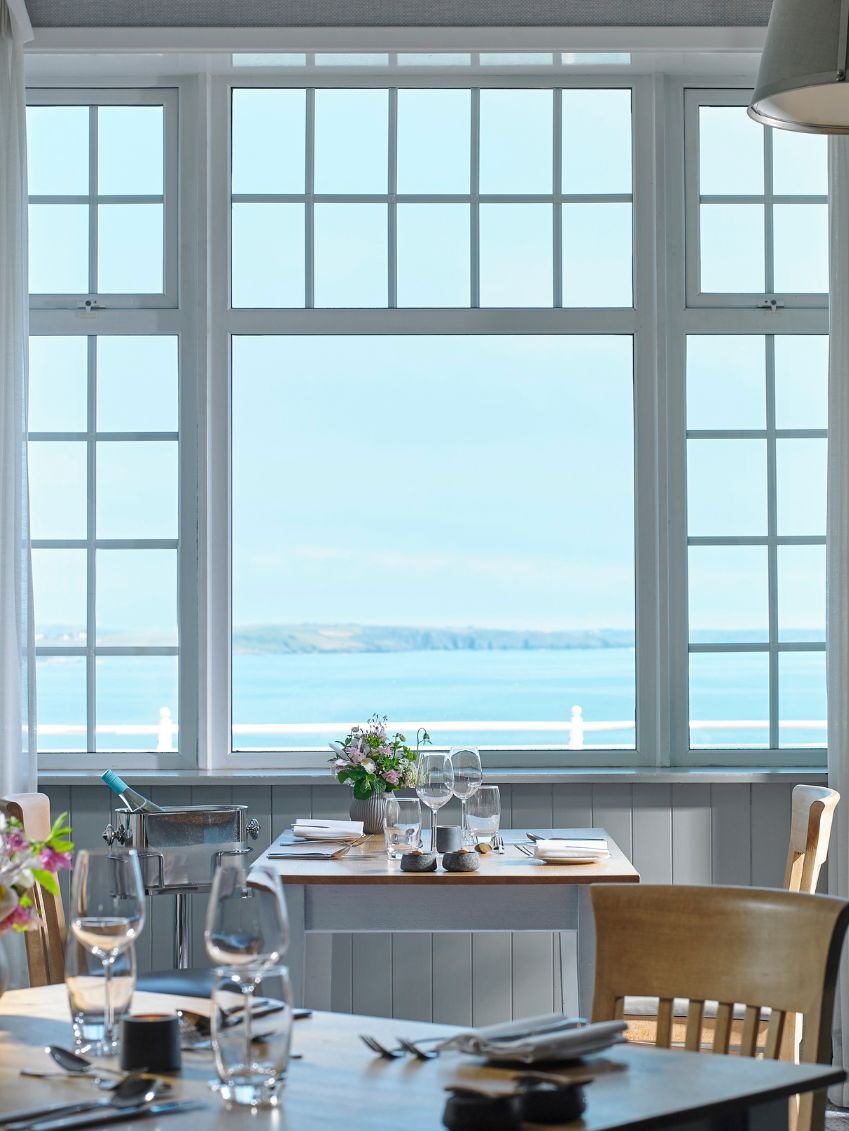
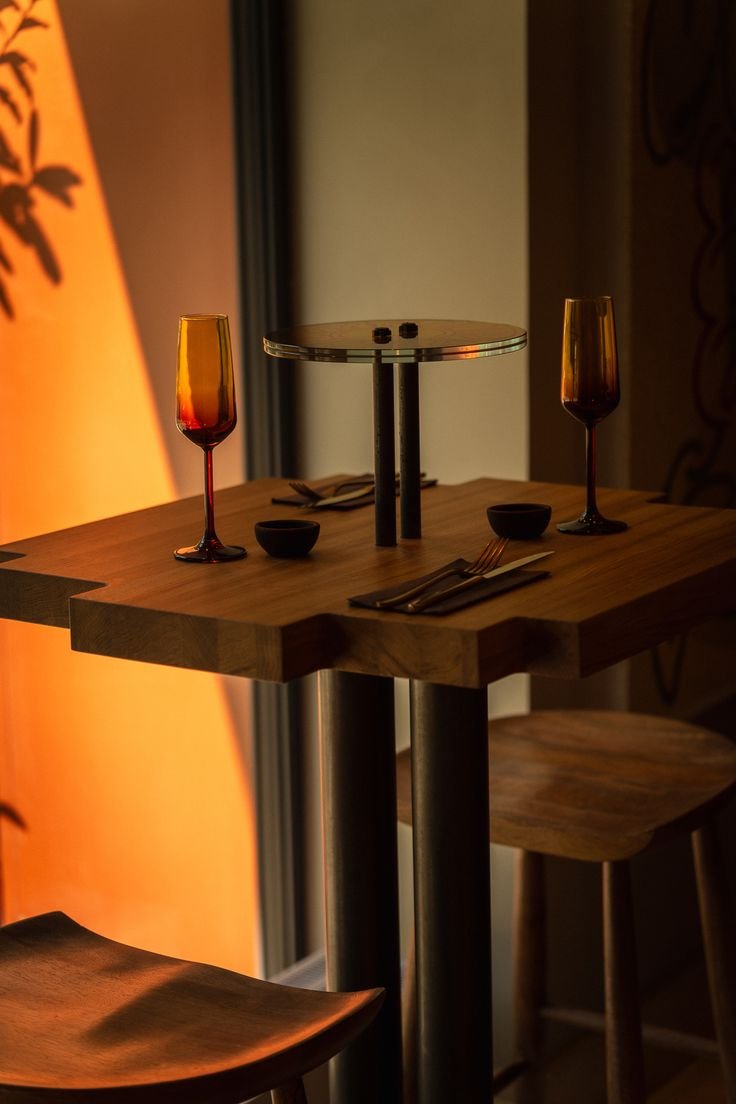
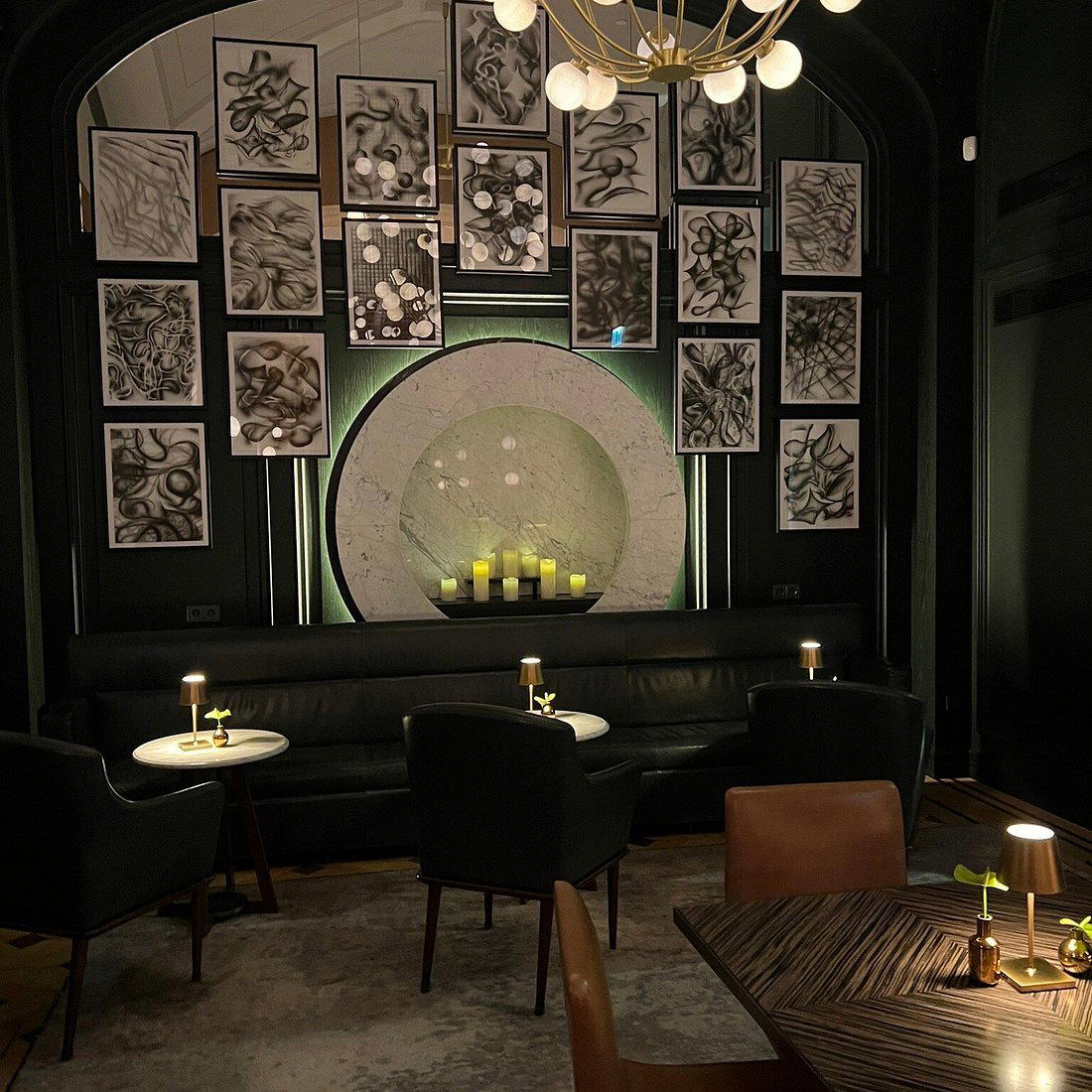
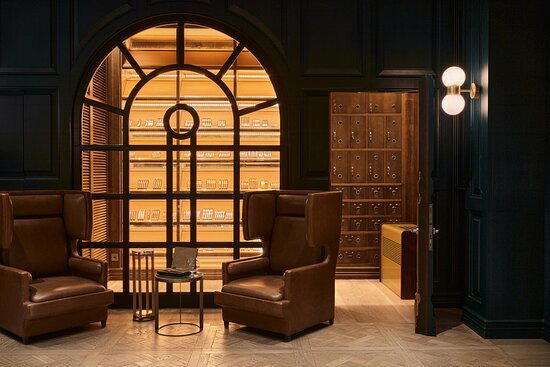
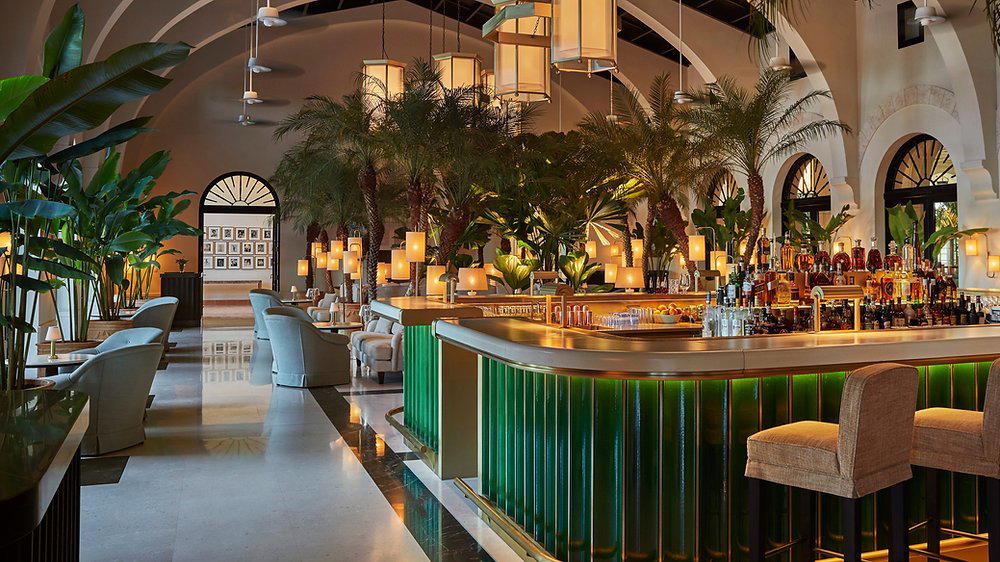
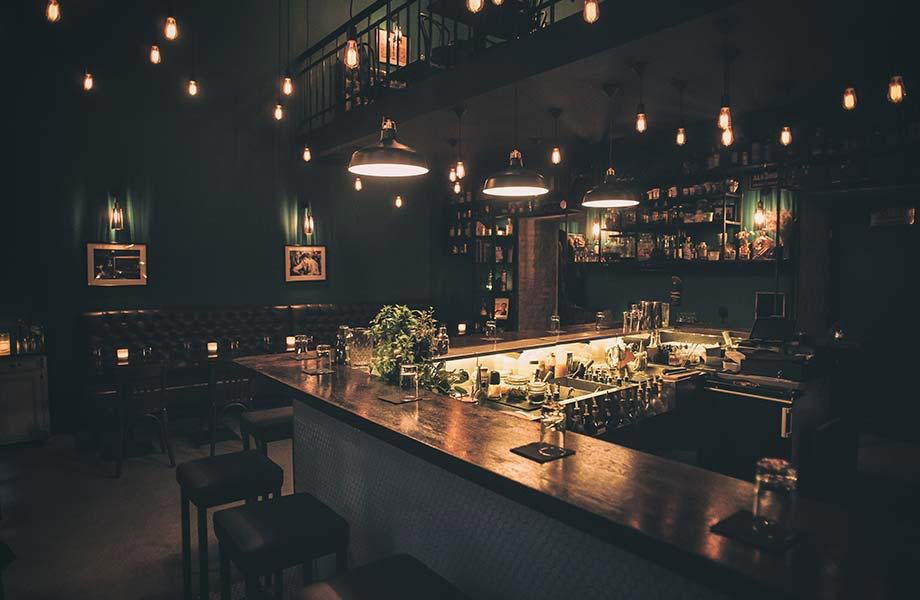
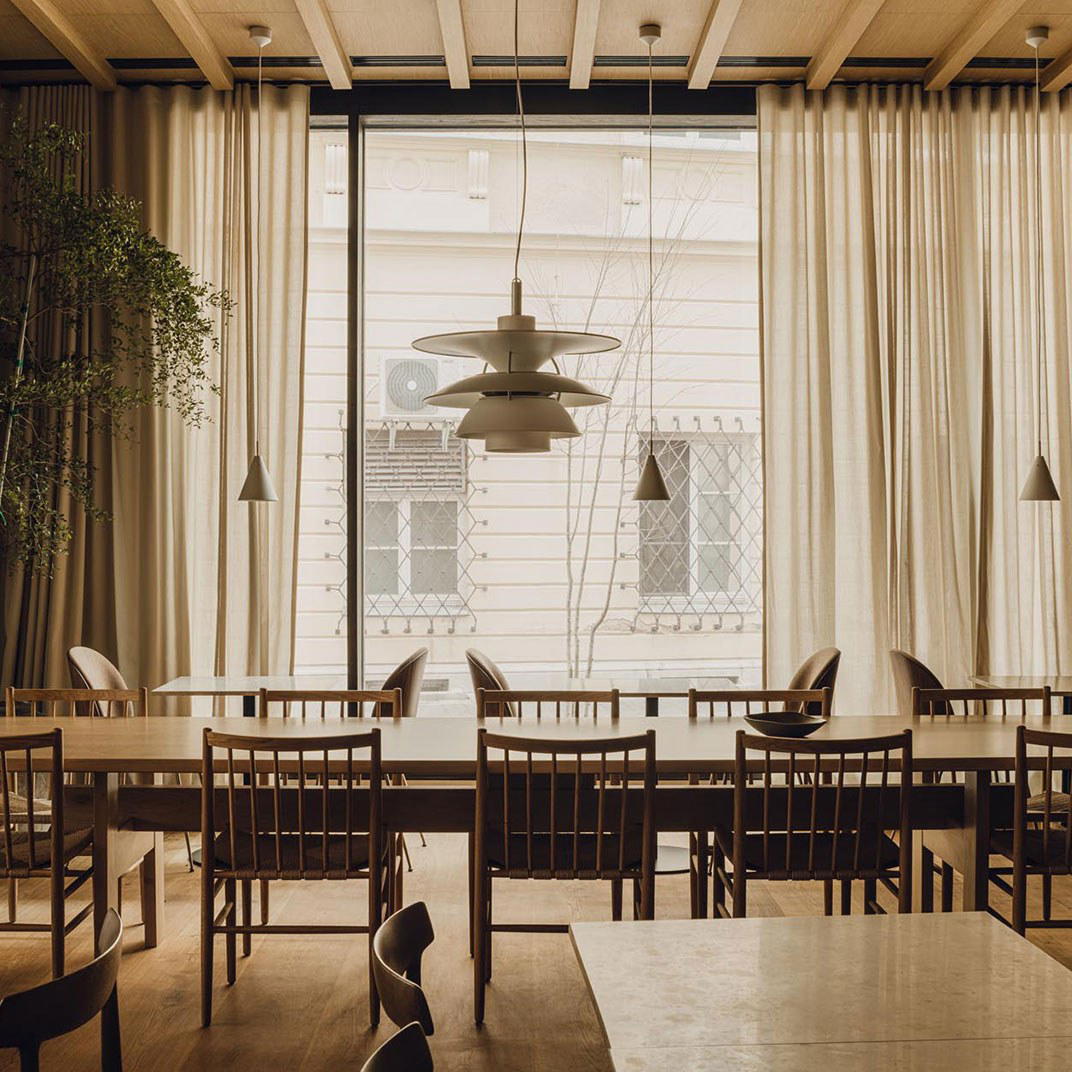
Warm and inviting with tastefully displayed Georgian carpets on walls, traditional music, soft evening lighting, and a cozy family-style atmosphere that feels intimate and grounded despite elegant decor.