
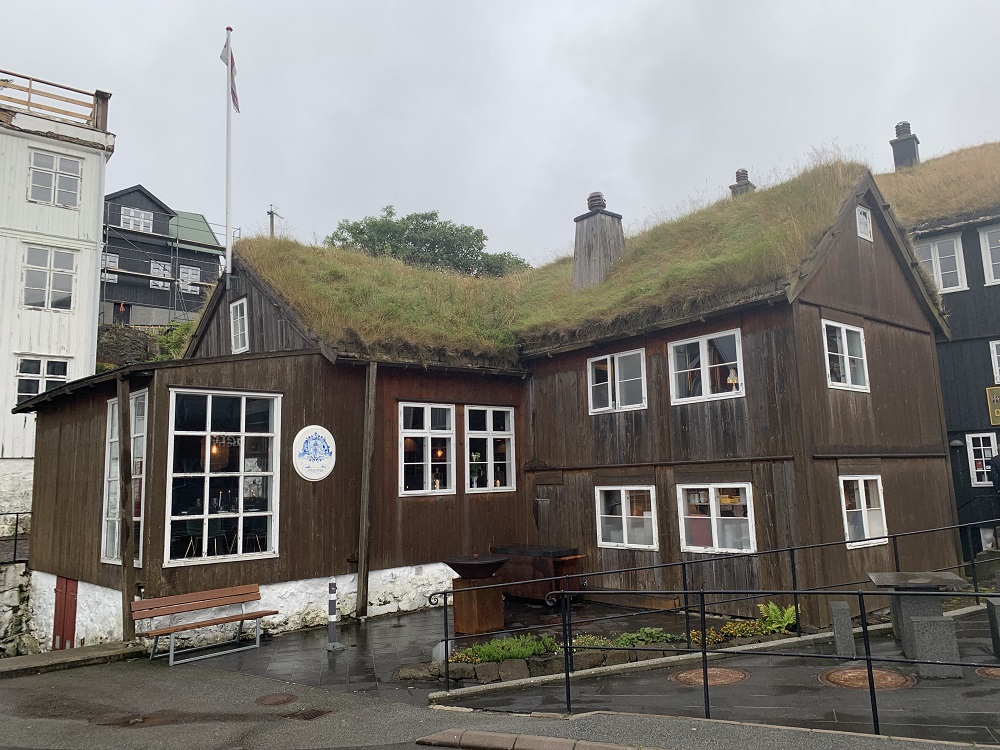
Ræst anchors Torshavn's fermentation-led dining scene in a traditional turf-roofed house, running a set menu that translates Faroese preservation techniques—ageing, drying, salting—into disciplined, ingredient-first plates. The shared-table format suits groups prepared for bold, fermented flavour profiles and a multi-course commitment.
Pearl is the En Primeur Club membership app — saves, bookings, and concierge access live there. Same editors, same standards.
- Address
- Gongin 8, Tórshavn, Faroe Islands, 100, DNK
- Phone
- +298 411430
- Website
- raest.fo
 Saves & bookings on Pearl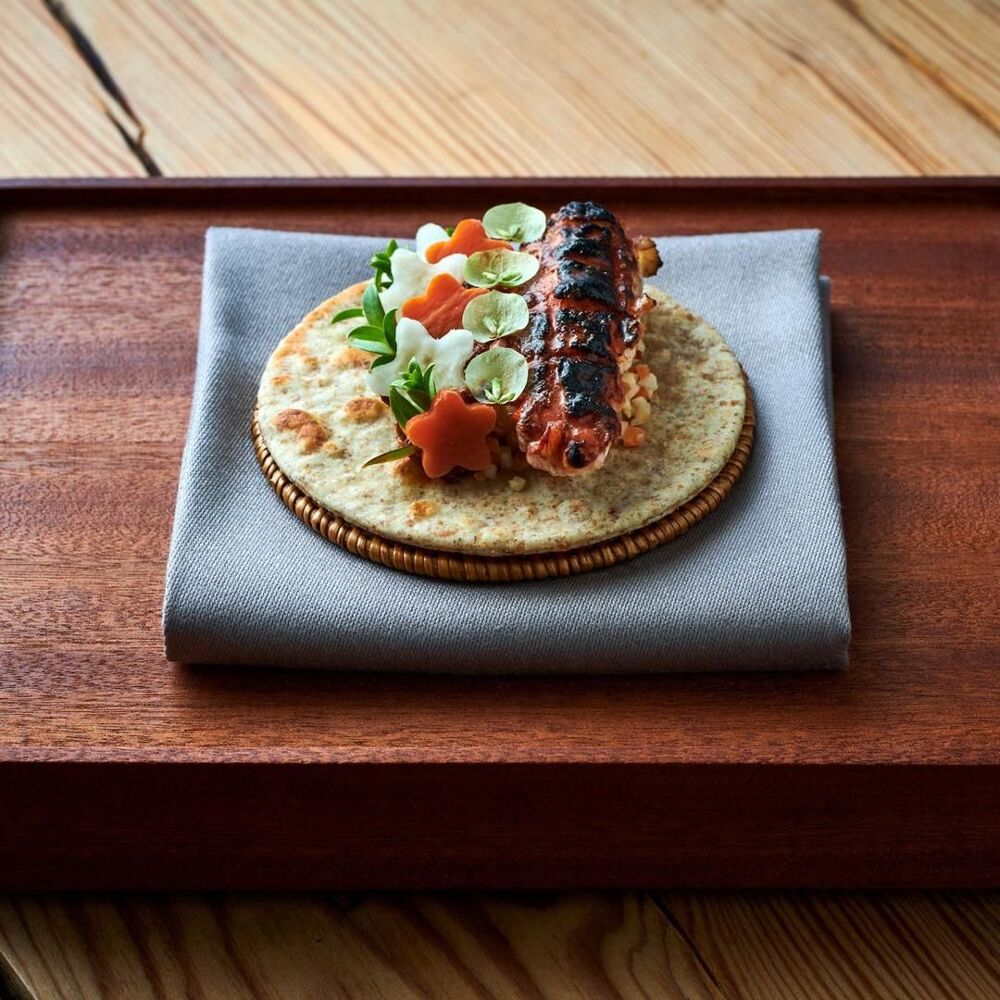
Fermentation defines the Faroe Islands at a geological level: the climate is too cold and the growing season too short for most crops, so preservation through wind-drying, salting, and microbial ageing became survival infrastructure. Ræst sits inside that tradition, not as folklore but as working technique. The restaurant occupies a turf-roofed house in central Tórshavn, with low ceilings and characterful rooms that map to the archipelago's architectural pragmatism. The name translates directly as "fermented," and the set menu centres on that vocabulary: aged lamb, wind-dried fish, cultured dairy, and pickled root vegetables form the structural spine, with each course demonstrating how the islands' isolation shaped a distinct flavour palette.
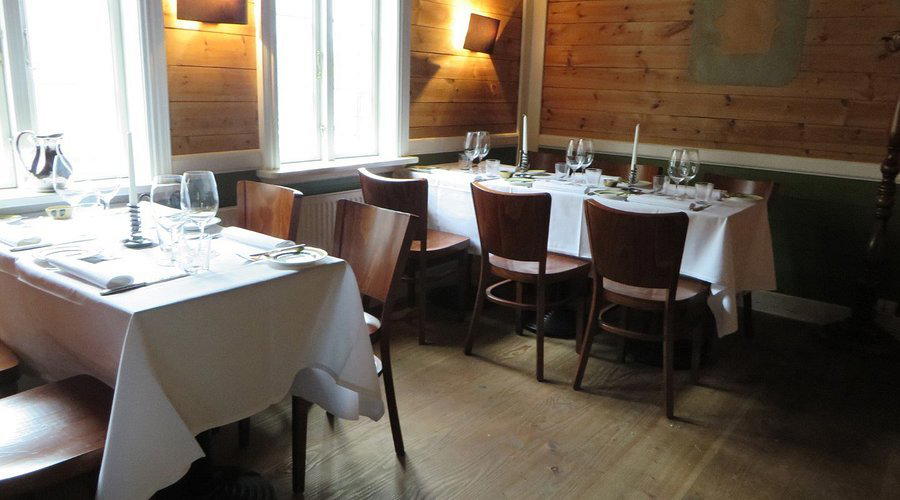
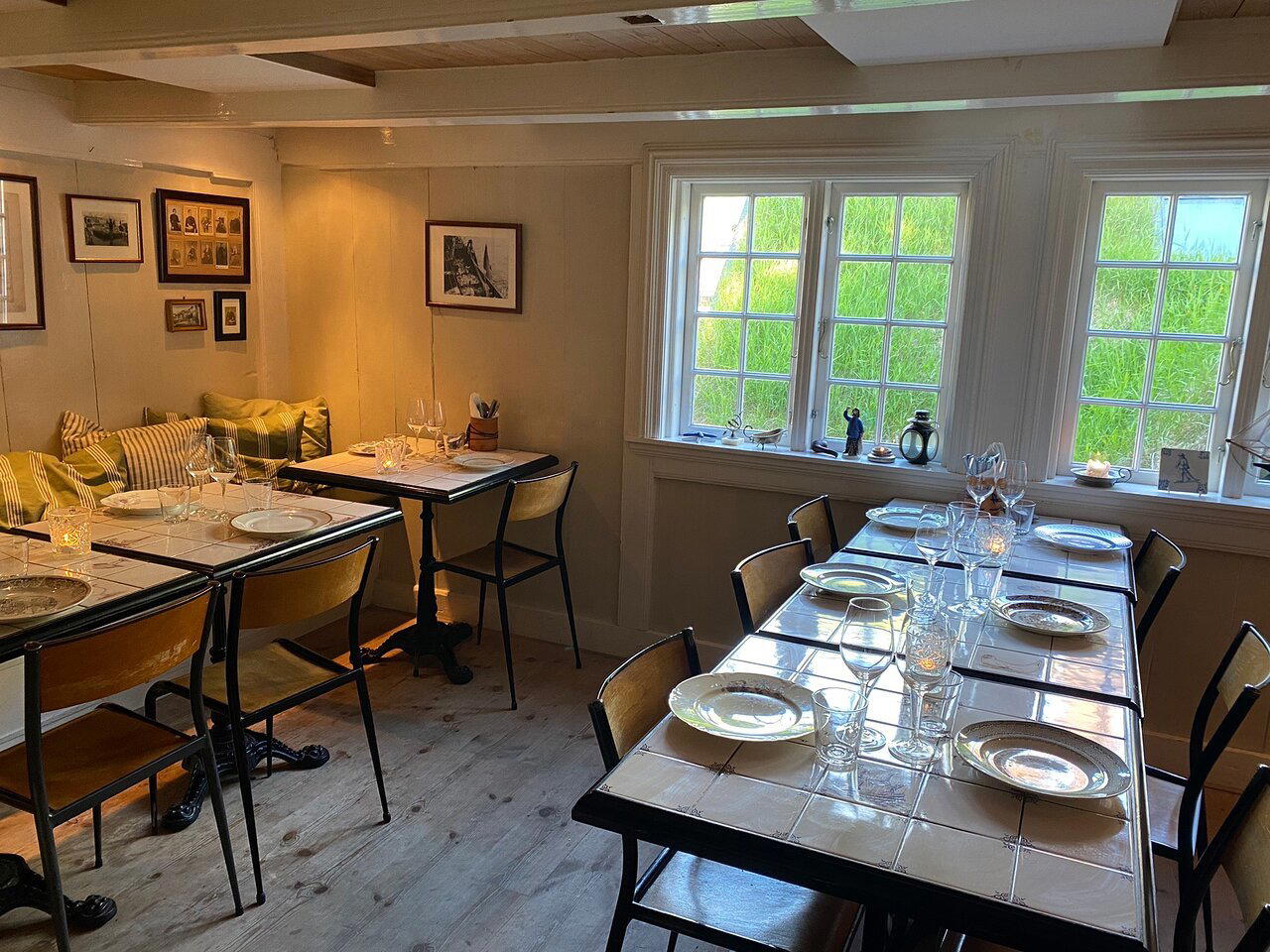
The format favours a shared table rather than isolated two-tops, and that configuration matters. Service explains the provenance and process behind each ingredient, where the lamb grazed, how long the fish hung in the drying hut, and the communal seating allows those explanations to land once rather than repeat across the room. Portions reflect the multi-course structure; expect bold, umami-heavy flavour profiles rather than delicate nouvelle-cuisine restraint. The creative balance that critics note ("bold, creative and well-balanced" in its Michelin recognition) comes from offsetting fermentation's intensity with acidity, bitterness, or sweetness drawn from local botanicals and seaweeds. Ræst does not soften its ingredients for broader palates; if you dislike fermented or aged flavours, the menu leaves little room to manoeuvre.
How the Menu Translates Faroese Sourcing
The Faroes produce a narrow but deep ingredient range, and Ræst leans into that scarcity as an editorial constraint. Lamb, fish (primarily cod and halibut), seabirds (when seasonally permitted), and foraged plants form the core. Most proteins arrive aged or fermented: ræst lamb (hung for weeks in controlled humidity), fermented fish roe, and wind-dried cod all carry concentrated, savoury funk. The menu shifts with availability, storm cycles and fishing quotas influence what lands on the plate, but the technique remains constant. Dairy comes from island flocks, and the kitchen ferments milk into skyr-like textures or clarifies whey for broths. Root vegetables and seaweed add minerality and bitterness; expect Jerusalem artichoke, dulse, and kombu rather than imported greens. The sourcing strategy resembles other North Atlantic programmes, Koks in Tórshavn operates at a higher price point and with more theatrical service, while ROKS simplifies the format around seafood, but Ræst remains the most fermentation-forward of the three.
What the Turf-Roofed Setting Signals
Building itself communicates the restaurant's editorial stance. Turf roofs were standard across the Faroes until the mid-20th century, acting as insulation and water-shedding infrastructure in a climate that averages 280 rainy days per year. Ræst's house retains those features, and the low ceilings and thick walls create an intimate, dim interior that suits the slow, conversational pacing of the meal. The aesthetic is functional rather than precious: wooden furniture, minimal décor, and exposed beams match the ingredient philosophy. Lighting stays low throughout service, which can make note-taking difficult if you are documenting the menu. The turf roof is not a theme-park gesture; similar structures still house working families across the islands, and Ræst occupies one as a working restaurant rather than a museum set.
Tórshavn's dining infrastructure remains compact. Our full Torshavn restaurants guide lists fewer than a dozen notable addresses, and most visitors cross-reference Ræst with Koks, ROKS, and PAZ. The broader lodging and bar scene is similarly concentrated; see our full Torshavn hotels guide and our full Torshavn bars guide for context on where to stay and drink. The city serves as the archipelago's logistical hub, and most international visitors land at Vágar Airport (a 45-minute drive west) before transferring to the capital. If you are building a Faroese itinerary around dining, Ræst fits midway through a three- or four-night stay, after your palate has adjusted to the local flavour intensity but before ingredient fatigue sets in.
The fermentation-led approach aligns Ræst more closely with Nordic programmes in Iceland and Greenland than with Copenhagen's New Nordic fine dining. The technique shares DNA with preservation traditions across the Arctic, and diners familiar with hákarl (fermented shark) or kiviak will recognize the flavour territory. That said, Ræst executes with restraint rather than shock value; the menu avoids the most pungent extremes (no ammonia-heavy shark), and balancing elements keep each course accessible to adventurous eaters rather than solely to fermentation enthusiasts. The creative register sits between rustic preservation and contemporary technique: you will taste centuries-old methods but plated with modern precision and pacing. If you expect a more delicate, vegetable-forward Nordic experience closer to 1105 Copenhagen in Copenhagen or akmē in Nordhavn, recalibrate expectations toward bolder, protein-heavy flavours.
For broader Danish dining context, though the Faroes operate as an autonomous territory with distinct culinary identity, compare addresses like 2takt Café & Brasserie in Frederikshavn, A-Kin Thai in Aarhus, or Aagaard Kro in Egtved to see how mainland Denmark balances regional technique with broader European influences. The Faroes remain more isolated, and that isolation concentrates the ingredient focus. If you are also exploring sake-forward or ingredient-purist programmes elsewhere, Jōdo Saké Bar in Los Angeles and Onigiri Time in Pasadena offer parallel examples of how scarcity and tradition shape tight, disciplined menus.
Ræst works for diners who prioritize ingredient provenance over comfort-zone flavours, who accept a fixed menu without substitutions, and who bring curiosity about Arctic food systems. The shared-table format suits solo travellers and small groups willing to engage with neighbours; parties seeking private, quiet conversation should weigh that trade-off. The meal unfolds over two to three hours, and the pacing assumes you are committing the evening. Faroese dining at this level remains a niche experience, fewer than 60,000 people live across the archipelago, and visitor numbers hover around 120,000 annually, so Ræst operates as a destination restaurant rather than a neighbourhood fixture. Book ahead, confirm dietary restrictions early (the fermentation-heavy menu offers limited flexibility), and plan for bold, savoury flavours that reflect the islands' geographic and climatic constraints more directly than any other address in Tórshavn.
Continue exploring
More in Torshavn
Restaurants in Torshavn
Browse all →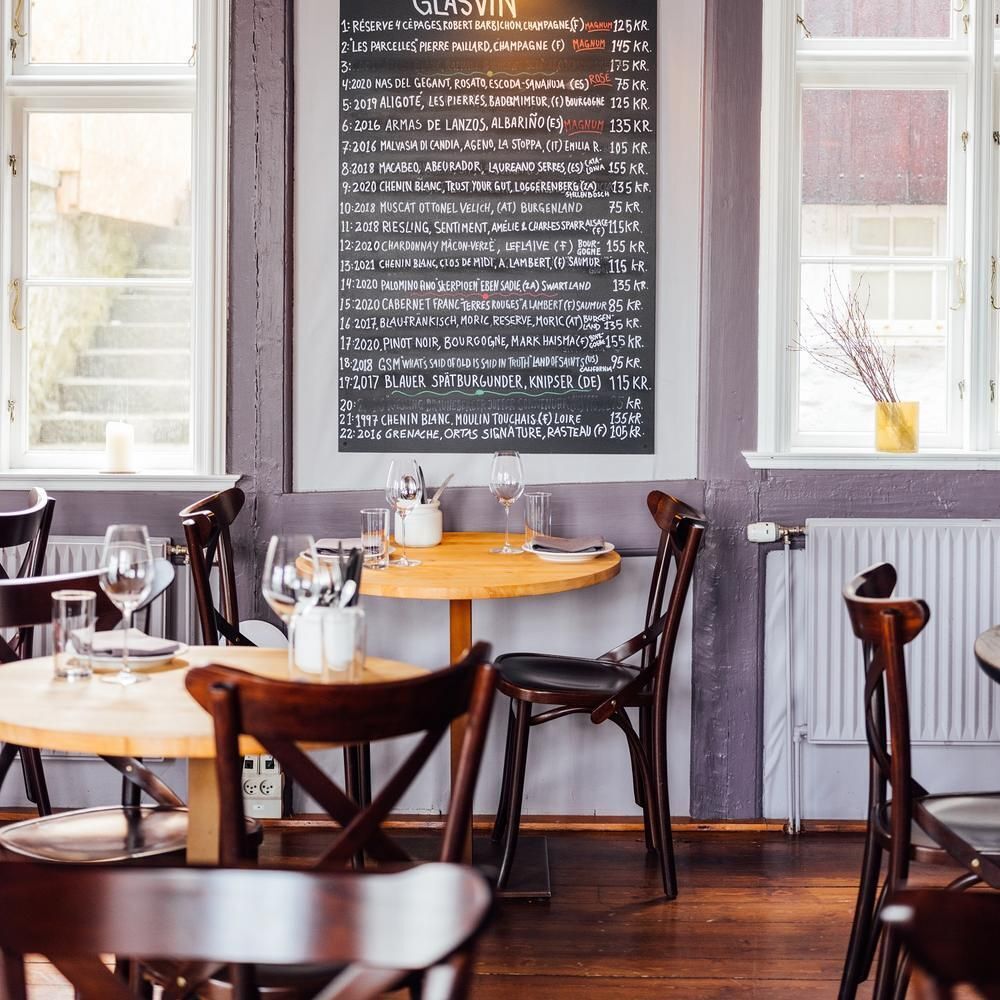
.jpg?1761070344)
At a Glance
- Cozy
- Intimate
- Sophisticated
- Hidden Gem
- Rustic
- Date Night
- Celebration
- Special Occasion
- Standalone
- Sommelier Led
- Zero Proof
- Local Sourcing
- Street Scene
Small and intimate, with a rustic, heritage-driven atmosphere focused on traditional Faroese flavors and creative presentation.