Royal China
Our verdict
Royal China on Royal Lane sits within Dallas's northern corridor, where Chinese-American dining has historically operated in the shadow of the city's steakhouse and Tex-Mex identity. The room draws a loyal neighborhood crowd accustomed to dim sum rhythms and banquet-scale ordering. For Dallas diners exploring Chinese cooking beyond the downtown core, it represents a consistent address in a category the city doesn't oversaturate.

Pearl is the En Primeur Club membership app, where members save venues, book tables and use the concierge.
The menu
What to order
- Thin Dan-Dan Mian
- Lu-Rou Mian
- General Kao's Chicken
Chinese Dining in Dallas: Where the City's Northern Corridor Fits In
Dallas has never built its culinary reputation around Chinese cuisine the way Houston has, or the way San Francisco's Richmond District long defined a regional standard for Cantonese cooking on the West Coast. The city's food identity runs closer to Southwestern beef traditions, represented by places like Mamani or Japanese-inflected dining rooms such as Tatsu Dallas. That context matters when placing Royal China: it operates in a category that Dallas supports but doesn't amplify with the same critical apparatus it applies to, say, a new omakase counter or a wood-fire steakhouse like 12 Cuts Brazilian Steakhouse.
Royal China's address on Royal Lane in the 75230 zip code places it squarely in the northern residential corridor, away from the Uptown density that draws most of Dallas's newer dining press. This geography shapes everything about the experience: the clientele skews toward neighborhood regulars and extended-family groups rather than destination diners working through a reservation list. In Chinese-American dining broadly, that neighborhood-anchor model has historically produced some of the most consistent cooking, precisely because the room isn't performing for critics.
The Arc of a Meal: How Chinese-American Multi-Course Eating Works Here
The editorial framework that makes sense for Royal China is not the tasting-menu progression of, say, Alinea in Chicago or The French Laundry in Napa, where a kitchen dictates every beat. Chinese-American dining, especially in a banquet-adjacent format, follows a different sequencing logic: the table governs pace, dishes arrive in rounds that the group negotiates, and the meal's architecture is collaborative rather than chef-imposed.
That structure rewards a particular kind of ordering discipline. In most Chinese-American rooms of this type, the meal moves from lighter to heavier: cold preparations and seafood-forward dishes early, followed by braised proteins and stir-fries at mid-meal, with rice and noodle courses absorbing the final stretch before dessert. The rhythm matters because dishes arrive as ready, not as choreographed by a kitchen sequence. Groups that understand this tend to eat better here than solo diners expecting a linear experience.
This banquet-style sequencing also explains why Chinese cooking at this register operates so differently from the tasting-progression restaurants that dominate premium dining press. Venues like Le Bernardin in New York City or Blue Hill at Stone Barns in Tarrytown treat the meal as a single composed narrative. A Chinese-American room treats it as a conversation, with multiple entry points and no fixed finale.
The Broader Dallas Chinese Dining Context
Dallas's Chinese restaurant concentration runs heaviest along Belt Line Road in Richardson and in pockets of Plano, where newer Sichuan and Shanghainese arrivals have shifted what the metropolitan area expects from the category. Royal Lane's position is distinct from that corridor: it draws from a different demographic pocket and serves a clientele that may predate Richardson's emergence as the city's more gastronomically serious Chinese dining zone.
For diners who want to triangulate, this matters. The question isn't whether Royal China competes with Houston's Cantonese scene or with the Sichuan intensity now available in Plano. The question is what role it plays in its immediate neighborhood and whether that role is served reliably. In Chinese-American dining generally, consistency across a long operating history tends to be a stronger signal than any individual dish's ambition.
Dallas's dining scene has continued expanding its range, with brunch formats like 360 Brunch House and cocktail-forward rooms like 3Eleven Kitchen and Cocktails drawing attention to neighborhoods that hadn't previously registered as dining destinations. Chinese cuisine in the northern corridor hasn't benefited from that same press momentum, which makes the neighborhood-anchor model Royal China appears to occupy relatively stable, if lower-profile. For the full range of what Dallas offers across categories, the EP Club Dallas restaurants guide maps the terrain more completely.
Placing Royal China Against a National Frame
At the top of American Chinese dining, venues operating in major coastal cities have begun drawing the kind of serious attention that was previously reserved for French or Japanese tasting menus. Cantonese seafood rooms in San Francisco, Shanghainese restaurants in New York's Flushing, and Sichuan specialists in Los Angeles have all developed critical followings that place Chinese cuisine in conversation with venues like Providence in Los Angeles or Atomix in New York City in terms of ambition. Internationally, the benchmark gets set by operations like 8 1/2 Otto e Mezzo Bombana in Hong Kong, where the dining room expects a different level of technical precision and ingredient sourcing.
Royal China does not operate in that tier, nor does it appear to position itself there. It belongs to a more established American tradition of Chinese-American dining rooms that built loyal audiences over decades by serving reliable, recognizable cooking at accessible prices. That tradition has its own value, particularly in cities like Dallas where the higher-ambition Chinese dining options require a drive to the northern suburbs.
For diners whose frame of reference runs through venues like Single Thread Farm in Healdsburg or Addison in San Diego, the expectation-setting needs adjustment before arriving. This is neighborhood dining with Chinese-American lineage, not a precision kitchen making a case for critical recognition. That framing is not a criticism. It's a category clarification that makes the meal more readable when it arrives.
What the Ordering Logic Reveals
In Chinese-American rooms with a banquet orientation, the menu structure itself functions as a guide. Sections divide by technique and protein rather than by course, and the skilled ordering move is to build contrast across the table: something roasted against something braised, a vegetable dish to cut through richness, a soup that the table shares mid-meal rather than as an opener. Groups of four or more tend to eat significantly better than smaller parties, because the table surface needed to hold simultaneous dishes is itself a constraint on the experience.
Comparable rooms in other cities, from the Cantonese dining rooms of Monterey Park to the Chinese-American institutions of New York's Chinatown, follow the same internal logic. The meal isn't a progression authored by the kitchen; it's a negotiation authored by the table. Diners who approach it that way, arriving with a rough plan and flexibility in execution, tend to come away satisfied regardless of which specific dishes they ordered.
Know Before You Go
- Address: 6025 Royal Ln #201, Dallas, TX 75230
- Format: Chinese-American dining room; banquet-style multi-dish ordering
- Leading for: Groups of four or more; family-style ordering
- Parking: Strip-mall adjacent; surface parking typically available
- Context: Northern Dallas residential corridor; distinct from the Richardson/Plano Chinese dining cluster
Frequently asked questions
What should I order at Royal China?
Without current verified menu data, specific dish recommendations aren't possible here. As a general principle at Chinese-American rooms of this type, ordering across technique categories (roasted, braised, stir-fried, and at least one vegetable preparation) produces a more coherent meal than concentrating on a single style. The EP Club Dallas guide aggregates current reader intelligence on the city's Chinese dining options.
Do I need a reservation at Royal China?
In Dallas's northern corridor Chinese-American rooms generally, weekend lunch and dinner service, particularly for groups of six or more, typically benefits from advance contact. Given the venue's position in a residential strip-mall format, walk-in availability may be higher on weekday evenings than Friday or Saturday peak periods. Calling ahead removes the uncertainty, particularly for larger parties where table configuration matters.
What is the standout thing about Royal China?
Royal China's primary value is its neighborhood-anchor consistency in a part of Dallas that doesn't have the concentrated Chinese dining options available in Richardson or Plano. For the 75230 corridor specifically, it fills a category that nearby residents would otherwise need to drive significantly further to access. The format suits groups and families more than solo diners or couples expecting a structured tasting experience.
How does Royal China handle allergies?
Chinese-American kitchens typically use shared oils, woks, and sauces across multiple dishes, which creates cross-contamination considerations for shellfish, nut, and gluten sensitivities. If allergies are a factor, direct contact with the venue before arrival is the appropriate step. Phone and website details were not available at time of publication; the address at 6025 Royal Ln #201 is the verified contact point for in-person or directory-sourced reach.
Should I spend more at Royal China vs. a pricier Dallas option?
The comparison depends on what the meal is meant to do. Chinese-American neighborhood dining at this register tends to offer strong value per dish relative to the tasting-menu formats at, say, Lazy Bear in San Francisco or The Inn at Little Washington. If the goal is feeding a family or a group in the northern Dallas corridor without the drive to Plano's more intensive Chinese dining zone, Royal China fits that use case. If the goal is a high-ambition single-kitchen experience, the category itself may not be the right choice regardless of venue.
Is Royal China appropriate for a first experience with Chinese-American banquet dining?
A neighborhood Chinese-American room in a residential corridor, as Royal China appears to be, is often a more accessible introduction to banquet-style ordering than a larger, higher-pressure dining room. The format, where the table drives the meal rather than a tasting menu sequence, rewards curiosity and group participation. Diners new to multi-dish Chinese-American eating may find it useful to reference the ordering logic described in the meal-arc section above before arriving, and to come with at least three or four people to make full use of the table.
Same-City Peers
Comparable venues nearby, for context on price, style, and recognition.
| Venue | Cuisine | Price | Notes |
|---|---|---|---|
| Royal ChinaThis venue (the venue you are viewing) | Authentic Chinese with Handmade Noodles | $20–30 | Not listed |
| Penne Pomodoro | Casual Italian Pasta & Pizza | $20–30 | Greenville Ave |
| Zalat Pizza | New York-Style Pizza with Bold Signature Flavors | $20–30 | Knox Henderson |
| Simply Fondue Dallas | French Fondue | $30–50 | Belmont |
| HG Sply Co. | Farm-to-Table Paleo American | $30–50 | Belmont |
| Kukulcan Mexican Restaurant | Traditional Mexican | $10–20 | Stemmons Corridor |
Continue exploring
More in Dallas
Restaurants in Dallas
All restaurants in Dallas →
Bars in Dallas
All bars in Dallas →
Details
- Classic
- Elegant
- Family
- Group Dining
- Casual Hangout
- Standalone
- Historic Building
- A La Carte
- Vegetarian Friendly
- Gluten Free Options
Current opening hours
- Monday
- 11 AM–2:30 PM, 4:30–9 PM
- Tuesday
- 11 AM–2:30 PM, 4:30–9 PM
- Wednesday
- 11 AM–2:30 PM, 4:30–9 PM
- Thursday
- 11 AM–2:30 PM, 4:30–9 PM
- Friday
- 11 AM–2:30 PM, 4:30–9:30 PM
- Saturday
- 4:30–9:30 PM
- Sunday
- 11 AM–2:30 PM, 4:30–9 PM
Hours can change for holidays and private events. Hours as of .
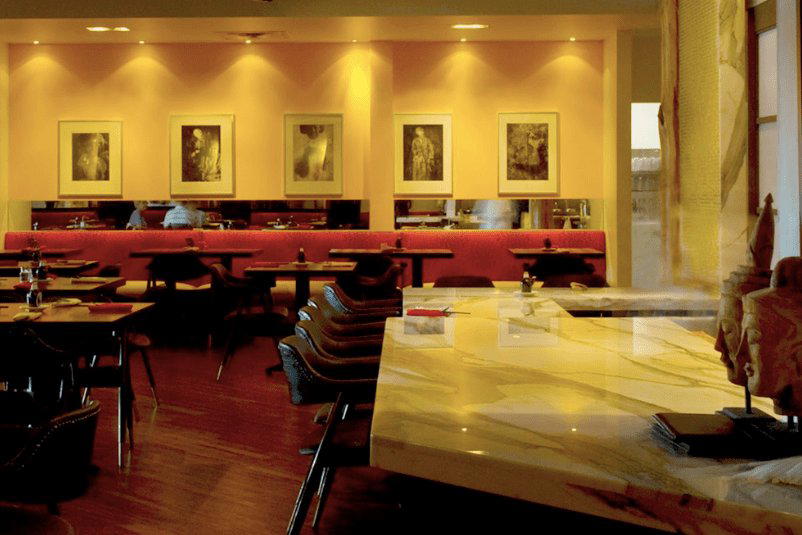
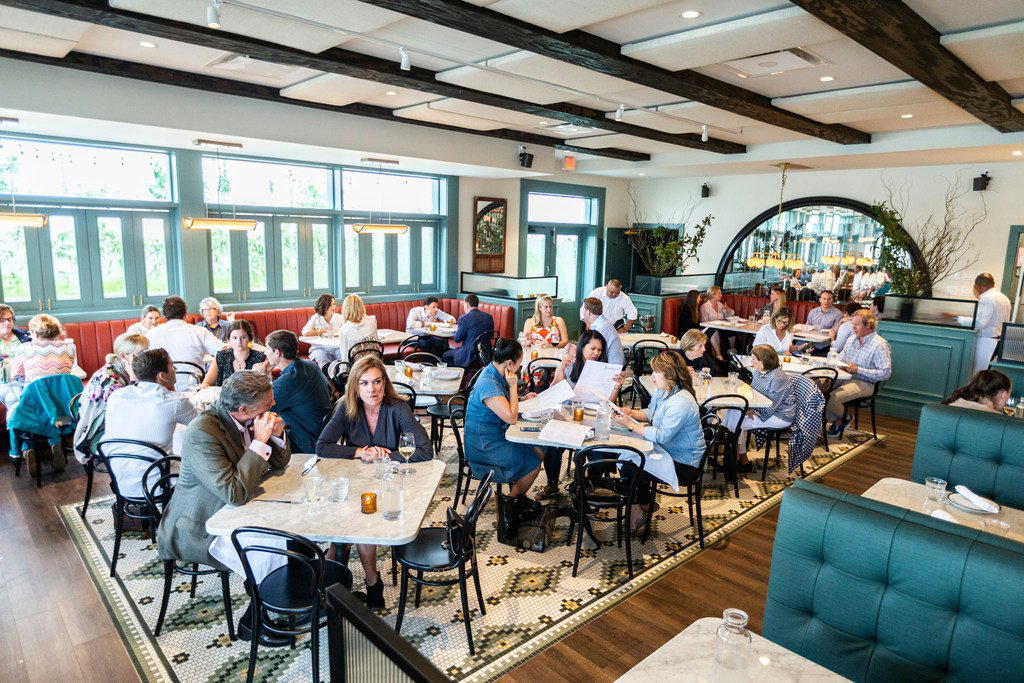
Classic and elegant atmosphere with reliable table service appreciated by longtime patrons.