Rocky Bottoms

The Good Food Guide GFG Good
Our verdict
Owned by a local fishing family and operating from a converted brick kiln on the North Norfolk coast since 2015, Rocky Bottoms pairs provenance-led seafood with a contemporary dining room that reads more urban than coastal. Brancaster oysters, Wells-next-the-Sea cockles, and crab linguine anchor a concise menu where freshness is structural, not decorative. Prices sit above the local daytime average, but the sourcing and execution justify the gap.

Pearl is the En Primeur Club membership app — saves, bookings, and concierge access live there. Same editors, same standards.
- Address
- Cromer Rd, West Runton, Cromer NR27 9QA, United Kingdom
- Phone
- +44 7848 045607
- Hours
- Mon–Thu 12–5 PMFri–Sat 12–8 PMSun 12–5 PM
- Website
- rockybottoms.net
- Directions
- Get directions
- Booking
- Book on OpenTable
The menu
What to order
- Crab pappardelle
- Lobster tails
- Seafood platter
Where the Catch Sets the Menu
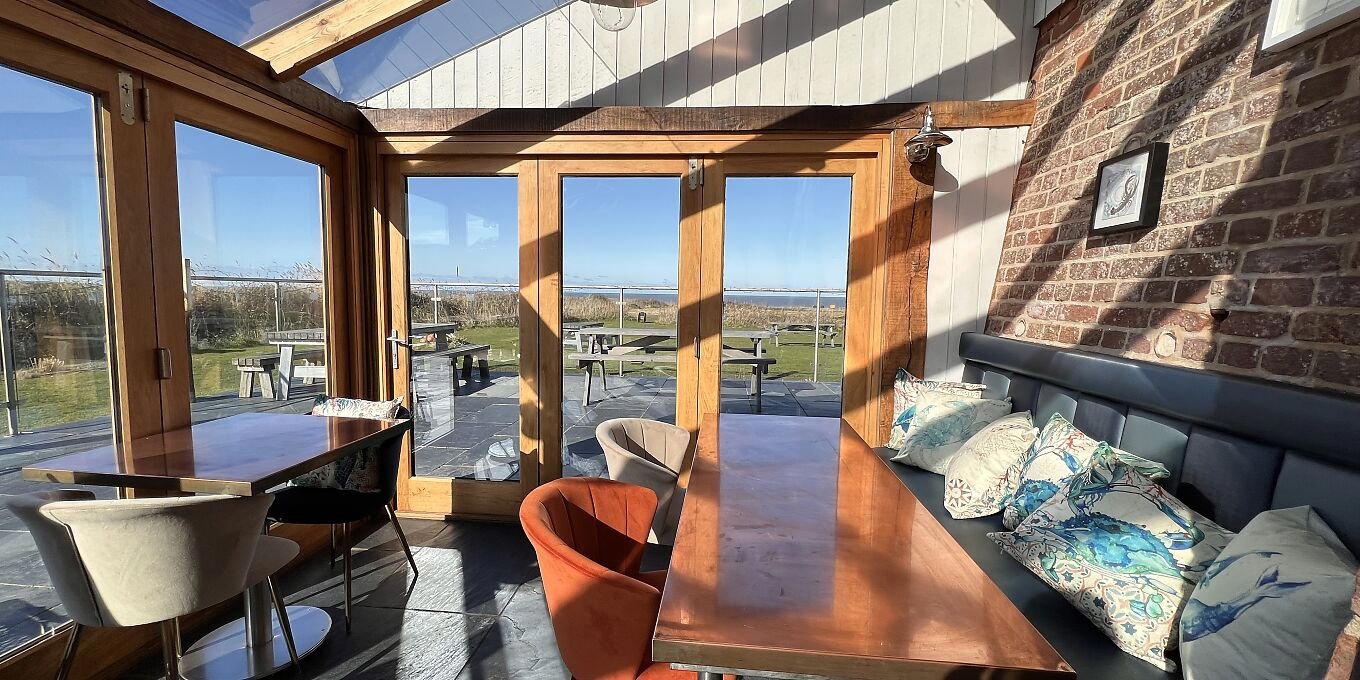
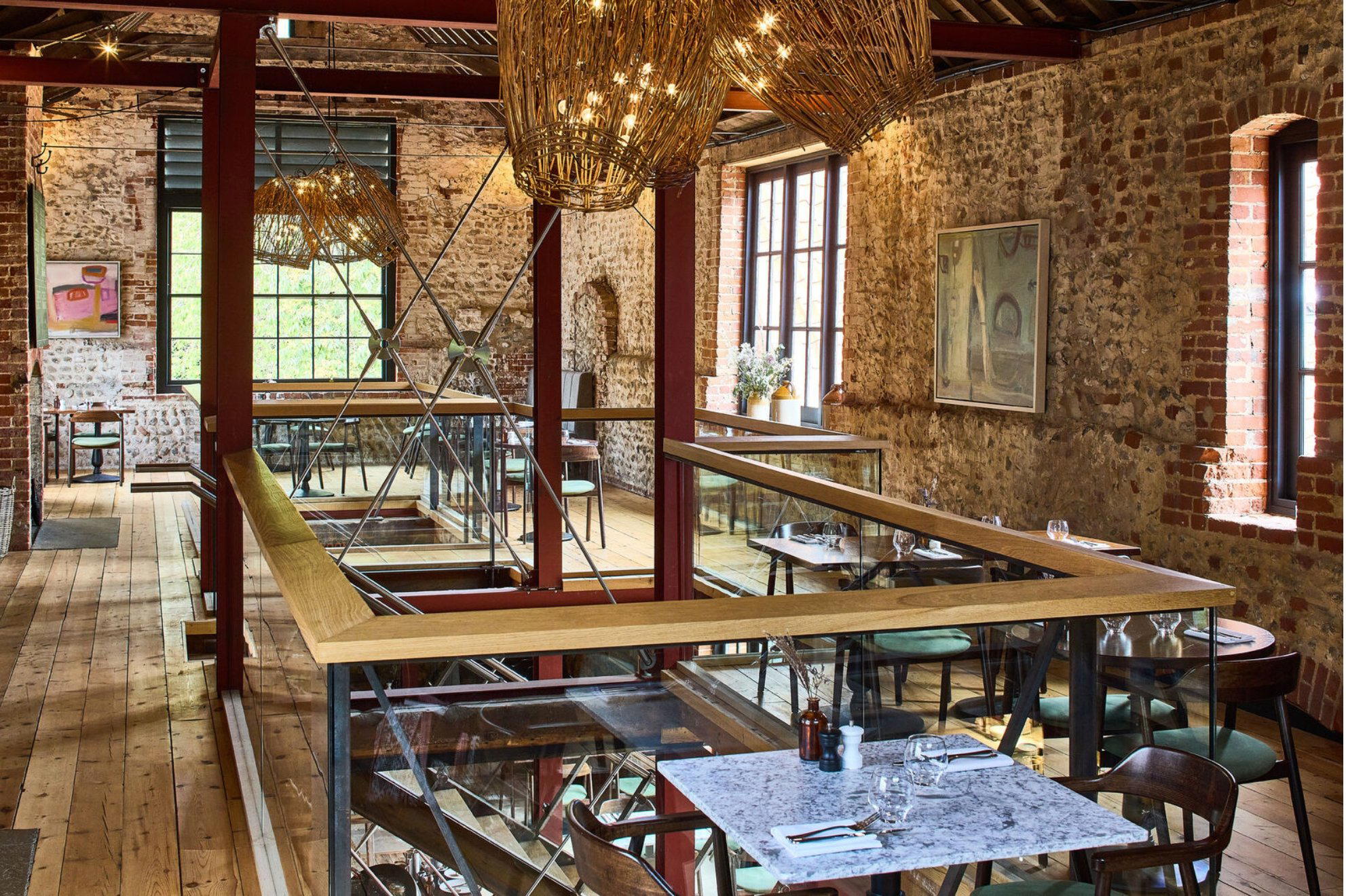
North Norfolk's coastline has long sustained a working fishing economy, but translating that economy into a dining room with genuine culinary ambition is a different proposition. Rocky Bottoms, operating from a converted brick kiln on Cromer Road in West Runton since 2015, sits at the more considered end of that effort. The building itself gives the first signal: black-tiled flooring, bare-brick and dark-blue walls hung with local artworks, and a soundtrack of cool soul that owes nothing to the seaside-café template. This is not a harbourside shack dressed up for tourists. It is a place that takes its sourcing seriously and has built a room and a menu to match. For the broader picture of where to eat and drink in the area, see our full West Runton restaurants guide.
Ownership and Provenance as Structural Advantage
Across the British coast, the gap between restaurants that claim local seafood and those that actually control the supply chain is wider than most menus admit. Rocky Bottoms belongs to a local fishing family, and that ownership structure removes the intermediary entirely. The crabs and lobsters arrive with a provenance that is not a marketing line but a logistical fact. In a county where Cromer crab has carried a specific geographical reputation for well over a century, access to genuinely fresh catches at this level is a competitive position that no amount of good cheffy technique can replicate from further down the supply chain.
That sourcing logic extends beyond the headline shellfish. Brancaster oysters appear as a starter, drawing on one of the more recognised oyster beds on the North Sea coast. Cockles come from Wells-next-the-Sea, a few miles west along the coast road. The menu is concise, which is the appropriate response to ingredient-led cooking: fewer dishes, sourced and executed with more attention, rather than a long list padded with imported proteins. Compared to the broader category of destination seafood restaurants in England, from the multi-course tasting formats at places like hide and fox in Saltwood to the classical French precision of Waterside Inn in Bray, Rocky Bottoms operates in an informal, daytime-weighted register, but the sourcing discipline is the same underlying logic.
The Menu in Practice
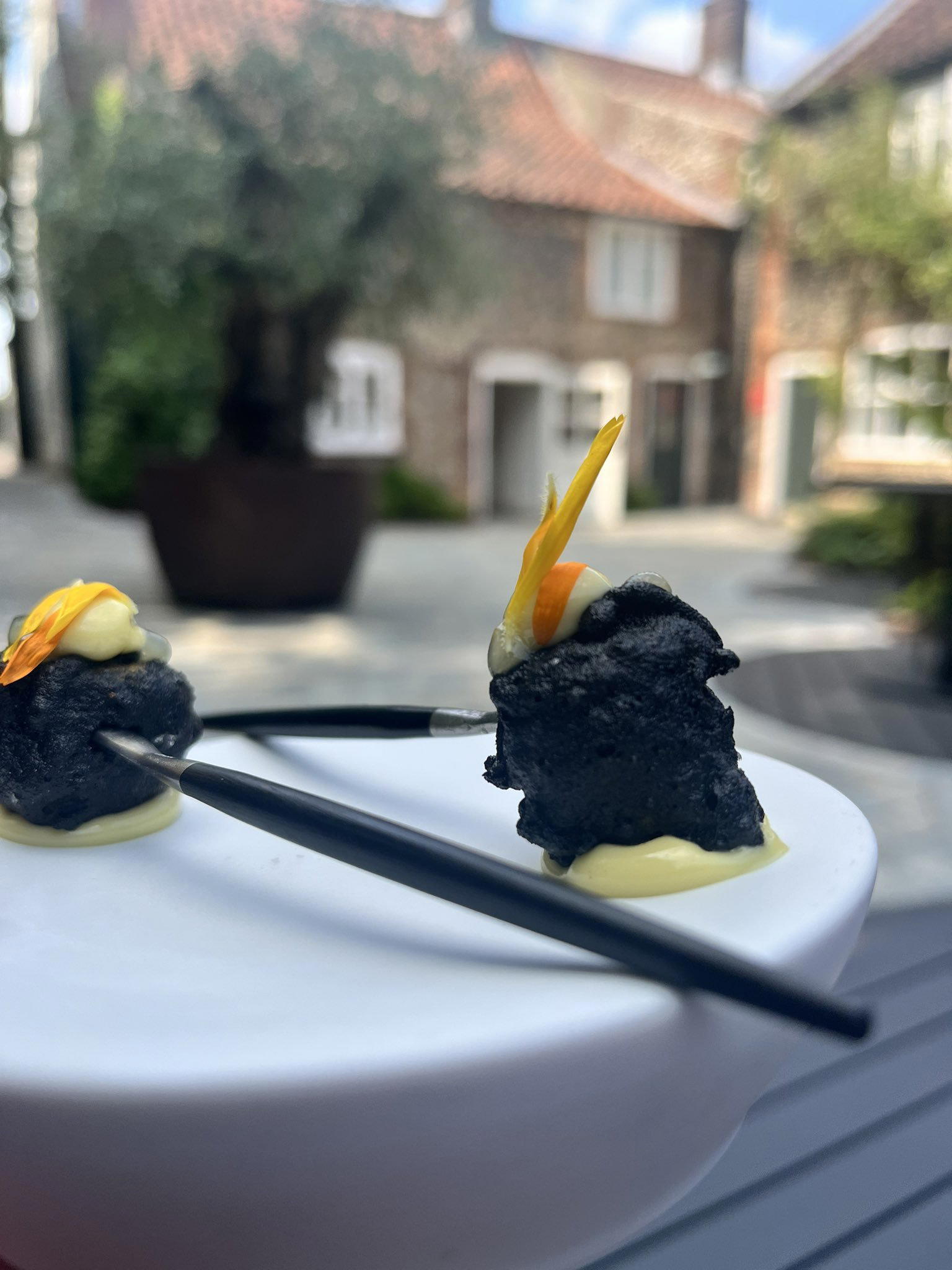
The cooking has a contemporary feel that sits in productive tension with the raw ingredients. Dishes arrive with careful presentation, occasionally punctuated by a retro garnish that reads as deliberate wit rather than confusion. The salt-and-pepper crispy-fried cockles from Wells-next-the-Sea are a useful illustration of the kitchen's sensibility: the cockles are crisped up while retaining chew, and the chilli heat that arrives with them is not listed on the menu, a small act of confidence that assumes the diner can handle a degree of surprise.
Crab linguine represents the more substantial end of the menu and demonstrates where the family ownership pays off most directly. The dish depends on fresh brown crabmeat for its depth of flavour, and that flavour is present in a way that only same-day or next-day catches can deliver. The pasta is cooked correctly. These are not exceptional claims in the context of a London restaurant serving at four times the price, but in a North Norfolk daytime dining room, they represent a meaningful level of execution. The lemon posset listed among desserts delivers on texture, though the shortbread accompaniment is a less convincing element of the plate.
The drinks list includes Norfolk wines and beers alongside a broader selection. A glass of Grüner Veltliner is noted as a sound pairing for the shellfish-led menu, which reflects a reasonable degree of thought about wine and food alignment rather than a list assembled on autopilot. For those curious about the region's wine production, our full West Runton wineries guide provides additional context.
The Room and the Setting
The converted brick kiln has been enlarged considerably, and the interior reads as genuinely contemporary rather than converted-building-with-character. The dark palette of the walls and flooring gives the space a focus that pulls attention toward the food and the company rather than the architecture. Young staff bring energy to the floor, though the service can run uneven in the way that characterises places that have grown faster than their training programmes have caught up. Outside, a bar with decking, picnic benches on an extensive lawn, and a seafood shop extend the offer beyond the dining room itself, making the site function as a destination in the fuller sense during warmer months.
Summer season is when Rocky Bottoms operates at full capacity and reputation. This is the period when the outdoor spaces become the primary draw and the kitchen runs at its most pressured. The framing of the business as a seasonal coastal destination is honest: North Norfolk's visitor economy concentrates heavily between May and September, and the restaurant reflects that pattern rather than fighting it.
Price and Context
Prices at Rocky Bottoms sit above the local daytime dining average, which positions the restaurant in a small tier of coastal venues in Norfolk where the sourcing and cooking justify a premium over the pub-lunch or beach-café alternatives. That premium is not at the level of the tasting-menu destination restaurants, such as Moor Hall in Aughton or L'Enclume in Cartmel, where multi-course formats and wine pairings push per-head spend into triple figures. Rocky Bottoms is operating in a different and more accessible bracket, where the price point reflects direct-supply seafood and competent modern cooking rather than the full apparatus of fine dining. First-time visitors occasionally register the bill with surprise, but the gap between expectation and spend is smaller than the sourcing story would suggest.
For those planning a stay in the area, our full West Runton hotels guide, bars guide, and experiences guide cover the full picture of what the village and surrounding coast offer.
Planning a Visit
Rocky Bottoms sits on Cromer Road in West Runton, between Cromer and Sheringham on the North Norfolk coast. The site includes outdoor seating and a seafood shop, making it a reasonable anchor for a half-day on the coast rather than a quick meal stop. The restaurant operates seasonally, with the summer months representing the peak period for both availability and atmosphere. Booking ahead during the summer is advisable given the limited covers and the volume of visitors the North Norfolk coast draws between June and August. The outdoor bar and lawn extend the site's capacity but remain weather-dependent. The seafood shop offers an alternative way to engage with the sourcing story if a full meal is not the plan.
Frequently asked questions
Is Rocky Bottoms child-friendly?
The outdoor setup at Rocky Bottoms — decking, picnic benches, and an extensive lawn — lends itself to family visits. The relaxed, informal atmosphere inside the converted brick kiln and the presence of a seafood shop on site reinforce that this is not a formal dining room with dress expectations. The concise menu, focused on recognisable seafood such as crab and oysters, is straightforward enough for mixed-age groups.
What's the overall feel of Rocky Bottoms?
The converted brick kiln has been expanded considerably since opening in 2015, and the interior runs with black-tiled flooring, bare-brick and dark-blue walls, and local artworks on display. Cool soul plays in the background, the staff skew young, and there is an outdoor bar with decking. The tone is contemporary coastal rather than traditional fishing-village tearoom.
Is Rocky Bottoms award-winning?
Rocky Bottoms has received recognition including: The sea views might be distant, but Rocky Bottoms has made quite a splash on this stretch of the coast since opening in 2015. It is owned by a local fishing family, so the crabs and lobsters are of unimpeachable freshness, yet almost as div….
What should I eat at Rocky Bottoms?
The crab linguine is a reliable benchmark: pasta cooked precisely, with the depth of fresh brown crabmeat carrying the dish. Brancaster oysters are a well-established starter, and the salt-and-pepper crispy-fried cockles from Wells-next-the-Sea arrive with an unadvertised chilli heat that distinguishes them from the usual pub bowl. The drinks list includes Norfolk wines and beers, and a Grüner Veltliner pairs well with the seafood.
Where is Rocky Bottoms located?
Rocky Bottoms is located at Cromer Rd, West Runton, Cromer NR27 9QA, United Kingdom, West Runton.
Is Rocky Bottoms reservation-only?
Given that Rocky Bottoms draws consistent summer demand on this stretch of the North Norfolk coast between Cromer and Sheringham, contacting the venue directly before visiting is advisable, particularly during peak season.
How It Stacks Up
Comparable venues nearby, for context on price, style, and recognition.
| Venue | Cuisine | Price | Awards | Notes |
|---|---|---|---|---|
| Rocky BottomsThis venue — the venue you are viewing | Fresh Local Seafood | $30–50 | The Good Food Guide GFG Good | Not listed |
| Bure River Cottage Restaurant | Local Norfolk Seafood | Not listed | Not listed | Horning |
| Atlantic Gate | Seafood & Grill | $30–50 | Not listed | Herbert Walker Avenue / Dock Gate 8 |
| Sauterelle | Dining | Not listed | Not listed | London |
| Mango & Silk | Dining | Not listed | Not listed | London |
| La Petite Poissonnerie | French-Japanese Seafood Tapas | $20–30 | Not listed | Marylebone |
Recognition history
Dated appearances from independent guides and award organizations, with the underlying list record or original source where available.
The Good Food Guide GFG Good
The Good Food Guide
Continue exploring
More in West Runton
Restaurants in West Runton
Browse all →
Bars in West Runton
Browse all →
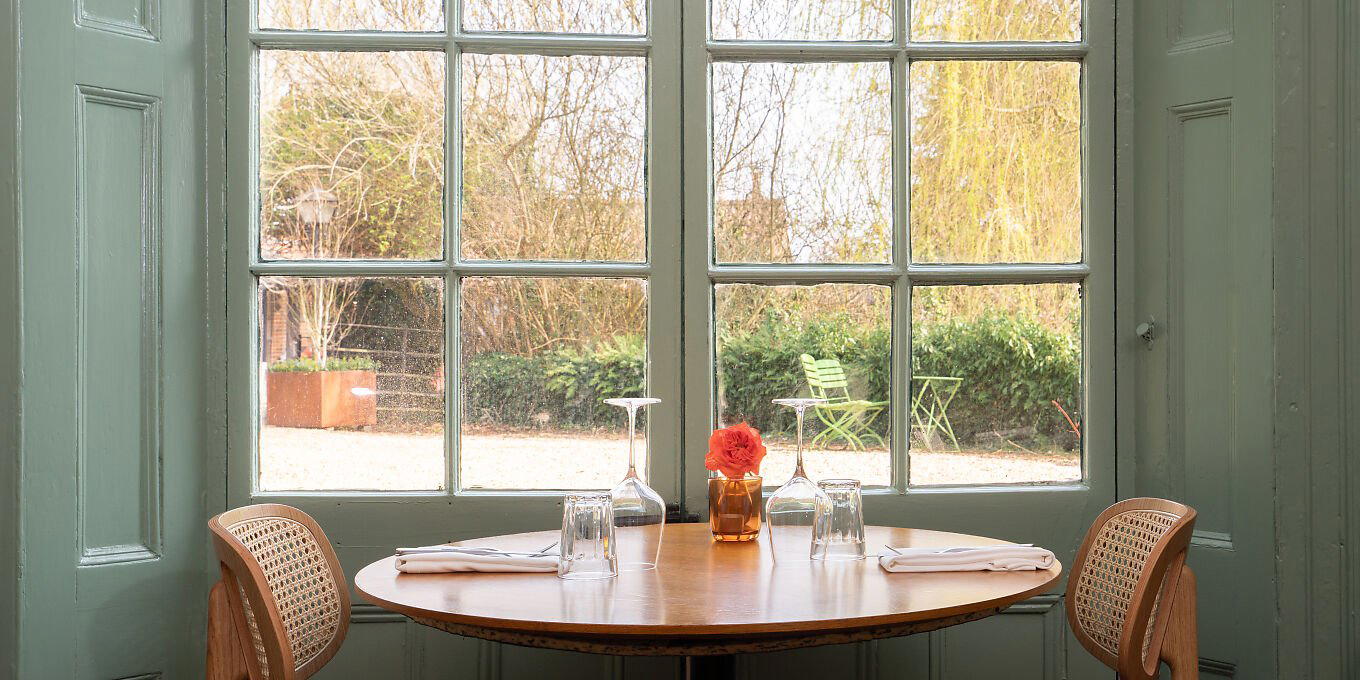
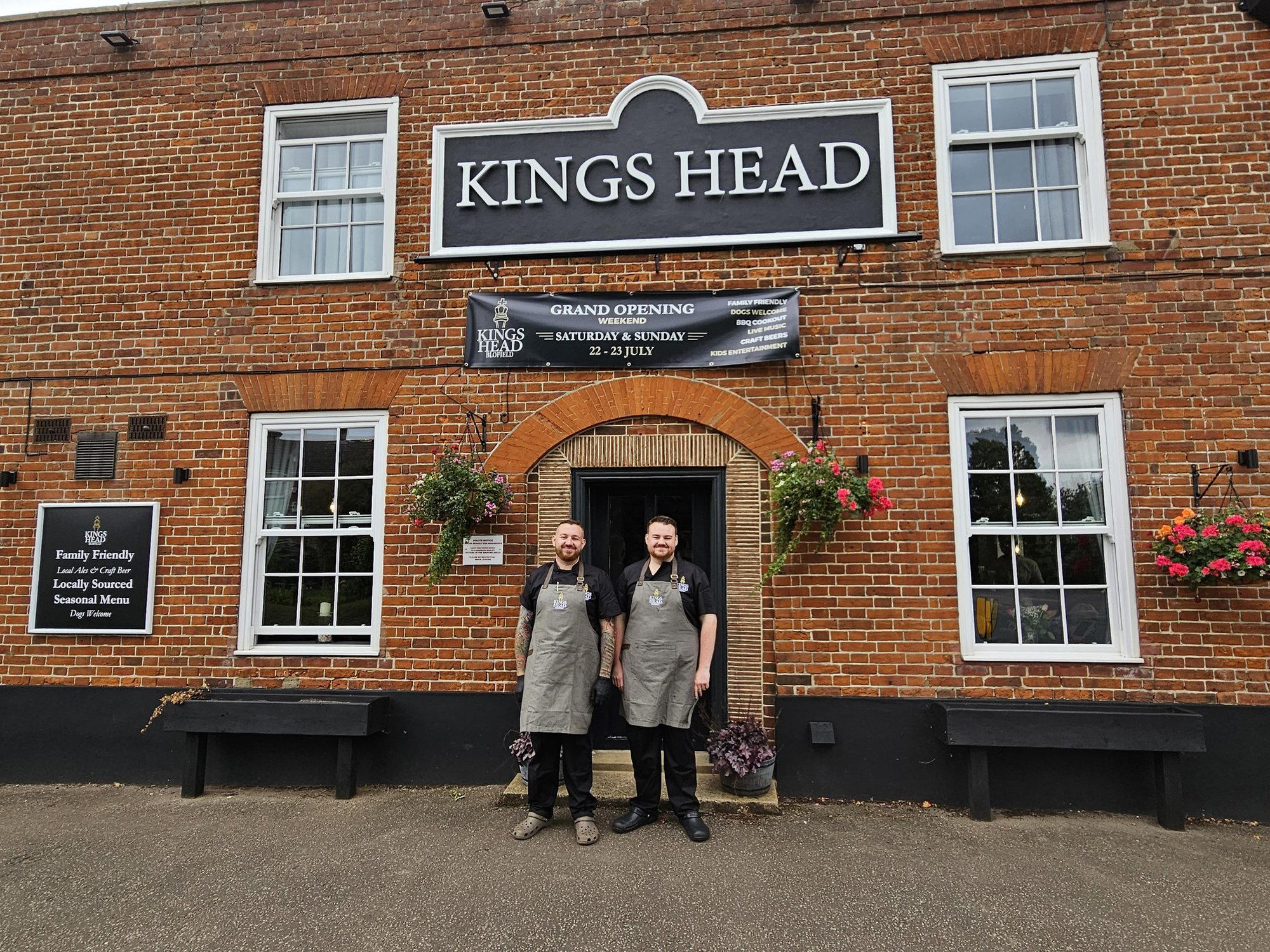
Hotels in West Runton
Browse all →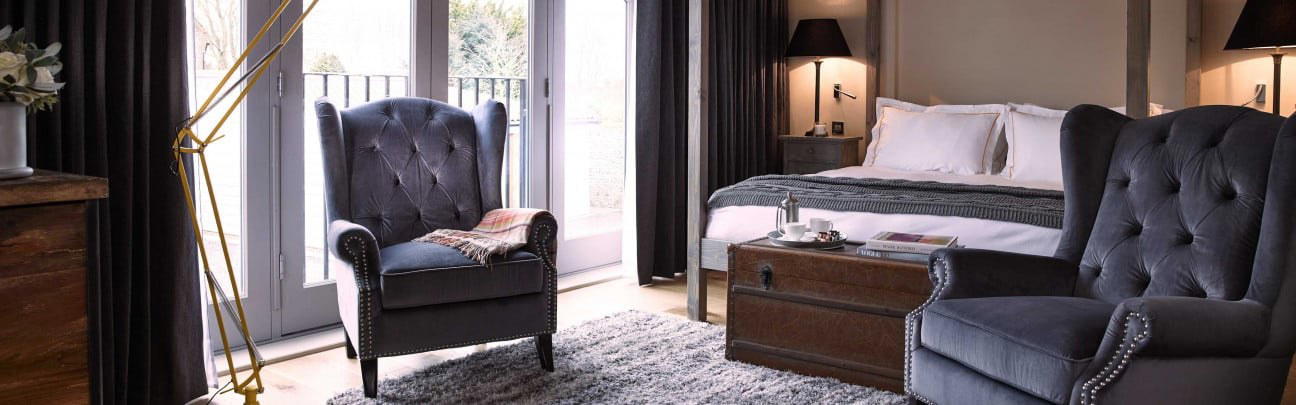
Details
- Scenic
- Cozy
- Rustic
- Modern
- Family
- Casual Hangout
- Brunch
- Waterfront
- Terrace
- Open Kitchen
- Extensive Wine List
- Local Sourcing
- Waterfront
- A La Carte
- Gluten Free Options
Current opening hours
- Monday
- 12–5 PM
- Tuesday
- 12–5 PM
- Wednesday
- 12–5 PM
- Thursday
- 12–5 PM
- Friday
- 12–8 PM
- Saturday
- 12–8 PM
- Sunday
- 12–5 PM
Hours can change for holidays and private events. Last verified .
Relaxed inviting atmosphere in a converted brick kiln with bare-brick walls, local art, picnic-bench outdoor seating on lawn, and a warm surf shack vibe.