Our verdict
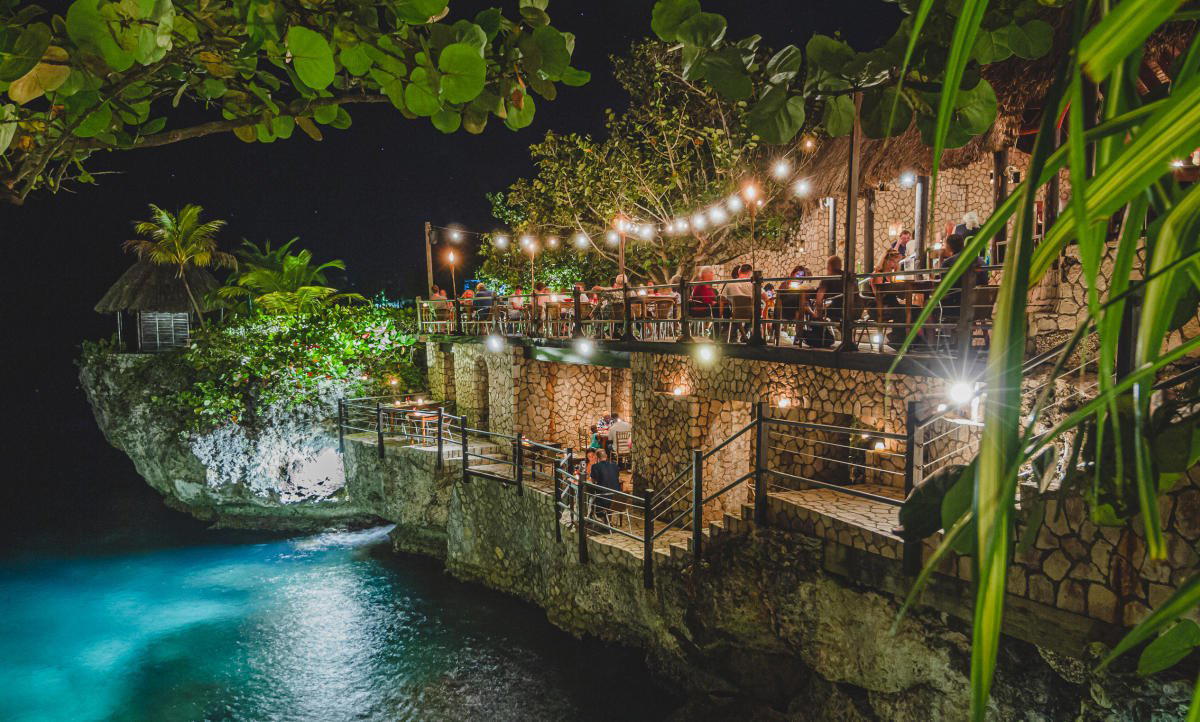
Rockhouse Restaurant sits on Negril's West End cliff road, where the Caribbean meets the rock face and Jamaican cooking traditions anchor the menu. The setting pulls the dining experience outdoors, framing meals against the water below. For the West End's character and pace, it represents the neighbourhood's more considered approach to food and atmosphere.

Pearl is the En Primeur Club membership app — saves, bookings, and concierge access live there. Same editors, same standards.
- Address
- W End Rd, Negril, Jamaica
- Phone
- (876) 957-4373
- Hours
- Daily 7 AM–9:30 PM
- Website
- rockhousehotel.com
- Directions
- Get directions
The menu
What to order
- Blackened mahimahi with mango chutney
- Snapper steamed in banana leaf
- Coconut shrimp
- Jerk chicken
- Grilled Caribbean snapper
West End Cliffs and the Dining Culture They Shaped
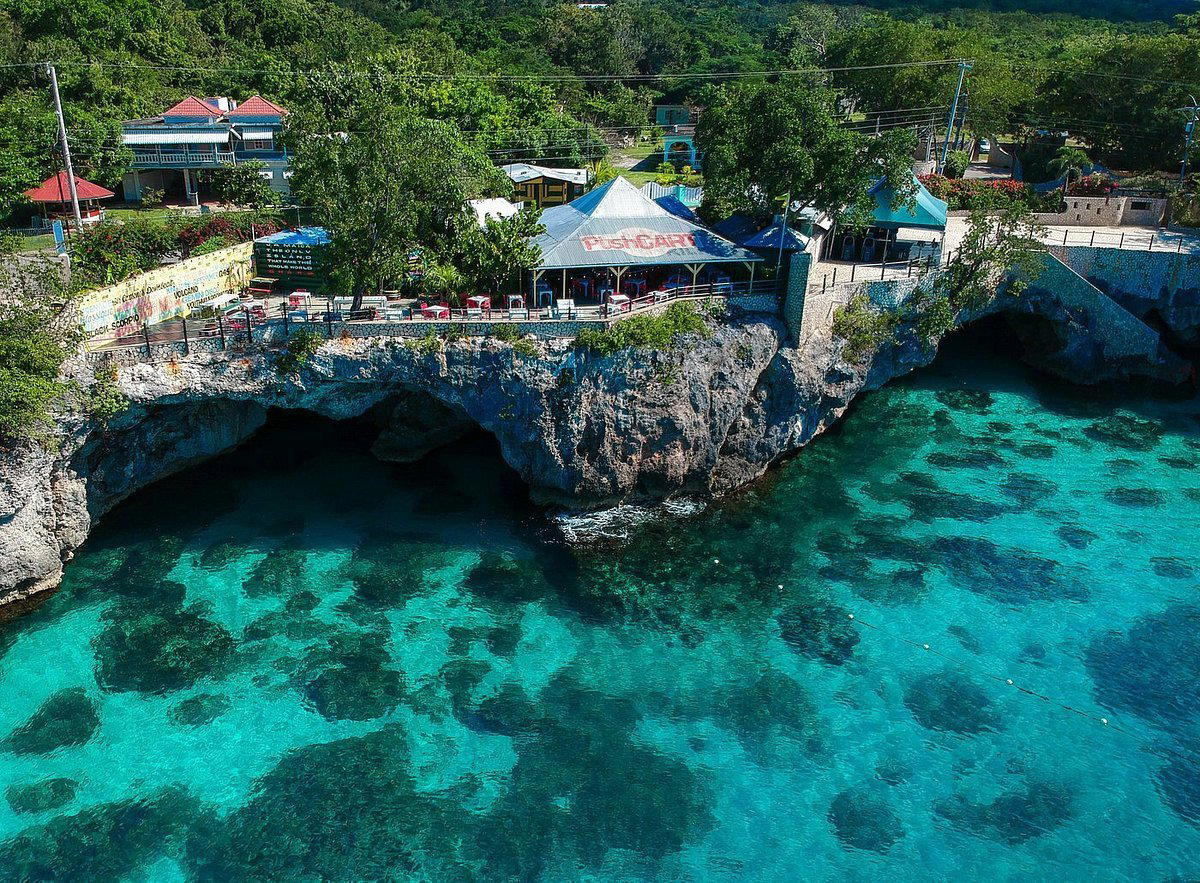
Negril's West End Road runs along a limestone cliff edge that drops directly into the Caribbean Sea, and that geography has done more to shape dining culture here than any single chef or trend. Restaurants along this stretch, including Rockhouse Restaurant on West End Road, orient everything toward the water: tables face the horizon, service slows to match the light, and the meal becomes inseparable from the physical setting. This is not the all-inclusive dining corridor of Seven Mile Beach; the West End has always attracted a smaller, more deliberate crowd willing to seek out its cliff-side properties rather than walk the main strip.
That distinction matters when reading the dining scene. The West End's restaurants compete less on volume and more on atmosphere, and the best of them understand that the cliff itself is doing significant work. Rockhouse Restaurant sits within this tradition, on a stretch of road that has been drawing independent travellers since the 1970s, when Negril first opened to a generation of visitors who valued the town's unpolished character over resort polish. That legacy still runs through West End dining: the emphasis falls on locally sourced ingredients, open-air environments, and a pace calibrated to the surrounding pace of the Caribbean.
Jamaican Cooking in Its Regional Frame
Jamaican cuisine carries one of the most layered food histories in the Caribbean, built from the intersections of West African, Indigenous Taíno, Spanish, British, and South Asian culinary traditions. The result is a kitchen defined by its seasoning philosophy: allspice, scotch bonnet, thyme, and escallion form a base that appears across proteins, stews, and marinades. Jerk preparation, arguably the most internationally recognised expression of Jamaican cooking, traces directly to Maroon communities who developed the technique in the island's interior mountains. Venues like I&R Boston Jerk Center in Boston, in the parish where the tradition is said to have taken its most concentrated form, and Scotchies in Ocho Rios represent the pitmasters' end of that spectrum, where wood smoke and long cooking times are the method.
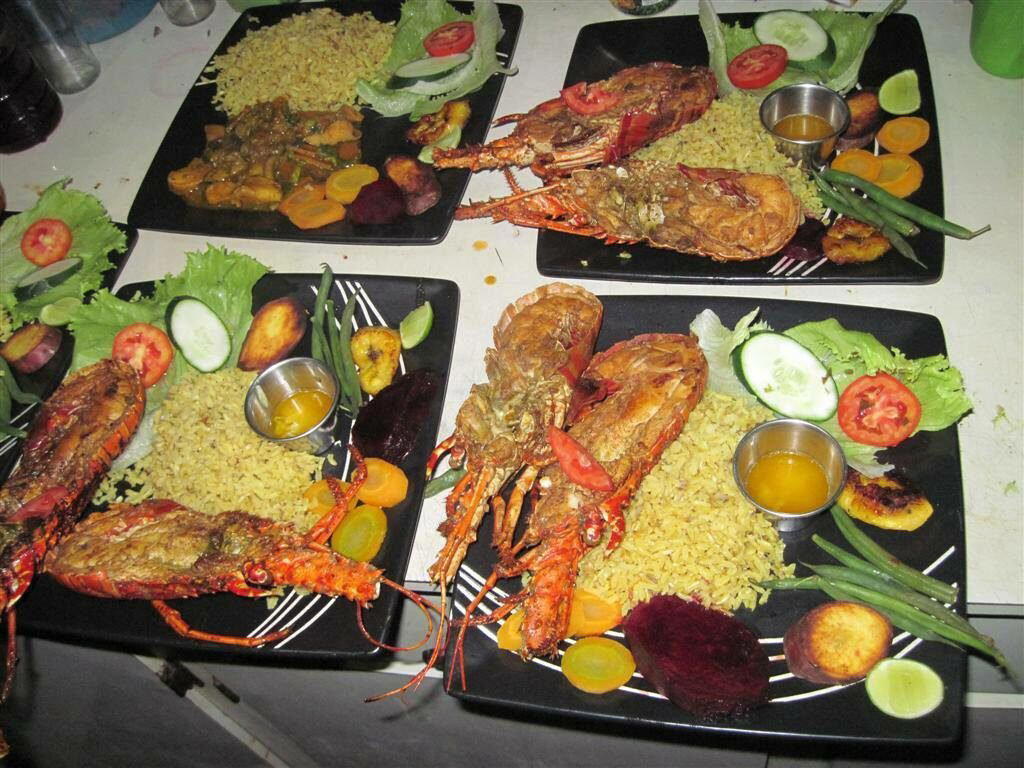
West End restaurants operate in a different register. Proximity to the sea shifts the protein emphasis toward fresh catch, and the cliff-side setting encourages a more composed plating approach than a roadside jerk pan allows. Ackee, breadfruit, callaloo, and festival appear alongside seafood preparations that reflect both Jamaican seasoning traditions and the expectations of an internationally travelled dining room. This is not fusion for its own sake; it is the natural consequence of a cuisine meeting its geography and its audience simultaneously. For further context on how Jamaican kitchens express these traditions across the island, our full Negril restaurants guide maps the range from roadside to table-service.
The Physical Experience of Dining on the Cliffs
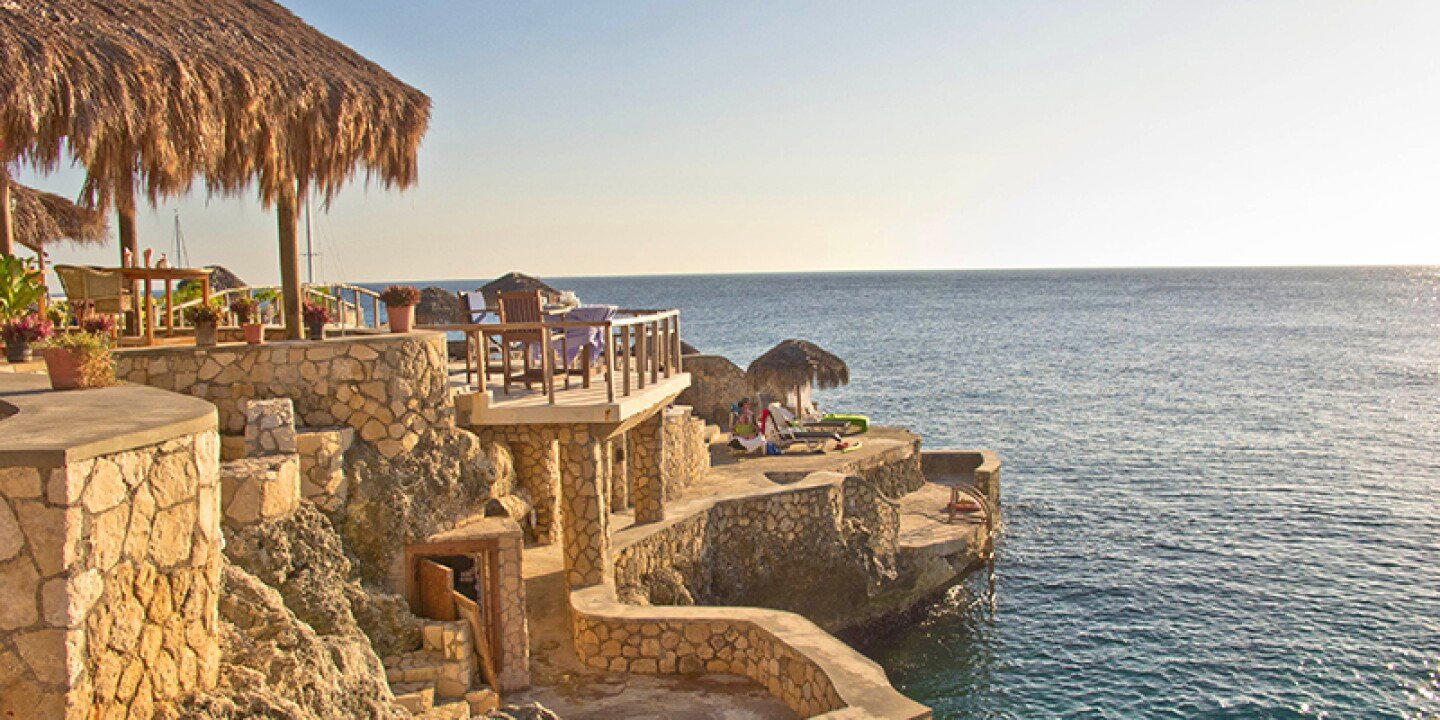
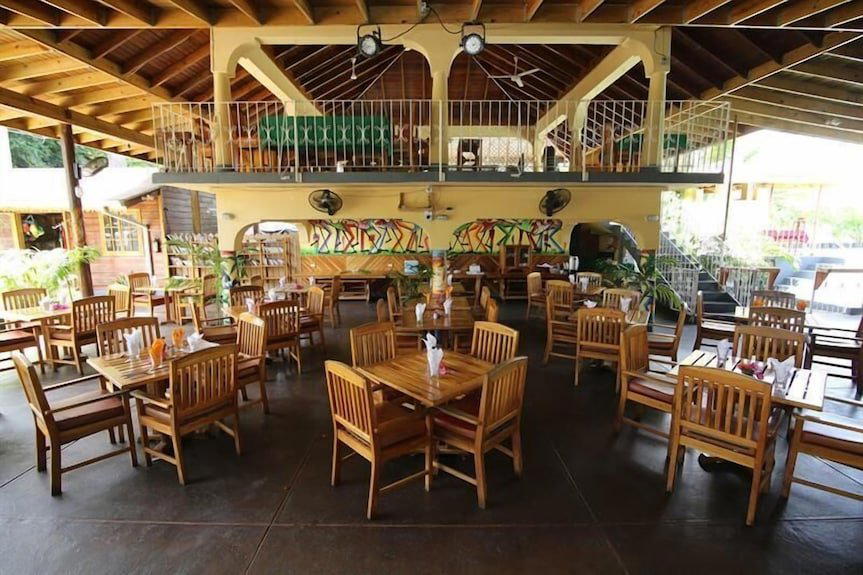
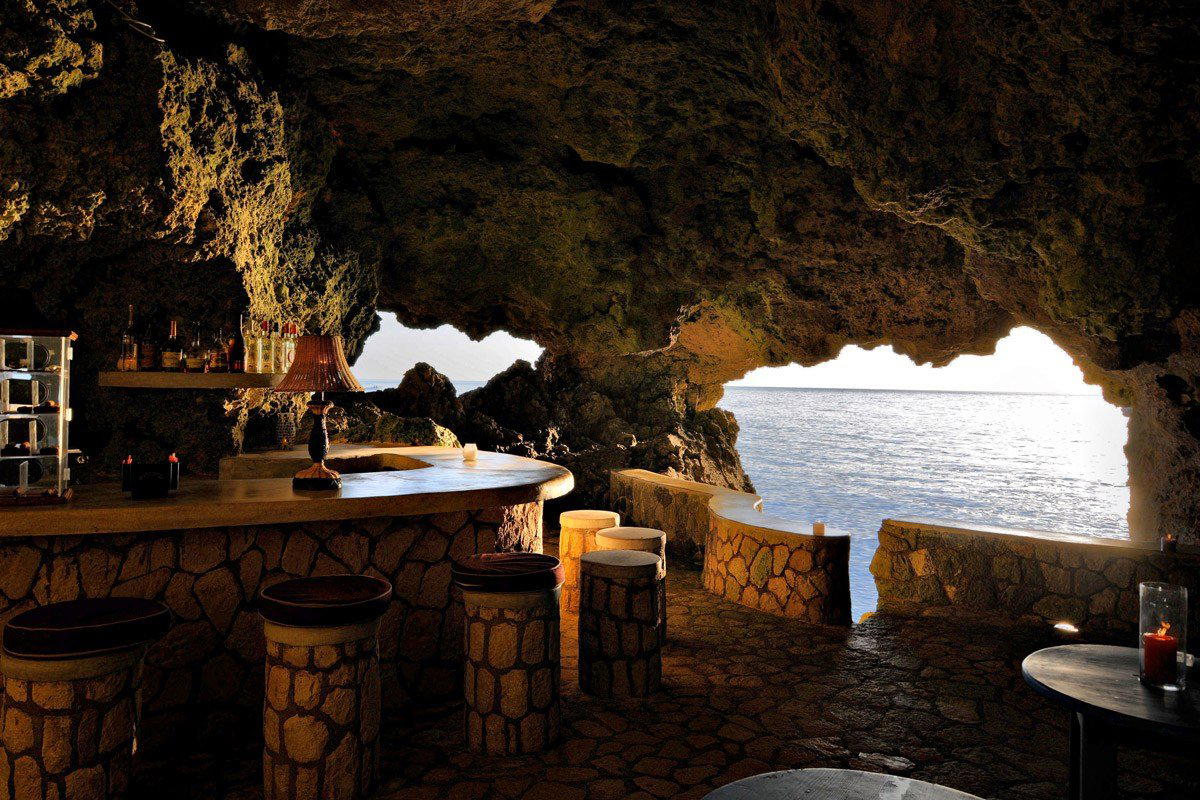
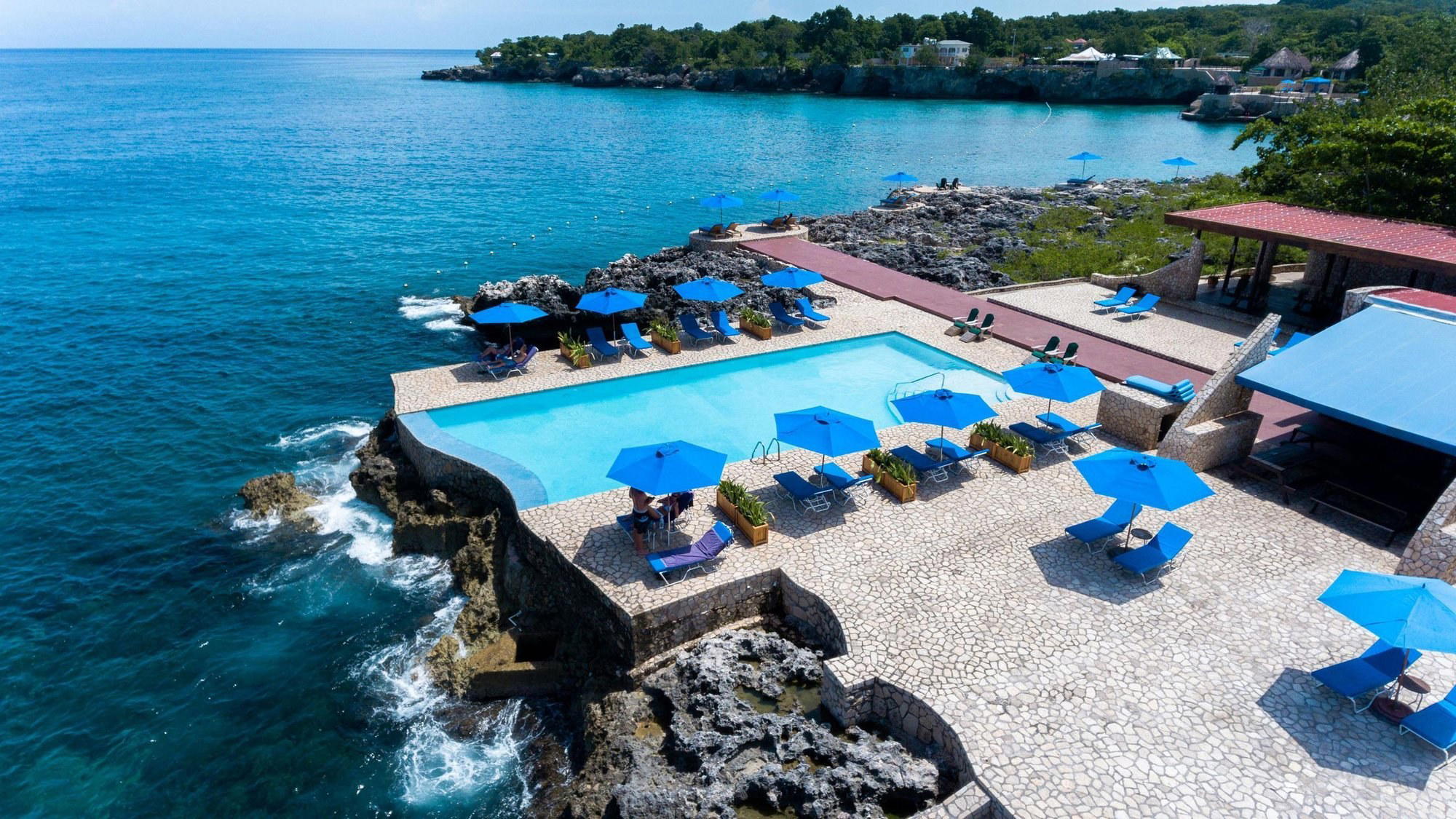
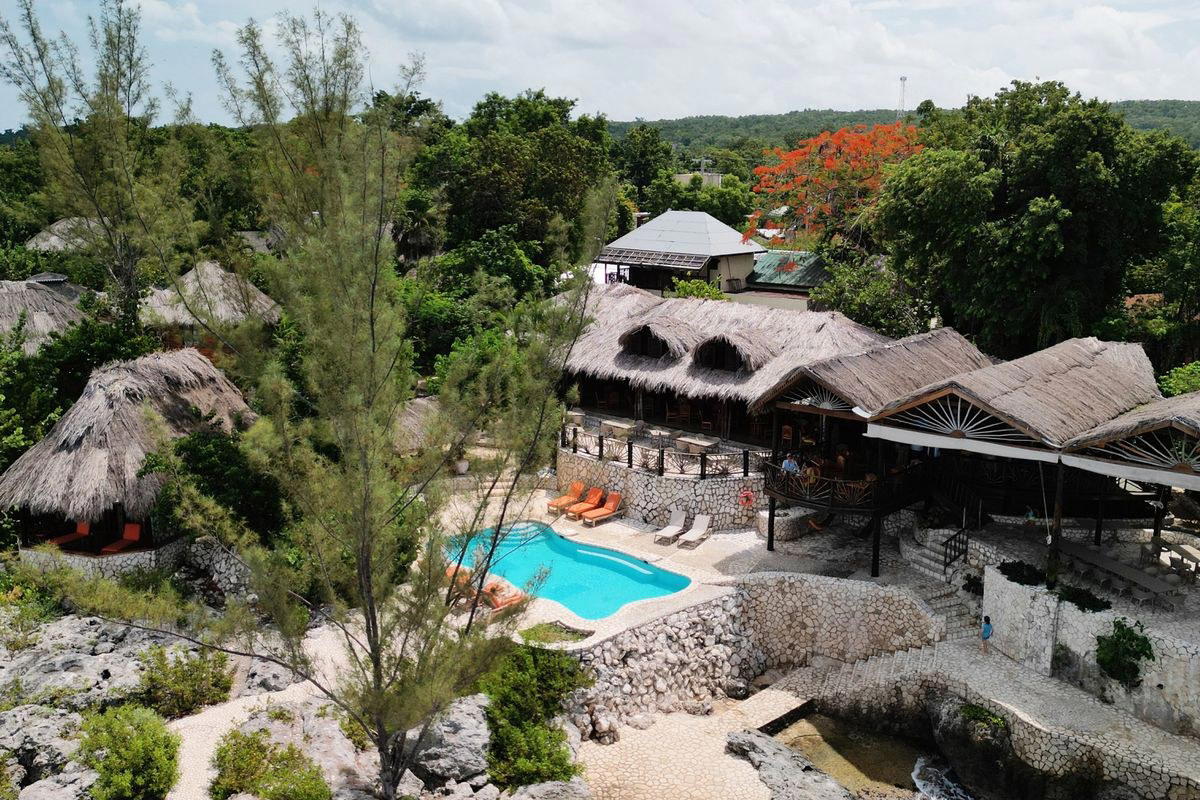
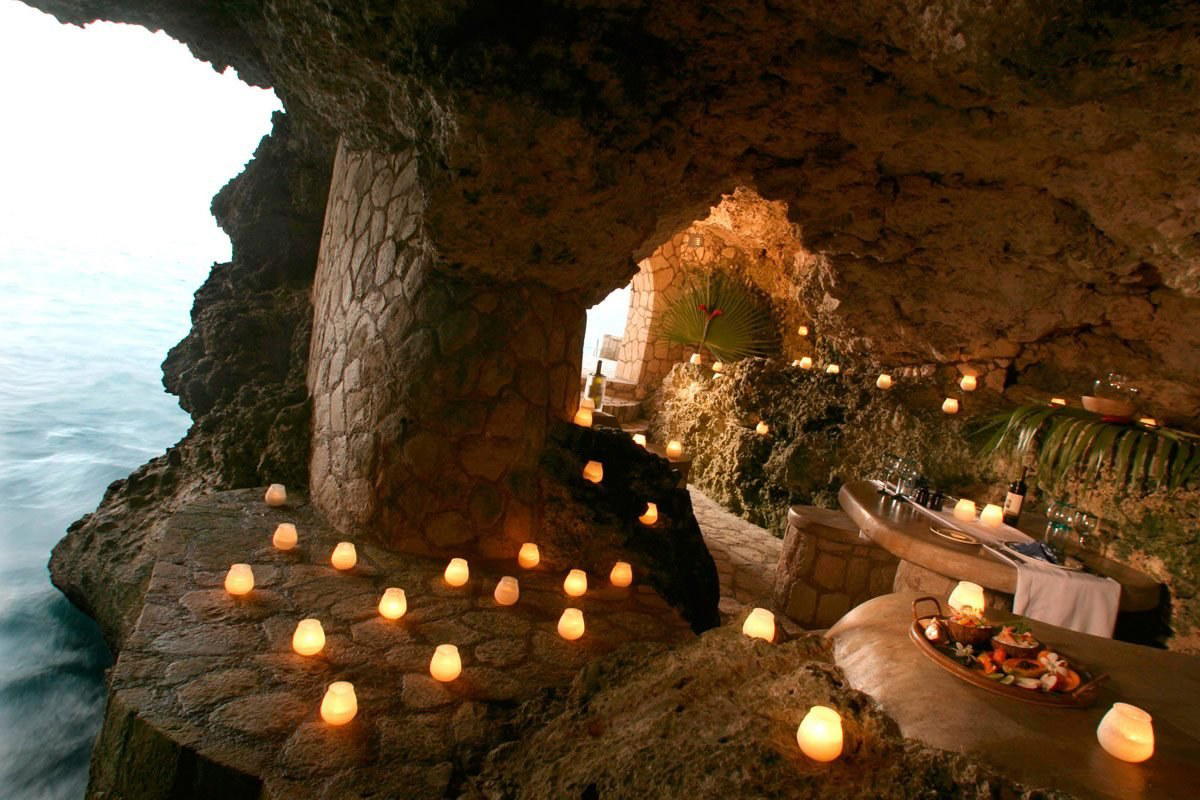
Approaching Rockhouse Restaurant along West End Road, the road narrows and the foliage thickens before giving way to the open cliff edge. The setting is characteristic of the better properties along this stretch: rock formations that descend directly to the water, the sound of the sea audible throughout service, and natural light that changes dramatically between a late afternoon sitting and an evening one. This is outdoor dining at its most structural, where the architecture is largely geological.
The cliff-side dining format that defines this part of Negril has parallels elsewhere, from the terrace restaurants of the Amalfi Coast to the water-level tables of Southeast Asian beach destinations, but the West End version is distinctly Jamaican in character: less manicured, more immediate, and anchored to a specific kind of Caribbean informality that formal resort settings rarely achieve. Comparable in atmosphere along the West End is Ivan's in West End, another property where the cliff setting carries most of the ambient weight.
Where Rockhouse Sits in the Negril Dining Picture
Negril's restaurant picture divides, broadly, between the beach-facing establishments along Seven Mile Beach and the cliff-side properties of the West End. Within the West End, there is a further split between casual local spots and more considered dining rooms attached to established properties. Rockhouse Restaurant belongs to the latter category, drawing from a guest base that spans hotel visitors and destination diners from elsewhere in the parish.
Across Jamaica more broadly, the range of table-service dining is wider than the island's beach-resort reputation suggests. Redbones Blues Cafe in Kingston anchors a cultural-dining tradition in the capital that is as much about atmosphere as food. On the north coast, Glistening Waters Restaurant and Marina in Falmouth and House Boat Grill Restaurant in Montego Bay demonstrate how waterfront dining operates when the water itself is the primary draw. In the Portland parish, Cynthia's on Winifred in Fairy Hill and Piggy's Jerk Centre in Port Antonio represent a more local-facing tradition. In the north-central parishes, Stush in the Bush in Freehill has built a following around farm-to-table sourcing that sits outside any tourist-corridor logic entirely.
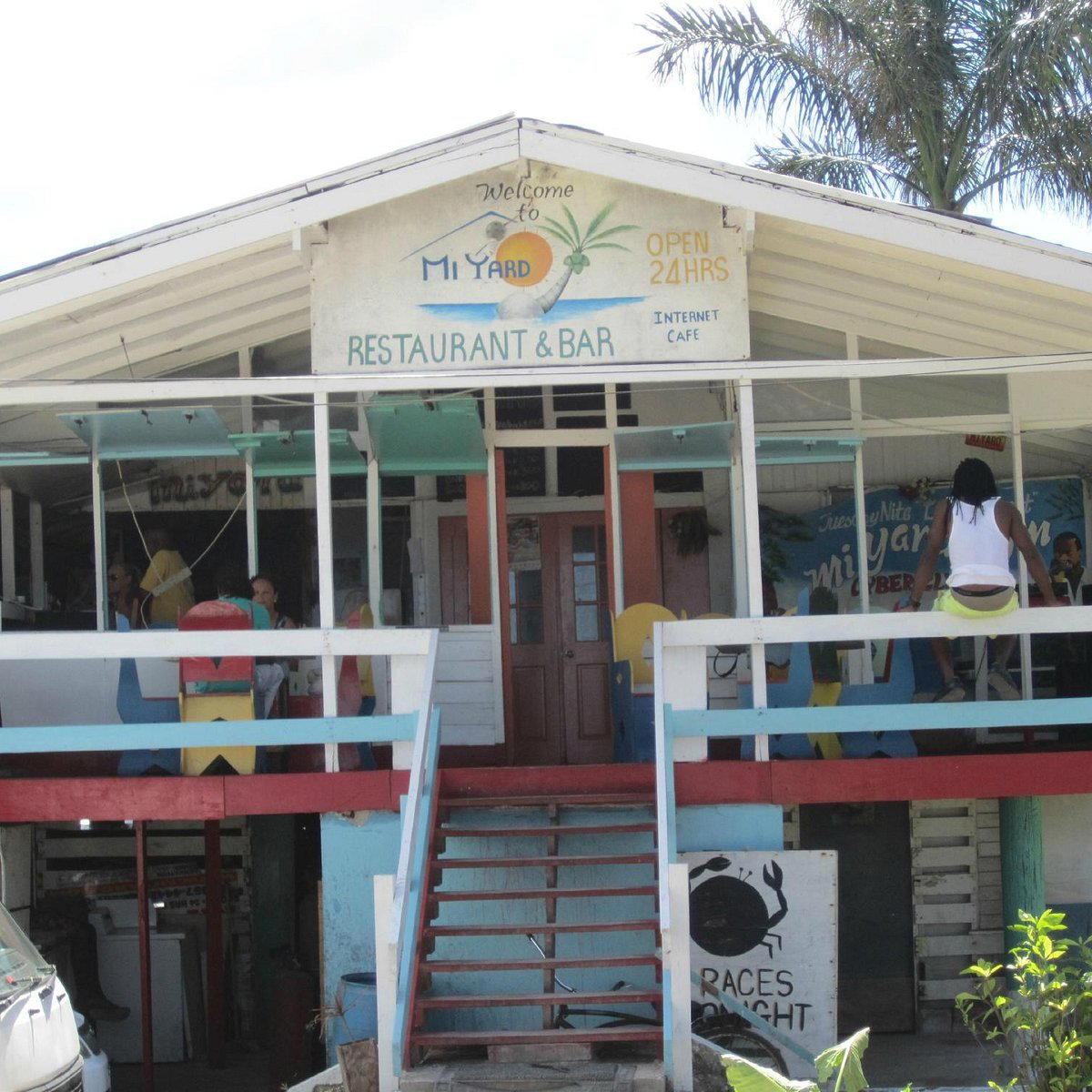
For diners moving through Negril specifically, the question is less about which single restaurant to choose and more about understanding how the West End and Seven Mile Beach dining traditions diverge. Mi Yard (Desmond) offers a point of comparison within Negril for local-style cooking at a different price point and register. Further afield on Jamaica's coast, Toscanini's in Tower Isle and Chris's Cook Shop Main Street in Oracabessa show how the island's north-east corridor handles the same tension between local tradition and visiting-diner expectations.
Planning Your Visit
Rockhouse Restaurant is located on West End Road in Negril, Westmoreland parish. West End Road is accessible by taxi from Negril town centre, a short ride along the cliff road; the stretch is walkable in the cooler hours but the road has no pavement, so most visitors travel by vehicle. The high season for Negril runs from December through April, when the cliff-side atmosphere is at its most consistent and evenings remain dry. The shoulder months of May and November bring quieter conditions and occasionally lower prices across the West End. Booking ahead is advisable for dinner during peak periods; the cliff-side setting at this type of property fills early as the sun drops, since the light conditions at sunset are a primary reason diners time their meals as they do. For the widest read on the Negril dining picture and how to structure time across the West End and Seven Mile Beach, our full Negril restaurants guide provides neighbourhood-level detail.
Frequently asked questions
Is Rockhouse Restaurant a family-friendly restaurant?
Rockhouse Restaurant sits on the limestone cliff edge along West End Road in Negril, which means open drops to the sea are part of the setting. That geography makes it less suited to young children who need close supervision, though older children comfortable in open-air, elevated environments will likely find the location compelling. Check directly with the restaurant about seating arrangements before visiting with a family group.
What's the overall feel of Rockhouse Restaurant?
The restaurant occupies a cliff-edge position on West End Road in Negril's Westmoreland parish, where the limestone drops directly into the Caribbean Sea. The feel is open-air and elemental rather than formal, shaped more by the geography than by interior design. It sits on the cliff-side end of Negril's dining spectrum, distinct from the beach-facing establishments along Seven Mile Beach.
Does Rockhouse Restaurant have views of the Caribbean Sea, and how does the cliff setting affect the dining experience?
Rockhouse Restaurant is positioned on the limestone cliff edge of West End Road in Negril, Westmoreland, where the rock face meets the Caribbean Sea directly below. That setting means natural light, open air, and unobstructed water sightlines are central to the meal rather than incidental to it. The cliff-side location places Rockhouse within the West End's distinct dining corridor, which operates differently in atmosphere and access from the Seven Mile Beach restaurant strip.
What's the must-try dish at Rockhouse Restaurant?
Jamaican cooking in this region draws from West African, Taíno, and Spanish culinary traditions, and cliff-side restaurants along West End Road typically emphasise fresh seafood given their proximity to the water. check the venue's official channels via West End Road, Negril, for current menu information.
Where do I go for Rockhouse Restaurant?
Rockhouse Restaurant is located at W End Rd, Negril, Jamaica, Negril.
How hard is it to get a table at Rockhouse Restaurant?
Rockhouse Restaurant's position on West End Road gives it one of the more sought-after cliff-edge settings in Negril, and demand at properties along this stretch tends to peak during the winter high season from December through April. Advance reservations are advisable during those months. Current booking availability should be confirmed directly with the restaurant.
Cost Snapshot
| Venue | Cuisine | Price | Awards |
|---|---|---|---|
| Rockhouse RestaurantThis venue — the venue you are viewing | New Caribbean Cuisine | $30–50 | Not listed |
| Stush in the Bush | Modern Jamaican Vegan Farm-to-Table | $100–150 | World's 50 Best #49 |
| Mi Yard (Desmond) | Jamaican Street Food | $1–10 | Not listed |
| Glistening Waters Restaurant and Marina | Jamaican Caribbean Seafood | $20–30 | Not listed |
| House Boat Grill Restaurant | Caribbean Seafood Fusion | $30–50 | Not listed |
| I&R Boston Jerk Center | Jamaican Jerk | $10–20 | Not listed |
Rockhouse Restaurant
The wine
- Wine program
- Curated wine list
- Craft cocktails
- Beer program
Details
- Romantic
- Scenic
- Elegant
- Sophisticated
- Date Night
- Celebration
- Special Occasion
- Waterfront
- Terrace
- Panoramic View
- Hotel Restaurant
- Live Music
- Craft Cocktails
- Beer Program
- Farm To Table
- Organic
- Local Sourcing
- Waterfront
- A La Carte
- Rum
- Craft Cocktails
- Fresh Juices
- Vegetarian Friendly
- Vegan Options
- Gluten Free Options
- Allergy Accommodating
Current opening hours
- Monday
- 7 AM–9:30 PM
- Tuesday
- 7 AM–9:30 PM
- Wednesday
- 7 AM–9:30 PM
- Thursday
- 7 AM–9:30 PM
- Friday
- 7 AM–9:30 PM
- Saturday
- 7 AM–9:30 PM
- Sunday
- 7 AM–9:30 PM
Hours can change for holidays and private events. Last verified .
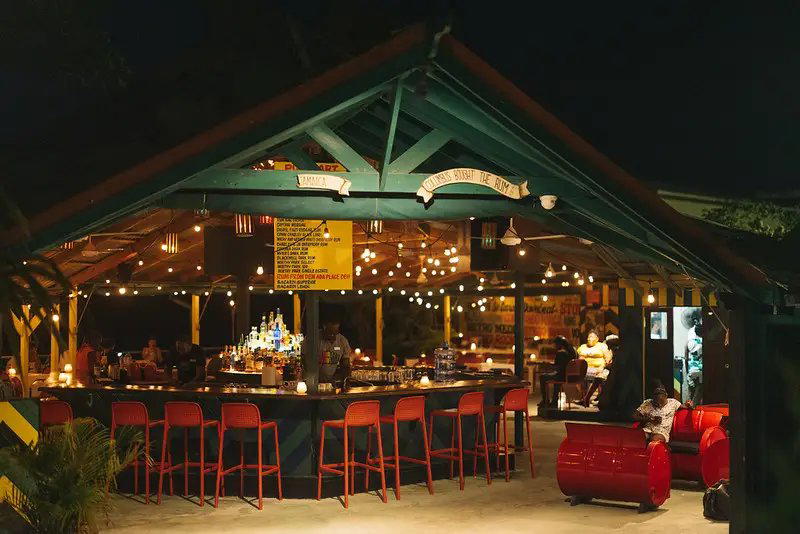
Elegant and romantic atmosphere enhanced by torch and candlelight at night, open-sided palapa design with ocean breezes, serene during day and magical at sunset.