River House
Our verdict
River House sits on Louisville's Ohio River corridor, operating within a city where the sourcing story has become as central to a restaurant's identity as the menu itself. Positioned along River Road, it draws on Kentucky's agricultural depth, bourbon country producers, regional farms, and the Ohio Valley's seasonal rhythms, to anchor a dining program that reads as distinctly local.

Pearl is the En Primeur Club membership app, where members save venues, book tables and use the concierge.
The menu
What to order
- Grilled Oysters on the Half Shell
- Maker’s Mark Bourbon Barrel Smoked Salmon
- BBQ Braised Beef Short Rib
Where the River Sets the Table
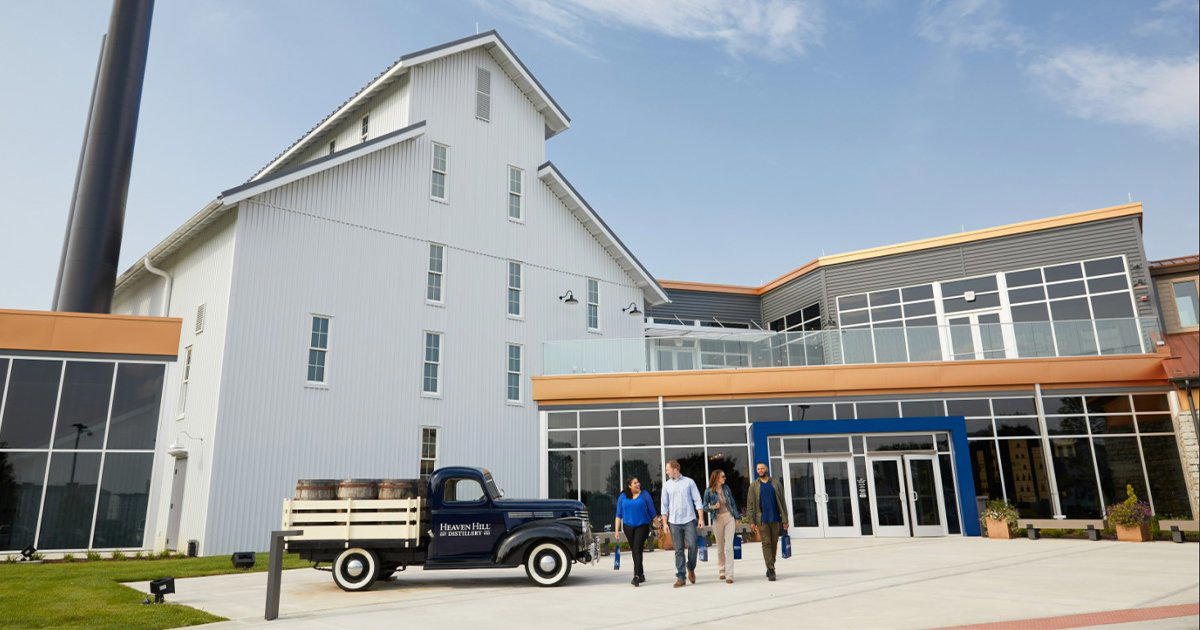
Approach River House along River Road on Louisville's north side and the Ohio comes into view before the restaurant does. That geography is not incidental. Restaurants positioned on working waterfronts in American mid-sized cities occupy a particular niche: close enough to the city's dining core to draw a broad audience, far enough removed to carry a sense of occasion that downtown venues rarely manage. In Louisville, where the dining conversation has shifted steadily toward provenance and regional identity, a location on the Ohio corridor carries implicit expectation, that the river, the land behind it, and the seasonal logic they impose will show up on the plate.
Louisville has spent the past decade earning serious attention as a food city, and not purely on the strength of bourbon tourism. The restaurant corridor that stretches from NuLu through the Highlands and out toward River Road now holds a range of programs, from the tightly composed New American tasting work at 610 Magnolia to the more casual but sourcing-conscious plates at 740 Front, that collectively signal a city taking its culinary identity seriously. River House sits within that broader shift, occupying the waterfront tier where setting and substance are expected to reinforce each other.
The Sourcing Argument Along the Ohio
Across American dining, the sustainability conversation has fractured into distinct camps. At one end, restaurants deploy the vocabulary of ethical sourcing as marketing shorthand without substantive supply chain commitment. At the other, properties like Single Thread Farm in Healdsburg and Blue Hill at Stone Barns in Tarrytown have built entire operational philosophies around the farm-to-table relationship, to the point where the sourcing structure is inseparable from the dining format itself. Louisville restaurants occupy the middle of that spectrum, where regional sourcing is increasingly table stakes rather than a differentiator, but where the depth of commitment still varies considerably.
Kentucky gives restaurants a structural advantage in this space. The state's agricultural output extends well beyond bourbon grain: Bluegrass region farms produce heritage pork, grass-fed beef, and a seasonal vegetable calendar that runs from spring ramps and morels through summer corn and tomatoes into fall's root vegetables and winter storage crops. The Ohio Valley's growing conditions support a diversity of produce that urban-sourcing restaurants in denser coastal markets would spend considerably more to access. A restaurant in River House's position, drawing on that network of Kentucky producers, can operate a genuinely regional menu at price points that comparable sourcing-led programs in New York or San Francisco, think Le Bernardin or Providence in Los Angeles, cannot match.
Waste reduction has become the second tier of the sustainability conversation in serious American kitchens, moving beyond sourcing into operational discipline: whole-animal butchery programs, fermenting and pickling to extend seasonal ingredients, stock and fat reuse, and composting frameworks. These practices, once associated primarily with fine dining programs chasing Michelin recognition, have filtered into mid-market restaurants across cities like Louisville as the economics of food cost make them practical rather than ideological. The restaurants in Louisville that have built lasting reputations, 80/20 at Kaelin's and Al's Table among them, tend to treat kitchen efficiency and sourcing integrity as connected disciplines rather than separate initiatives.
Reading the River Road Dining Tier
The Ohio riverfront in Louisville is not a dense restaurant row. Properties along River Road are spread out, which means each venue functions more as a destination than a neighborhood drop-in. That geography shapes what a kitchen needs to deliver: the experience has to justify the trip in a way that a restaurant embedded in a walkable district does not. Some of the pressure that drives technical ambition in tasting-menu formats at restaurants like Alinea in Chicago or Atomix in New York City manifests differently in a waterfront casual setting, the setting carries weight, but the food still has to earn its place in the evening.
For Louisville diners making a decision between River House and the city's more urban options, the cocktail-forward height of 8UP refined Drinkery and Kitchen or the neighborhood-scale confidence of venues throughout the Highlands, the riverfront location functions as both the draw and the proposition. You are not going for a quick dinner. You are going for the particular combination of water, distance from the city grid, and whatever the kitchen does with the occasion.
That occasion-dining logic is not unique to Louisville. Comparable waterfront restaurants across American mid-sized cities, from New Orleans, where Emeril's helped anchor a dining district near the river, to the farm-estate proximity of The French Laundry in Napa, have found that geography activates a diner's willingness to commit to an evening in ways that purely urban locations sometimes cannot. River House draws on that same spatial logic.
Booking for waterfront venues of this type in Louisville is worth planning ahead, particularly on weekends and during the fall season when the Ohio Valley's agricultural calendar peaks and the river corridor sees heavier leisure traffic. For planning context, see our full Louisville restaurants guide, which maps the city's dining tiers across neighborhoods and price ranges.
Where River House Sits in the Louisville Picture
Louisville's dining scene has enough range now that a single meal rarely tells the whole story. The city supports everything from the precision-driven New American work at 610 Magnolia, which sits at the tighter, more composed end of the local spectrum, to casual-but-serious options spread across NuLu and the Highlands. River House operates in a different register: the waterfront setting places it in the occasion-dining tier, where the combination of location, atmosphere, and regional sourcing does work that purely food-forward restaurants rely on the plate alone to accomplish.
Within the national conversation about sustainability-led American restaurants, a conversation anchored by programs at Addison in San Diego, The Inn at Little Washington, and Lazy Bear in San Francisco, Louisville restaurants drawing on Kentucky's agricultural infrastructure occupy a genuinely advantaged position. The raw materials are there. The question any serious waterfront restaurant on the Ohio has to answer is whether its kitchen is doing enough with them.
Frequently asked questions
What part of town is River House in?
River House is located at 3015 River Rd b, Louisville, KY 40207, Louisville.
What makes River House different from other Louisville restaurants with river views?
Most Louisville venues with Ohio River proximity are clustered in the downtown or NuLu corridors, while River House sits further north at 3015 River Road, placing it in a stretch where the river is the dominant feature rather than backdrop to urban foot traffic. That physical remove means the restaurant draws diners who are making a deliberate choice rather than walking in from another stop, which shapes the pace and character of a meal there differently than comparable riverfront options closer to downtown Louisville.
What do people recommend at River House?
River House draws consistent attention for dishes that reflect Ohio River region sourcing, with regulars pointing to proteins and produce tied to the Kentucky and broader Ohio Valley supply chain. The riverfront setting at 3015 River Road shapes what lands on the plate as much as any single menu category. Because the kitchen does not publish a fixed menu publicly, checking current offerings directly before visiting is advisable.
Do I need a reservation for River House?
Given the restaurant's position as one of the more destination-oriented properties along River Road, where venues function as standalone dining anchors rather than options in a dense corridor, walk-in availability is not reliable, particularly on weekends. Booking ahead is the practical approach. Contact details are best confirmed through a current web search or the venue directly, as hours and booking channels are not publicly listed here.
What has River House built its reputation on?
River House has built its identity around its physical relationship with the Ohio, a geography that informs both the room's character and the sourcing philosophy the kitchen operates under. Along a River Road corridor where properties are spread far apart, the restaurant functions as a genuine destination rather than a stopover, which puts pressure on the food and the experience to justify the trip. That positioning within Louisville's north side dining picture has given it a distinct role in the city's broader restaurant conversation.
Can River House handle vegetarian requests?
River House's regional sourcing framework, rooted in Ohio Valley agriculture, typically supports vegetable-forward cooking alongside proteins, which means kitchens operating in this mode tend to have more flexibility with plant-based requests than a narrowly meat-focused concept would.
Is River House good value for money?
Pricing details for River House are not listed publicly, which makes a direct value comparison difficult. Within the Louisville dining picture, which runs from high-precision tasting-menu formats to casual neighborhood spots, a riverfront destination like River House on the north side typically sits in the mid-to-upper range of the city's pricing tier. The riverfront setting and regional sourcing approach are factors diners weigh against the bill.
Cuisine and Recognition
Comparable venues nearby, for context on price, style, and recognition.
| Venue | Cuisine | Price | Notes |
|---|---|---|---|
| River HouseThis venue (the venue you are viewing) | Regional Seafood with Southern Flair | $50–100 | Not listed |
| Malone's | Prime Steakhouse with Fresh Seafood | $50–100 | Paddock Shops |
| Le Relais | Classic French Bistro | $30–50 | Bowman |
| Fishery | Fried Seafood & Fish Sandwiches | $10–20 | Rockcreek Lexington Road |
| Pat's Steak House | Classic American Steakhouse | $50–100 | Frankfort Ave |
| The Fat Lamb | New American Farm-to-Table | $30–50 | Cherokee Triangle |