Restaurant Palægade




Few Copenhagen restaurants hold the smørrebrød tradition as seriously as Restaurant Palægade, where more than 40 open-faced Danish sandwiches anchor a lunch programme that has earned a 2025 Michelin Plate. The evening shifts to a dinner format with a wine list running 1,200 selections and deep Burgundy and Piedmont sourcing — a combination that places it well above the city's casual lunch-counter tier.
Pearl is the En Primeur Club membership app — saves, bookings, and concierge access live there. Same editors, same standards.
- Address
- Palægade 8, 1261 København, Denmark
- Phone
- +45 70 82 82 88
- Website
- formelfamily.dk
- Directions
- Get directions
 Saves & bookings on Pearl
Copenhagen's Smørrebrød Counter, Taken Seriously
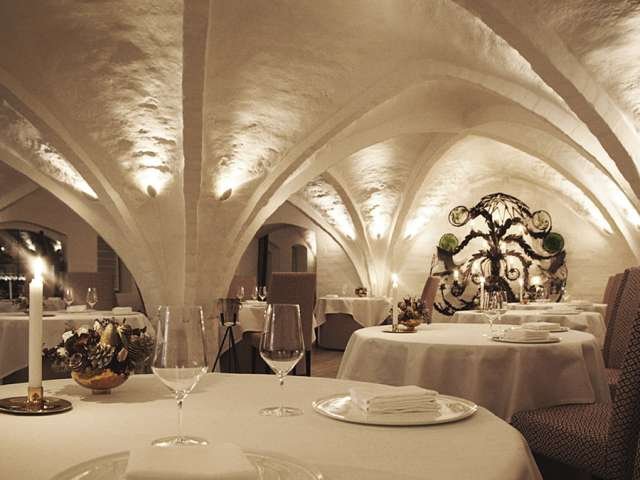
Smørrebrød occupies a peculiar position in Copenhagen's dining scene. It is simultaneously the city's most historically grounded tradition and one of its most casually treated formats — available at every corner café, tourist-facing lunch spot, and department-store canteen. The restaurants that treat it with genuine rigour are a much smaller group, and they tend to cluster in the historic centre, where the clientele mixes local professionals with visitors who know what they are looking for. Restaurant Palægade, on Palægade 8 in the inner city, operates firmly within that smaller group, holding a 2025 Michelin Plate and a ranking of #317 on the 2024 Opinionated About Dining Casual Europe list — credentials that place it in a different competitive set from the bulk of Copenhagen's open-sandwich trade.
The address matters. The streets around Kongens Nytorv and the old harbour carry a particular civic weight in Copenhagen, embassies, ministry buildings, legal firms, and the Royal Theatre are all within easy reach. Lunch here has historically meant something: not a rushed bite, but a table with cloth, a glass of something cold, and a spread of rye-based open sandwiches taken in proper sequence. That culture has thinned out elsewhere in the city, absorbed by faster formats. Palægade sustains it. For Copenhagen dining context across all categories, see our full Copenhagen restaurants guide.
The Smørrebrød Programme: Breadth and Discipline
Forty-plus smørrebrød at lunch represents serious range. In format terms, smørrebrød operates by a loose taxonomy: fish preparations (herring, smoked eel, shrimp), meat and poultry (roast beef, liver pâté, chicken salad), and egg or vegetable constructions, each requiring specific bread choices and garnish discipline. A kitchen maintaining forty-plus variants is managing significant mise en place, and the quality of a smørrebrød kitchen is often most visible at the margins of the menu, the less obvious preparations where shortcuts are easiest to take. The Michelin Plate recognition signals that Palægade's execution is consistent enough to warrant professional attention, which in this format is a meaningful bar to clear.
The comparison set for serious smørrebrød in Copenhagen is a short list. Schönemann is the long-established reference point, a pre-theatre institution on Hauser Plads that effectively defines what the format can achieve at its most traditional. Møntergade and Sankt Annæ occupy adjacent positions in the mid-to-upper lunch tier. Palægade sits in this company, distinguished partly by its wine programme, which for a smørrebrød restaurant is unusually ambitious. For a different take on Danish lunch traditions in Aarhus, anx, Smørrebrød offers an interesting regional comparison.
The Wine List: Where Palægade Separates Itself
The wine operation at Palægade is the feature that most clearly separates it from the category average. A 1,200-selection list with an inventory of 4,000 bottles is a serious cellar by any measure, it exceeds what many full-service dinner restaurants in Copenhagen maintain. The list's principal strengths are France (Burgundy) and Italy (Piedmont), a combination that reflects a clear curation philosophy: structured, terroir-expressive wines that reward attention rather than easy-drinking crowd-pleasers. Burgundy and Barolo-country Piedmont both demand bottle age and careful selection to show at their leading, and a cellar that prioritises them is signalling a particular kind of patience and investment.
Wine pricing sits at the $$$ tier, meaning the list carries many bottles above $100. That is consistent with serious French and Italian sourcing and not out of place for a restaurant of Palægade's standing, but it is worth registering that the wine programme here operates at a different register from the food price point. The cuisine is priced at €€, placing a typical two-course meal in the accessible mid-range; the wine list is a separate proposition for those who want to engage with it at depth.
The team behind the list adds further credibility. Wine Director Johan Henrik Kirketerp-Møller also serves as General Manager and co-owner, meaning cellar oversight sits at ownership level rather than being delegated. Sommeliers Gustav Vilholm, Marcus Rosenstrøm, and Casper Christiansen form a three-person floor team, substantial staffing for a restaurant in this price bracket and another signal that the wine programme is a genuine operational priority rather than an afterthought.
A corkage fee of $50 is noted for those wishing to bring their own bottles. At that level, it remains viable for a significant personal selection, but the depth of the in-house list makes the case for working from the cellar directly.
Lunch and Dinner: Two Different Propositions
Palægade operates a split-day model. Lunch runs 11:30 am to 5 pm and is anchored by the full smørrebrød menu, this is the primary format for which the restaurant holds its Michelin recognition. Dinner runs 6 pm to midnight on Monday through Saturday (the kitchen closes Sunday afternoon, with no Sunday evening service). The dinner format is a distinct offering, and given the wine programme's depth, it serves as a natural setting for engaging with the Burgundy and Piedmont selections at a pace that lunch rarely permits.
For visitors structuring a Copenhagen itinerary, the lunch slot is the essential one, Palægade in the afternoon is the format the restaurant is built around. Copenhagen's New Nordic fine-dining tier, represented by restaurants like Geranium and Jordnær in Gentofte, operates at a completely different price point and register. Palægade answers a different question: what does serious Danish tradition look like when treated with the same care as contemporary fine dining, without abandoning the format's essential character?
Those exploring Denmark's broader restaurant scene beyond Copenhagen can reference Frederikshøj in Aarhus, Henne Kirkeby Kro in Henne, Alimentum in Aalborg, ARO in Odense, and Domæne in Herning for context across formats and price tiers. For Copenhagen drinking and bar programming, Mikkeller anchors the craft beer side of the city's scene. Further Copenhagen planning resources: our full Copenhagen hotels guide, our full Copenhagen bars guide, our full Copenhagen wineries guide, and our full Copenhagen experiences guide. For reference against international fine dining with comparable wine programme depth, Le Bernardin in New York City represents the benchmark tier.
Know Before You Go
- Address: Palægade 8, 1261 København, Denmark
- Lunch hours: Monday–Sunday, 11:30 am–5 pm
- Dinner hours: Monday–Saturday, 6 pm–12 am (no Sunday dinner)
- Cuisine: Smørrebrød (traditional Danish open-faced sandwiches); 40+ variants at lunch
- Food price tier: €€ (mid-range; typical two-course meal)
- Wine list: 1,200 selections, 4,000-bottle inventory; strengths in Burgundy and Piedmont
- Wine price tier: $$$ (many bottles above $100)
- Corkage fee: $50
- Awards: Michelin Plate (2025); Opinionated About Dining Casual Europe #317 (2024)
- Chef: Luckas Bo Schultz Jensen
- Wine Director / General Manager: Johan Henrik Kirketerp-Møller
A Tight Comparison
| Venue | Cuisine | Price | Notes |
|---|---|---|---|
| Restaurant PalægadeThis venue — the venue you are viewing | Smørrebrød | €€ | Not listed |
| Geranium | New Nordic, Creative | €€€€ | Not listed |
| Noma | Creative | €€€€ | Not listed |
| Alchemist | Progressive, Creative | €€€€ | Not listed |
| Koan | New Nordic, Kaiseki, Creative | €€€€ | Not listed |
| a|o|c | Not listed | €€€€ | New Nordic, Mediterranean Small Plates, Creative |
Recognition history
Dated appearances from independent guides and award organizations, with the underlying list record or original source where available.
Michelin Plate
Michelin
Opinionated About Dining Casual in Europe Ranked #93
Opinionated About Dining
Star Wine List
Star Wine List
Wine Spectator Best of Award of Excellence
Wine Spectator
Michelin Plate
Michelin
Wine Spectator Best of Award of Excellence
Wine Spectator
Opinionated About Dining Casual in Europe Ranked #317
Opinionated About Dining
Continue exploring
More in Copenhagen
Restaurants in Copenhagen
Browse all →
Bars in Copenhagen
Browse all →
Hotels in Copenhagen
Browse all →

At a Glance
- Elegant
- Modern
- Sophisticated
- Classic
- Business Dinner
- Date Night
- Celebration
- Group Dining
- Standalone
- Design Destination
- Terrace
- Extensive Wine List
- Sommelier Led
- Local Sourcing
Current opening hours
- Monday
- 11:30 AM–5 PM, 6 PM–12 AM
- Tuesday
- 11:30 AM–5 PM, 6 PM–12 AM
- Wednesday
- 11:30 AM–5 PM, 6 PM–12 AM
- Thursday
- 11:30 AM–5 PM, 6 PM–12 AM
- Friday
- 11:30 AM–5 PM, 6 PM–12 AM
- Saturday
- 11:30 AM–5 PM, 6 PM–12 AM
- Sunday
- 11:30 AM–5 PM
Hours can change for holidays and private events. Last verified .
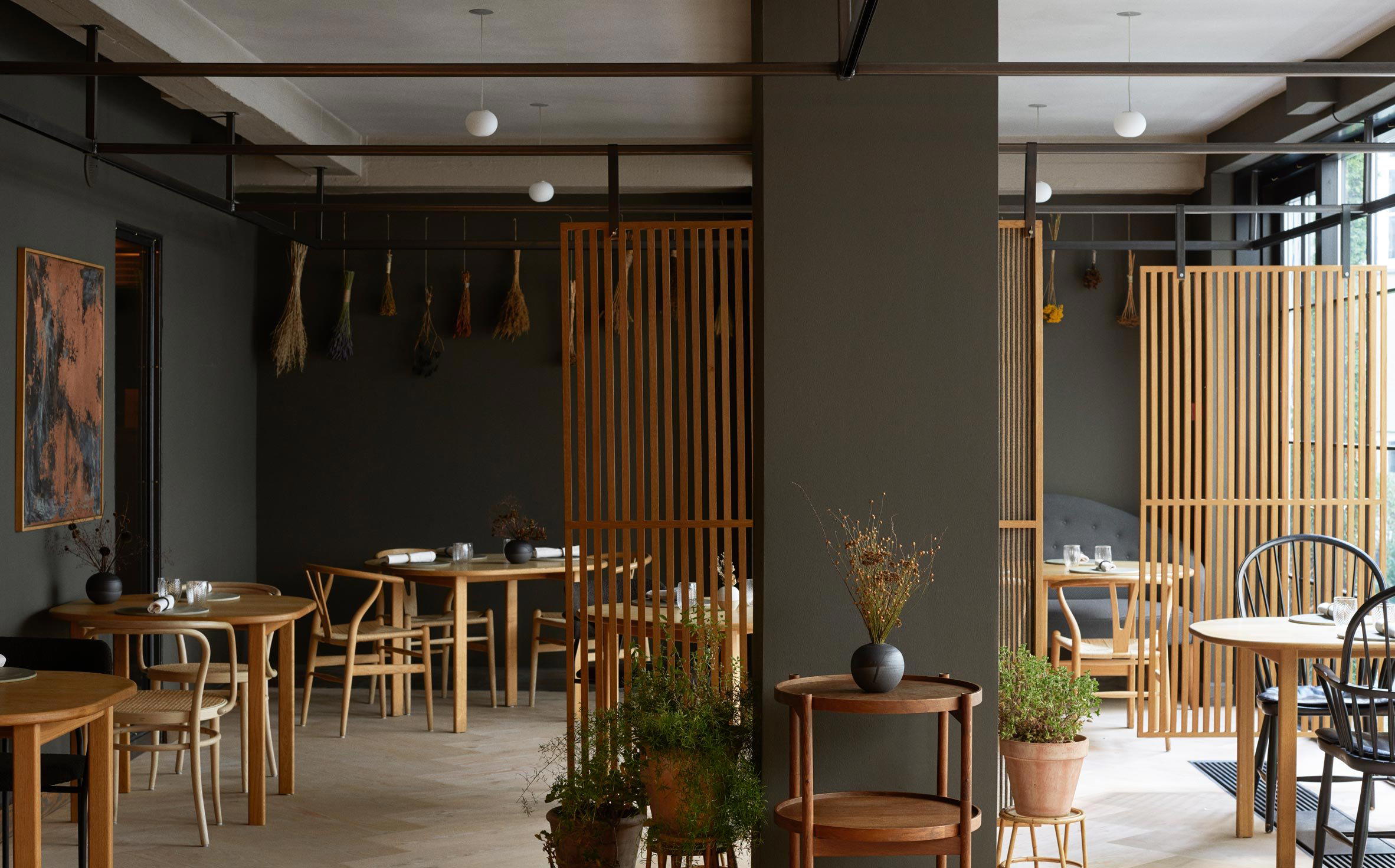
Beautiful brasserie with striking black and white tiled floors, brass light fittings, and oak and walnut chairs; modern yet classic with a French bistro charm and slick dining room aesthetic.
Know Before You Go
- Getting there
- Palægade 8, 1261 København, Denmark