Møntergade




Møntergade is Copenhagen's benchmark for the kind of smørrebrød that takes the tradition seriously without treating it as a museum piece. The chalkboard rotates daily, herring appears in multiple preparations, and Star Wine List recognition since 2021 signals a drinks program that matches the food's ambition. At €€ pricing, it occupies a specific and useful tier in the city's lunch scene.
Pearl is the En Primeur Club membership app — saves, bookings, and concierge access live there. Same editors, same standards.
- Address
- Møntergade 19, 1120 København, Denmark
- Phone
- +45 33 33 06 10
- Website
- montergade.dk
- Directions
- Get directions
 Saves & bookings on Pearl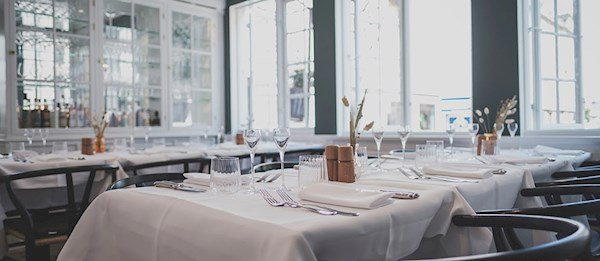
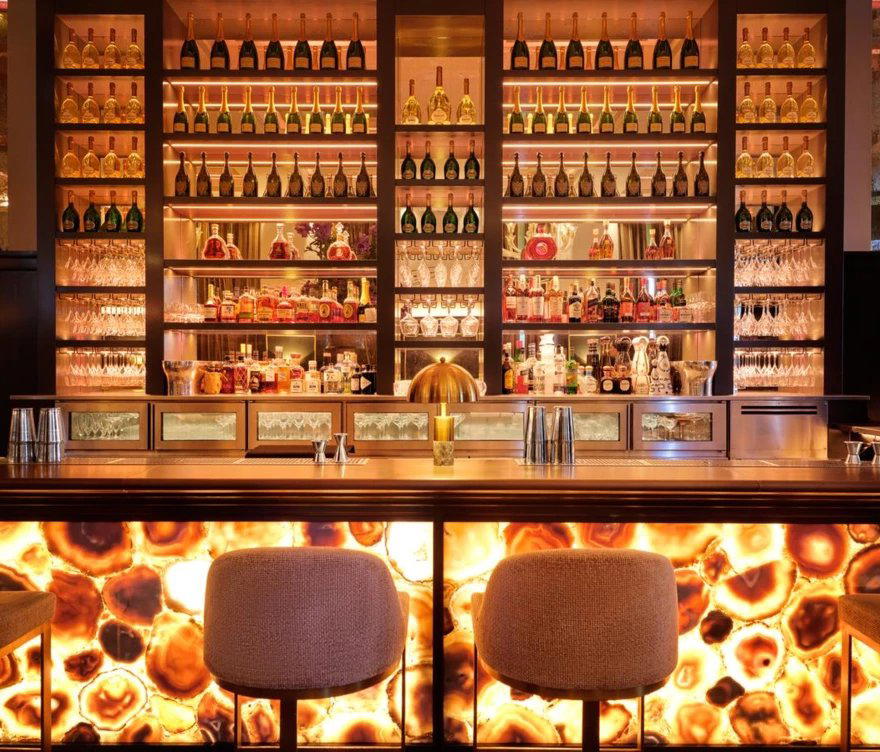
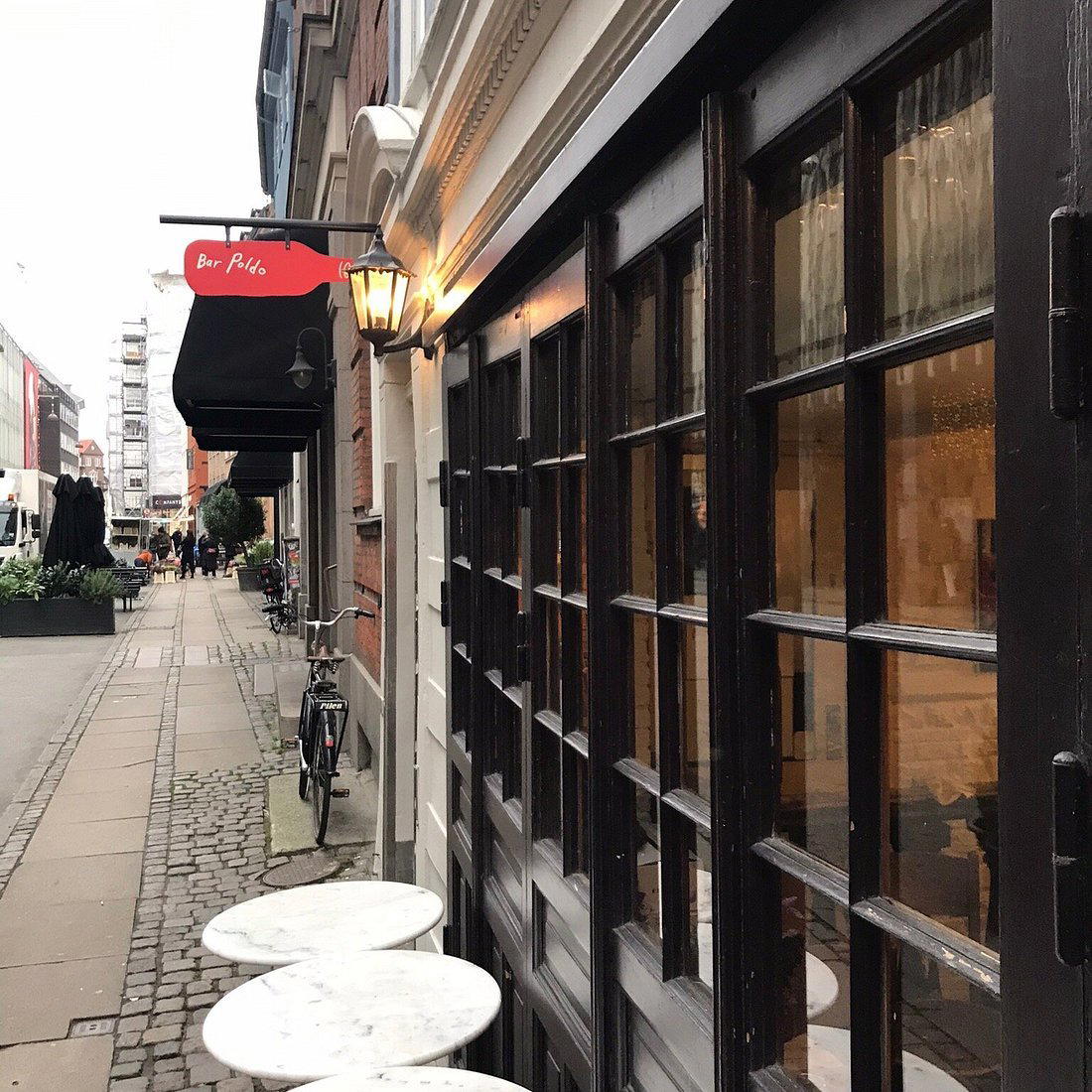
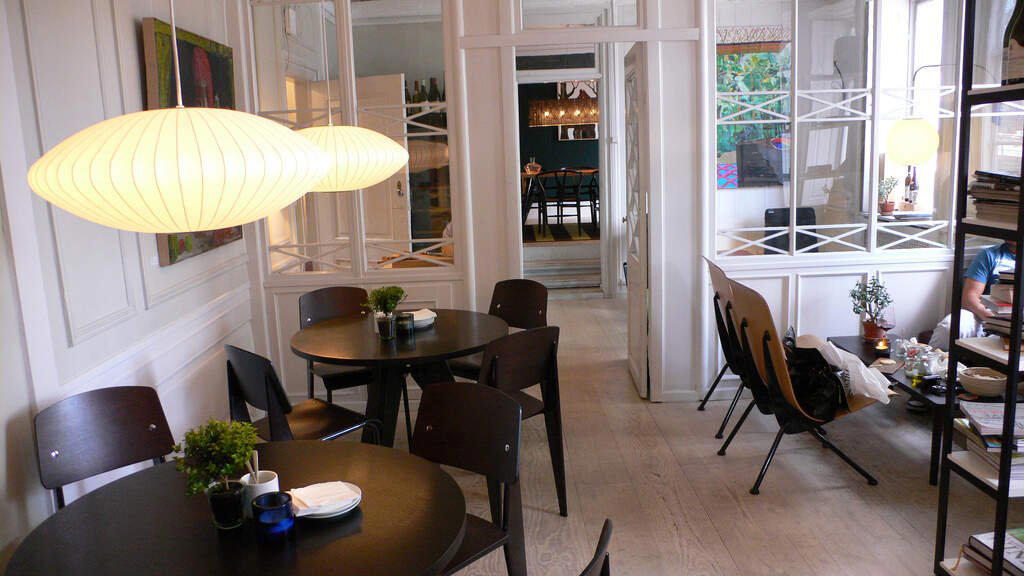
Møntergade is a restaurant in Copenhagen serving Classic Danish Smørrebrød & Danish-French Brasserie at about $80 per person. The address on Møntergade sits within one of Copenhagen's oldest surviving building envelopes, a stretch of the inner city where the street grid has barely shifted since the medieval period. Inside, the atmosphere is brasserie rather than hushed dining room: a small drinks counter anchors one wall, the chalkboard changes with the kitchen's daily haul, and the room generates the kind of noise that comes from a place that is actually full. This is the environment in which smørrebrød has always worked well, communal, unhurried, built around the middle of the day rather than the performance of the evening.
Smørrebrød and the Question of Technique
Copenhagen's smørrebrød houses occupy a particular position in the city's dining hierarchy. They are neither the tasting-menu operations that define Denmark's international reputation, Geranium (New Nordic, Creative), Jordnær in Gentofte, and others in the €€€€ bracket, nor direct canteens. The serious mid-tier houses, of which Møntergade is one, operate at a point where classical Danish technique is applied with the same rigour you would expect from a European brasserie. The distinction matters when you are assessing the food: these are not nostalgic reproductions of a grandmother's kitchen, but considered interpretations of an established form.
The editorial angle that makes Møntergade worth examining is precisely the intersection of indigenous ingredients and applied method. Herring, the single ingredient most associated with Danish open-sandwich tradition, appears here in fried, pickled, marinated, and curried preparations. The curried option is the clearest signal of how the kitchen operates: a spice vocabulary that arrived in Scandinavia through trade routes and colonial-era imports is applied to a fish that is as local as the harbour. That combination is not novelty for its own sake. It reflects the way Danish cooking has absorbed outside influence across centuries without replacing its foundational products.
What the Awards Record Actually Tells You
Opinionated About Dining, the aggregator that tracks critical consensus across European restaurants, has ranked Møntergade in its Casual in Europe list for three consecutive years: #140 in 2024, #116 in 2023, and #125 in 2025. That trajectory, entry, climb, then slight drift back, is more informative than any single placement. It positions the restaurant inside a tier of European casual dining that takes sourcing and execution seriously, not as a destination tasting room but as a place where the daily operation meets a consistent standard. For a smørrebrød house, that kind of sustained critical recognition across multiple cycles is the more meaningful signal.
The Star Wine List recognition is equally telling. The programme has been ranked in both the #1 and #2 positions on that platform in every year from 2021 through 2025, five consecutive years of recognition for the drinks offer. In a category where the food is the conventional focus, a wine programme that earns independent critical attention shifts the venue into a different comparable set. The small drinks counter described by the Michelin editorial team is apparently not incidental to the experience. At a Michelin Plate level, the food is assessed as meeting the quality threshold for recognition, appropriate for a kitchen that is trying to do classical things well rather than push the form into new territory.
Where It Sits in the Copenhagen Lunch Scene
The smørrebrød tier in Copenhagen has a clear competitive map. Schönemann is especially institutionally recognised house, with a longer critical record and a more formal register. Restaurant Palægade occupies adjacent territory. Sankt Annæ operates in a similar price band. Møntergade at €€ pricing competes in the same bracket as these addresses, and the multi-year OAD ranking places it in consistent company with them.
What differentiates Møntergade is the team and the atmosphere as much as the plate. The Michelin editorial note specifically names the staff as part of the draw, and the room is lively rather than reverential. That characterisation matters for how the venue functions. Copenhagen's higher-end lunch culture can tip toward formality; a place that generates genuine room energy at mid-tier pricing fills a different need than one that treats smørrebrød as a solemn exercise.
The Food in Context
Under chef Karina Pederson, the kitchen runs a chalkboard of daily specials alongside the fixed repertoire. The herring in its various preparations anchors the menu as a structural constant, herring is to the Copenhagen smørrebrød house what bread service is to the Parisian brasserie, an indicator of where the kitchen's standards are set. Beyond the fish, the available record notes Danish beef with black garlic cream and deep-fried goose fat potatoes as representative of the broader menu direction: domestic proteins and produce treated with a technique vocabulary that is classically European in application. The black garlic element is a reasonable proxy for how the kitchen uses fermentation and long preparation methods that have become more widely circulated through the New Nordic movement but have roots much further back in northern European cooking.
The dessert register follows the same logic. Apples with white chocolate, lemon verbena, and apple sorbet is a composition that uses a domestic fruit as the structural anchor and builds around it with precision pastry techniques. None of this is imported for effect. It is the application of method to what the Danish larder actually produces.
For a wider picture of where smørrebrød sits within Denmark's broader dining scene, anx, Smørrebrød in Aarhus offers a useful comparison point outside the capital. And Copenhagen's full range, from the format that produced Frederikshøj in Aarhus and Henne Kirkeby Kro in Henne elsewhere in Denmark, to the city's own tasting-menu circuit, is covered in our full Copenhagen restaurants guide.
For regional context elsewhere in Denmark, Alimentum in Aalborg, ARO in Odense, and Domæne in Herning extend the picture beyond Copenhagen's concentration of critical attention.
For a reference point outside Scandinavia on how classical technique and produce intersect, Le Bernardin in New York City offers a useful comparison. The contexts differ entirely, but the structural commitment to letting primary ingredients carry the plate is the same impulse operating in a different culinary language. Mikkeller rounds out the Copenhagen picture on the drinks side, for those building an itinerary around beverage programmes as much as food.
Know Before You Go
- Address: Møntergade 19, 1120 København, Denmark
- Cuisine: Smørrebrød
- Price range: €€
- Awards: Michelin Plate (2025); Opinionated About Dining Casual in Europe #125 (2025); Star Wine List #1 and #2 (2021 to 2025 consecutive) 6 from 495 reviews
- Format: Lively upmarket brasserie; chalkboard daily specials alongside fixed repertoire
- Hours: Mon to Sat 11:30 AM to 5 PM and 6:30 PM to 12 AM; Sun 11:30 AM to 5 PM. Reservations are recommended.
What is the must-try dish at Møntergade?
The herring preparations are a particularly direct entry point into what the kitchen is doing, and the curried version is the clearest expression of the restaurant's approach: a Danish staple read through a spice tradition that arrived in Scandinavia via trade, applied with the same care as the pickled and marinated versions alongside it. The Danish beef with black garlic cream and deep-fried goose fat potatoes anchors the meat side of the menu in the same way, domestic product, extended technique. Either represents the kitchen's priorities more accurately than any single dish described as essential.
How It Stacks Up
Comparable venues nearby, for context on price, style, and recognition.
| Venue | Cuisine | Price | Awards | Notes |
|---|---|---|---|---|
| MøntergadeThis venue — the venue you are viewing | Classic Danish Smørrebrød & Danish-French Brasserie | $$$$ | Bib Gourmand | Not listed |
| formel B | Modern Nordic-French Fine Dining | $$$$ | Michelin 1 Star | Frederiksberg |
| Koefoed | Modern Scandinavian with Bornholm Focus | $$$ | Bib Gourmand | Indre By |
| Sushi Anaba | Traditional Edomae Omakase with Nordic Seafood | $$$$ | Michelin 1 Star | Østerbro |
| Kødbyens Fiskebar | Nordic Seafood | $$$ | Michelin Plate | Vesterbro-Kongens Enghave |
| Jatak | Nordic-Asian Fusion | $$$$ | Michelin 1 Star | Nørrebro |
Recognition history
Dated appearances from independent guides and award organizations, with the underlying list record or original source where available.
Michelin Plate
Michelin
Opinionated About Dining Casual in Europe Highly Recommended
Opinionated About Dining
Star Wine List
Star Wine List
White Guide Denmark Restaurants - Masters Level
White Guide
Michelin Plate
Michelin
Opinionated About Dining Casual in Europe Ranked #125
Opinionated About Dining
Star Wine List
Star Wine List
Michelin Bib Gourmand
Michelin
Opinionated About Dining Casual in Europe Ranked #140
Opinionated About Dining
Star Wine List
Star Wine List
Opinionated About Dining Casual in Europe Ranked #116
Opinionated About Dining
Star Wine List
Star Wine List
Star Wine List
Star Wine List
Star Wine List
Star Wine List
Continue exploring
More in Copenhagen
Restaurants in Copenhagen
Browse all →
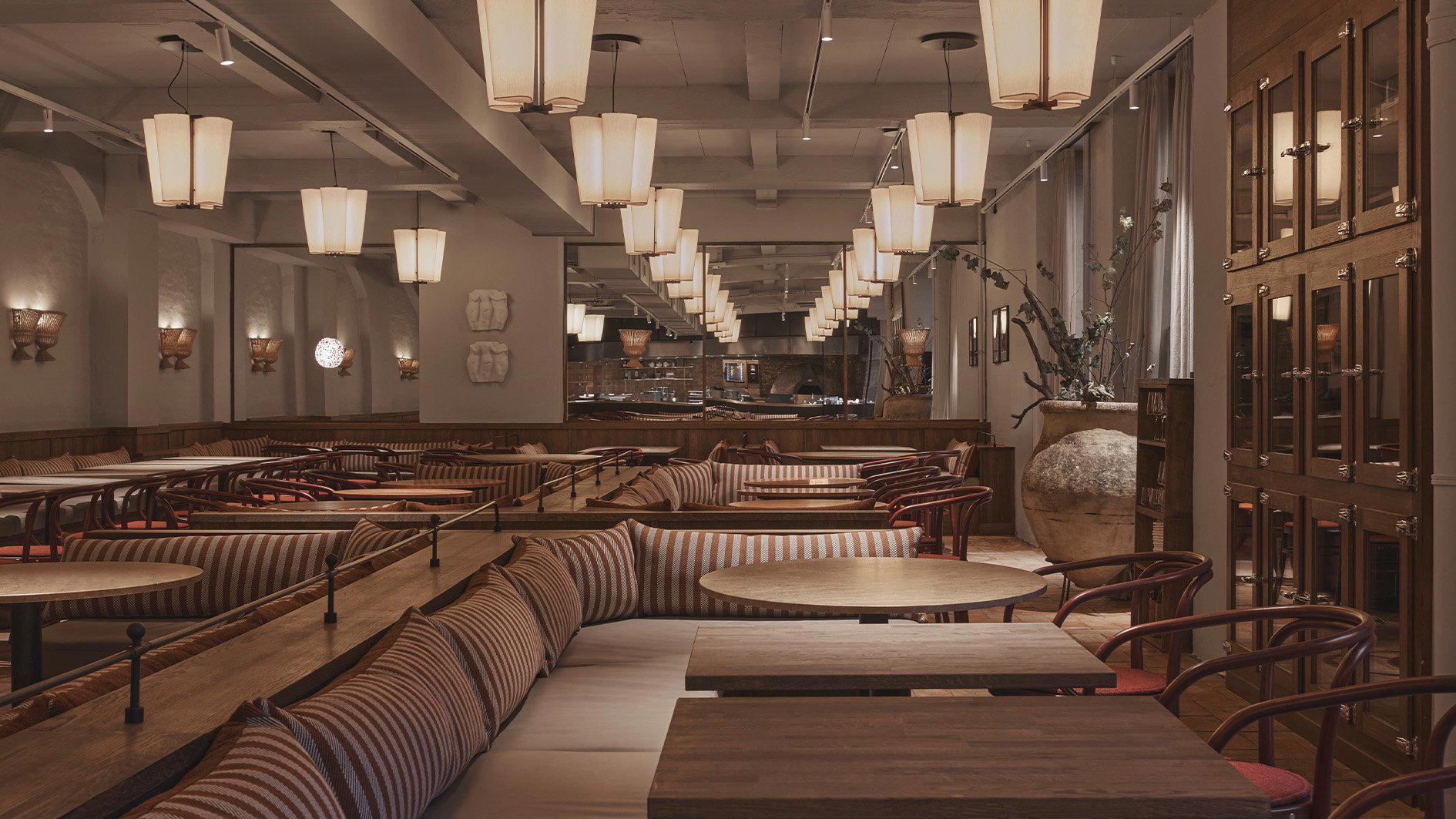
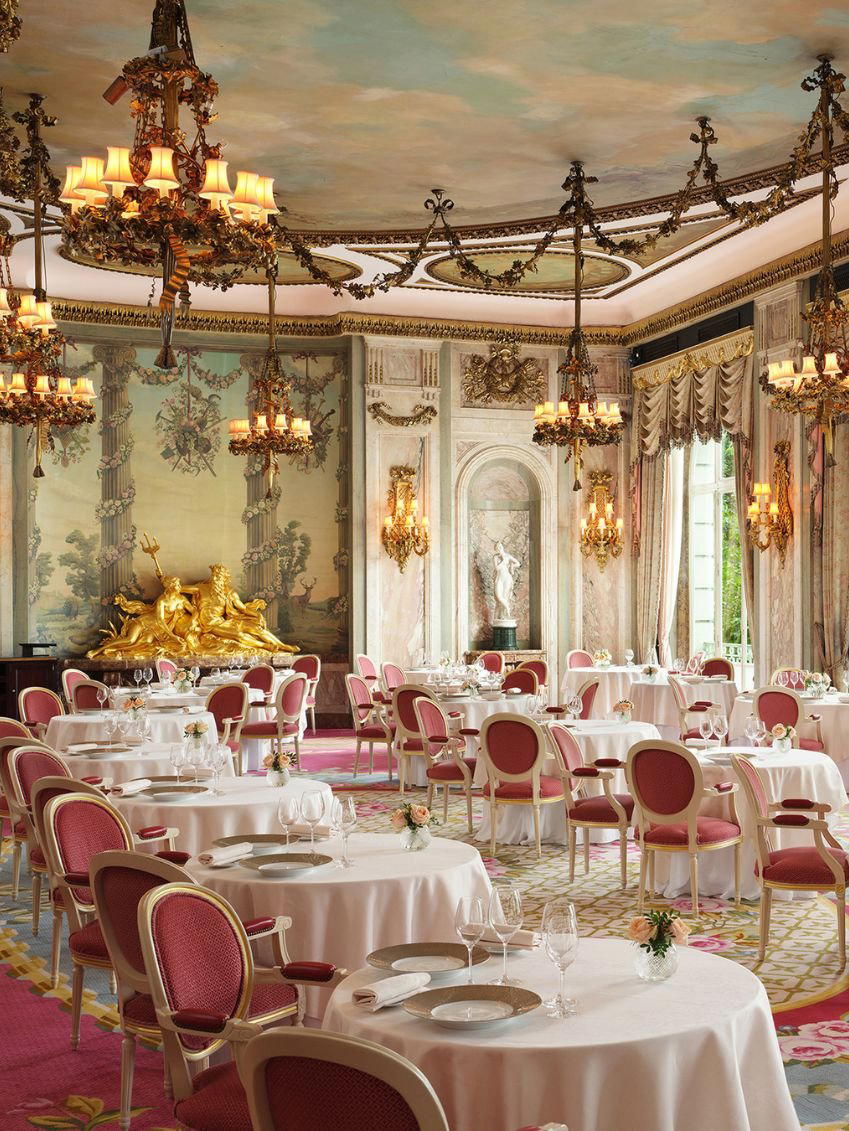
Bars in Copenhagen
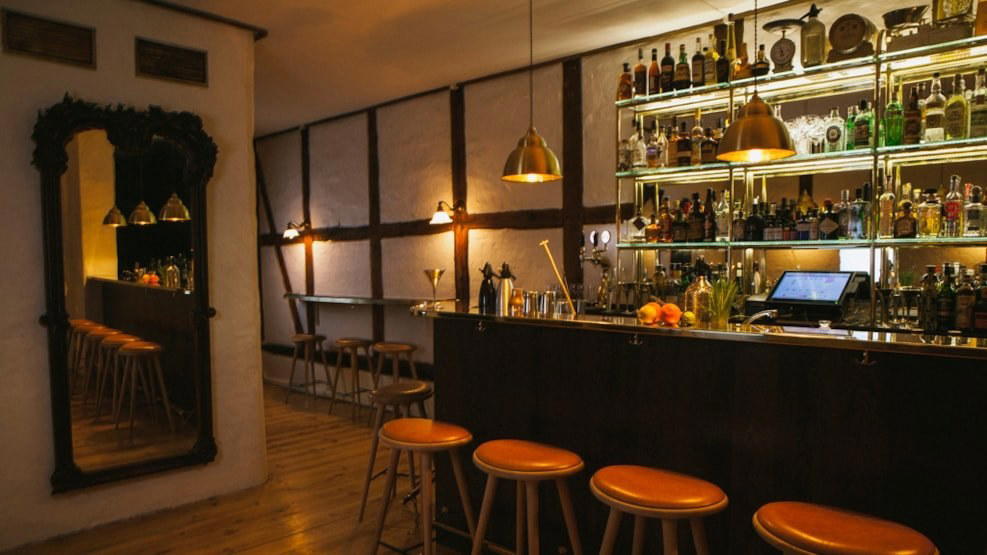
Browse all →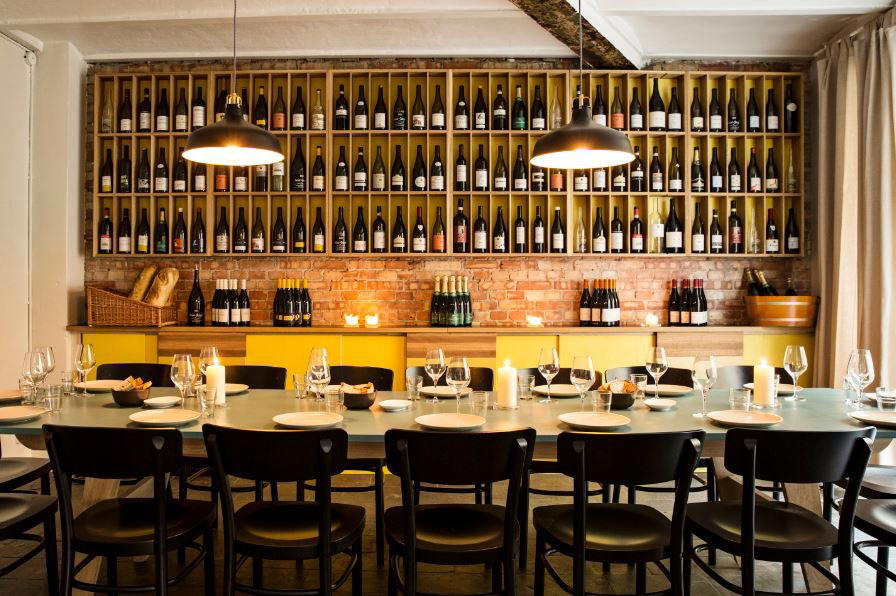
At a Glance
- Classic
- Cozy
- Elegant
- Sophisticated
- Business Dinner
- Family
- Historic Building
- Extensive Wine List
- Local Sourcing
Current opening hours
- Monday
- 11:30 AM–5 PM, 6:30 PM–12 AM
- Tuesday
- 11:30 AM–5 PM, 6:30 PM–12 AM
- Wednesday
- 11:30 AM–5 PM, 6:30 PM–12 AM
- Thursday
- 11:30 AM–5 PM, 6:30 PM–12 AM
- Friday
- 11:30 AM–5 PM, 6:30 PM–12 AM
- Saturday
- 11:30 AM–5 PM, 6:30 PM–12 AM
- Sunday
- 11:30 AM–5 PM
Hours can change for holidays and private events. Last verified .
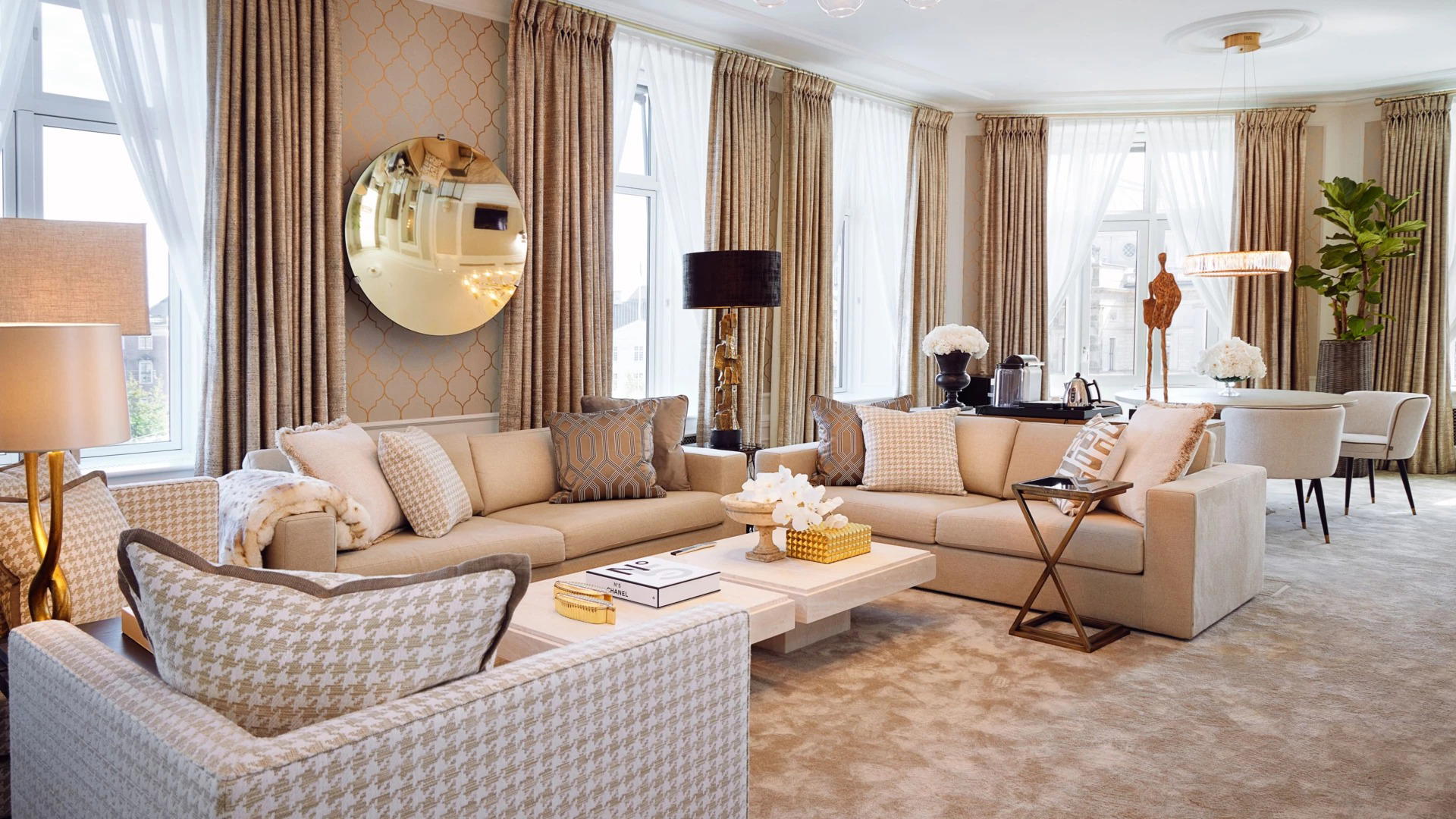
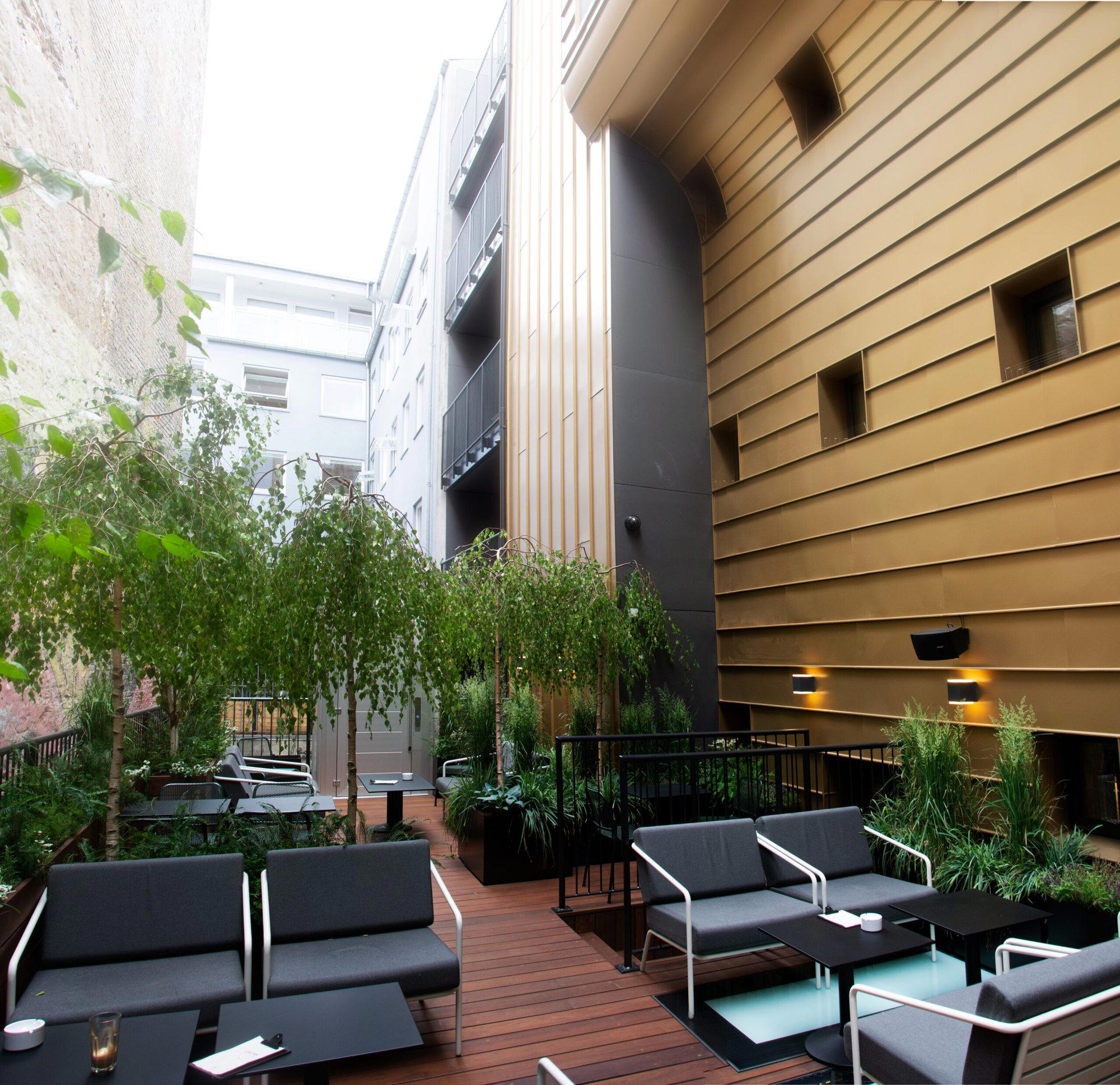
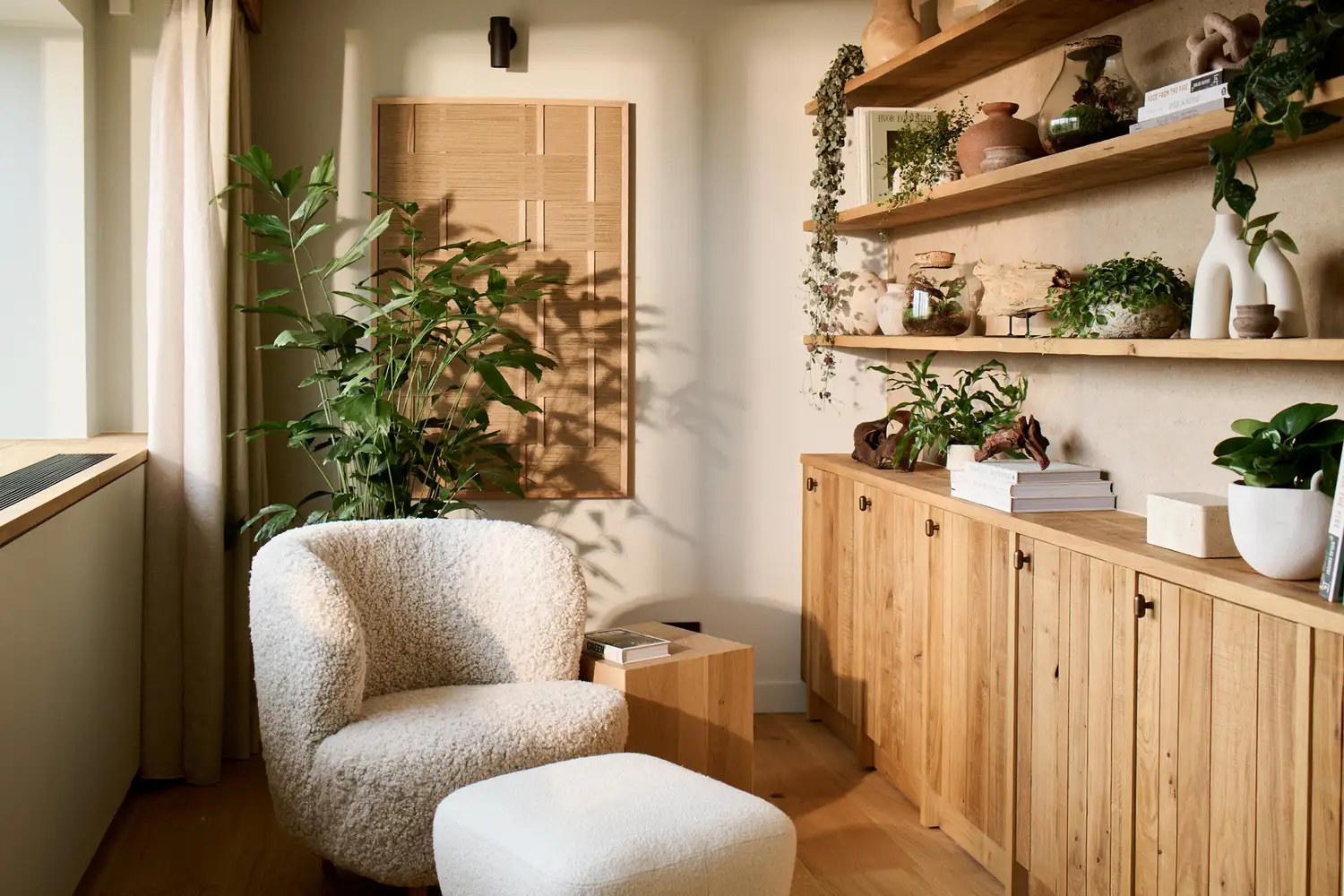
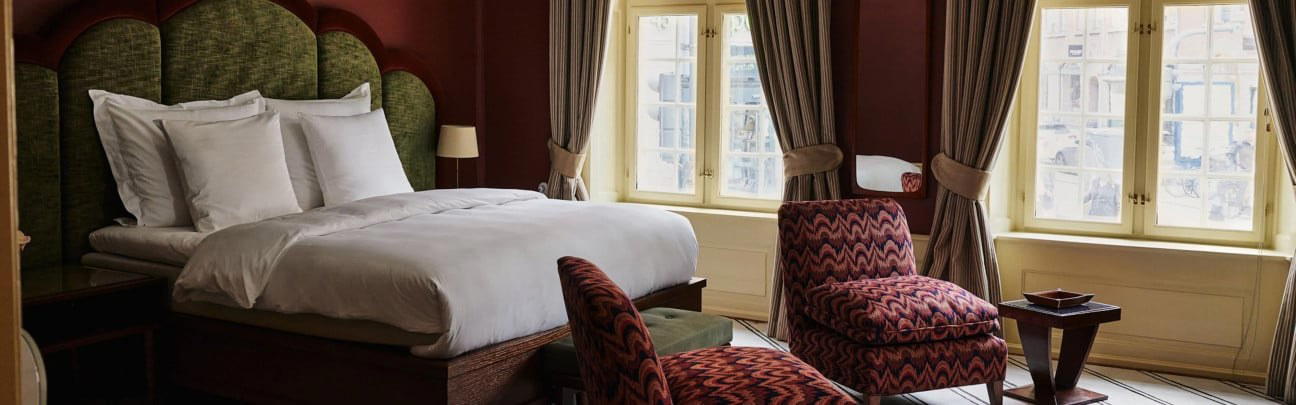
Light and bright dining room with white tablecloths, beautiful historic surroundings, cozy basement kitchen, chic and sophisticated atmosphere.