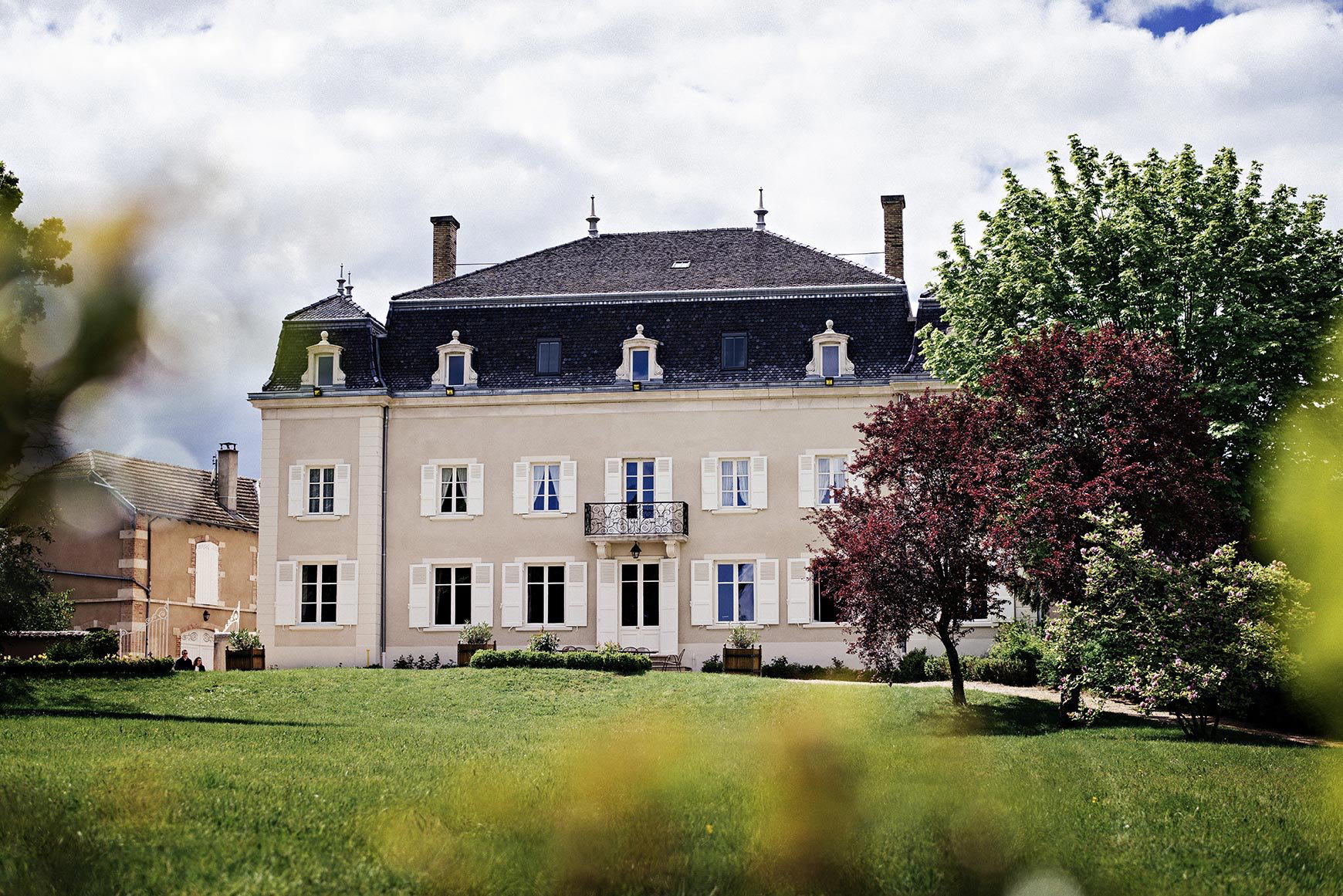
In the village of Davayé, at the southern edge of the Mâconnais, La Patte d'Oie occupies a quietly serious position in a region where the land does most of the talking. The address — Route des Allemands, 71960 — places it among vineyards that have defined Burgundian identity for centuries, making ingredient provenance less a philosophy than a geographical fact.
Pearl is the En Primeur Club membership app — saves, bookings, and concierge access live there. Same editors, same standards.
- Address
- 40 Rte des Allemands, 71960 Davayé, France
- Phone
- +33781916863
- Website
- lapattedoie.net
- Directions
- Get directions
 Saves & bookings on Pearl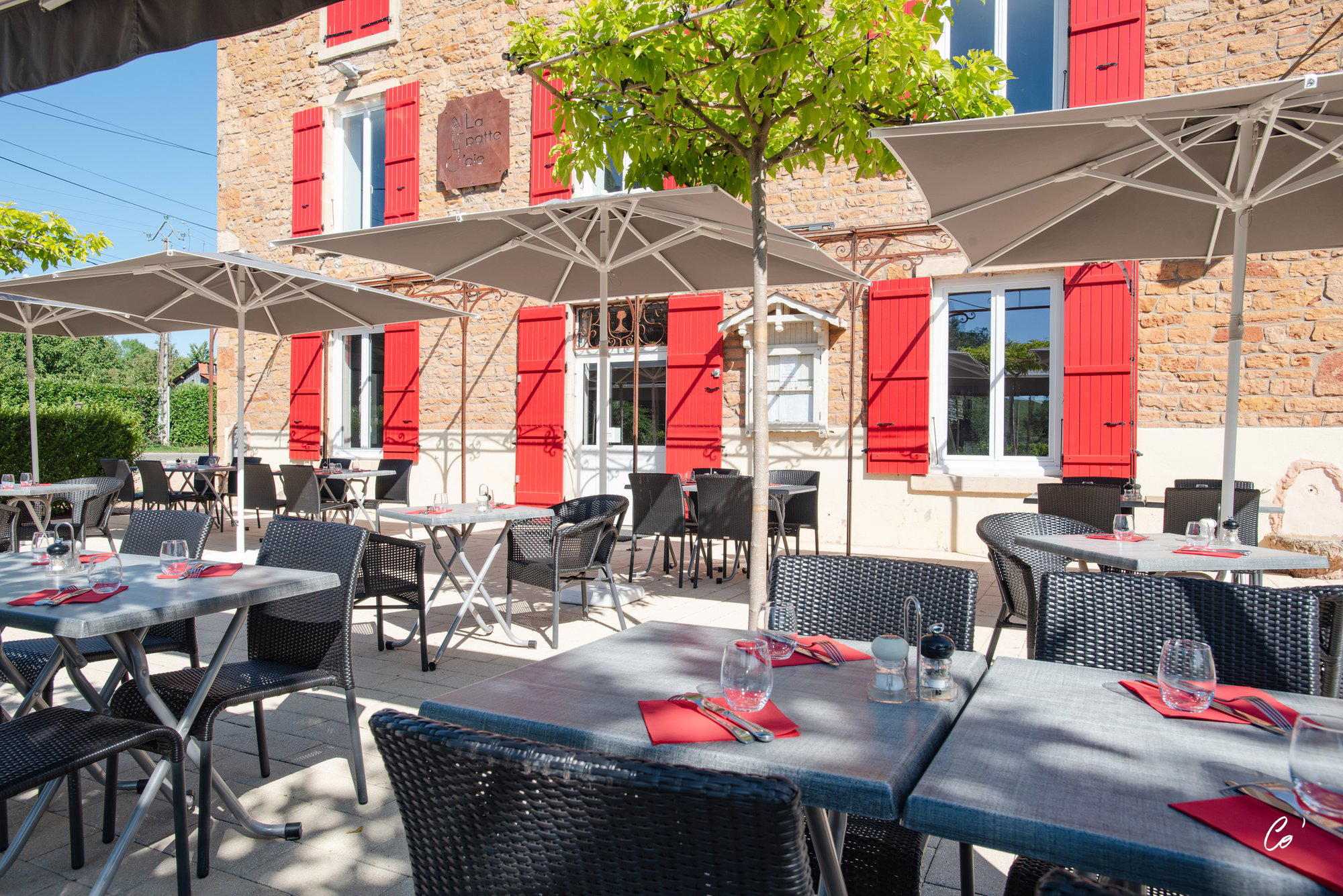
Where the Mâconnais Sets the Table
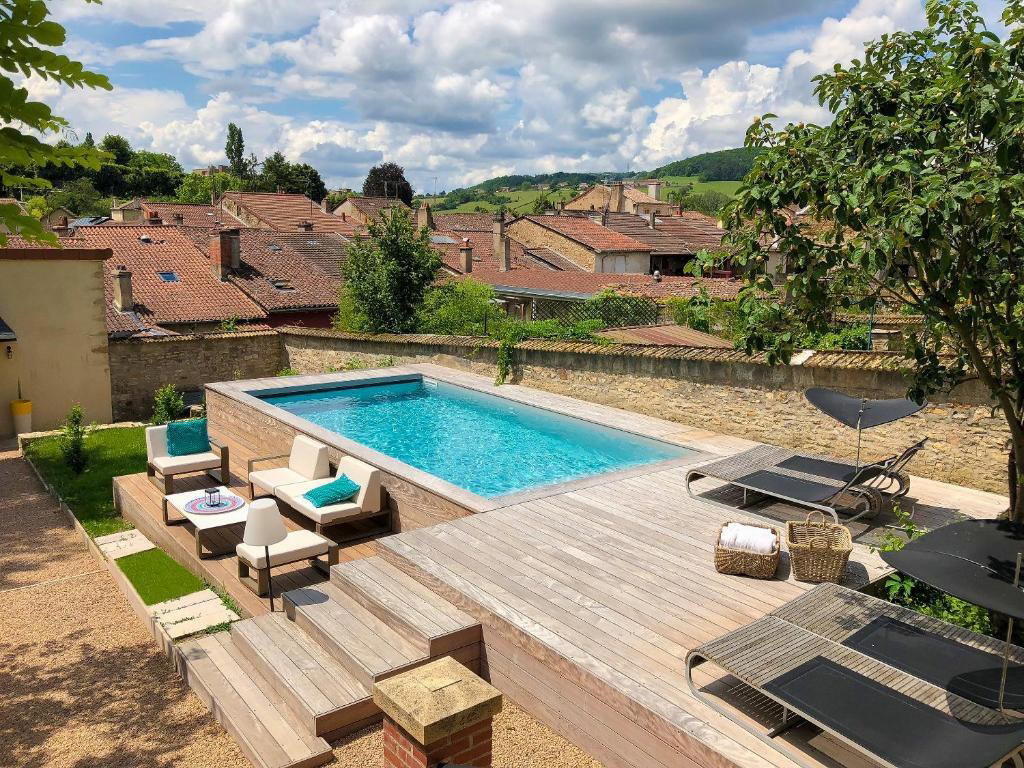
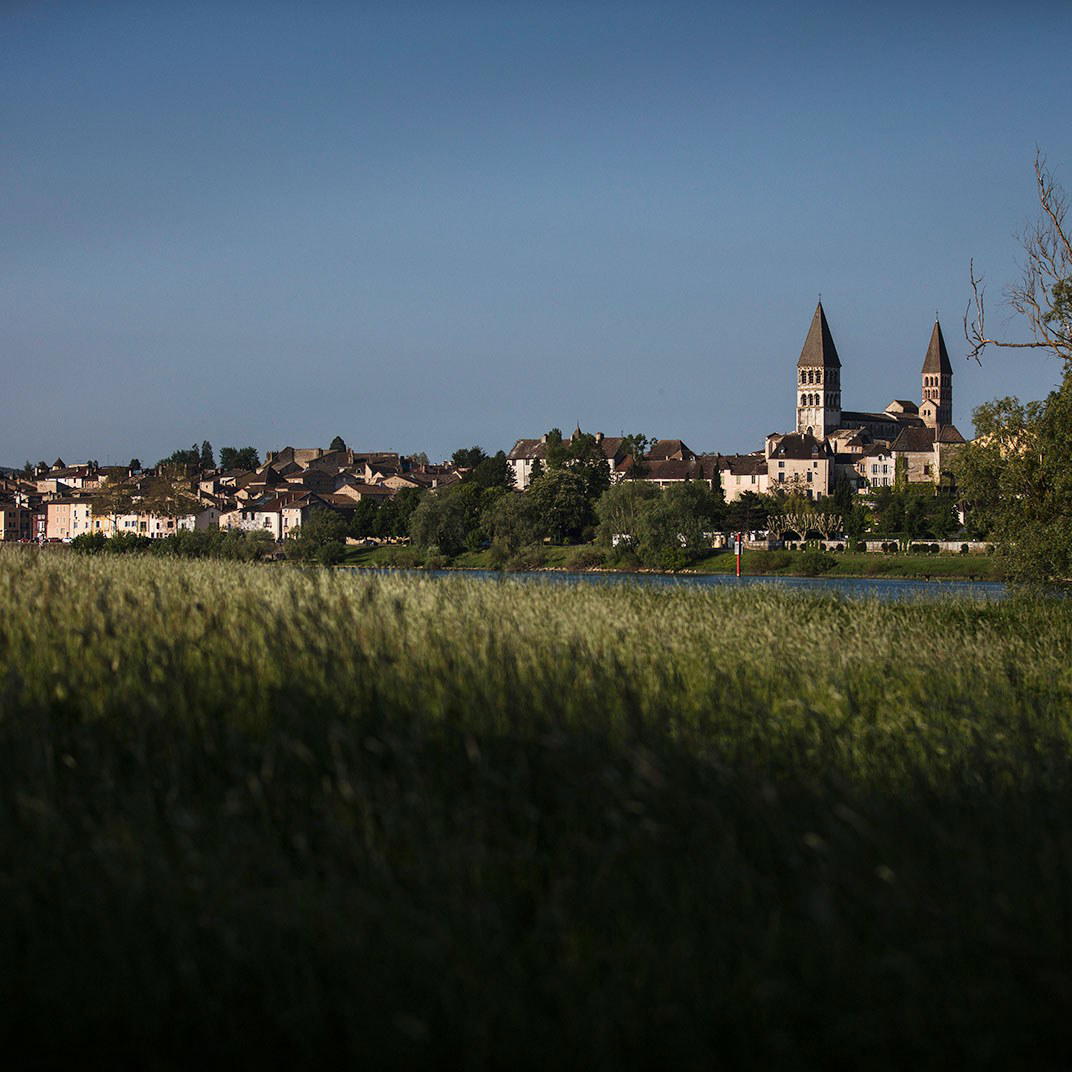
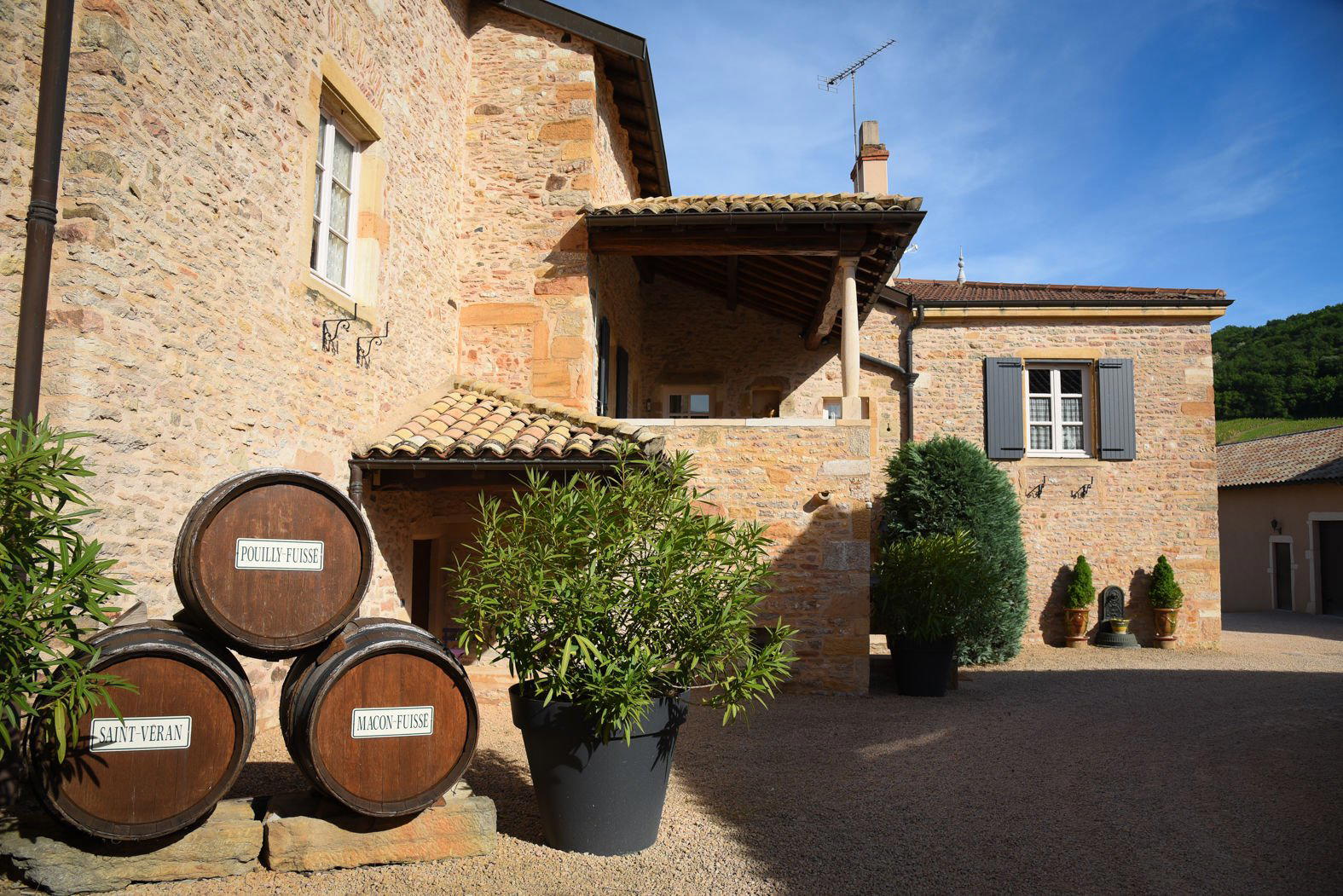
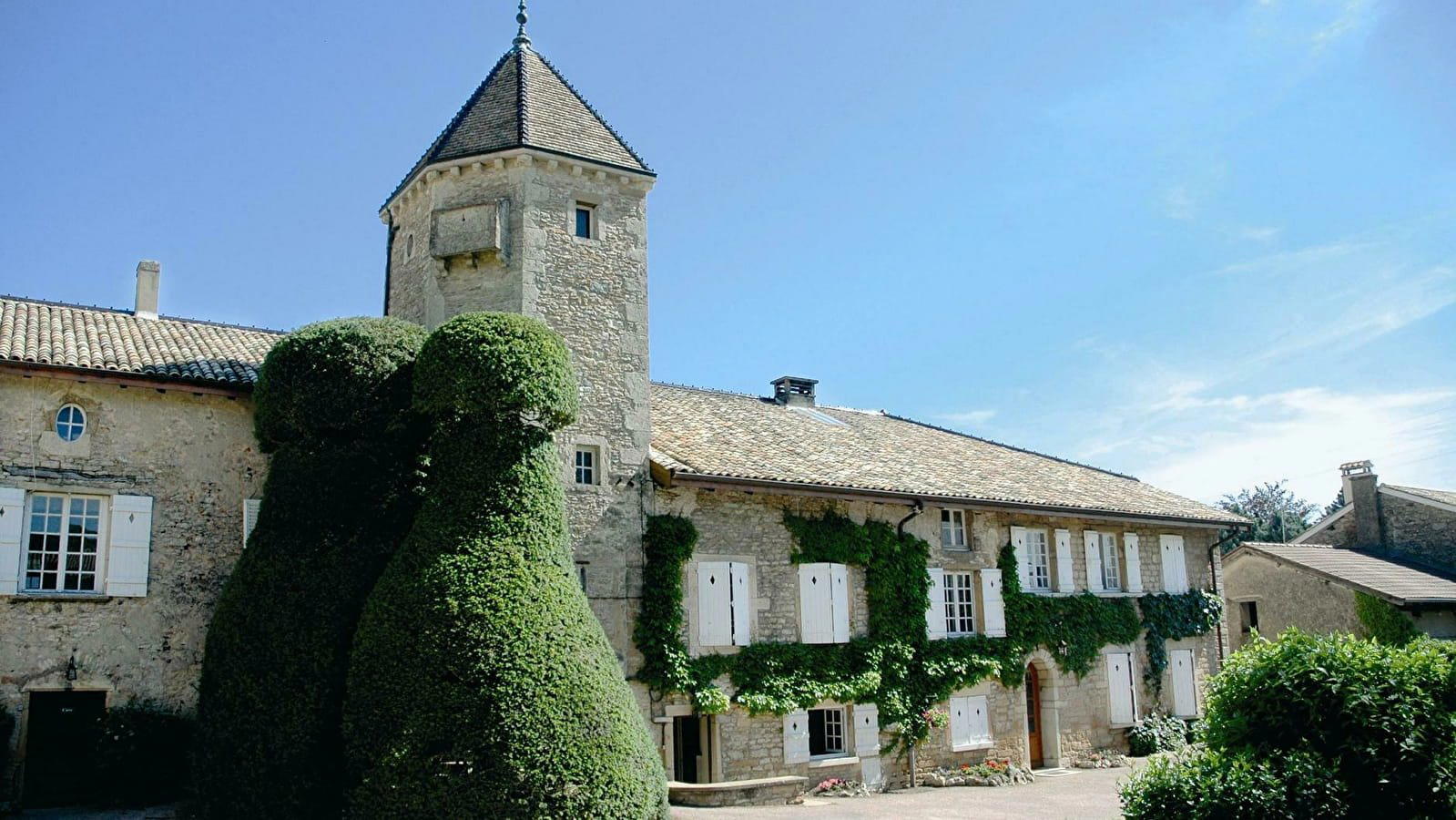
Davayé sits at the point where the Mâconnais gives way to the northern edge of Beaujolais, a transition zone that has shaped how this corner of Burgundy grows, harvests, and eats. The village itself is small enough that the route through it — the Route des Allemands — doubles as both address and landmark. Approaching La Patte d'Oie along this road, the context is agricultural before it is gastronomic: limestone slopes, tight-planted vines, and the kind of light that changes colour with the season. That setting is not incidental. In this part of France, the sourcing question answers itself before any chef has to frame it as a value proposition.
The broader dining tradition of the Mâconnais has always prioritised the local over the ambitious in the Parisian sense. This is not the register of Alléno Paris au Pavillon Ledoyen or the boundary-testing creative work visible at Mirazur in Menton. The tradition here is closer to what Georges Blanc in Vonnas has maintained across generations: cooking that earns its authority through connection to place rather than distance from it. La Patte d'Oie operates in that same regional grammar.
The Logic of Provenance in a Village Restaurant
In discussions of fine French dining, sourcing often functions as a marketing layer applied after the fact. In the villages of the Mâconnais, it functions differently: the supply chain is short not by design but by geography. The farms, the cheese producers, the river fishermen, they are, in many cases, the same families who have supplied this corridor for decades. A restaurant on the Route des Allemands is not making a statement about farm-to-table values; it is simply operating within the logistics that have always existed here.
This distinction matters because it changes how you read what arrives on the plate. The French regional tradition, at its most rigorous, treats local sourcing as a discipline that constrains and sharpens a kitchen rather than one that merely tells a story. The result tends toward clarity over complexity: fewer components, more defined flavours, a willingness to let a single ingredient carry a dish. That restraint, practised across French regional cooking from the kitchens of Bras in Laguiole to Auberge du Vieux Puits in Fontjoncouse, finds its own expression in the southern Mâconnais.
Reading the Region Through the Dining Room
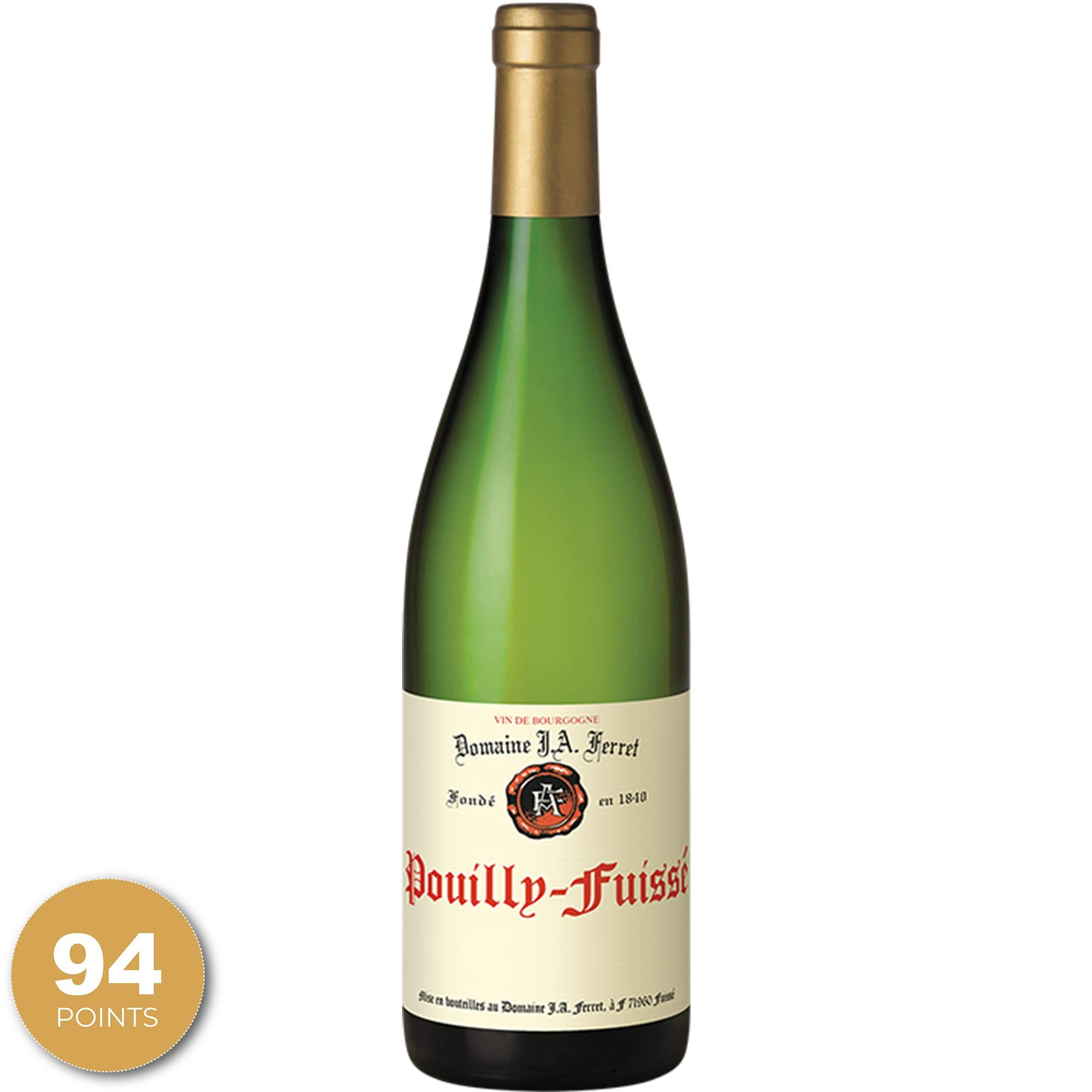
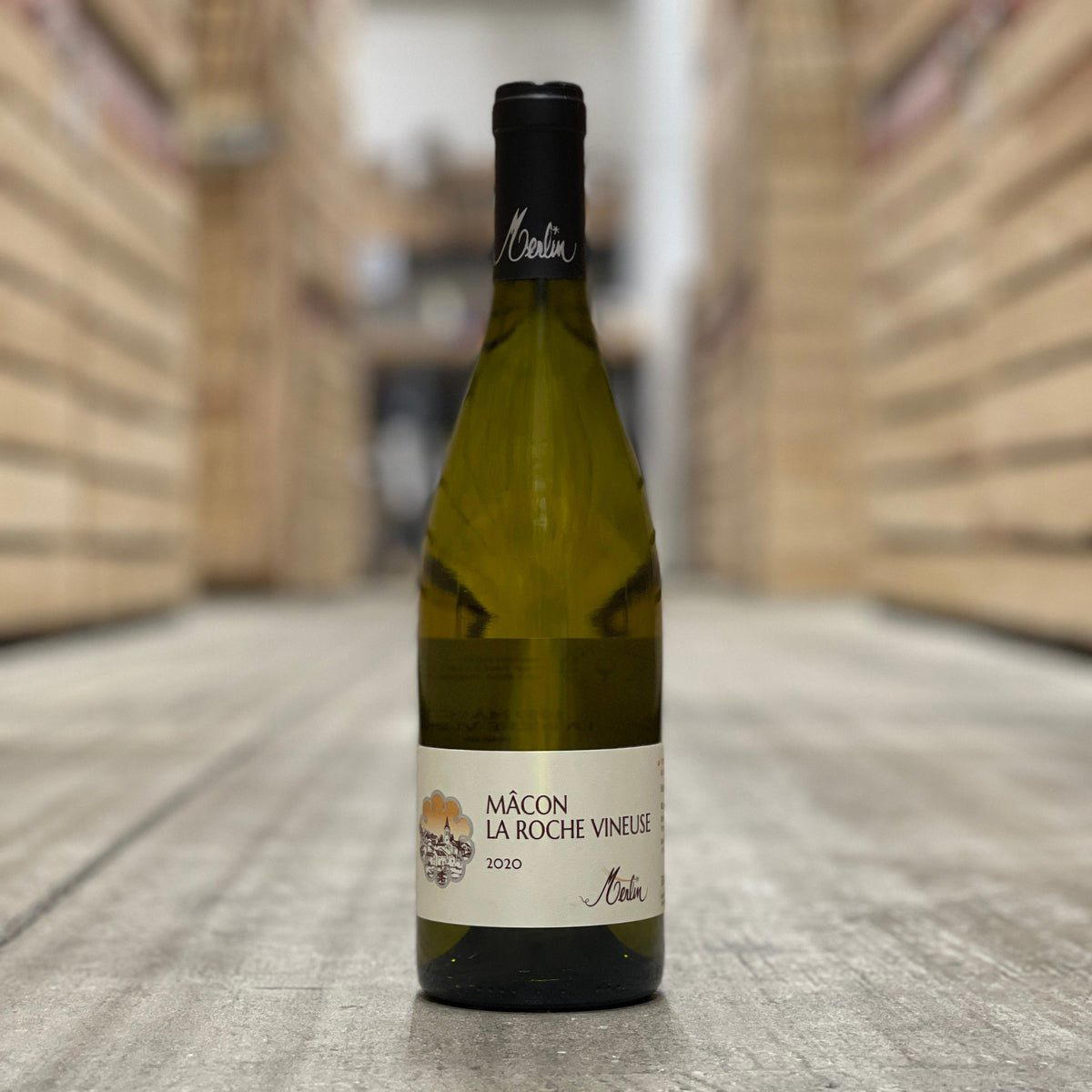
The southern Mâconnais around Davayé is Chardonnay country, Pouilly-Fuissé, Saint-Véran, and Mâcon-Davayé emerge from the same limestone and clay that surrounds the restaurant. The relationship between what the land produces in the glass and what a kitchen can do on the plate is, in this region, a direct one. Wines with the mineral precision and relatively restrained body that define the southern Mâconnais appellations call for food that matches their register: dishes built around texture, acidity, and freshness rather than weight and reduction.
That alignment between wine and food is what distinguishes the dining tradition of the Mâconnais from its neighbours to the north, where the richer Côte d'Or style requires a different culinary response. Restaurants in this corridor, whether village addresses or more formal establishments, tend to take their cue from the wine. It is a model that has proven more durable than the alternative, and it connects the region's tables to a long-running conversation about what French regional cooking can say when it is working from genuine local material rather than imported ambition.
For comparison, the contrast with Flocons de Sel in Megève or Assiette Champenoise in Reims is instructive: those are Michelin-tier operations with a different relationship to their supply chains and a different set of ambitions. The Davayé register is quieter, more rooted, and answerable to its agricultural surroundings in a way that high-modernist restaurants in larger cities are not structurally required to be.
Planning Your Visit
Davayé is reached most directly from Mâcon, roughly 10 kilometres to the northeast, making it a manageable excursion from the city or a natural stop along the Route des Vins de Mâcon if you are moving between the northern Beaujolais and the Côte Chalonnaise. The Route des Allemands address is the kind of village location where a car remains the practical option; the village is not served by any meaningful public transport frequency. Timing a visit around the southern Mâconnais wine harvest in September and October means the agricultural context is at its most visible, though the growing season across spring and early summer brings a different clarity to what local producers have available. For further context on dining in the area, see our full Davayé restaurants guide.
La Patte d'Oie in the Wider French Regional Picture
The French regional dining tradition has always supported a range of scales and registers, from the village table that feeds the people who work the land to the destination restaurants that draw visitors from other countries. La Patte d'Oie occupies the former end of that range, in a village where the agricultural reality is immediate and the supply of local ingredients is not a choice requiring effort but a condition of the address. That position places it in the same broad tradition as Auberge de l'Ill in Illhaeusern and Paul Bocuse's Auberge du Pont de Collonges, though at a different scale and with different ambitions. What those addresses share is an understanding that in France, region is not a style choice, it is a structural condition that a kitchen either works with or against.
For those tracing the arc of modern French cooking, the contrast with international-facing addresses like AM par Alexandre Mazzia in Marseille, Christopher Coutanceau in La Rochelle, or La Marine in Noirmoutier-en-l'île is clarifying. Those kitchens work the tension between local sourcing and global technique. The Mâconnais village restaurant works a different tension: between simplicity and depth, between what the land provides and what a kitchen can do with it without obscuring its origin. Further afield, the comparison with destination addresses like Troisgros in Ouches shows how differently the same regional tradition can be interpreted at different levels of ambition. Internationally, Le Bernardin in New York City and Atomix represent the furthest point from this model, kitchens where the sourcing story is an editorial choice rather than a geographical given. Also, see Au Crocodile in Strasbourg and L'Oustau de Baumanière in Les Baux for further regional French reference points across different price tiers and settings.
How La Patte d'Oie Davaye compares with similar nearby venues.
| Venue | Cuisine | Price |
|---|---|---|
| L'O des Vignes | Modern Cuisine | €€€ |
| La Courtille de Solutré | Modern Cuisine | €€ |
Continue exploring
More in Davaye
Restaurants in Davaye
Browse all →
Bars in Davaye
Browse all →
Hotels in Davaye
Browse all →
At a Glance
- Rustic
- Cozy
- Classic
- Family
- Group Dining
- Casual Hangout
- Business Dinner
- Standalone
- Terrace
- Beer Program
- Local Sourcing
Current opening hours
- Monday
- 9 AM–4 PM
- Tuesday
- 9 AM–4 PM
- Wednesday
- Closed
- Thursday
- 9 AM–4 PM
- Friday
- 9 AM–4 PM, 7–9 PM
- Saturday
- 9 AM–4 PM, 7–9 PM
- Sunday
- 9 AM–4 PM, 7–9 PM
Hours can change for holidays and private events. Last verified .
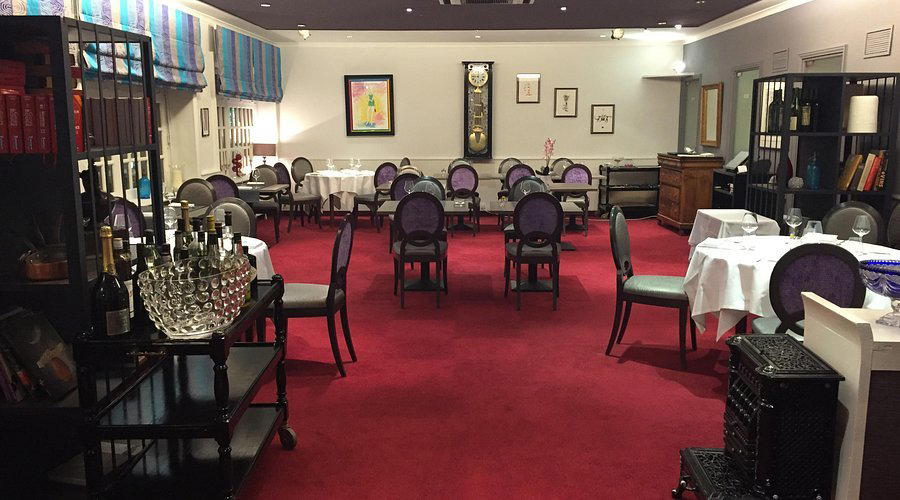
Warm and welcoming with a blend of rustic and contemporary décor; simple but refined atmosphere conducive to relaxed dining.
Know Before You Go
- Getting there
- 40 Rte des Allemands, 71960 Davayé, France