
Tabelog 100 #48
Our verdict
Renge Ryori Ten sits in Takamatsu’s grown-up izakaya tier, where seafood, sake and small-room pacing matter more than spectacle. Its Tabelog 100 Izakaya WEST selections in 2021, 2022, 2024 and 2025 place it in a regional conversation beyond the city’s better-known udon circuit.

Pearl is the En Primeur Club membership app — saves, bookings, and concierge access live there. Same editors, same standards.
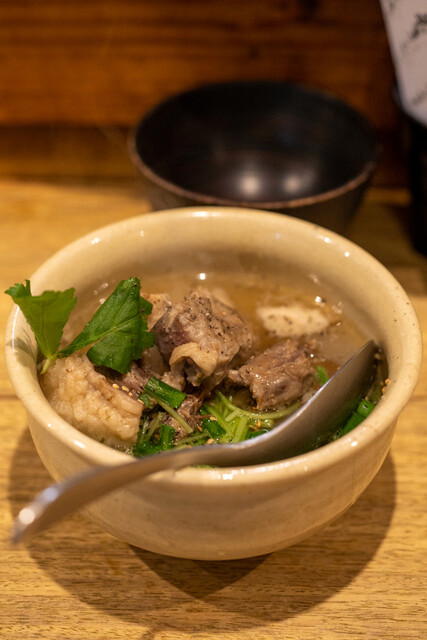
Step into Takamatsu’s dining scene and the city changes register over the course of the day. Daytime here is often built around quick bowls of Sanuki udon, fast counters and prices that make repeat eating part of the culture. By evening, another version appears: drinking-led dinners, shared plates, and seafood as a natural table anchor. Renge Ryori Ten belongs to that second Takamatsu, where an izakaya can carry the seriousness of a Japanese meal without losing the looseness of the form.
That distinction matters in Kagawa. Takamatsu’s national food identity is rightly dominated by udon: other Takamatsu dining rooms show how the city turns wheat, broth and speed into a complete dining language. Dinner asks for another register. A serious Takamatsu izakaya must do more than pour drinks beside snacks; it has to translate local appetite into a meal that carries the evening.
Seafood, drinks and the serious side of Takamatsu izakaya culture
The izakaya tradition is often misunderstood by visitors as casual drinking first and food second. In stronger regional examples, the hierarchy is less simple. Drinks frame the meal, but cooking gives the night its shape: seafood, seasonal Japanese dishes, pacing and shared plates all matter. Renge Ryori Ten’s categorisation across izakaya, Japanese cuisine and seafood signals that broader model, not a bar with a token menu.
The recognition is useful because it places the restaurant outside a purely local recommendation loop. Its 2025 Tabelog Hyakumeiten recognition puts it among more closely watched izakaya addresses, with a Tabelog score of 3.77 attached to that listing. This is not Michelin vocabulary, and should not be read as such. It is a different signal: approval in a category where regulars, drink compatibility and consistency tend to matter more than formal ceremony.
Within Takamatsu, the comparison is instructive. Fumiya Okonomiyaki Honten works in a lower-priced comfort-food lane, while udon shops such as Shinpei Udon, Mendokoro Wataya Takamatsu ten and Menya Shichifuku Honten occupy the city’s rapid, inexpensive daytime grammar. Renge Ryori Ten sits in a different evening bracket, with dinner listed at JPY 4,000 - JPY 4,999 and the meal built for lingering rather than rushing. That shift changes expectations: less queue-and-go energy, more attention to sequence, and a setting suited to an evening meal rather than a quick lunch.
An izakaya format for adults, not a spectacle format
The better izakaya rooms in regional Japan rarely announce themselves with grand theatre. They work through proportion: enough ease to make the meal feel natural rather than staged, and enough focus for the food to hold the evening. Renge Ryori Ten fits that pattern as a Takamatsu izakaya rather than a spectacle-driven destination. Its value is in the contained rhythm of dinner, where the category points toward Japanese cooking, seafood and a social table.
There is an adult register here too. This is not best understood as a quick udon stop between sightseeing plans; it is better read as a night meal for diners who want fish, Japanese cooking and drinks to carry the conversation. The tone sits above a simple beer-and-snack stop without needing to become stiff, which is exactly where many strong izakaya meals are most comfortable.
For travellers mapping a Takamatsu food day, the smarter move is contrast. Use daytime for Sanuki udon, with the city’s noodle addresses showing why Kagawa’s flour culture has national pull. Save the evening for an izakaya where seafood and Japanese cooking can stretch the meal.
How to read the table before ordering
The useful expectation is breadth rather than one famous order. The listed strengths are the izakaya, Japanese cuisine and seafood categories, which say more than a single dish name would. In this style, the meal is usually strongest when the table lets seafood set the direction and drinks follow the cooking, rather than treating the menu as a checklist. Diners coming from formal tasting-menu culture should adjust: the value is rhythm, variety and pairing logic, not a choreographed parade of courses.
Japan’s broader izakaya culture also travels poorly when reduced to “small plates.” The better translation is a social restaurant built around drinking, where the kitchen must be good enough to hold attention across several rounds. In Takamatsu, that intersects naturally with seafood and the city’s quieter scale. The result is a more grounded evening than the high-concept dining found in larger cities, and that is the point. A meal here belongs to the regional Japanese habit of eating seriously without turning every dinner into ceremony.
Travellers extending a Japan dining itinerary can use this as a counterweight to bigger-city formats: compare the local izakaya rhythm with other seafood-focused rooms, drink-led bars, or casual Japanese forms elsewhere. The point is not that those venues are peers; it is that Japanese dining culture changes radically with format, city and occasion. The same applies across domestic categories, from grill counters and curry specialists to cafes and casual regional rooms. Renge Ryori Ten is valuable because it keeps the focus local: fish, drink, a grounded adult mood and the kind of evening Takamatsu does better than visitors often expect.
Frequently asked questions
Does Renge Ryori Ten work for a family meal?
Renge Ryori Ten is best read as an evening izakaya rather than a quick family stop. The JPY 4,000 - JPY 4,999 dinner range makes it better suited to a grown-up dinner in Takamatsu.
What kind of setting is Renge Ryori Ten?
Renge Ryori Ten is an izakaya in Takamatsu, listed across izakaya, Japanese cuisine and seafood. That combination gives it a more focused dinner identity than a casual pub crawl stop.
What's the pricing like at Renge Ryori Ten?
Pricing at Renge Ryori Ten is listed as JPY 4,000 - JPY 4,999.
Where is Renge Ryori Ten in Takamatsu?
Takamatsu.
Can I walk in to Renge Ryori Ten?
For planning, treat it as a recognised Takamatsu izakaya rather than a generic neighbourhood tavern. Its Tabelog Hyakumeiten 2025 listing and JPY 4,000 - JPY 4,999 dinner range make advance planning sensible.
Budget and Context
Nearby venues at a similar price tier for orientation.
| Venue | Cuisine | Price | Awards | Notes |
|---|---|---|---|---|
| Renge Ryori TenThis venue (the venue you are viewing) | Creative Japanese Izakaya & Seafood | $30–50 | Tabelog 100 #48 | Not listed |
| Standing Sushi Bar Shichiko (立ち喰い寿司 七幸) | Standing Sushi Bar | $10–20 | Not listed | 高松市中心部, Standing Sushi Bar |
| Honetsukidori Ikkaku Takamatsu ten | Kagawa honetsukidori & izakaya-style chicken dishes | $20–30 | Tabelog 100 #26 | Takamatsu, Kagawa honetsukidori & izakaya-style chicken dishes |
| Yokokura Udon | Sanuki Udon | $1–10 | Tabelog 100 #93 | Takamatsu, Sanuki Udon |
| Grill a Table | Modern Japanese Teppanyaki & Omakase | $50–100 | Tabelog 100 #83 | Takamatsu, Modern Japanese Teppanyaki & Omakase |
| Yume Kabou Takara Kasugachou honten | Japanese wagashi & fruit daifuku specialty shop | $10–20 | Tabelog 100 #12 | Takamatsu, Japanese wagashi & fruit daifuku specialty shop |
Recognition history
Dated appearances from independent guides and award organizations, with the underlying list record or original source where available.
Tabelog 100 #48 · No. 48
Tabelog · Tabelog 100 - Izakaya - WEST - 2025
Continue exploring
More in Takamatsu
Restaurants in Takamatsu
All restaurants in Takamatsu →
Bars in Takamatsu
Browse all →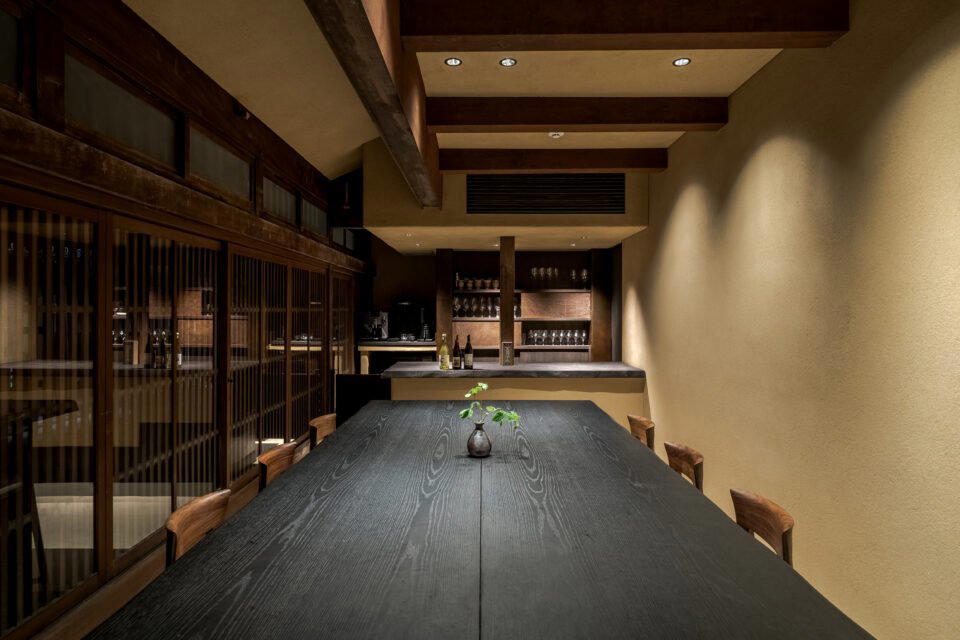
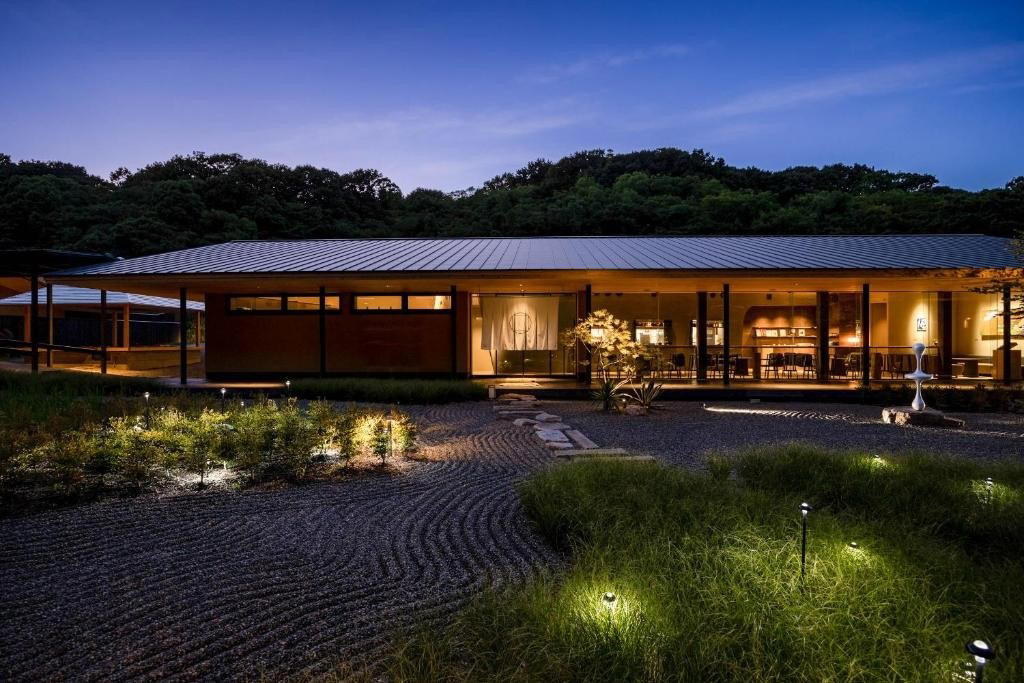

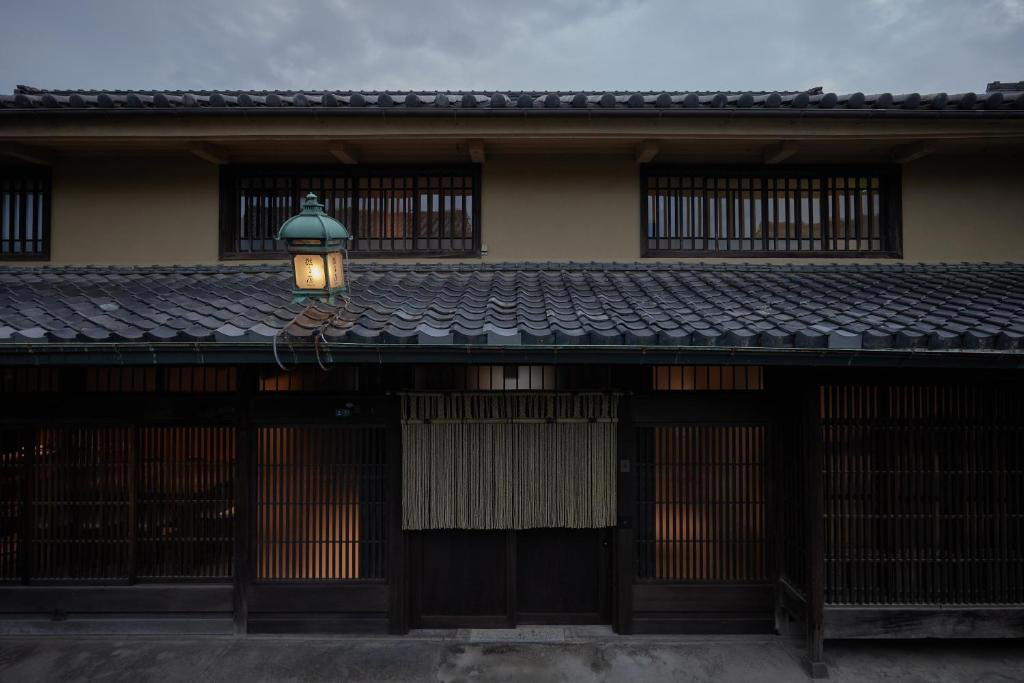
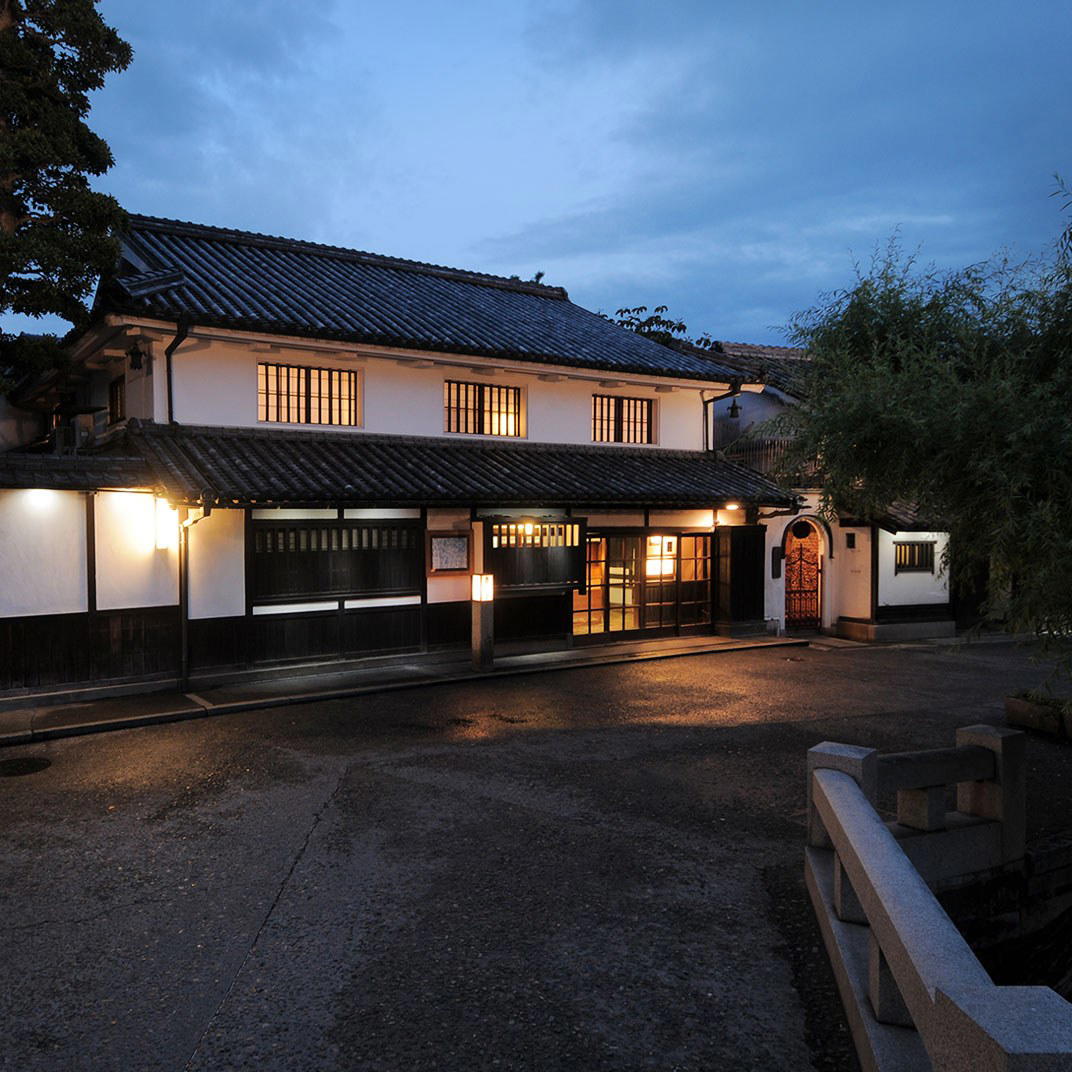
Renge Ryori Ten
The wine
- Wine program
- Curated wine list
- Sake program
Details
- Cozy
- Lively
- Intimate
- Date Night
- Casual Hangout
- After Work
- Group Dining
- Solo
- Late Night
- Standalone
- Private Dining
- Sake Program
- A La Carte
- Small Plates
- Counter Dining
- Sake
- Shochu
- Wine
- Pescatarian Friendly
A relaxed, intimate back-street izakaya with spacious yet cozy seating, counter seats, and a non‑smoking, softly lit atmosphere that feels like a neighborhood hideout rather than a formal restaurant.