Rei do Gado
A Brazilian churrascaria on Fourth Avenue in downtown San Diego, Rei do Gado brings the rodízio format to the heart of the Gaslamp Quarter. Servers circulate the room with skewers of fire-roasted meat, sliced tableside to order, alongside a cold bar of salads, cured meats, and sides. The format rewards patience and appetite in equal measure.
Pearl is the En Primeur Club membership app — saves, bookings, and concierge access live there. Same editors, same standards.
- Address
- 939 Fourth Ave, San Diego, CA 92101
- Phone
- +16197028464
- Website
- reidogado.net
- Directions
- Get directions
 Saves & bookings on Pearl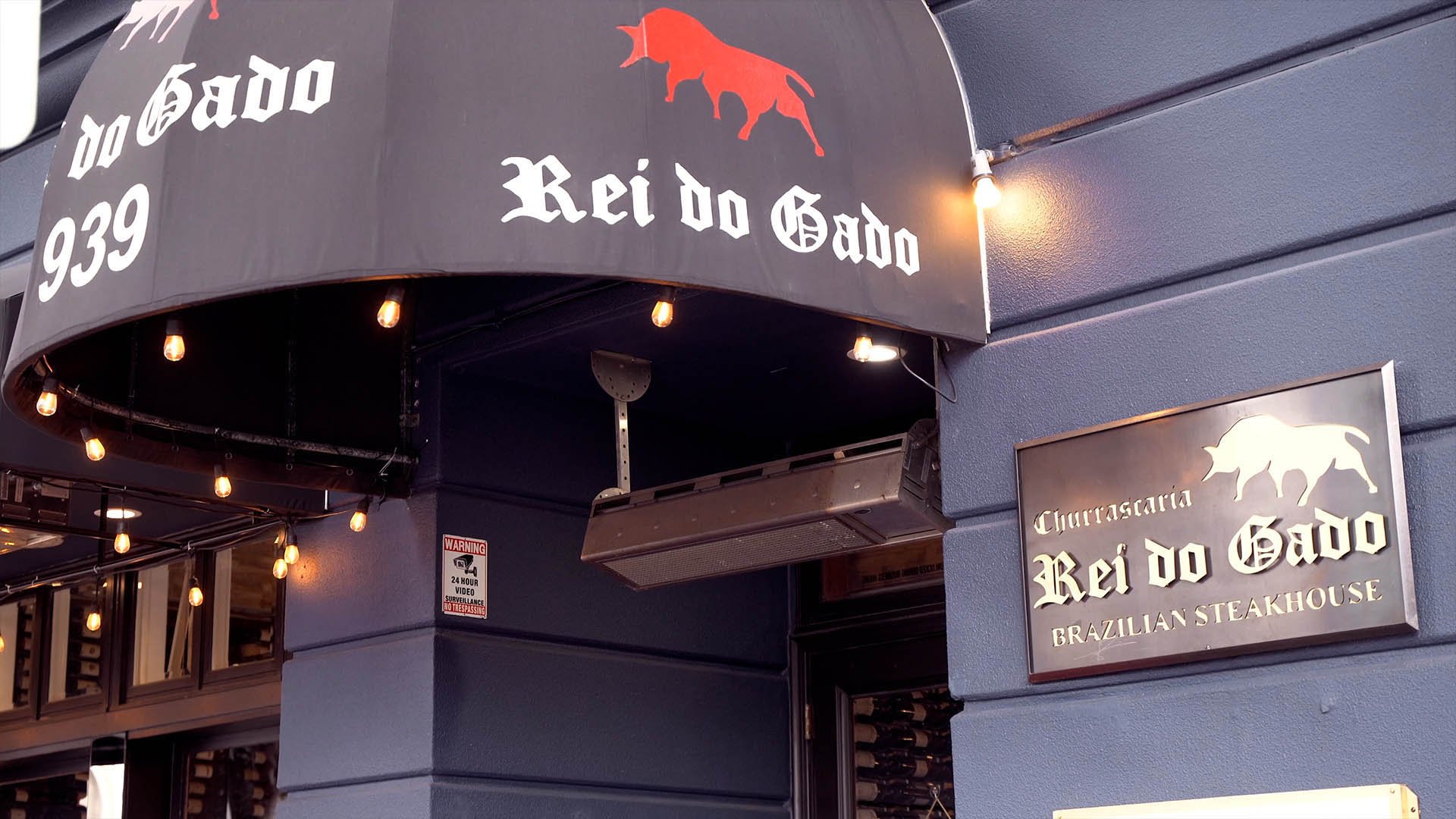
The Ritual Before the First Skewer Arrives
There is a specific grammar to a Brazilian churrascaria that takes a first-time visitor a few minutes to absorb. You do not order. You do not wait for a menu to settle on something. Instead, you are handed a small double-sided disc, green on one side, red on the other, and the entire meal pivots on which face you leave pointing up. Green means keep coming. Red means pause. The meat, skewered, fire-roasted, and carried through the room on long swords by passadores, arrives until you say otherwise. This is the rodízio format, and it is one of the more disciplined dining rituals in the Americas, built entirely around the relationship between guest pacing and kitchen momentum.
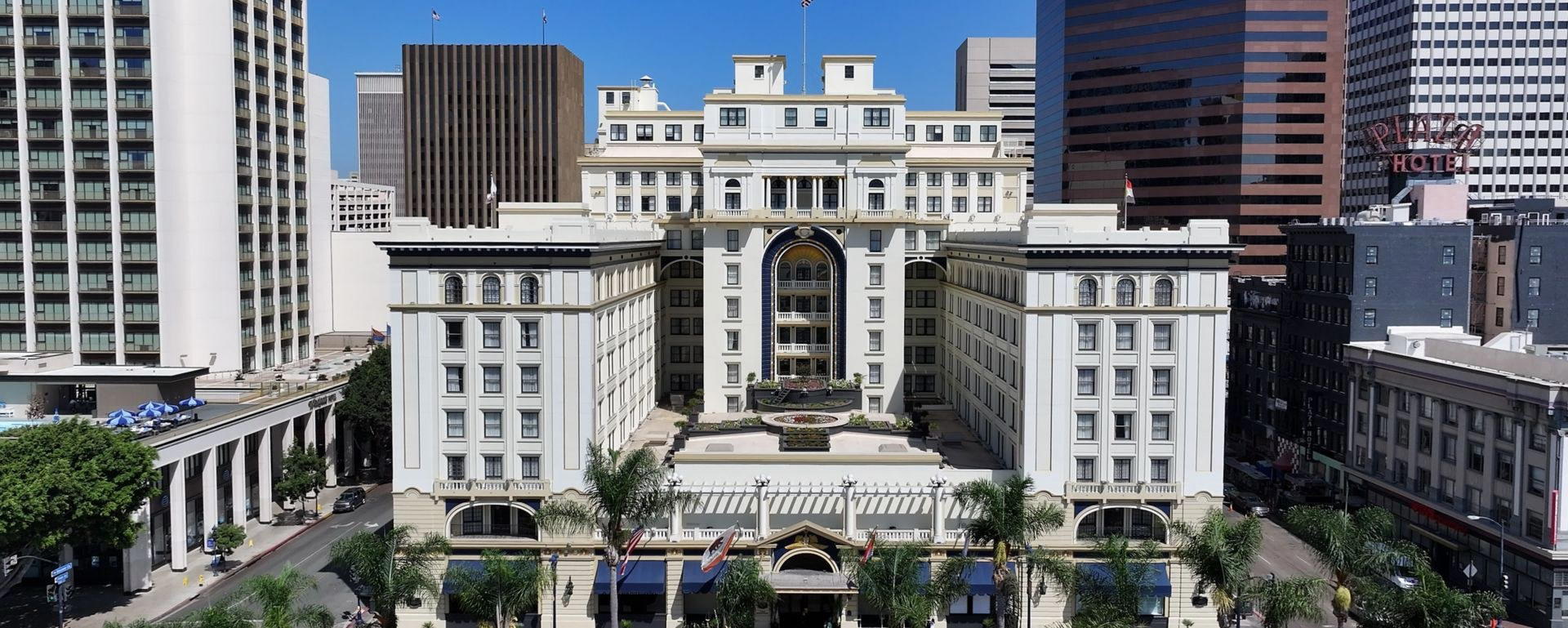
Rei do Gado is an Authentic Brazilian Churrascaria at 939 Fourth Ave in downtown San Diego, where the rodízio tradition shapes the meal from the first skewer onward. The address puts it squarely in downtown's most concentrated dining corridor, a neighbourhood where steakhouses, sushi counters, and gastropubs compete for the same pre-theatre and weekend-dinner traffic. Within that context, the churrascaria format occupies its own lane: it is not a tasting menu experience in the manner of Addison (French, Contemporary), nor the precision counter dining of Soichi (Japanese). It is a format-driven, communal meal built around fire, volume, and a particular kind of theatrical service.
How the Rodízio Format Structures the Meal
The rodízio model, which spread from southern Brazil's Rio Grande do Sul cattle country to urban churrascarías across the Americas, imposes its own pacing logic on both kitchen and diner. Cuts arrive in a loosely conventional sequence, starting with lighter preparations before progressing to fattier, more intensely charred options, though in practice the rotation depends on what comes off the grill at any given moment. The cold bar, a fixture of the format, serves as both counterpoint and pacesetter: the salads, cured meats, cheese, and warm sides there are meant to be sampled modestly, because anyone who over-commits to the cold bar before the first skewer arrives has already lost the thread of the meal.
This is a format that rewards strategic restraint in the early rounds. Experienced rodízio diners treat the first twenty minutes as reconnaissance, calibrating how quickly passadores are moving, which cuts are arriving most frequently, and which to hold out for. The disc flips to red not as surrender but as tactical regrouping. The meal at a well-run churrascaria is not measured in courses; it is measured in rotations, and the guest who understands that distinction tends to eat significantly better than the one who simply chases everything that passes.
Downtown San Diego's Meat-Forward Dining Tier
San Diego's downtown dining scene has developed a mid-to-upper price tier of meat-forward restaurants that ranges from the historic and nostalgic, as at 94th Aero Squadron San Diego, to the event-format experience that churrascarias represent. The Gaslamp Quarter, in particular, draws a disproportionate share of celebratory dining: birthdays, sports nights, pre-concert crowds. The rodízio format is well-suited to that context. It is inherently social, paced by the room rather than the kitchen's tasting menu timeline, and scales across party sizes in a way that fixed-menu formats do not.
Nationally, the Brazilian steakhouse category sits in a specific price and format bracket. At the upper end of American dining, fire-driven tasting experiences share some aesthetic DNA with formats seen at Lazy Bear in San Francisco or the produce-and-fire emphasis of Blue Hill at Stone Barns in Tarrytown. But the churrascaria sits in a different register: it prizes abundance and accessibility over scarcity and refinement, and it makes no apologies for that. The social contract with the diner is explicit from the moment the disc hits the table.
Other premium American dining rooms with strong editorial reputations, Le Bernardin in New York City, Alinea in Chicago, The French Laundry in Napa, Providence in Los Angeles, Atomix in New York City, are built around scarcity, curation, and a restrained, sequence-controlled experience. The churrascaria inverts most of those values deliberately. Volume is the point. The passadores keep moving regardless of pacing signals at other tables. The format descends from a culture of open-fire cattle ranching where feeding a large group efficiently was the whole goal, and that origin is still legible in every service rotation.
What Arrives at the Table
Across the Brazilian churrascaria format, the cut hierarchy typically runs from chicken and pork sausage through sirloin, lamb, and short ribs, ascending toward the premium beef cuts that anchor the menu's upper tier: picanha (leading sirloin cap, often the signature cut of the format), costela (beef ribs), and occasionally wagyu-influenced preparations at higher price points. The cold bar in most well-run operations includes a rotation of warm sides, rice, farofa, polenta, fried plantains, alongside the chilled preparations.
What the rodízio tradition guarantees, regardless of specific execution, is that the structure of the meal will be dictated by the format rather than by individual ordering: the guest's agency lies in pacing, not selection.
Know Before You Go
Address: 939 Fourth Ave, San Diego, CA 92101
Neighbourhood: Gaslamp Quarter, downtown San Diego
Format: Brazilian rodízio (all-you-can-eat rotating skewer service with cold bar)
Price range: About $50 per person
Reservations: Recommended
Leading for: Groups, celebratory dinners, guests comfortable with a format-driven rather than à la carte meal
Awards and Standing
Comparable venues nearby, for context on price, style, and recognition.
| Venue | Cuisine | Price | Notes |
|---|---|---|---|
| Rei do GadoThis venue — the venue you are viewing | Authentic Brazilian Churrascaria | $$$ | Not listed |
| Lala | Modern Italian | $$$ | Downtown |
| Barra Oliba | Northern Spanish Tapas Bistro | $$$ | Downtown |
| Wine Vault & Bistro | Seasonal American Bistro with Wine Pairings | $$$ | Uptown |
| Theresa's Italian Steakhouse | Italian Steakhouse | $$$ | Mission Valley |
| Monello | Modern Milanese Italian | $$$ | Downtown |
Continue exploring
More in San Diego
Restaurants in San Diego
Browse all →
Bars in San Diego
Browse all →
At a Glance
- Lively
- Energetic
- Group Dining
- Celebration
- Open Kitchen
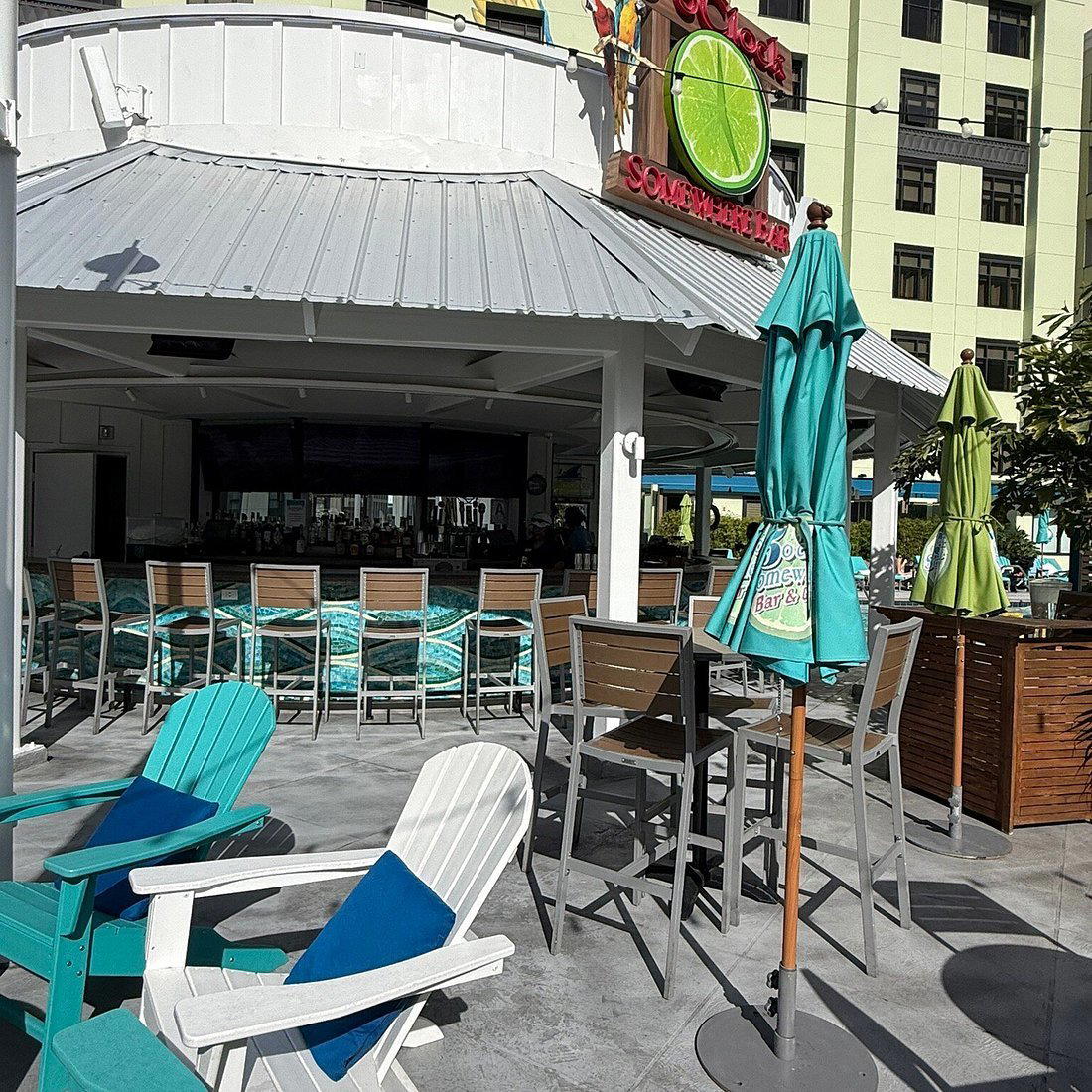
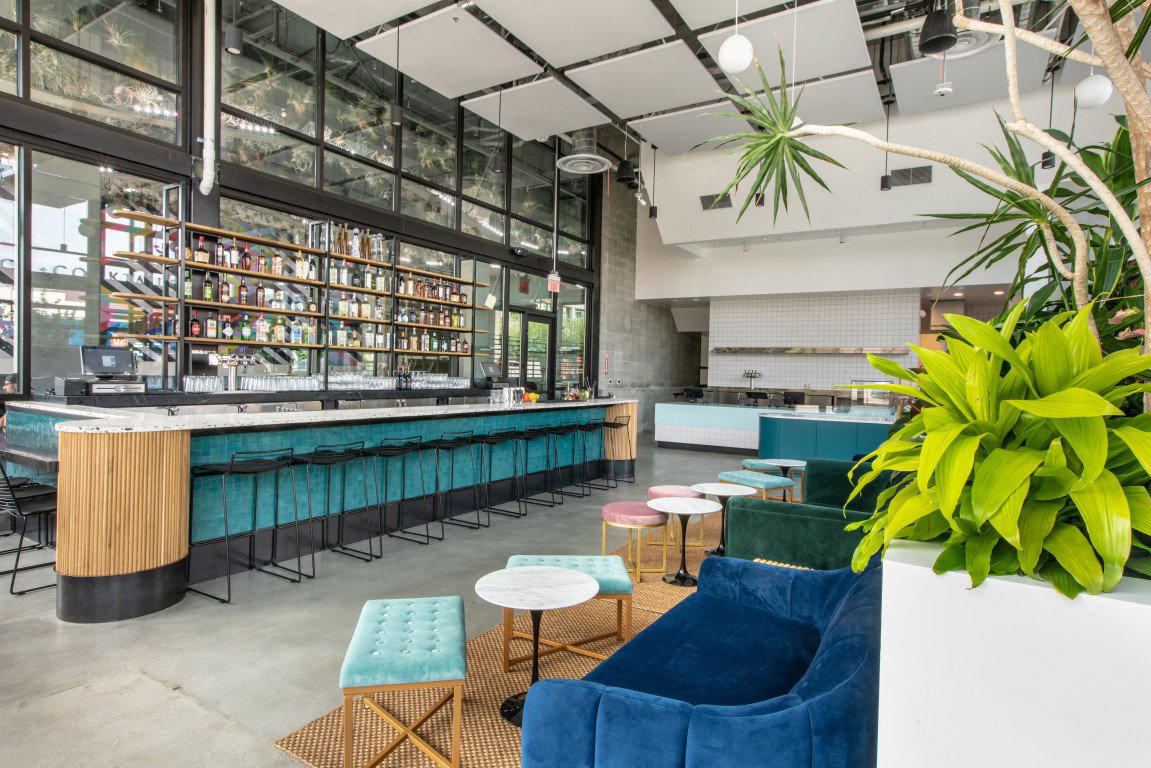
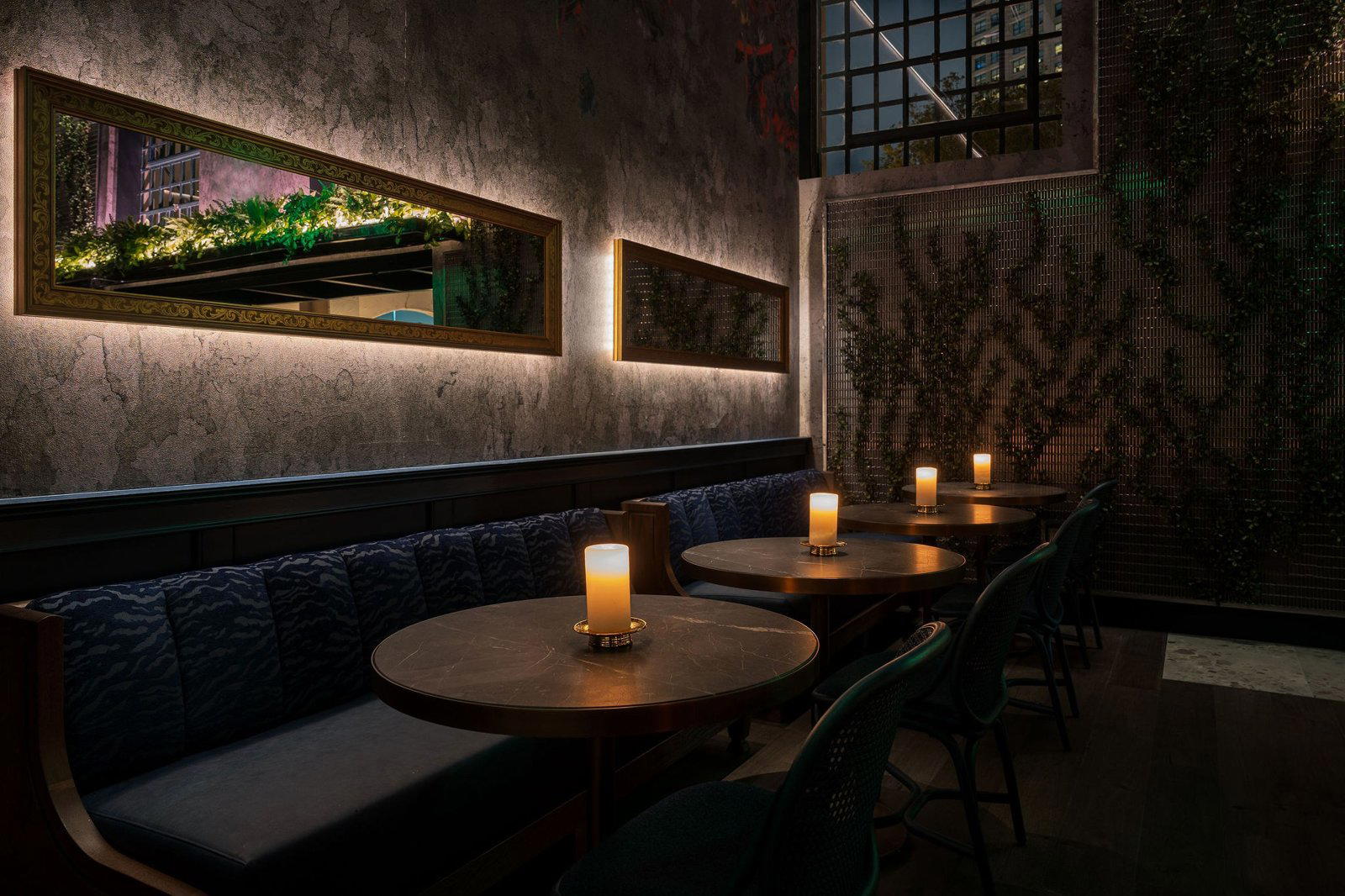
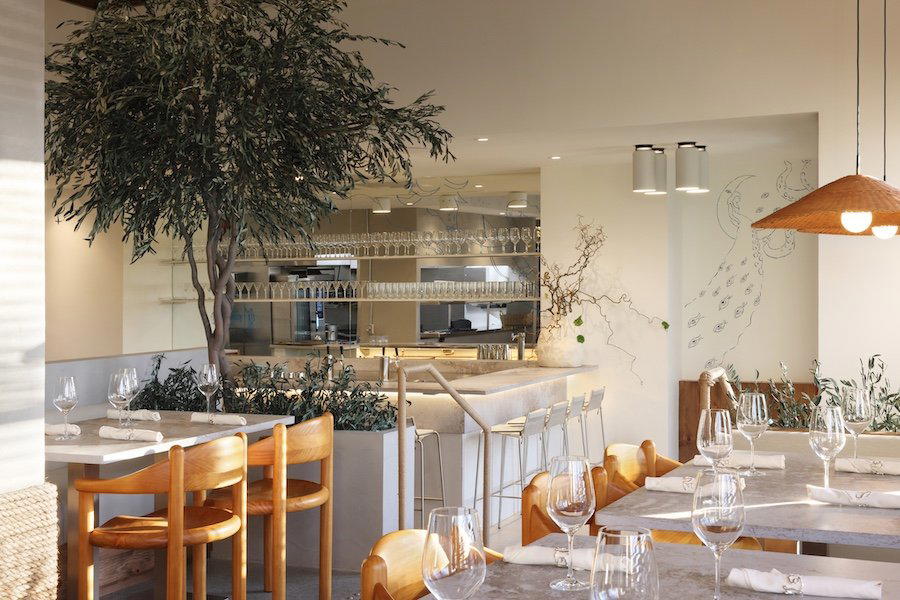
Lively atmosphere filled with the aroma of mesquite-grilled meats from the open charcoal grill, creating an energetic Brazilian feast vibe.