Rajdoot
One of Birmingham's longest-standing Indian restaurants, Rajdoot at 78-79 George Street has built its reputation on consistency rather than reinvention. It occupies a different tier to the city's award-chasing new openings, drawing a loyal clientele for whom the appeal lies precisely in what hasn't changed. A reliable address in Birmingham's city centre for those who know what they're after.
Pearl is the En Primeur Club membership app — saves, bookings, and concierge access live there. Same editors, same standards.
- Address
- 78-79 George St, Birmingham B3 1PY, United Kingdom
- Phone
- +44 121 236 1116
- Website
- rajdoot.co.uk
- Directions
- Get directions
 Saves & bookings on Pearl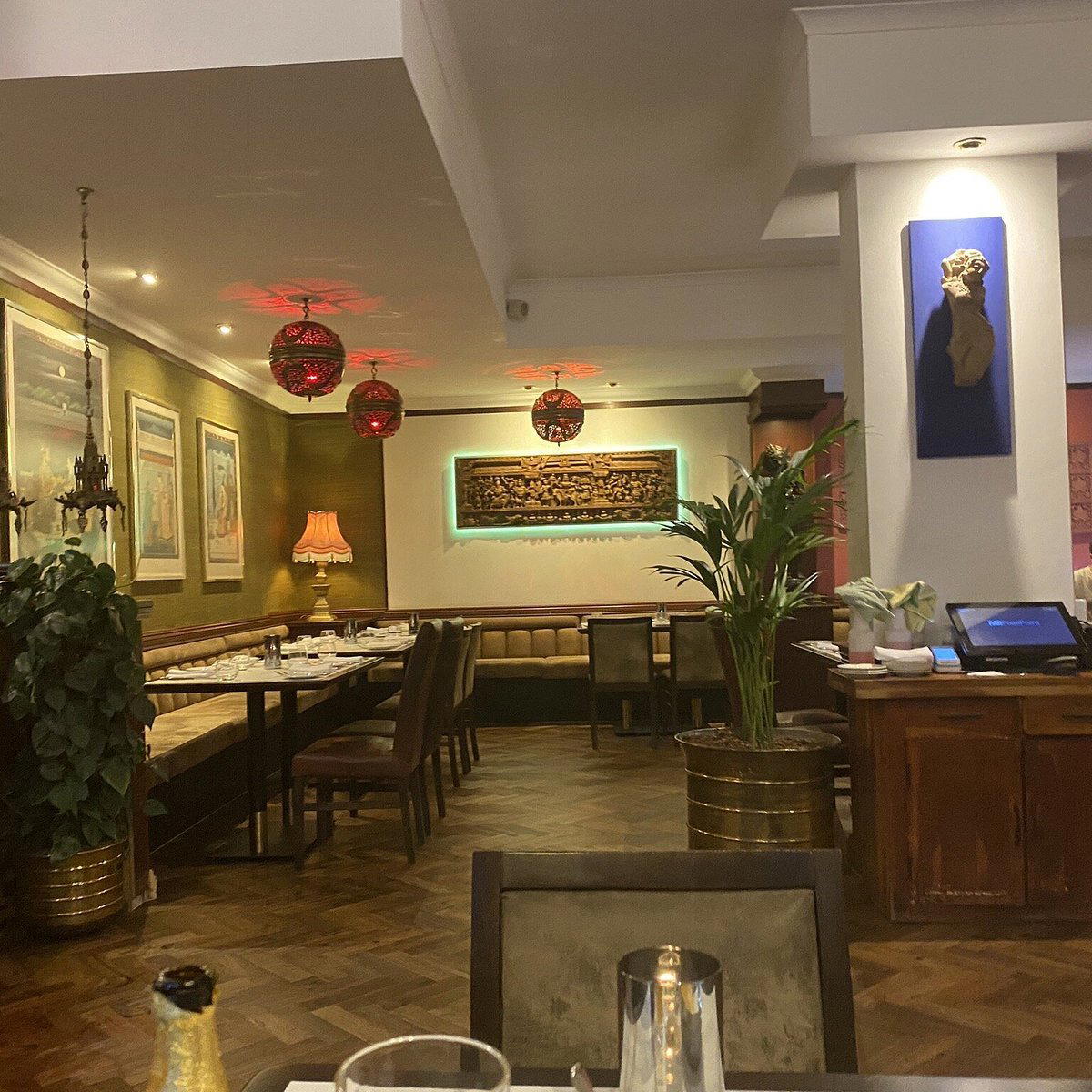
What George Street Tells You Before You Walk In
Birmingham's Indian restaurant scene has fractured sharply over the past decade. At one end, Opheem has pushed subcontinental cooking into a Michelin-starred register, trading on progressive technique and a tasting-menu format that owes as much to contemporary fine dining as it does to regional Indian tradition. At the other end, a cohort of long-established restaurants continues to serve a different kind of customer altogether: regulars who arrived before the city's dining scene began drawing national attention, and who have never had reason to leave. Rajdoot is a traditional Punjabi Indian restaurant at 78-79 George Street in Birmingham's city centre, with. It belongs to that second cohort. Its address, in a neighbourhood that now sits near Birmingham's expanding professional and hospitality corridor, is more useful for what it says about the restaurant's longevity than its recent arrival.
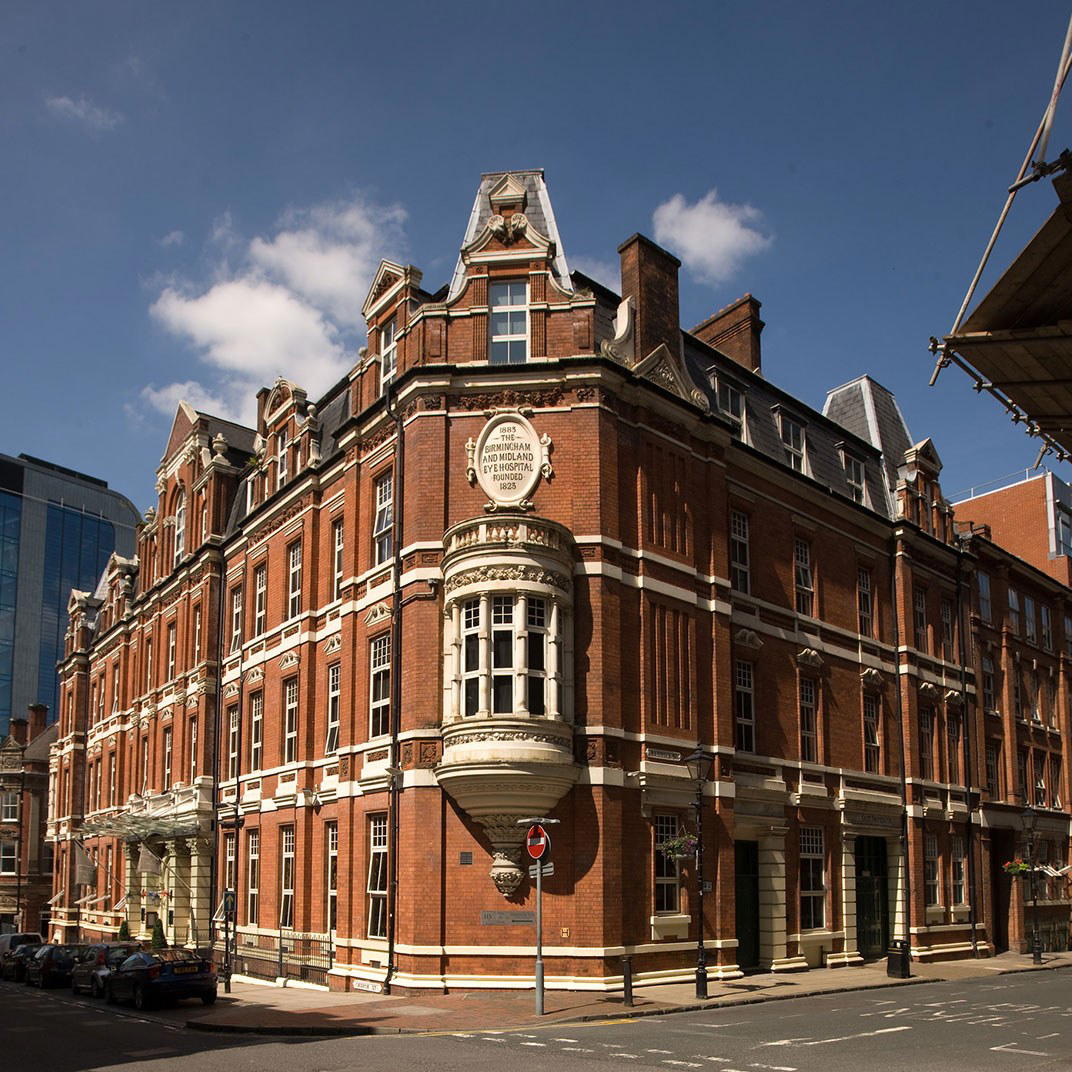
The physical approach to George Street carries none of the drama that defines newer openings. This isn't a converted industrial space or a design-forward room with a made-for-press interior. The building is the kind of address that looks exactly like what it is: a place that has been there long enough that it doesn't need to announce itself. For a certain type of diner, that absence of performance is itself the recommendation.
The Grammar of the Regular
Restaurants that survive in the same location for decades do so because they serve a constituency, not a trend. Birmingham's Indian restaurant tradition is deep enough that the city has supported multiple waves of subcontinental cooking, from the Balti houses of Sparkbrook and Balsall Heath, which became nationally recognised as a regional format in their own right, to the current generation of technically driven kitchens at places like Opheem and, at a different price tier, the pan-South-Asian ambition evident elsewhere across the city. Rajdoot sits outside that arc of innovation. Its regulars aren't visiting for an update on what Indian cooking is becoming; they're visiting because they know what they'll find.
That dynamic shapes everything about how a restaurant like this operates. The unwritten menu, the shorthand between staff and returning customers, the dishes ordered without consulting the card, these are markers of a relationship that accumulates over visits rather than being established on the first one. In Birmingham's broader dining context, where a Michelin two-star at Adam's and strong critical standing at Simpsons reflect the city's ambition for national recognition, a restaurant that operates on loyalty and repetition rather than critical accumulation occupies a genuinely distinct position. The comparison is not unfavourable; it's simply a different contract with the diner.
Where Rajdoot Sits in the City's Indian Tradition
Birmingham's claim on Indian food culture in the UK is not incidental. The city has the largest British South Asian population outside London, and that demographic depth has produced a restaurant culture that runs from street-level to high-end without the gaps that exist in less connected cities. The Balti triangle in particular earned a form of culinary geography recognition that few regional British food traditions have managed. Against that backdrop, an established city-centre Indian address carries context: it exists in a market that understands its cuisine well and where the customer base can distinguish between quality and approximation. Longevity in that environment is harder won than longevity in a city where Indian food is less embedded.
The comparison venues worth tracking here are not, on this occasion, the tasting-menu operators. Opheem's Michelin star positions it in a different conversation entirely, more adjacent to UK-wide fine dining benchmarks like Moor Hall or L'Enclume than to a neighbourhood Indian. The more relevant frame for Rajdoot is the mid-market, loyalty-driven segment that exists in every major UK city: restaurants where the food is the point, the room is secondary, and the measure of success is whether the same faces return season after season.
What Keeps People Coming Back
The regulars' perspective at a restaurant like Rajdoot is less about individual dishes than about accumulated trust. When a kitchen has served the same core menu for long enough, the standard is set by memory rather than expectation: diners know what a dish should taste like because they have eaten it before, and they return specifically to confirm that the kitchen has held the line. This is a more demanding form of quality assurance than it appears. Novelty allows a restaurant to reset expectations with each visit; consistency requires that the kitchen meet a fixed standard every time.
Birmingham's dining scene has enough range now that a diner seeking new ground can move easily between the creative precision of 670 Grams, the seafood focus at Bayonet, or the broader European register at Simpsons. Rajdoot's regulars are not that diner. They are the counterweight to the city's trend-sensitive newer openings, and their continued presence at a George Street address is itself a form of editorial verdict on what the kitchen delivers.
Planning Your Visit
Rajdoot is located at 78-79 George Street, Birmingham B3 1PY, in the city centre and accessible on foot from Birmingham New Street and Snow Hill stations. Rajdoot recommends reservations and serves lunch and dinner Monday to Friday, with dinner only on Saturday and Sunday. Visitors with dietary requirements should raise these directly with the restaurant ahead of arrival; the kitchen's approach to specific accommodations is best confirmed in advance rather than assumed.
- Chicken Tikka
- Tandoori Lamb Chops
- Fish Tikka
- Rajdoot Special
- Paneer Makhani
- Homemade Kulfi
Pricing, Compared
Comparable venues nearby, for context on price, style, and recognition.
| Venue | Cuisine | Price | Notes |
|---|---|---|---|
| RajdootThis venue — the venue you are viewing | Not listed | $$$ | Not listed |
| Lasan | Not listed | $$$ | Jewellery Quarter, Modern Indian Fine Dining |
| Opheem | Not listed | $$$$ | Jewellery Quarter, Progressive Indian Fine Dining Tasting Menu |
| Bonehead | Ladywood, Fried Chicken | $$ | Not listed |
| Bhancha Nepalese & Indian Cuisine | Not listed | $$ | Jewellery Quarter, Nepalese & Indian Cuisine |
| Sushi Passion | Ladywood, Traditional Japanese Sushi | $$$ | Not listed |
Continue exploring
More in Birmingham
Restaurants in Birmingham
Browse all →
Bars in Birmingham
Browse all →
At a Glance
- Classic
- Elegant
- Intimate
- Well Known
- Date Night
- Celebration
- Group Dining
- Family
- Special Occasion
- Private Dining
- Beer Program
- Local Sourcing
Current opening hours
- Monday
- 12–2 PM, 5:30–10 PM
- Tuesday
- 12–2 PM, 5:30–10 PM
- Wednesday
- 12–2 PM, 5:30–10 PM
- Thursday
- 12–2 PM, 5:30–10 PM
- Friday
- 12–2 PM, 5:30–10 PM
- Saturday
- 5–10:30 PM
- Sunday
- 5–9:30 PM
Hours can change for holidays and private events. Last verified .
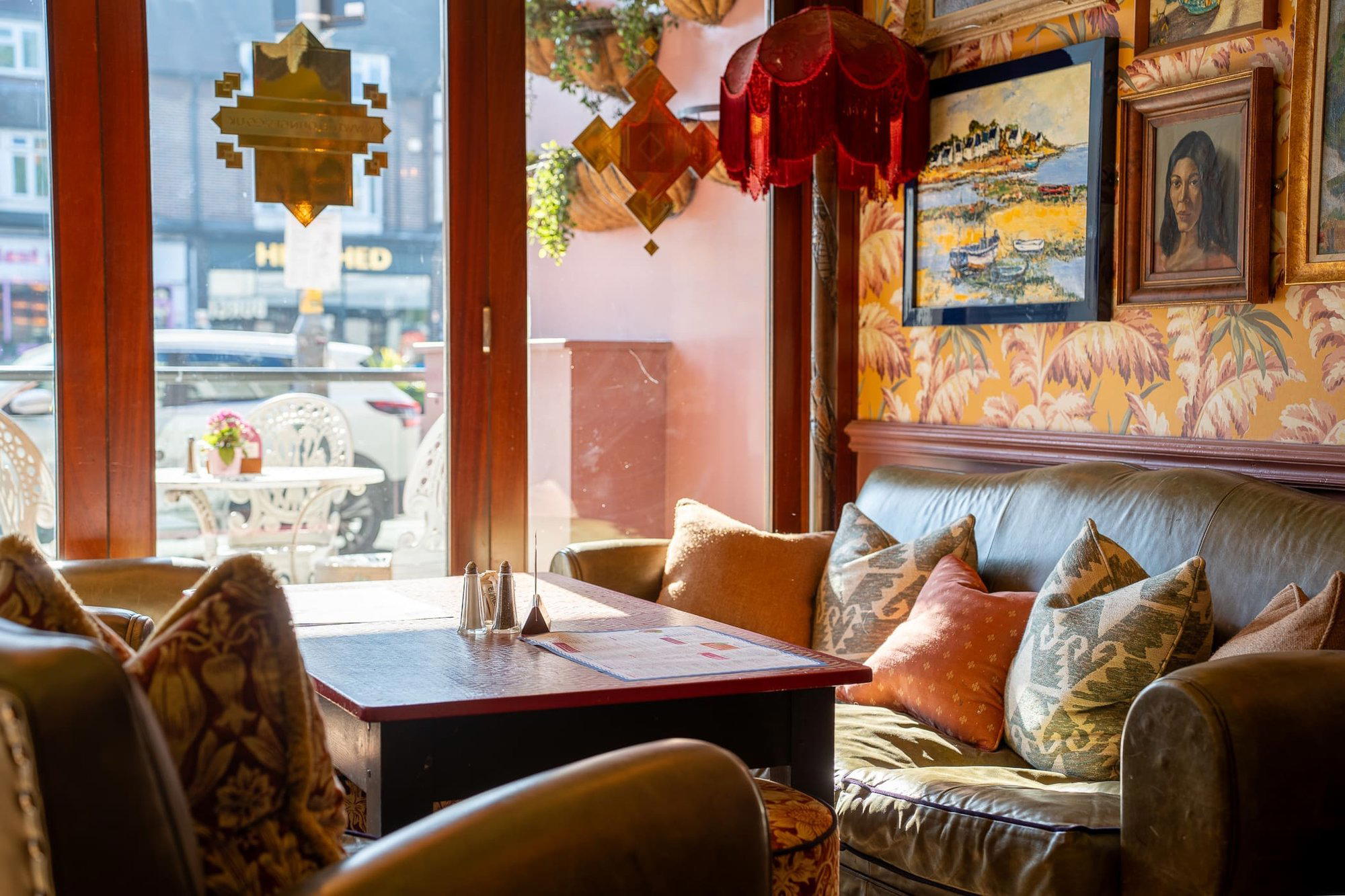
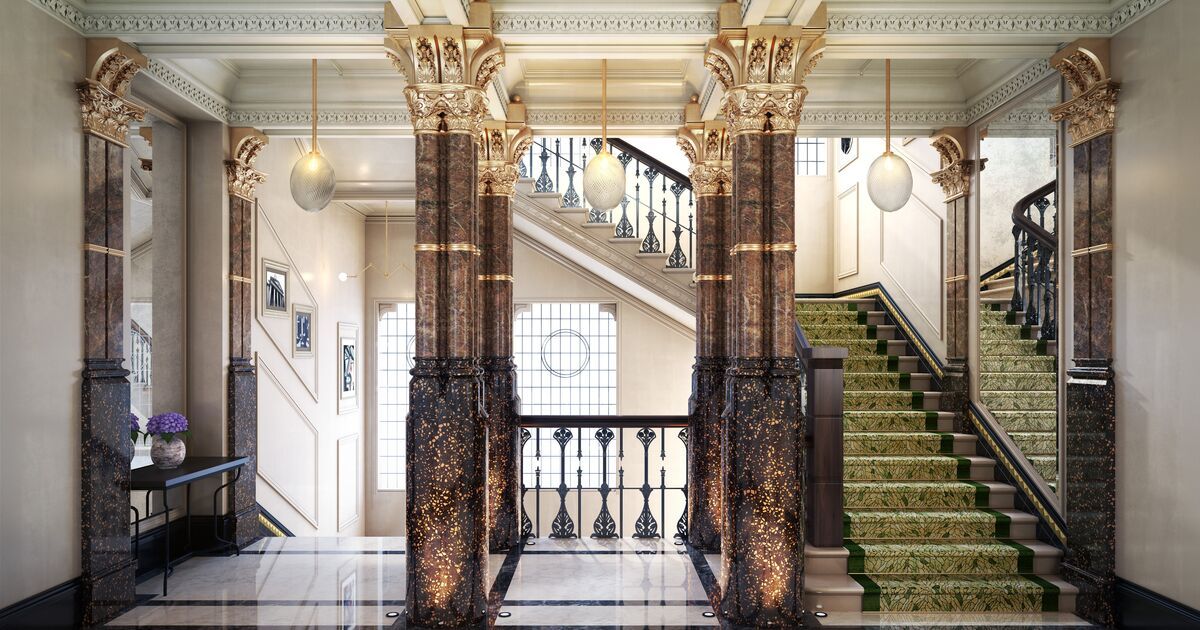
Warm and welcoming with traditional Indian decor blending classic charm and modern sophistication; soft background music creates a mellow, intimate atmosphere with well-maintained, immaculate surroundings.