Pupuseria Y Restaurante Salvadoreno
On Livernois Avenue in Detroit's west side, Pupuseria Y Restaurante Salvadoreno represents the kind of Central American cooking that rarely registers in mainstream dining coverage but sustains entire communities. The kitchen centers on pupusas, El Salvador's canonical stuffed corn masa rounds, served in a setting where the food and the regulars tell the real story of the neighborhood.
Pearl is the En Primeur Club membership app — saves, bookings, and concierge access live there. Same editors, same standards.
- Address
- 3149 Livernois, Detroit, MI 48210
- Phone
- +1 313 899 4020
- Directions
- Get directions
 Saves & bookings on Pearl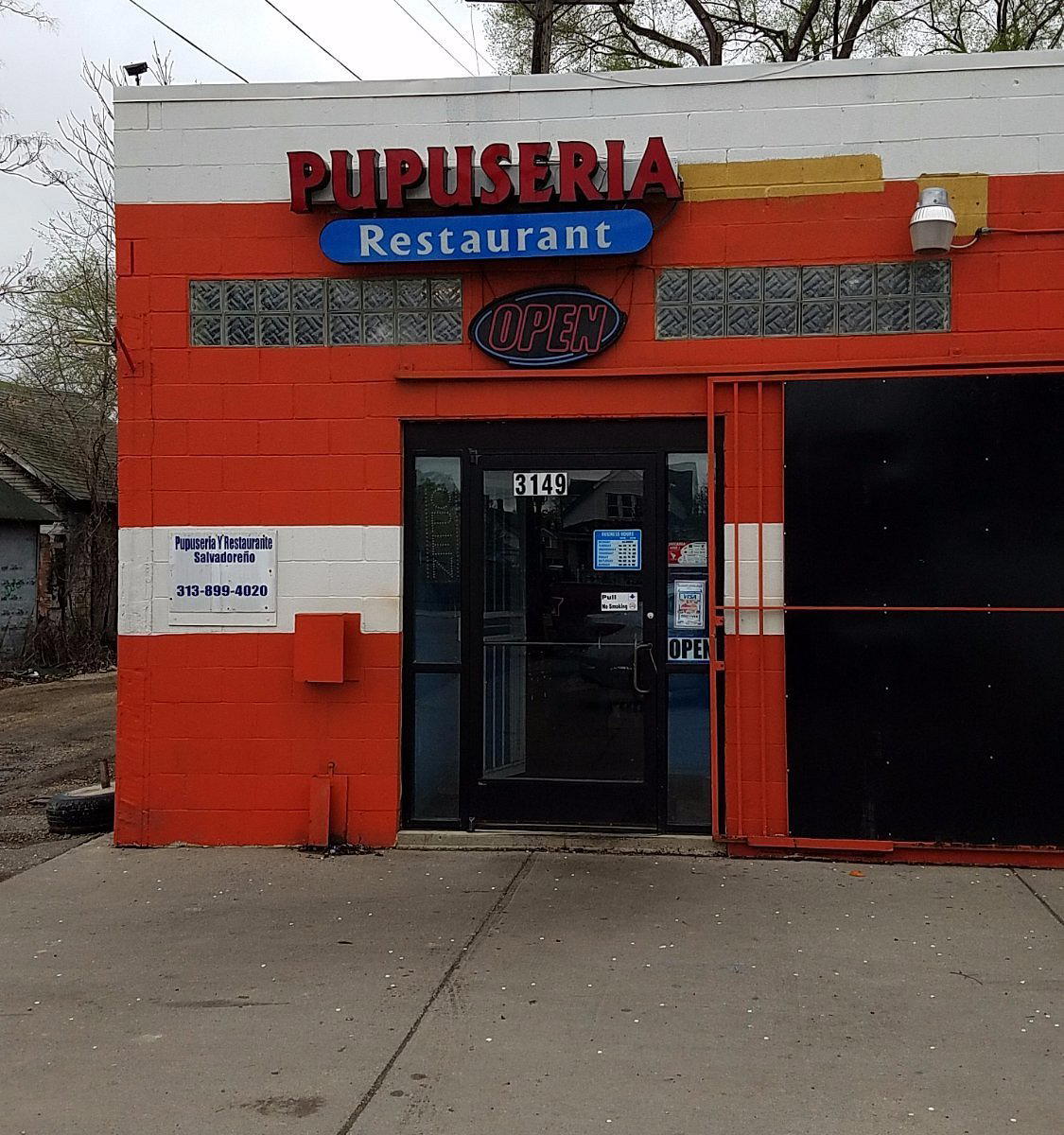
Livernois and the West Side's Quiet Food Tradition
Detroit's dining conversation tends to orbit downtown, Midtown, and Corktown, but the city's most substantive immigrant food traditions often sit on corridors like Livernois Avenue, well west of the neighborhoods that receive editorial attention. Pupuseria Y Restaurante Salvadoreno at 3149 Livernois operates in this context: a Salvadoran restaurant embedded in a working-class stretch that functions more as a community resource than a dining destination in the conventional sense. In a city where Baobab Fare has brought East African cooking into broader critical view, and where modern operators like Vecino translate Latin American flavors through a contemporary lens, this pupuseria occupies a different tier entirely: the kind of place that doesn't need critical validation because its audience was already there.
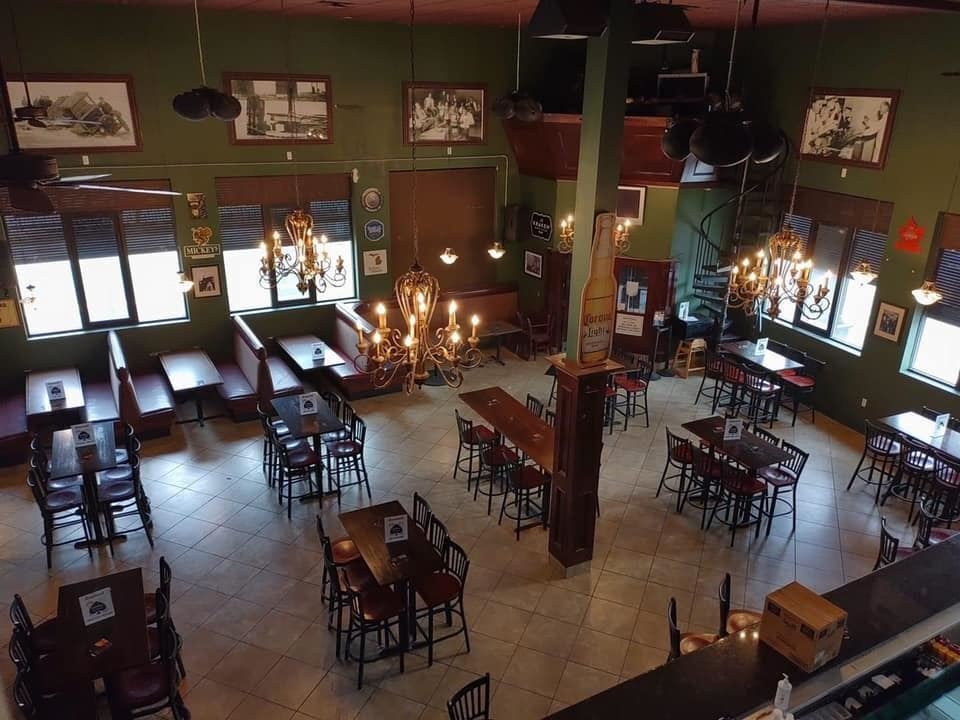
The physical approach on Livernois sets expectations immediately. This is not the polished storefront of Detroit's newer immigrant-restaurant wave. The signage is direct, the interior functional, and the room arranged around the practical reality of feeding people rather than staging an experience. In Detroit's food scene, that directness is a category in itself, one that sits alongside institutions like American Coney Island downtown, where decades of uninterrupted, unapologetic service define the value proposition more than any design gesture.
The Pupusa as a Culinary Document
Salvadoran cooking is among the more coherent national cuisines in Central America, and the pupusa is its primary text. The format is specific: masa de maíz or masa de arroz pressed around a filling, then cooked on a comal until the exterior develops a light char and the interior filling melts into the dough. The canonical accompaniments are curtido, a lightly fermented cabbage slaw with a mild acidity, and a thin tomato salsa. The ratio of filling to masa, the thickness of the disc, and the heat management on the comal are the variables that separate a well-made pupusa from a mediocre one. At dedicated pupuserias, these decisions are made hundreds of times a day, which builds a consistency that casual or fusion interpretations rarely match.
The Salvadoran community in Michigan, concentrated in parts of Detroit and its near suburbs, represents one of the larger Central American populations in the Midwest. The presence of a dedicated pupuseria on Livernois reflects that population density and the demand for a specific, technically correct version of the food. This is a different dynamic than the broader Latin American restaurant category in Detroit, which includes operators working in modern Mexican formats and fusion contexts. A pupuseria operates within much tighter culinary parameters, and regulars notice when those parameters aren't met.
Drinks, Accompaniments, and What a Cellar Means at This Price Point
At the tier where Pupuseria Y Restaurante Salvadoreno operates, the beverage program is defined by function rather than curation. Traditional Salvadoran drinks, including horchata de morro made from jícaro seeds and agua de tamarindo, are the natural accompaniments to pupusas. These are not consolation prizes for the absence of a wine list; they are the correct pairing by origin, acidity, and weight. Horchata de morro in particular carries a nuttiness and mild sweetness that cuts through the fat of a cheese-filled pupusa in exactly the way a light, unoaked white might do at a higher-end table.
For diners whose reference points are the kind of cellar programs built at places like Smyth in Chicago, Blue Hill at Stone Barns in Tarrytown, or Single Thread Farm in Healdsburg, the shift in register here is total. That contrast is the point. Detroit's dining range runs from the steak-forward formality at Prime + Proper to the neighborhood specificity of operations like this one, and both ends of that range are legitimate expressions of what a city's food system actually looks like. The pupuseria doesn't compete with the fine-dining cellar; it answers a different question entirely.
Detroit's West Side and Where This Fits
The Livernois corridor has been described by Detroit urbanists as one of the city's more intact commercial strips outside the downtown core, though it operates largely outside the food media circuits that have covered the Midtown and Corktown revivals in depth. For visitors oriented toward Detroit's more visible dining tier, including newer operations like ADELINA, Alpino, or Amore da Roma, a trip to Livernois requires a deliberate shift in orientation. It is not incidental to a downtown itinerary; it requires planning.
That planning is worthwhile for a specific reason: Detroit's immigrant food corridors represent the city's most direct connection to the culinary traditions of its diaspora communities, and those traditions are often technically specific and consistent food available in a given city at any price point. The same argument applies in other American cities with strong Central American populations, where pupuserias and Guatemalan comedores often maintain stricter adherence to traditional technique than restaurants operating in more commercially exposed contexts.
Planning a Visit
Pupuseria Y Restaurante Salvadoreno is located at 3149 Livernois, Detroit, MI 48210. Given the neighborhood format and price tier, reservations are almost certainly not required; this is the kind of operation where walk-in access is the norm. Visitors interested in the contrast between Detroit's community-embedded food traditions and its newer bakery operations might also note 313 Cinnamon Rolls, which operates in a similarly direct, neighborhood-first register on a different product entirely.
In Context: Similar Options
Comparable venues nearby, for context on price, style, and recognition.
| Venue | Cuisine | Price | Notes |
|---|---|---|---|
| Pupuseria Y Restaurante SalvadorenoThis venue — the venue you are viewing | Authentic Salvadoran | $ | Not listed |
| Bev’s Bagels | Bagels & Sandwiches | $ | Core City |
| Bucharest Grill | Romanian-Middle Eastern Grill | $ | Rivertown |
| Golden Fleece Restaurant | Traditional Greek | $$ | Greektown |
| Pegasus Taverna | Traditional Greek | $$ | Greektown |
| Alpino | Alpine Regional Cuisine | $$$$ | Corktown |
At a Glance
- Rustic
- Cozy
- Family
- Group Dining
- Casual Hangout
- Standalone
Current opening hours
- Monday
- 10 AM–8 PM
- Tuesday
- 10 AM–8 PM
- Wednesday
- 10 AM–8 PM
- Thursday
- 10 AM–8 PM
- Friday
- 10 AM–8 PM
- Saturday
- 10 AM–8 PM
- Sunday
- 10 AM–6 PM
Hours can change for holidays and private events. Last verified .
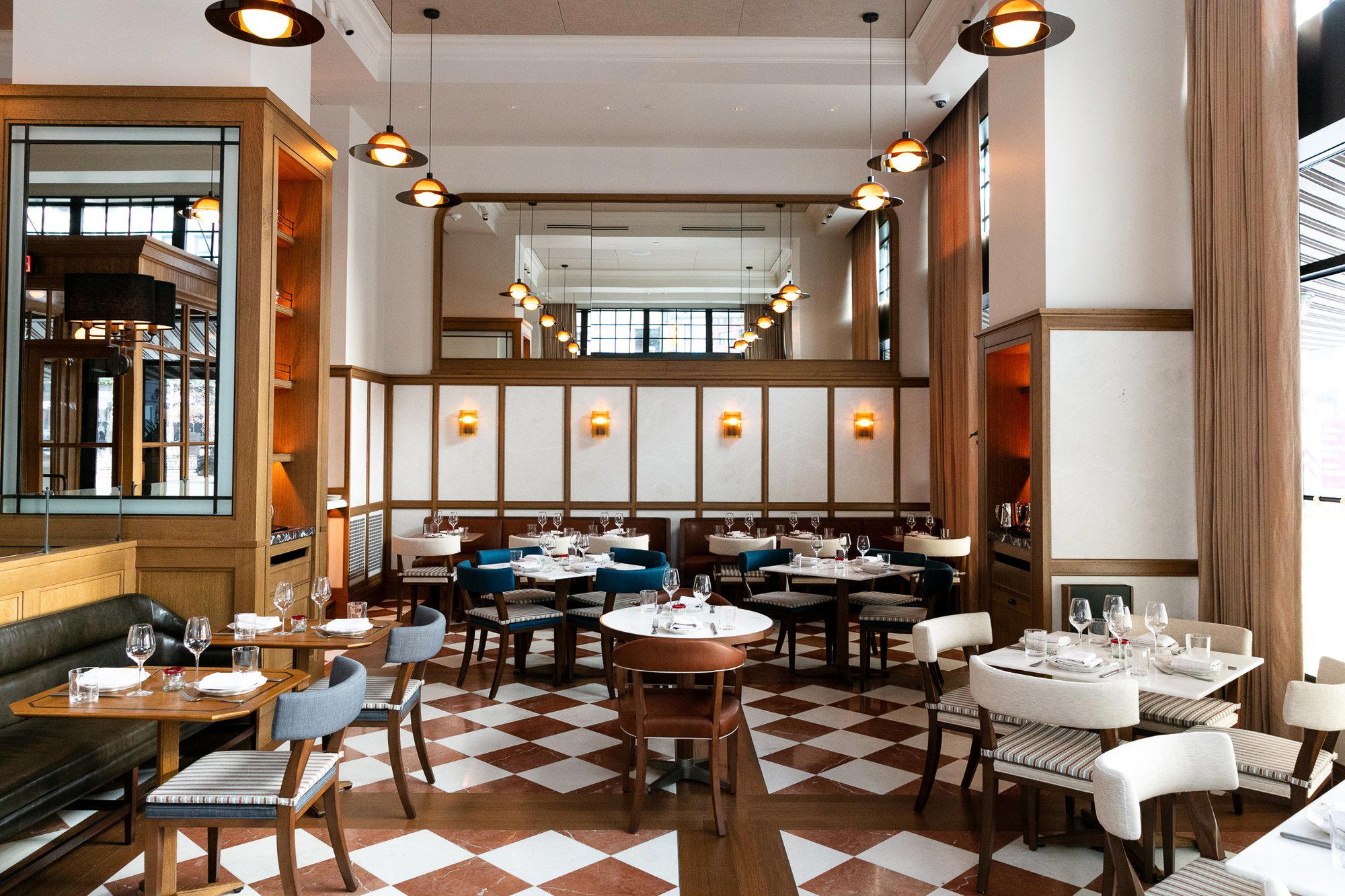
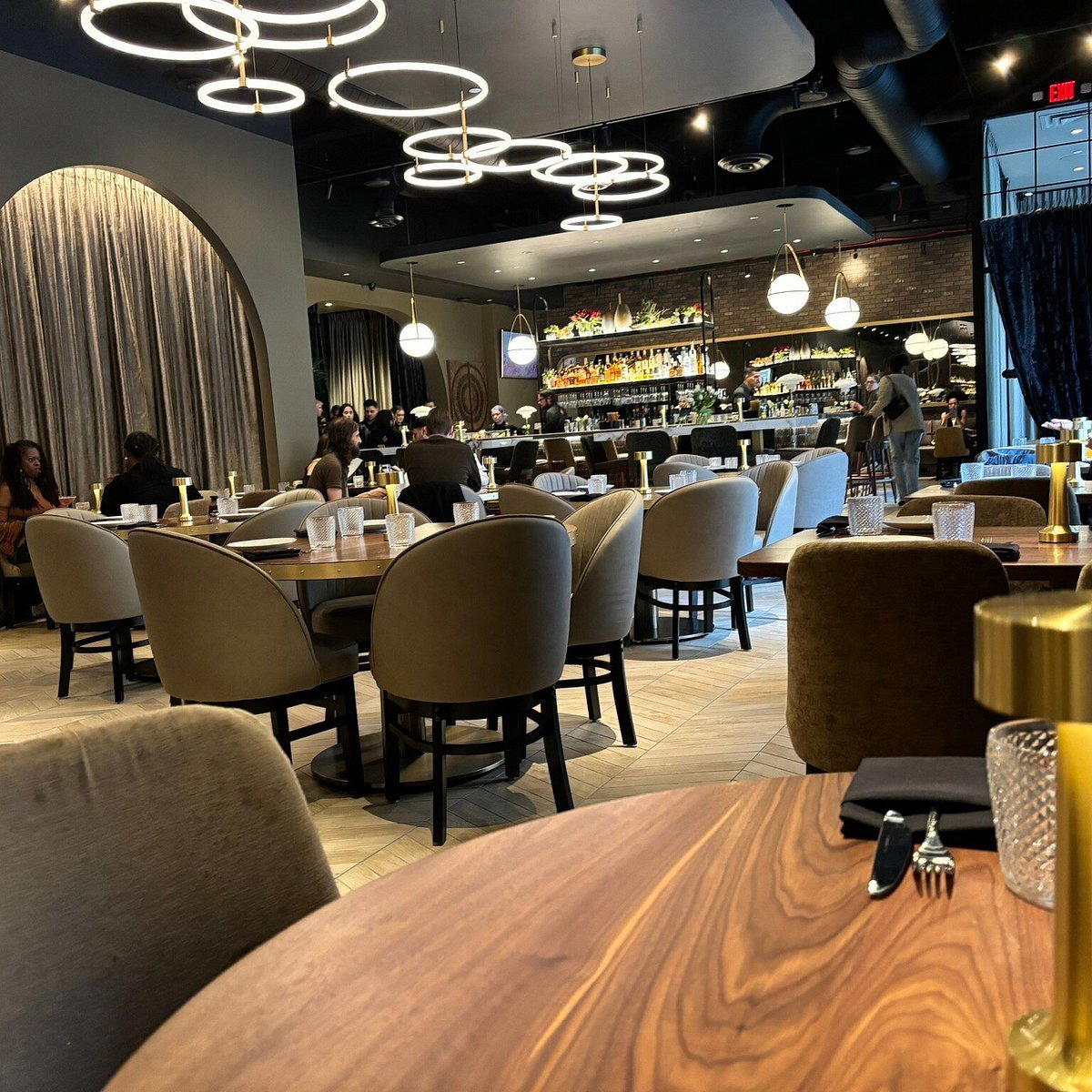
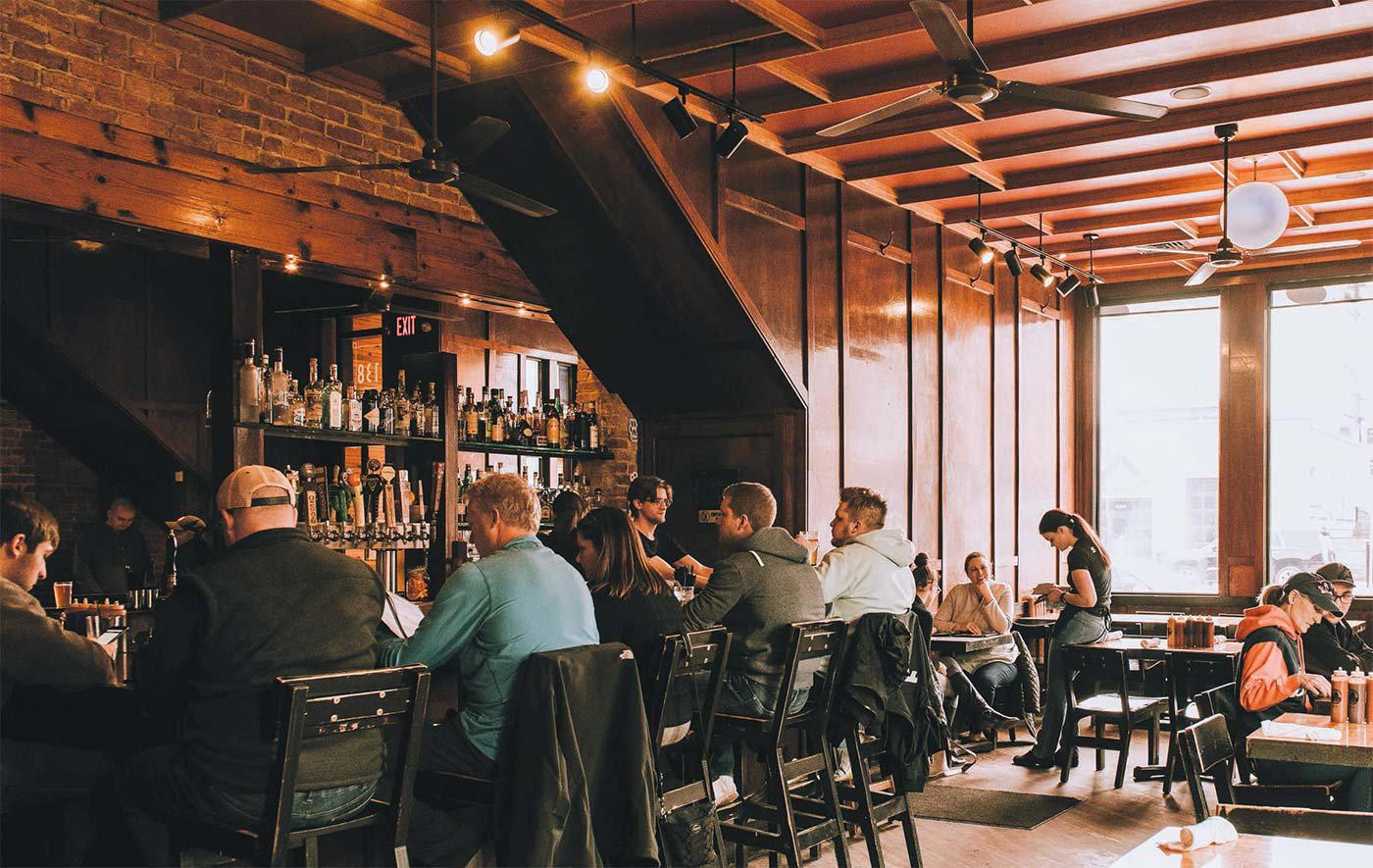
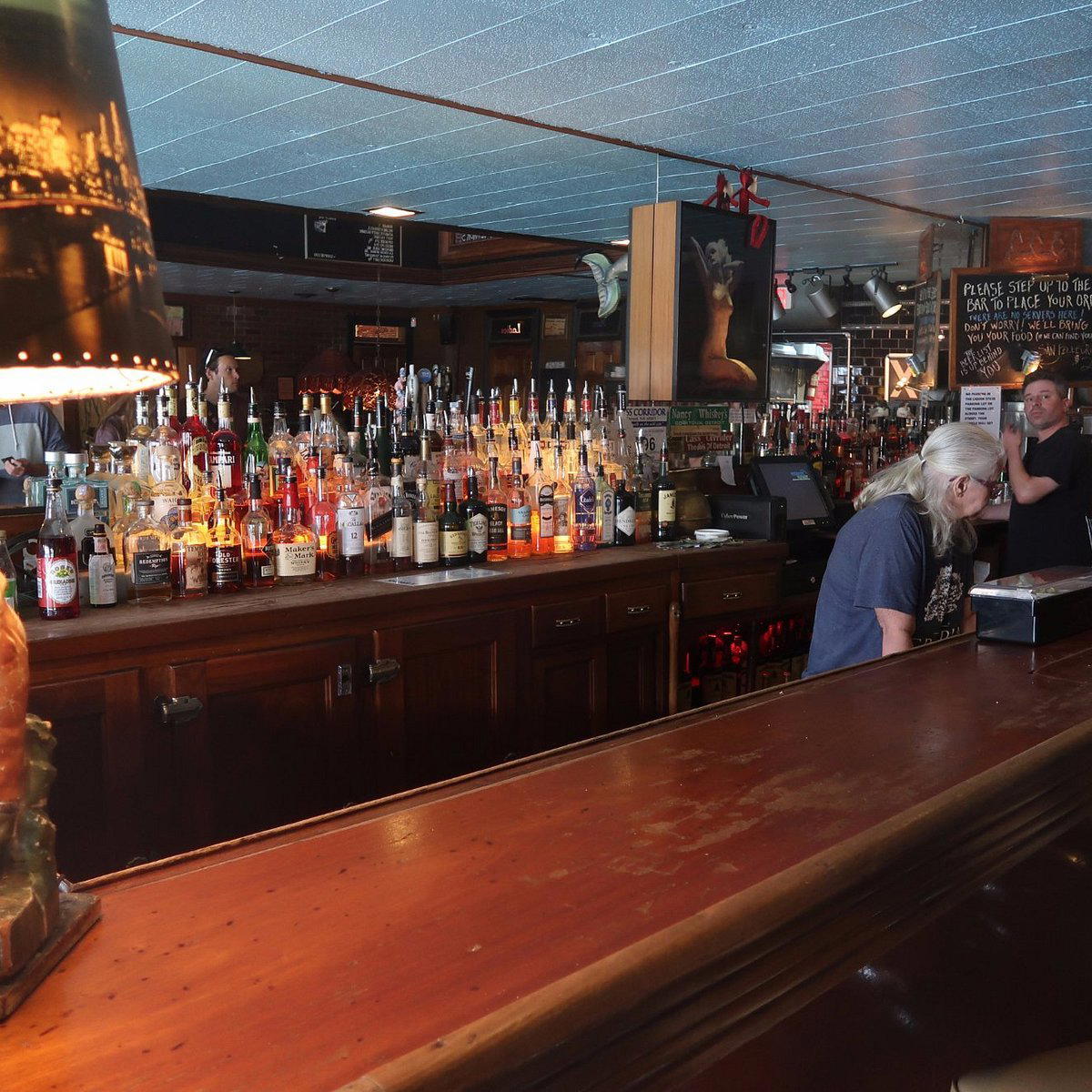
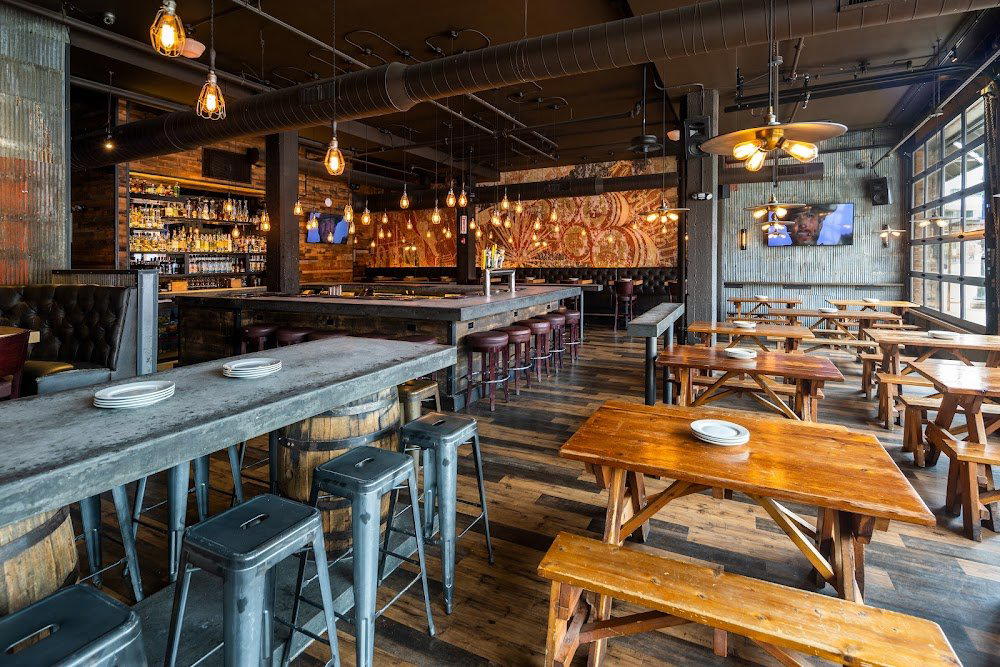
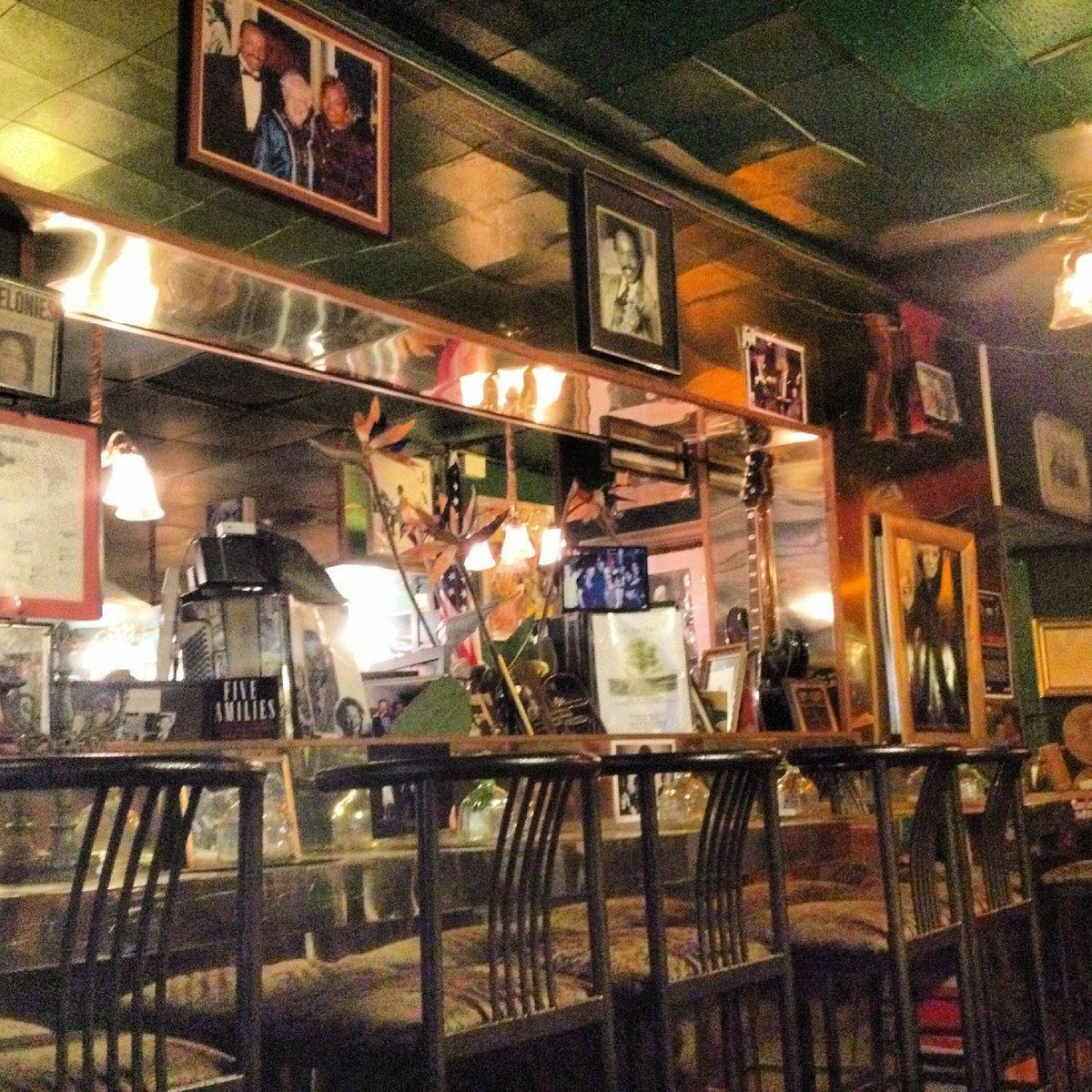
Cheerful and unassuming interior with bold colors and rotund wall hangings; casual, spotless, and welcoming despite modest exterior appearance.