Premiata Fabbrica Pizza

On the banks of the Brenta river in Bassano del Grappa, Premiata Fabbrica Pizza works with Petra stone-ground flour, mother yeast doughs, and Slow Food-certified local ingredients to produce artisan pizzas that sit well outside the fast-casual mainstream. The kitchen's commitment to no-added-yeast options and seasonal sourcing reflects a broader northern Italian movement toward treating pizza as a craft product rather than a commodity. Views of the Ponte Vecchio complete the setting.
Pearl is the En Primeur Club membership app — saves, bookings, and concierge access live there. Same editors, same standards.
- Address
- Via Angarano, 5, 36061 Bassano del Grappa VI, Italy
- Phone
- +39 0424 280457
- Website
- premiatafabbricapizza.it
- Directions
- Get directions
 Saves & bookings on Pearl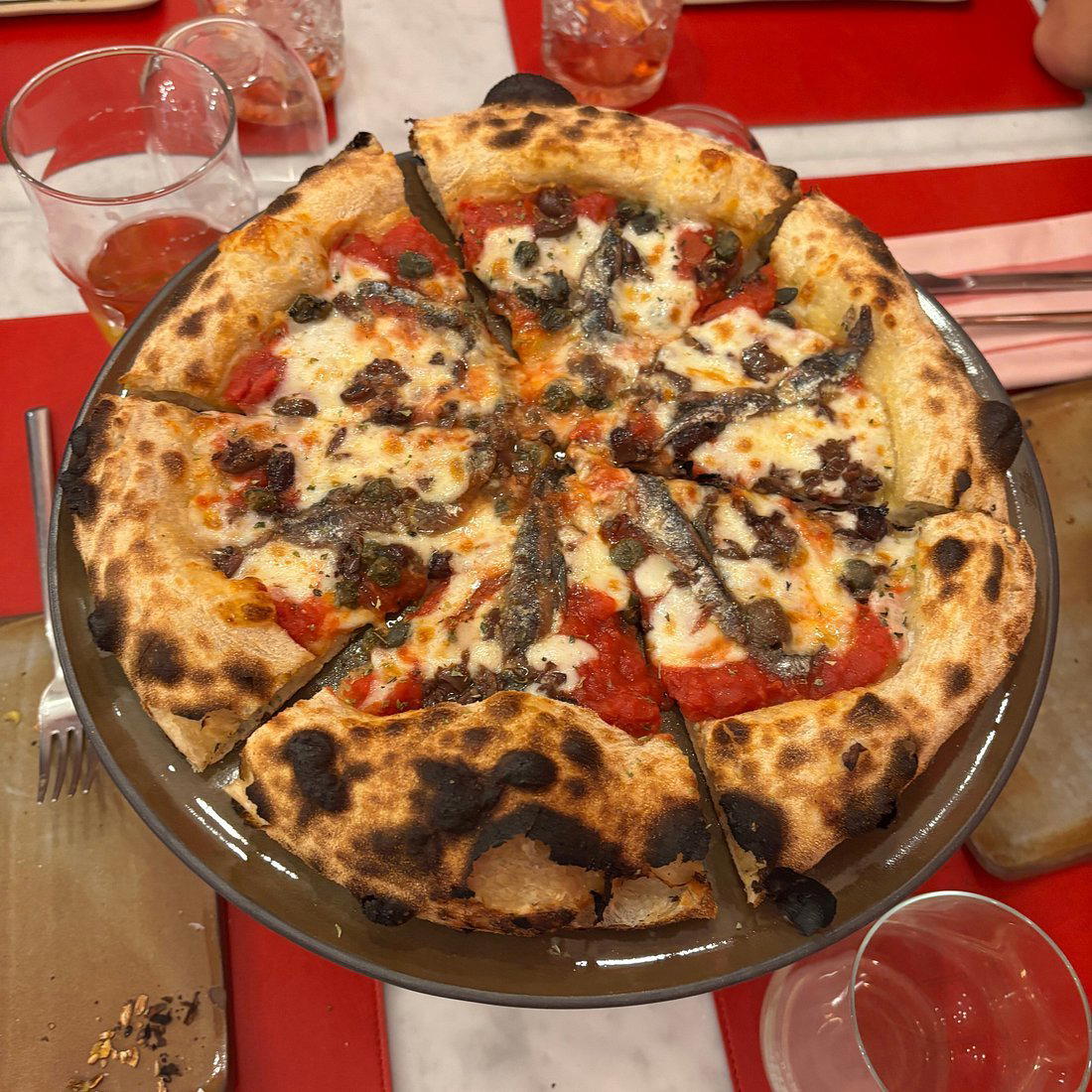
Where the Brenta Sets the Pace
Approach Via Angarano on a clear afternoon and the silhouette of Bassano del Grappa's covered bridge, the Ponte Vecchio, frames the far end of the street before you've read a single menu board. The Brenta river moves below it with the kind of unhurried authority that has defined this corner of the Veneto for centuries. Premiata Fabbrica Pizza sits along this stretch, and the visual context matters: this is a town that takes its craft traditions seriously, from the grappa distilleries that put it on the map to the ceramics workshops clustered around the historic centre. A pizza operation committed to stone-ground flour and long-fermentation doughs fits that disposition more naturally here than it might elsewhere. Premiata Fabbrica Pizza is a restaurant in Bassano del Grappa serving Modern Venetian Pizza, with a $25 per person average.
The Dough as the Argument
In northern Italy, the conversation around artisan pizza has sharpened considerably over the past decade. Where the debate once centred almost exclusively on Neapolitan technique versus Roman thin-crust, a third current has emerged: producers who treat the dough itself as the primary editorial statement, choosing flour varieties, fermentation cultures, and hydration levels the way a winemaker selects grape clones. Premiata Fabbrica Pizza operates squarely within that current.
The kitchen uses Petra stone-ground flour, a mill product from Molino Quaglia with a following among serious pizza-makers and bakers across Italy for its higher fibre retention and more complex flavour profile compared to standard 00. Alongside conventional leavened options, the menu includes mother yeast doughs and no-added-yeast versions, which extend fermentation time and place greater demands on both the baker's timing and the diner's patience for booking in advance. This is not an incidental detail. The choice of leavening agent changes the texture of the crust's interior, the depth of its flavour, and crucially, its digestibility, a consideration that has moved Italian pizza discourse well beyond purely aesthetic concerns.
For a broader picture of where Bassano's dining sits relative to the region's more formal end, consider that the Veneto is home to Le Calandre in Rubano, one of Italy's most decorated kitchens. The province rewards both registers: the tasting-menu register and the craft-product register. Premiata Fabbrica Pizza occupies the latter without apology.
Ingredient Sourcing as Editorial Position
The kitchen's alignment with Slow Food-certified suppliers and local, seasonal sourcing places it within an Italian food movement that has been gaining institutional weight since the 1990s but has accelerated sharply in restaurant culture since 2015. Slow Food certification is not a marketing shorthand here; it signals traceable supply chains, producers who meet specific biodiversity and farming-practice criteria, and an ingredient cost structure that sits noticeably above commodity sourcing. For the diner, it means that what arrives on a restaurant base reflects specific agricultural decisions made upstream, not just assembly-line logistics.
This sourcing philosophy connects to a wider pattern visible across northern Italian food culture. From the Alpine kitchens of Norbert Niederkofler at Atelier Moessmer in Brunico to the generational rigour of Dal Pescatore in Runate, particularly considered Italian restaurants of the past decade have made provenance a structural principle rather than a talking point. A pizzeria that applies the same logic at its price tier is making a positioning statement about what pizza can be when removed from the volume-throughput model.
The Ritual of Eating Here
The dining ritual at a place like this differs meaningfully from the conventional pizzeria pace. Long-fermentation doughs require a different approach from the kitchen in terms of timing, which tends to slow service into something more deliberate. Pizzas made with mother yeast or no-added-yeast doughs are not pulled from a production line; they emerge from a process that began hours or days earlier, and the kitchen's rhythm reflects that. This is not slow service in the pejorative sense. It is the pacing that naturally accompanies food where process precedes plating.
The view of the Ponte Vecchio from the restaurant adds a dimension that is worth factoring into how you plan the meal. Bassano del Grappa's covered bridge, rebuilt after World War II damage to the original Palladio design, is at its most atmospheric in the late afternoon light, when the bridge's wooden structure catches the low sun off the Brenta. Sitting with a properly fermented pizza base and a glass of local Veneto white while that scene plays out is a specific kind of meal, unhurried by design, anchored in place.
For those building an evening around multiple stops, the broader Bassano restaurant scene offers complementary options. Ca' 7 handles seafood at a more formal register, and Impronta represents the Italian contemporary side of the city's dining offer.
Bassano del Grappa sits on Via Angarano near the Ponte Vecchio and the Brenta riverbank, making it an easy stop in the historic centre.
Reservations are recommended, and the restaurant is open Monday to Wednesday from 10 AM to 2 PM and 5 PM to 10:30 PM, Friday from 9 AM to 2 PM and 5 PM to 11 PM, and Saturday and Sunday from 9 AM to 11 PM. It is closed on Thursday. Long-fermentation and no-added-yeast pizzas often have limited daily quantities, and arriving without a reservation on a weekend evening in a town that draws Veneto day-trippers to the Ponte Vecchio carries some risk.
What's the leading thing to order at the restaurant?
The kitchen's signature commitment is to its dough programme. Ordering from the mother yeast or no-added-yeast options, where available, gives the clearest read on what distinguishes the kitchen from standard pizzerias. The use of Petra stone-ground flour and Slow Food-sourced toppings means the base and the ingredient selection are both doing more work than average, so a relatively simple pizza, fewer toppings, better sourced, tends to be the more informative order. This aligns with the broader Italian craft-pizza principle that the dough should be audible in every bite.
Is the restaurant reservation-only?
Reservations are recommended, especially on weekends.
What makes the restaurant worth seeking out?
The combination of serious flour sourcing (Petra stone-ground), long-fermentation dough options, and Slow Food-certified ingredient provenance sets the kitchen apart from the casual-dining mainstream at its price tier. Across Italy's more considered pizza scene, this trifecta of flour quality, leavening method, and traceable toppings is the baseline for credibility. Add the Ponte Vecchio views and the specific character of eating along the Brenta in one of the Veneto's most distinctive small cities, and the visit adds up to more than the pizza alone. For context on how Bassano's dining fits into the wider Italian scene, our guides to Osteria Francescana in Modena, Enoteca Pinchiorri in Florence, and Enrico Bartolini in Milan show the range of what serious Italian dining looks like across formats and price points.
Cuisine Context
Comparable venues nearby, for context on price, style, and recognition.
| Venue | Cuisine | Price | Awards | Notes |
|---|---|---|---|---|
| Premiata Fabbrica PizzaThis venue — the venue you are viewing | Modern Venetian Pizza | $$ | Not listed | Not listed |
| Bauto | Traditional Veneto Italian | $$ | Not listed | historical centre |
| Al Ponte | Traditional Veneto Trattoria | $$ | Not listed | Lungo Brenta |
| Ca' 7 | Modern Italian Seafood | $$$ | Michelin Plate | Bassano del Grappa |
| Impronta | Italian Contemporary Creative | $$$ | Michelin Plate | centro storico |
| Venchi Cioccogelateria | Italian Chocolate Gelateria | $$ | Not listed | San Marco |
Recognition history
Dated appearances from independent guides and award organizations, with the underlying list record or original source where available.
50 Top Pizza Italia #54
50 Top Pizza
50 Top Pizza Italy #70
50 Top Pizza
Continue exploring
More in Bassano del Grappa
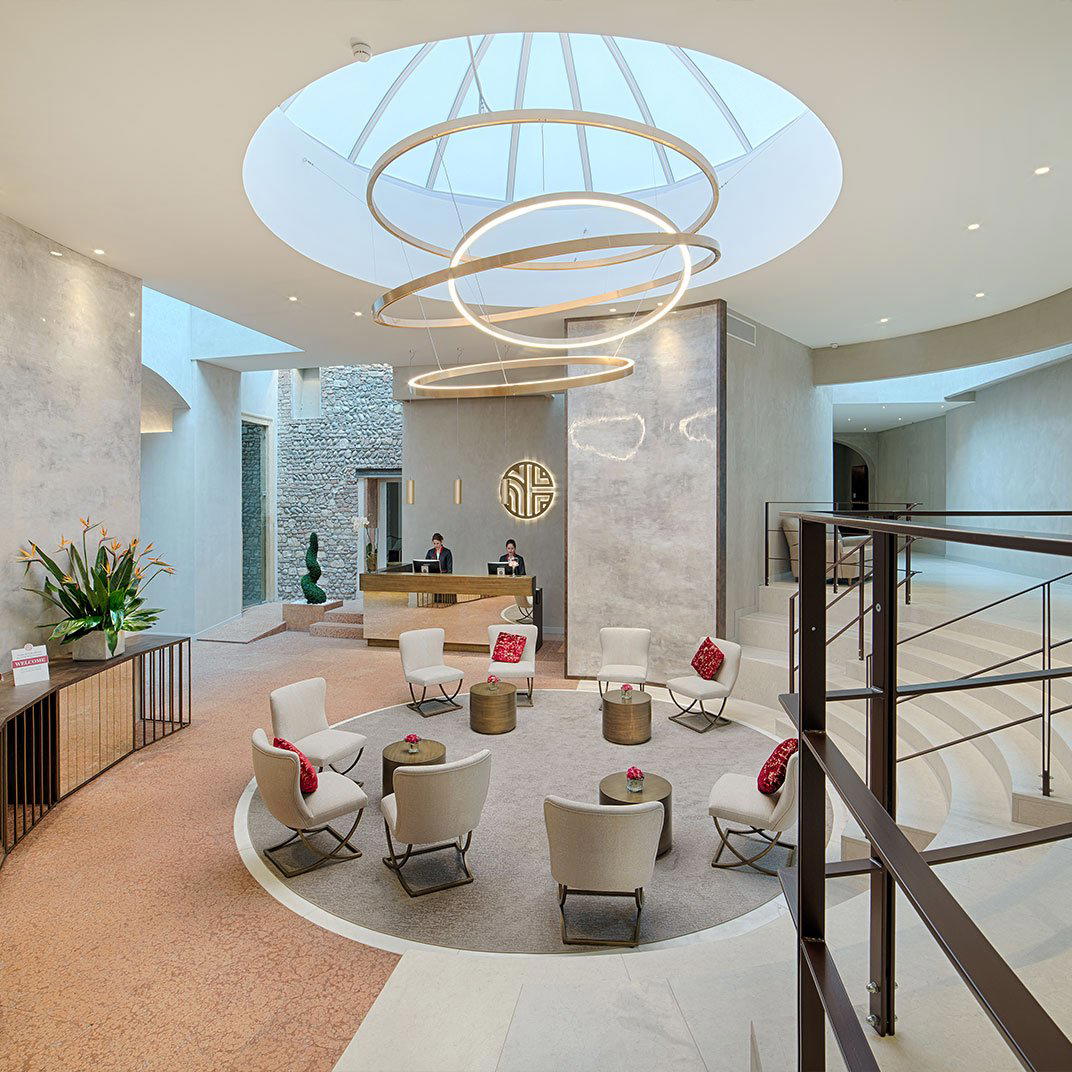
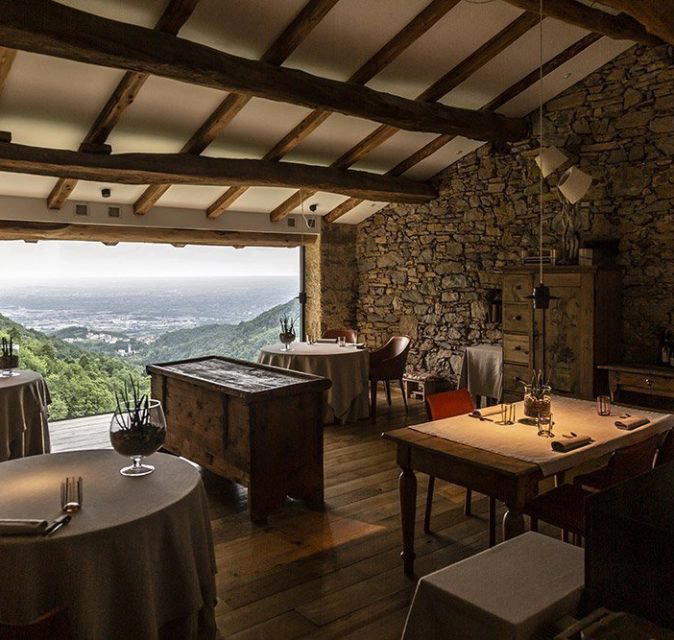
Restaurants in Bassano del Grappa
Browse all →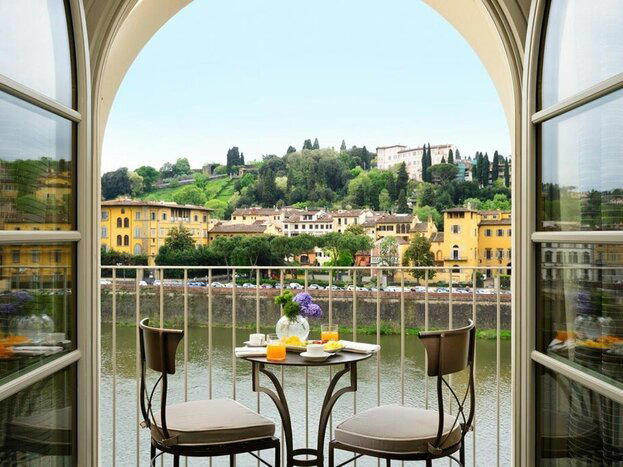
Bars in Bassano del Grappa
Browse all →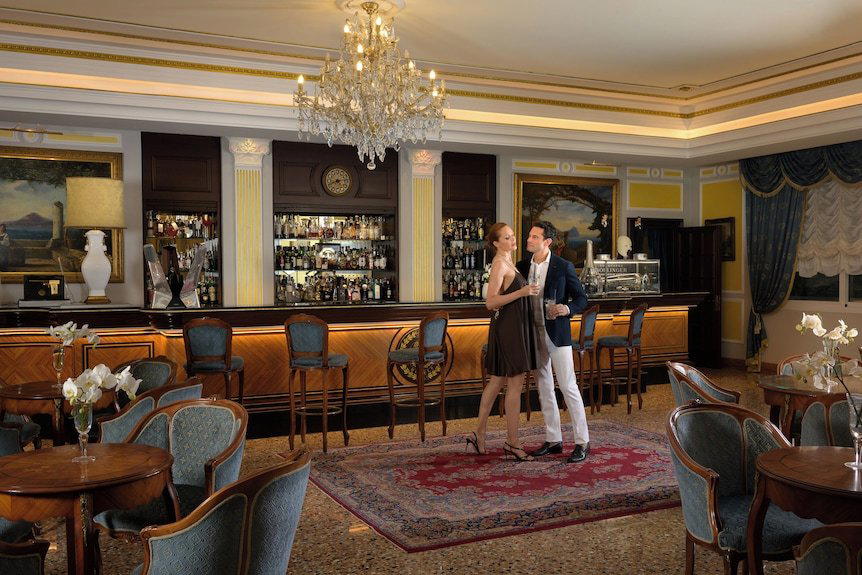
Hotels in Bassano del Grappa
Browse all →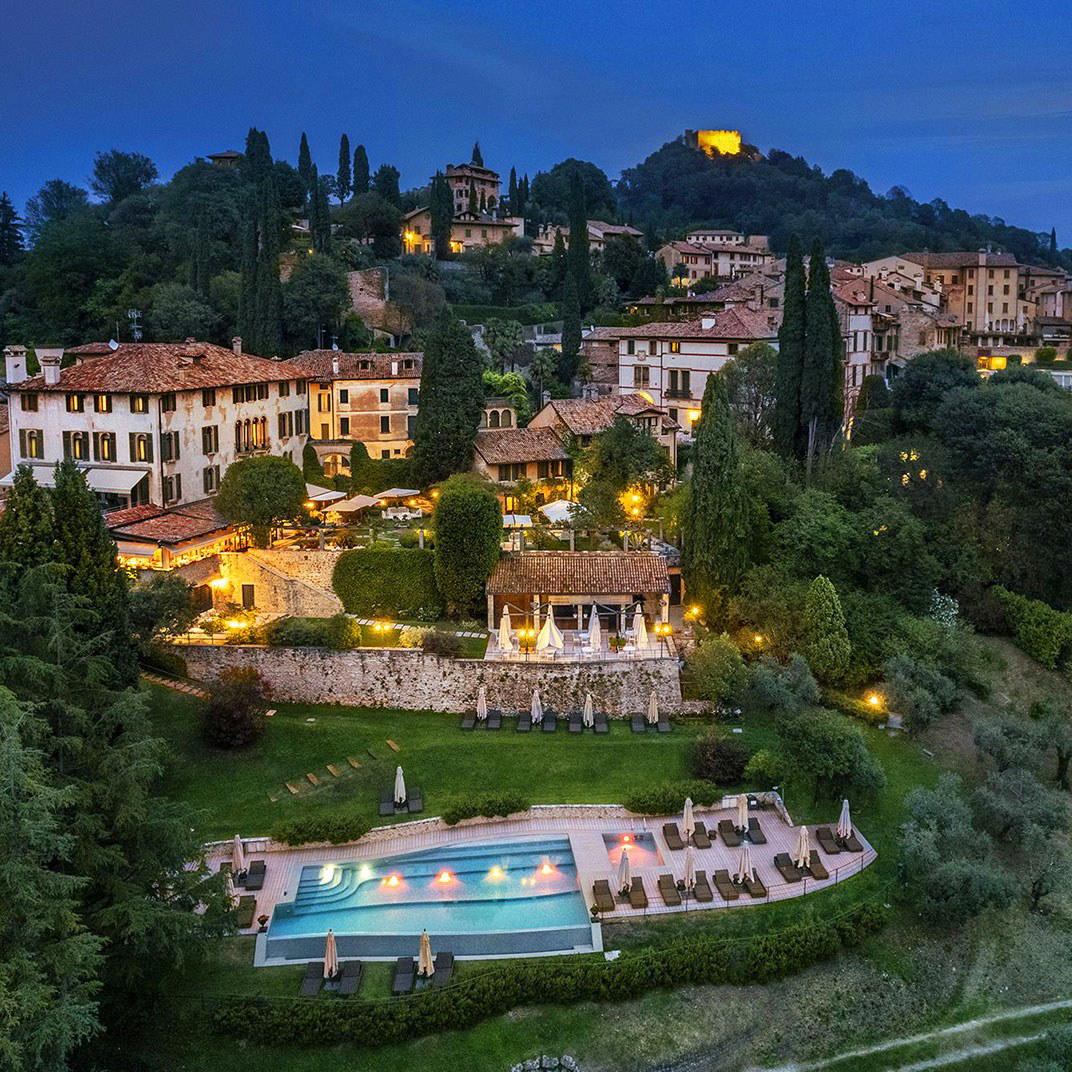
At a Glance
- Cozy
- Rustic
- Scenic
- Intimate
- Casual Hangout
- Date Night
- Family
- Open Kitchen
- Terrace
- Extensive Wine List
- Natural Wine
- Beer Program
- Local Sourcing
- Street Scene
Current opening hours
- Monday
- 10 AM–2 PM, 5–10:30 PM
- Tuesday
- 10 AM–2 PM, 5–10:30 PM
- Wednesday
- 10 AM–2 PM, 5–10:30 PM
- Thursday
- Closed
- Friday
- 9 AM–2 PM, 5–11 PM
- Saturday
- 9 AM–11 PM
- Sunday
- 9 AM–11 PM
Hours can change for holidays and private events. Last verified .
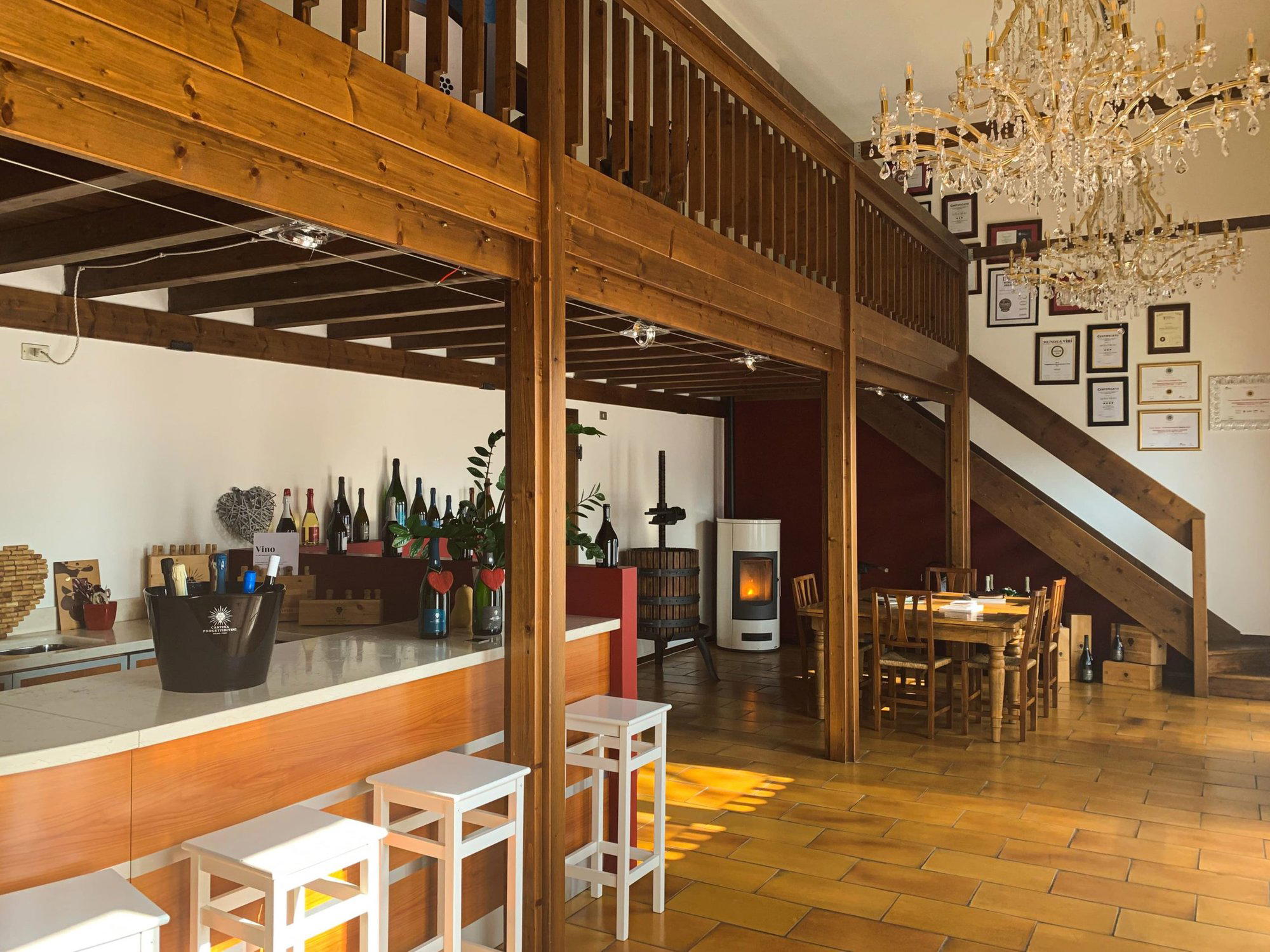
Small, elegant, and curated space with pleasant atmosphere and windows overlooking the well-known bridge.