
Michelin Plate
Our verdict
Piselli—Italian for pea—represents a quieter tier of São Paulo's Italian scene, where the room and ingredient approach set the terms more than awards or social-media volume. The focus on produce and seasonal rhythm reflects a broader shift across the city's mid-tier dining, where traceability and plate restraint have replaced the pileup technique.

Pearl is the En Primeur Club membership app, where members save venues, book tables and use the concierge.
The menu
What to order
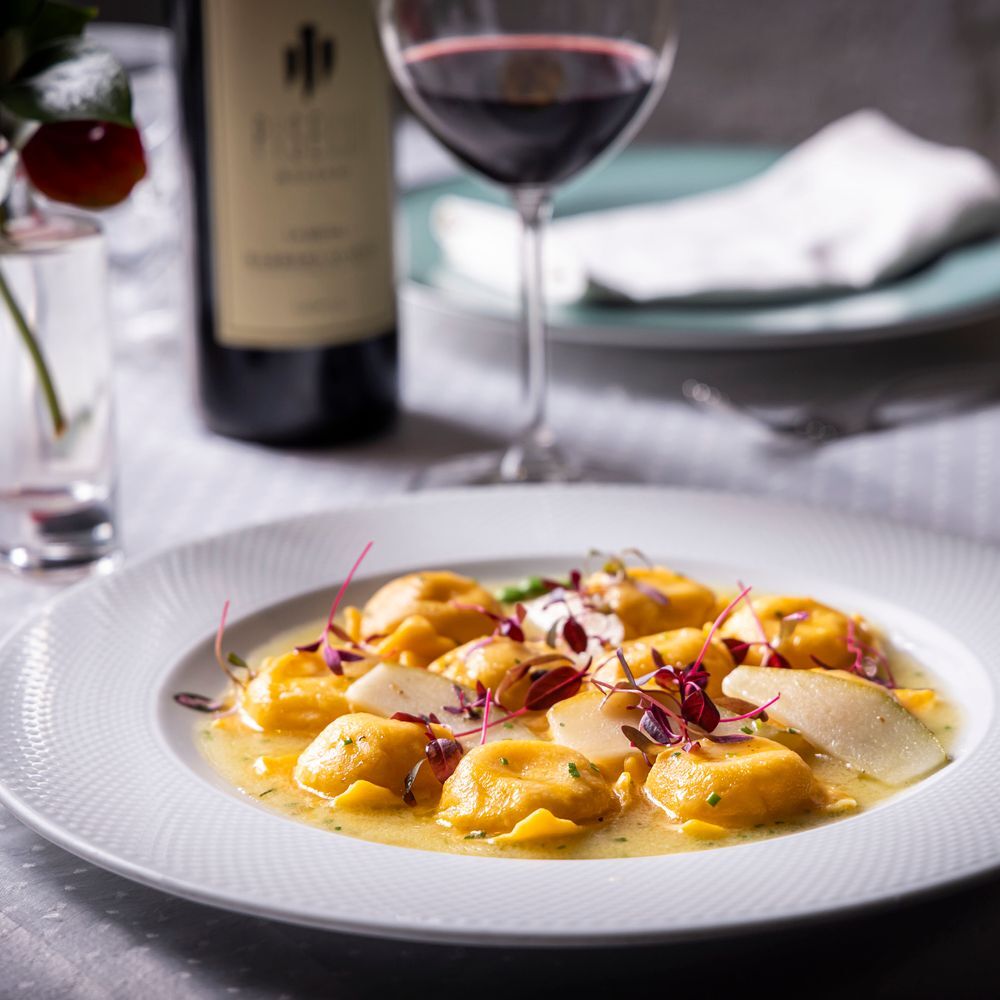
- Fresh housemade pastas
- Risotti inspired by Piedmont
- Minestrone ligure
- Capelleti in brodo
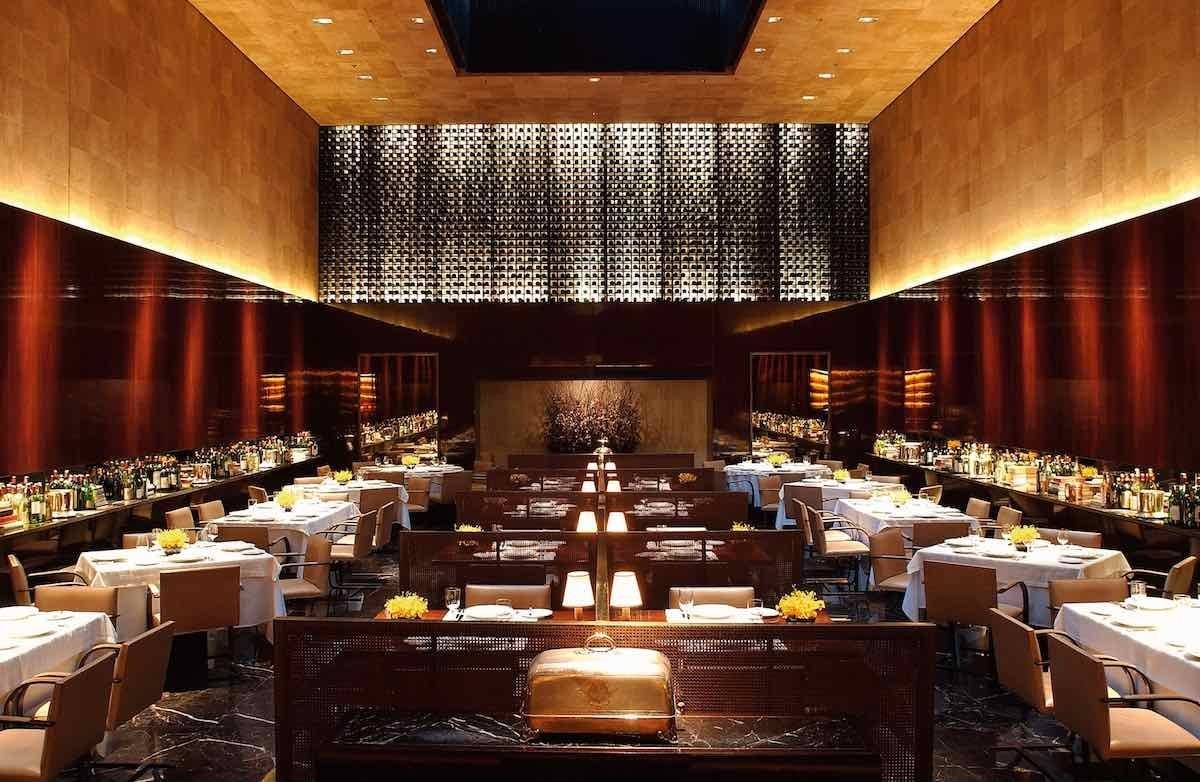
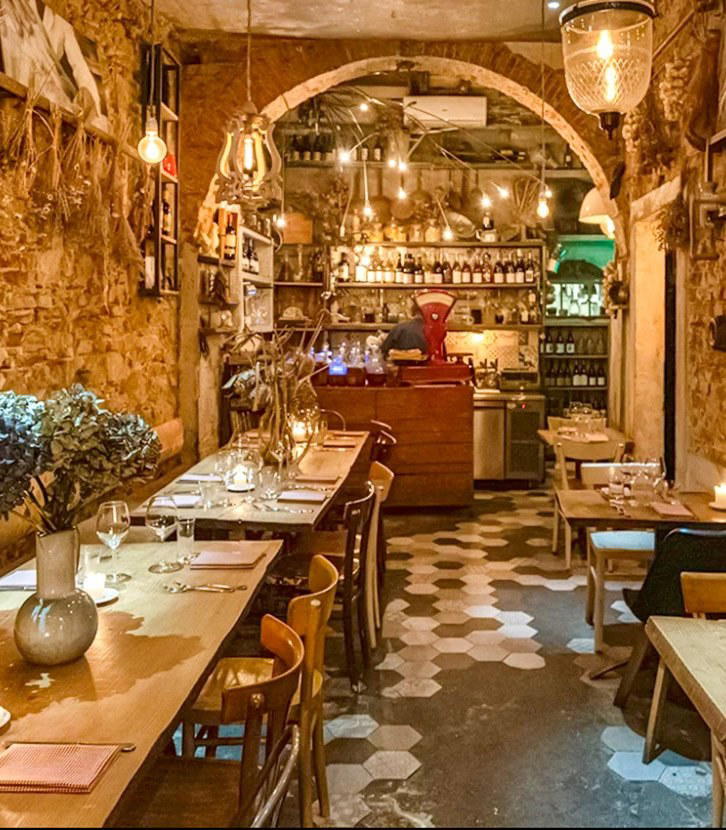
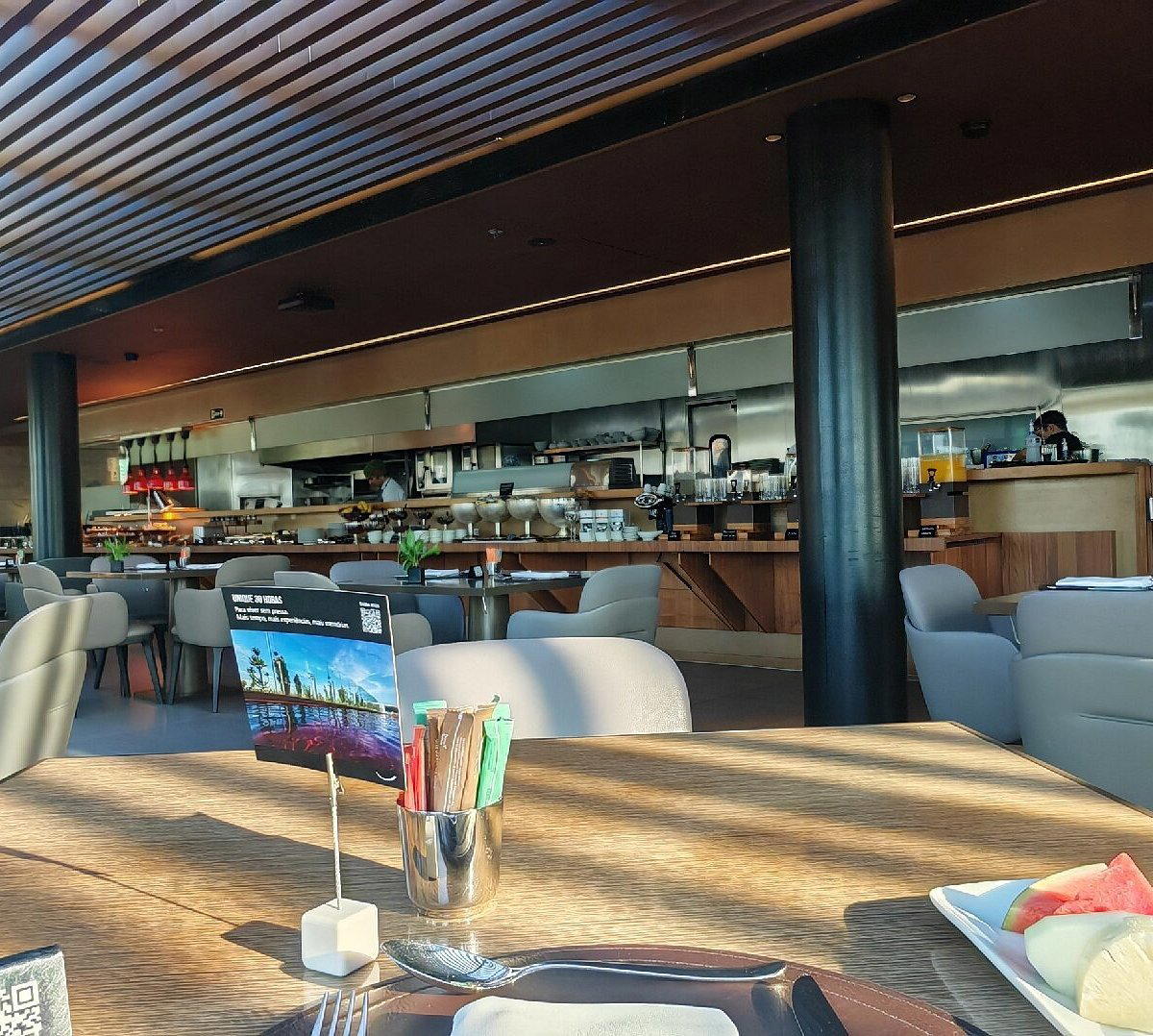
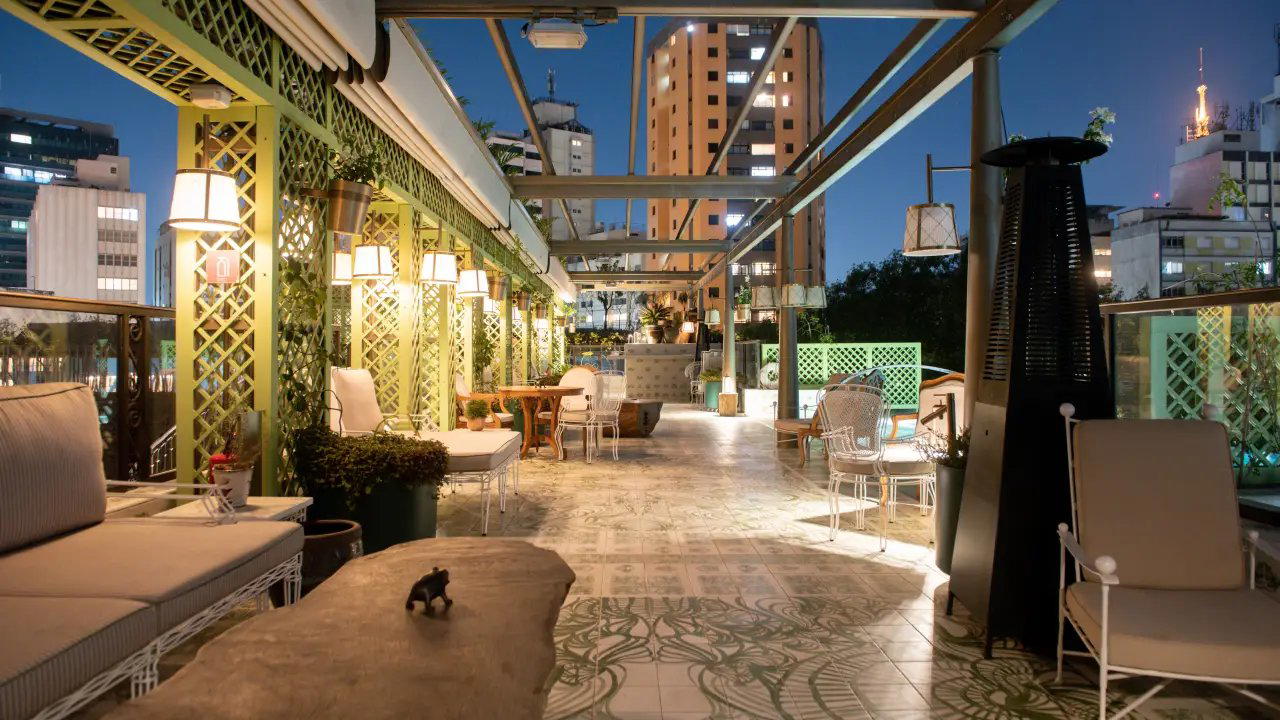
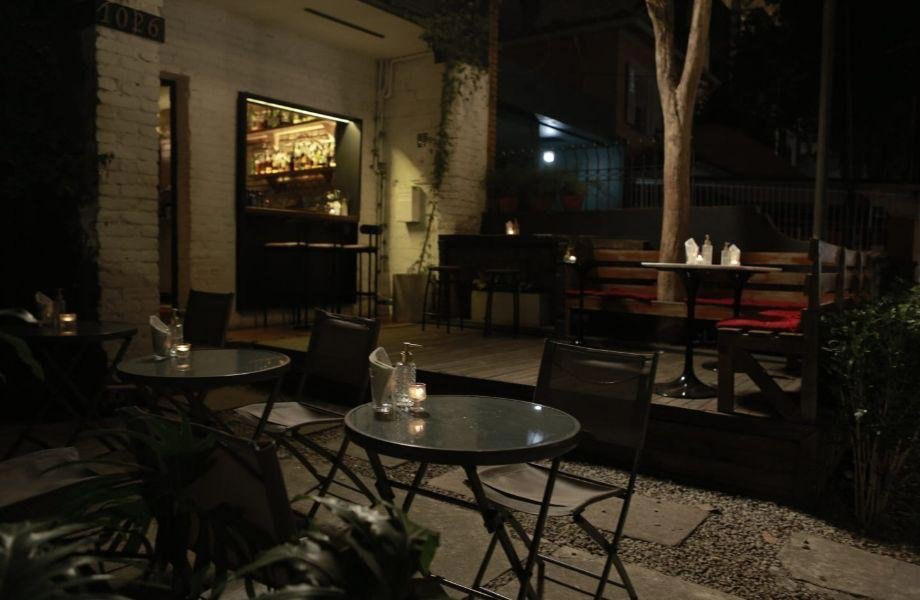
Walk into Piselli on Rua Padre João Manuel and the interior skews minimal: pale walls, wood surfaces, and low ambient noise. The dining room seats roughly thirty, spaced so that conversation stays table-bound. The name, Italian for pea, signals the produce anchor before you read the menu. São Paulo's Italian dining split in recent years between high-volume legacy trattorias and smaller-scale, ingredient-led formats; Piselli sits in the latter group, where the kitchen's sourcing strategy and seasonal turnover carry more weight than service theatrics or wine-list depth.
Menu structure and ingredient discipline
The kitchen builds its rotation around seasonal produce, with an emphasis on vegetables and grains. Pasta appears on most visits, often paired with legumes, greens, or preserved anchovy; the approach favours short menus that change every few weeks rather than a stable repertoire. That cadence mirrors the ingredient calendar more than customer expectation, which positions Piselli closer to the model used by A Casa do Porco or Dalva e Dito than the consistency-first operations in Jardins. The tradeoff is legibility: if you return after a month, the menu will likely share no overlap with your prior visit. For diners who track ingredient seasons, spring peas, winter squash, summer tomatoes, that turnover offers a reason to repeat; for those seeking a known dish, the volatility can frustrate.
Produce sourcing leans on small farms outside São Paulo state, with some items trucked from Minas Gerais and Rio Grande do Sul. The kitchen lists farm names on the menu or relays them through service, a practice now standard across the city's mid-tier dining but still less common at legacy Italian establishments. That transparency tends to correlate with higher ingredient cost and lower plate yields, which explains why portions here run smaller than at 1900 Pizzeria or A Pizza da Mooca, where volume and value anchor the offer. If you arrive expecting the strong servings typical of São Paulo's Italian tradition, recalibrate for composed plates that prioritize ingredient expression over satiation.
Service style and pacing
Service operates in a low-intervention mode: staff describe dishes briefly, answer sourcing questions, and step back. There is no sommelier on the floor, and the wine list runs short, fifteen to twenty labels, most Italian, with a handful of Brazilian bottles. The kitchen paces courses at roughly twenty-minute intervals, which suits the two- to three-course structure but can feel slow if you order a single plate. That pacing reflects the cooking method, most dishes finish to order, but it also creates dead time if the room is only half-full and you expected counter-style immediacy.
The lack of a formal tasting menu or omakase option places Piselli in the à la carte tier, where the onus falls on the diner to compose the meal. That format works for experienced diners who understand the kitchen's angle, but it offers less guardrails than the fixed-menu operations now common at São Paulo's top tier. If you are unfamiliar with the kitchen's strengths, ask the server for the current anchor dish, usually a pasta or vegetable plate that leading represents the farm supply that week, and build around it.
The neighbourhood context matters. Cerqueira César sits between the formal dining corridor of Jardins and the residential density of Consolação, so foot traffic skews local rather than tourist. That geography means Piselli competes for a repeat clientele rather than one-time visits, which incentivizes consistency in execution over novelty. The result is a kitchen that runs tighter operations than many debut projects but lacks the polish or recognition layer of multi-year veterans like Picchi or D.O.M.
For a broader São Paulo dining map, see our full São Paulo restaurants guide. Accommodation options near Cerqueira César appear in our full São Paulo hotels guide. If you prefer regional Brazilian cooking with similar ingredient discipline, A Baianeira offers a comparable format with a Bahian angle, while A Figueira Rubaiyat provides a grilled-meat counterpoint in the same price bracket. For cocktail options before or after dinner, consult our full São Paulo bars guide.
Piselli suits diners who prioritize ingredient traceability and seasonal menus over service polish or name recognition. The format rewards repeat visits across seasons, but the short menu and pacing inefficiencies mean first-timers should arrive with adjusted expectations. If you value farm names and vegetable-forward plates, the kitchen delivers. If you seek the reliability and portion scale of São Paulo's legacy Italian scene, allocate your evening elsewhere.
Frequently asked questions
Is Piselli child-friendly?
The restaurant's low-intervention service and pasta-driven menu make it accessible for families. Staff describe dishes briefly and step back, so the environment is quiet but not formal. The vegetable and grain emphasis offers flexibility for younger diners, though no dedicated children's menu is documented.
Is Piselli formal or casual?
Piselli operates in a casual register. The service model is minimal, staff describe sourcing and step away, and there is no sommelier. The seasonal produce and pasta rotation anchor a neighbourhood Italian format, not fine dining.
What kind of recognition has Piselli received?
Piselli has received recognition including: Piselli is the Italian word for “pea” and this....
Where is Piselli in São Paulo?
Piselli is located at Rua Padre João Manuel 1253, São Paulo, São Paulo, 01411-001, BRA, São Paulo.
In Context: Similar Options
Comparable venues by cuisine and price in the same metro.
| Venue | Cuisine | Price | Awards |
|---|---|---|---|
| Piselli | Piedmontese Italian | $50–100 | Michelin Plate |
| D.O.M. | Modern Brazilian Amazonian Fine Dining | $150–200 | 2 Michelin Stars · World's 50 Best #74 |
| Charlo | Contemporary French Bistro with Brazilian Influences | $50–100 | Not listed |
| Picchi | Contemporary Italian with Brazilian Influence | $30–50 | 1 Michelin Star |
| Dalva e Dito | Modern Brazilian Comfort Food | $50–100 | Not listed |
| Emiliano | Contemporary Brazilian-Italian Fine Dining | $100–150 | Michelin Plate |
Recognition history
Dated appearances from independent guides and award organizations, with the underlying list record or original source where available.
Michelin Plate
Michelin
Continue exploring
More in São Paulo
Restaurants in São Paulo
All restaurants in São Paulo →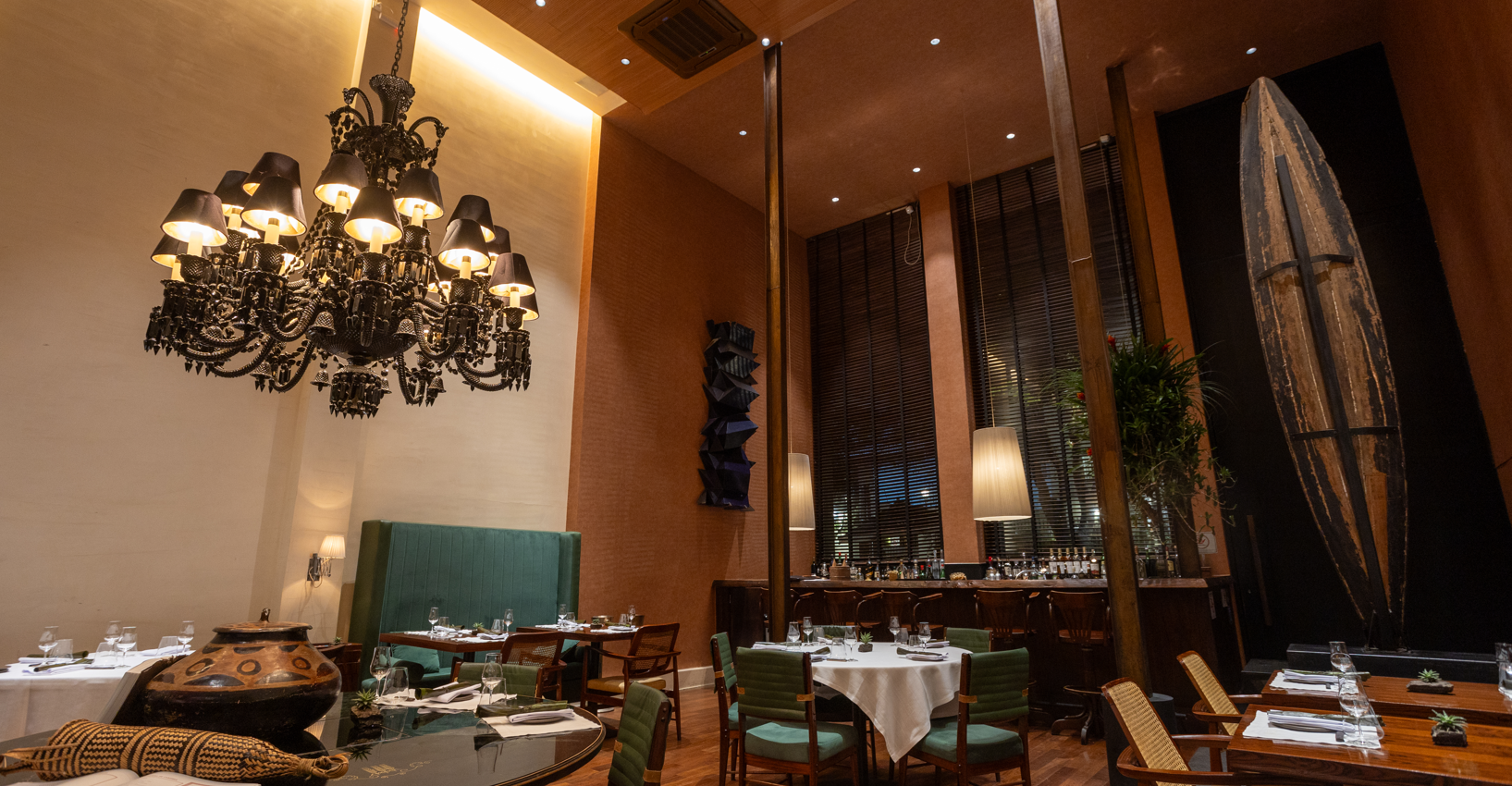
Details
- Elegant
- Classic
- Sophisticated
- Cozy
- Date Night
- Business Dinner
- Family
- Celebration
- Special Occasion
- Wine Cellar
- Standalone
- Extensive Wine List
- A La Carte
- Wine
- Vegetarian Friendly
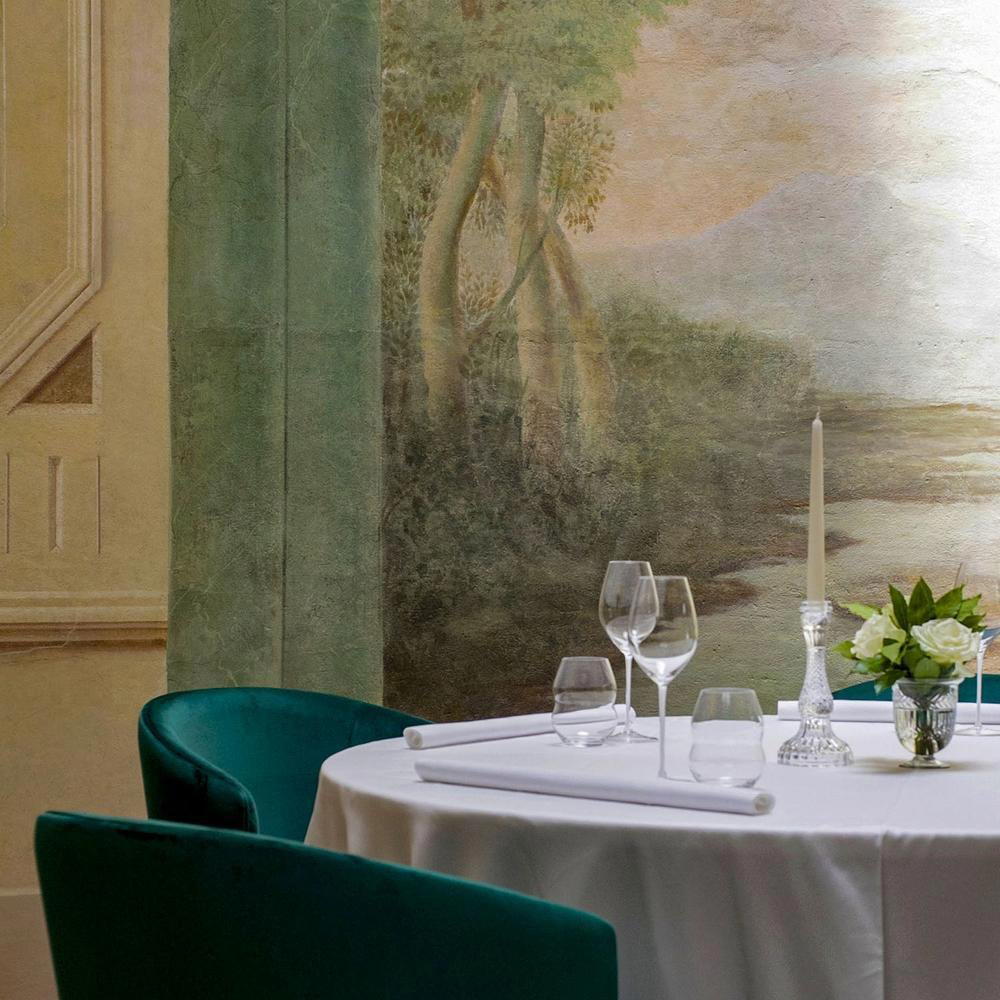
Elegant and classic Italian dining room with white tablecloths, warm lighting, and a sophisticated yet welcoming atmosphere suitable for families, dates, and business meals.