Pigeon

Pigeon brings Roma Norte’s café-bistro culture into a sharper international frame, with a Michelin Plate in 2025 and a menu that moves from charcuterie and mussels to vegetable-led plates and rice with spiced shrimp. The room’s Art Deco cues and corner-café energy make it a useful Mexico City address for diners who want polish without tasting-menu formality.
Pearl is the En Primeur Club membership app — saves, bookings, and concierge access live there. Same editors, same standards.
- Address
- La Casa de Las Brujas, Plaza Río de Janeiro 56, Roma Nte., Cuauhtémoc, 06700 Ciudad de México, CDMX, Mexico
- Phone
- +52 55 1648 9779
- Directions
- Get directions
 Saves & bookings on Pearl
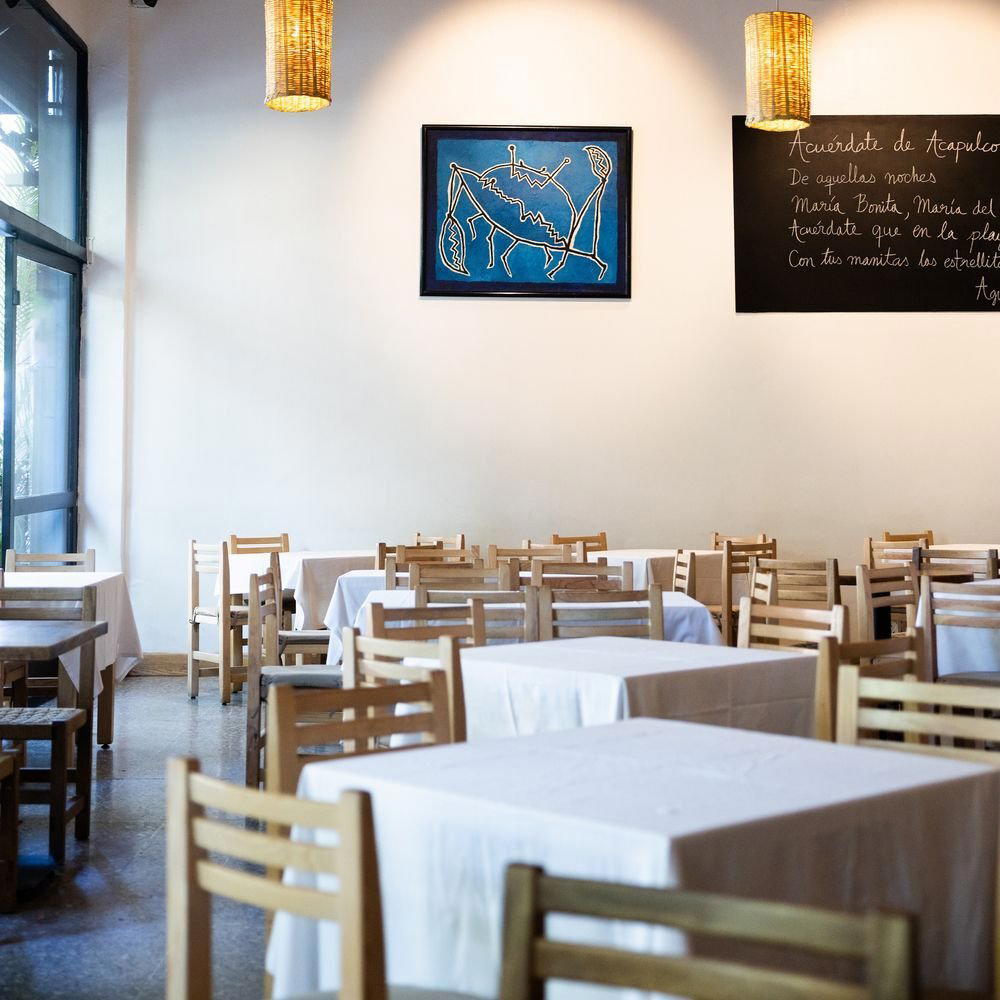
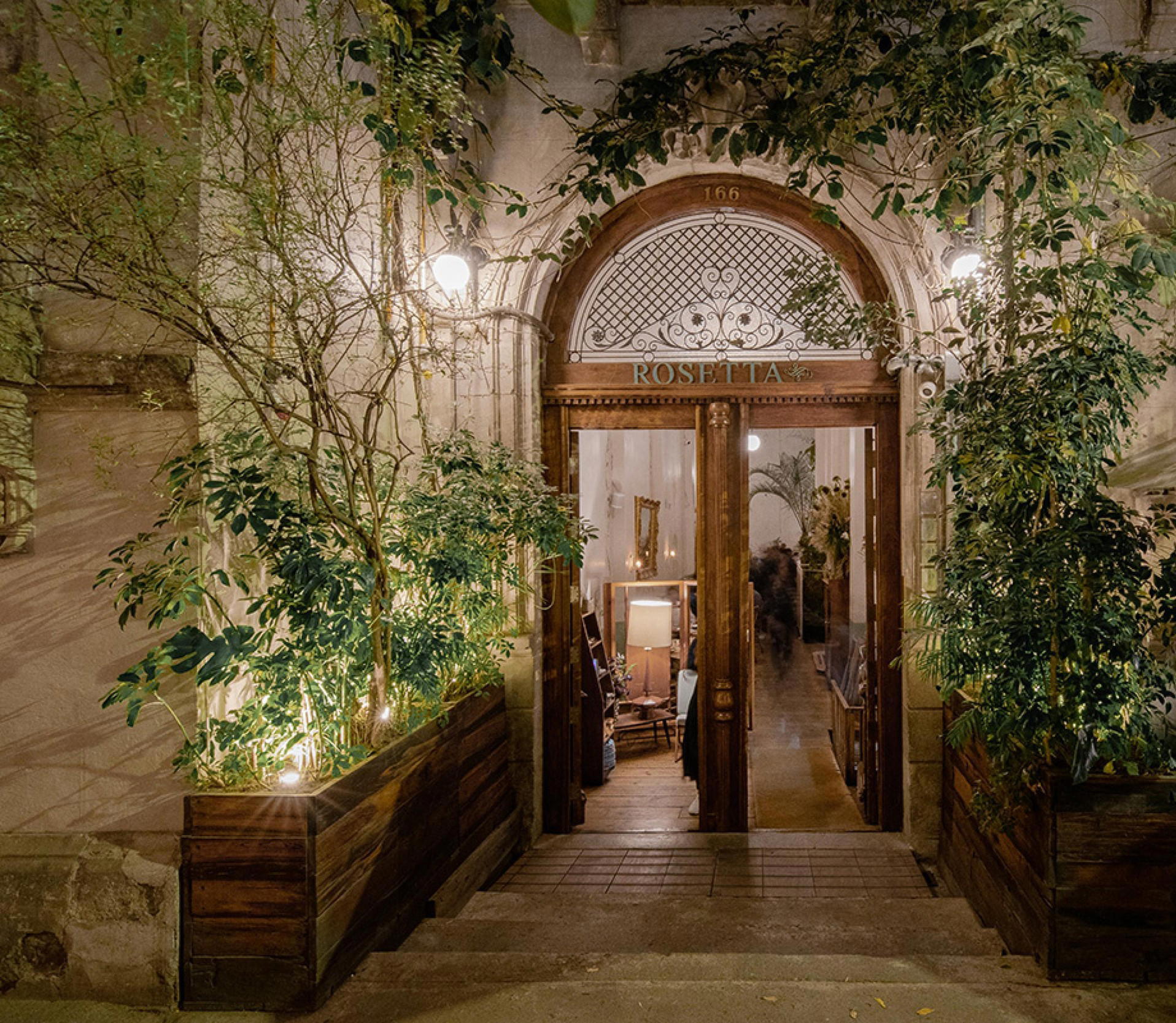
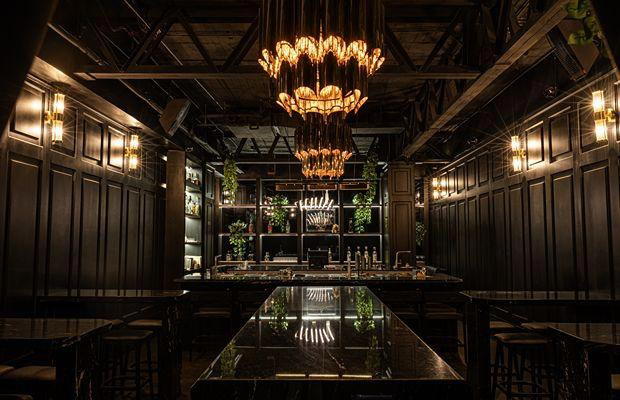
Approaching Pigeon means entering a polished Mexico City dining room that trades spectacle for controlled ease: patterned tile, marble tables, leather banquettes, pale walls, warm lighting, and a corner-room rhythm suited to the capital’s long lunches and early dinners. This is not a hushed tasting-menu proposition, but a more useful category: a flexible, ingredient-conscious restaurant where familiar reference points move at Mexico City’s appetite and pace.
That matters in Mexico City, where dining ranges from ambitious kitchens built around regional memory to high-design rooms aimed at visitors and a growing middle tier of bistro-café restaurants with broad appeal. Pigeon sits in that third lane. Its 2025 Michelin Plate recognition confirms it is read as more than a pleasant café, while the format stays relaxed enough for repeat use rather than occasion-only dining. Michelin’s description of the service as amiable is part of the point: the room absorbs different meals without forcing one script.
Mexico City's bistro-café lane, sharpened by produce and pantry logic
Broad-appeal cooking in Mexico City can turn lazy when it becomes a checklist of comforts. The better version uses familiar formats as structure, then lets ingredients, condiments, and careful treatment do the work. Pigeon’s menu, credited to Chef Mercedes Bernal, reads that way. Charcuterie, steamed mussels with fries, and pork schnitzel establish the bistro grammar; roasted carrots with macha sauce on creamy tofu shift a vegetable plate away from generic café cooking. The result is recognizable reference points without rigid allegiance to one narrow category.
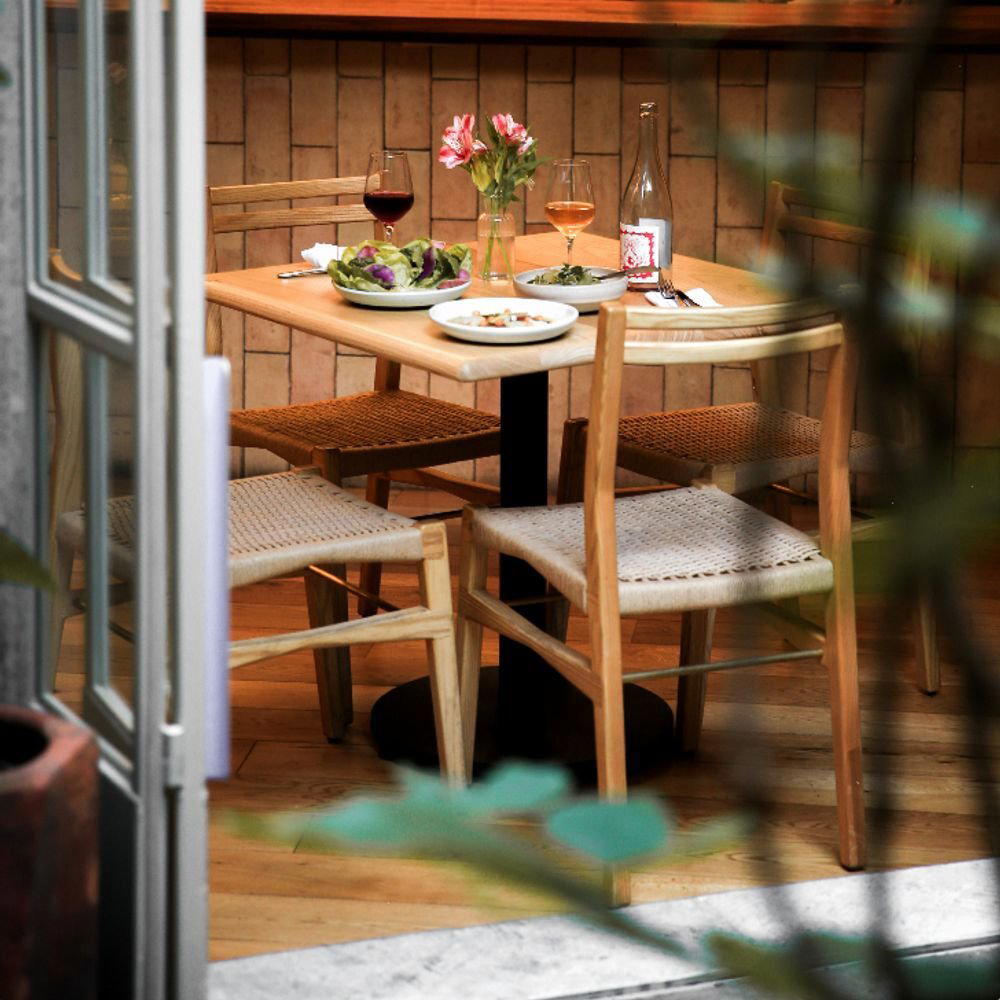
The sourcing story is less about naming farms than about treatment on the plate. Vegetables are not relegated to side-dish status, and seafood, meat, tofu, and chile-based condiments appear across a menu designed for mixed tables. That is practical in Mexico City, where diners often want a meal moving from shared starters to a main without the formality of a dégustation. At Pigeon, the ingredient work supports breadth: mussels and fries for one diner, texture, fat, heat, and acidity for a more produce-led tablemate.
Compared with Migrante and Er Rre un Bistró, both part of Mexico City’s restaurant conversation, Pigeon reads less like a destination built around culinary authorship and more like a neighborhood-style restaurant precise enough to draw attention beyond its immediate regulars. That distinction is useful. Not every strong meal in the capital needs to announce complexity; some succeed because the kitchen understands what a city restaurant must do repeatedly.
The room makes sense because the menu does not over-specialize
The dining room’s Art Deco cues could push the experience into set-piece territory, especially in a city already rich with memorable restaurant rooms. Instead, the food grounds it. Mussels with fries and schnitzel are familiar dishes that test execution, sourcing, and seasoning. The vegetable plate with macha and tofu gives the menu its contemporary Mexico City edge by treating chile-based intensity, plant-based creaminess, and roasted produce as central rather than corrective. That balance explains why the restaurant feels café-like in mood but not throwaway in ambition.
Mexico City excels at this kind of restaurant because its dining habits reward elasticity. A relaxed lunch, late-afternoon lingering, and dinner can share one address if the cooking has range and the room is not over-prescribed. Pigeon’s broad menu supports that flexible rhythm without turning the restaurant into an everyday canteen. Think of it as a Mexico City meal with range: casual enough for a spontaneous table when available, considered enough to anchor an afternoon or evening nearby.
The Michelin Plate matters as calibration, not decoration. In Mexico City, where Michelin attention now sits beside long-running local recommendation culture, a Plate signals dependable cooking without the ceremonial expectations of starred dining. For Pigeon, that distinction helps: the recognition tells travelers the kitchen has been noticed, while the experience remains aligned with the city’s appetite for stylish, ingredient-aware restaurants that do not require a tasting-menu commitment.
How to place it within a Mexico City food itinerary
Pigeon works well when the day is already oriented around Mexico City cultural time rather than a single restaurant pilgrimage. Its appeal is strongest for diners wanting comfort dishes with enough local inflection to feel specific to the city. Those seeking a more overtly chef-driven dinner may compare it with Migrante; those looking for another bistro expression should consider Er Rre un Bistró. Pigeon’s useful distinction is the café-bistro continuum: design, service, and a broad menu carrying equal weight.
For a wider plan, it belongs in the same Mexico City dining conversation as other unnamed restaurants working with flexible formats, not because they share identical kitchen language, but because they show how such formats have entered the city’s regular restaurant fabric. Visitors planning beyond one meal should use the full Mexico City restaurants guide alongside the full Mexico City hotels guide, the full Mexico City bars guide, the full Mexico City wineries guide, and the full Mexico City experiences guide to keep meals, drinking, lodging, and cultural time in one frame.
Outside the capital, the comparison becomes a reminder of scale. Mexico’s dining map stretches from city bistros to resort seafood grills, casual pizzerias, and destination restaurants in different travel contexts. Broad-appeal restaurant cooking also has a wider conversation across cafés, bistros, and contemporary dining rooms. Pigeon’s case is more local: a Mexico City room where familiar references, vegetable attention, and the capital’s social tempo meet without turning the meal into a thesis.
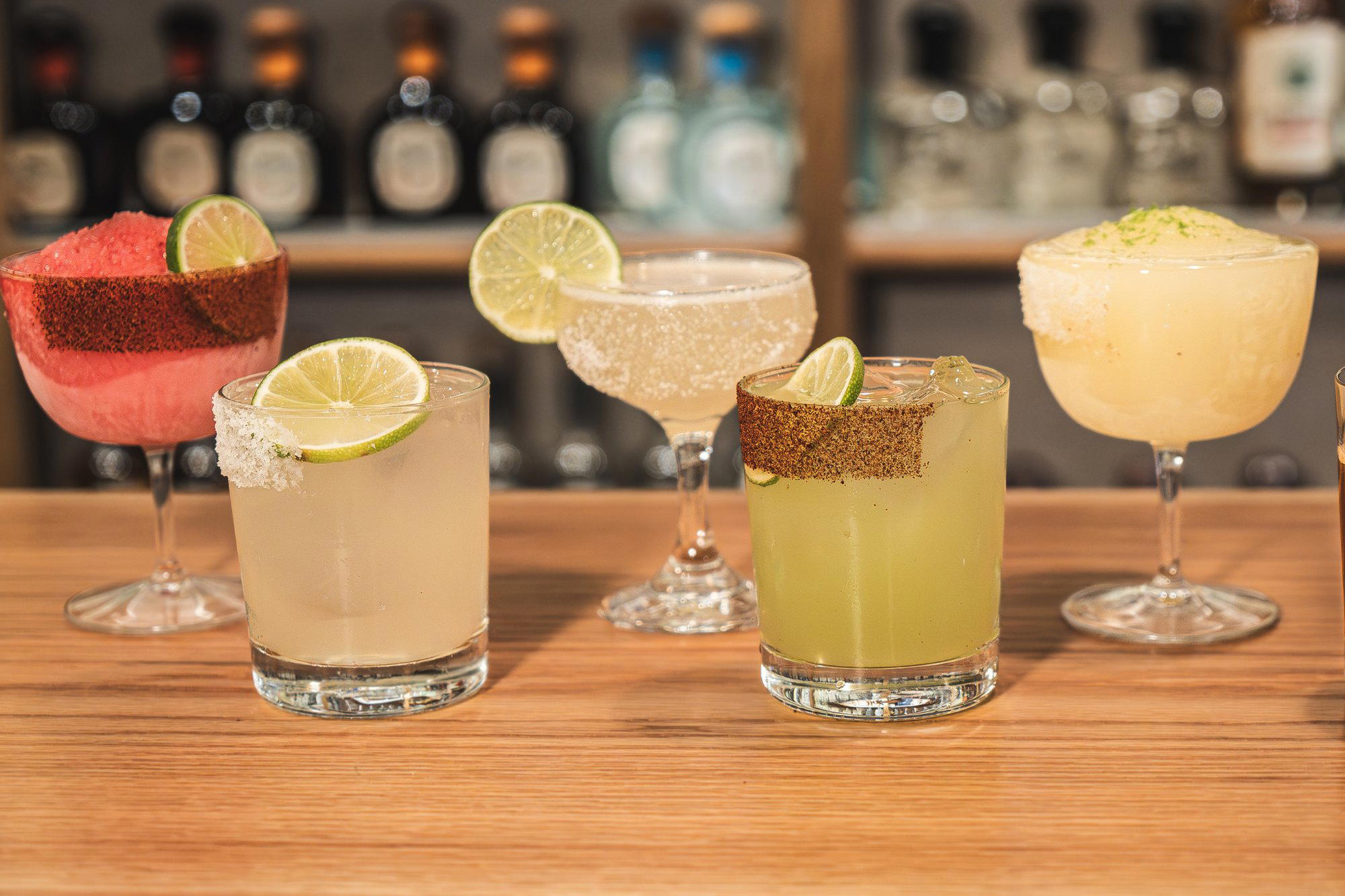
- Guavaba Spritz
- Squash Blossom Gnocchi
- Pesto Fettuccini with Fried Artichoke
- Octopus Gazpacho
- Braised Beef
- Roasted Cauliflower
- Steamed Mussels
Cost and Credentials
Side-by-side context: comparable cuisine and price.
| Venue | Cuisine | Price | Awards | Notes |
|---|---|---|---|---|
| PigeonThis venue — the venue you are viewing | Juarez, Modern European-Mexican Fusion | $$$ | Michelin Plate | Not listed |
| Pink Rambo | Tlaxpana, Eclectic Fusion Small Plates | $$ | Bib Gourmand | Not listed |
| Anatol | Not listed | $$$ | Not listed | Polanco Chapultepec, Modern Fusion with Italian Influences |
| ARDA | Not listed | $$$ | Not listed | Centro Urbano Benito Juarez, Modern Smoke and Fire Grill |
| El Tigre Silencioso | Juarez, Modern Regional Mexican | $$$ | Michelin Plate | Not listed |
| Bajel | Not listed | $$$ | Michelin Plate | Cuauhtemoc, Contemporary Mexican Fine Dining |
Recognition history
Dated appearances from independent guides and award organizations, with the underlying list record or original source where available.
Michelin Plate
Michelin
Michelin Plate
Michelin
Continue exploring
More in Mexico City
Restaurants in Mexico City
Browse all →
Bars in Mexico City
Browse all →


At a Glance
- Elegant
- Sophisticated
- Modern
- Cozy
- Date Night
- Casual Hangout
- Standalone
- Design Destination
- Craft Cocktails
- Local Sourcing
- Street Scene
Current opening hours
- Monday
- Closed
- Tuesday
- 1:30–10:30 PM
- Wednesday
- 1:30–10:30 PM
- Thursday
- 1:30–10:30 PM
- Friday
- 1:30–10:30 PM
- Saturday
- 10:30 AM–10:30 PM
- Sunday
- 10:30 AM–10:30 PM
Hours can change for holidays and private events. Last verified .
Cozy, classed-up bistro with mid-century modern decor, leather booths, and dim lighting; energetic cafe atmosphere with charming corner location.