Petit Bistro
Our verdict
Petit Bistro in St Peter Port, Guernsey serves classical French bistro fare rooted in local produce and old-school technique. Must-try plates include the rich Fish Soup (with rouille, Parmesan and croutons), a caramelized Tarte Tatin, and the house-style Bouillabaisse. Diners praise its intimate two-room layout—Le Petit Café at the front and a cozy dining room to the rear—and an ambitious wine list that complements seafood and rustic desserts. The kitchen’s lineage from founders Mike Perrin and Delfina to chefs Delphine Pesrin-Auder and Mickael Pesrin keeps dishes honest and season-driven. Expect warm service, robust sauces, and the kind of comforting French classics that make evenings linger.

Petit Bistro in St Peter Port opens with a simple promise: careful, traditional French cooking served in a compact, convivial setting. Located at 56 Lower Pollet in central St Peter Port, the restaurant cultivated a reputation for classical French flavors focused on Guernsey seafood and seasonal produce. Entering through the front café, guests cross into a tightly arranged dining room where conversation rises over shared plates and slow-cooked sauces. The kitchen’s early commitment to fish soup, tarte tatin and house bouillabaisse set a tone that remained consistent through the restaurant’s near two-decade run.
The name Petit Bistro appears on many island dining lists as a dependable spot for authentic bistro fare. The story began with chef-owner Mike Perrin and Delfina, who opened the bistro with a straightforward philosophy: respect technique, source locally, and keep the menu familiar yet precise. Later, Mickael Pesrin and Delphine Pesrin-Auder continued that lineage, sharpening flavors while retaining the restaurant’s approachable rhythm. Petit Bistro earned steady local affection rather than formal awards, yet its reputation among residents and seasonal visitors matched more formal acclaim.
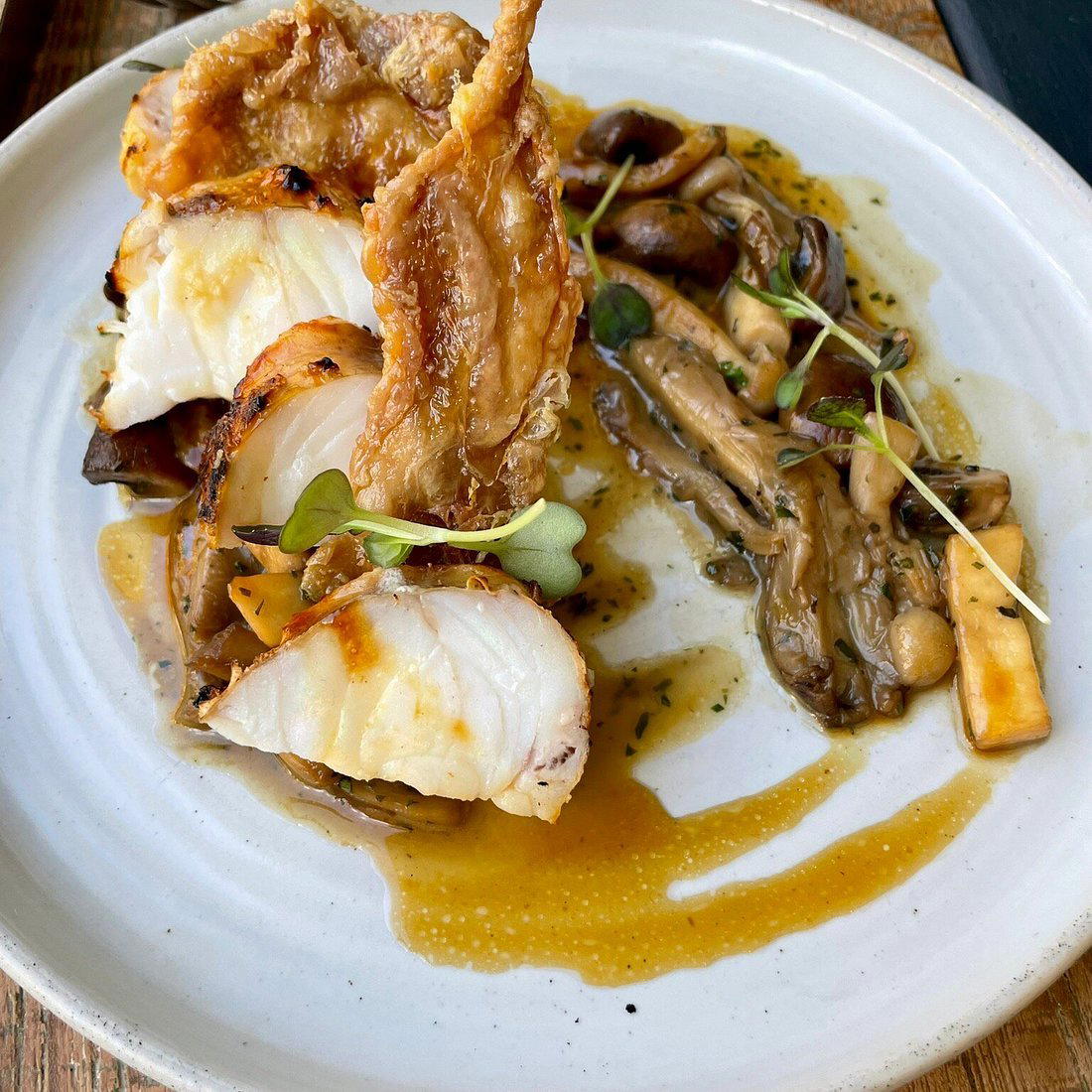
Reviewers regularly noted dishes as “very French traditional” and praised the kitchen for sourcing Guernsey produce. Prices historically rang around £55–£86 per head with wine, reflecting hearty portions and a thoughtful wine list that matched the island’s clientele and tastes. The culinary journey at Petit Bistro centered on classical technique and bold, comforting profiles. Start with the Fish Soup: a clarified, fish-forward broth served with rouille, shaved Parmesan and crisp croutons that add texture to every spoonful.
The Bouillabaisse, adapted into later projects like Octopus, emphasized local white fish, saffron-hinted broth and toasted garlic rouille. Steak Tartare arrived hand-cut, seasoned simply to showcase beef quality, while Escargots were cooked with garlic-parsley butter and a restrained finish. Frog’s Legs received a light pan-sear to keep the meat tender, served with lemon and parsley. For dessert, the Tarte Tatin offered caramelized apples and a flaky pastry landing on a spoon of crème fraîche; melted brie with honey and walnuts appeared as a shareable finish.
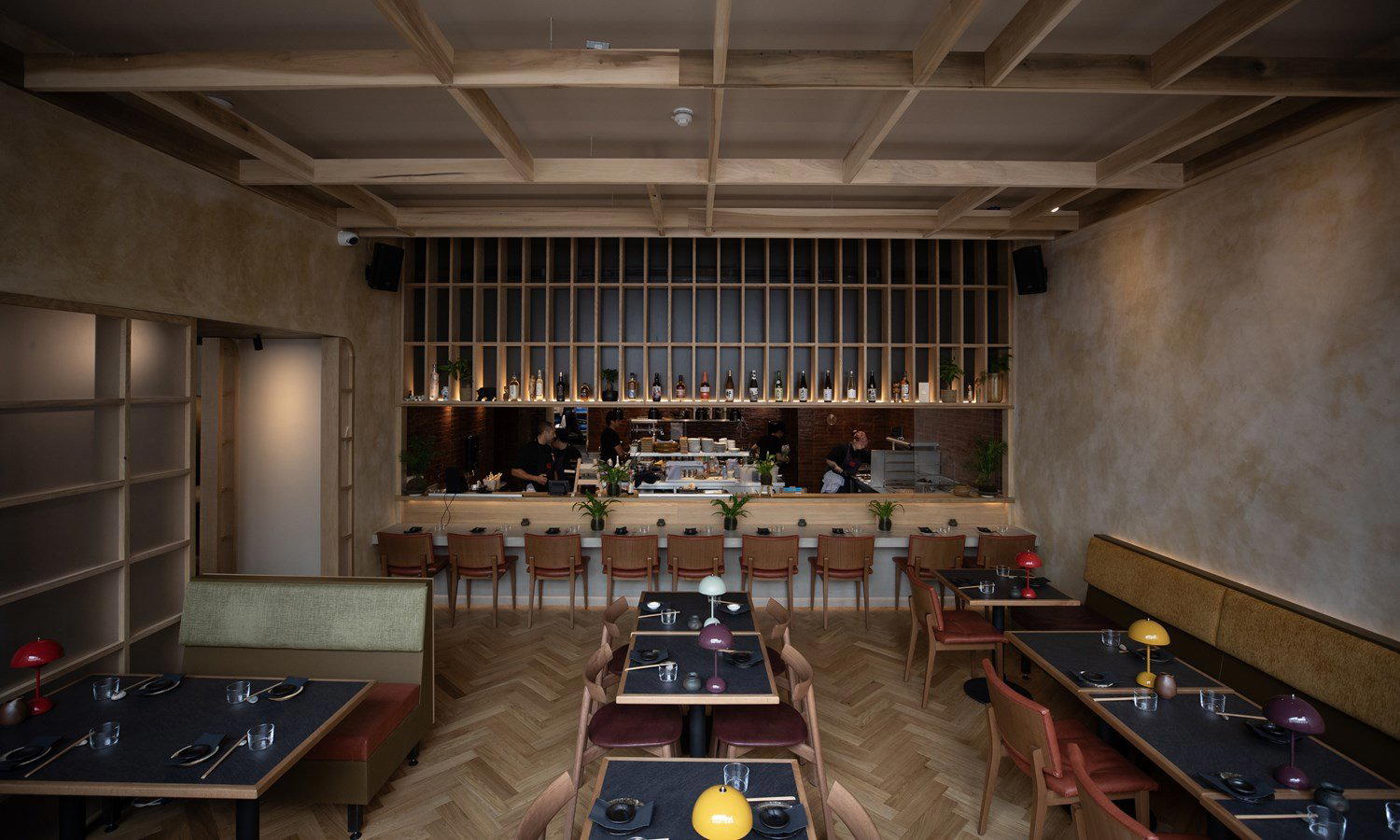
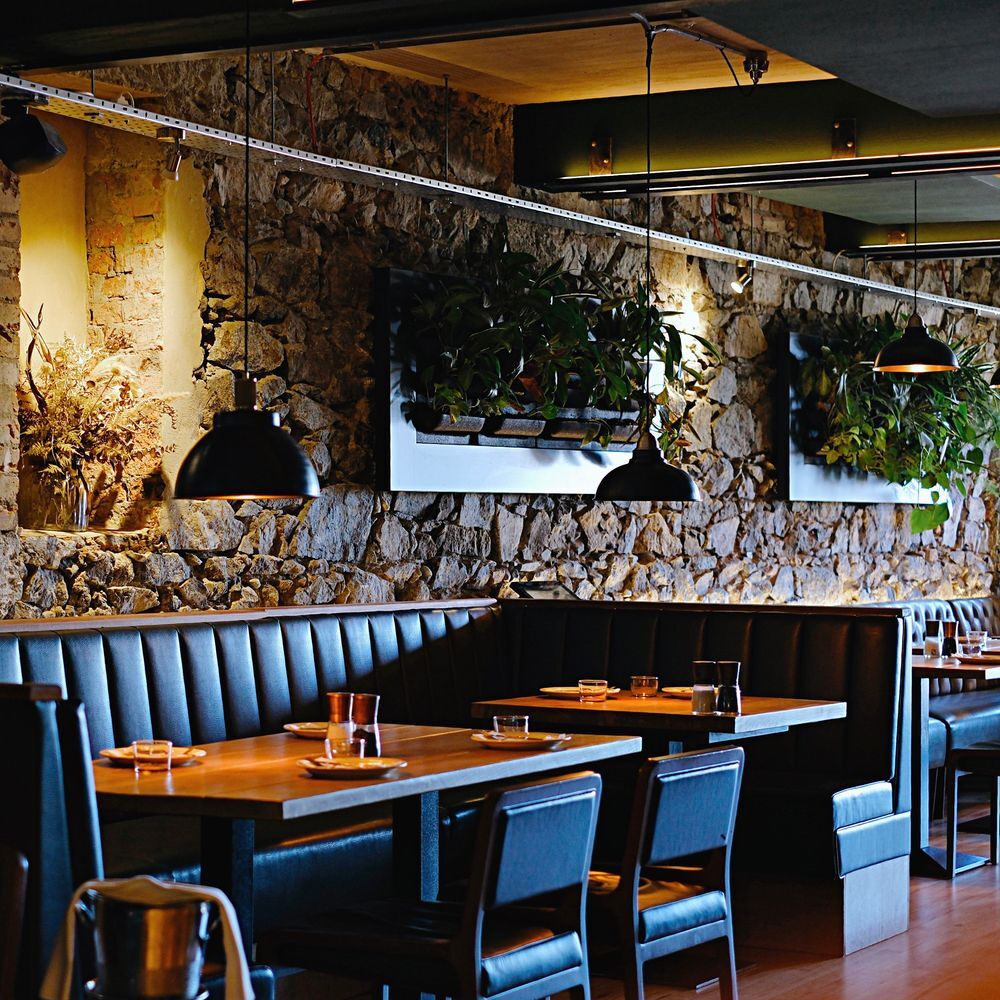
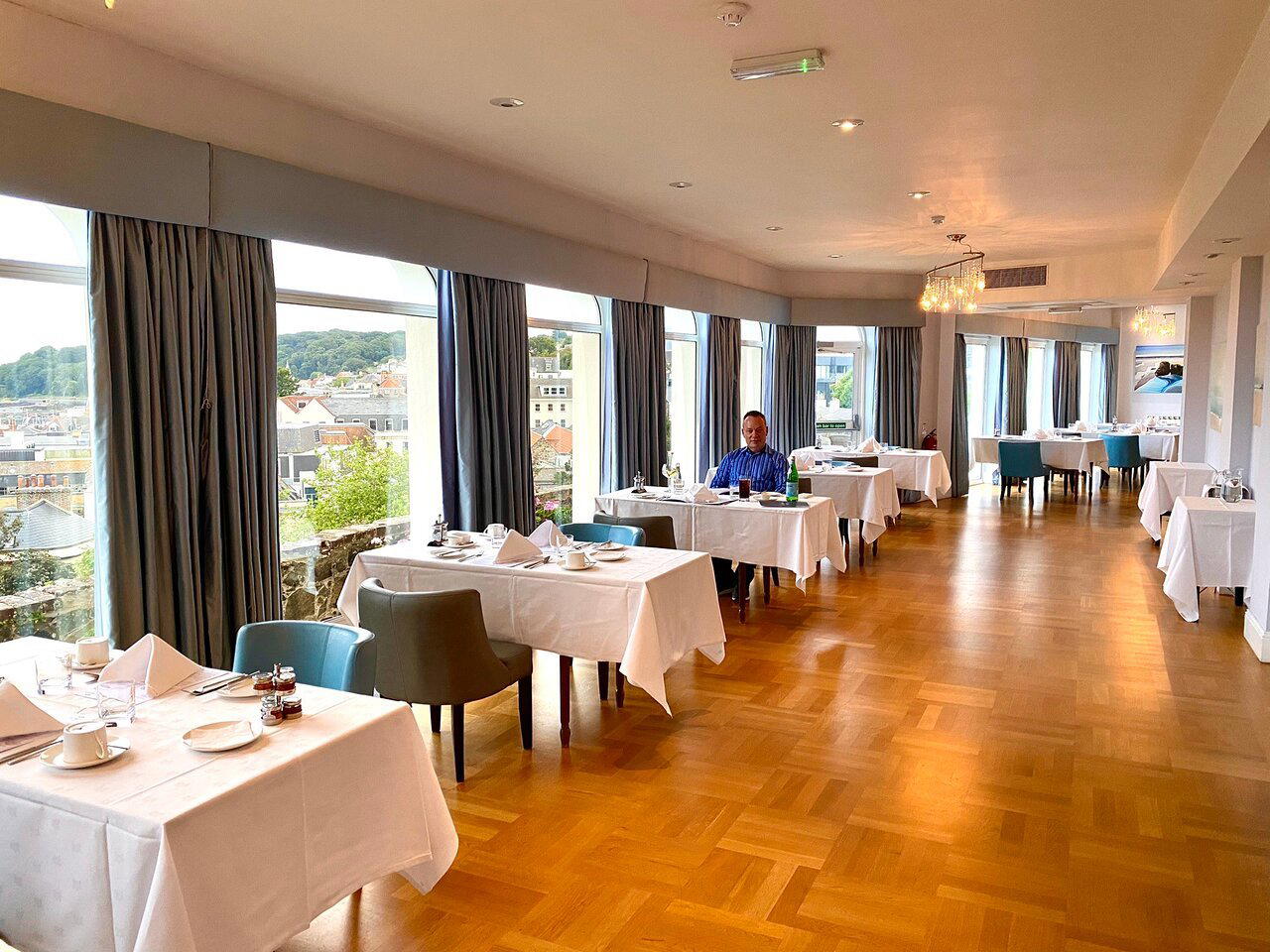
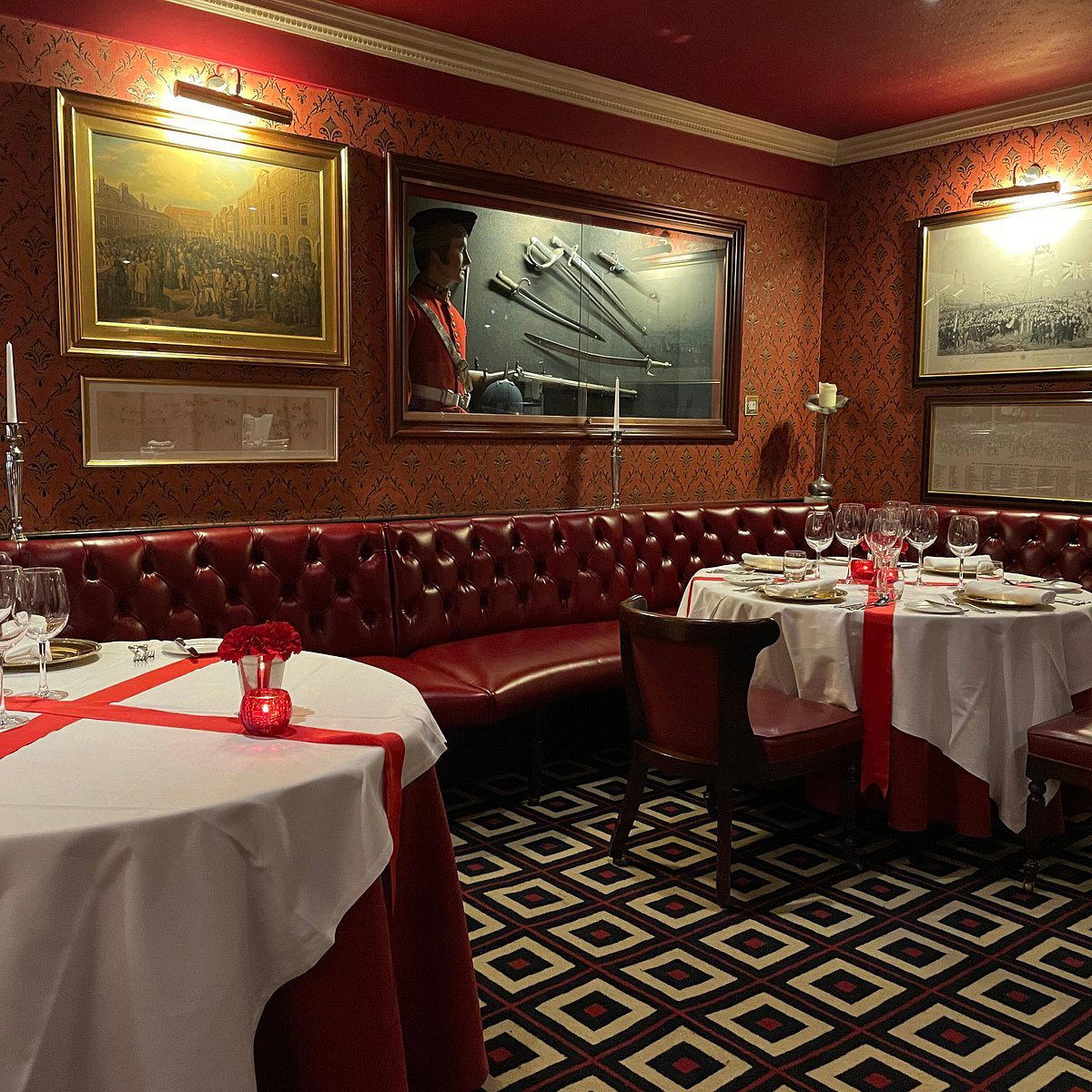
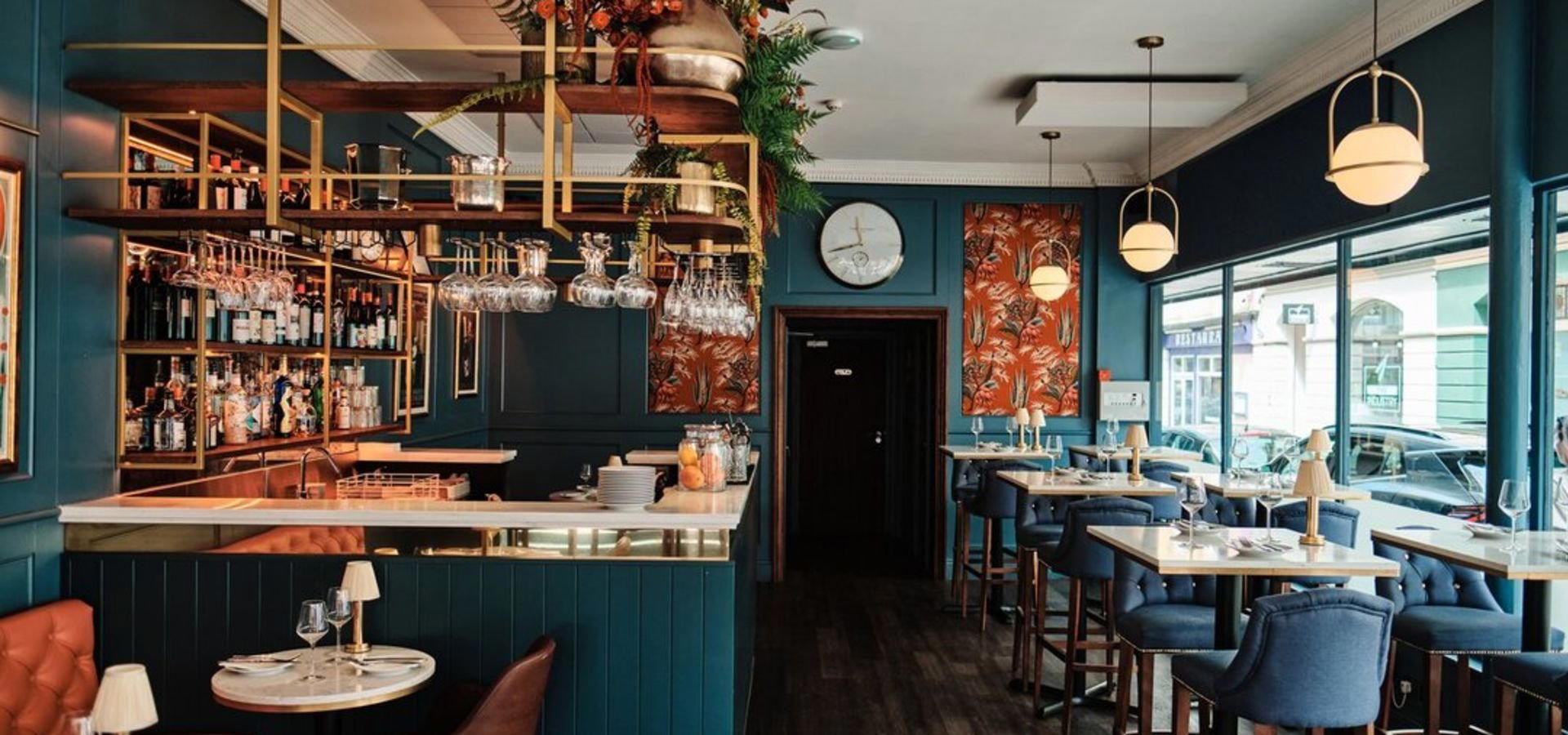
Seasonal changes were common: island shellfish and market fish appeared when at peak, while root vegetables and braises came forward in cooler months. The interior reflected the food’s honest intent. Petit Bistro’s two-room plan combined a casual bar area, Le Petit Café, and a rear dining room with closely set tables that invited conversation. Décor was unpretentious: simple wooden chairs, framed black-and-white photos, and white linen on select tables.
Service moved at a human pace—attentive without formality—so courses arrived warm and wines were poured with clear knowledge of pairings. The kitchen operated to classical standards, producing steady reductions and rich sauces rather than trendy flourishes. A noted feature was the wine program: an ambitious list that balanced French bottles with approachable labels, designed to pair with seafood and rustic mains. For visiting diners, evenings were the defining time to experience Petit Bistro’s offerings, with dinner service best for full-course tasting; weekday lunches tended to be quieter for lighter plates and coffee.
Dress leaned smart-casual: neat attire suited the cozy dining room. Reservations were recommended when the island was busy, as seating was limited and tables favored staying for a full meal. If you ask, “How do I reserve Petit Bistro?” the practical answer was to phone ahead, particularly during summer and holiday weekends when local and visitor demand rose.
While Petit Bistro closed after nearly two decades, its recipes and influence live on in local projects by its former operators. The restaurant’s name remains a marker of classical French comfort in St Peter Port history. For travelers who wish to taste the style today, check local listings or related ventures by the team for menus that echo Petit Bistro’s fish soup, bouillabaisse and tarte tatin. Discover the legacy of Petit Bistro and plan a visit to St Peter Port to sample the island’s enduring take on traditional French bistro cooking.
Comparable Venues Nearby
Comparable venues nearby, for context on price, style, and recognition.
| Venue | Cuisine | Price | Awards | Notes |
|---|---|---|---|---|
| Petit BistroThis venue (the venue you are viewing) | Dining | Not listed | Not listed | Not listed |
| Fukku | Contemporary Japanese Izakaya | Not listed | Michelin Plate | St Peter Port |
| La Fregate | Modern British Seafood | Not listed | The Good Food Guide GFG Good | St Peter Port |
| Pier 17 | Modern British Seafood | $50–100 | Not listed | St Peter Port |
| Alba | Modern Mediterranean Small Plates with Wood-Fired Grill | $50–100 | Michelin Plate | Market Square, St Peter Port |
| Curry Room | Authentic Indian Curry House | $50–100 | Not listed | St Peter Port |
Continue exploring