Perse
Perse brings Persian cooking to Los Angeles with a focus on the traditions that have long defined the cuisine in the city's Iranian-American community. It sits within a dining scene where Persian food ranges from fast-casual sandwich counters to more considered, sit-down formats. For visitors planning ahead, understanding how Perse fits into that spectrum is the starting point.

Pearl is the En Primeur Club membership app — saves, bookings, and concierge access live there. Same editors, same standards.
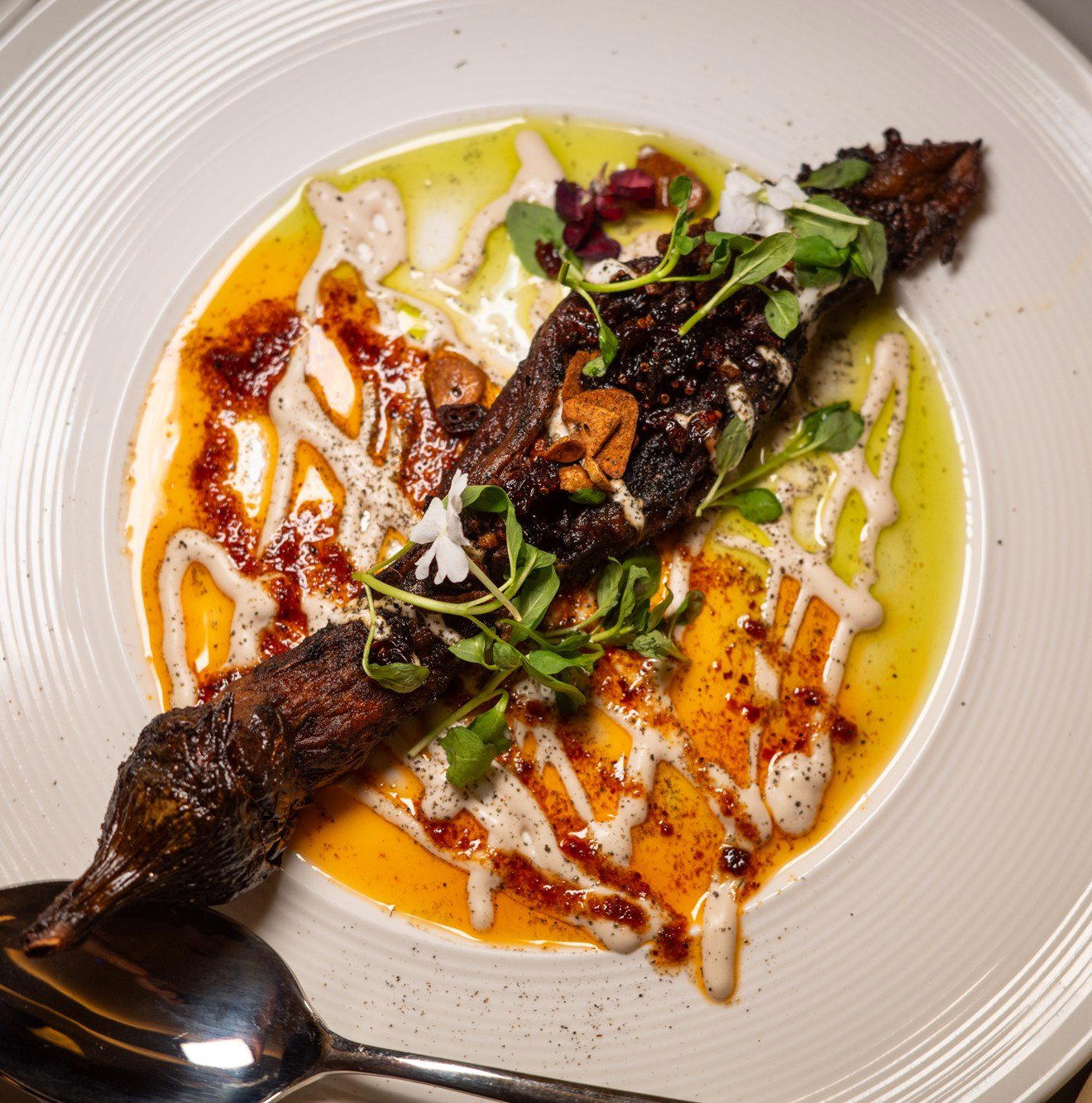
Persian Dining in Los Angeles: Where Perse Fits
Los Angeles has the largest Iranian diaspora population outside Iran, and that demographic reality has produced a Persian dining scene with more depth and range than almost any other city in the Western world. Westwood's so-called "Tehrangeles" corridor has anchored that scene for decades, and the surrounding neighbourhoods have seen Persian restaurants develop across every format and price point. Within that context, Perse enters as part of a newer wave of venues attempting to reframe how Persian food is presented and consumed in the city, less as a community institution, more as a dining destination that can hold its own alongside the broader Los Angeles fine and casual dining conversation.
That conversation, in 2024, involves restaurants like Kato, which has redefined how Taiwanese-rooted cooking can operate at the leading price tier, and Providence, which for years has demonstrated that Los Angeles can sustain a serious, long-form tasting menu format. Persian cooking has rarely been positioned in that bracket locally, which is precisely what makes the space Perse occupies worth examining.
The Room Before the Food
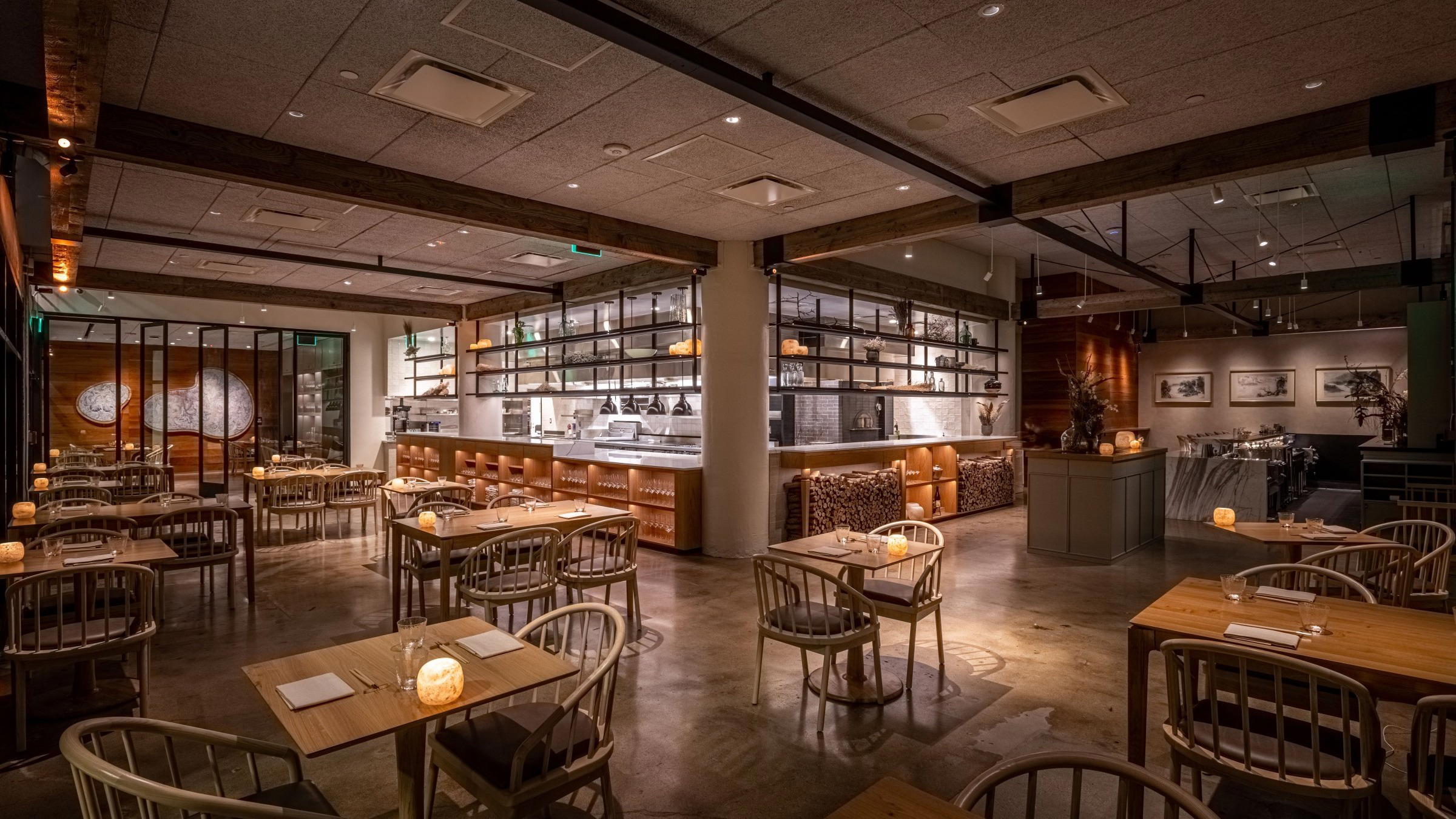
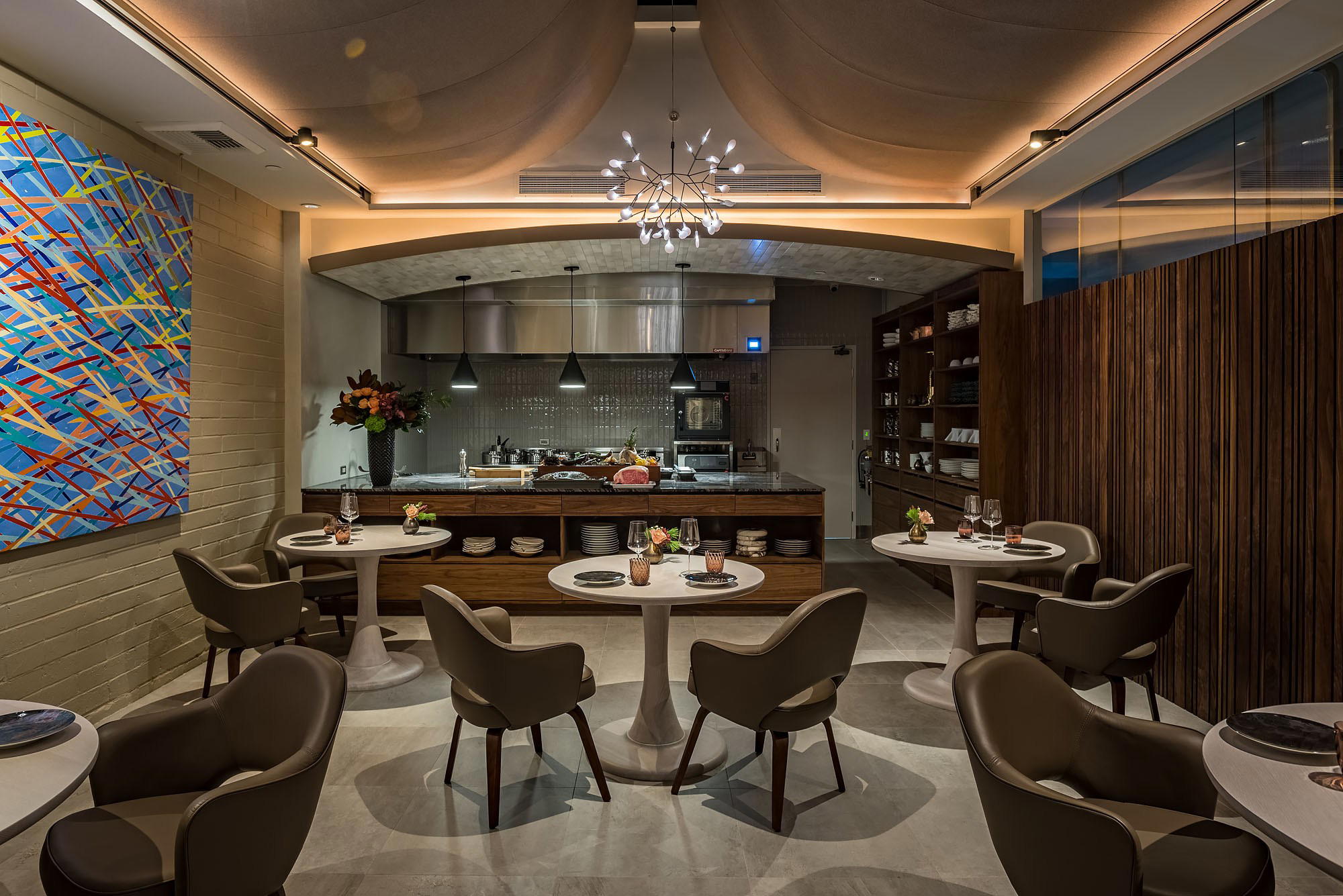
Approaching any serious Persian restaurant in Los Angeles, the physical environment tends to signal its positioning quickly. The community-rooted institutions lean into warmth and familiarity: booths, wall murals, the smell of saffron rice moving through the dining room from the open kitchen. Venues pitching at a slightly higher register pull back from that visual density and let the food carry more of the weight. Where Perse sits on that spectrum shapes the experience before a single dish arrives.
Persian cuisine's sensory grammar is distinctive enough that even restrained presentations carry recognisable markers: the colour of a well-made ghormeh sabzi, the particular char pattern on kebab, the translucency of a properly rendered tahdig crust. These are the signals a returning diner reads before the menu confirms anything. The degree to which a venue honours those signals versus repositions them tells you most of what you need to know about its intentions.
What the Cuisine Demands
Persian cooking is more technically demanding than its casual price points in most Western cities would suggest. The stews, ghormeh sabzi, fesenjān, ghalieh mahi, require long cooking times and layered spicing that does not abbreviate well. Rice cookery is a discipline unto itself: the formation of tahdig, the crust that forms at the bottom of the pot, separates competent Persian kitchens from genuinely skilled ones. Herb usage is heavy and specific, with fenugreek, dried limes, and barberries appearing in combinations that have no real equivalent in European culinary traditions.
This is the tradition that serious Persian restaurants in Los Angeles are working within. Venues like Shamshiri have built long-standing reputations on precisely this kind of technical fidelity to the stew and rice canon, while newer entrants like Azizam have explored what a more contemporary register for the same ingredient vocabulary looks like. Attari Sandwich Shop operates at the fast-casual end, demonstrating how Iranian street food formats translate into an everyday dining option for the community.
Internationally, Persian cooking has attracted serious attention from venues operating at considerably higher price points. In Dubai, Ariana's Persian Kitchen and Berenjak represent how the cuisine performs in a luxury hospitality context, drawing on both authenticity signals and premium presentation. The Los Angeles market, given its community depth, has more raw material to work with than any of those international outposts, the question is whether it produces venues that translate that material into a broader dining conversation.
Planning Your Visit: What to Know Before You Go
The booking experience for Persian restaurants in Los Angeles varies considerably by format. The community institutions generally accept walk-ins or take reservations informally; the more considered dining formats increasingly operate on advance booking systems that require planning. For a city accustomed to the months-long reservation windows that apply to venues like The French Laundry in Napa, or the ticketed formats used by Alinea in Chicago and Lazy Bear in San Francisco, the Persian dining segment in Los Angeles has traditionally been more accessible.
Timing within a Persian dining experience also matters. Rice dishes, particularly those involving tahdig, are often time-sensitive; the crust does not hold well once plated. Diners who arrive without a sense of the kitchen's rhythm can miss the window on what is often especially technically accomplished element among the meal. This is the kind of operational knowledge that repeat visitors accumulate and first-timers sometimes arrive without. Booking at the start of a service window, rather than late in a sitting, generally improves the odds of receiving dishes at their intended state.
Los Angeles dining broadly rewards flexibility on day of week. The city's restaurant culture is not as sharply weekend-skewed as some comparable markets, and mid-week reservations at serious venues often come with more attentive service pacing.
For reference points outside Los Angeles, Persian cooking has also appeared in higher-price dining rooms. The discipline and sourcing rigour that define restaurants at the level of Le Bernardin in New York or Single Thread Farm in Healdsburg, where the kitchen's relationship to a specific culinary tradition is treated as a serious intellectual project, represent a benchmark that Persian cuisine in Los Angeles is positioned to meet, given its ingredient depth and community expertise. Emeril's in New Orleans offers a different parallel: a restaurant that built lasting recognition around a regional culinary tradition treated with full seriousness. That is the trajectory available to the leading Persian venues in Los Angeles.
Standing Among Peers
Comparable venues nearby, for context on price, style, and recognition.
| Venue | Cuisine | Price | Notes |
|---|---|---|---|
| PerseThis venue — the venue you are viewing | Polished Persian-Mediterranean | $$$$ | Not listed |
| Mh Zh | Vegetable-based Israeli/Mediterranean | $$$$ | Silver Lake |
| Bazaar Meat | Spanish-Influenced Steakhouse with Avant-Garde Culinary Artistry | $$$$ | Downtown Los Angeles |
| Sushi Yotsuya | Traditional Japanese Omakase | $$$$ | Tarzana |
| Tensho | Japanese Shabu-Shabu | $$$$ | Little Tokyo |
| Noma | Nordic Experimental with California Seasonal Ingredients | $$$$ | Silver Lake |
Continue exploring
More in Los Angeles
Restaurants in Los Angeles
Browse all →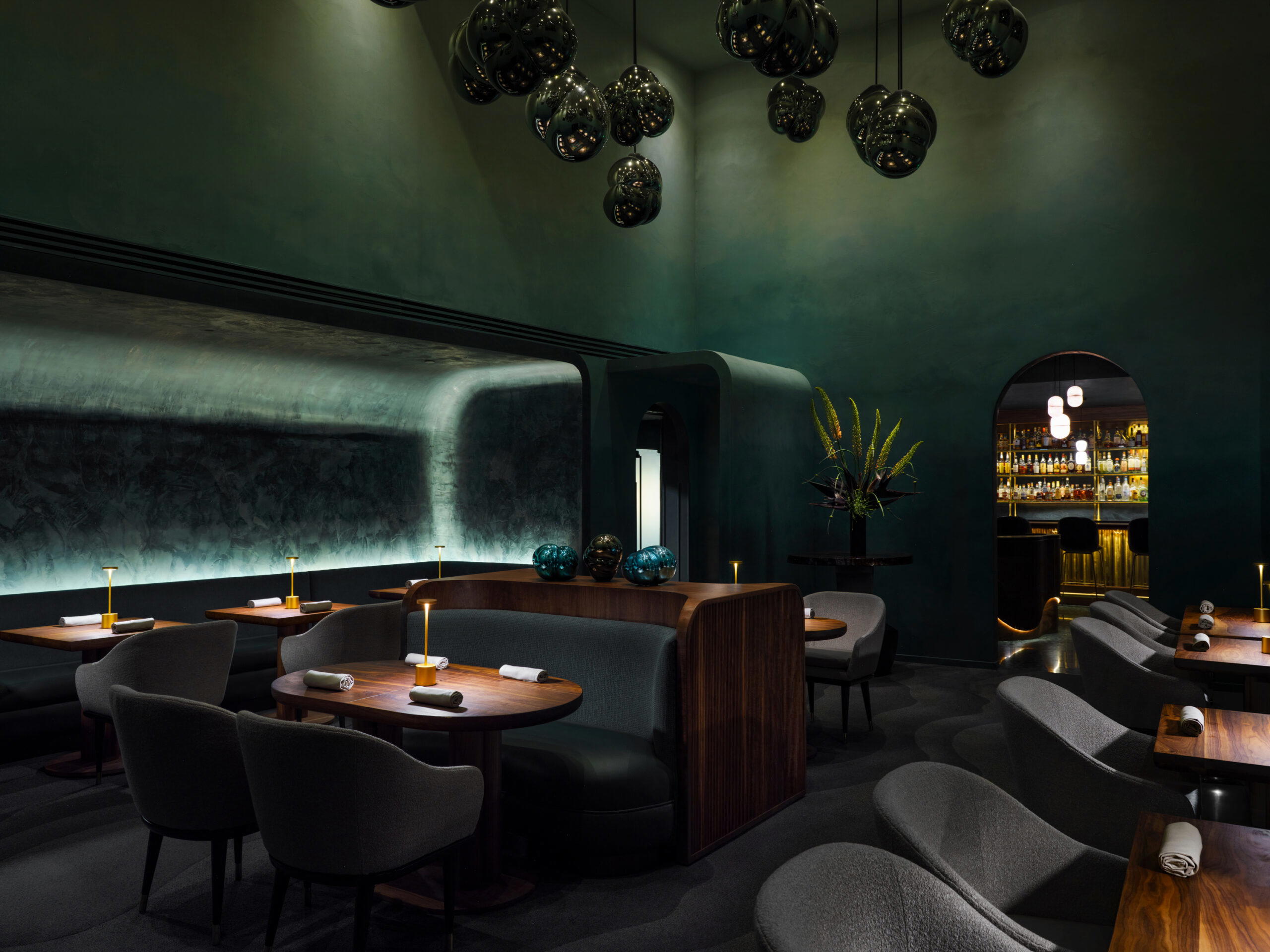
Bars in Los Angeles
Browse all →

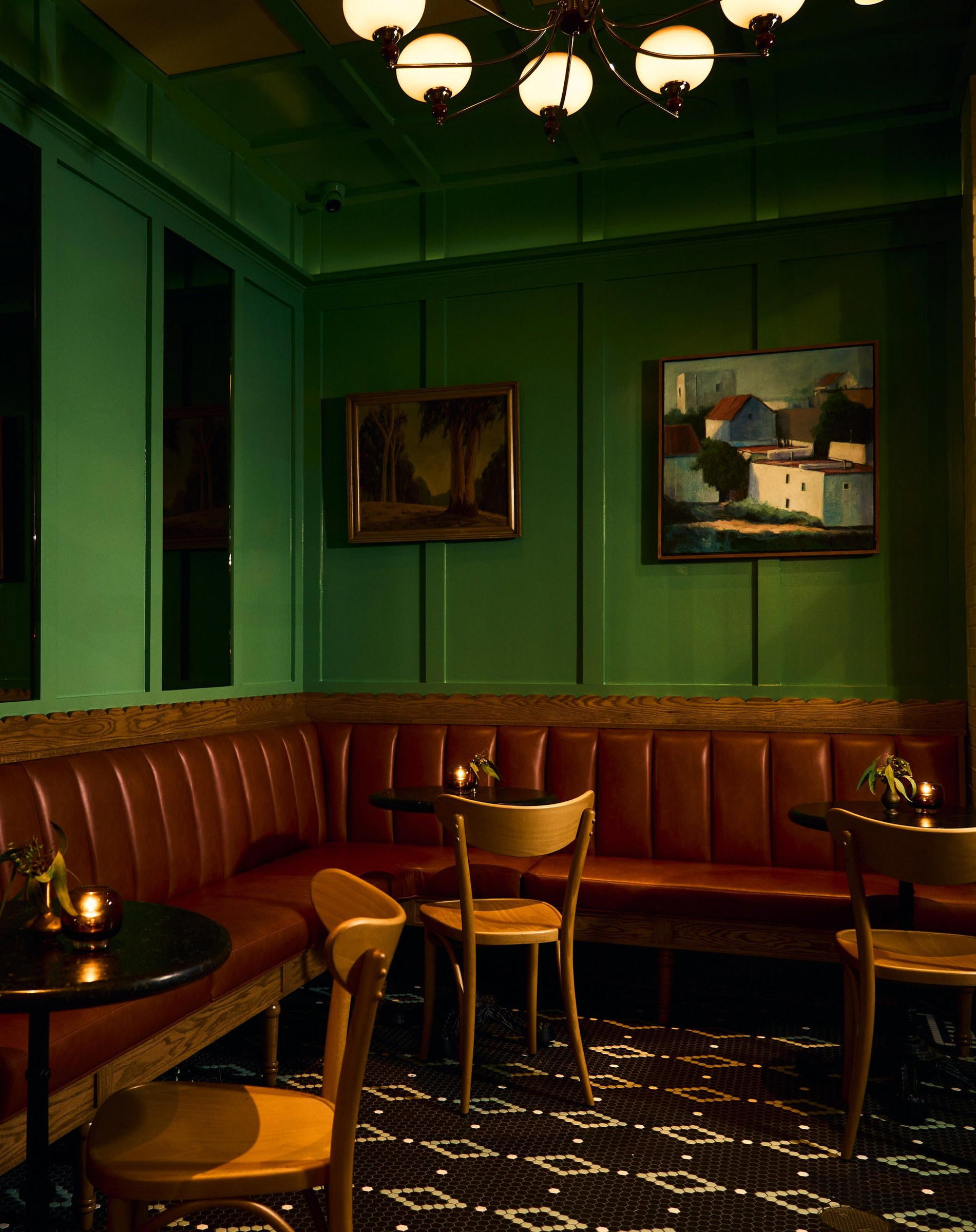
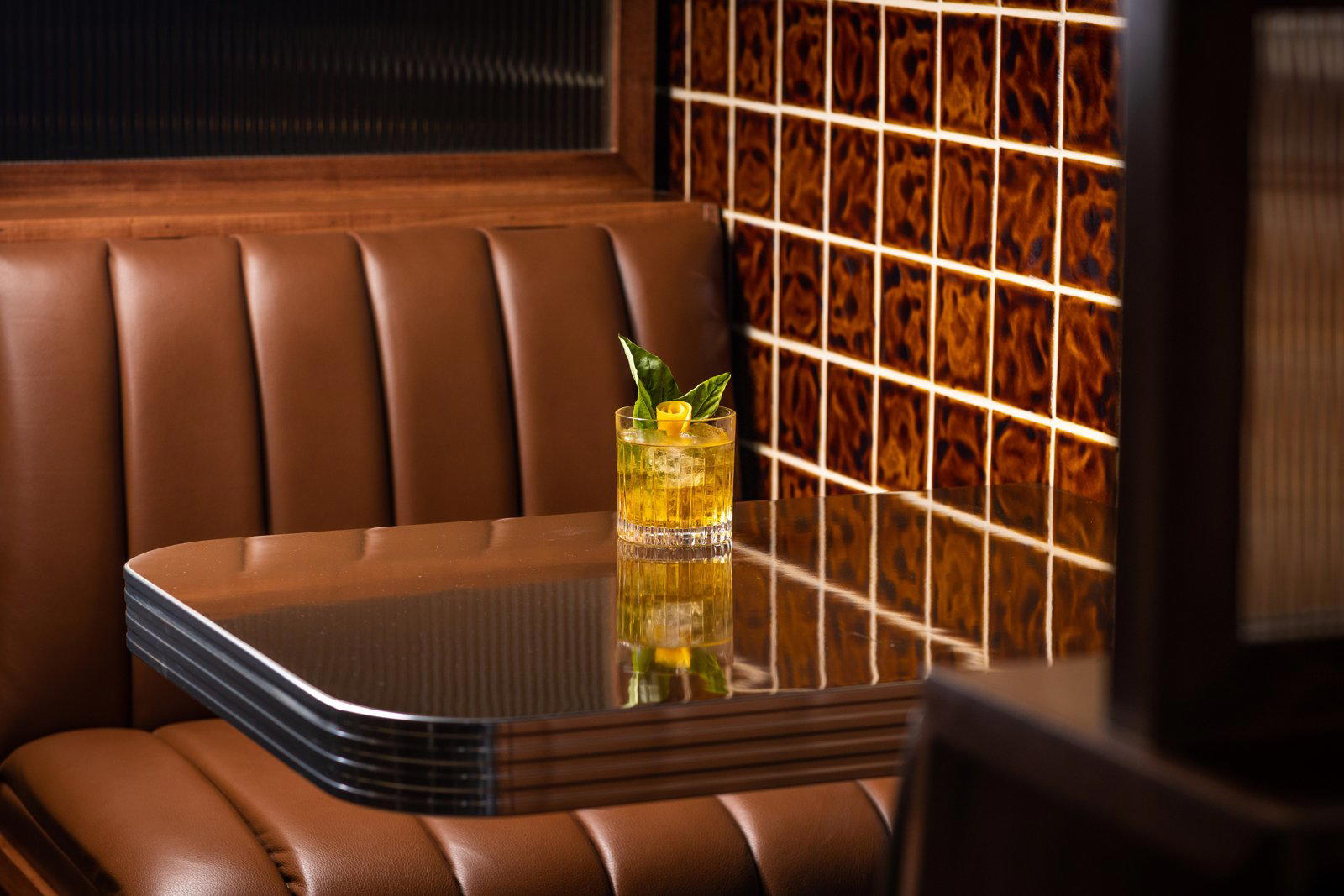
Hotels in Los Angeles
Browse all →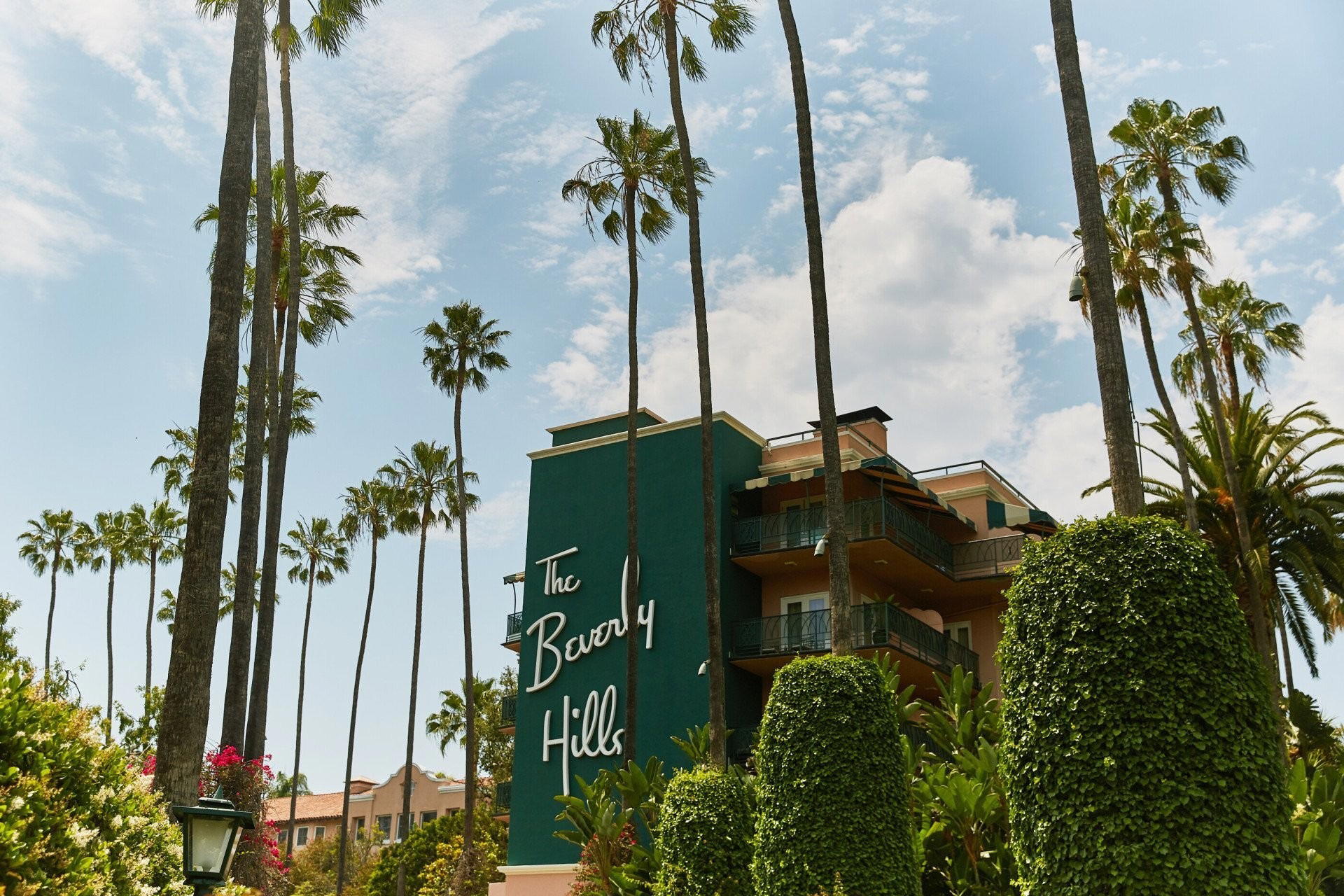
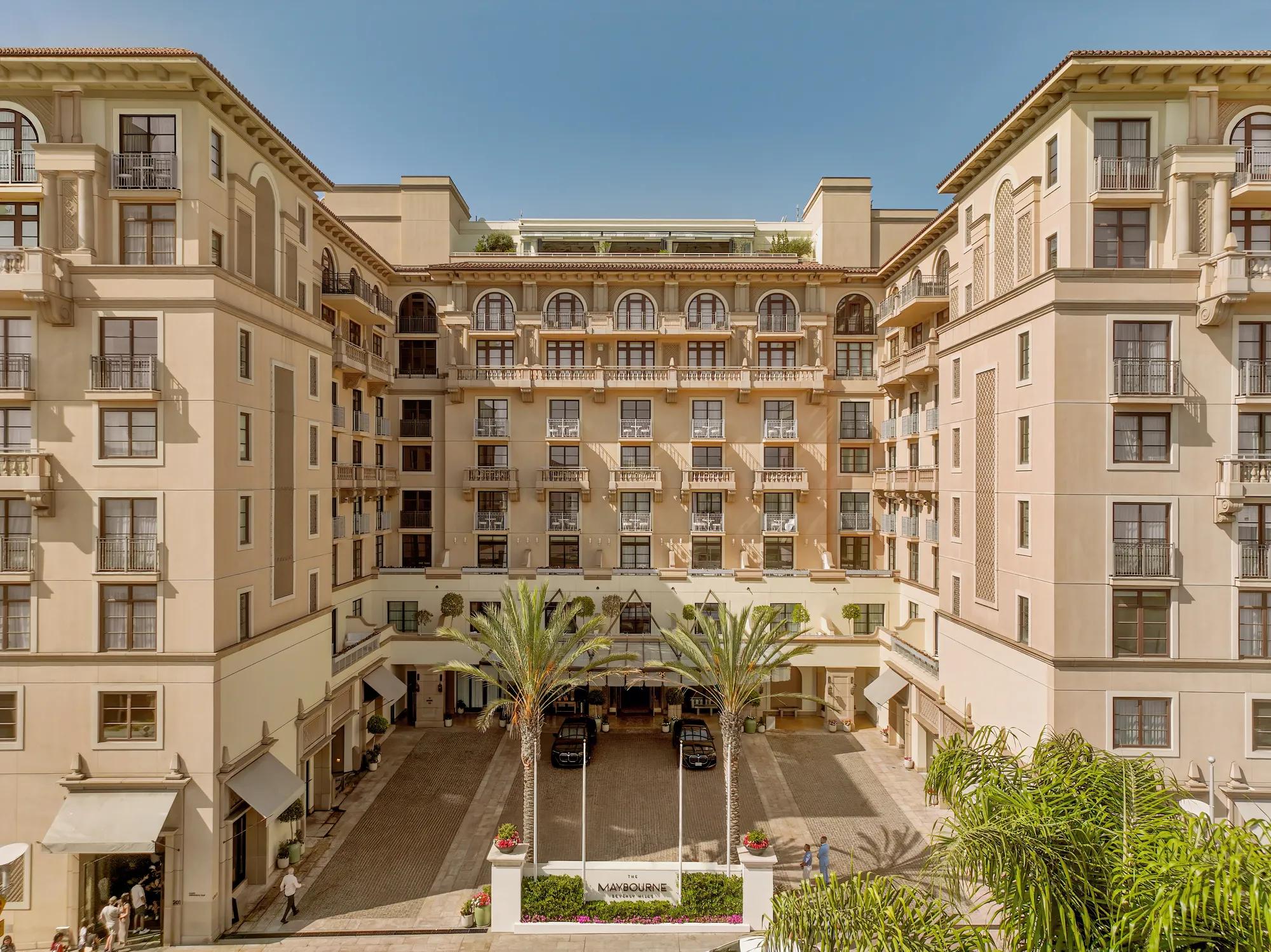
Wineries in Los Angeles
Browse all →
At a Glance
- Elegant
- Sophisticated
- Modern
- Intimate
- Date Night
- Special Occasion
- Open Kitchen
- Craft Cocktails
Elegant and warm atmosphere reminiscent of a five-star hotel, with white tablecloths, glass wine cellar, and bookshelves, combining cultural symbols like cypress trees and pomegranates.