Peacefood Café
Peacefood Café occupies a quiet address on Rue du Bayle in central Montpellier, operating within a city whose plant-forward dining options have expanded considerably as Languedoc's food scene diversifies beyond its gastronomic flagships. The café sits at the accessible end of the market, offering an alternative register to the tasting-menu format that defines much of Montpellier's critical attention.
Pearl is the En Primeur Club membership app — saves, bookings, and concierge access live there. Same editors, same standards.
- Address
- 20 Rue du Bayle, 34000 Montpellier, France
- Phone
- +33767599044
- Website
- peacefoodcafe.fr
- Directions
- Get directions
 Saves & bookings on Pearl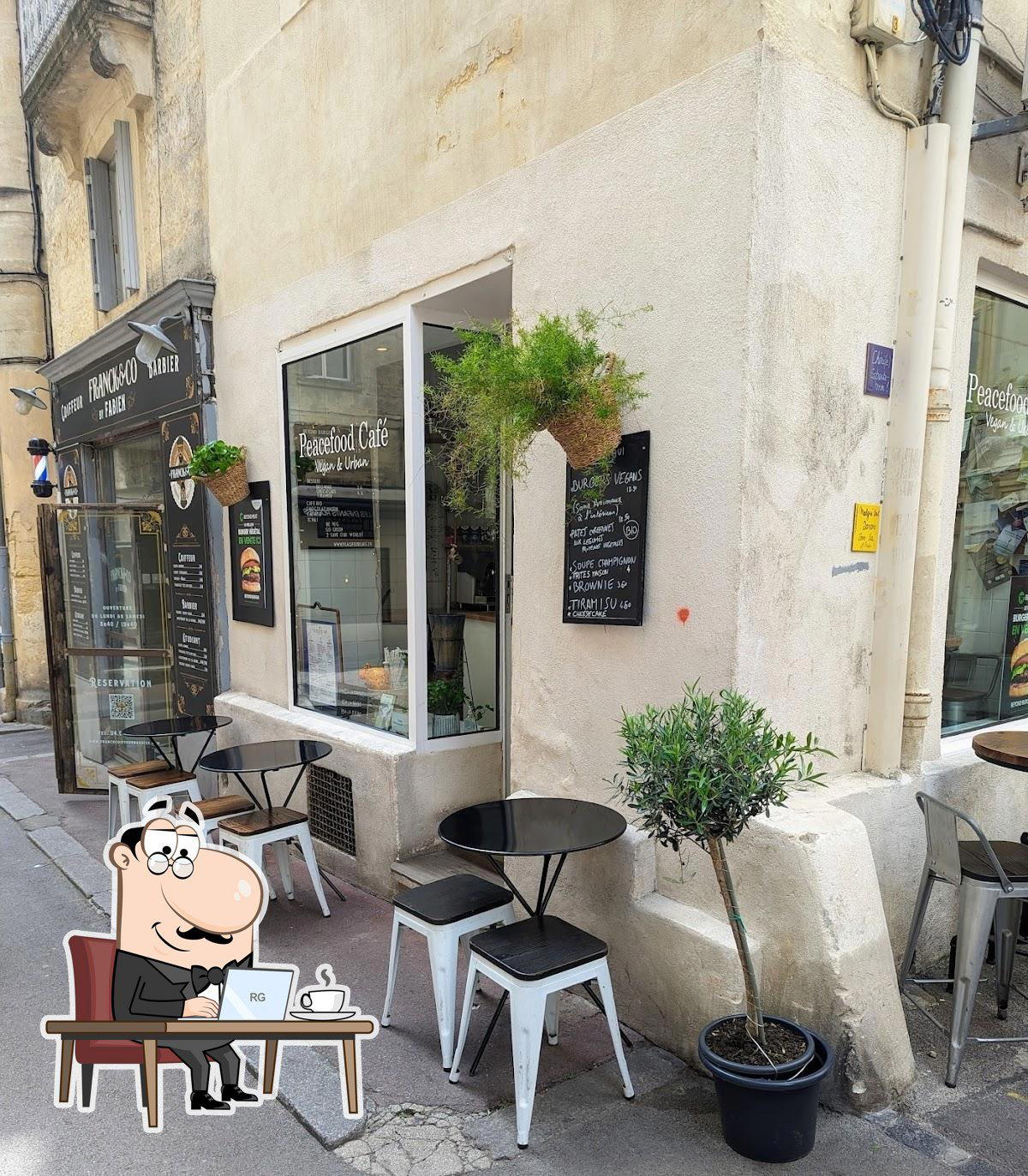
Plant-Forward Dining in a City Built on Gastronomic Ambition
Montpellier's restaurant scene is easier to read from the leading down than the middle out. The city's most-discussed addresses, among them Jardin des Sens and La Réserve Rimbaud, occupy the formal, multi-course tier where Languedoc's Mediterranean larder gets translated into composed tasting menus. Below that, a looser category of restaurants handles daily eating without the ceremony: bistros, wine bars, and a growing number of plant-led cafés that reflect shifts in how younger residents and visiting professionals choose to eat. Peacefood Café at 20 Rue du Bayle sits in this second register, offering a format that reads more like an extension of the city's neighbourhood café culture than a bid for critical recognition.
That positioning matters. In a city where Leclère and Reflet d'Obione compete at the €€€ and above tier, and where Pastis Restaurant handles modern cuisine with studied precision, the plant-forward café operates in a different economy of attention. It is not competing with those addresses on technique or tasting-menu architecture. It is addressing a different question: what does an accessible, produce-led meal look like in a southern French city with serious agricultural hinterland and a student population that has grown up thinking about how food is sourced?
The Address and What It Signals
Rue du Bayle runs through a central section of Montpellier within walking distance of the city's historic core. Streets like this, close enough to the major squares to attract foot traffic but removed from particularly tourist-heavy circuits, tend to house the kind of eating that serves a regular local clientele rather than destination diners. That context shapes expectations before you arrive: this is not a venue whose physical environment will be the story. The story is what the format represents within a broader shift in how French cities are accommodating eating habits that diverge from the traditional bistro model.
France's relationship with plant-forward dining has been slow to formalise compared to London or Copenhagen, but Montpellier's proximity to fresh Mediterranean produce, its large university population, and its relatively progressive food culture have made it more receptive than many provincial cities. A café operating under a plant-led concept in this location is drawing on real local demand rather than importing a trend with no roots.
Reading the Meal as a Sequence
The editorial angle that applies to plant-forward café formats is not the same as the one that applies to tasting-menu restaurants. Where addresses like Mirazur in Menton or Flocons de Sel in Megève build a meal as a deliberate progression, each course calibrated against the last, textures and temperatures sequenced with intent, the café register works differently. Progression here is less about a kitchen's narrative arc and more about how a diner assembles a meal from available components: a starter that might be a salad or a soup, a main built around legumes, grains, or roasted vegetables, and something sweet to close.
That informality is not a lesser form of dining. In the broader French context, it represents a meaningful departure from a tradition that has historically treated vegetables as accompaniment rather than subject. The counter-argument, that French haute cuisine has always known how to handle produce, as Bras in Laguiole has demonstrated for decades with its gargouillou, is valid, but it applies to a different price point and a different set of expectations. At the café level, offering a structured, plant-led menu without meat or fish still requires decisions about sourcing, seasoning, and balance that most cafés in France do not make explicitly.
What can be said is that plant-forward cafés operating in southern France at an accessible price point tend to draw on regional staples: pulses from the Languedoc interior, seasonal vegetables from nearby market gardens, olive oil rather than butter as the dominant fat, and herb profiles that reflect the garrigue rather than the northern French kitchen.
Where It Sits Relative to Montpellier's Dining Map
Montpellier's dining options span a considerable range. At the formal end, the city's most ambitious kitchens connect to a national conversation about French cuisine that includes addresses such as Alléno Paris au Pavillon Ledoyen, Troisgros, and Paul Bocuse as reference points for the tradition they are either continuing or reacting against. At the neighbourhood level, addresses like Soulenq and L'Arbre handle traditional and modern cuisine at accessible price points for a regular local clientele. Peacefood Café occupies a distinct niche within this second tier: a plant-led format that makes explicit choices about what it will and will not serve, which is itself a form of editorial positioning within the city's food culture.
For readers also tracking the southern French dining scene, AM par Alexandre Mazzia in Marseille represents what happens when Mediterranean produce meets a high-technical kitchen. The comparison is useful not because Peacefood Café aspires to that format, but because it illustrates the range across which southern French cooking operates. The café and the three-Michelin-star counter are addressing entirely different questions about what eating in this region can mean.
Planning a Visit
The restaurant is located at 20 Rue du Bayle, 34000 Montpellier. The address is accessible on foot from the city centre and from the tram network. As a café-format venue rather than a fine-dining restaurant, the booking dynamic is likely to be walk-in led, though this should be confirmed directly with the venue, Hours, pricing, and any reservation requirements should be checked before visiting. Given the format, the experience is better suited to a casual lunch or a low-key dinner than to a special-occasion meal requiring advance logistical planning.
Accolades, Compared
Comparable venues nearby, for context on price, style, and recognition.
| Venue | Cuisine | Price | Notes |
|---|---|---|---|
| Peacefood CaféThis venue — the venue you are viewing | Vegan Burgers & Asian Bowls | $$ | Not listed |
| Binôm restaurant | Seasonal Mediterranean Vegetarian | $$ | Préfecture |
| La Bistrote | French Bistro | $$ | Préfecture |
| Thym et Romarin | Vegetable-Centric French Bistro | $$ | Saint-Roch |
| La Table Des Poètes | Modern French Mediterranean | $$$ | Gambetta |
| BBQ &GRILL MOBILE | American BBQ & Grill | $$ | Les Gémeaux |
Continue exploring
More in Montpellier
Restaurants in Montpellier
Browse all →
Bars in Montpellier
Browse all →
Hotels in Montpellier
Browse all →

At a Glance
- Cozy
- Intimate
- Casual Hangout
- Standalone
- Organic
Current opening hours
- Monday
- Closed
- Tuesday
- 12–2:30 PM, 7–9:30 PM
- Wednesday
- 12–2:30 PM, 7–9:30 PM
- Thursday
- 12–2:30 PM, 7–9:30 PM
- Friday
- 12–2:30 PM, 7–9:30 PM
- Saturday
- 12–2:30 PM, 7–9:30 PM
- Sunday
- Closed
Hours can change for holidays and private events. Last verified .
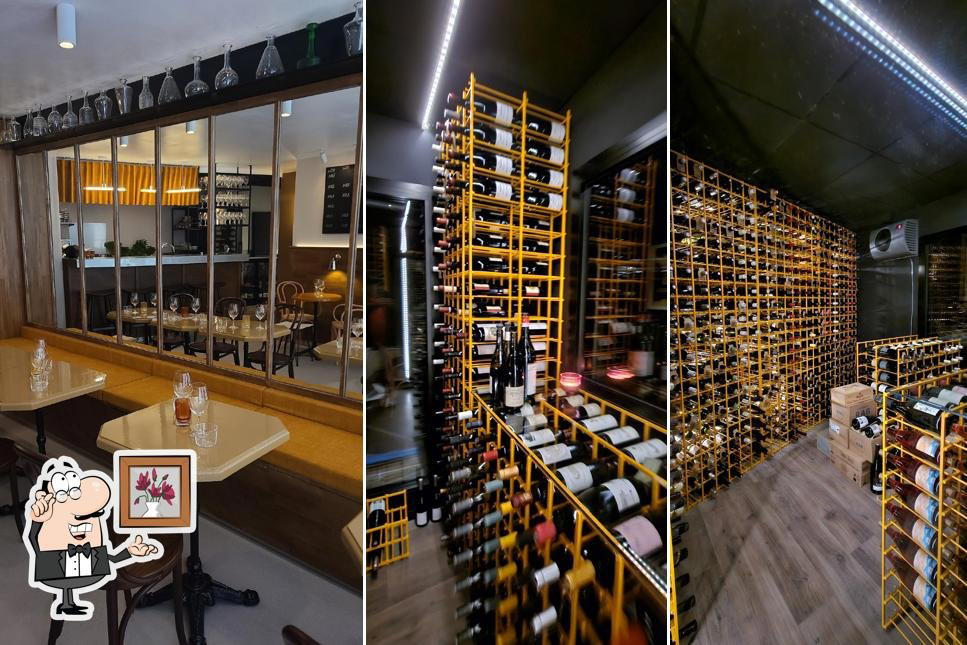
Cozy and intimist with only 6 indoor seats, tucked away spot with welcoming atmosphere.