Padaek
Arlington's Laotian dining scene has a clear reference point in Padaek, a restaurant that brings one of Southeast Asia's least-exported cuisines to Northern Virginia's increasingly cosmopolitan table. The cooking draws on Lao tradition — fermented fish paste, sticky rice, herb-forward broths — and positions itself at a remove from the Thai and Vietnamese registers that dominate the corridor. For anyone tracking serious Southeast Asian cooking in the DC metro area, Padaek is the address to know.
Pearl is the En Primeur Club membership app — saves, bookings, and concierge access live there. Same editors, same standards.
- Address
- Arlington, United States
- Directions
- Get directions
 Saves & bookings on Pearl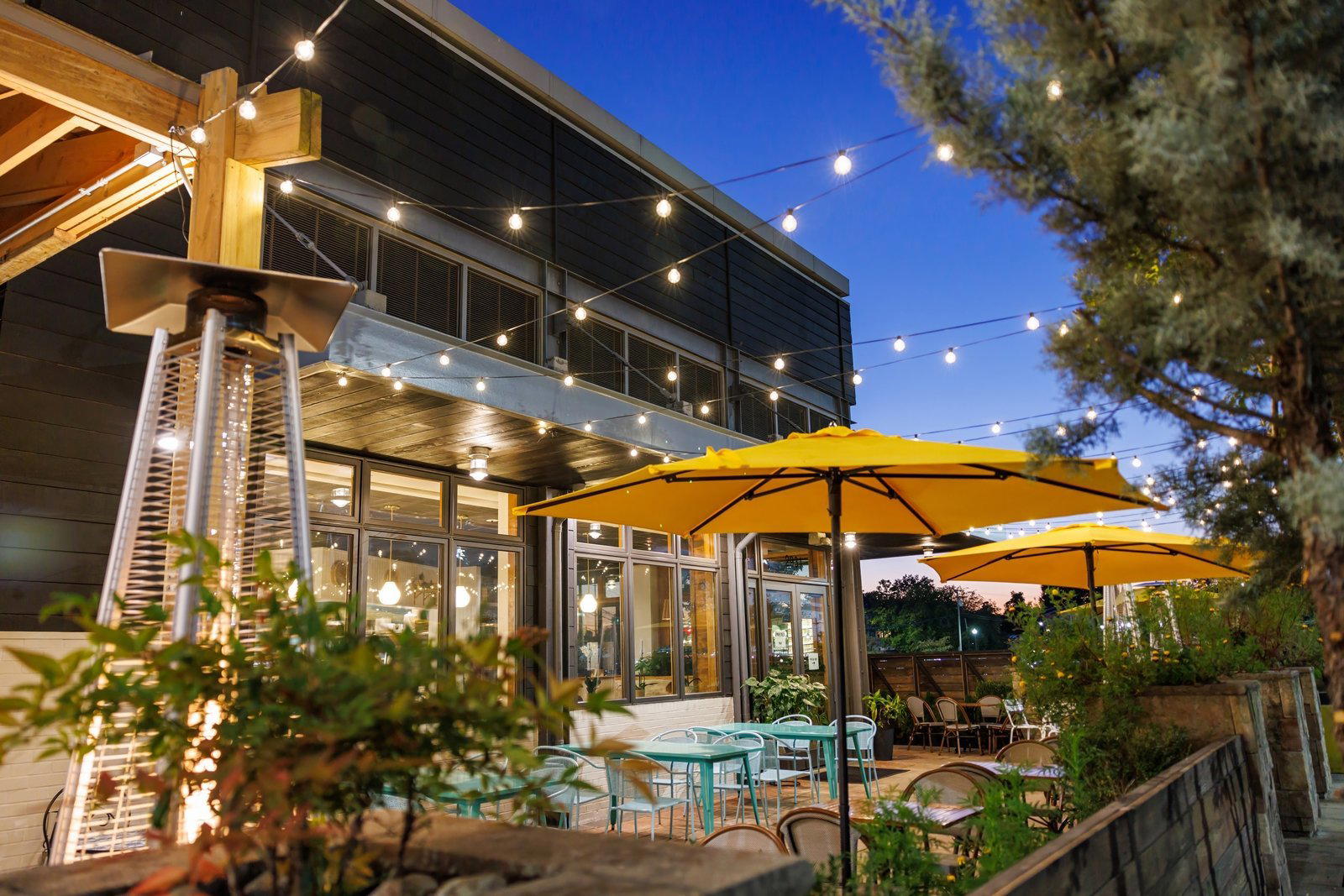
Laotian Cooking in Northern Virginia: The Case for Padaek
Walk into any serious Southeast Asian food corridor in the American mid-Atlantic and the dominant registers are Thai and Vietnamese. Pho broths, green curries, bánh mì — these have become fixtures of Northern Virginia's dining vocabulary, with spots like Bangkok 54 Restaurant and the Vietnamese-facing strip along Wilson Boulevard establishing the area's baseline fluency. Laotian cooking, by contrast, has remained on the margins of that conversation — not because the cuisine is simple, but because it has been slow to find platforms outside its home diaspora communities. Padaek in Arlington represents one of the more deliberate attempts in the DC metro to correct that imbalance.
The name itself signals intent. Padaek is the fermented fish paste that functions as a foundational condiment in Lao cooking, pungent, complex, indispensable, in much the same way that fish sauce anchors Vietnamese cuisine or shrimp paste defines certain Malaysian preparations. Naming a restaurant after an ingredient that non-Lao diners may find confronting is not a marketing calculation. It is an editorial one: this kitchen is not softening the cuisine for export.
What Lao Cuisine Actually Is, and Why It Travels Differently
Lao cooking sits within the broader family of mainland Southeast Asian traditions but occupies a specific register within it. Where Thai cuisine has developed a global footprint through its balance of sweet, sour, salty, and spicy, a format that translates well across markets, Lao food operates with more austere, fermented, and bitter notes. Sticky rice (khao niao) is the starch of daily life, eaten with the hands and used to scoop grilled meats, larb, and papaya salads seasoned to a fiercer heat than their Thai cousins. Herb bundles arrive as a structural part of the meal, not a garnish. The cuisine rewards diners who approach it on its own terms rather than reading it through a Thai or Vietnamese lens.
That difficulty of translation is precisely why Laotian restaurants remain rare relative to the cuisine's actual depth. Across the United States, serious Lao cooking tends to cluster in cities with established diaspora populations: Seattle, where Taurus Ox has drawn attention for its approach to Lao and regional Southeast Asian cooking; Minneapolis; and parts of California. In the DC metro, the gap has been more pronounced.
The Editorial Angle: Indigenous Ingredients, Considered Technique
The more interesting question for any restaurant working in a cuisines-as-import framework is where the cooking actually sits on the spectrum between faithful tradition and technique-led interpretation. At one end of that spectrum are restaurants like Atomix in New York City, where Korean culinary tradition is filtered through fine-dining precision and plating discipline. At the other end are casual, community-facing spots where authenticity is the only operating principle and technique is invisible by design. Padaek, operating in a Northern Virginia context with a diverse but not exclusively Lao-origin clientele, sits somewhere in the middle of that range, presenting Lao ingredients and flavor logic in a format accessible enough to draw new diners without flattening what makes the cuisine interesting.
The padaek paste itself is the clearest signal of where the kitchen's priorities lie. Any restaurant willing to keep that ingredient front and center, in a market where it is largely unfamiliar and carries a fermented funk that requires either explanation or confidence from the kitchen, is making a choice about what kind of restaurant it wants to be. It places Padaek closer to the tradition-first end of the spectrum, which is the correct position for a cuisine still building its American audience.
That approach has parallels in how other cuisines broke into American fine and casual dining. When Korean cooking began drawing serious critical attention in cities outside its established communities, the restaurants that mattered most were those that insisted on the integrity of their fermentation traditions, their banchan logic, their regional specificity. The same process is now underway, more slowly, for Laotian food, and restaurants willing to carry the full weight of the cuisine, including its more challenging fermented and bitter elements, are the ones that will define what American diners eventually understand Lao cooking to mean.
Arlington's Dining Context
Arlington occupies a specific position in the DC metro dining map. It is not a destination dining corridor in the way that some DC neighborhoods have become, but it supports a consistently strong mid-market independent scene. The range runs from A Modo Mio Pizzeria Napoletana and Angie on the European-leaning side to Barley Mac and Bayou Bakery, Coffee Bar and Eatery for more casual formats. Within that mix, Southeast Asian restaurants hold a reliable share of the market, and the competition is real: the area's Thai and Vietnamese spots have been operating long enough to have loyal followings and refined product. Padaek enters that context not as an anomaly but as the representative of an underrepresented cuisine, which, in a market this densely served, is actually a cleaner competitive position than it might appear.
For the broader DC area dining picture, our full Arlington restaurants guide maps the scene across cuisine types and price tiers. Nationally, the restaurants that have pushed American dining toward more rigorous regional specificity, Blue Hill at Stone Barns in Tarrytown, Single Thread Farm in Healdsburg, The Inn at Little Washington, have done so by insisting on sourcing and tradition as the foundation of the work. That discipline, applied at any price point, is what separates restaurants that advance a cuisine's reputation from those that merely represent it.
Planning Your Visit
Padaek draws a mixed crowd: Lao diaspora diners for whom the cooking is a reference point, and an expanding group of diners working through Northern Virginia's Southeast Asian options with more deliberate curiosity. That mix shapes the atmosphere, this is not a destination-dining exercise in the mode of Alinea in Chicago or Le Bernardin in New York City, but a neighborhood-anchored restaurant where the cooking is the point. Booking ahead is advisable given the restaurant's specific positioning in an underserved cuisine category; the demand for serious Lao cooking in this part of Virginia outpaces supply. Arriving with an appetite for fermented and herb-forward flavors, and a willingness to let sticky rice function as your primary starch, will produce a more complete experience than approaching the menu through a Thai or Vietnamese filter.
Credentials Lens
Comparable venues nearby, for context on price, style, and recognition.
| Venue | Cuisine | Price | Notes |
|---|---|---|---|
| PadaekThis venue — the venue you are viewing | Lao and Thai | $$ | Not listed |
| The Salt Line | New England-Style Seafood Oyster Bar | $$ | Ballston |
| wagamama, clarendon, arlington | Modern Japanese Asian Fusion | $$ | Clarendon |
| Mejana | Authentic Lebanese | $$ | Clarendon - Courthouse |
| Sawatdee Thai Restaurant | Authentic Thai | $$ | Courthouse |
| Inca Social | Modern Peruvian Cevicheria | $$ | Rosslyn |
Continue exploring
More in Arlington
Restaurants in Arlington
Browse all →
Bars in Arlington
Browse all →
Hotels in Arlington
Browse all →

At a Glance
- Cozy
- Intimate
- Casual Hangout
- Group Dining
- Open Kitchen
- Terrace
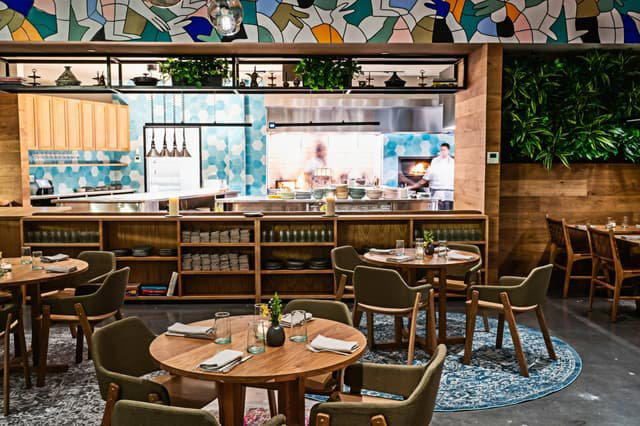
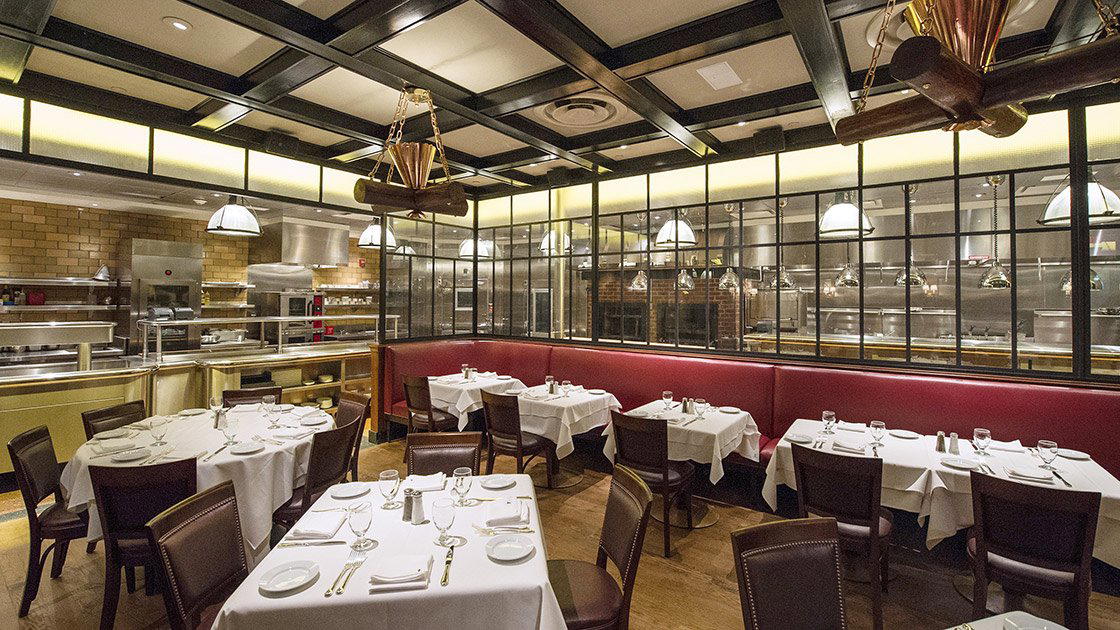
Open kitchen and covered patio create a spacious feel, with an intimate smaller dining room featuring colorful paintings.