Old Lahaina Luau
Our verdict
On Lahaina's waterfront at 1251 Front Street, Old Lahaina Luau occupies a particular position in Maui's cultural-dining calendar: an open-air evening that sequences traditional Hawaiian food, hula, and ceremony into a single structured format. It sits in a category where atmosphere and cultural programming carry more weight than kitchen technique, and where the event arc matters as much as any individual dish.

Pearl is the En Primeur Club membership app — saves, bookings, and concierge access live there. Same editors, same standards.
- Address
- 1251 Front St, Lahaina, HI 96761
- Phone
- (808) 667-1998
- Hours
- Daily 8:15 AM–8:30 PM
- Website
- oldlahainaluau.com
- Directions
- Get directions
- Booking
- Book on the venue's website
The menu
What to order
- Kalua pig
- Lomi lomi salmon
- Poi
- Haupia
- Banana bread
Where the Pacific Sets the Scene
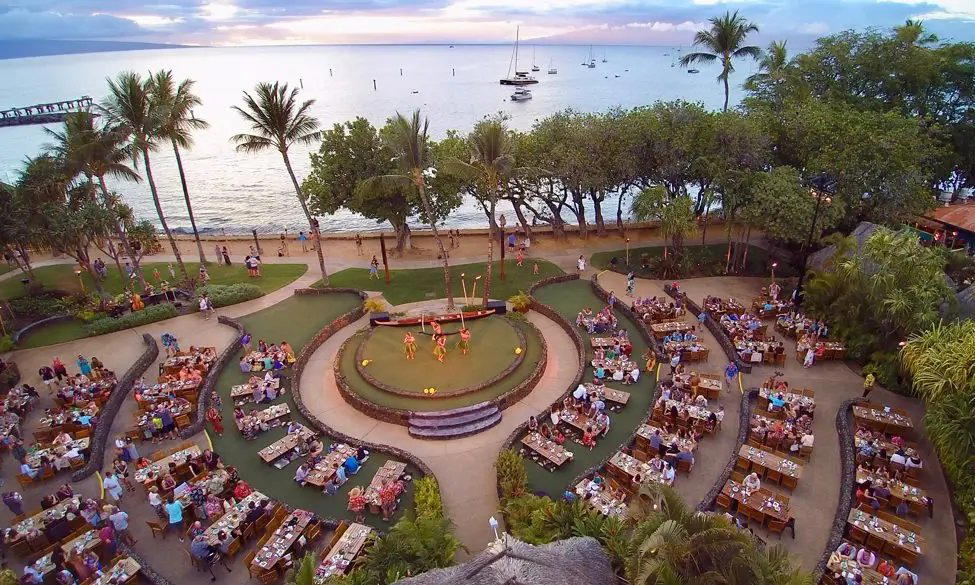
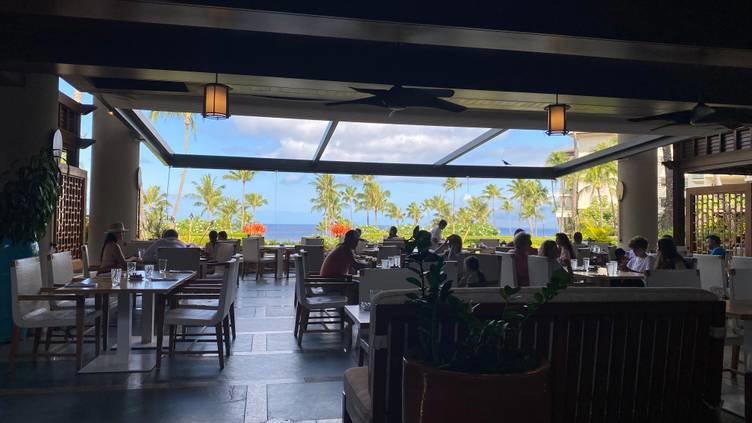
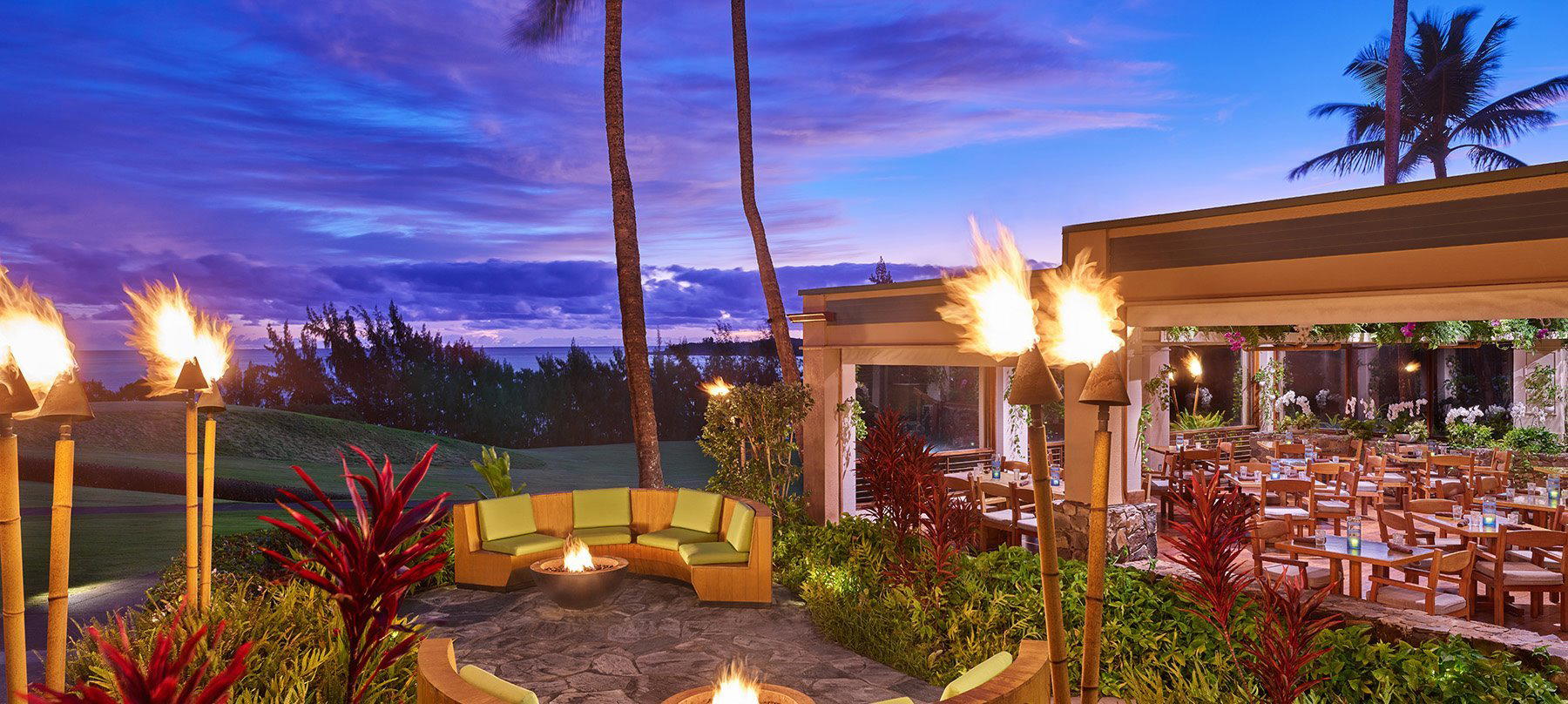
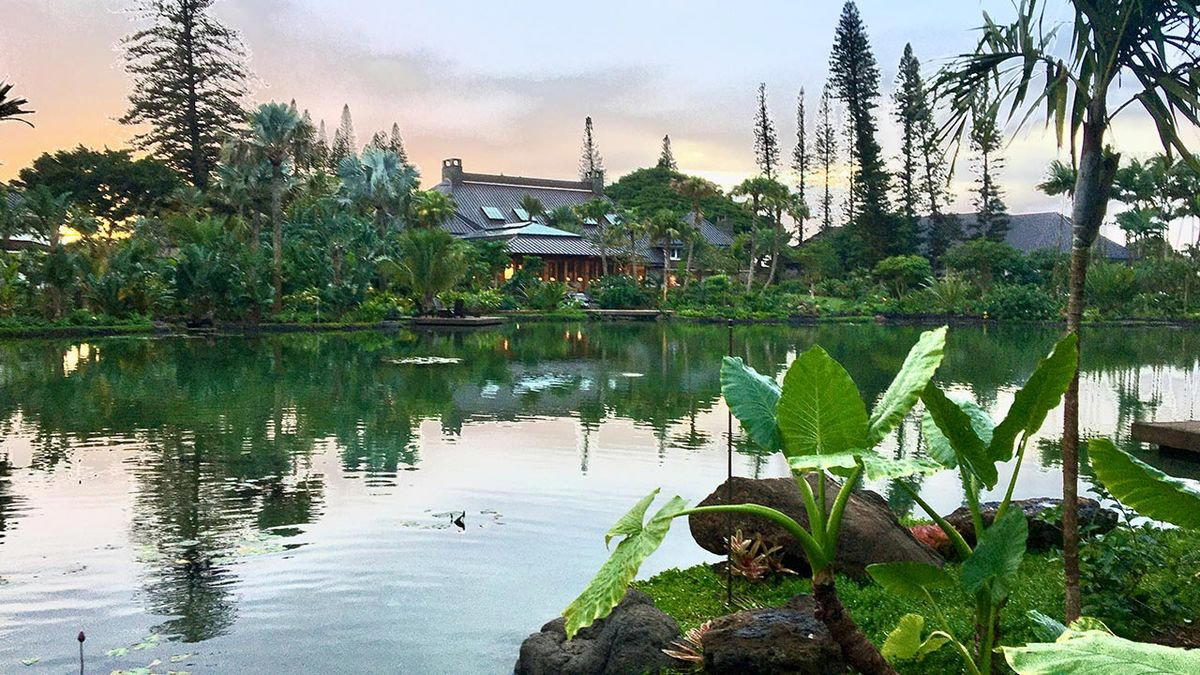
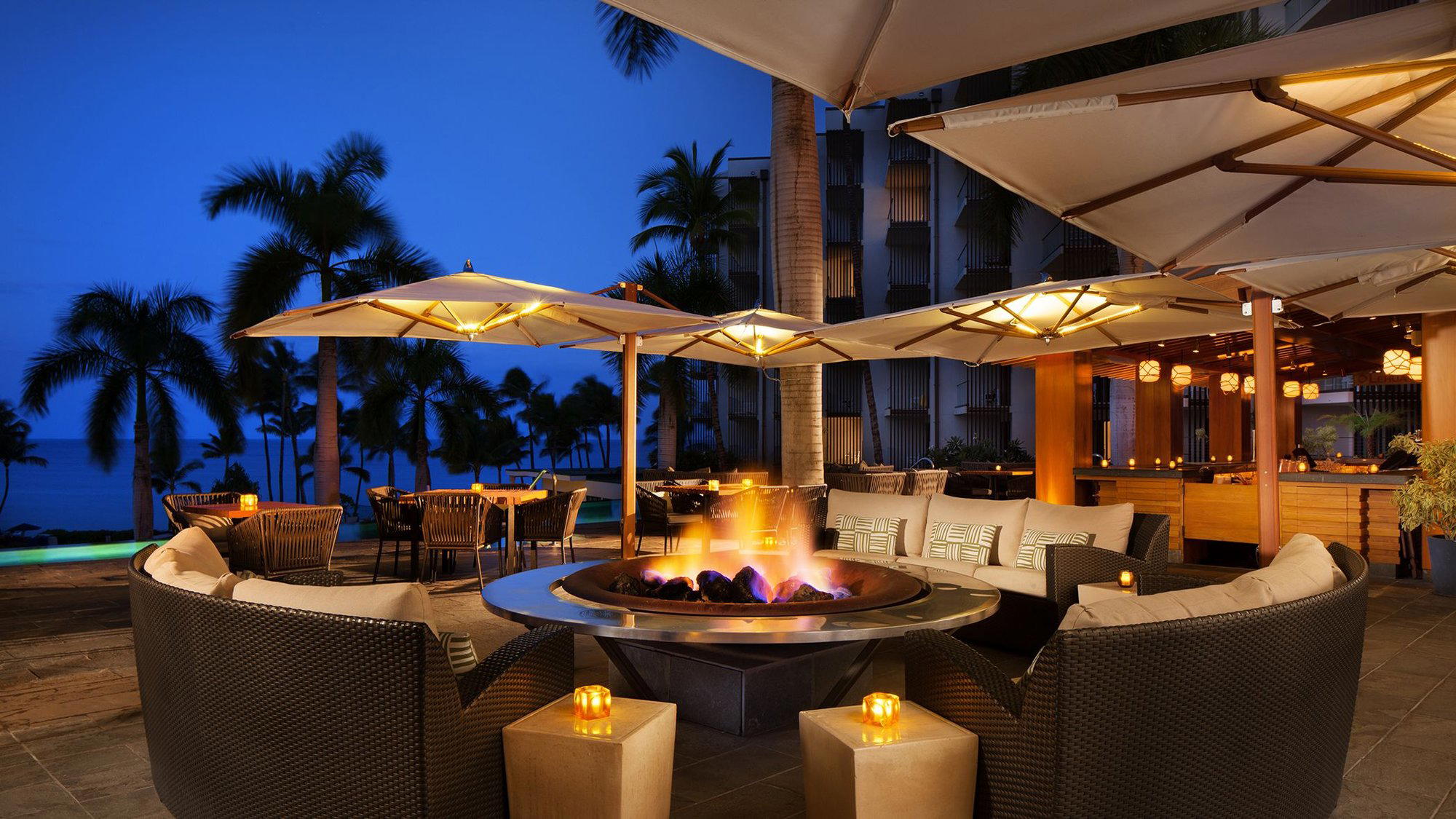
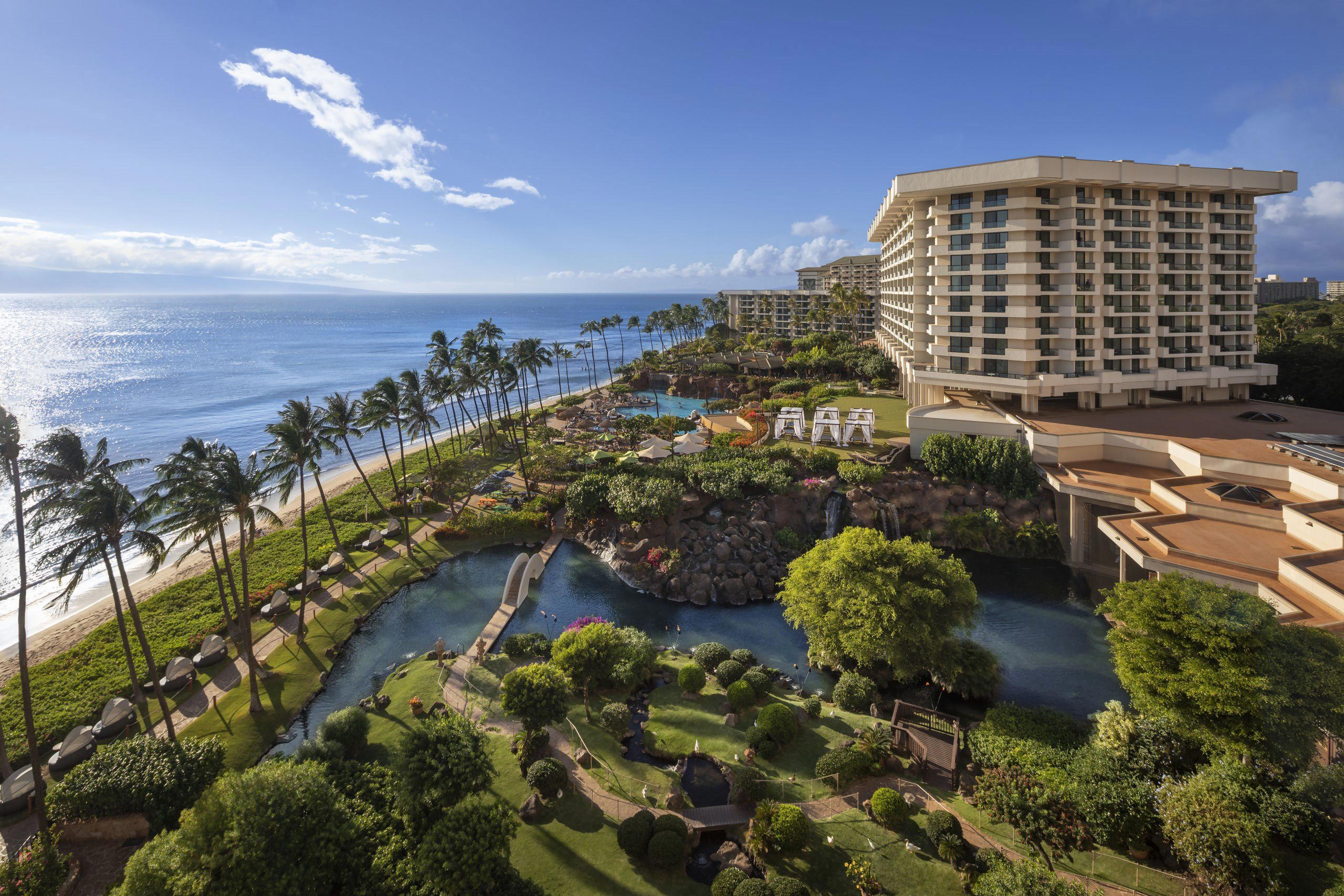
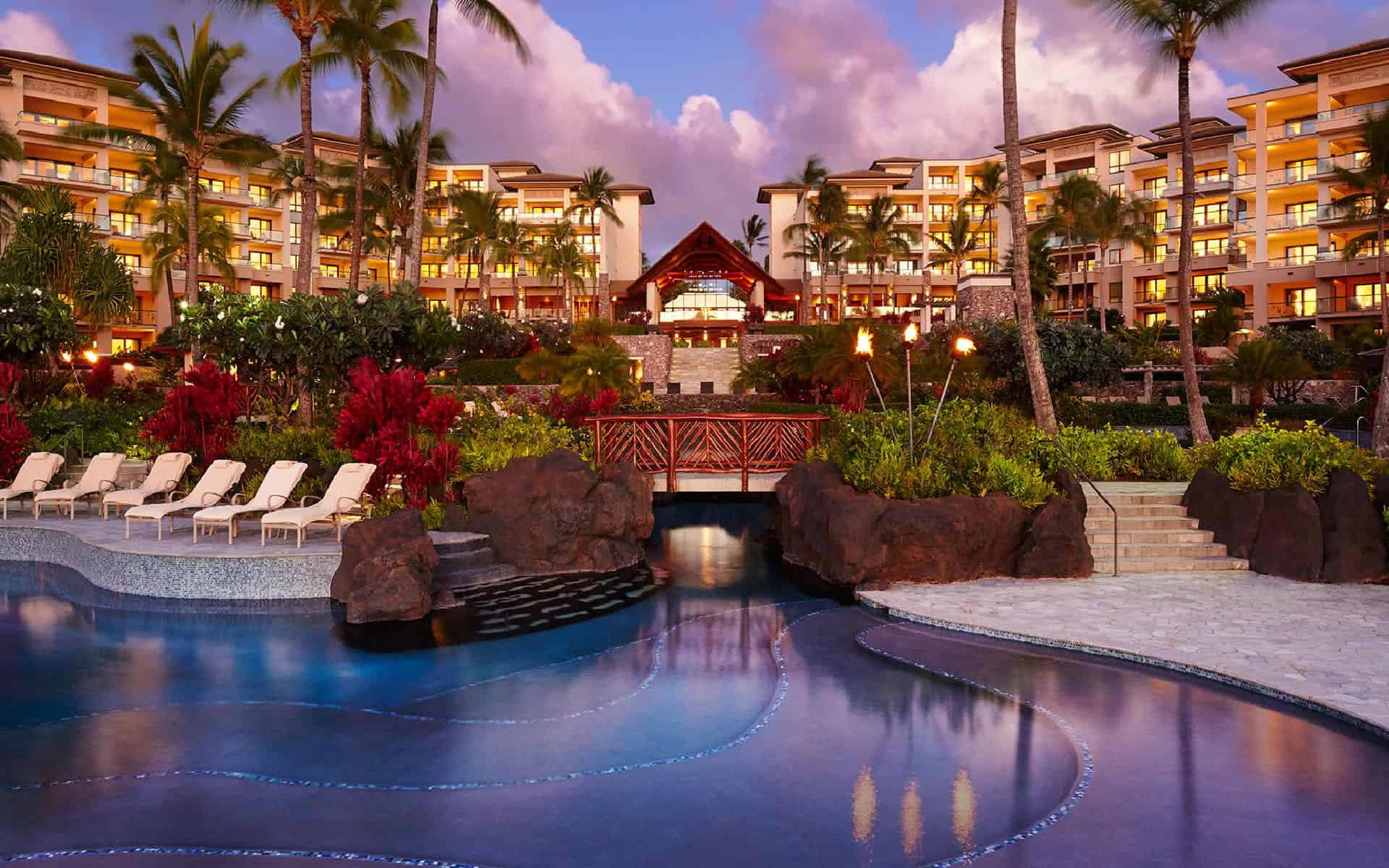
The approach to 1251 Front Street at dusk frames what Old Lahaina Luau is before the program even begins. The waterfront site on Lahaina's western edge means guests arrive with the sun dropping toward the horizon over the channel between Maui and Lanai, a setting that does a great deal of the atmospheric work that indoor venues achieve through lighting design and acoustics. Open-air luau formats that position ceremony and meal against a natural backdrop represent one of Hawaii's oldest hospitality traditions, and Old Lahaina Luau holds one of the most recognizable addresses in that category on Maui.
Lahaina itself is worth understanding as context. The town's Front Street corridor has long served as the primary cultural and commercial axis of West Maui, drawing visitors from across the island and beyond. Within that corridor, the competition for evening programming is real: Merriman's – Maui draws the farm-to-table crowd, Cane & Canoe works the Polynesian fusion lane, and Monkeypod Kitchen holds a strong position in the casual New American space. The luau format, however, operates in its own tier.
How the Evening Is Structured
The editorial angle that matters most for understanding Old Lahaina Luau is menu architecture in the broadest sense: not just what food is served, but how the entire evening is sequenced as a structured experience. A luau is, at its core, a performance-dinner hybrid. The sequence of arrival, craft demonstrations, imu ceremony (the uncovering of the underground oven where the kalua pig has slow-cooked), buffet service, and hula performance is not incidental — it is the format, and every element serves a role within a designed arc.
This structure mirrors something seen at high-concept tasting menus at venues like Alinea in Chicago or Lazy Bear in San Francisco, where the sequence of the evening is treated as a form of authorship. At Old Lahaina Luau, the authorship is cultural rather than avant-garde: the progression from pre-show activities through ceremony and into performance is drawn from Hawaiian tradition, with the food acting as both sustenance and symbol. The kalua pig, slow-cooked in the underground imu, is not just a dish. It marks the ceremonial center of the meal and is the most direct reference to pre-contact Hawaiian cooking methods that the evening offers.
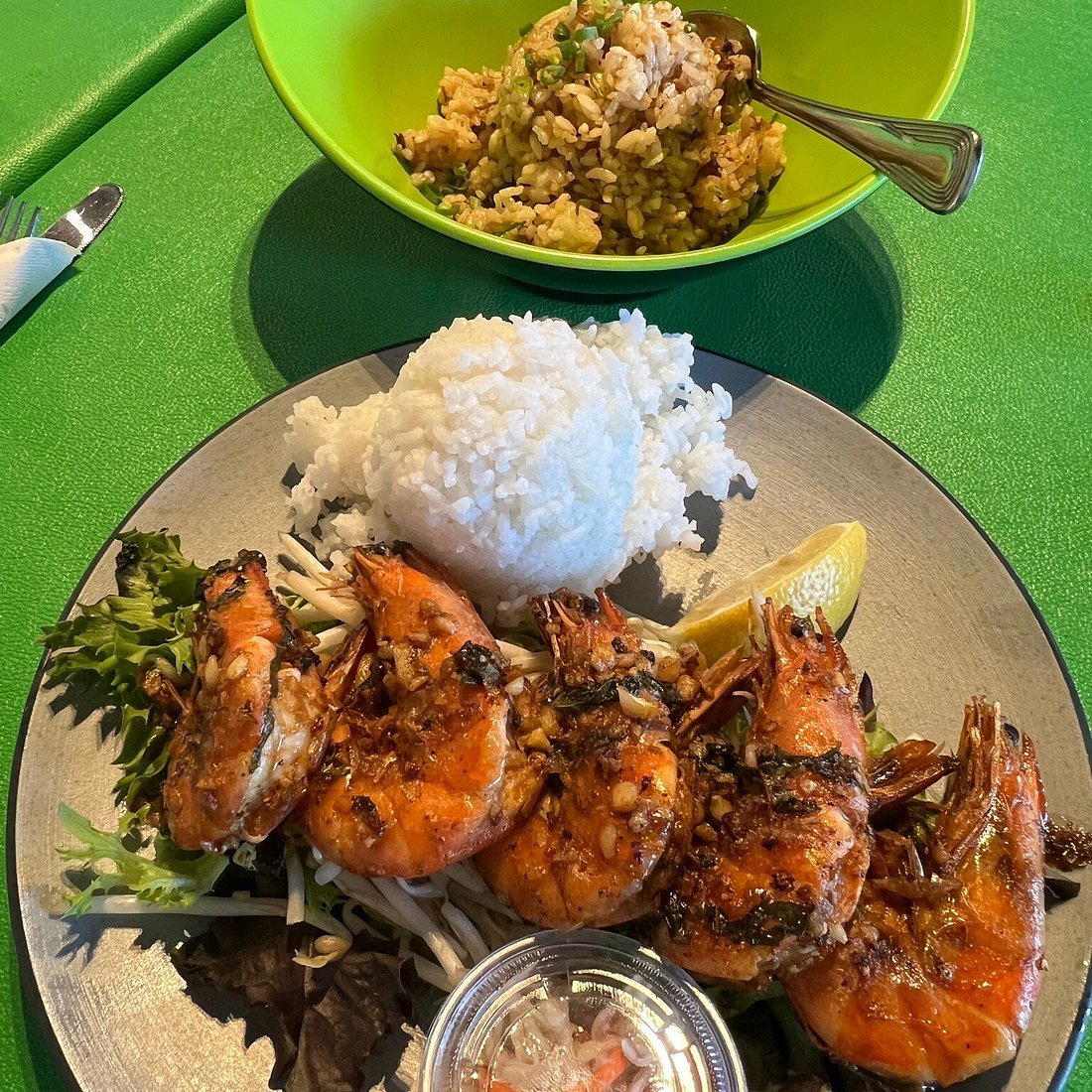
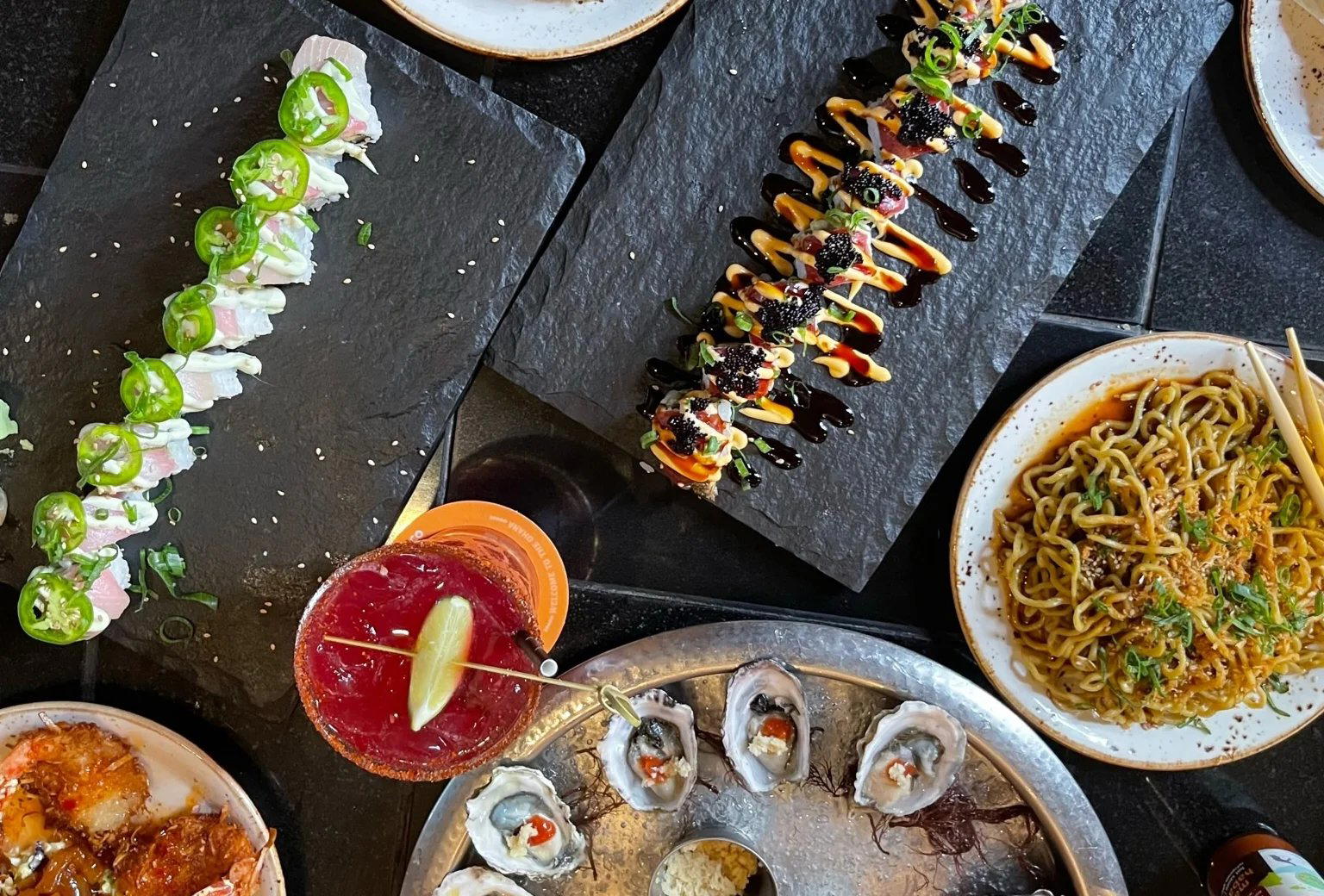
The food program at luau events of this type tends to follow a buffet format that covers the core registers of Hawaiian and Pacific cuisine: poi, lomi salmon, poke, haupia, and various protein preparations alongside more accessible options for guests unfamiliar with traditional flavors. The breadth is deliberate. A luau buffet is designed to be inclusive across a wide demographic range, families, international visitors, first-time guests, and that breadth is structurally different from the editorial restraint of a tasting menu. Peer comparisons within the luau category focus on execution quality, cultural authenticity, and the caliber of the performance program rather than kitchen ambition.
The Cultural Programming Layer
The hula and music component at Old Lahaina Luau is where the experience separates from a dinner-with-entertainment format and enters something closer to a cultural presentation. Hawaiian hula carries a deep narrative tradition: dances tell specific stories tied to gods, places, natural forces, and historical events. The distinction between ancient hula (kahiko) and modern hula (auana) is part of what a serious luau program communicates to its audience, and venues in this category that treat the performance as background noise rather than foreground content tend to read as generic regardless of food quality.
For travelers who have spent evenings at high-concept cultural programming elsewhere, the kind of immersive formats that Single Thread Farm in Healdsburg or Atomix in New York City deploy around food and place, the luau offers an analogue rooted in a completely different tradition. The food and performance are not separate tracks; they are two expressions of the same cultural content.
Lahaina's Broader Dining Context
Old Lahaina Luau sits within a dining ecosystem that has evolved considerably over the past decade. Star Noodle represents the casual Hawaiian end of the spectrum with depth in local noodle traditions. The Banyan Tree adds another anchor on Front Street. For a complete picture of where the luau fits in relation to Lahaina's full range of dining, drinking, and cultural options, the [Lahaina restaurants guide](), [Lahaina bars guide](), [Lahaina hotels guide](), [Lahaina wineries guide](), and Lahaina experiences guide map the full territory.
The luau category in Hawaii sits at the intersection of hospitality and cultural stewardship in a way that has no real parallel in mainland dining. The closest analogy might be the ceremony-forward, place-specific formats seen at The French Laundry in Napa or Le Bernardin in New York City, where the context and setting are inseparable from the food, but the cultural register is entirely different. Old Lahaina Luau draws from a living tradition with specific genealogical and geographic roots on these islands, not from a European fine dining lineage. That distinction matters when evaluating what the experience is and what it is doing.
Planning Your Visit
Old Lahaina Luau is located at 1251 Front Street in Lahaina on Maui's western coast. The waterfront site means parking and access on Front Street during peak season, typically December through March and again in summer, requires planning ahead. The luau format runs on a fixed evening schedule tied to sunset timing, which shifts through the year, so confirming current start times before booking is advisable. Reservations are effectively required for this format, walk-in availability at a luau of this visibility on the island is not a realistic planning assumption. Families with children are well-served by the buffet format and the visual nature of the performance, and the cultural programming is presented with enough narrative structure to hold attention across age groups.
Frequently asked questions
Is Old Lahaina Luau suitable for children?
The format at 1251 Front Street is structured around a seated feast and live cultural programming, which works well for children who can follow a multi-hour evening event. The hula and music component provides visual engagement beyond the food, and the open-air waterfront setting gives younger guests room to settle in. Families are a common presence at luau events of this format across Maui.
How would you describe the vibe at Old Lahaina Luau?
The atmosphere at Old Lahaina Luau reads more like a cultural event than a dinner show. The waterfront site on Lahaina's western edge means the Pacific sets the visual backdrop as the program unfolds at dusk, which keeps the tone ceremonial rather than theatrical in the Vegas-style sense. It is communal and unhurried.
How does Old Lahaina Luau differ from other luaus on Maui?
The Lahaina waterfront location at 1251 Front Street is a structural differentiator: the site sits on Maui's western coast, placing the Pacific Ocean as a direct backdrop rather than a resort pool or inland garden, which is the setting for most competing events on the island. The program's emphasis on Hawaiian cultural authenticity over production spectacle has earned it a distinct reputation in Maui's luau category over decades of operation. Visitors comparing options should weigh intimacy of setting and cultural depth against the larger-scale shows offered at Maui's resort properties.
What do people recommend at Old Lahaina Luau?
The cultural programming layer draws the most consistent attention from guests: the hula instruction, the imu ceremony, and the live music component are routinely cited over the food itself. The waterfront position at 1251 Front Street also comes up frequently, particularly for the sunset timing that aligns with the evening's opening. Specific dish recommendations are best confirmed directly with the venue.
How do I find Old Lahaina Luau?
Old Lahaina Luau is located at 1251 Front St, Lahaina, HI 96761, Lahaina.
Do I need a reservation for Old Lahaina Luau?
Old Lahaina Luau operates on a fixed-event model rather than a walk-in basis, and demand on Maui's west coast during peak travel months makes advance booking the practical default. Seats at waterfront luau events of this scale in Lahaina are not reliably available at the door. check the venue's official channels at 1251 Front Street or through their official channels to confirm availability and booking process.
What do critics highlight about Old Lahaina Luau?
Editorial coverage of Old Lahaina Luau consistently focuses on the depth of its cultural programming rather than positioning it as a food destination in the conventional sense. The integration of hula, chant, and music into the evening structure is what separates it from a buffet-with-entertainment format in most written accounts. Its longevity on Lahaina's Front Street is frequently cited as evidence of sustained local credibility.
A Credentials Check
Comparable venues nearby, for context on price, style, and recognition.
| Venue | Cuisine | Price | Notes |
|---|---|---|---|
| Old Lahaina LuauThis venue — the venue you are viewing | Traditional Hawaiian Luau Feast | $200–300 | Not listed |
| Mauka Makai | Hawaiian Regional | Not listed | Ka'anapali |
| Mala Ocean Tavern | Pacific Rim Seafood | $50–100 | Lahaina |
| Pacific'O | Pacific Rim Beachfront Farm-to-Table | $50–100 | Lahaina |
| Ulu Kitchen by Merriman | Modern Hawaii Regional Cuisine | $30–50 | Kaanapali |
| Honu Oceanside | Modern Seafood | $50–100 | Lahaina |
Details
- Romantic
- Scenic
- Elegant
- Lively
- Date Night
- Family
- Celebration
- Special Occasion
- Group Dining
- Live Music
- Waterfront
- Historic Building
- Craft Cocktails
- Beer Program
- Local Sourcing
- Waterfront
- Family Style
- Set Menu
- Tropical Cocktails
- Unlimited Drinks
- Vegetarian Friendly
- Vegan Options
- Allergy Accommodating
Current opening hours
- Monday
- 8:15 AM–8:30 PM
- Tuesday
- 8:15 AM–8:30 PM
- Wednesday
- 8:15 AM–8:30 PM
- Thursday
- 8:15 AM–8:30 PM
- Friday
- 8:15 AM–8:30 PM
- Saturday
- 8:15 AM–8:30 PM
- Sunday
- 8:15 AM–8:30 PM
Hours can change for holidays and private events. Last verified .
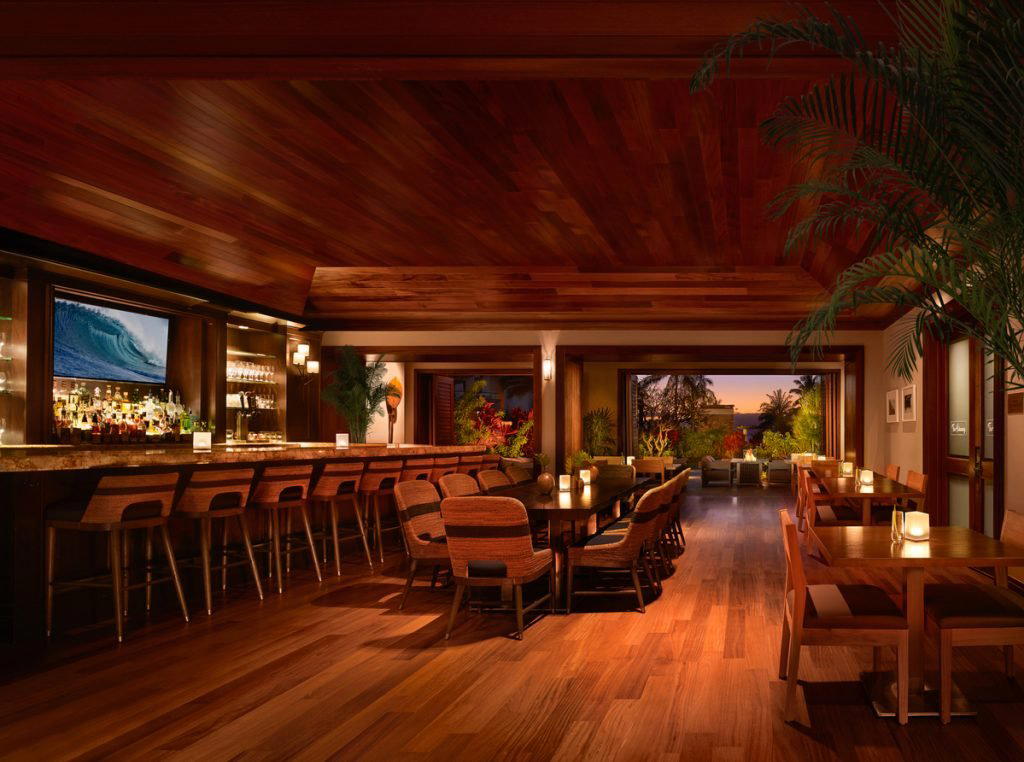
Relaxed yet festive atmosphere with tropical music and ocean breezes; elegant open-air beachfront setting with soft lighting at sunset; warm, welcoming energy throughout the three-hour experience.