Tabelog 100 #31
Our verdict
Okonomiyaki Kiji Marunouchi ten brings Osaka-style okonomiyaki into Tokyo’s Marunouchi office-and-station district, where regulars value speed, heat, and consistency over ceremony. Its Tabelog Okonomiyaki 100 selection in 2025 gives it a clear quality signal in a category often judged by habit and repeat visits rather than formal fine-dining markers.

Pearl is the En Primeur Club membership app, where members save venues, book tables and use the concierge.
The menu
What to order
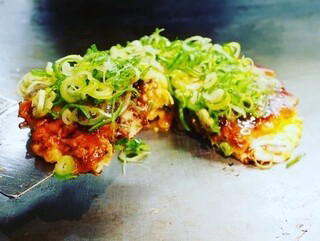
- Pork okonomiyaki
- Modern-yaki
- Yakisoba
- Negi-heavy okonomiyaki
The approach is pure Tokyo: urban dining-room energy, office workers moving with purpose, travellers rolling bags through the city, and a casual room built for turnover rather than theatre. Here, okonomiyaki works because it is democratic but exacting: batter discipline, cabbage balance, griddle timing, and a sauce hand that knows when to stop. Okonomiyaki Kiji Marunouchi ten sits between everyday convenience and specialist cooking, explaining why loyal customers return without a long menu speech.
Tokyo’s high-end dining conversation often tilts toward sushi counters, tasting menus, and polished restaurant rooms, but the city’s everyday food intelligence is just as revealing in griddle rooms. Tokyo compresses several dining modes into a compact restaurant landscape: bakeries for commuters, bistros for business lunches, cafes for cultural days out, and serious casual restaurants for speed without surrendering craft. Comparison points such as Minna no Pan'ya, VIRON Marunouchi ten, Cafe 1894, Sézanne, and MAISON MARUNOUCHI show the city’s range across very different dining occasions. Against that spread, okonomiyaki has its own lane: filling, social, and technically dependent on repetition.
Griddle culture, translated for the Tokyo crowd
Okonomiyaki is often treated as informal food, but informality should not mean looseness. The dish depends on texture, heat control, and balance before it reaches the hotplate. Consistency is the test. In Tokyo, where many diners meet regional specialties through busy urban branches and dining floors, stronger versions avoid theme-park food. They give regulars a meal that feels familiar after the second visit, with enough craft to justify repeat ordering.
The restaurant’s reputation rests on repeatable competence. It has been selected for Tabelog’s Okonomiyaki 100 in 2025 and carries a Tabelog score of 3.66. Those numbers matter because okonomiyaki rarely receives the global award language attached to luxury dining. Category-specific recognition is a better signal than borrowed glamour, placing the restaurant in a national conversation about specialists who handle a narrow form well.
The menu category is direct: okonomiyaki and stir-fried noodles. That pairing tells experienced diners plenty. A griddle kitchen that can handle batter-based cooking and noodle heat must manage timing across two textures: one built on internal steam and set structure, the other on surface contact and seasoning. The appeal is confidence that the same satisfying rhythm will hold at lunch, after work, or during a weekend stop in Tokyo.
Why regulars choose this room over Tokyo formality
Tokyo has dining rooms for client entertaining, polished service, and long conversations over a meal. Okonomiyaki works differently. Loyalty comes from a smaller contract between diner and kitchen: heat, pace, and a format suited to groups as easily as solo eating. The chef biography does not do the heavy lifting. The craft is in the system, the griddle, and the restraint to keep a popular form legible in Tokyo.
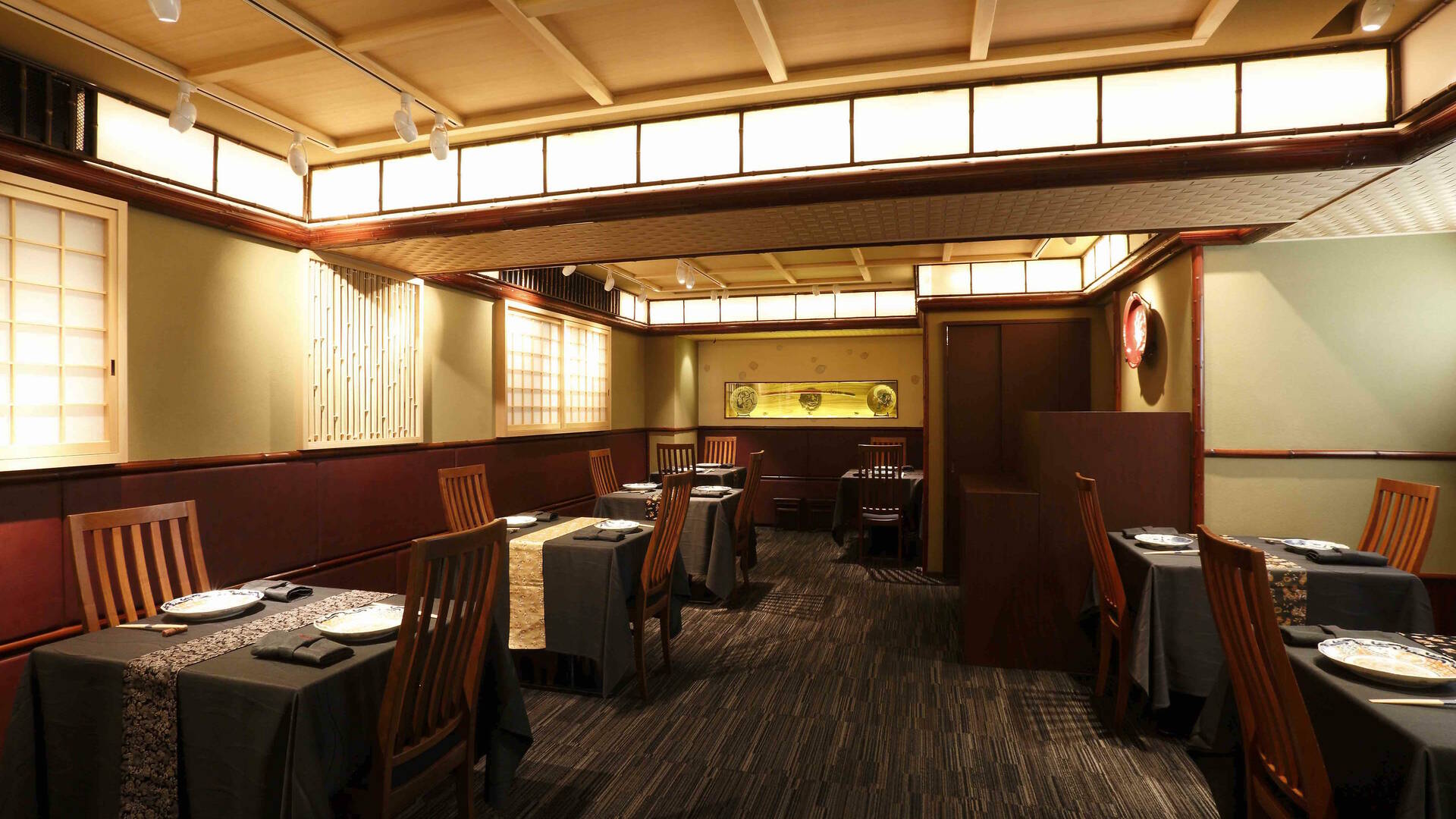
The room supports that pattern. It is better understood as casual and practical than ceremonial, the kind of place where the cooking format matters more than stagecraft. Those details matter in Tokyo, where domestic regulars share space with visitors who may know the dish but not the ordering conventions. The result is approachable without flattening the cuisine into tourist shorthand.
The location also works for repeat customers because Tokyo restaurants with strong everyday use live or die by reliability. In destination dining, scarcity can be part of the appeal. In Tokyo, a restaurant earns loyalty by making the decision easy. Okonomiyaki Kiji Marunouchi ten does not need to compete with Sézanne or MAISON MARUNOUCHI on formality; it competes with where to eat when time is limited and standards remain intact.
For travellers mapping Tokyo by category, the restaurant shows why the city resists simple hierarchy. A strong okonomiyaki specialist can be as revealing as a formal counter, showing how regional Japanese food enters the capital’s daily routines. Readers building a broader itinerary can compare this casual precision with other Tokyo dining rooms across grilled seafood, casual cafes, yakitori, curry, and other specialist formats. For wider planning, use Our full Tokyo restaurants guide, alongside Our full Tokyo hotels guide, Our full Tokyo bars guide, Our full Tokyo wineries guide, and Our full Tokyo experiences guide.
How to read the meal: habit, not spectacle
The smartest approach is to judge fundamentals rather than chase novelty. In okonomiyaki, regulars notice whether the pancake holds together without becoming heavy, whether noodles arrive with enough griddle character, and whether sauce and toppings support rather than smother. Specific orders vary, but the test is balance. A restaurant relevant in busy Tokyo has to satisfy diners who return by routine, not just visitors checking off a regional dish.
That is the useful editorial read on Okonomiyaki Kiji Marunouchi ten: it belongs to the class of Tokyo restaurants where convenience and credibility overlap. The Tabelog Okonomiyaki 100 recognition gives the external signal; the Tokyo setting explains the customer base; the format explains the loyalty. It is not a luxury detour, but a sharp example of how griddle cooking fits into Tokyo’s working day.
Beyond Tokyo, EP Club’s restaurant coverage tracks how regional formats travel and change context: sukiyaki, cafe culture, contemporary dining, Vietnamese cooking, curry specialization, Kyoto dining, and Japanese drinking and comfort-food formats abroad all show how focused food traditions shift with place, audience, and occasion.
Frequently asked questions
Is Okonomiyaki Kiji Marunouchi ten child-friendly?
Okonomiyaki Kiji Marunouchi ten is best understood as a casual Tokyo dining option. For current details on children, stroller access, and seating arrangements, check directly with the restaurant before visiting.
How would you describe the vibe at Okonomiyaki Kiji Marunouchi ten?
It reads as a casual okonomiyaki and stir-fried noodle specialist rather than a formal dining room. The setting suits an unfussy Tokyo lunch or dinner built around griddle cooking.
What should I budget for a meal at Okonomiyaki Kiji Marunouchi ten?
Pricing at Okonomiyaki Kiji Marunouchi ten is listed as Dinner: JPY 3,000 - JPY 3,999; Lunch: JPY 1,000 - JPY 1,999.
What are Okonomiyaki Kiji Marunouchi ten's hours?
Hours can change, so confirm the latest opening times directly with Okonomiyaki Kiji Marunouchi ten before visiting.
Where exactly is Okonomiyaki Kiji Marunouchi ten?
Tokyo.
What has Okonomiyaki Kiji Marunouchi ten built its reputation on?
Its calling card is recognition in Tabelog’s Okonomiyaki 100 list for 2025, alongside a Tabelog score of 3.66. The menu category centers on okonomiyaki and stir-fried noodles.
Similar Picks
Side-by-side context: comparable cuisine and price.
| Venue | Cuisine | Price | Awards | Notes |
|---|---|---|---|---|
| Okonomiyaki Kiji Marunouchi tenThis venue (the venue you are viewing) | Osaka-style okonomiyaki | $20–30 | Tabelog 100 #31 | Not listed |
| Minna no Pan'ya | Traditional Japanese bakery | $10–20 | Tabelog 100 #33 | JPY 999 - JPY 999 |
| VIRON Marunouchi ten | French Brasserie | Not listed | Tabelog 100 #27 | JPY 1,000 - JPY 1,999 JPY 1,000 - JPY 1,999 |
| Cafe 1894 | Western Bistro Cafe | $20–30 | Tabelog 100 #16 | JPY 3,000 - JPY 3,999 JPY 1,000 - JPY 1,999 |
| Sézanne | Modern French Fine Dining | $300–500 | World's 50 Best #16 · La Liste Top Restaurants | French |
| MAISON MARUNOUCHI | Modern French Bistro | $100–150 | Michelin Plate | French Bistro, French |
Recognition history
Dated appearances from independent guides and award organizations, with the underlying list record or original source where available.
Tabelog 100 #31 · No. 31
Tabelog · Tabelog 100 - Okonomiyaki - 2025